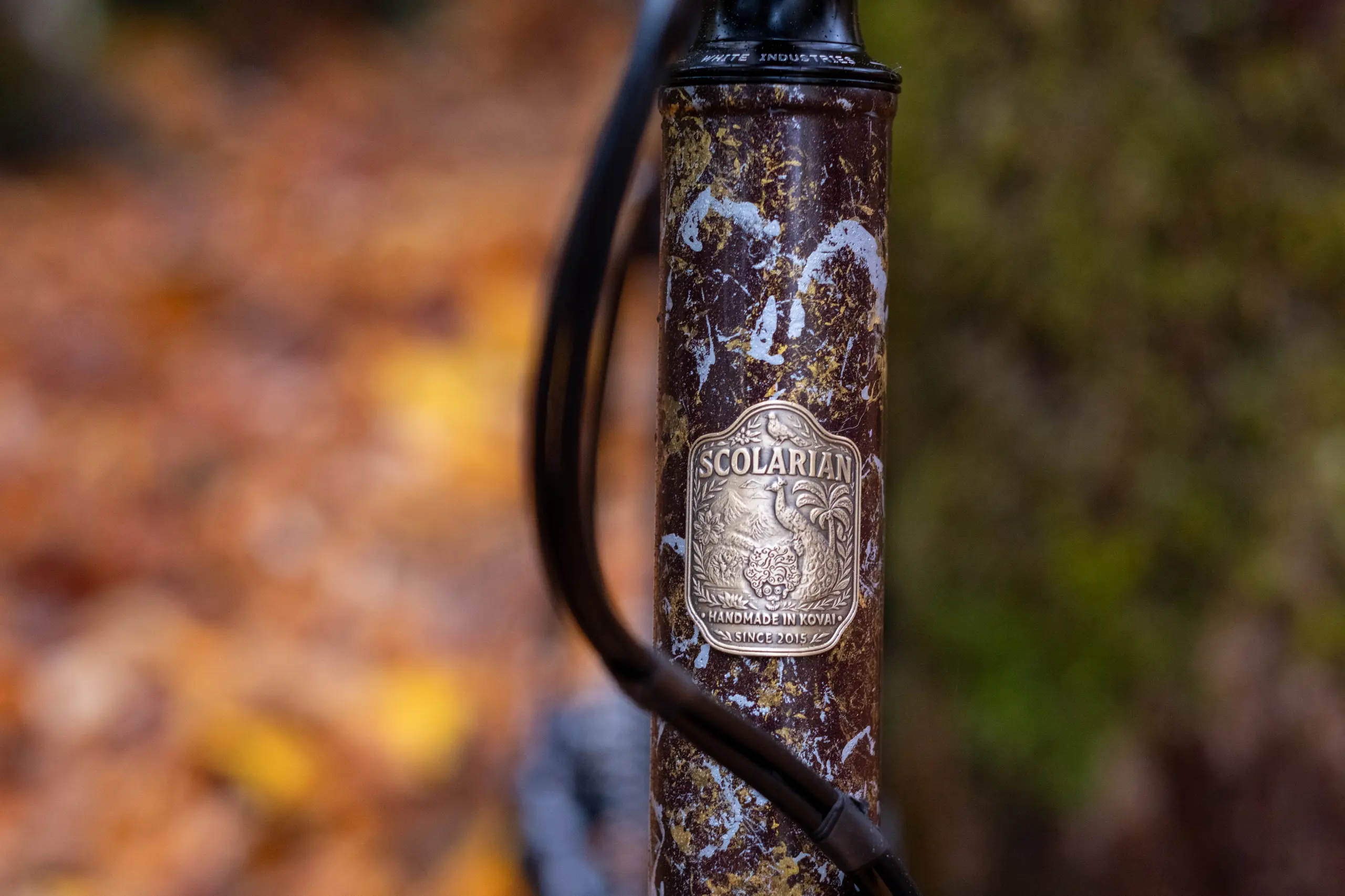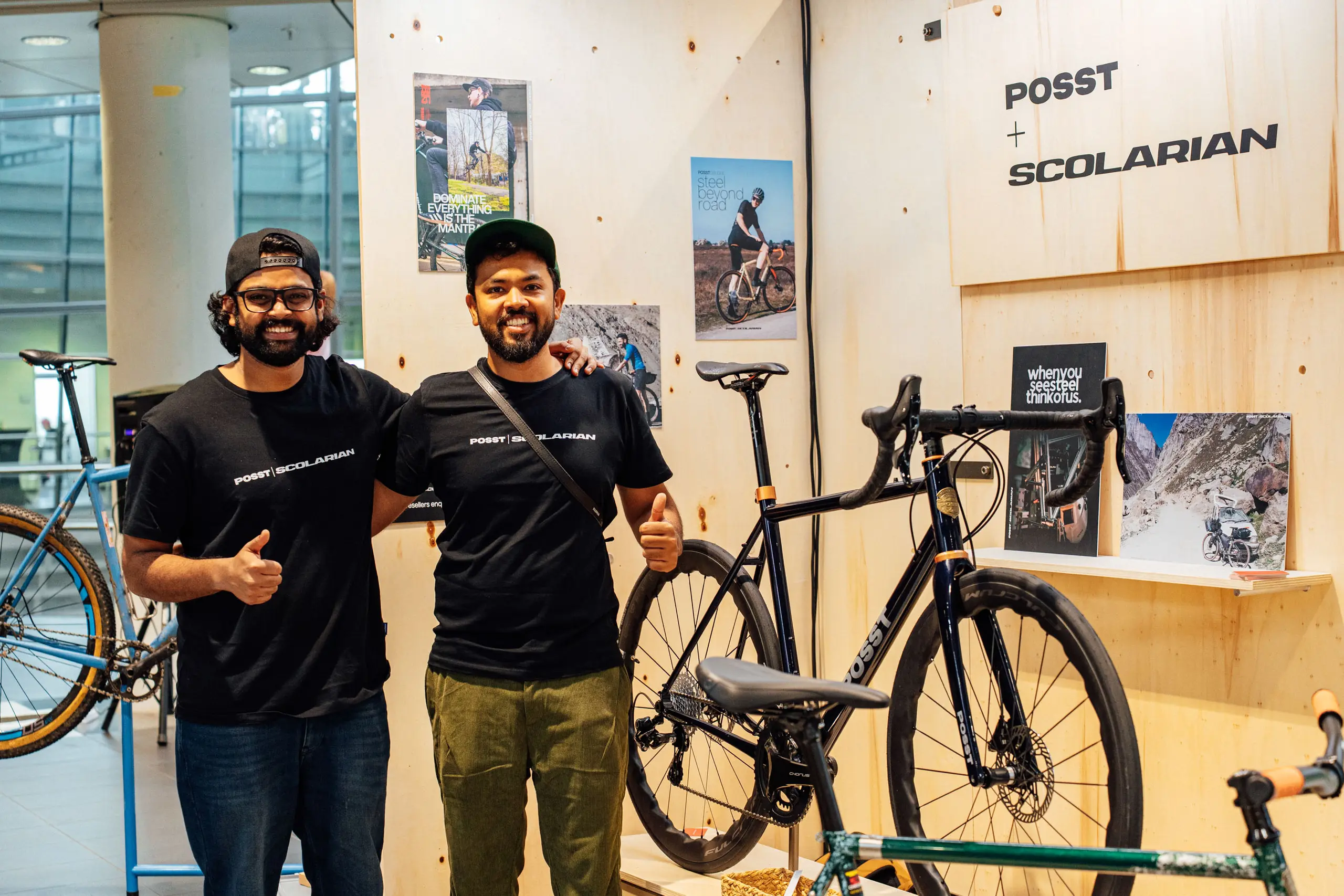
Barry first connected with Scolarian Bikes because his work, designing apps for farmers in developing countries, took him to their home region. He reached out, hoping to do a shop visit but he never got the chance. The shop visit became a series of emails, instead, including listing Scolarian in our Indie Bike Brand Builder Directory.
Eventually, Scolarian co-founder Somy reached out with an idea. He wanted us to review one of their custom frames. We were excited. We had just published the Salsa Flyway and Surly Sorceress reviews and this was another huge milestone. This wasn't just a media test bike. Somy wanted to custom build a frame for somebody on our team to test and it would become theirs to keep.
Barry and I drew straws to see who would claim this collaboration and I walked away with the win.
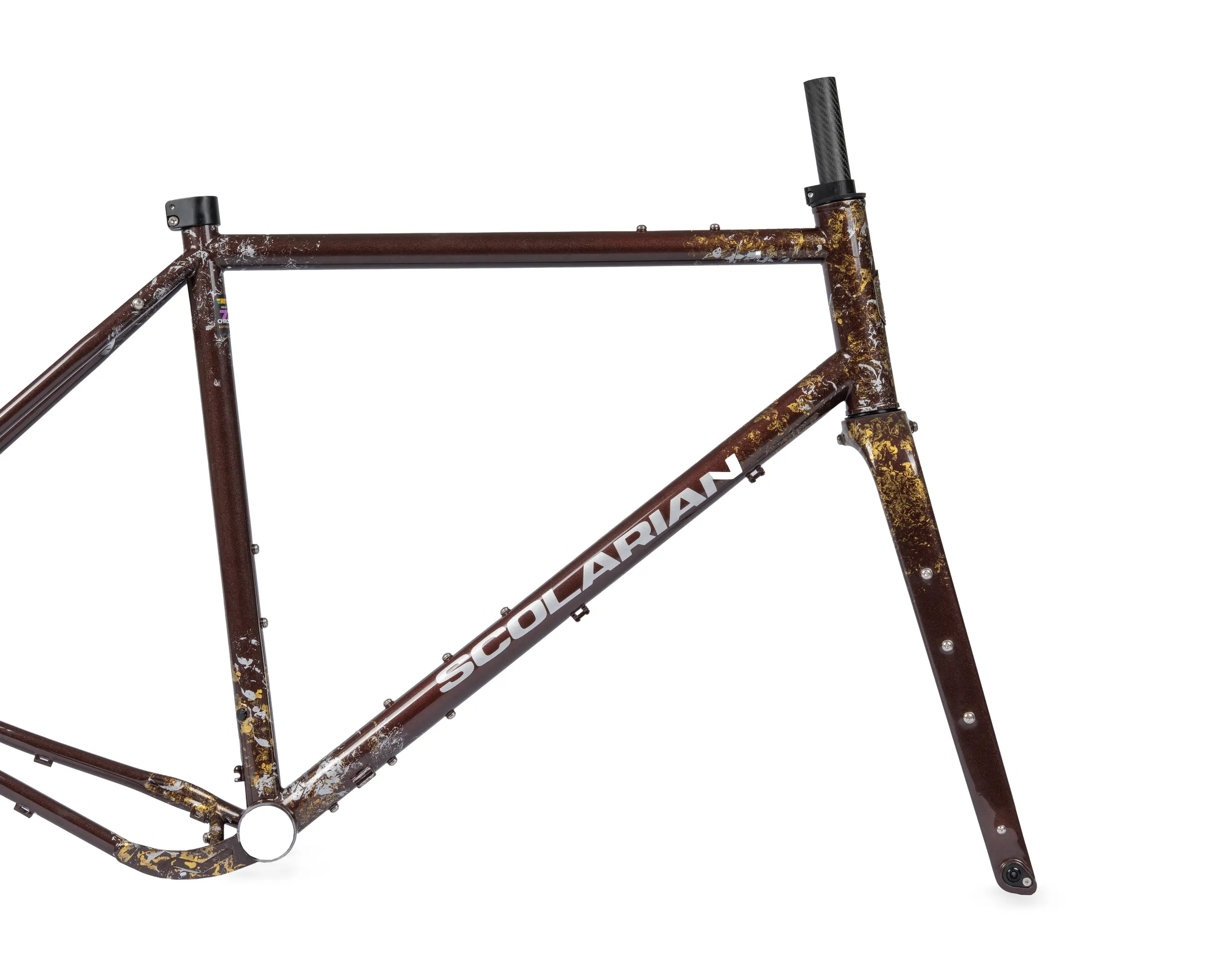
Over the past few months, I've been in touch with both founders, Somy and Sachin, as they've built out the first ever MUDFEST Plus. It's more than an update of their longstanding MUDFEST gravel TA frameset. The Plus version brings a more aggressive geometry, bigger tire clearance, and swaps 525 Reynolds steel for 725 Reynolds steel.
It's already built and in the mail, but before we dive into the build project, I wanted to chat with Somy and Sachin about Scolarian, growing a brand in India, and balancing personal aesthetics with industry demands. Let's go...
You've been in business for 10 years, growing from a startup into a brand with five full-time employees. What is one funny fact about Scolarian that we wouldn't expect?
We make decisions by arguing until one of us gets hungry and concedes.
What was the moment you decided: "Yeah, I'm gonna build bikes"?
It wasn't a single moment. It was a series of small fires that eventually became one big one.
We met during our mechanical engineering course, the kind of place where you spend more time in the workshop than the classroom if you're doing it right.
Then came the fixies.
It's remarkable, really, how deeply popular culture can reach into a person and rearrange their future without asking permission. We watched Premium Rush and loved the stripped-back purity of a fixed gear on city streets, then found a bunch of bike messenger videos on YouTube and that was it. We sat there watching them on loop. The bikes were too good. There was something about that simplicity done beautifully that made us restless.
We tried to buy one just for fun, but nobody was making fixed-gear bikes in India. So we decided to build one. That first prototype still hangs in our workshop. We worked out the geometry, the tubing, made a jig, built a small batch, and sold them. People bought them, and that was surprising enough to keep going.
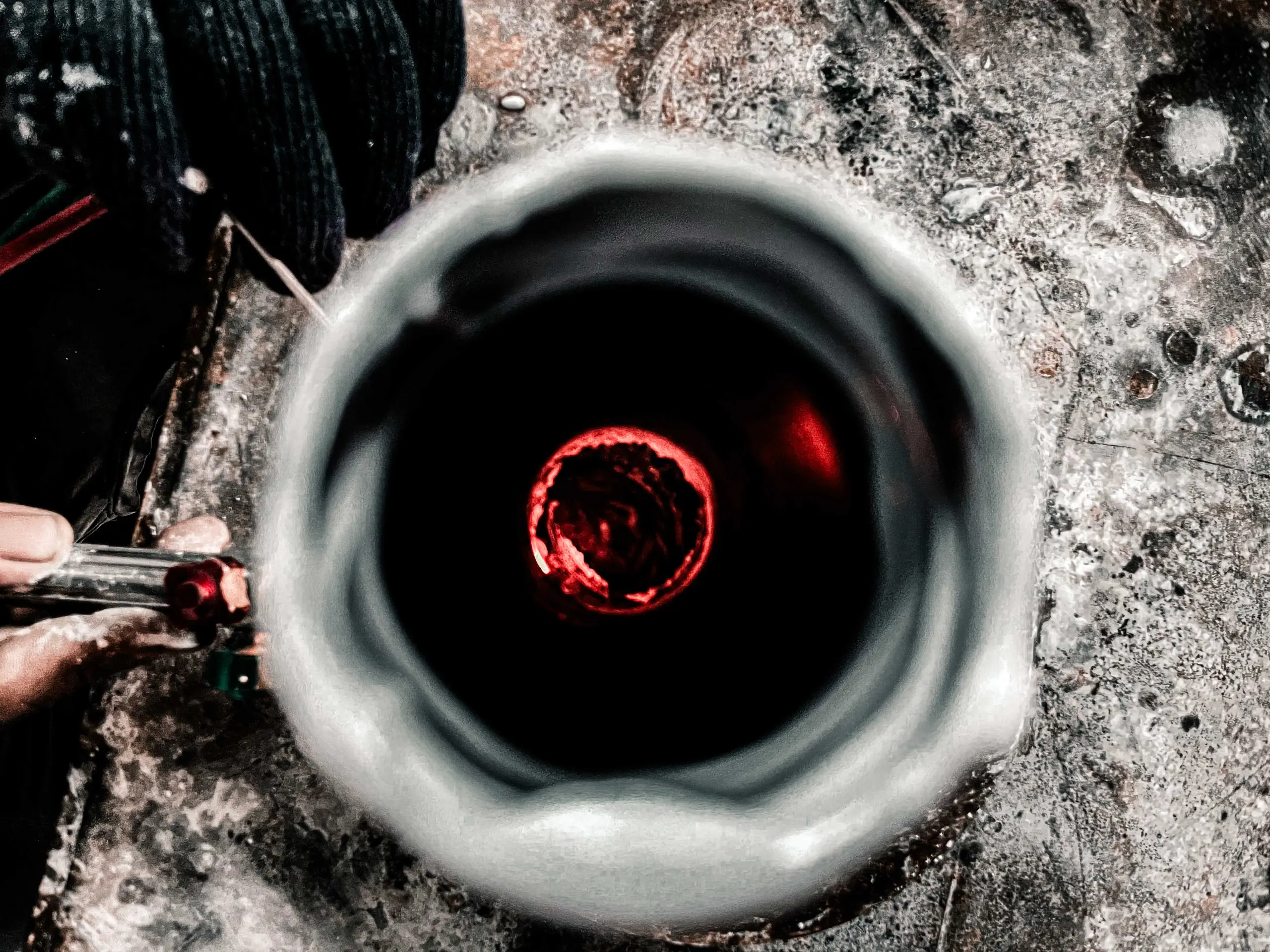
The custom frames came the way the best things usually do, through a friend. She was a bike fitter and asked if we could build her something from scratch. We'd just bought a brazing setup, mostly out of fascination, there's something about watching brass flow into a joint and fuse two pieces of steel into one. We said yes before we'd thought it through. Built the frame. She loved it. We kept falling harder into working with metal and building bikes.
We don't regret a single thing about falling in.
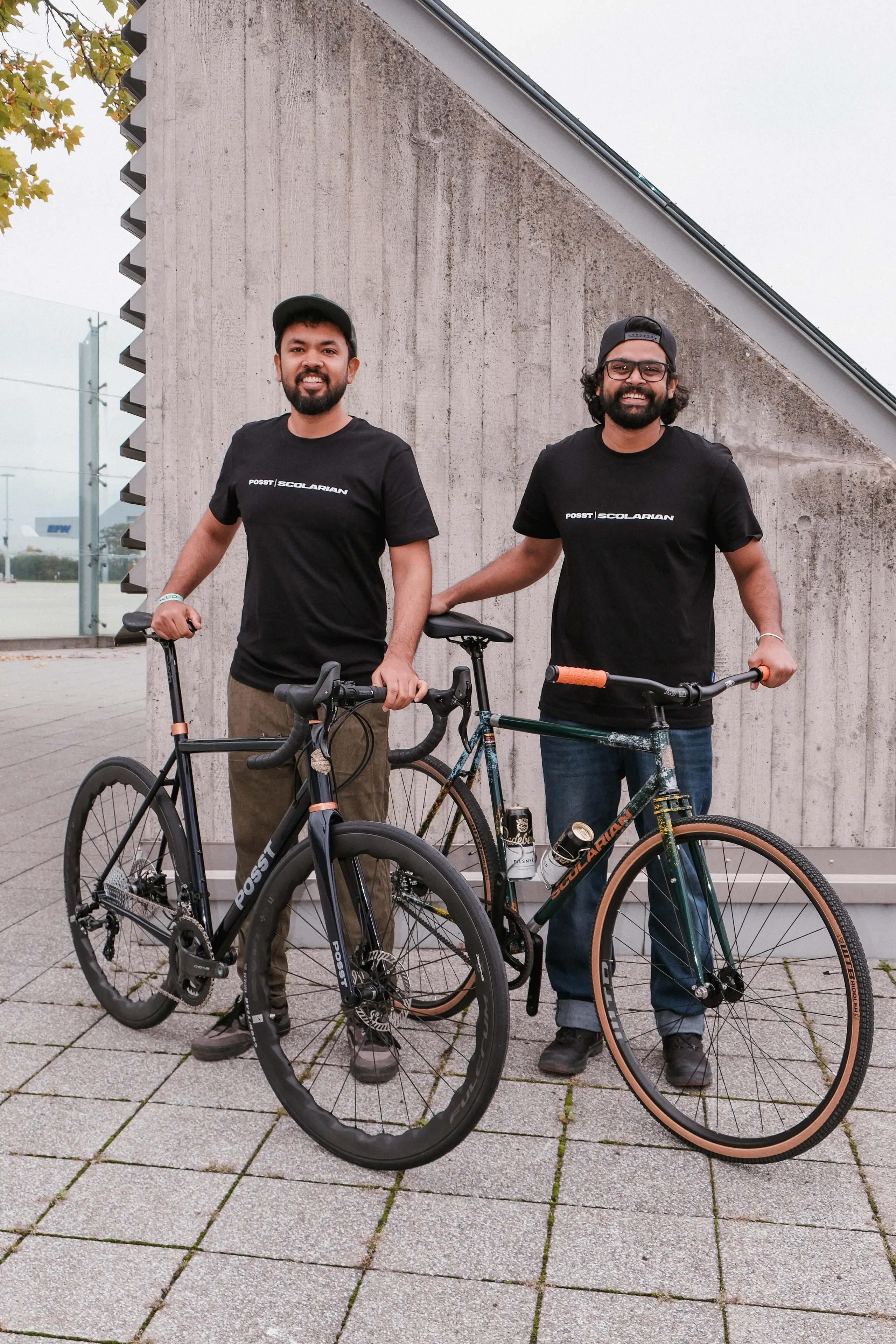
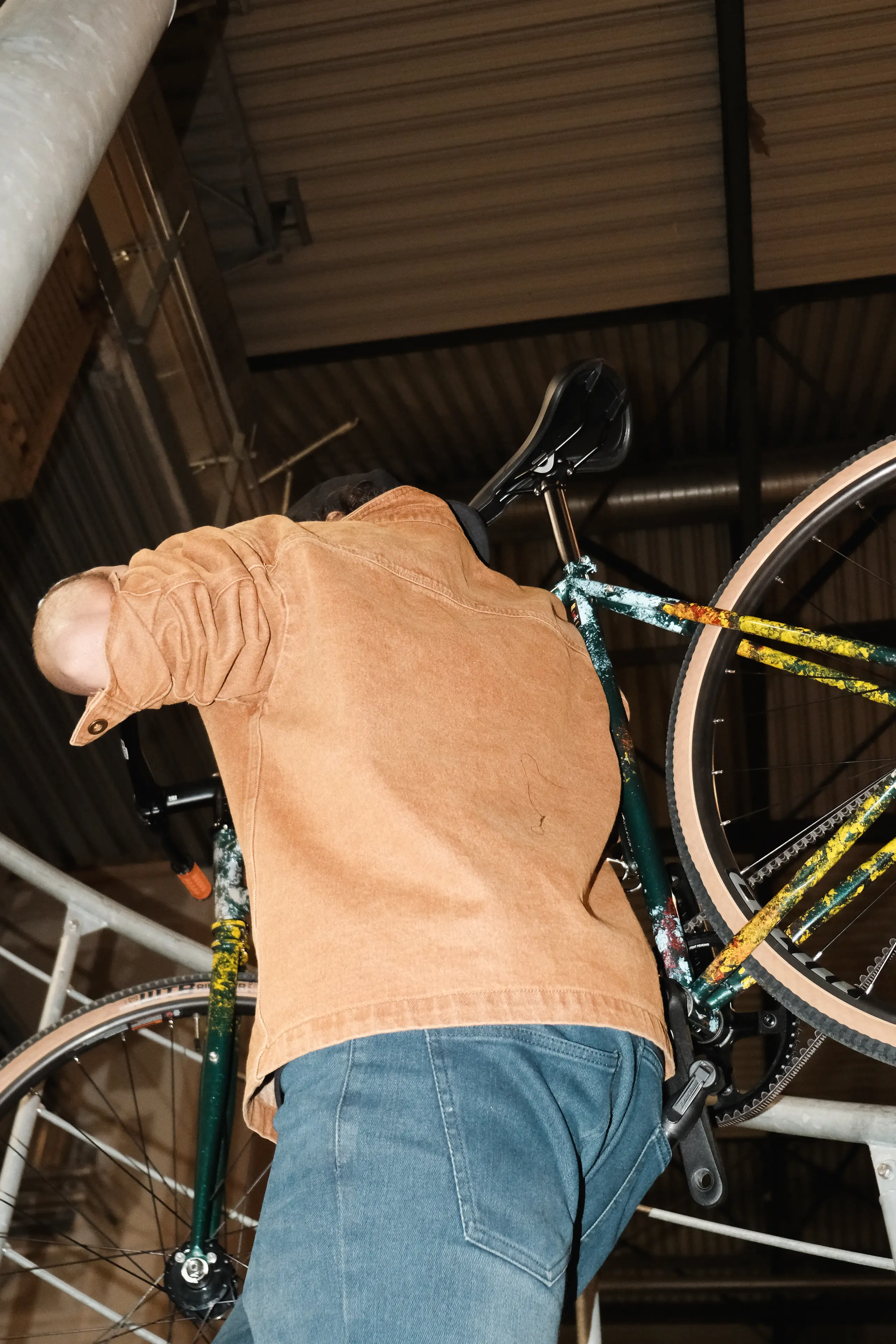
How many bikes has Scolarian sold, and how does that split between staying in India and going abroad?
In the last three years, we've actually been exporting more and more frames internationally. A lot of it's gone into the UK, the US, and Scandinavia. Over the full ten years, it's close to 130 frames internationally against 650 to 680 domestically, so that export share is a recent shift, not the historical norm.
What makes somebody in the UK want to order a Scolarian?
Buyers abroad have a currency advantage, and working with Reynolds tubing makes us more visible to that audience. We move between 525 and 725, and Columbus. People in the UK really love Reynolds. In Europe and Asia, they have a preference for Columbus tubing.
Although price isn't really the driver, our customers appreciate that we don't charge extra for custom geometry. Every bike we build is made to order; we don't run batches.
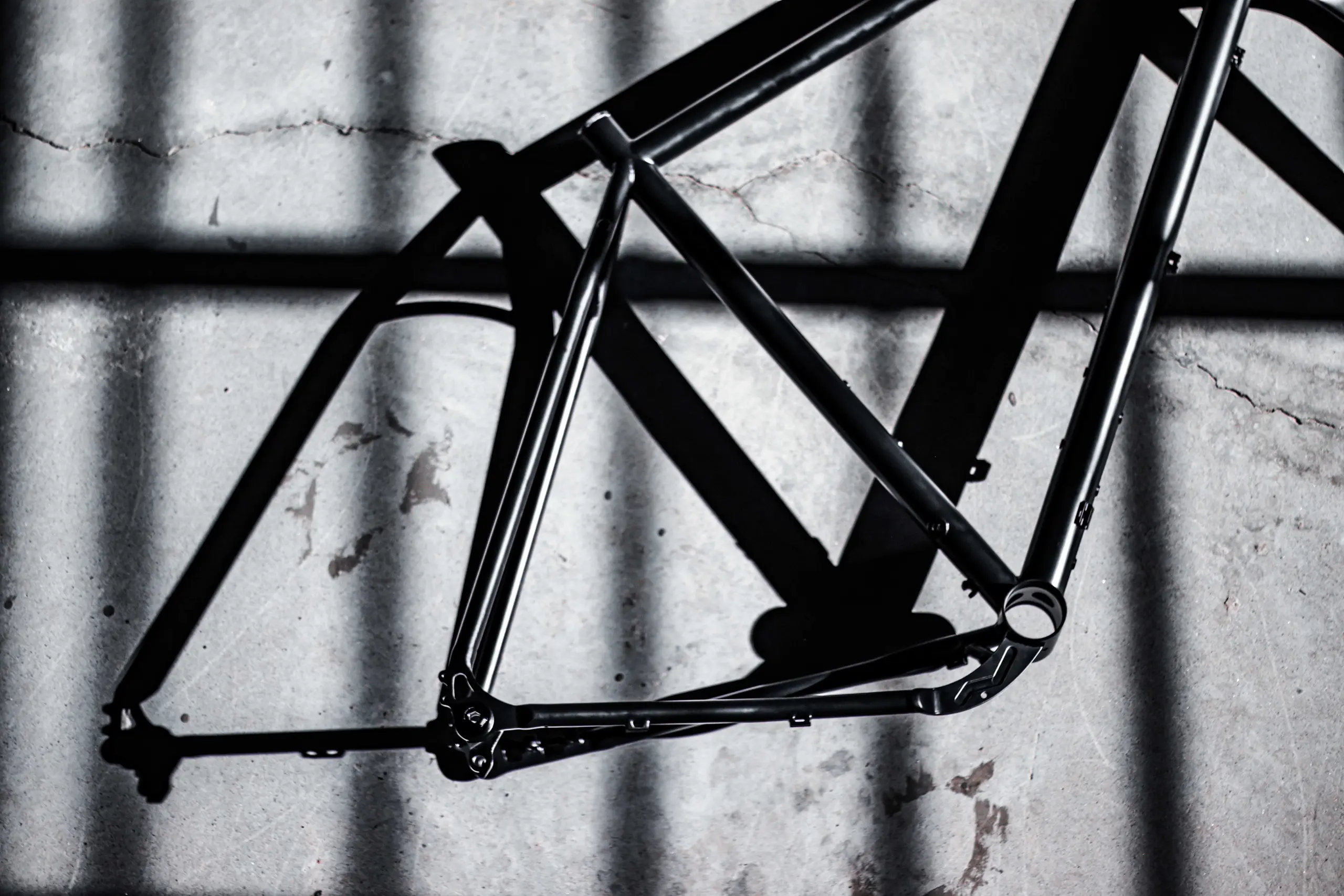
What does the build process look like?
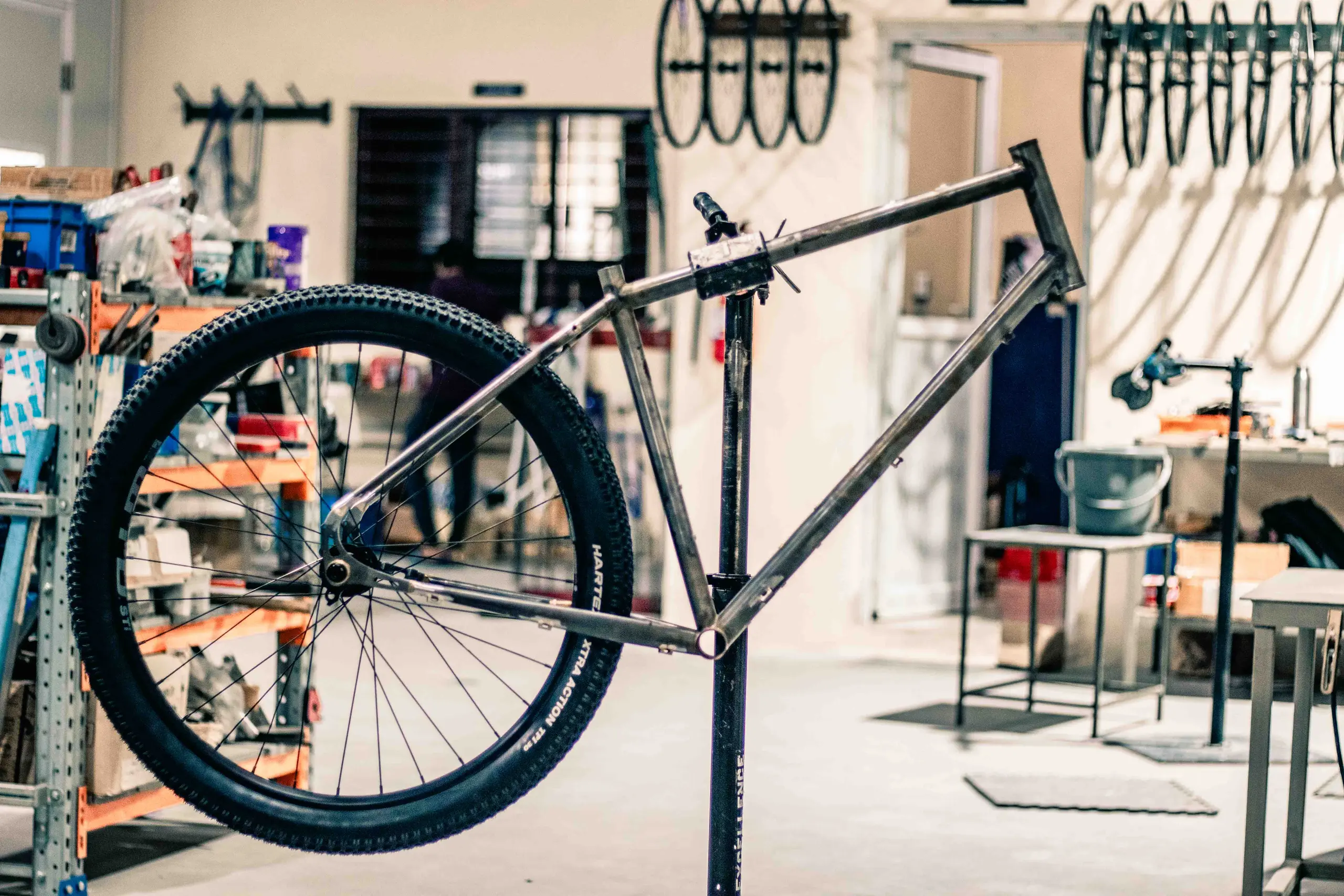
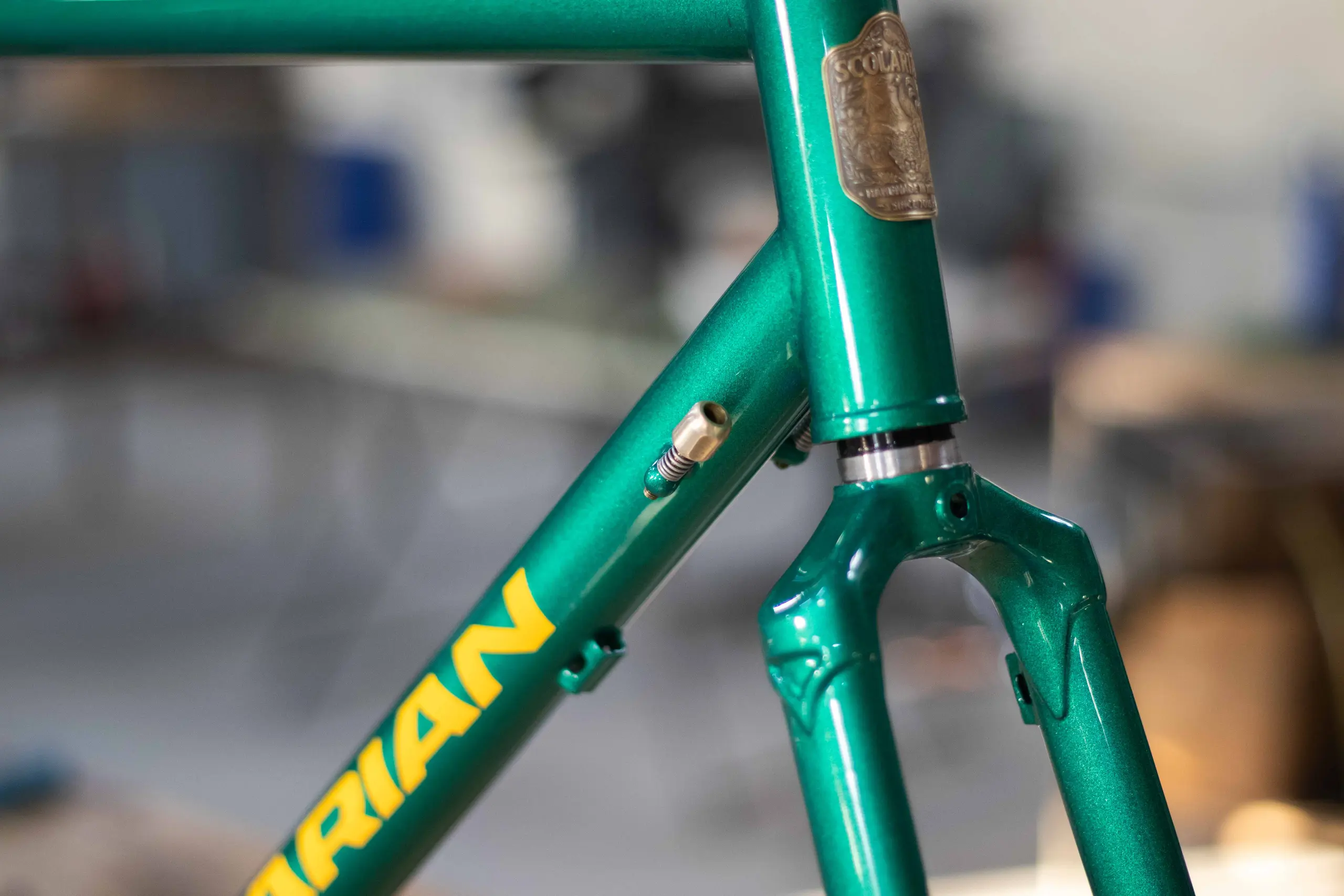
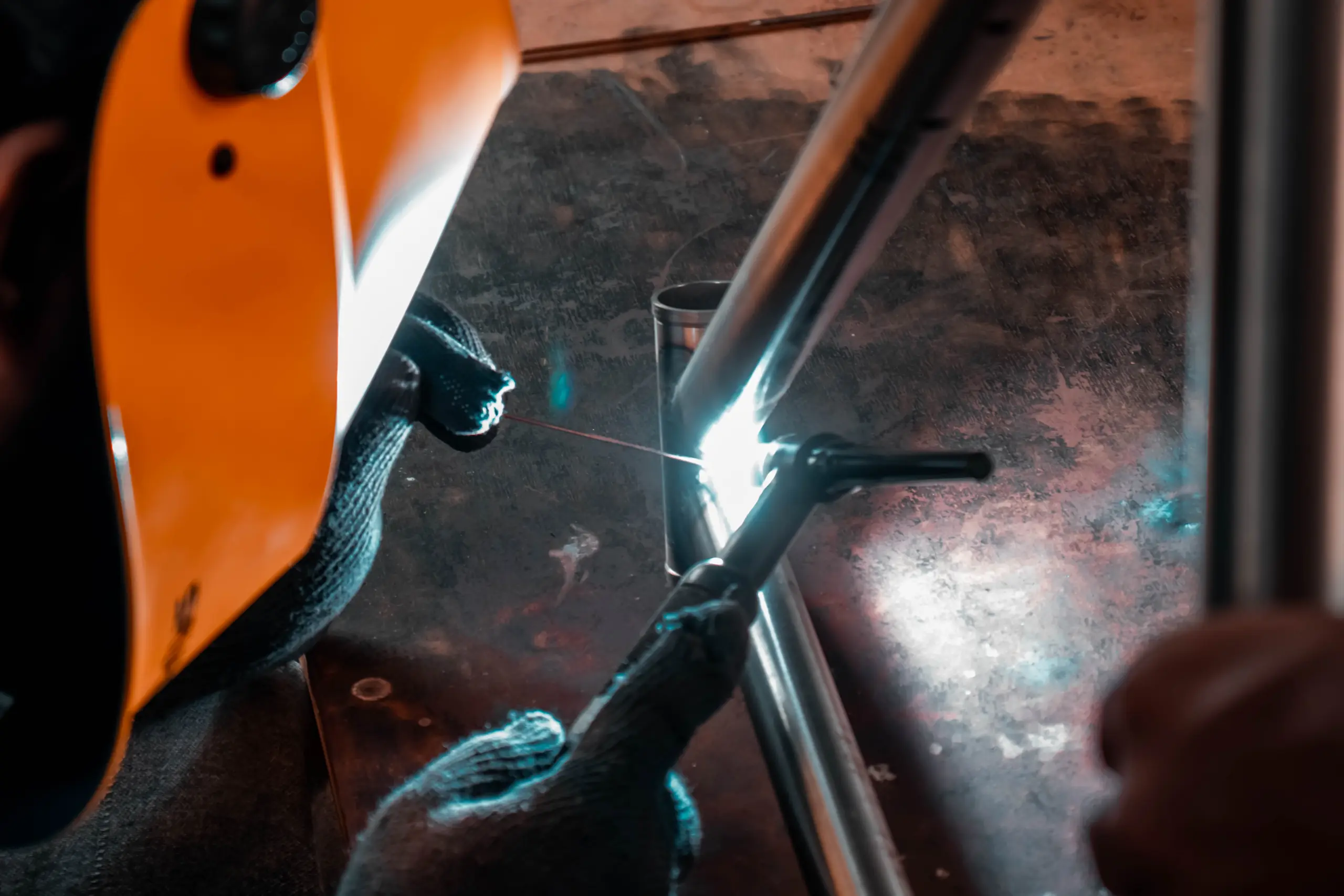
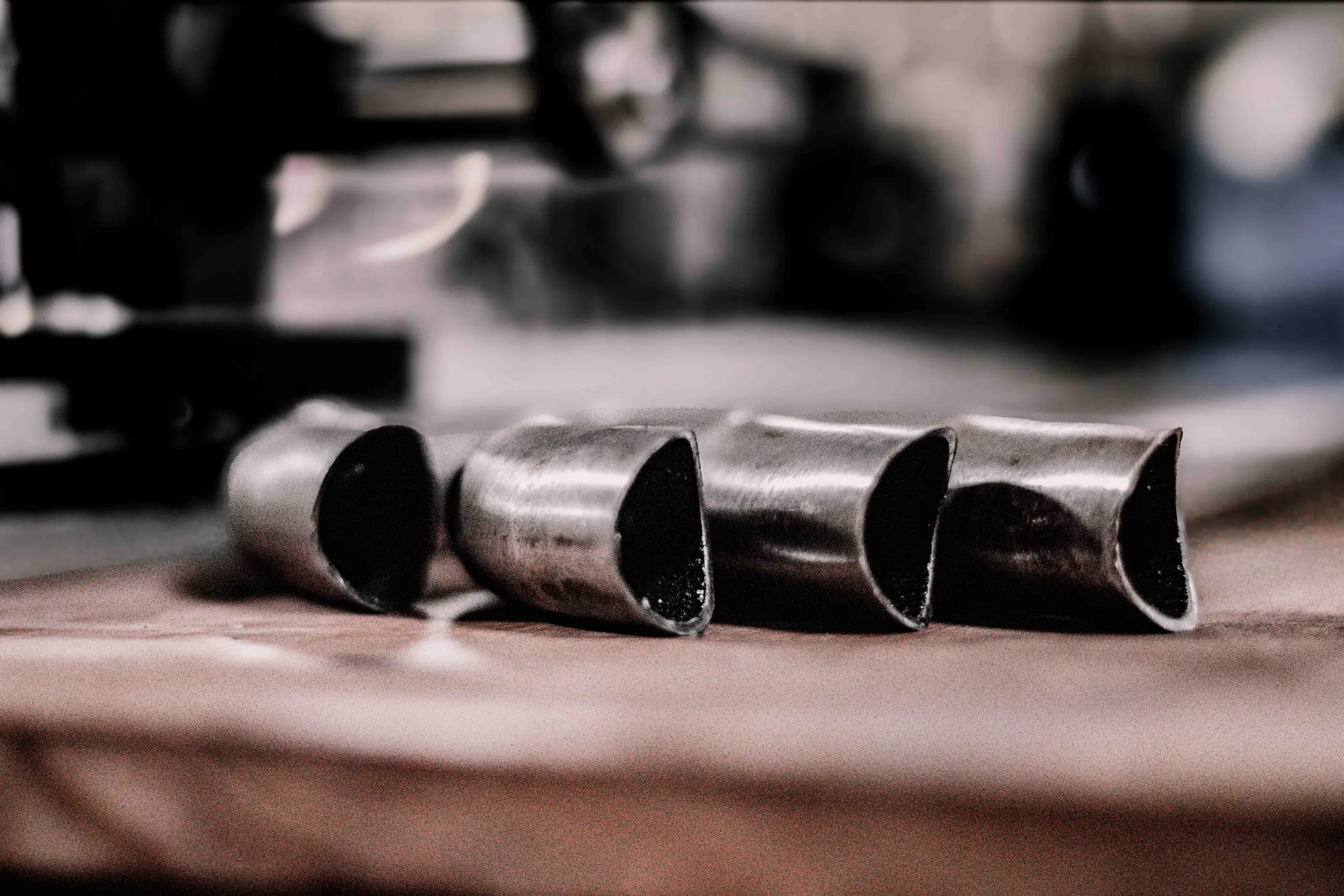
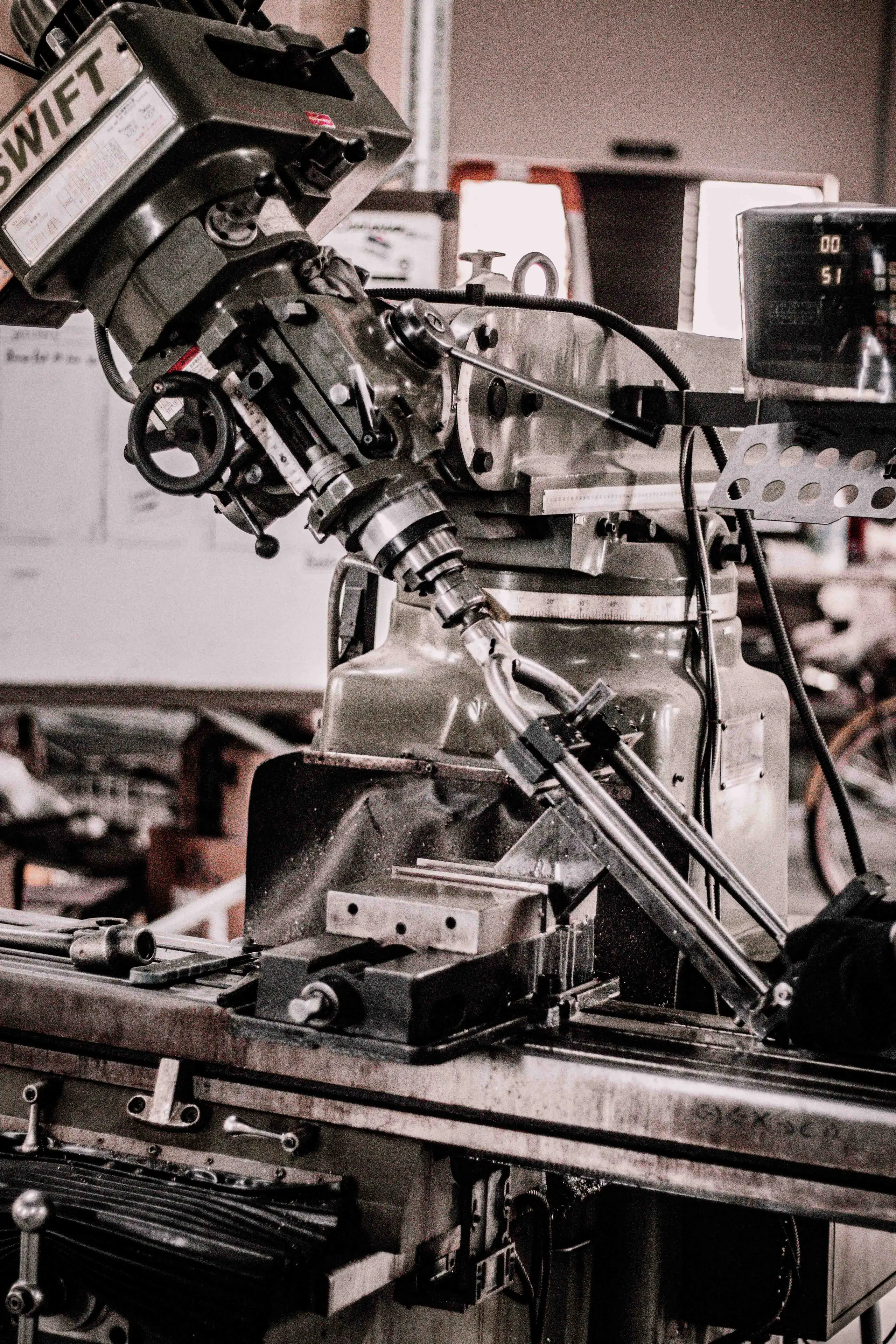
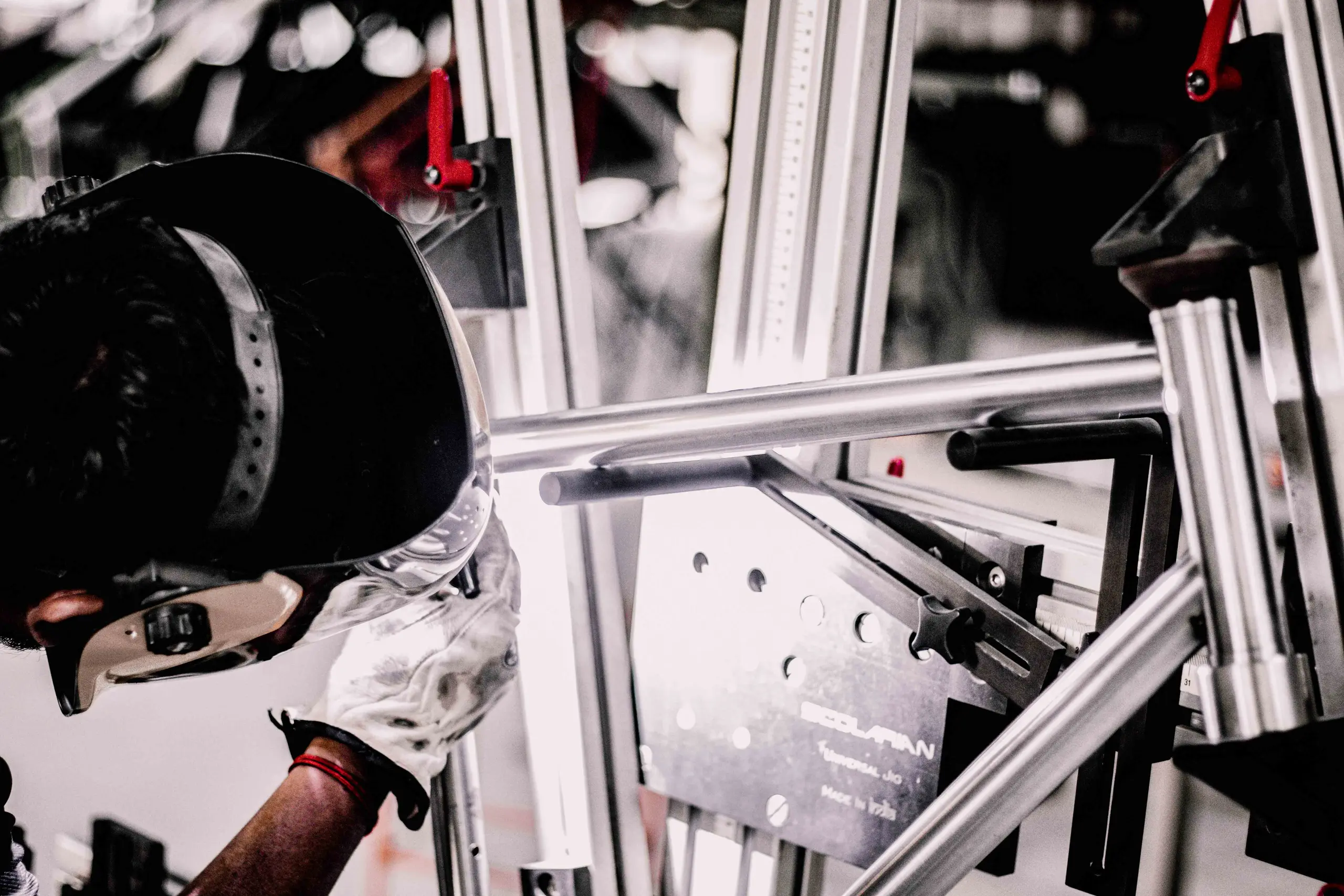
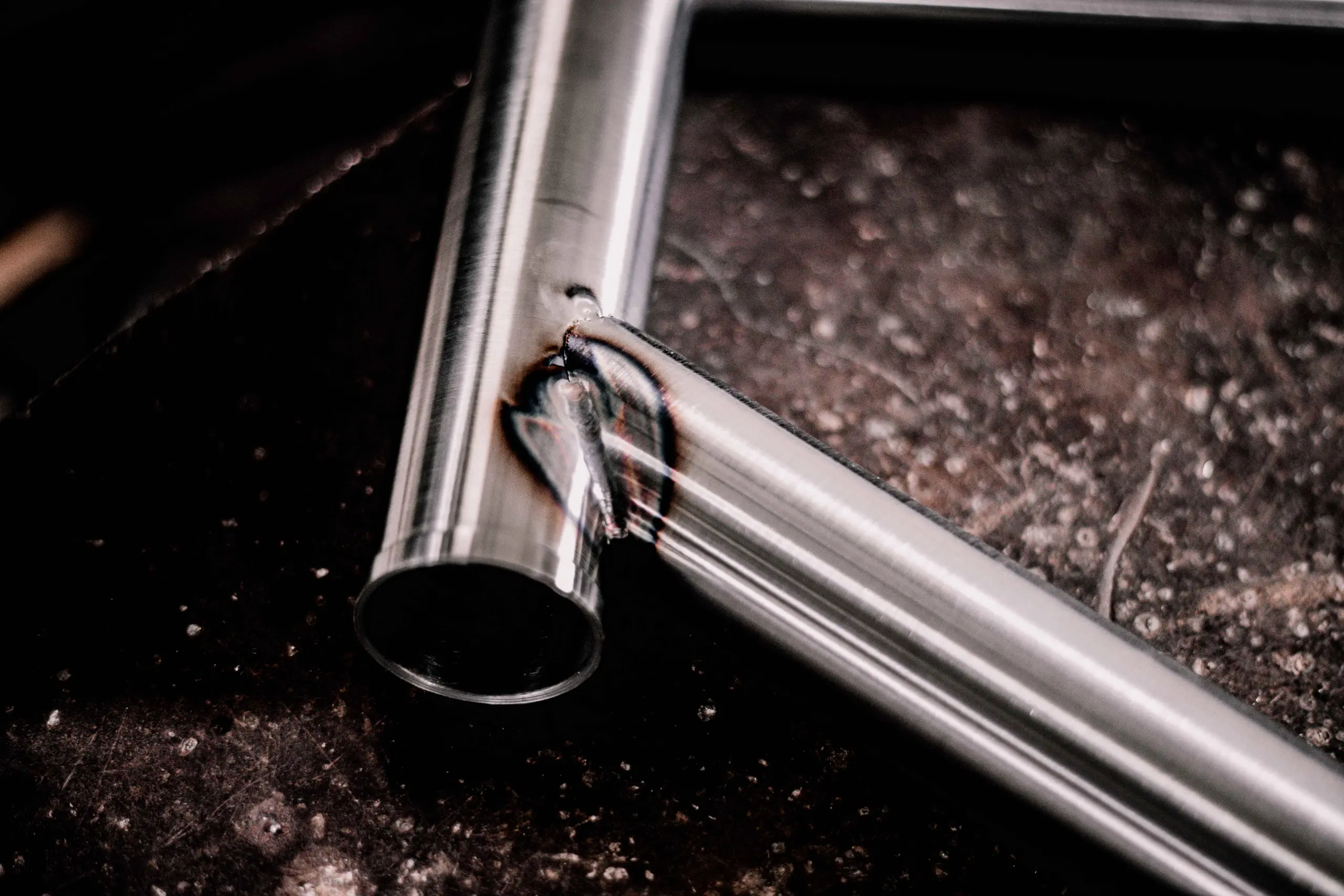
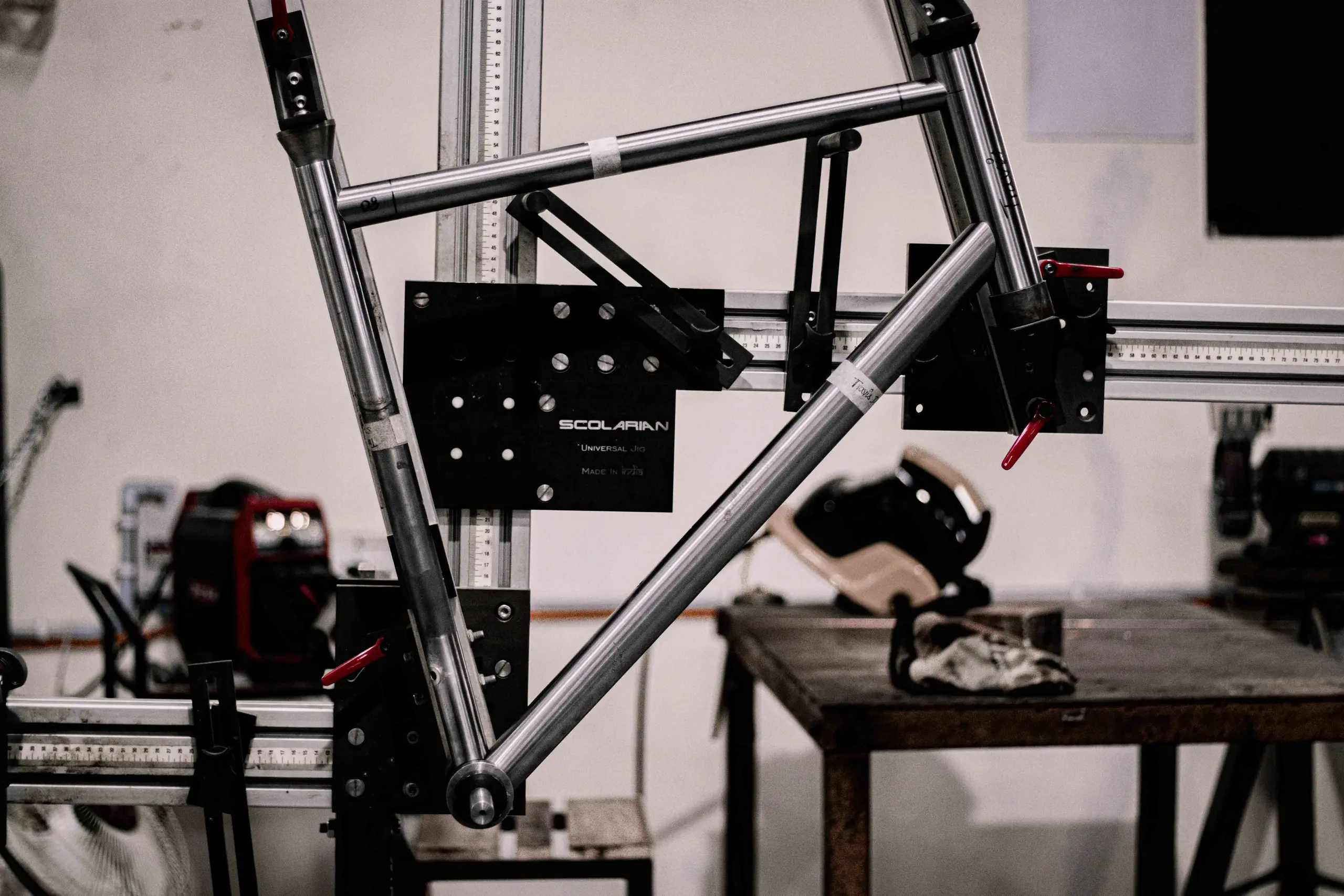
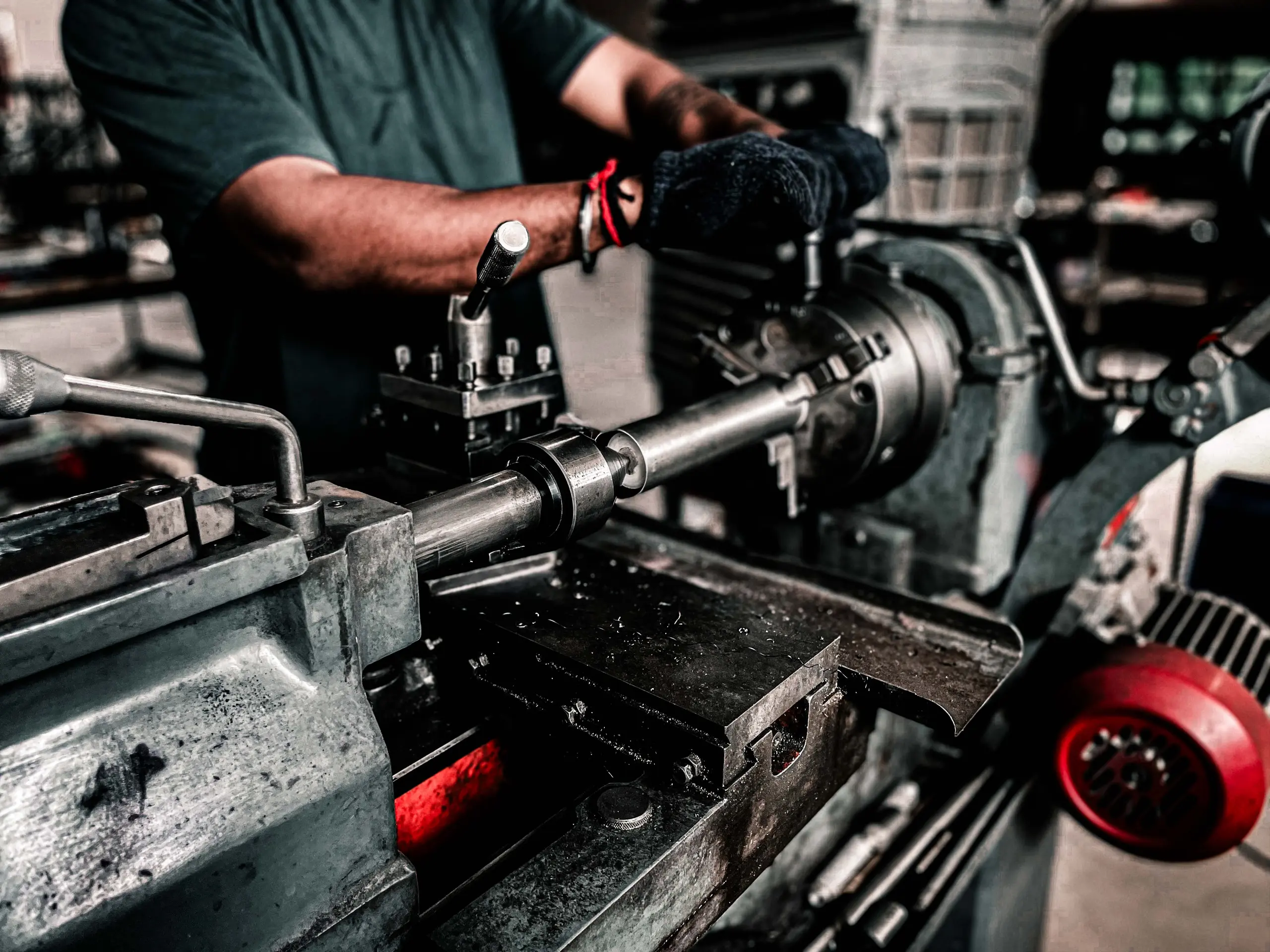
We usually have two or three frames going at once. They won't all finish together, but they're all moving. This allows us to work at custom quality, but closer to small-batch speed. We do everything in-house, so we control the whole process, from buying the steel, to painting the final products.
The first thing we ever did was build jigs and buy a couple of torches for brazing. It was a one-room workshop, just the two of us, and we realized we weren't in control of anything. Everything took too long. Bringing it all in-house was about getting that control back.
We've never had the luxury of charging more for custom work, because nobody here [in India] was going to pay a premium for it. Buying a bike is already expensive, so we're always competing with Surly pricing. We operate on thin margins. Like we always say: you pay only for what you're getting.
Can you describe what the alt bike culture is like in India?
Commuter and mountain bikes have had a market for a long time, but custom bikes and ATBs are just starting out. Imported bikes do good business at the high end, especially in the road and endurance space.
Custom isn't very popular yet, but we're trying to grow that culture. People who know what they want come to us directly. Steel is a harder sell in India, specifically, because many people associate it with old, heavy bikes.
What's it like where you live, build, and ride?
The city's surrounded by mountains, but it's open on one side. Within fifteen minutes, we're on local village roads. It's easy to get out and actually test a bike. We go to the riversides, take a dip, eat, and ride all day.
People in the villages are used to sharing the road with bikes, so drivers understand the struggle and give you room. And wherever you go, the local mechanic can fix your bike. There's no shortage of ingenuity out here.
Anything going on with Bespoked?
We're heading to Bespoked Japan, with one of our 26er split frame Reynolds 725 steel bike, showcasing a different side of what we do.
Hand-drawn by a dear friend and brilliant artist Theertha Nair, this bike brings together handmade steel framebuilding and hand-drawn art, exploring what happens when two crafts meet.
Personally, it's like Disneyland for bike builders. We go to build connections there that we don't have access to here. We're fascinated by the UK builder culture, how much they all seem to help each other out. It feels like such a supportive industry, but it's only getting started here in India.
Our philosophy isn't that it's your forever bike, but that the bike is built to last forever.
Why build a "Plus" version of the MUDFEST now?
It's a mix of curiosity and need. We've been building the standard MUDFEST gravel TA frameset for four years, and people keep asking us why we stopped at 40mm tire clearance. The more we read about people running bigger tires, even on endurance road bikes, the more it made sense to push past that.
Getting a good carbon fork with the right tire clearance was hard. We source it from a Taiwanese manufacturer that we've used for some of our road bikes. It isn't on our website yet, but we've quietly built a number of performance road frames around carbon forks. This is just our first time pushing it into our gravel lineup.
I'll be honest, every time I buy a bike I like to pretend it's my forever bike, yet they all get replaced within three or four years anyway. What might make the MUDFEST Plus last longer?
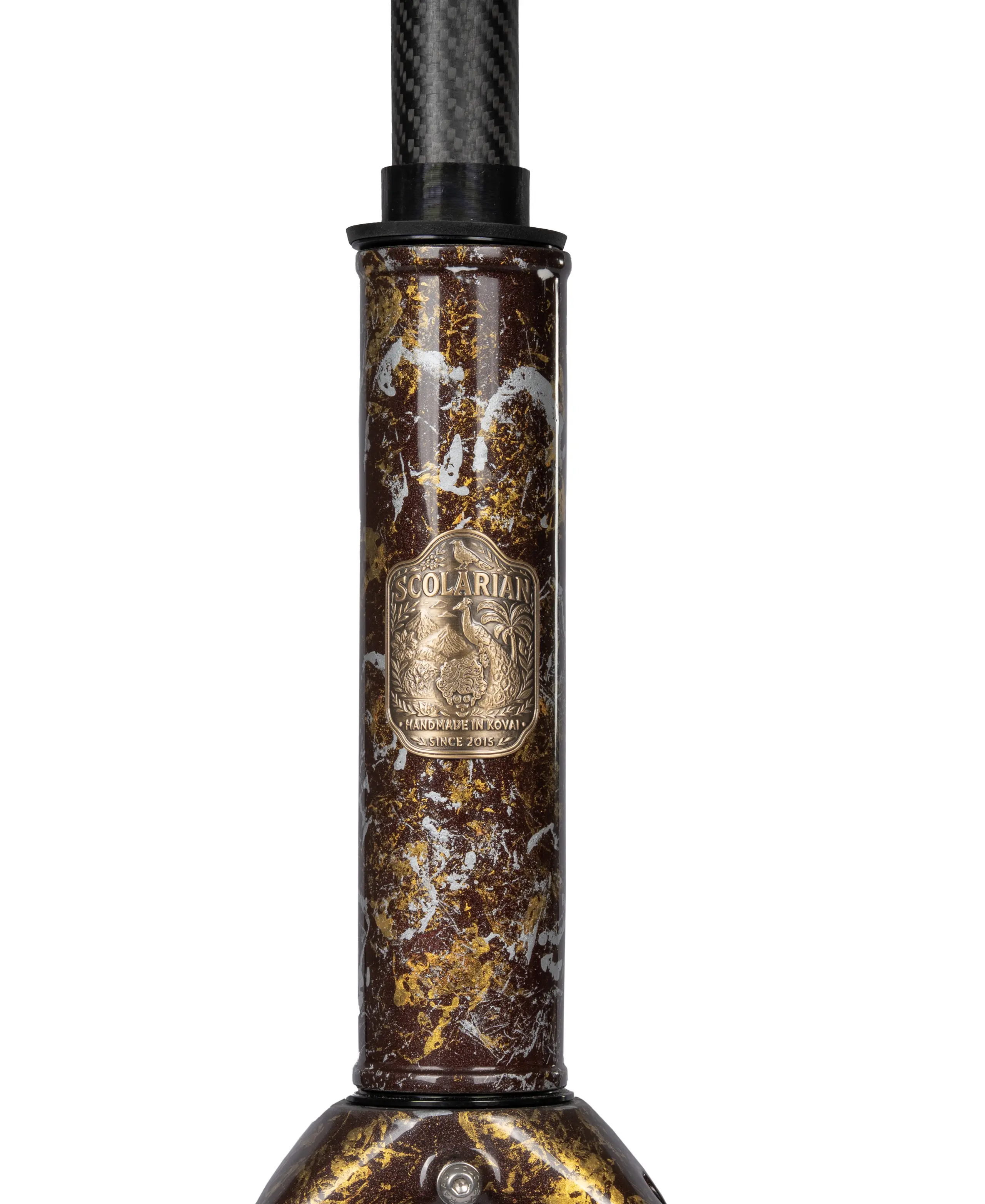
Our philosophy isn't that it's your forever bike, but that the bike is built to last forever, even if you pass it on to a friend or family member. It's a philosophy of love.
But people like the custom experience. When you customize the geometry, it fits almost like a glove. You'll notice that fit right away, and it makes you want to ride it more.
It's always repairable, as well, so it'll last forever in that sense. If your body changes with age, you can adjust the components to keep up with it. If it needs a bigger change, it's easy for any frame builder to pick up and modify it afterwards.
With a new bike design, what's the step you're most nervous about, and why?
Honestly, it's the reason it's taking so long to get to your frame. Design-wise, when you're making something new, there's a lot of weighing where components and geometry are heading.
The MUDFEST Plus sits between a gravel bike and a bikepacking bike, and that in-between space is the whole challenge. Your bike specifically is racier, more aggressive, than an ATB drop-bar. Figuring out exactly where to land it was the hardest part.
It's a bike we'd dreamed of having in this range for a while. I think we'll sell more of these outside India than inside. People abroad are already used to 45–50mm tires, there isn't as much demand for that here yet.
What's the one thing that could go wrong on a "first of" build like this that wouldn't on the next few?
Our whole philosophy is to keep it simple, look clean, and stay easy to manufacture. We haven't had a frame failure. Steel, with the right shape and standard tubing, is hard to get wrong if you've picked the right material.
But a lot of the outcome comes down to confidence in the components, if you don't have the part in hand, that's where the risk sits. It's about how the parts work on the frame.
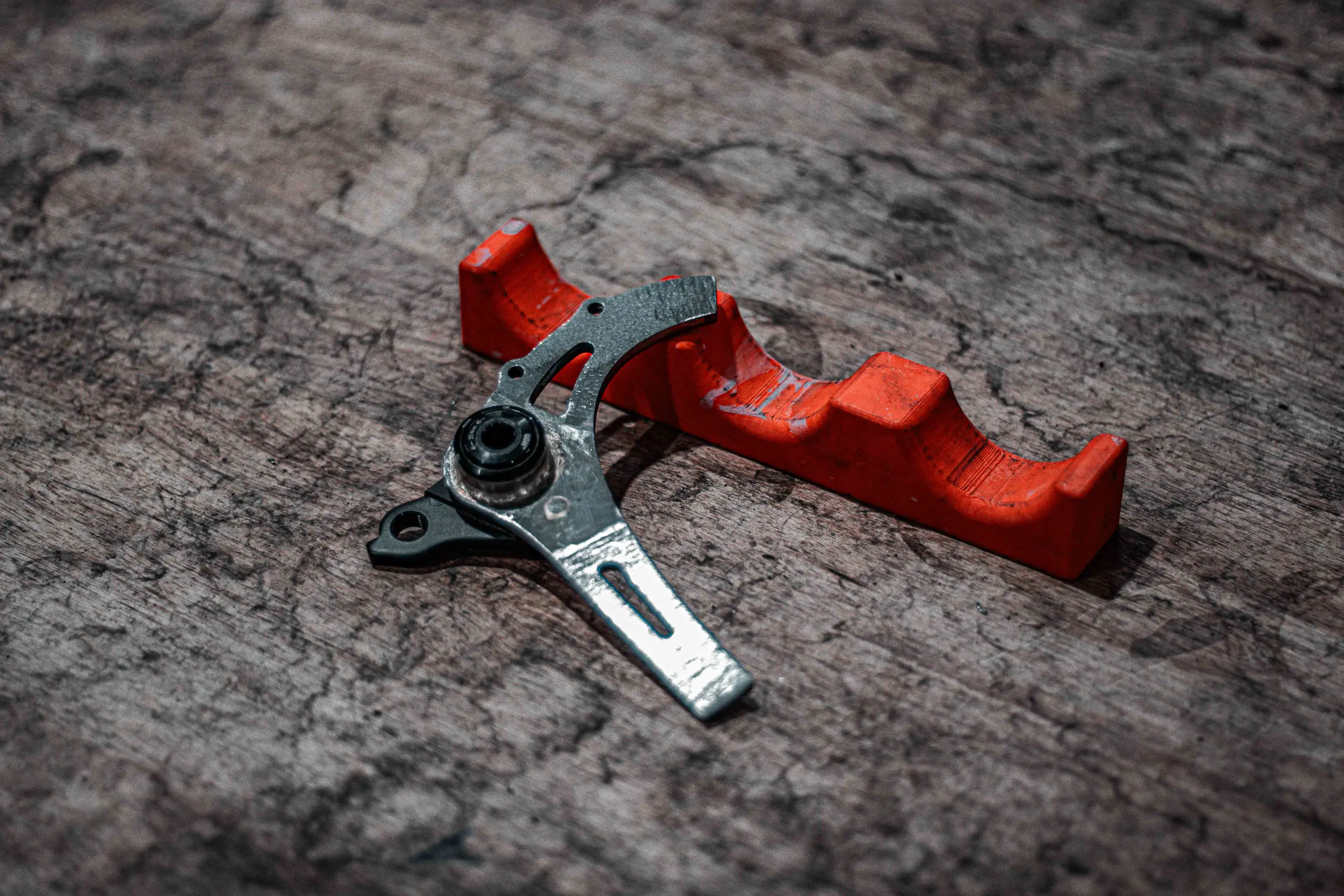
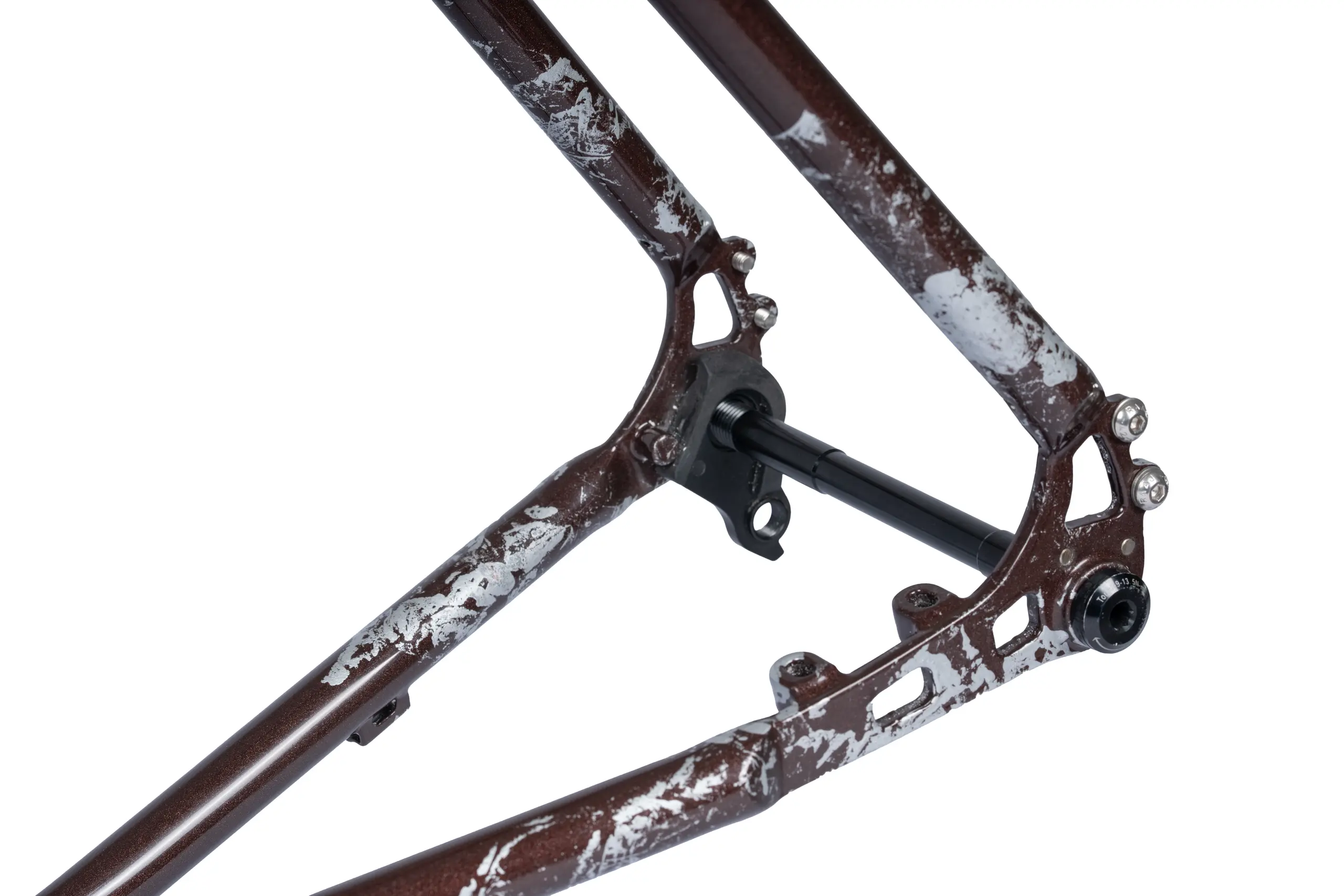
Switching everything to UDH was hard because it's offset, and getting the right shape in a design simple enough to actually build was the initial fight.
What is the real price for this frameset?
We're still working that out exactly, but it will be roughly $1,400 USD with shipping.
What is the timeline, start to finish, for a custom order like this?
Generally 45 days to build plus 15 for transit. On a big custom job we'll add about 15 extra days. It's always faster if it's custom geometry of one of our standard frames and not a ground-up build. We stock 725 and 525 Reynolds, and Columbus tubing. Anything beyond that will also require additional lead time.
Columbus leans road and gravel, Reynolds leans MTB and bikepacking. At the lower end of each range they're pretty similar. If someone wants a road bike, we usually point them to Columbus.
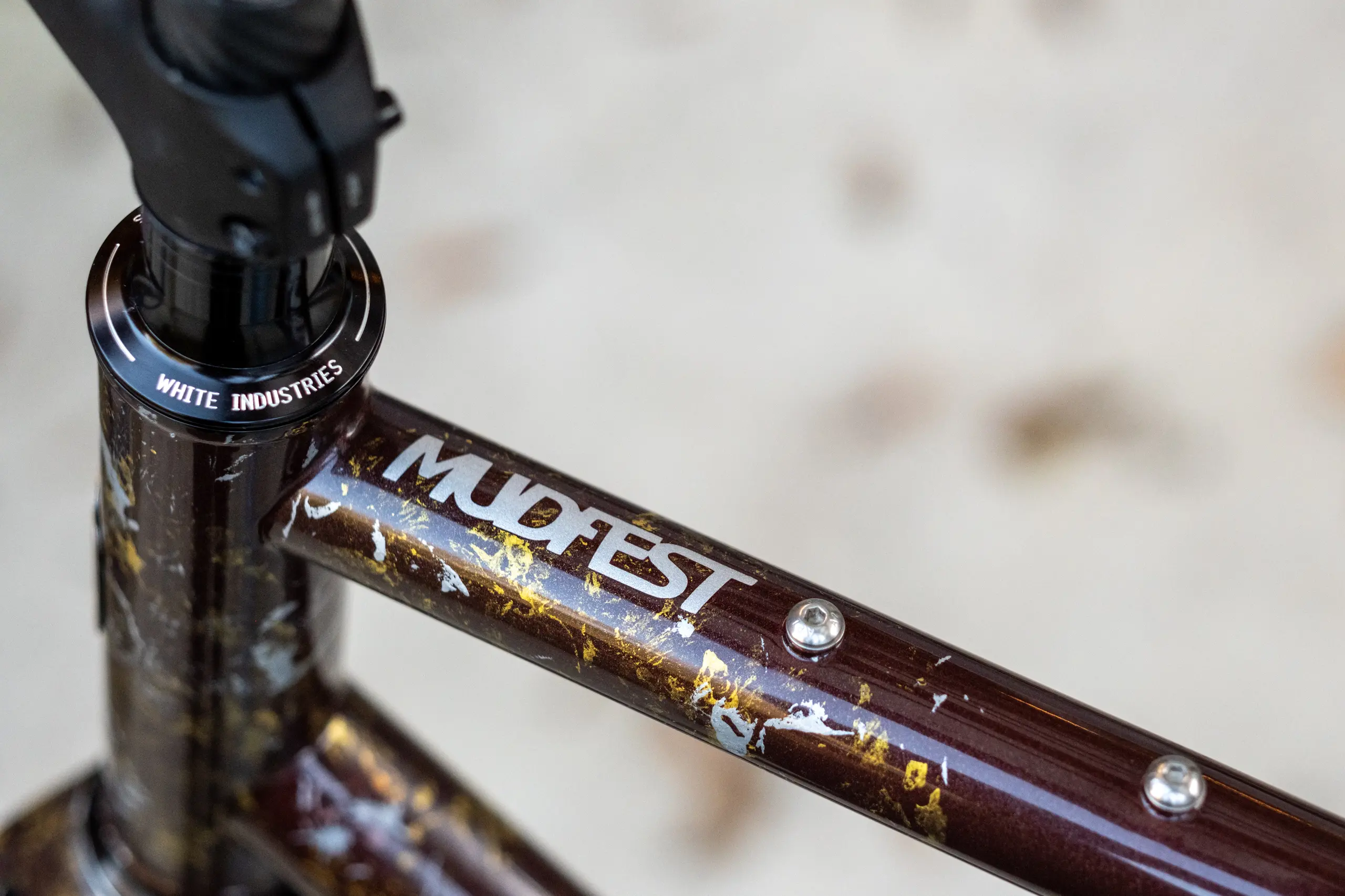
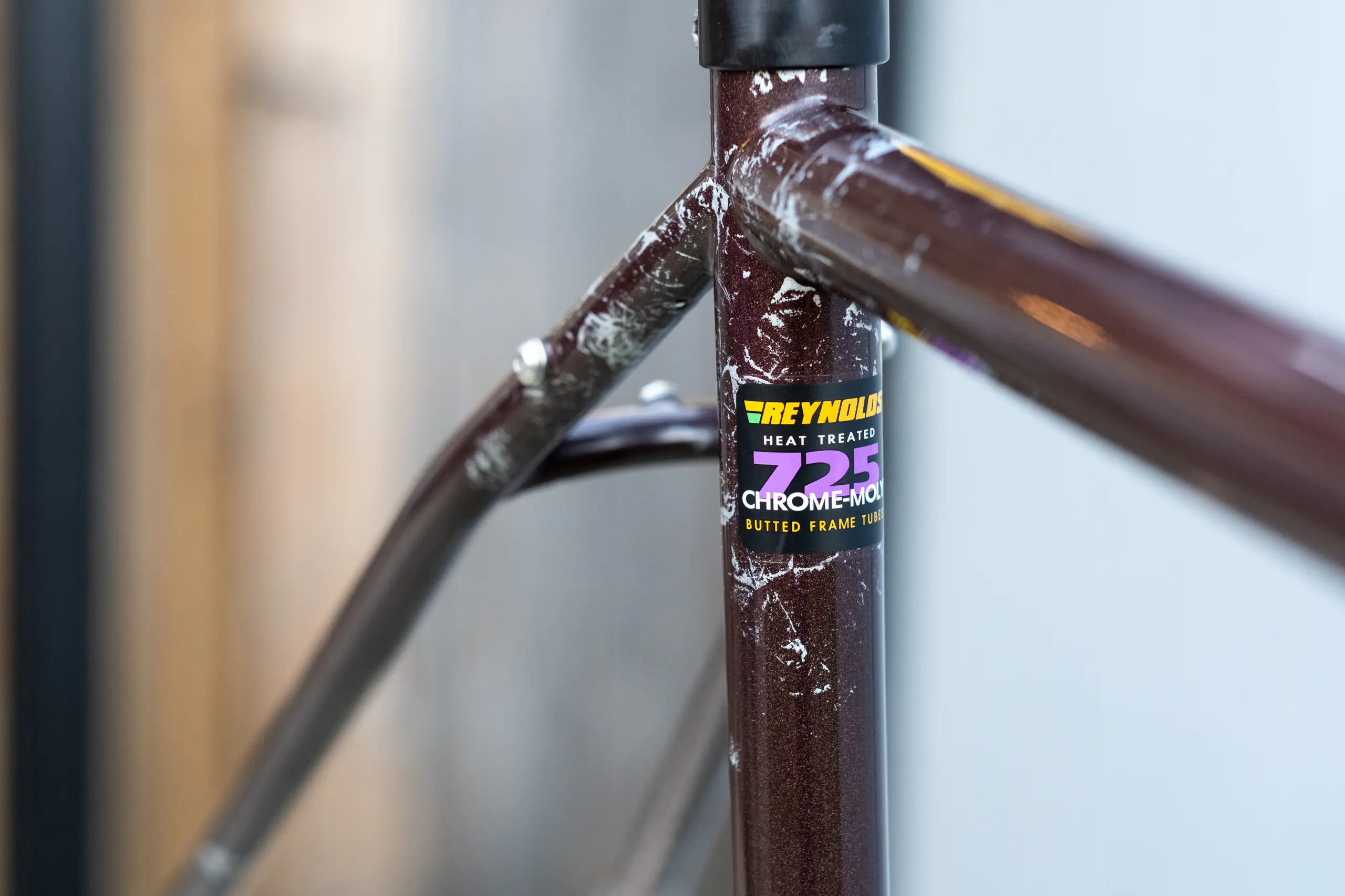
Now that the bike is built, give us your impressions of the finished frame. What’s it look like and how do you expect it to ride?
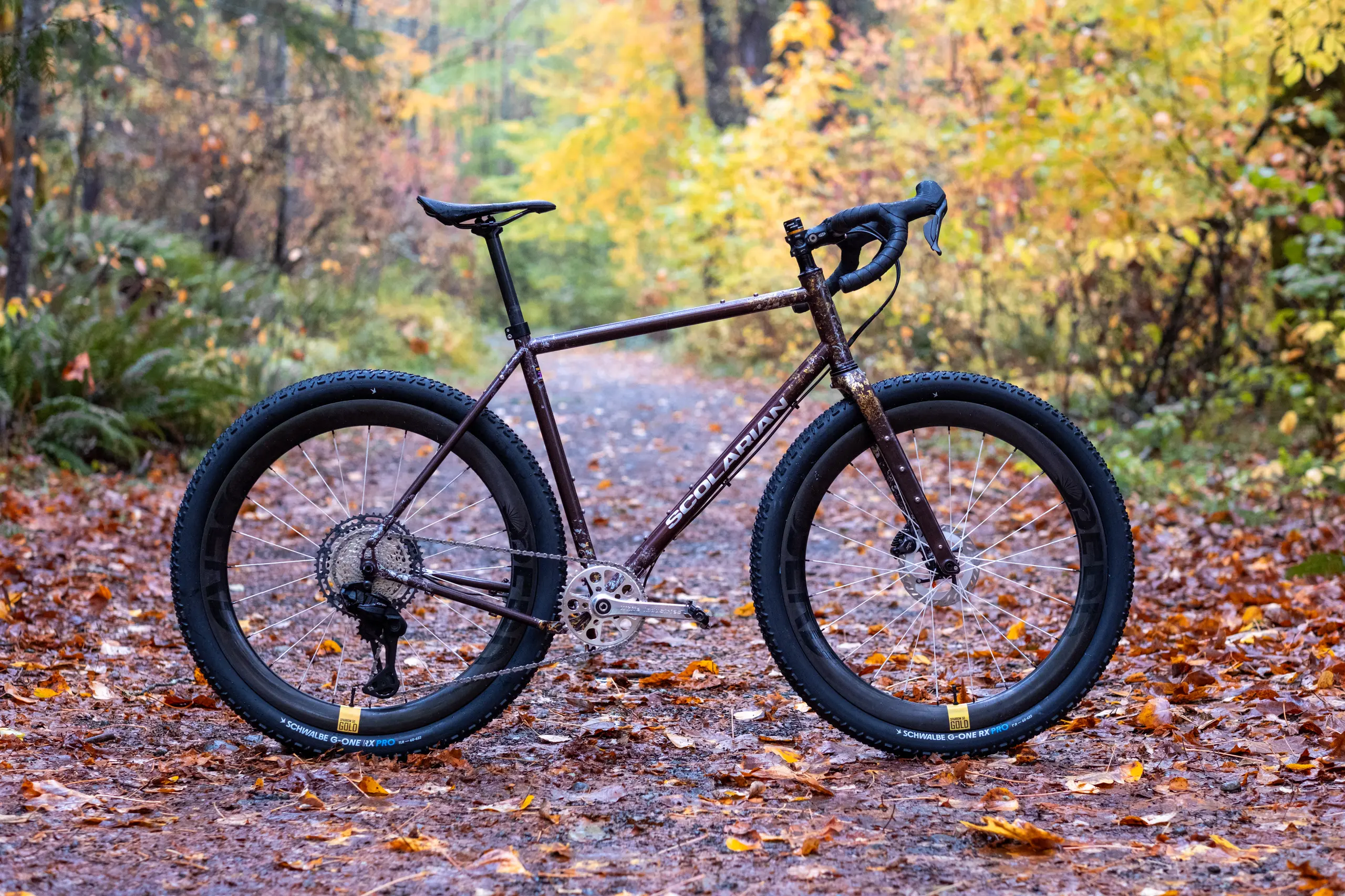
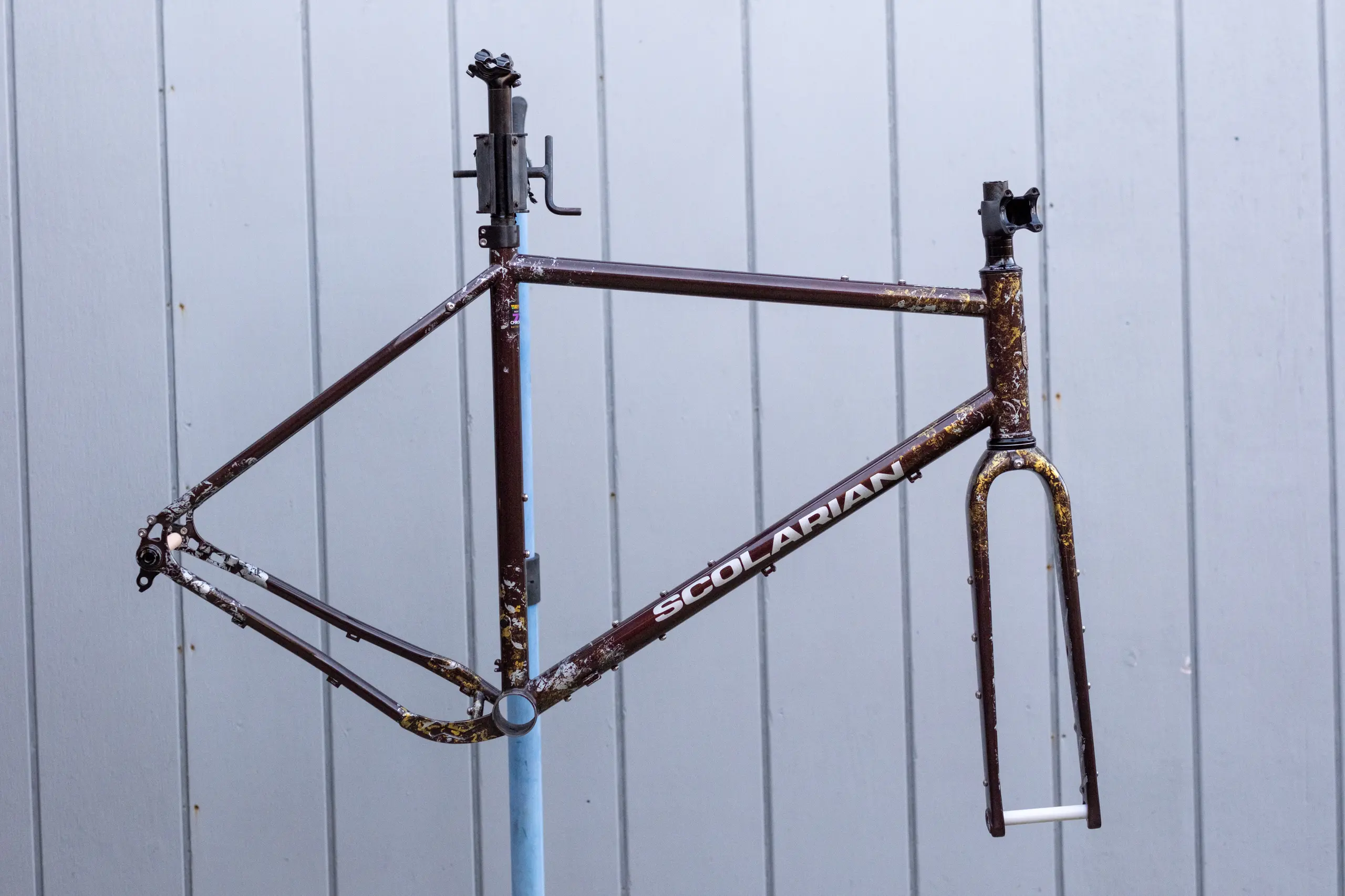
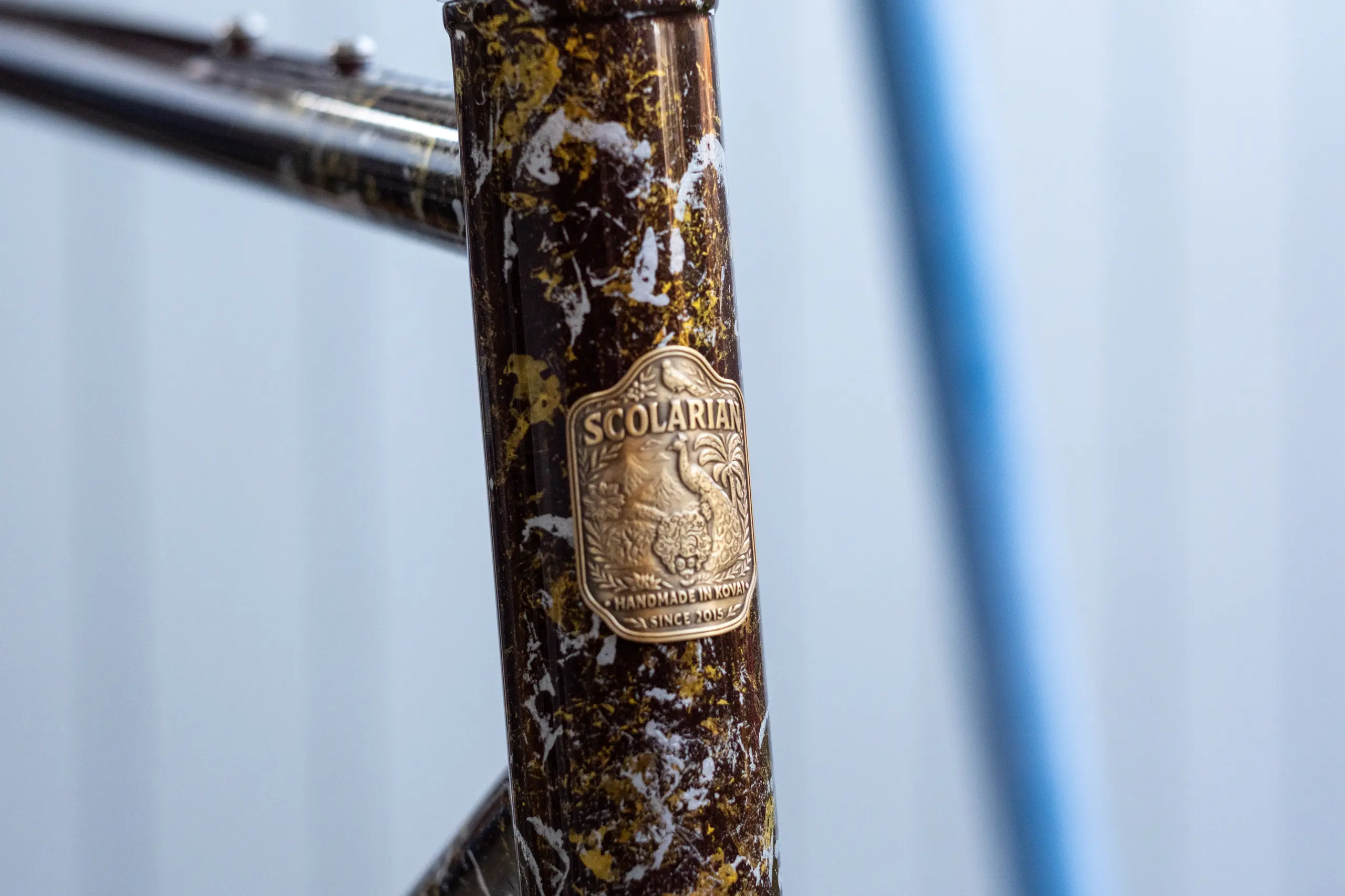
First impressions, it's a stunner by the looks of it. Like it means business. Getting the clearance for 29x2.4" tyres was quite a challenge, and we’re really glad how it turned out with the new yoke design.
It is a bit heavier than we estimated but we reckon it's going to more than make up for it in fun and adventure. Putting in bigger tyres was always about the freedom to ride over anything. You know that fraction of a second of doubt that creeps in: should I nudge around the gnarly ditch or just power through? That’s exactly where we feel this bike could hit its sweet spot. Dominate everything and explore more have been our mantras over the years, and we’re hoping this one really lives up to that. With the bigger tyres, the magic of the frame comes down to how well it handles and transfers power as we expect most of the chatter to be cushioned away by the tyre. With the Reynolds 725 tubes and the new geometry, we are equally excited to see how it does in the real world. Also, we feel it has great potential to be a nice bikepacking bike. That was something we discussed deeply when we conceived it.
Thanks, Somy and Sachin.
It's been a few years since I've ridden a steel-frame bike as my daily ride. After touring nearly 10,000 km on a Surly Long Haul Trucker, I sold the bike to buy my first carbon road bike. I've regretted it ever since. I still own the OG Surly Krampus that I bought the year it was released. It just sees little use these days. In the past, I rode it down the Tour Divide, around Baja, Mexico, and south through Chile. But these days it's set up with a cargo fork and 20" front wheel to carry my dog to and from the lake.
With the Scolarian on its way, I am looking forward to stepping away from plastic frames and jumping back onto the lively feel of steel. I've put together a list of components that I look forward to sharing as this project grows. Part two, Scolarian MUDFEST Plus: The Build, will share what components I hand picked for what I hope will become a true forever bike. More soon.