Pashley Cycles: British Bikes with a Steel Soul


In the last 12 months we've seen Pashley Cycles make a move back into the all-terrain cycling world. With Andy Smallwood now at the helm as CEO, they've released a whole new range. They've put every emphasis on the finer details of their bike and three particular models keenly turned my eye to check out.
Monozukuri is a term that probably best summarises the feel of the Pashley Cycle factory. It's a Japanese concept which relates to craftsmanship when creating things. I know, this is a bike website, not a philosophy blog, and Pashley is a British brand, but stick with me. When a person dedicates their time to quality, refinement, precision and making things by hand, that's Monozukuri. It's almost when making a thing becomes more than just building it, when it becomes spiritual. It's not just about being an artisan; it's a dedication that pushes for innovation and improvement.
Shop of Little Wonders
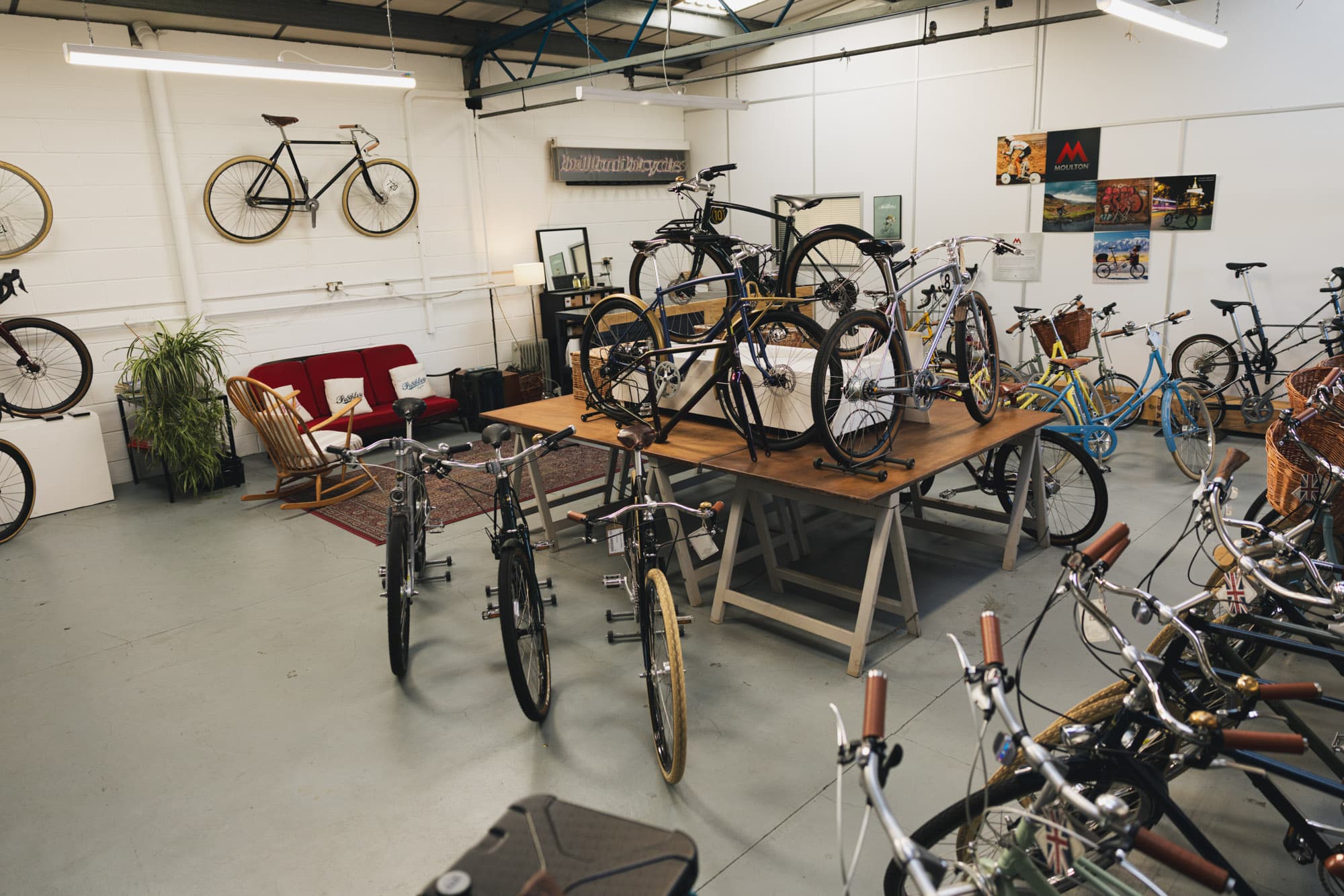
Pashley invited us for a tour of their premises in Stratford-Upon-Avon, and I jumped at the opportunity. Their factory is an unassuming building in an industrial park, on the outskirts of the town. In fact, if I hadn't put the directions in my phone, I'd have probably driven past without even realising there even was a factory tucked inside. But, I found it, signed myself in, and was simply blown away by what was going on inside. Andy and Sahsa showed me around the whole factory, answering all my questions.
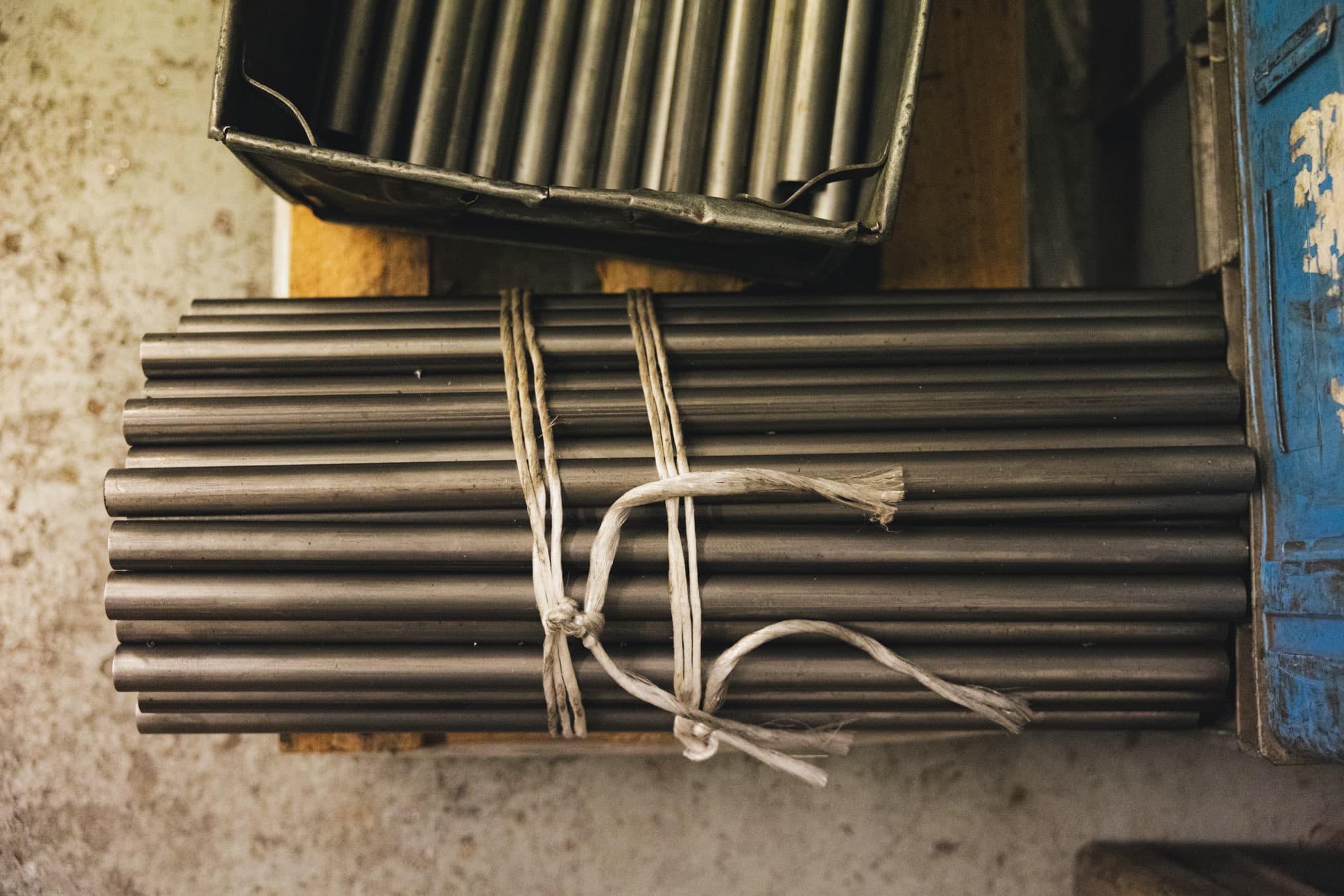
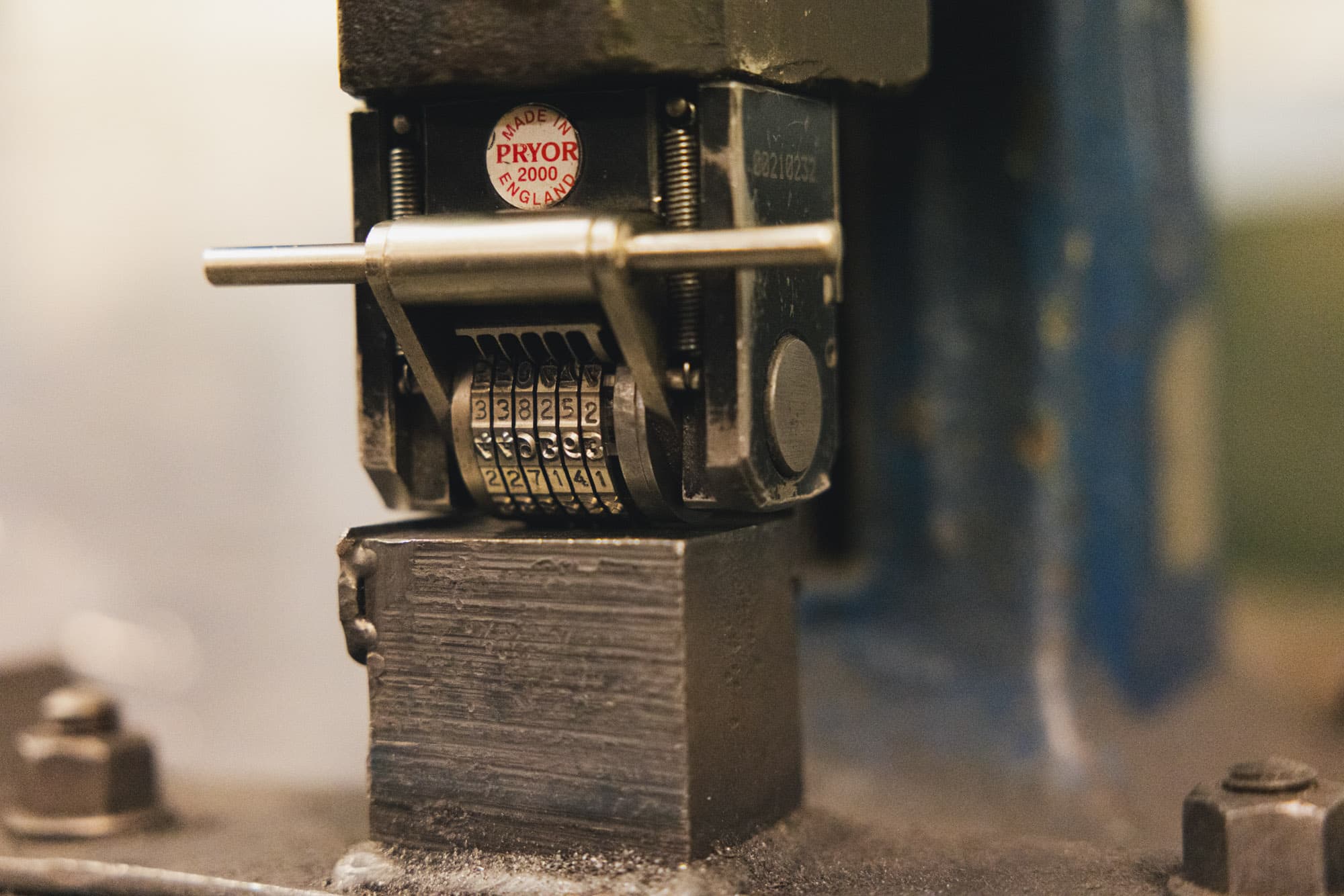
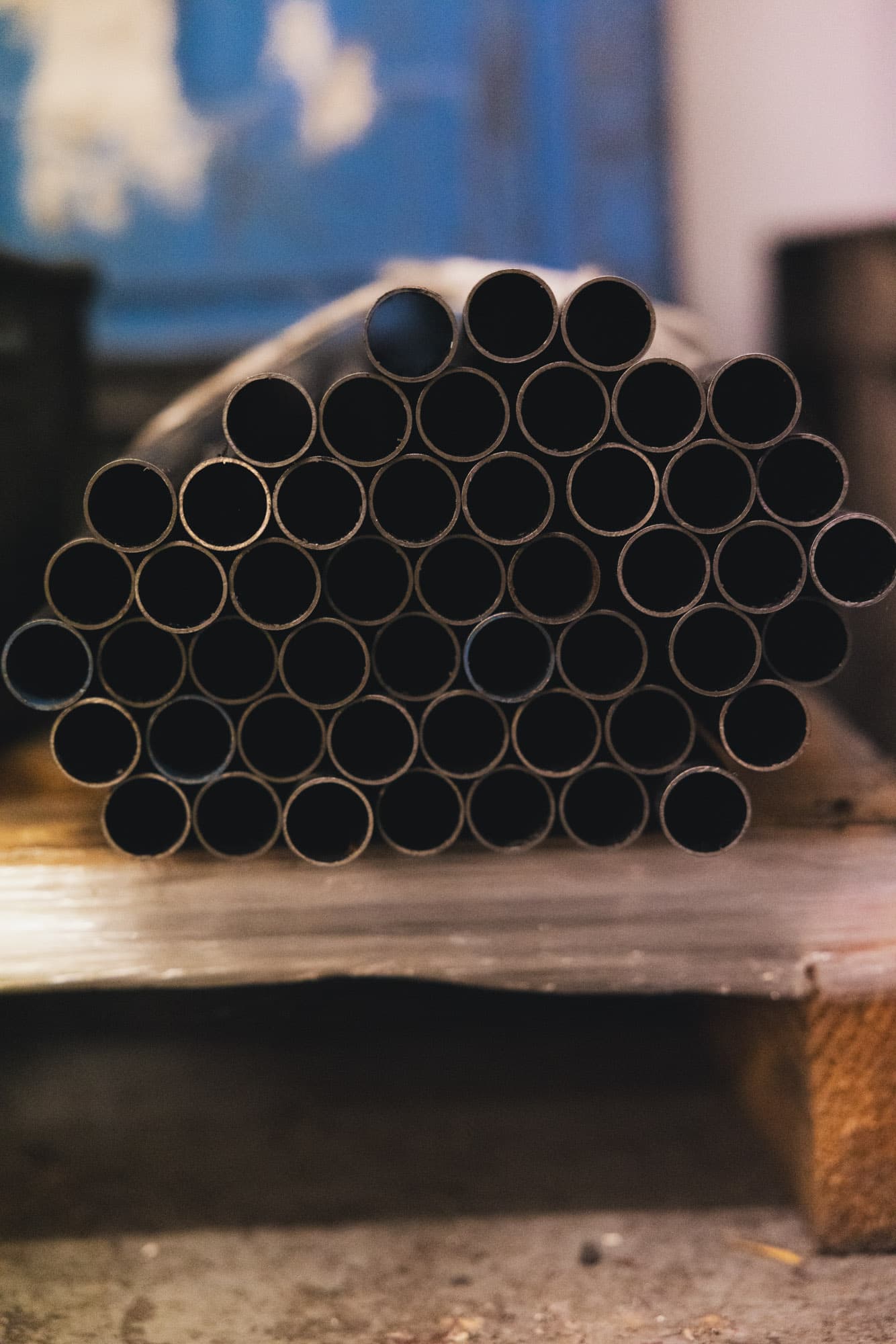
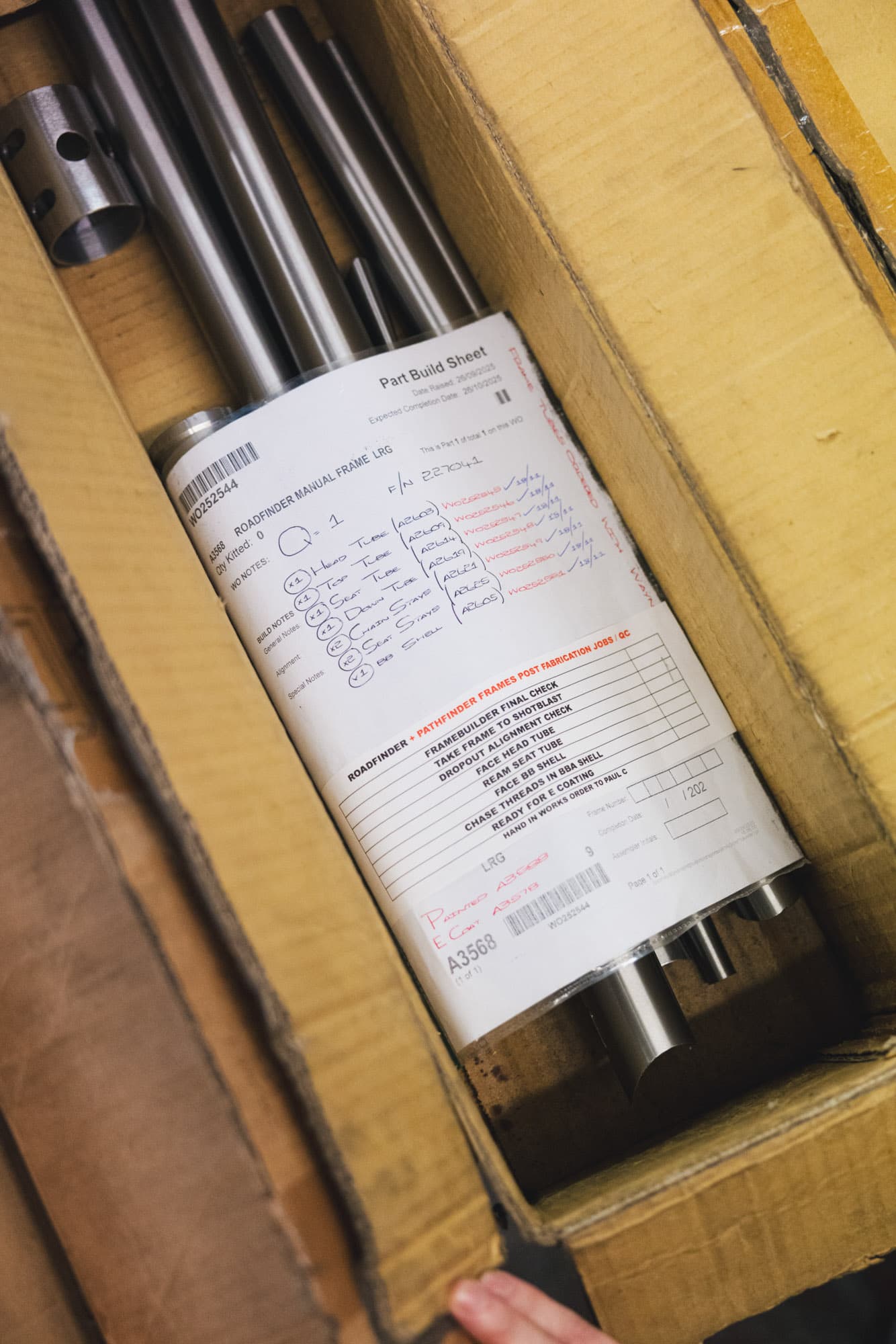
We began at the double doors at the side of the main entrance where the Reynolds steel tubing sets, that make the foundation of every frame on offer, get delivered. They arrive into a workshop filled with traditional machinery which made the move from Birmingham when the factory resituated.
The Passionate Process
The story goes that Dick, the son of the original founder, took ownership of Pashley, when his father retired, and then he fell in love. Wanting to be closer to her, he opted to move the whole production to Stratford. So, rather than being dropped in round the corner, the steel tubing now makes a short pilgrimage to the factory along the motorway. Once it has arrived, Martin takes them in, sorts them into sizing and then cuts them to shape, ready for the next step. He's a one-man tube forming machine and it's almost guaranteed that he's had hands on your Pashley frame. I jokingly asked what happens if Martin has to have a day off—does the factory stop?
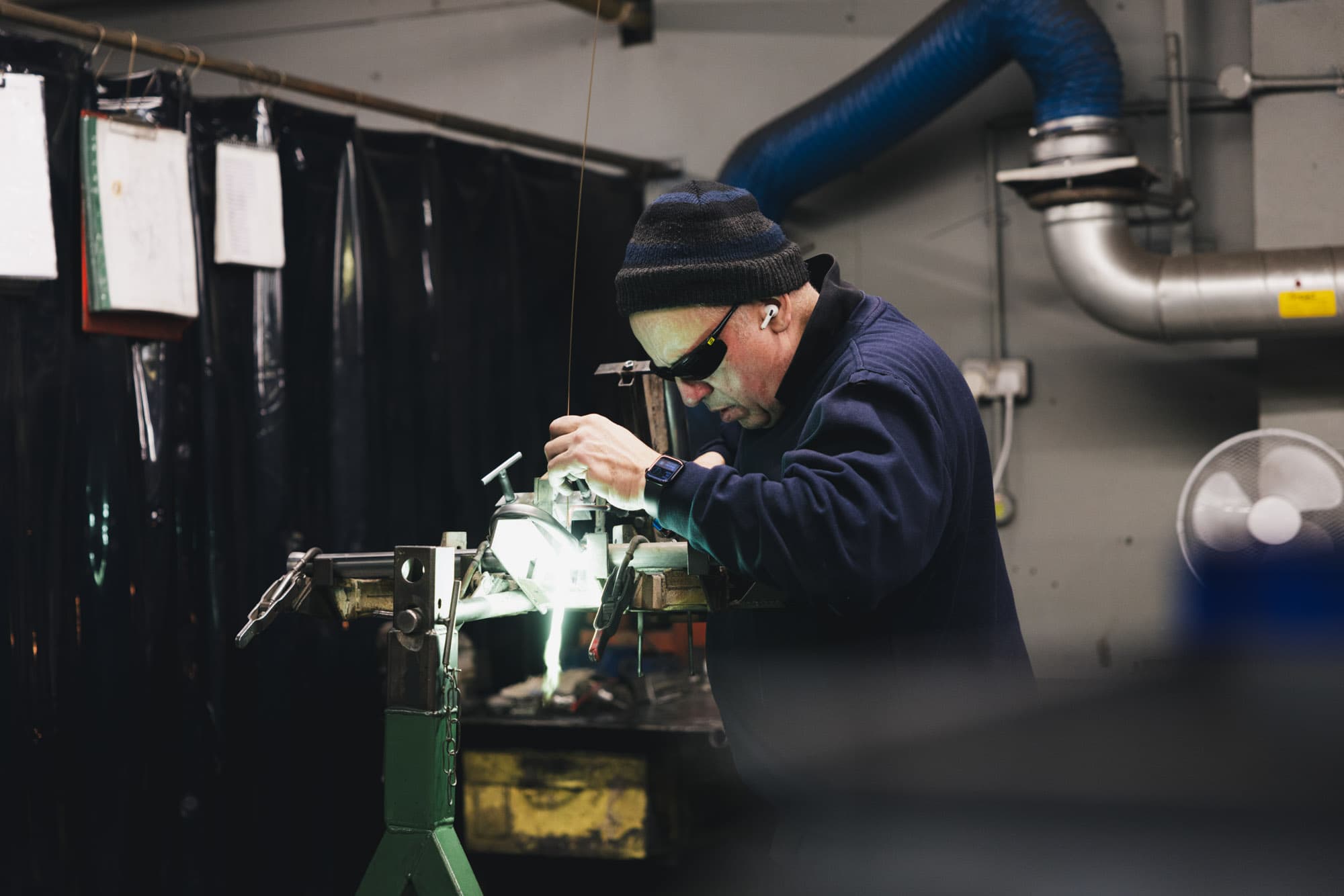
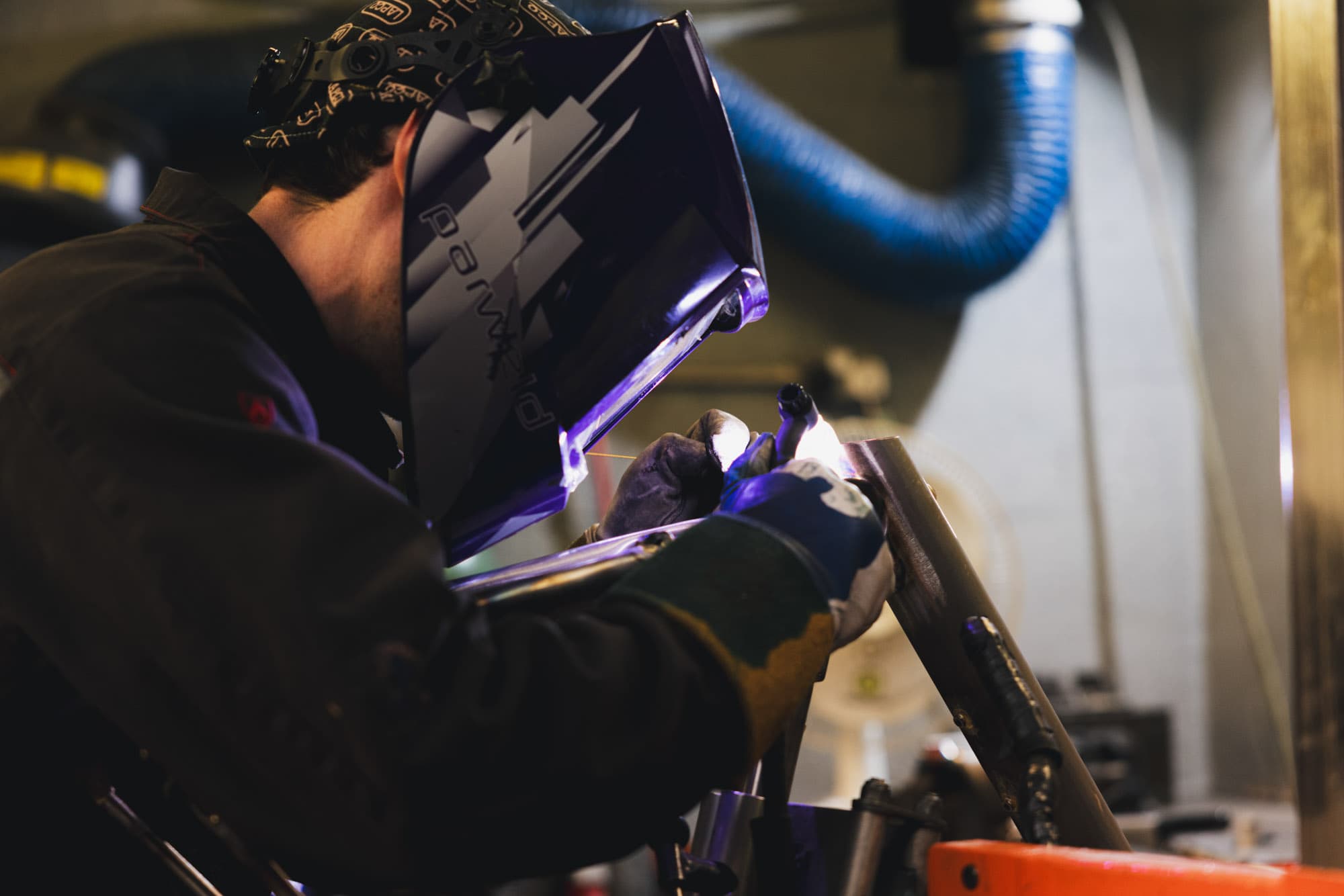
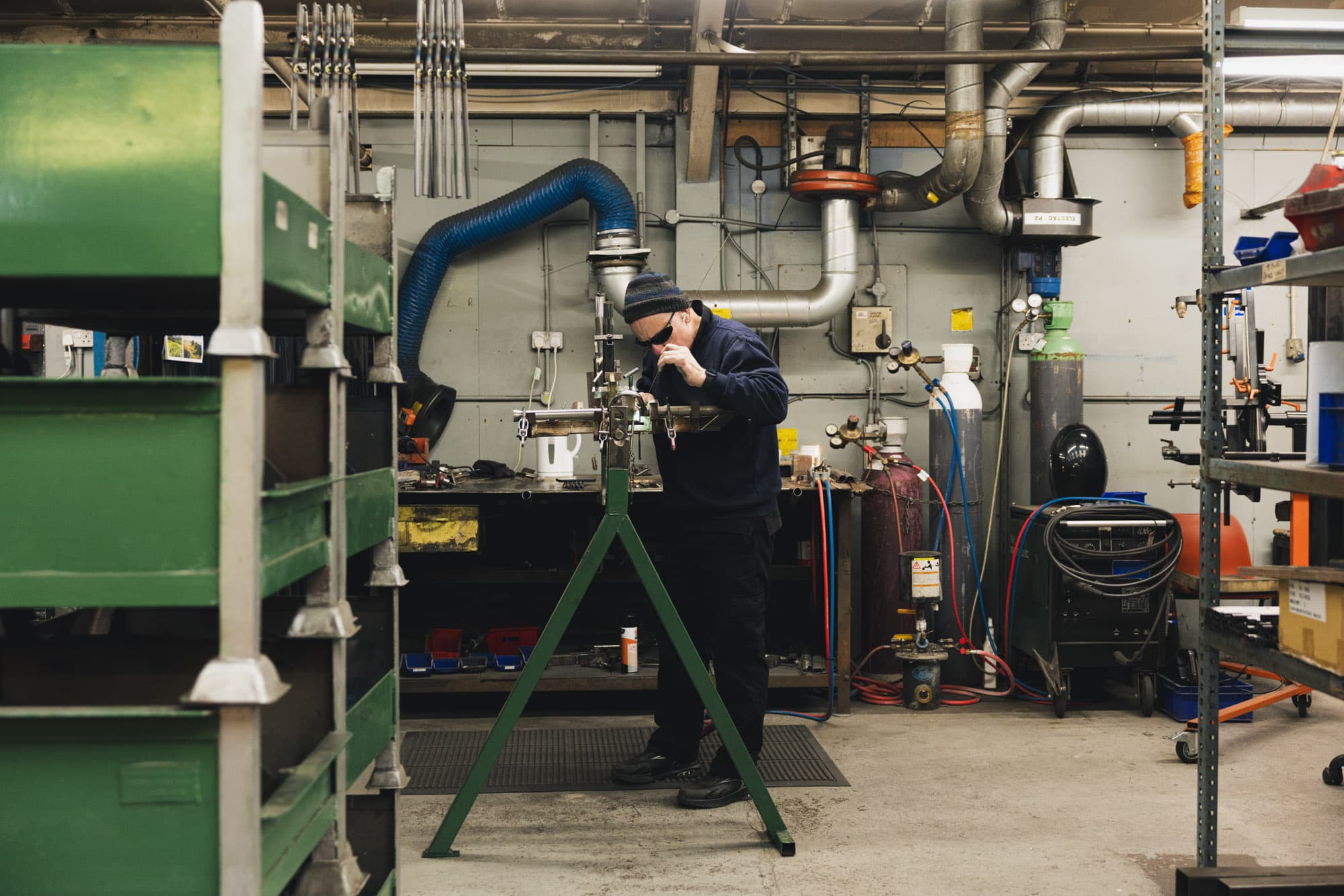
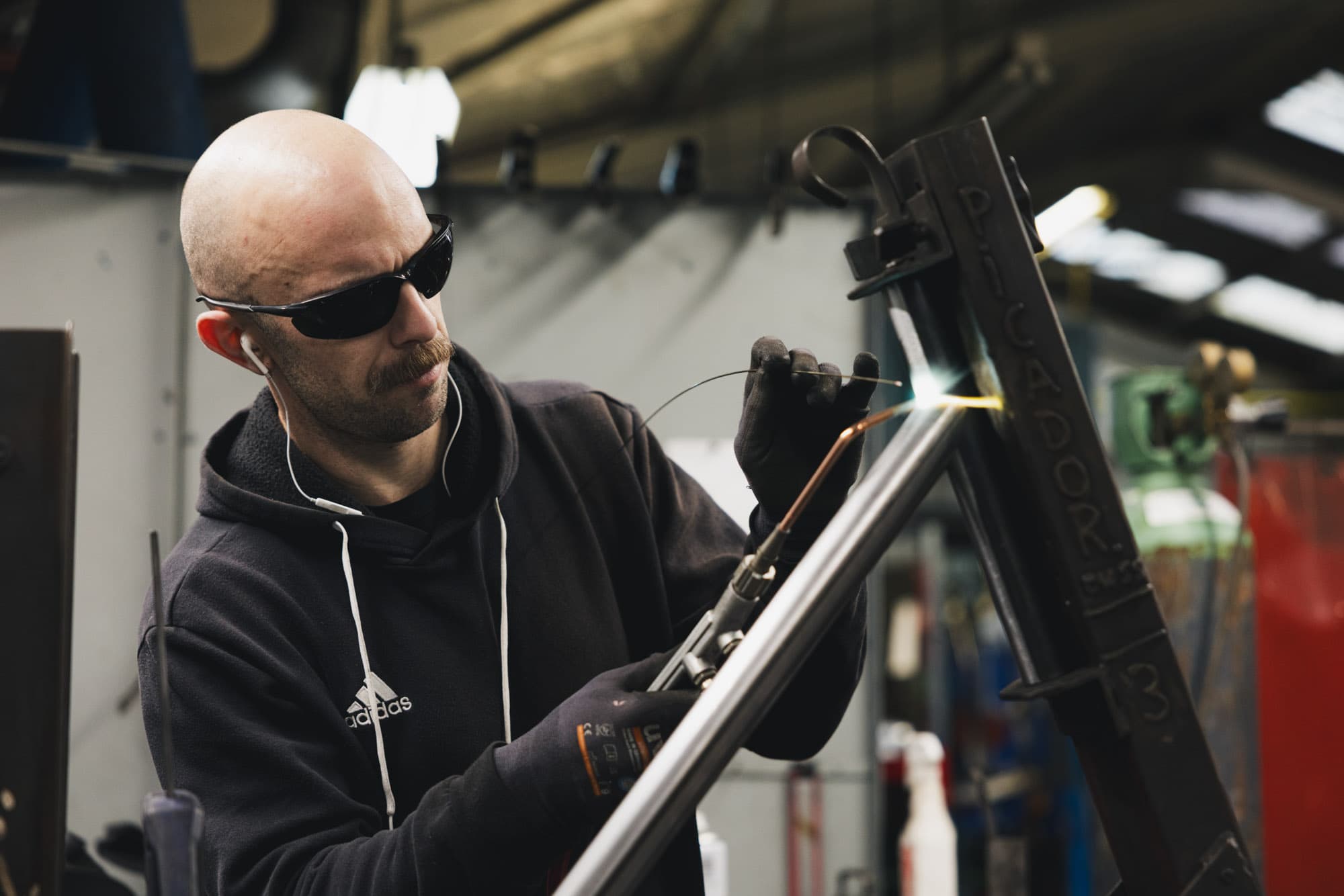
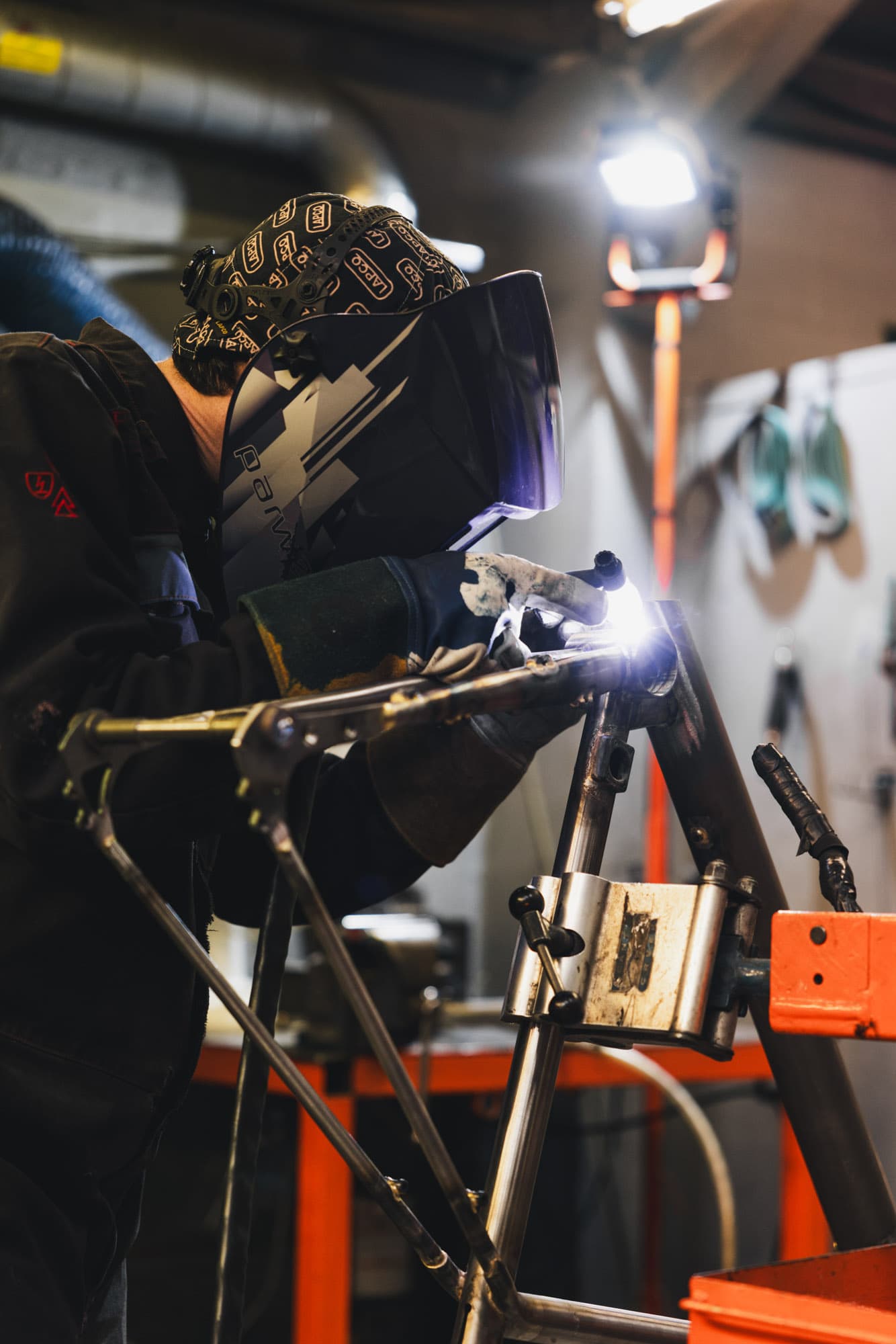
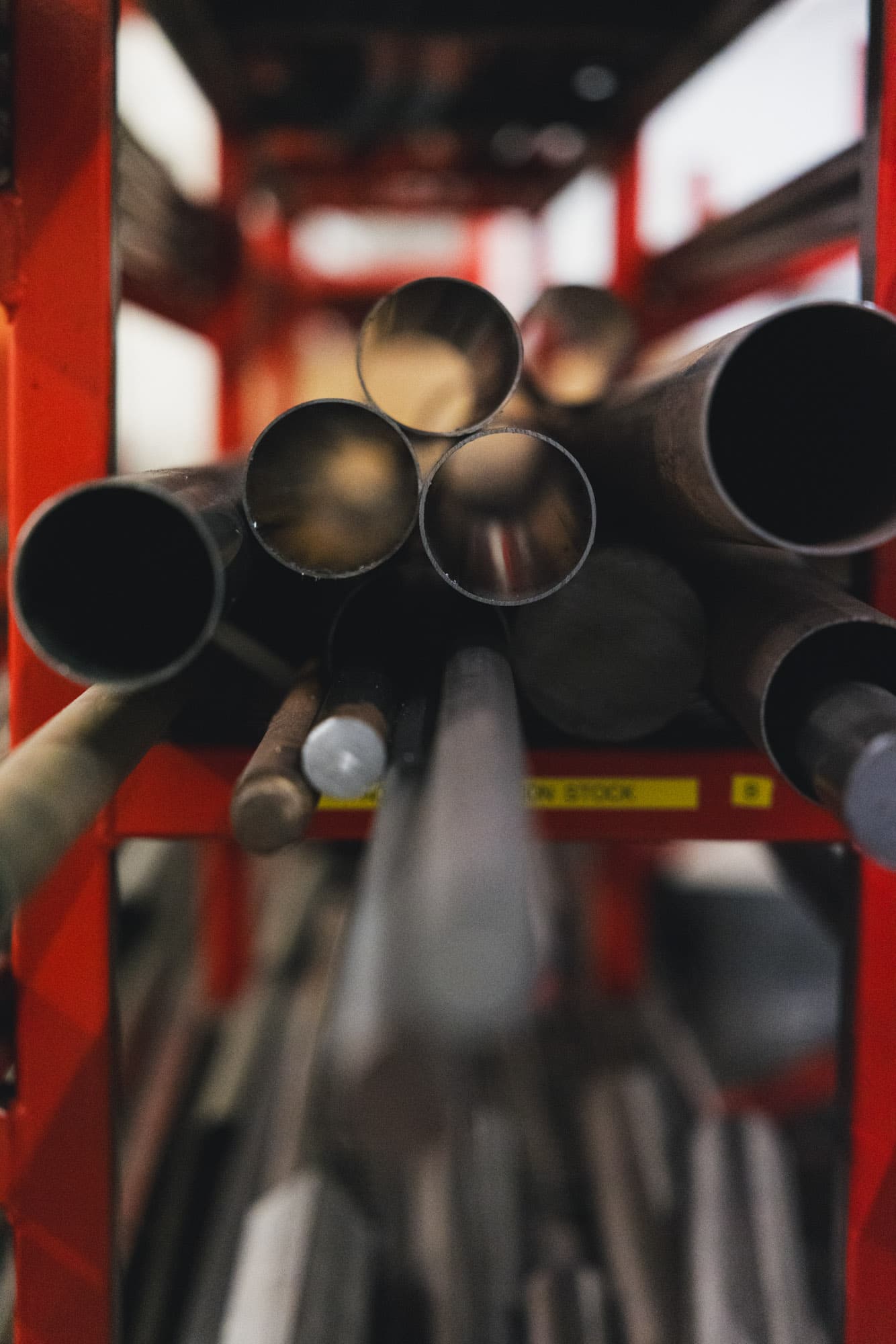
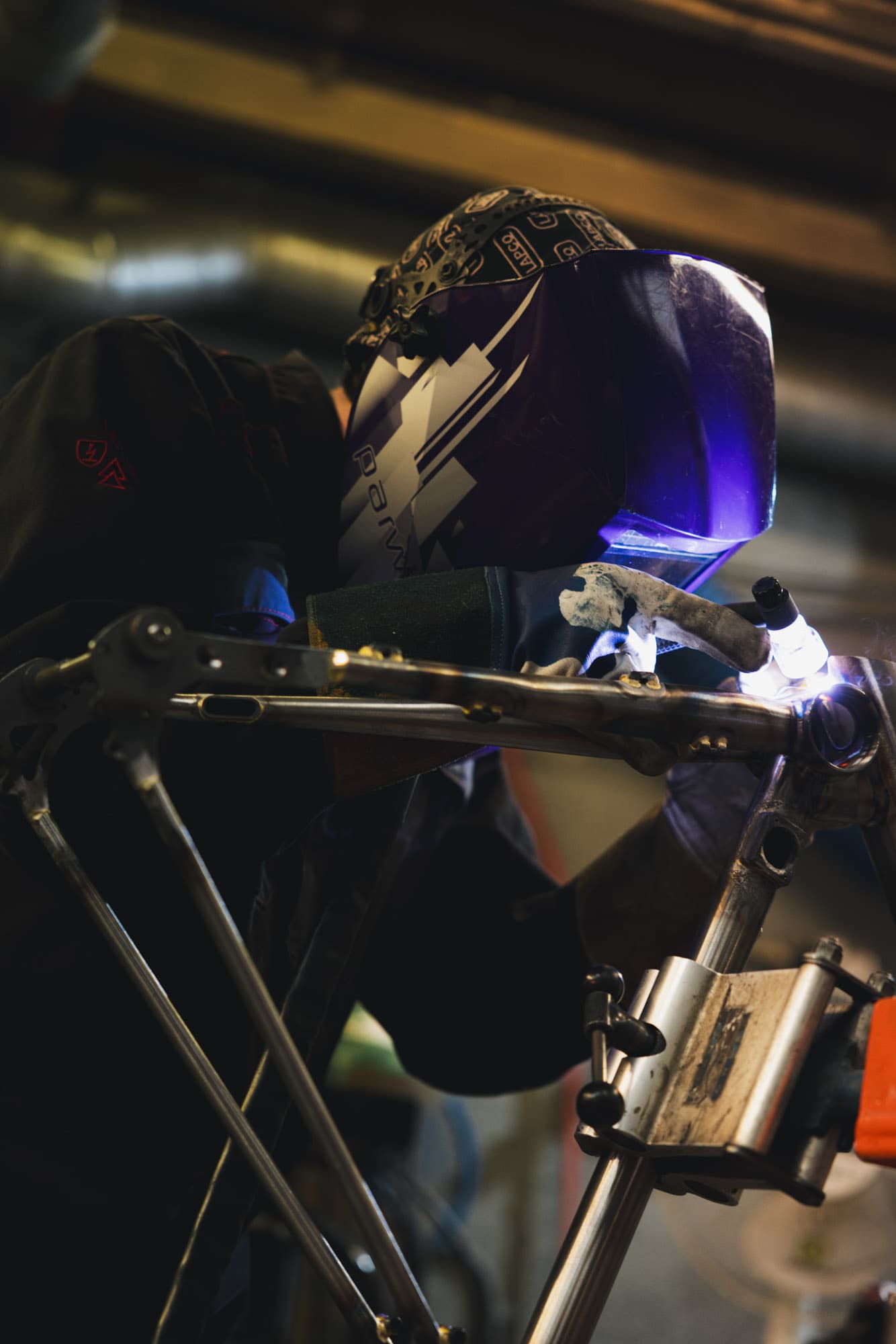
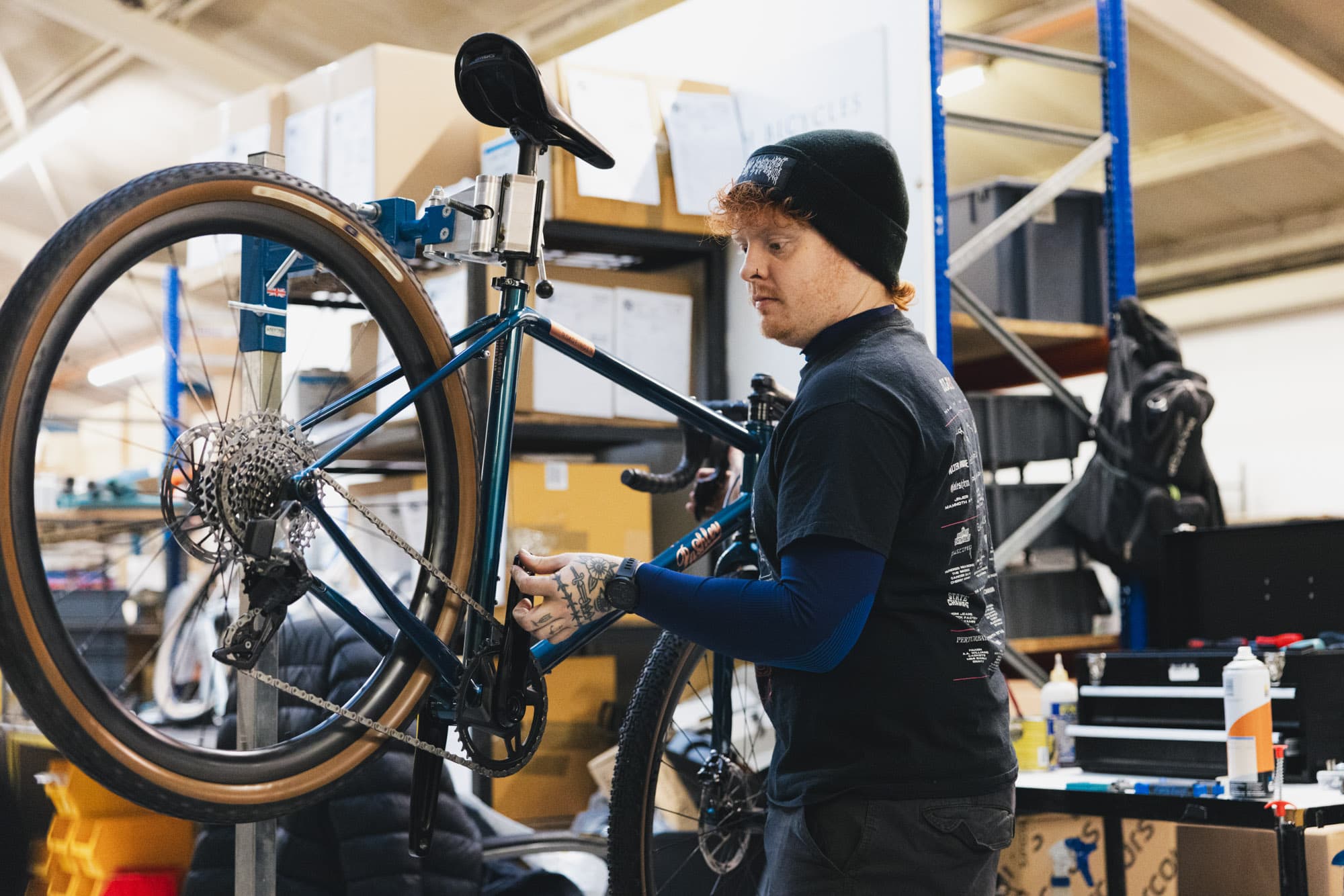
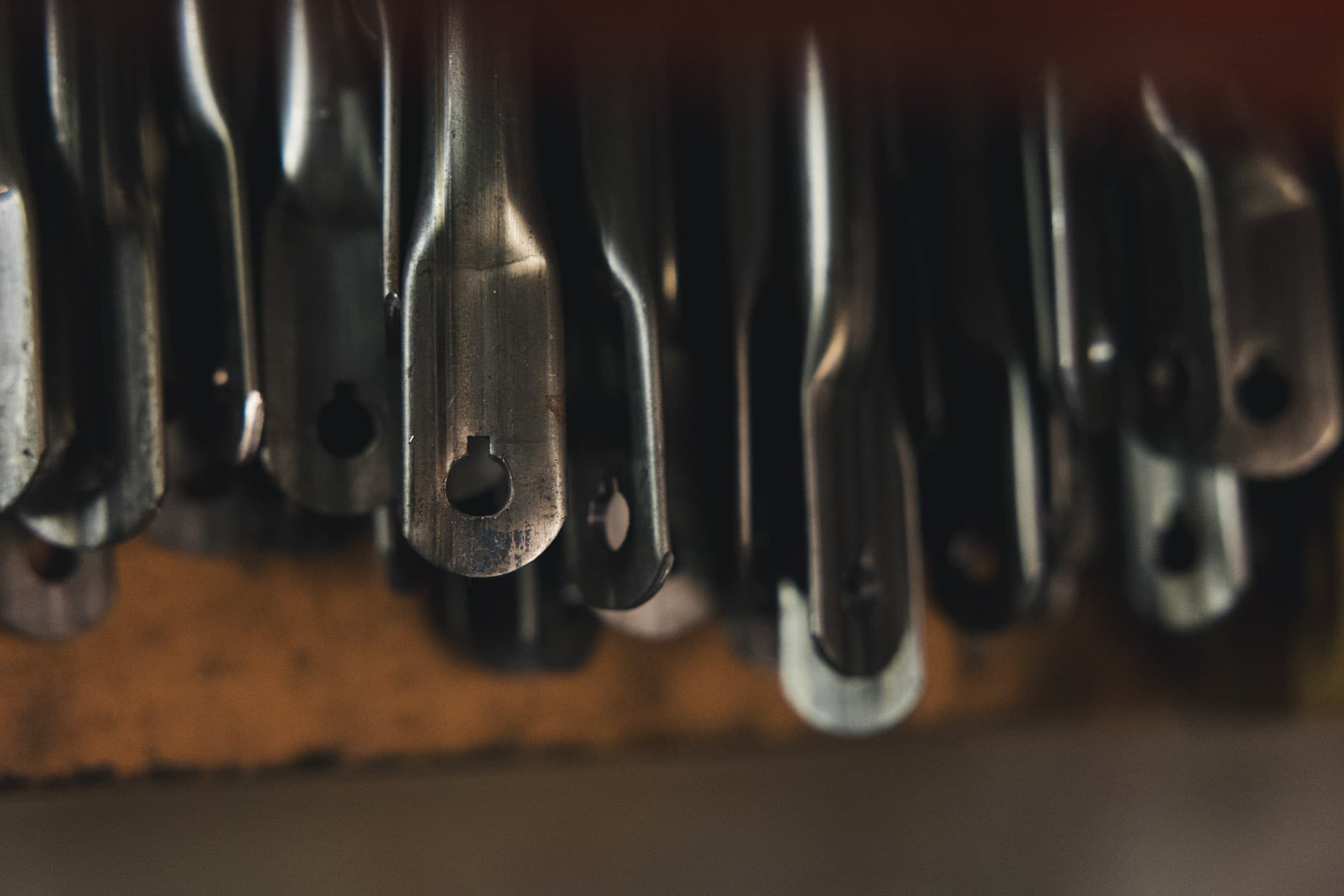
Once the steel is cut to size, it moves on into the main factory area where one of the frame builders gets hands on. There were all sorts of jigs around the building, each one for a different model, or variation of a bike, whether it's a children's tricycle, or the Wildfinder gravel beast. Each and every frame is then welded, brazed, or soldered. There are different processes for different models, of course, but there's a reason for the decision behind every choice.
External cable mounting on some bikes to allow easier maintenance, smoothed welds on some bikes for added elegance, slightly wider tubing on ebike variations. Andy explained how they're now using 3D printed lugs to allow for frames to be perfectly sized, and the geometry to be slightly altered if you're ordering an entirely custom sizing. There's no challenge in waiting for parts to arrive because the printer lives in the workshop too.
I could've quite happily spent the day in a deck-chair watching the frames being built. Andy kept pointing at bikes and telling me which model they were, despite many of them only being partially built. It's clear to me that he's not just an office-bound, strategic CEO, although I'm sure that's part of his job; he knows his bikes inside out, even when they're only two or three tubes being attached together.
Every step of the process felt like art. Human hands making concepts come to life. “Pipes to bikes,” as Sasha put it. The higher-end bikes have their welds smoothed so that they can't be seen once painted. It gives the illusion of the frames being a single piece of piping that's somehow been turned and twisted into a bike.
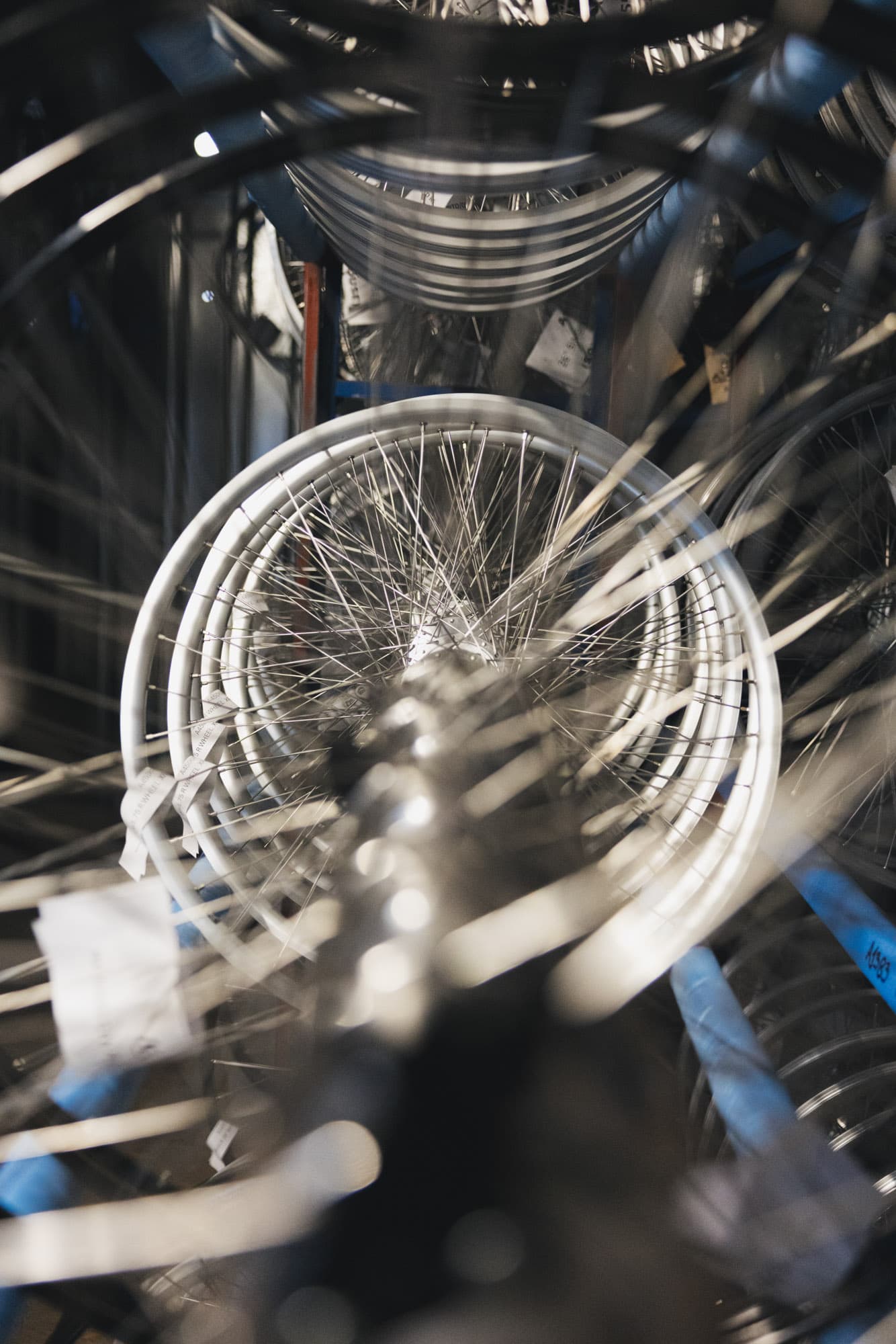
Eugene was building and testing wheels, running them through their testing machine before tweaking tensions, by hand, where needed. The mudguards on some of the classic range even have hand-painted lines across them. A totally unnecessary step that could be dropped to save a penny or two, but isn't simply because it gives reference back to carriage lines on old horse-drawn carriages. It's a skill in itself painting lines across a curved surface, but made all the easier by the entirely custom rig that they've built in the factory to help the process. The bikes are less about being just bikes. “Elegance,” in Andy's words. “Bikes are becoming bigger, chunkier and we don't want that, we want them to flow. The soul of the brand is expressed in the frames.”
100 Years of Pashley
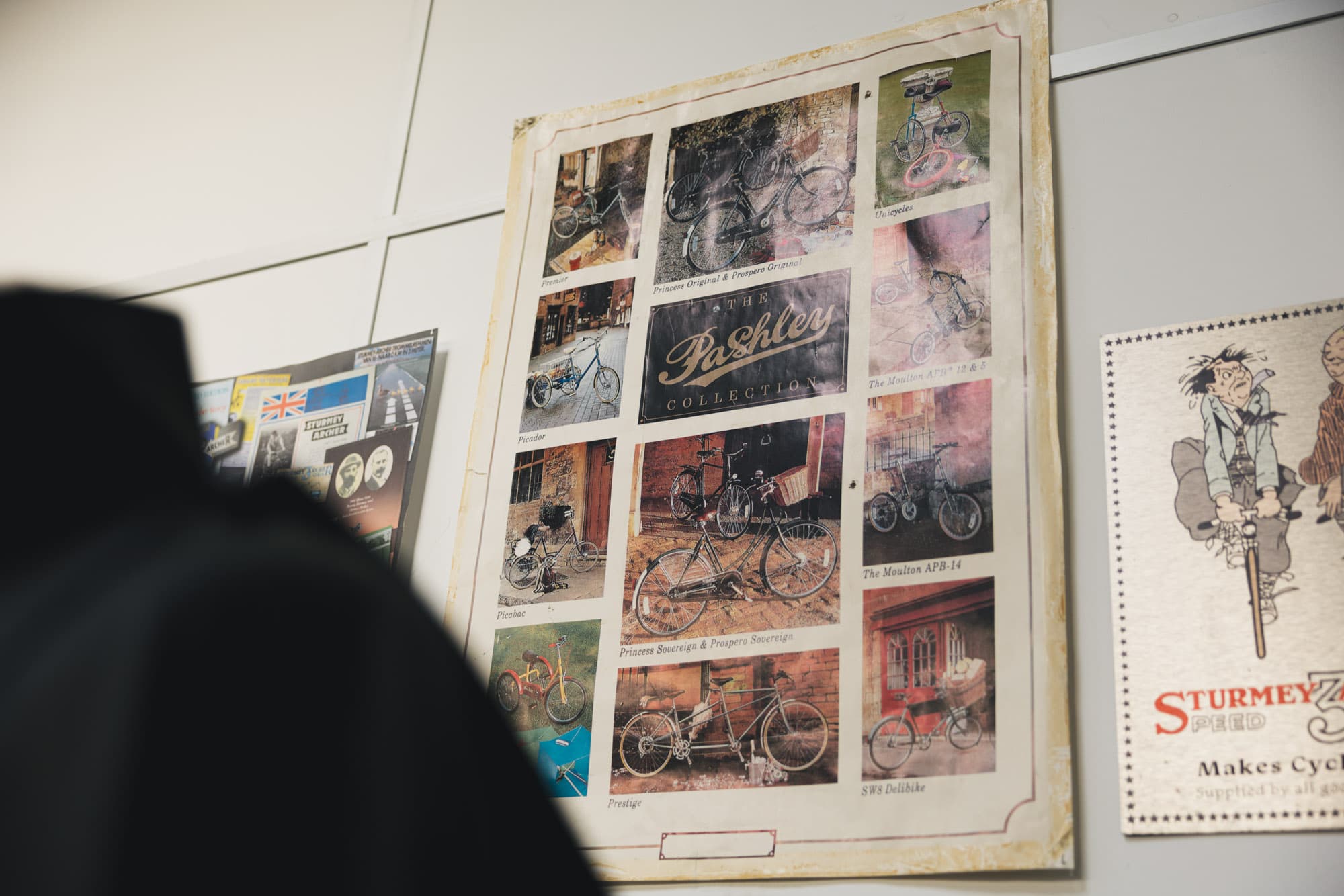
It's clear, right from the off, that Pashley has a wealth of heritage and plenty of different bikes in which to express their truly British brand. They'll be celebrating their one hundredth birthday in 2026 and their range of bikes reflects that. They've made all sorts of bikes over the years, from butchers bikes to a fleet of bikes for the Royal Mail delivery service. Add in some classic-styled step through frames, and even the TV series trials bikes, in their 100 years Pashley has just about done it all. With their manufacturing being so focused on business-to-business trade over the last decade or so, it's great to see their consumer-facing range expanding again.
Big Adventure Small Package
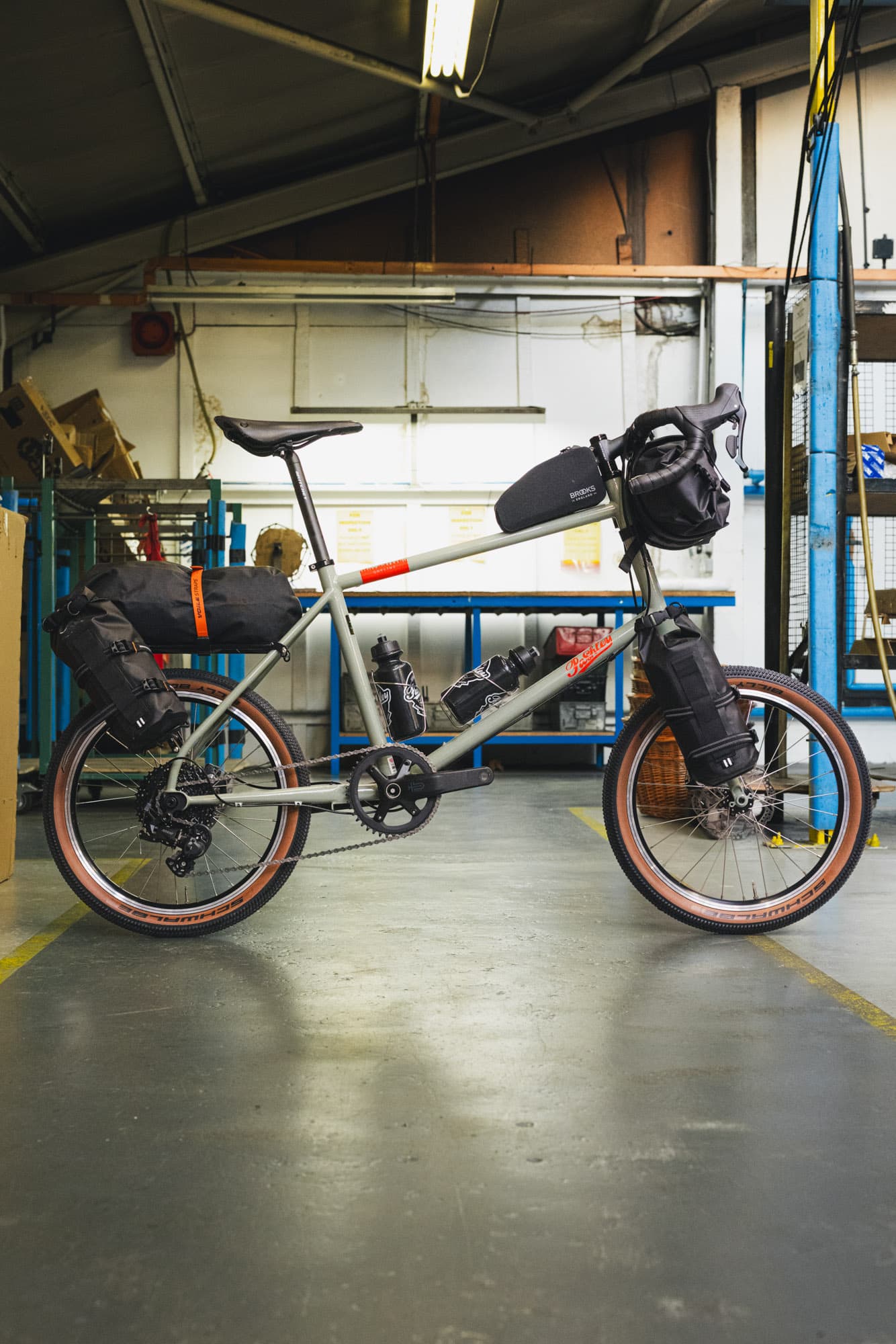
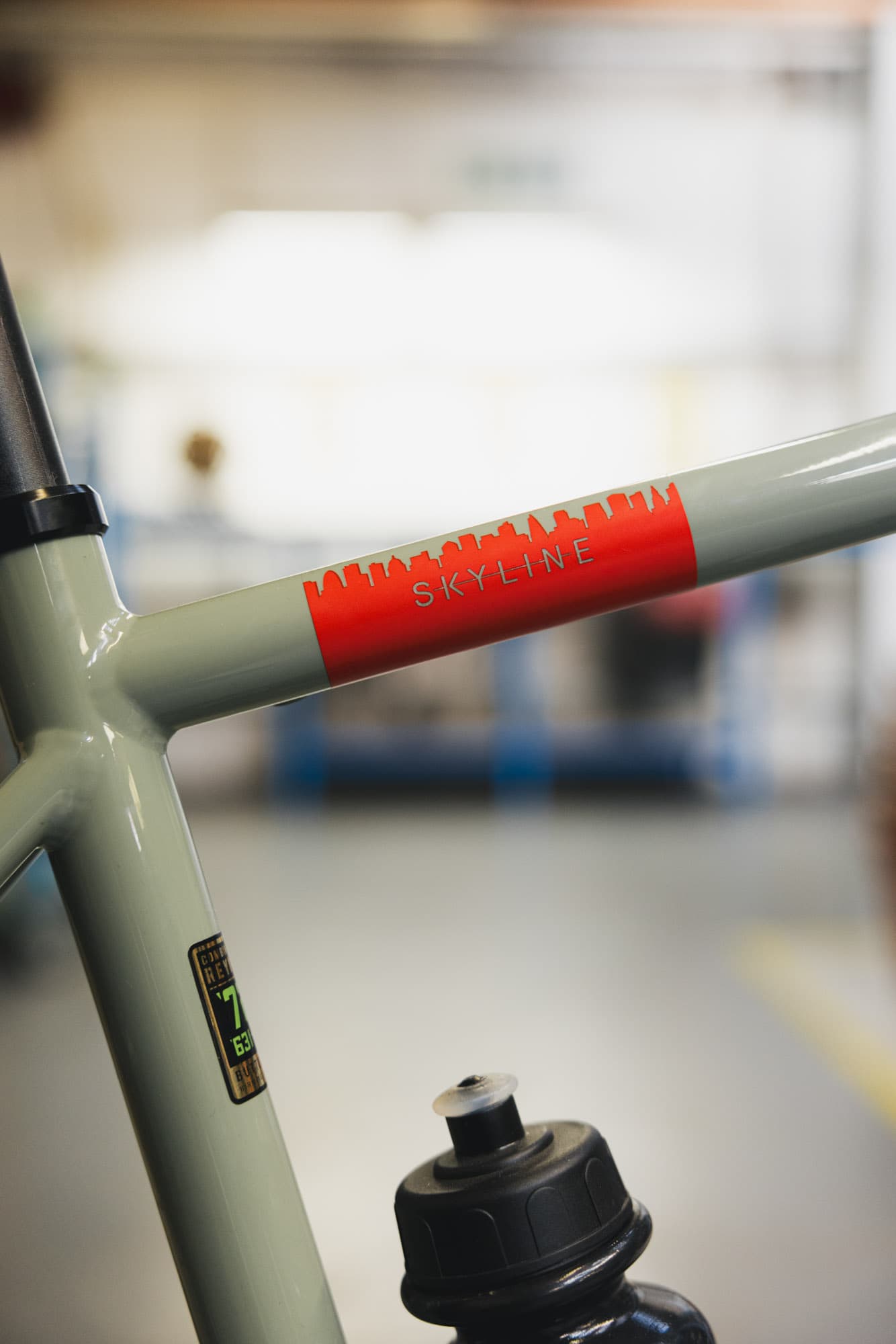
Skyline is their 20” wheeled mini-velo offering and is about as accessible as a bike can be for anyone who's perhaps based in a city but wants to get out on more adventures. The obvious is true: it's easier to get in and out of a car, or on a train, but the team at Pashley told me it's more than just about saving space. There's a nimble nature to the Skyline, designed for fun. The whole bike can be loaded up quite comfortably with bikepacking gear, making it the ideal solution if you're after a bike that can still get you out on the hills, without taking up all the space in your flat when it's at home. Andy explained it as a bike that's perfect for city riding when you might need to weave in and out of cars, but that there's no compromise on mounting and spacing for bags.
Pride Over Prices
No compromise seems to be a central part of Pashley's vision. After I'd seen the magic of the factory, I asked Andy why they don't ship in from overseas. There's no denying that manufacturing away from Britain is usually cheaper than doing it here; surely the company would have better margins if they bought in, like some of the big players in the industry. An honest question asked purely from a point of curiosity.
The hand-made nature really appeals to me, but I wanted to know about it from a business side. The answer was given with no hesitation: “because we'd have to compromise, and we don't want to.” Of course, shipping in would mean each frame would be cheaper, but a decision has to be made on the geometry, sizing, and colour of a batch of frames, making each one the same as the next. “We wouldn't be able to offer custom sizing, custom colours, or refine things immediately. Sometimes I'll be out on the weekend and have an interesting idea,” Andy explained, “when I get into work on Monday, I share that with the designers and before my next weekend ride we can have a prototype made for me to test. You don't get that if you buy in from China.”
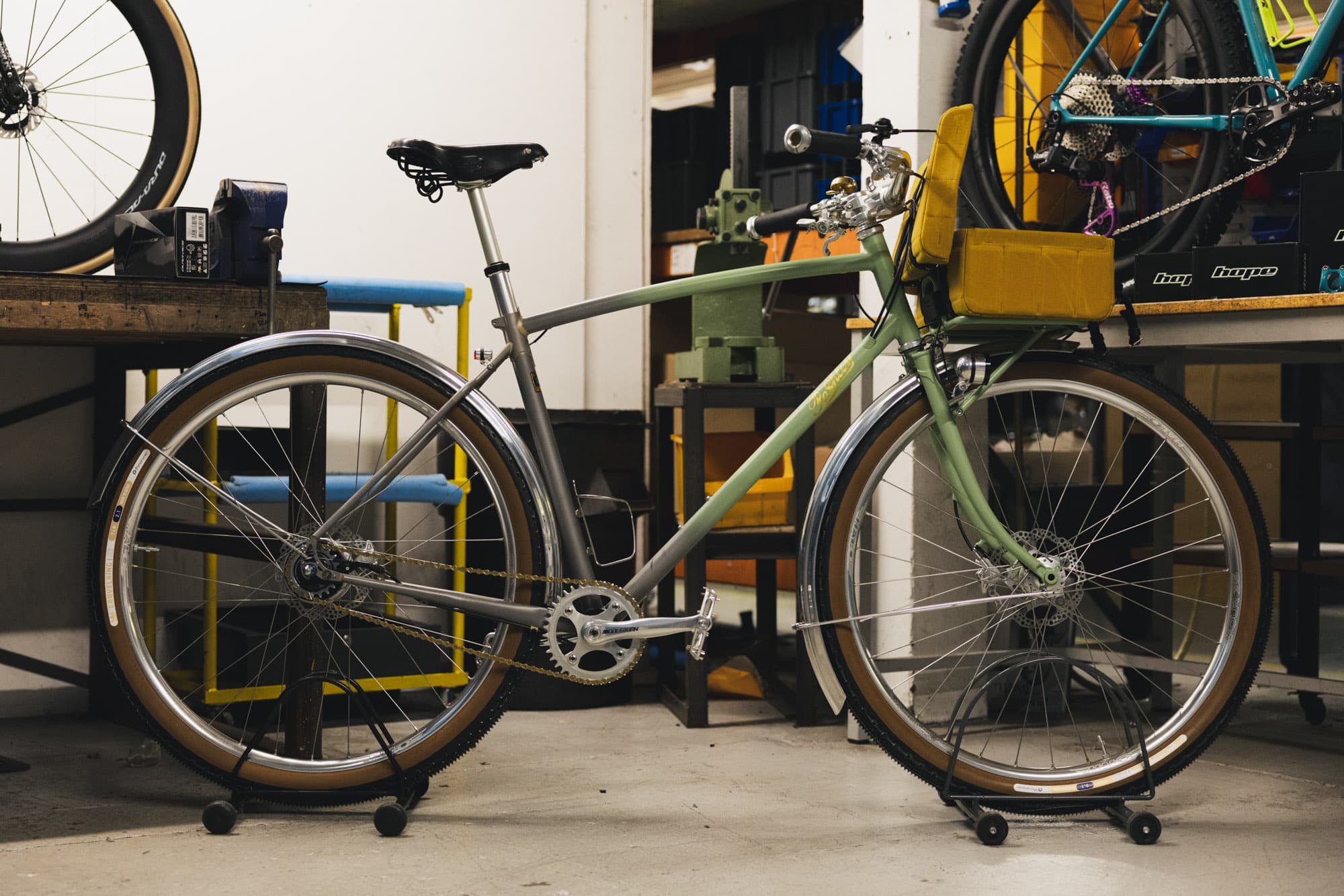
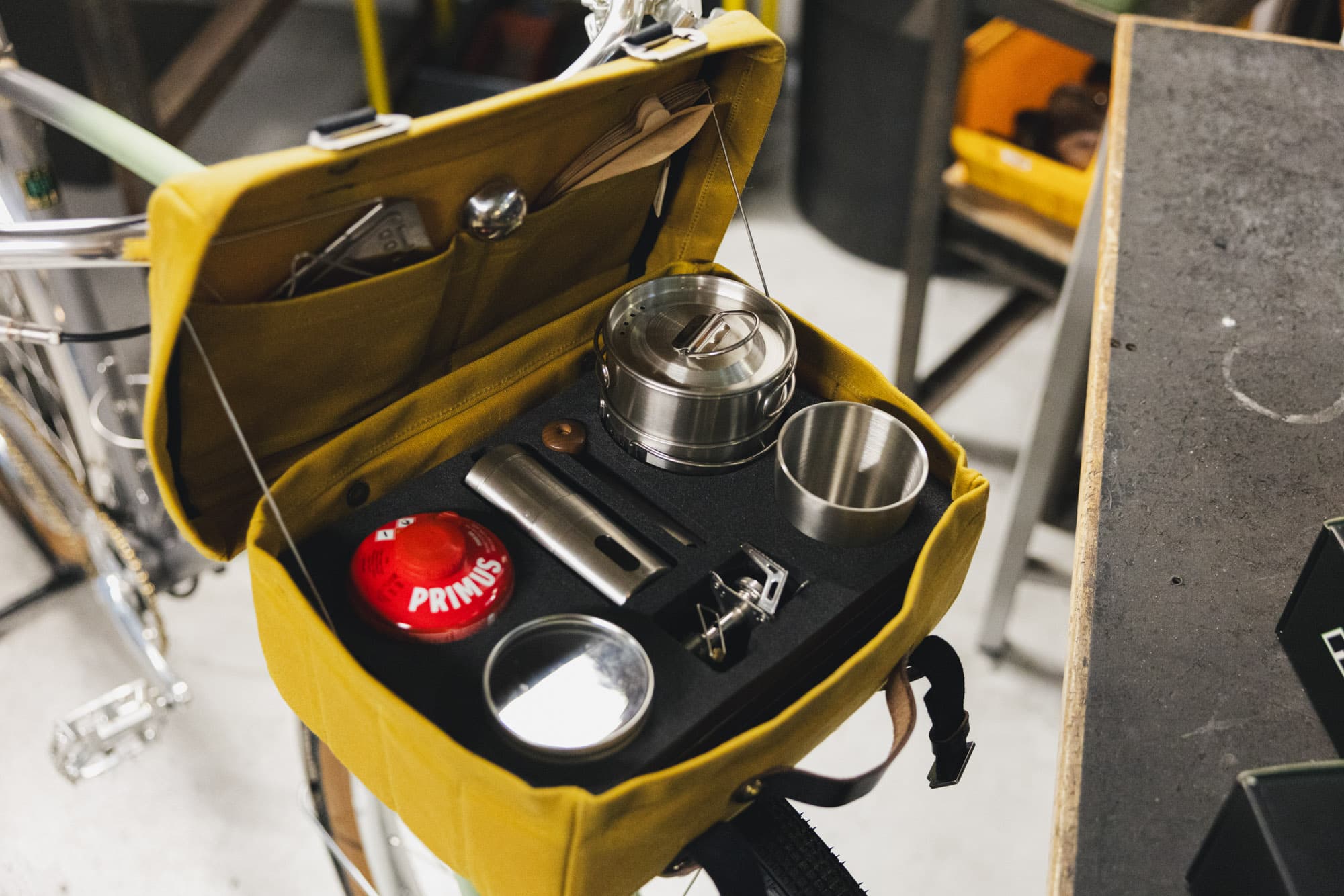
He's right, of course. And there's more that you don't get. The quality control that makes Pashley stand out, and the entire room for tinkering that the designers get. Prototyping and freedom to express is central to Pashley's movement in this next chapter. “We can't be pioneers if we follow everyone else,” I was told. That's why they'd put together the ATC (Any Time Coffee) bike ahead of Rouleur Live this year. A bike to encourage you to slow down, enjoy the ride, and stop regularly. When everyone else is focusing on aero designs and integrated handlebars, Pashley chooses a steel frame for comfort, and on bikes like the Wildfinder, they use a threaded bottom bracket because they understand the brutal nature of British winters. It's a genuine mix of understanding the needs of the current audience of cyclists, whilst following a feeling of what's right, even if it's against current industry trends.
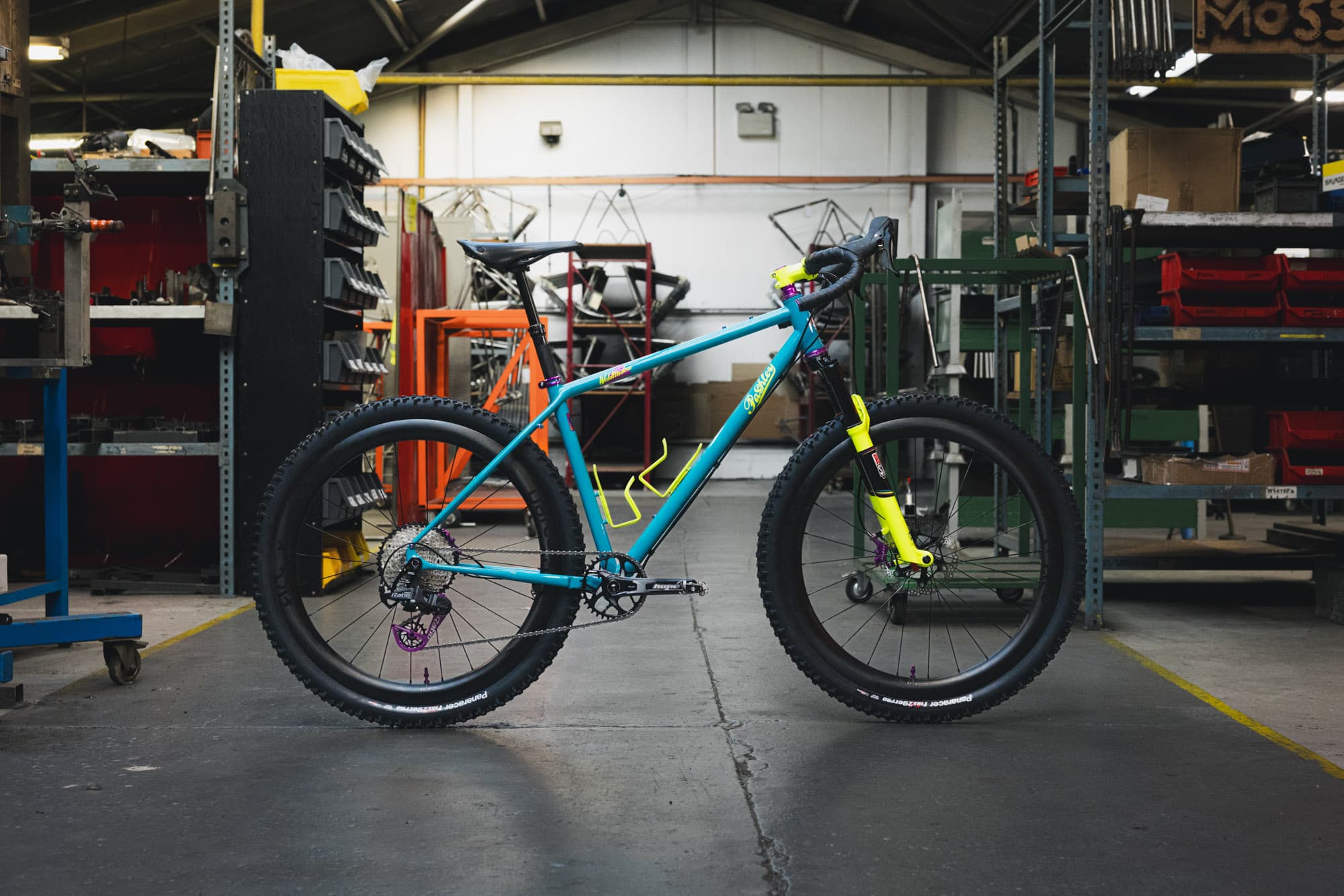
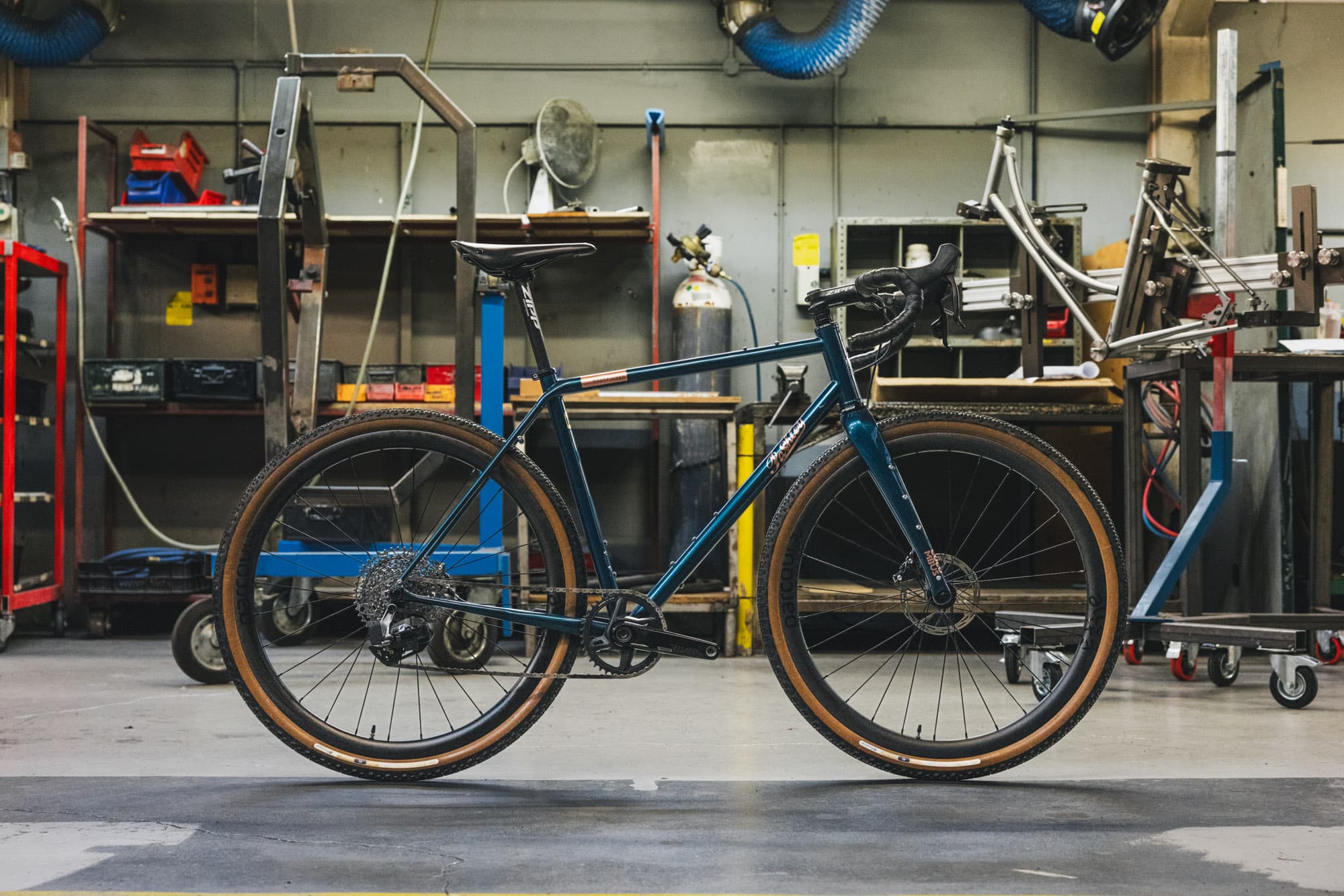
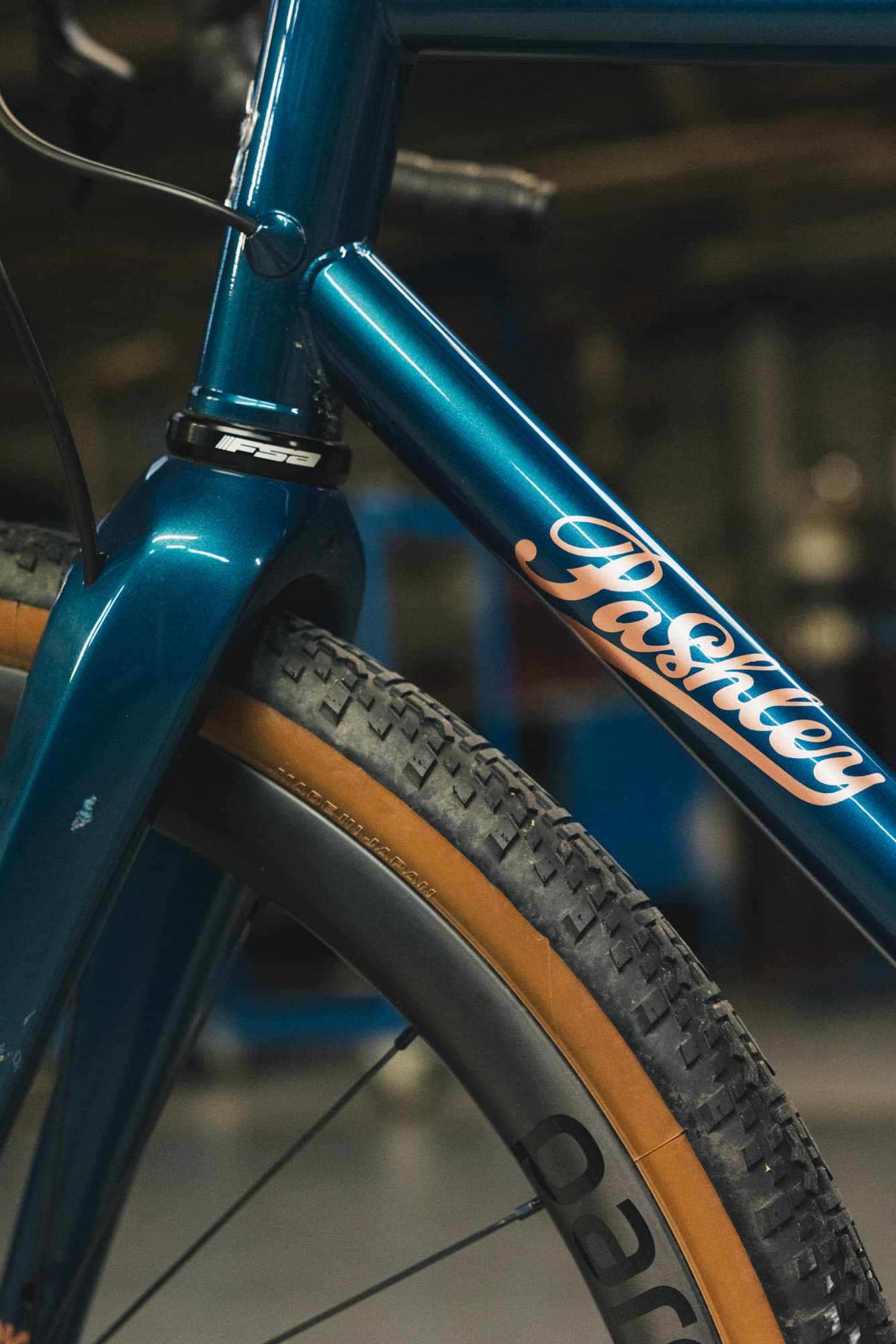
The Wildfinder was probably the bike I was most looking forward to seeing. A love-child between mountain bikes and gravel bikes (nicknamed a ‘grountain bike', by the team at Pashley), there's 100mm of suspension, on a geometry designed for comfort. 60mm of tyre clearance means it'll still be good to go across the moors even on the wettest of days, and 180mm discs are plenty for stopping after a good descent. It's a genre-blurring bike and caused quite the stir in a mountain biking WhatsApp group I'm part of. Get away from the specs, and this bike is all the more impressive. Those 3D printed lugs that join the tubing are hidden, as are all the welds, brazing, and soldering. It's a flush frame that's exceptionally pretty and finished in both an e-coating to prevent corrosion, and then hand-powder coated and baked in their own ovens for extra durability. No outsourcing at any stage.
Feel the Heritage
It's these small decisions that set Pashley apart. To me, they seem to be made not because they'll be noticed, but because they'll be felt. Form and function, with locally sourced steel, saddles from down the road, and so many customisable options that you really can get exactly the bike you want. A heritage that goes back generations, and a factory filled with contagious energy. Will my next bike be a Pashley? Well, I'd certainly like one. And, at a very respectable £2595 for a base-level Wildfinder, or £2795 for a Roadfinder X, they're well within the competitive price range, especially for something so lovingly crafted right here in the UK.