Salsa Flyway C XPLR: State of Flow


A carbon bike?!
That couldn't be me.
It's what I would've said as a Steel Bike Purist, which to some degree I am. But even a purist can bend a little, I decided. I'll try to resemble its characteristics and be malleable in my approach to re-trying carbon bikes.
My stint with carbon bikes was a short one, perhaps a year or two at best. Ever since I experienced the vibrancy of Italian steel tubing, I felt the Spirit that Columbus has blessed many of my frames in the past. But to throw my legs over carbon frames felt like taking a step back in some ways, a sense of predisposed judgement, that I'll have to give up the liveliness of steel for the lightweight nimbleness of carbon.
Yet, the Flyway kept proving itself worthy of almost everything I put it through.
Admittedly, I fell into the tropes of immediately trying to fit this bike into a set of molds and categories, perhaps to find ways of describing what this is "designed" to do. But approaching this in such a way probably limits the true capabilities of this bike, and rules out certain terrains, or typical routes I'd do.
So instead, I did the opposite.
Over the course of a few months, and several hundreds miles riding from my front door and backcountry ventures, I got acquainted with the Flyway C through various terrains. What I found were a few limitations, not cons per se, but a clear line in the sand of how far you can push Flyway C in its Rival XPLR SUS form.
The majority of my rides on the Flyway were in or near Portland. The mix of gravel, climbs, and urban singletrack here is some of the best I've ridden, so it leaves little reason to go chasing distant trailheads when the good stuff starts a few blocks from my door.
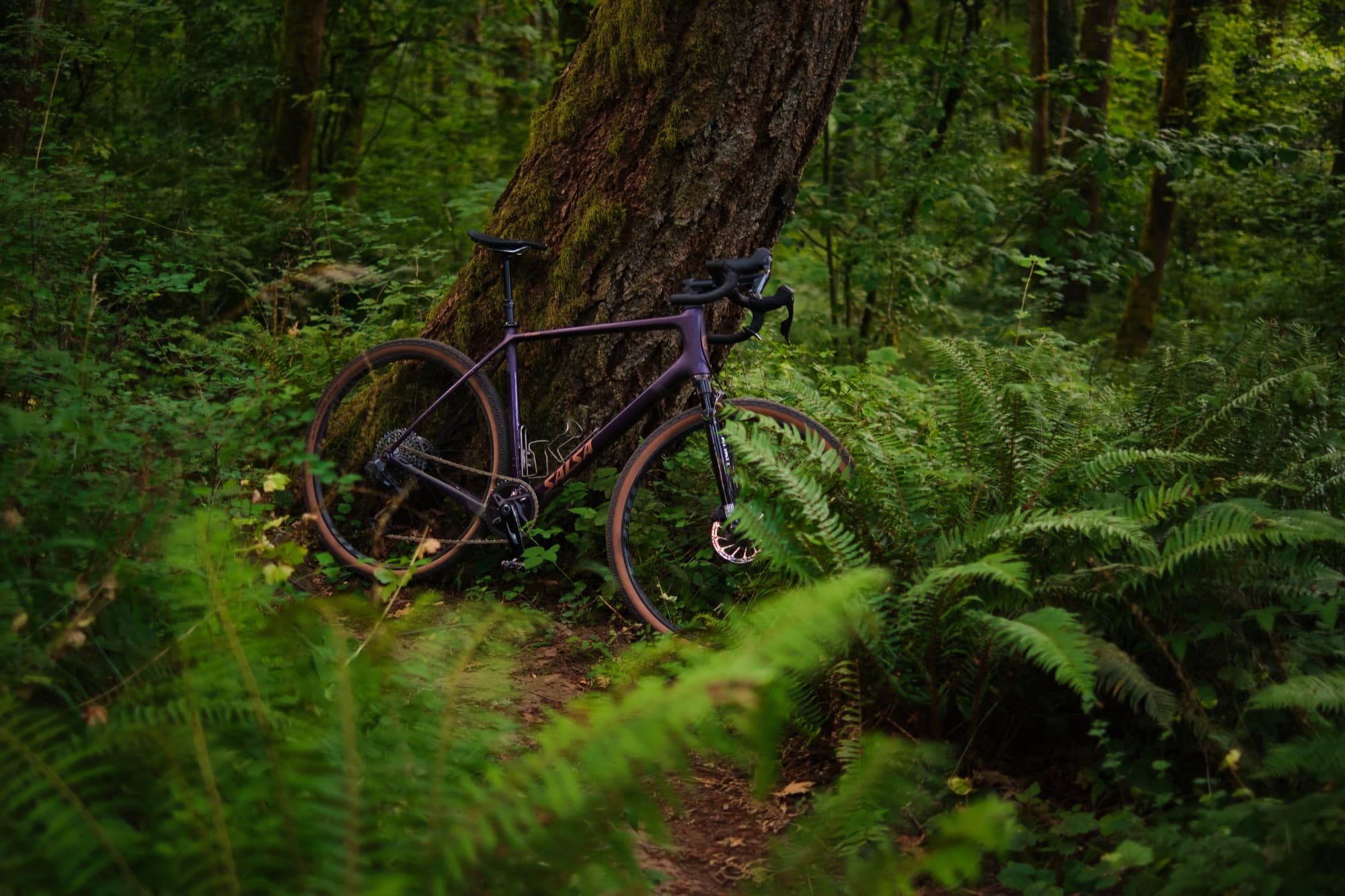
Most days that meant the usual split, roughly 80% roadie miles with a mandatory 20% of gravel thrown in, cutting through neighborhood connectors, alleyways, and the occasional rogue urban singletrack. On the days I wanted more, Forest Park was right there, and the Flyway handled the deep gravel cuts and loose, root-strewn descents smoothly. This bike makes you want to explore around your regular loops looking for the rougher line just to see how the Flyway will handle it.
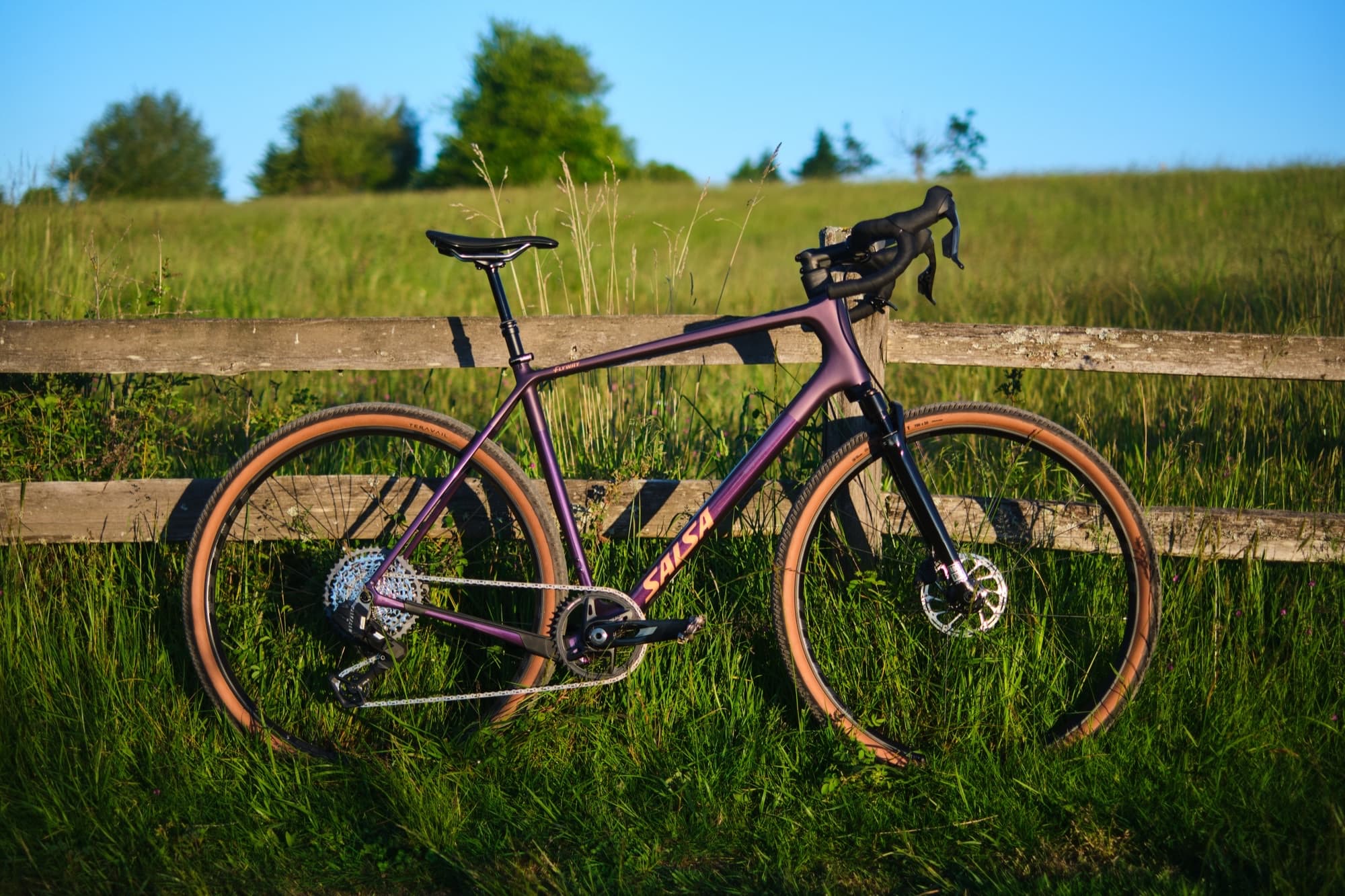
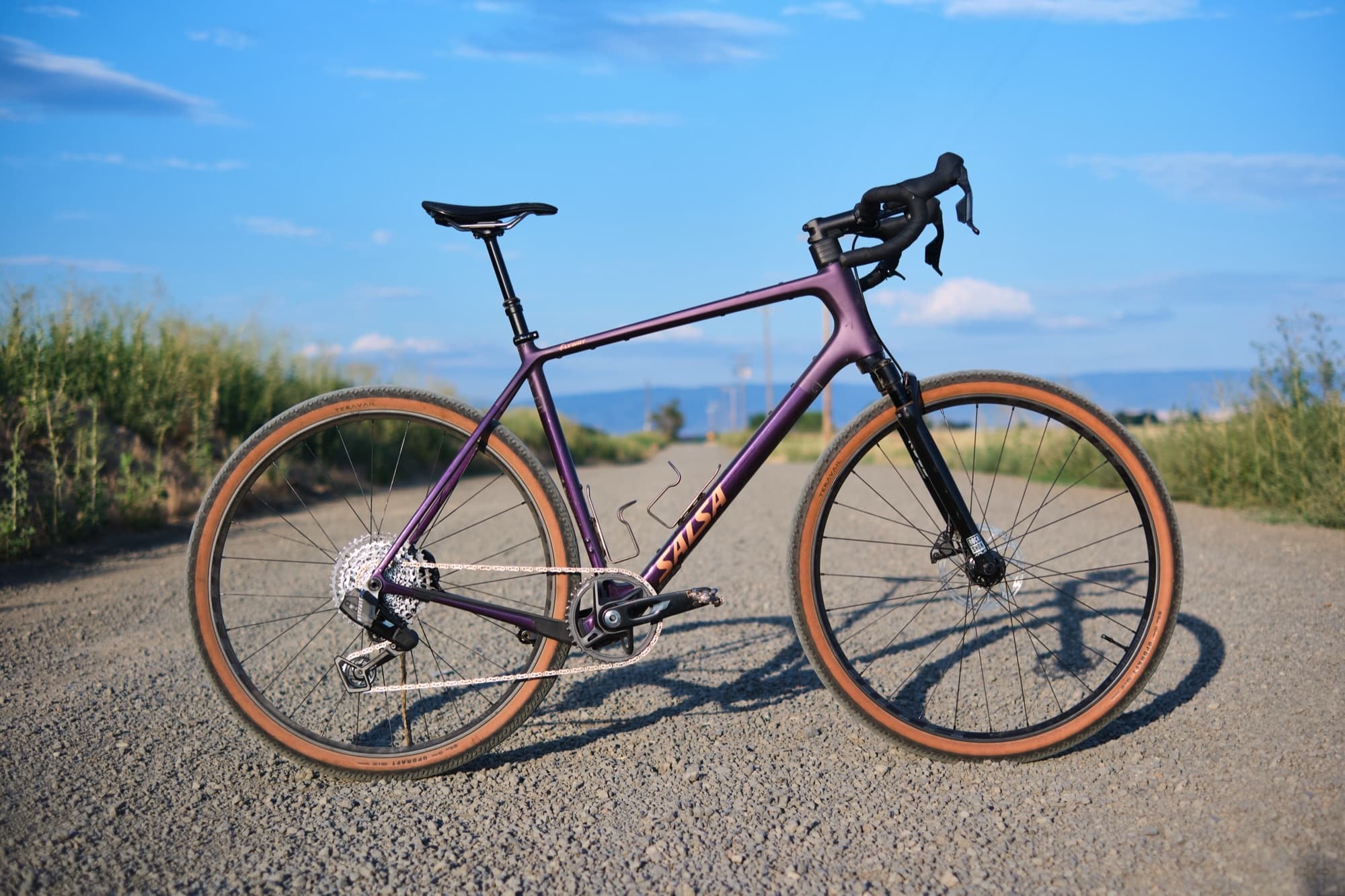
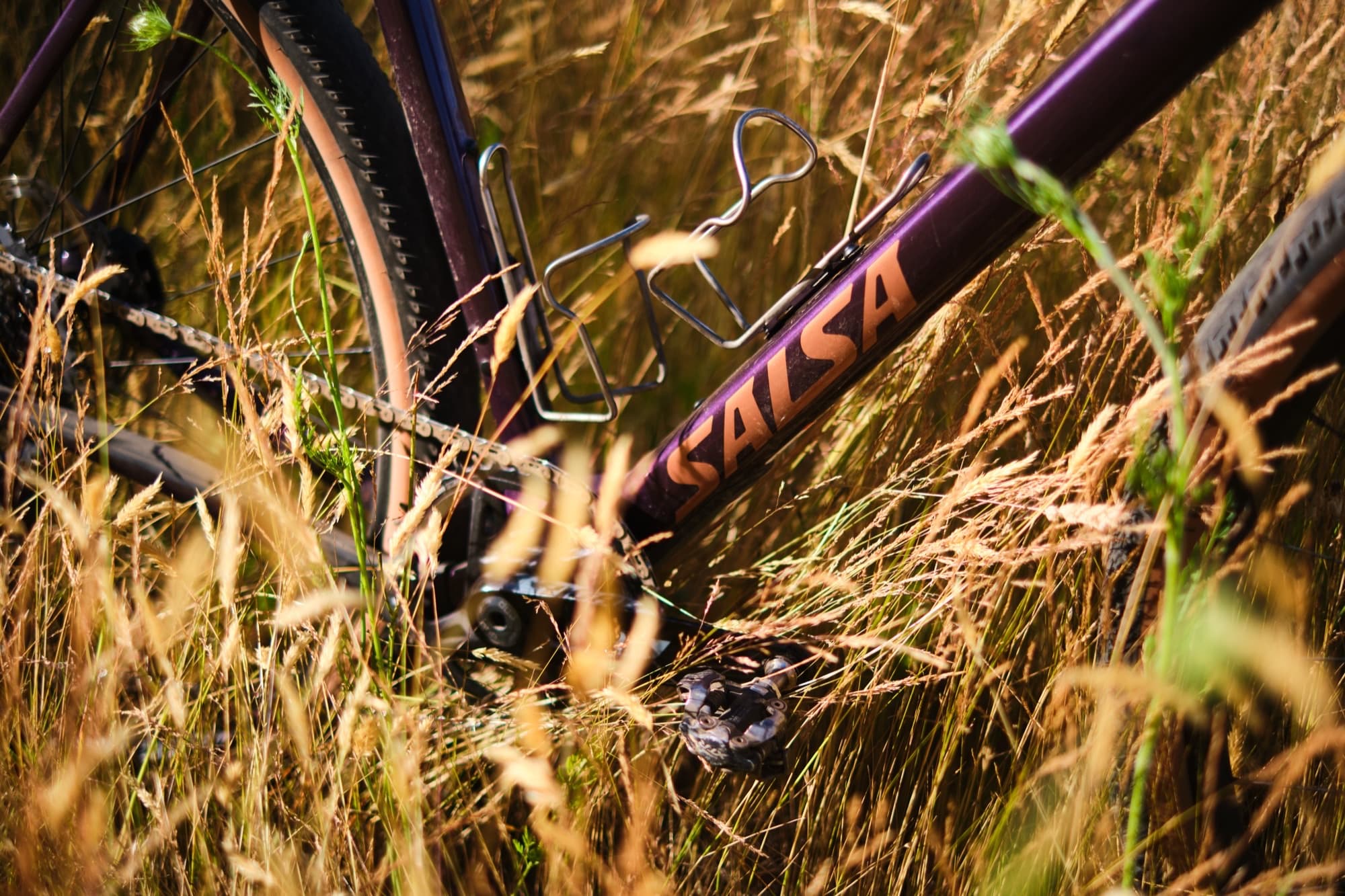
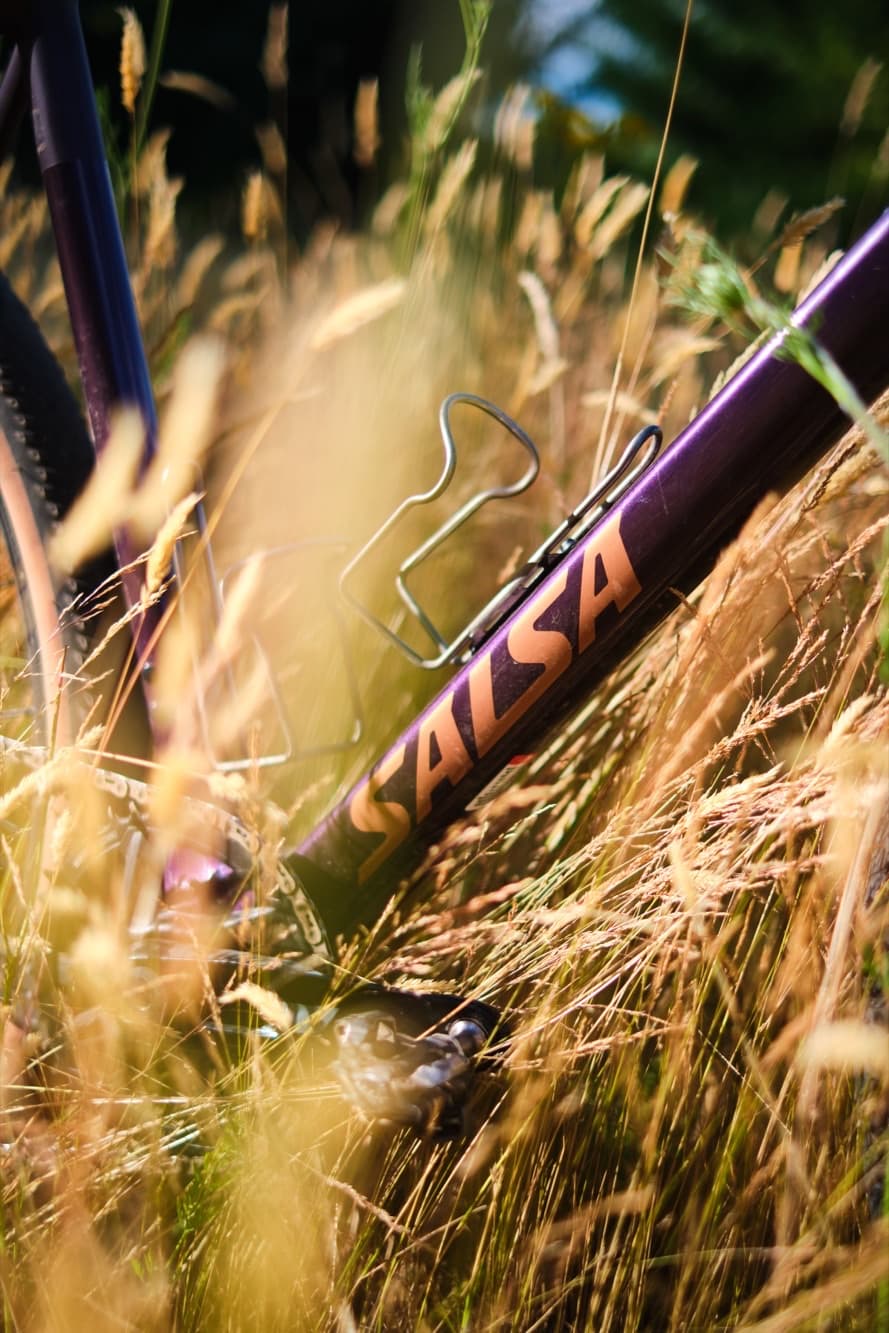
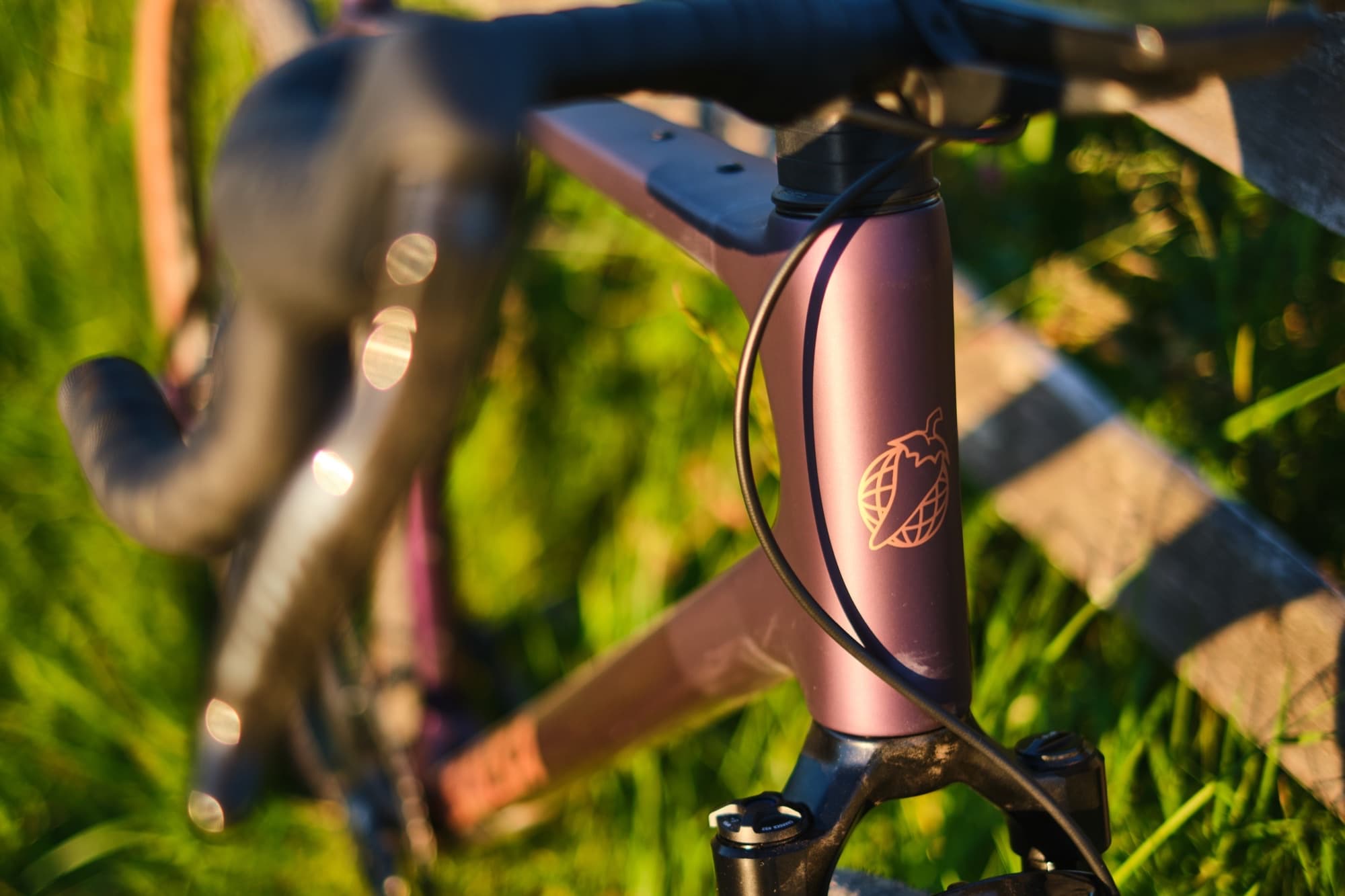
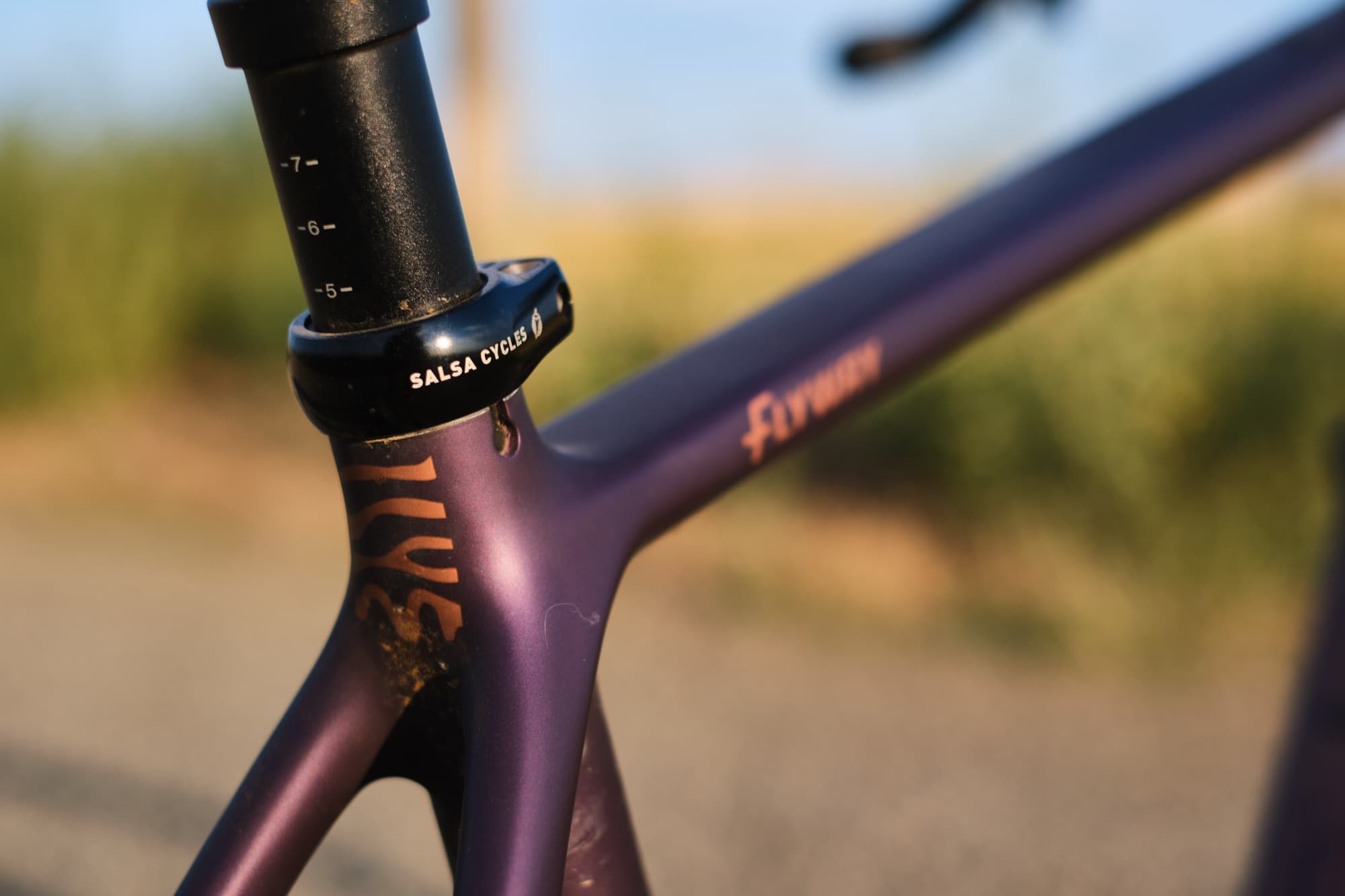
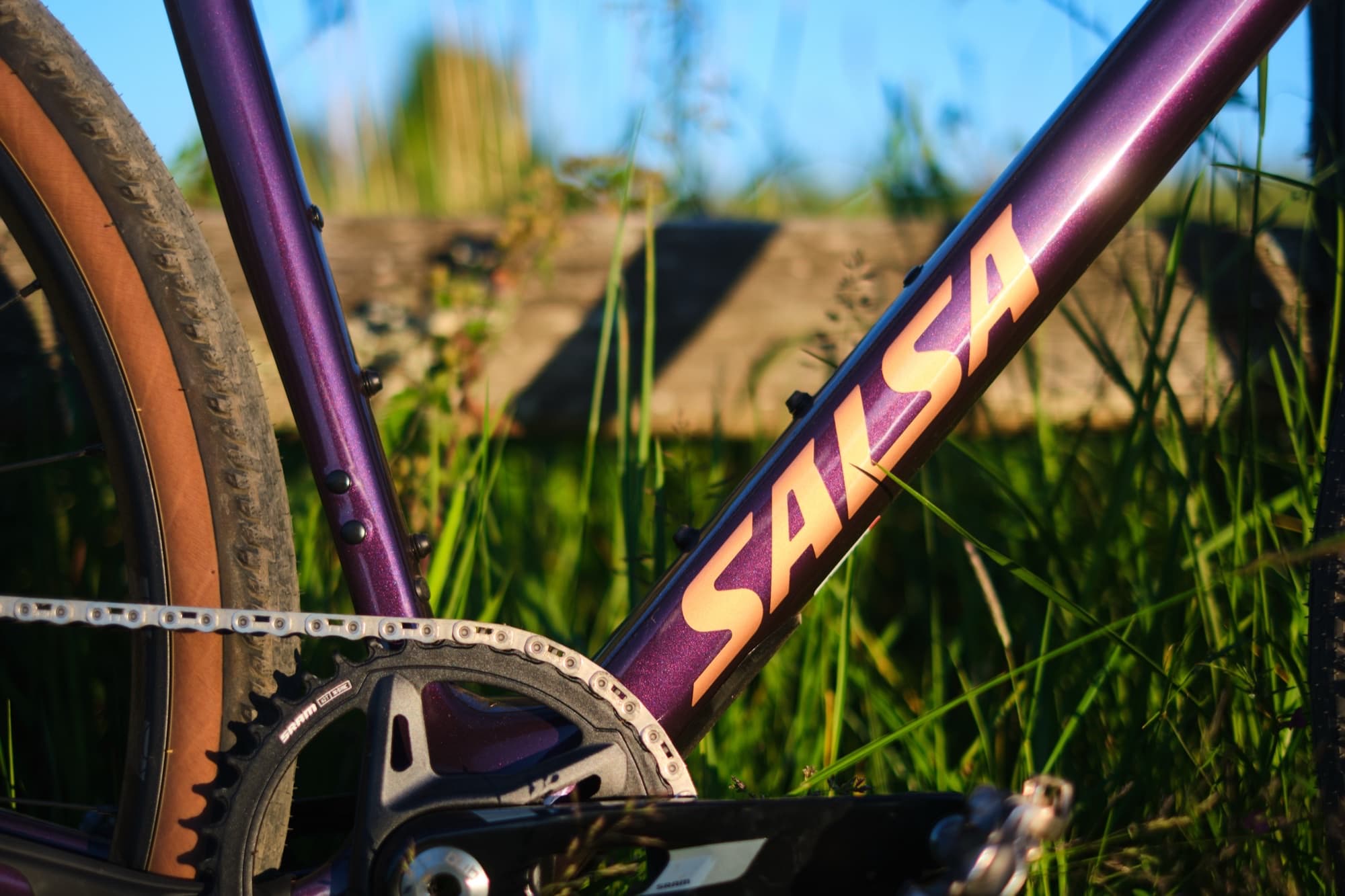
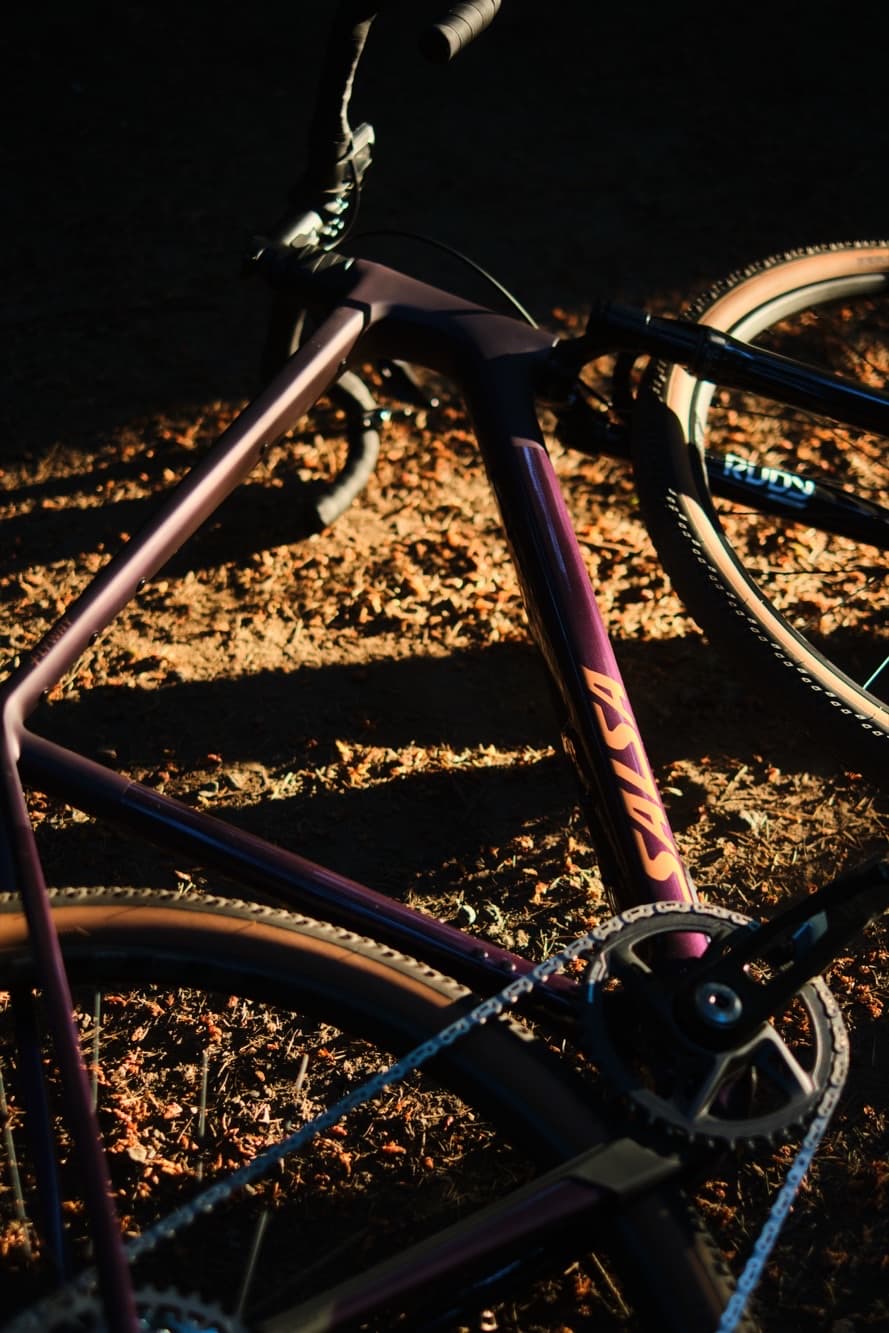
The Salsa Flyway C is an absolutely smooth and fast gravel bike, built to cushion rough B-roads and farm-country washboards, and it does that well to varying degrees, depending on where the road or path falls on the spectrum of Luxury Gravel on one end and Chunder on the other. Equipped with the 40mm RockShox Rudy fork, a Seatpost dropper and Class 5 Vibration Reduction System (VRS) feature in the rear triangle, this trio works exceptionally well together once you sync with the rhythm of the Salsa.
A Fast Bike For A Slow Dude
At first glance, the Flyway might seem like it's purposely built for the singletrack life. It does that surprisingly well; however, I found this current build to be directed at maximizing comfort at higher speeds with the occasional singletrack along your ventures.
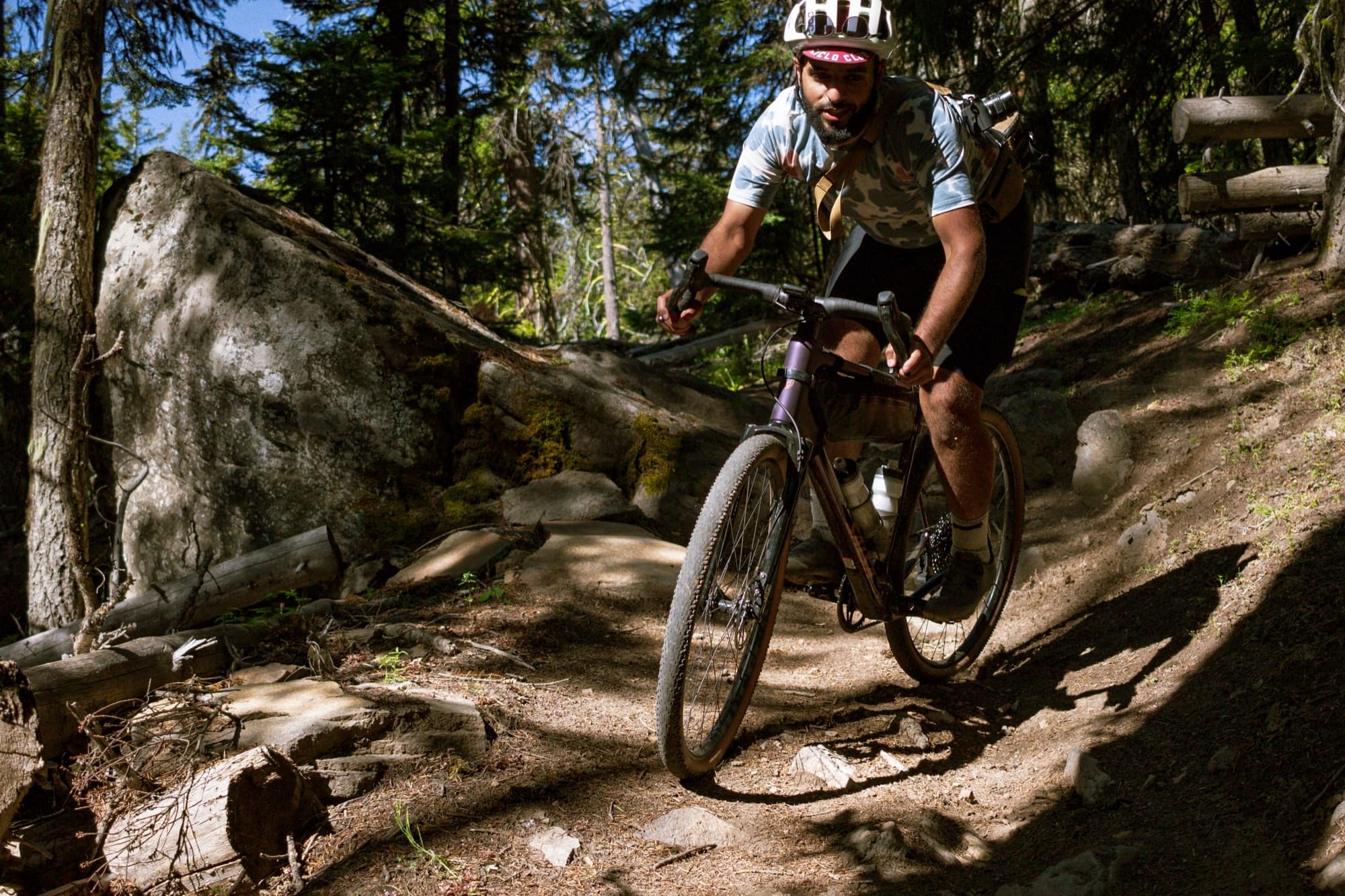
To put this guess to the test, I chased Ron Lewis on his Surly Sorceress on some of Oregon's best singletrack zones just outside of Hood River, at Lookout Mountain, home to the 44 Trails system and more.
The idea behind this is not to test its singletrack capabilities, as much as it is to test its ability to step up to the PNW adventure riding. What does that look like you may ask?! It's basically a ride that incorporates elements of mountain biking alongside long gravel rides, some hike-a-bike, bushwhacking, Walking-Tamale snacking typa ride. It's what I mostly tend to ride when I have the time and luxury to do so.
Ron and I rode a short yet big in effort ride mixing a few long gravel sections alongside whiteknuckle singletrack with slaps and rattling-root-complexes that shake the bone. On flowy trails, the Flyway was well… literally flying down in true flow state. With slightly conservative line choices down the singletrack unlocking the Rudy fork and dropping the seatpost, the Salsa was surprisingly grounded yet nimble. It took corners like a champ and rolled over roots pretty darn well!
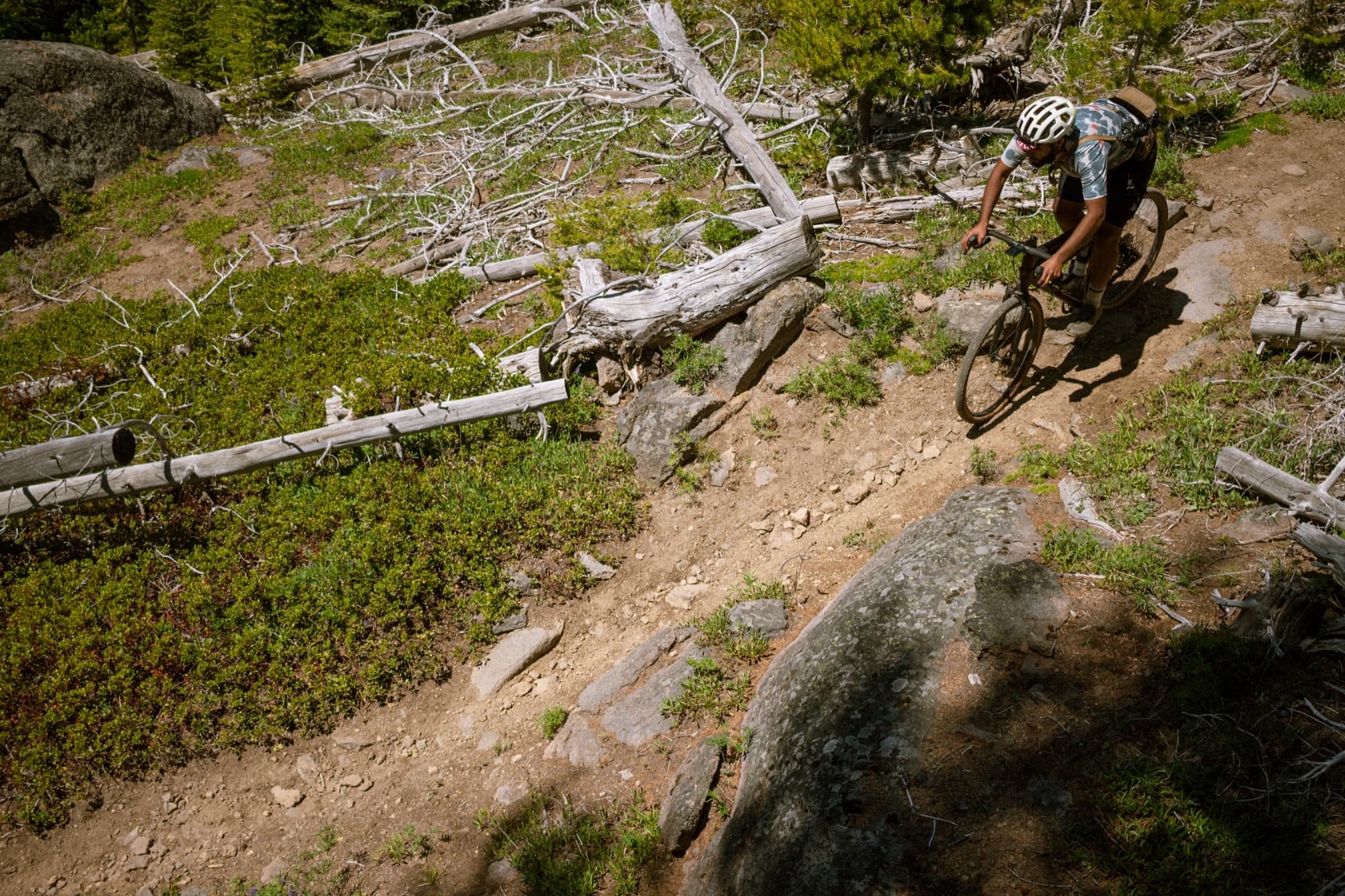
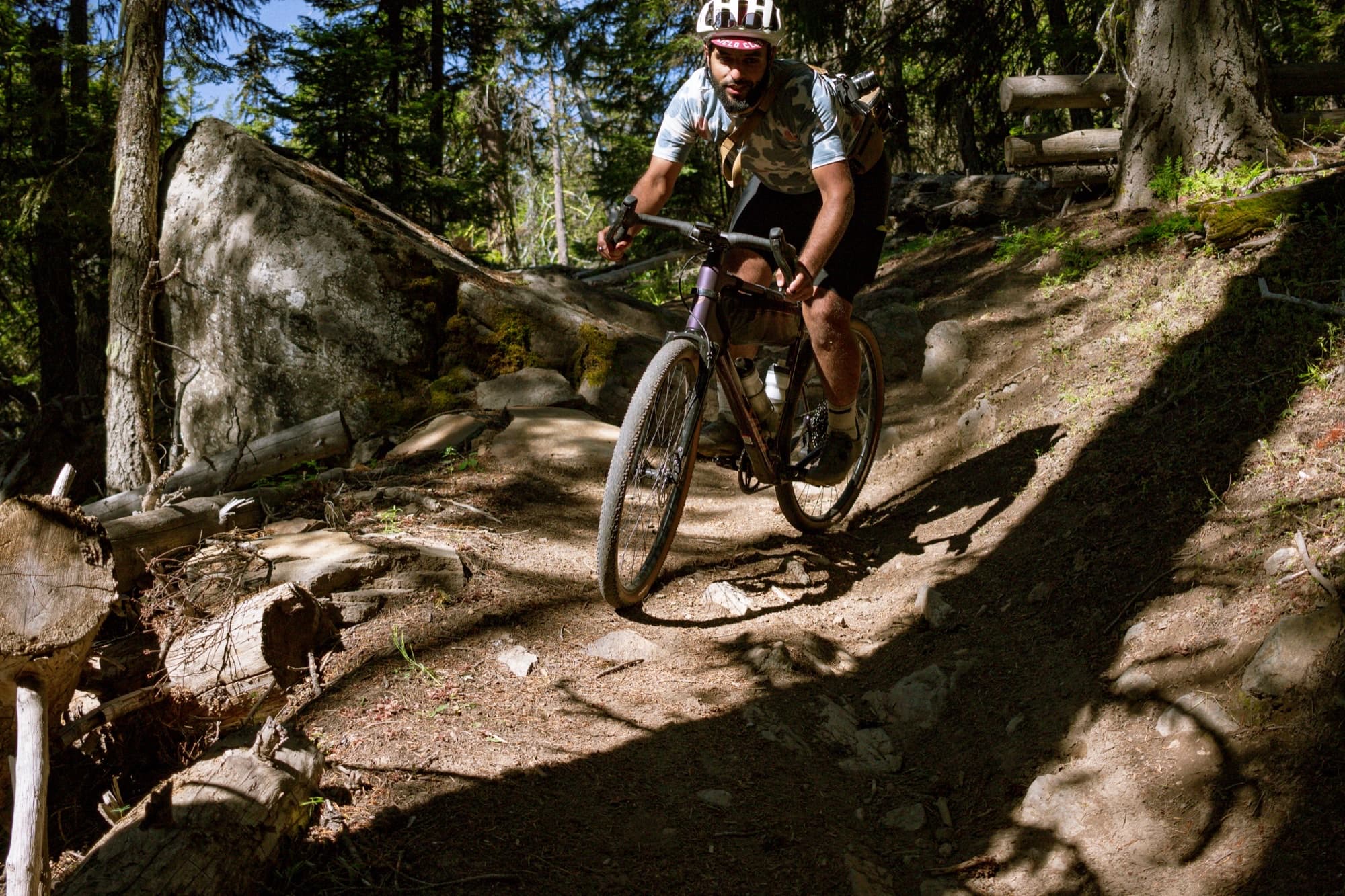
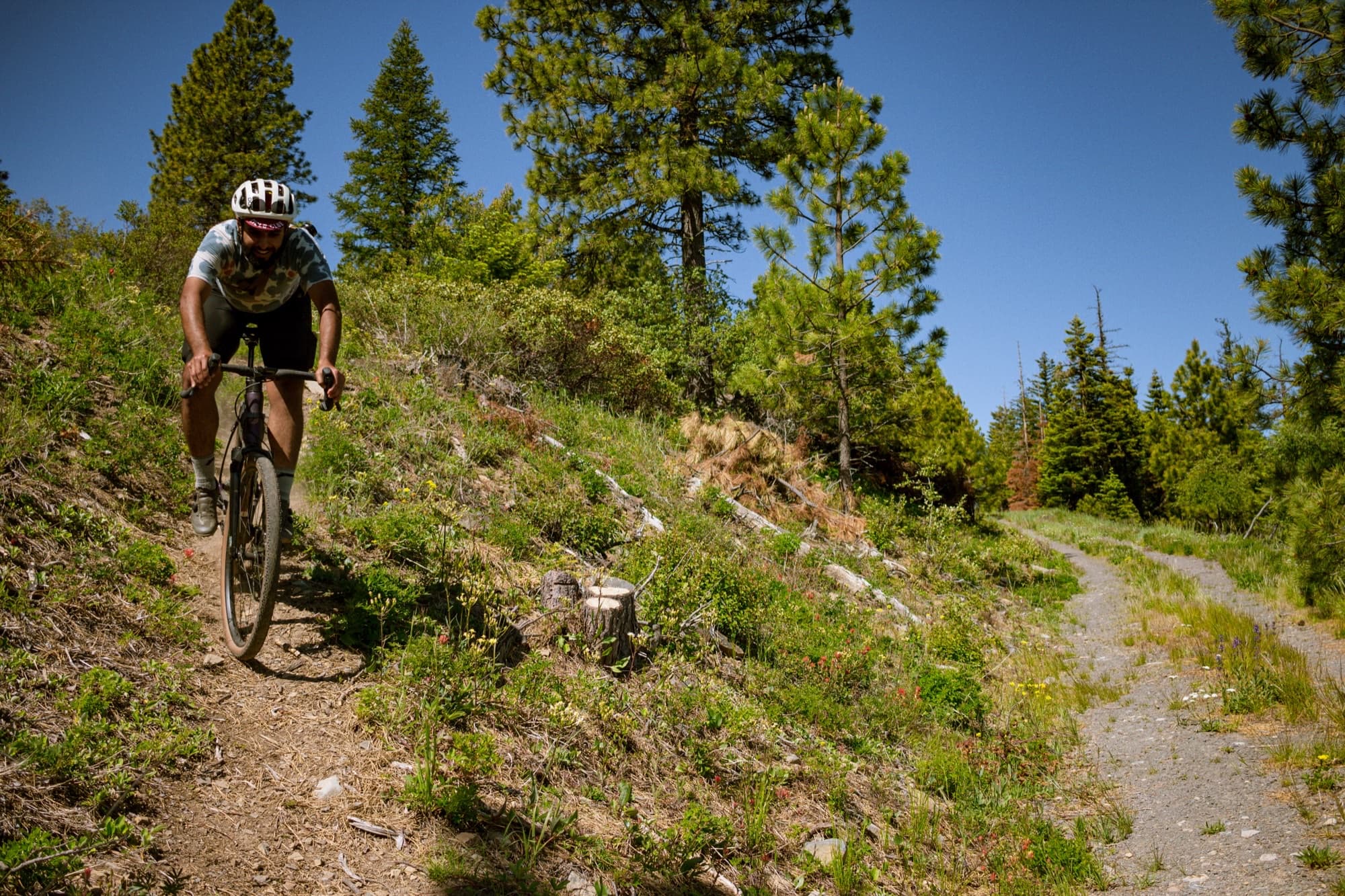
The ride felt pretty well managed for a bike that clearly wasn't built for the singletrack life solely. However, with a few sections under my tires, the trust between me and the bike quickly formed.
So I kept on pushing and it kept on keeping on through the majority of the ride.
While the Flyway did surpass my expectations in keeping up in a zone that was not built for it, there were a few drawbacks with the current set up, well if I can call them drawbacks. I was pushing it beyond its limits anyways. The Flyway XPLR comes equipped with SRAM's 13-Speed Rival XPLR. While the 42x46 gear ratio is a fantastic choice for those wanting to tackle the typical gravel rides with a few hints of steep hills and some rough sections, I found it to be limited in the face of PNW style of adventuring. By the time I reached those sections where the dropper + shock fork are most effective, I was already gassed. The gradients we have out here are steep, consistent, and loose depending on the season. On the climbs, I kept fishing for one more gear, to avoid getting out of the saddle.
Which brings me to the second drawback, the tires that the Flyway comes with. The Updraft tire is an interesting choice for such a build. Ron reviewed these tires earlier and I agree with his conclusion. The Updraft is a good choice for those wanting to go fast, far, and do it comfortably, but I find it to be limiting the Flyway's Rowdy capabilities when it comes to putting it through the wringer on some of the rides I took it on, even at 700c x 50mm, I kept wishing for more grip.
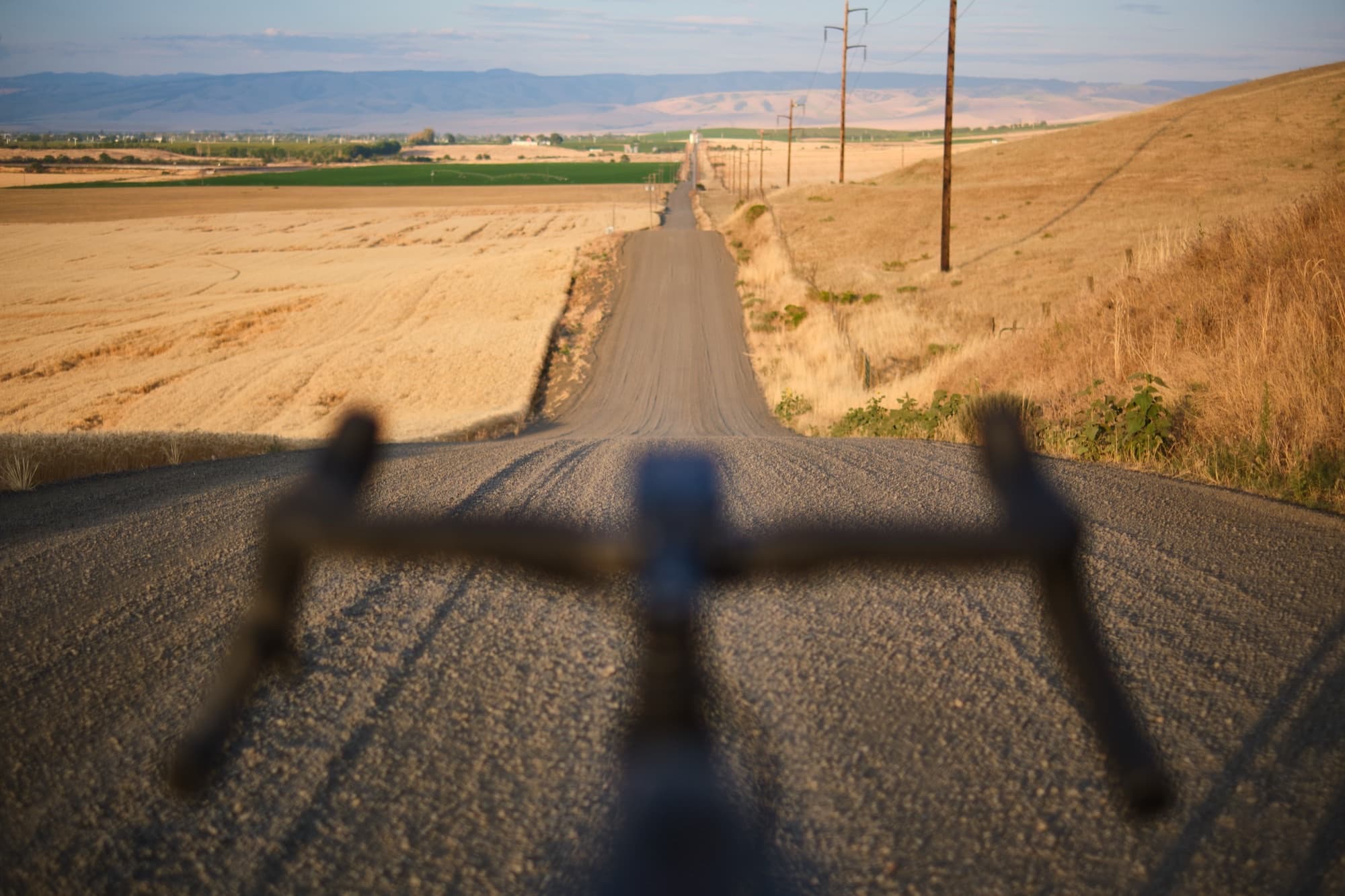
Is it really a drawback? Or do I just see a more capable bike with a slightly different tire choice? Well that will depend on you! As is, the bike is ready to flow, but depending on what you fancy, the Flyway can be slightly tweaked. It will leave you grinning from ear to ear.
But then again, the Flyway is a fast bike, and I am a slow dude.
Spec + Fit
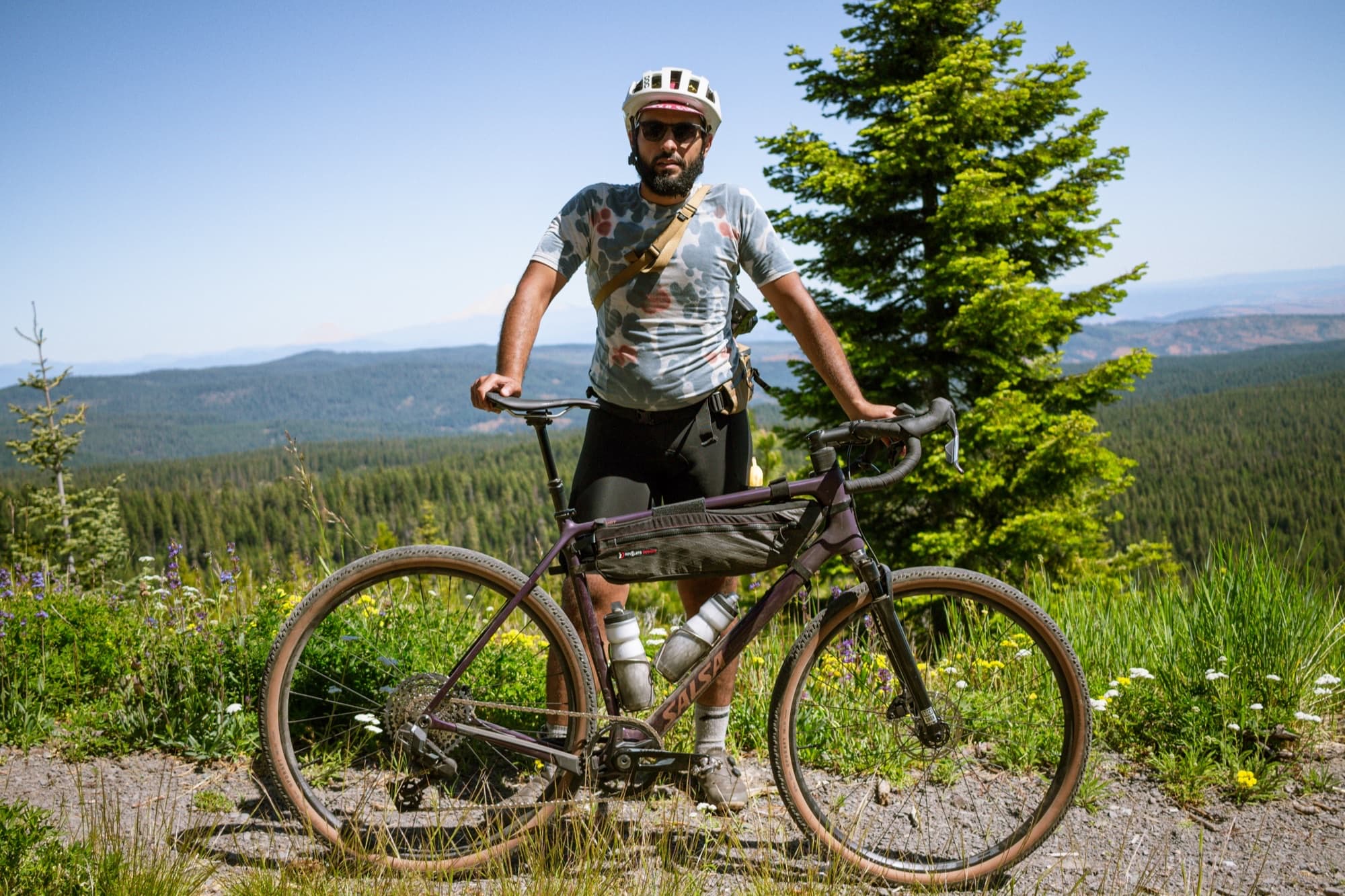
At a price point of $5,499 USD, the Flyway is highly competitive with the average market rate for any electronic-shifting, front-suspended carbon gravel bike out there. The frame alone is worthy of your consideration for that new bike build. Sleek, nimble, tech-forward with the SRAM Rival XPLR 13-speed, Class 5 VRS, UDH, semi-internal routing, coveted T47BB (yes, we noticed) and generous mounting options for all your pack needs. The full Flyway C XPLR build leaves little room to want anything more for riders wanting to go as fast as possible on gravel with optimized comfort.

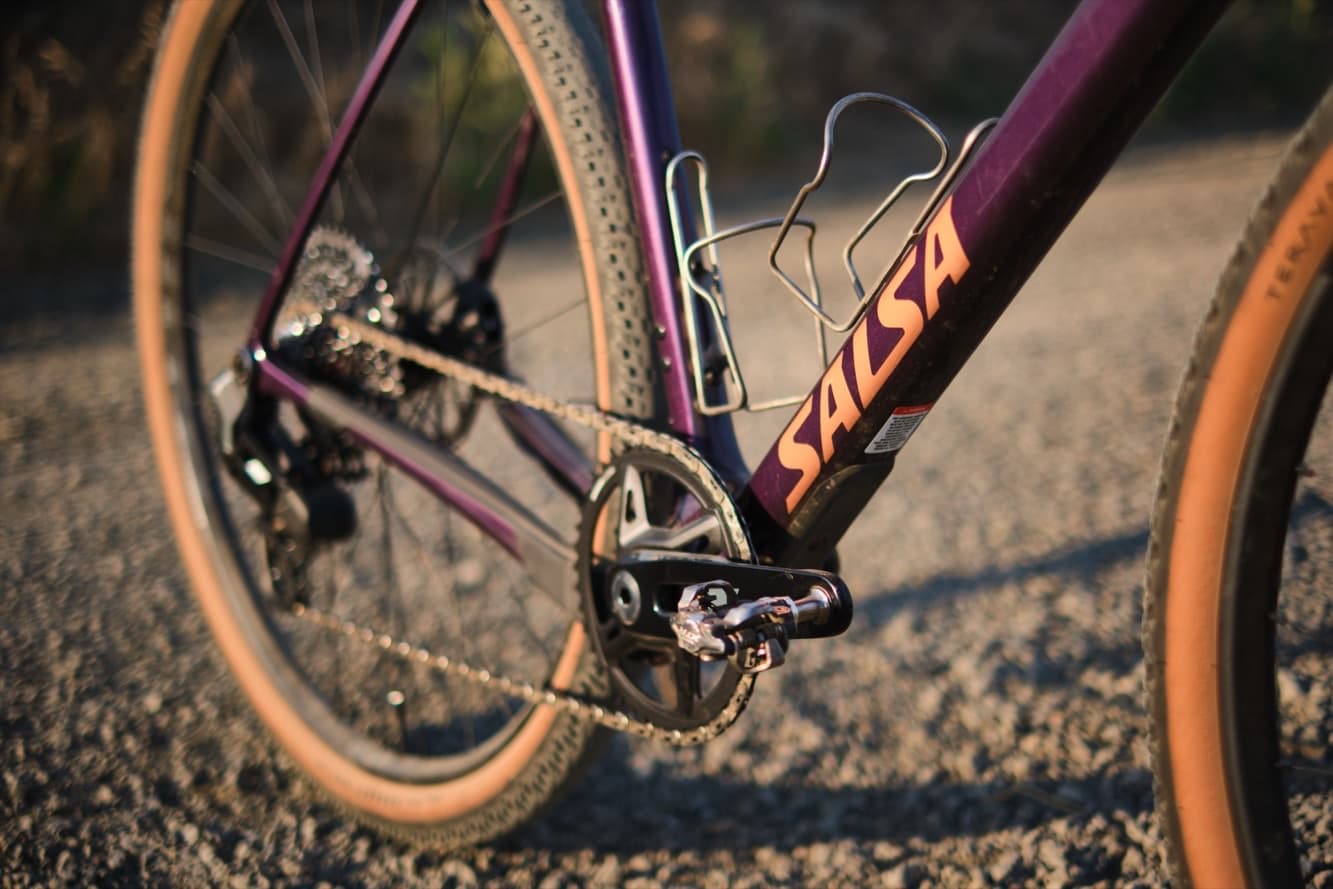
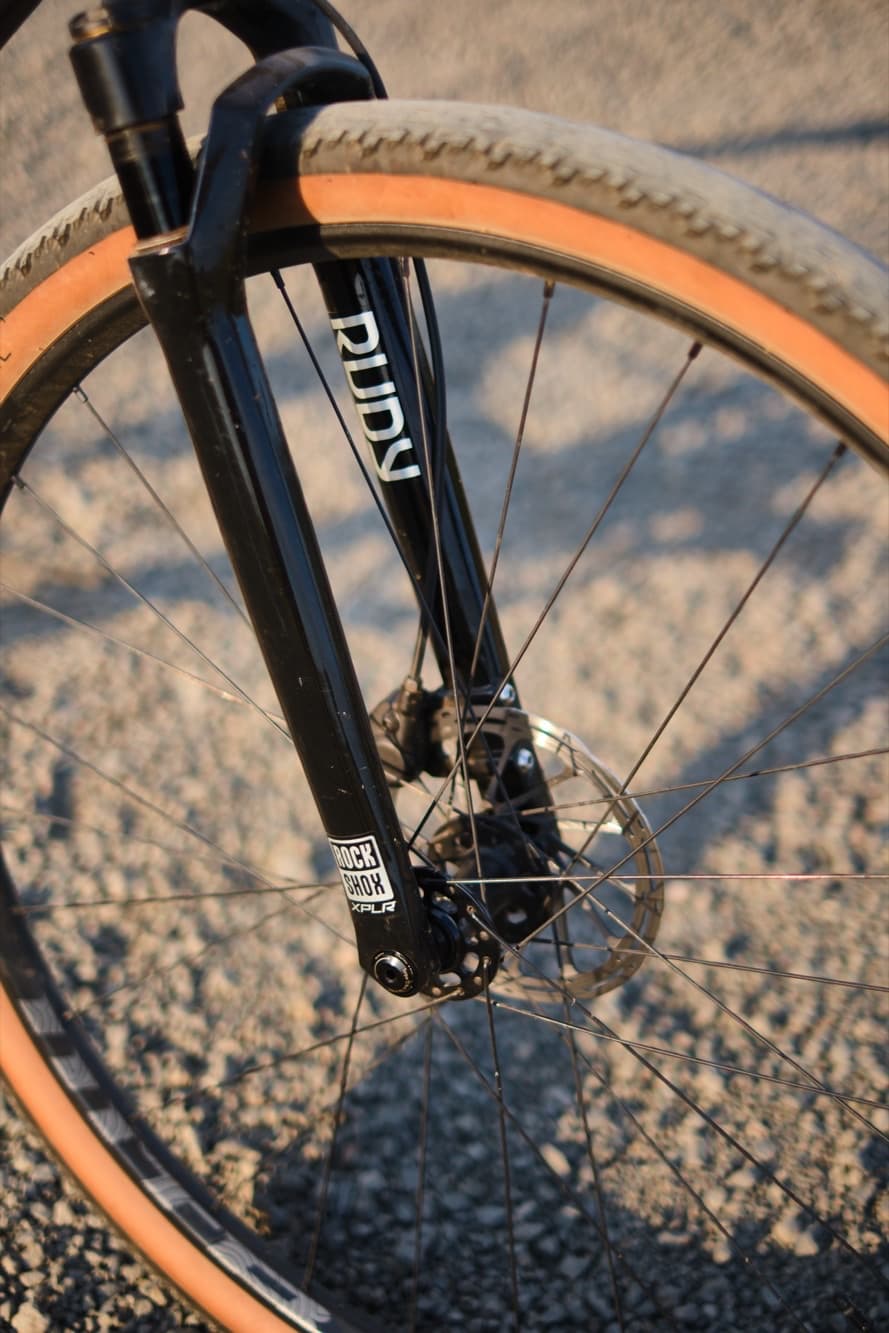
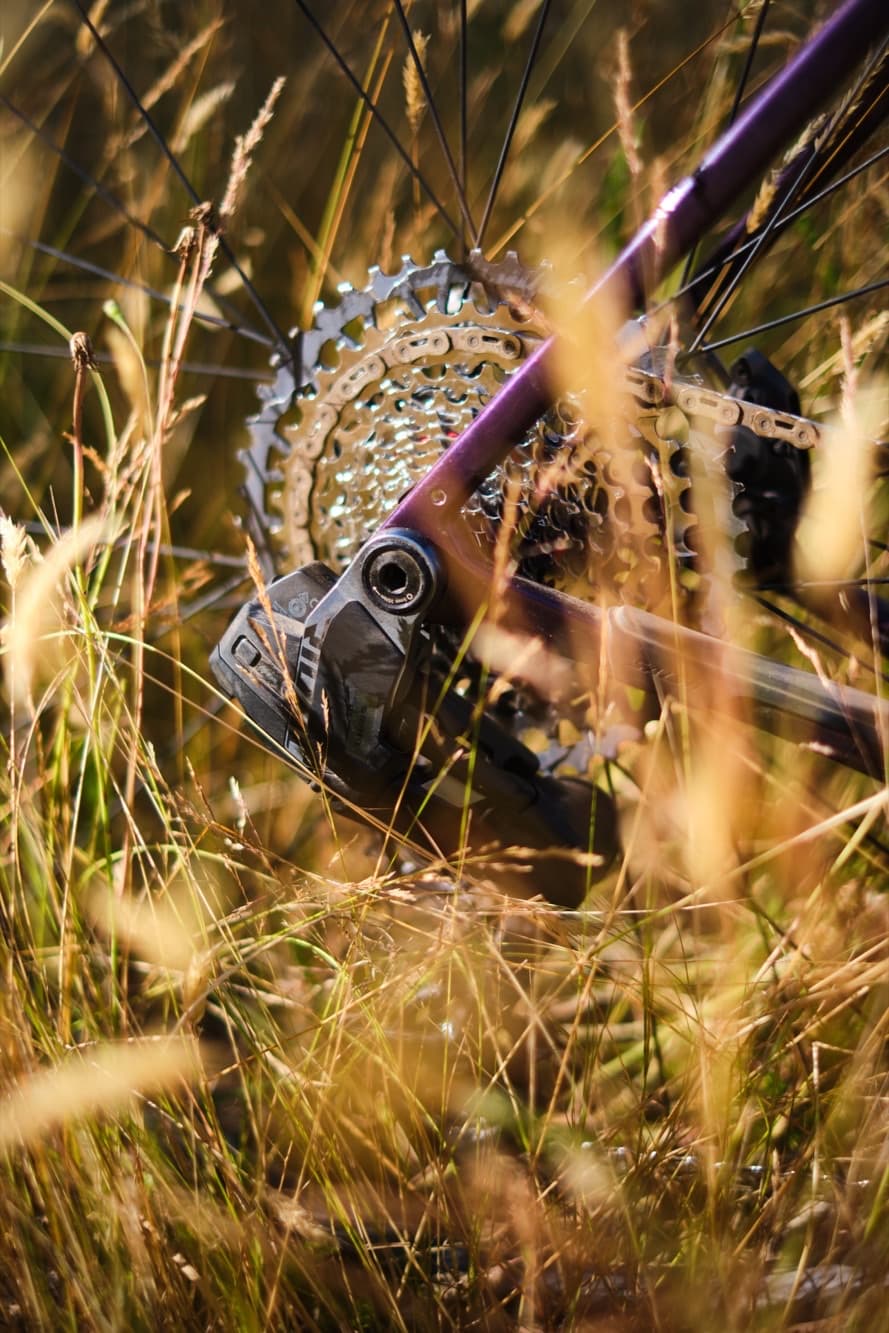
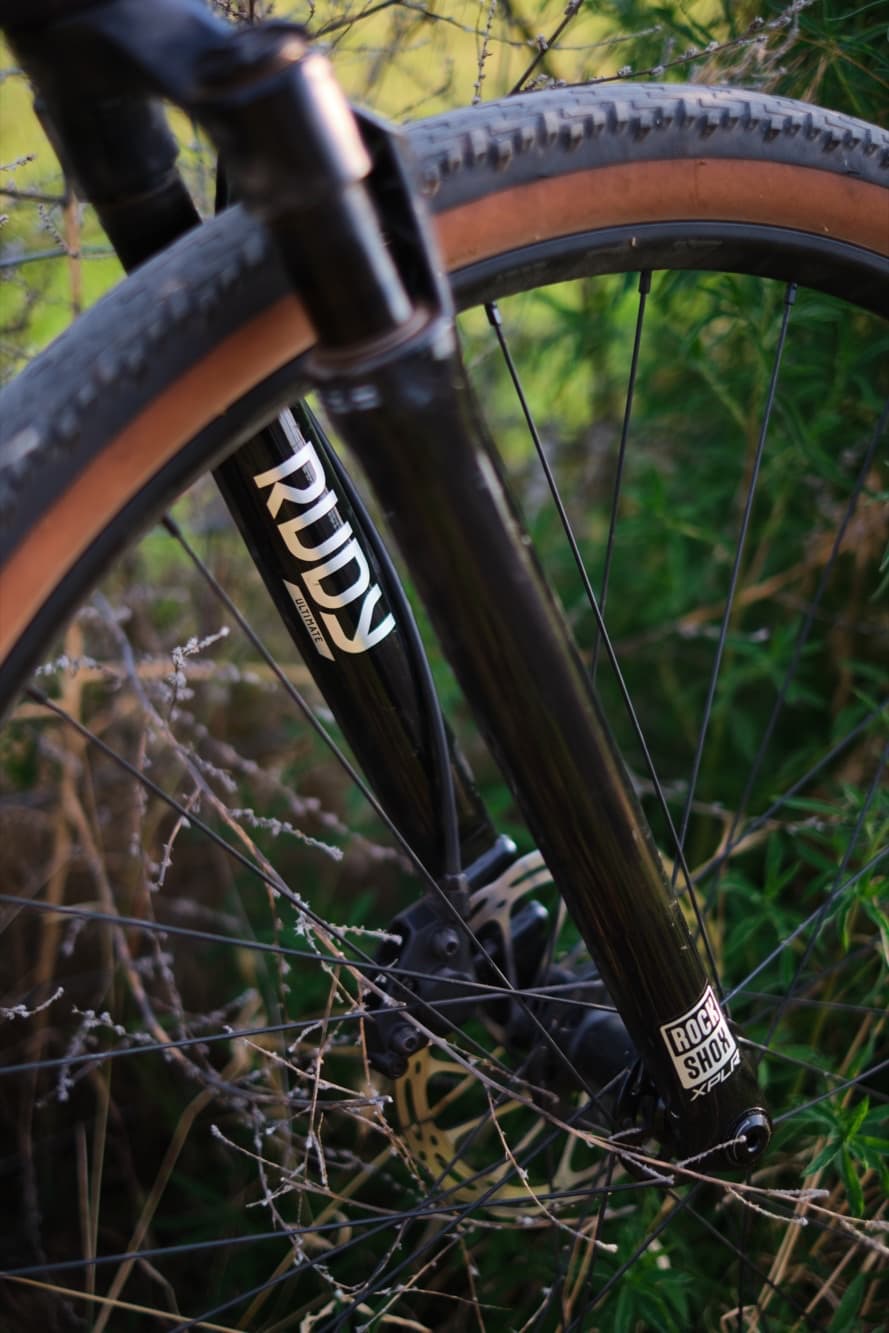
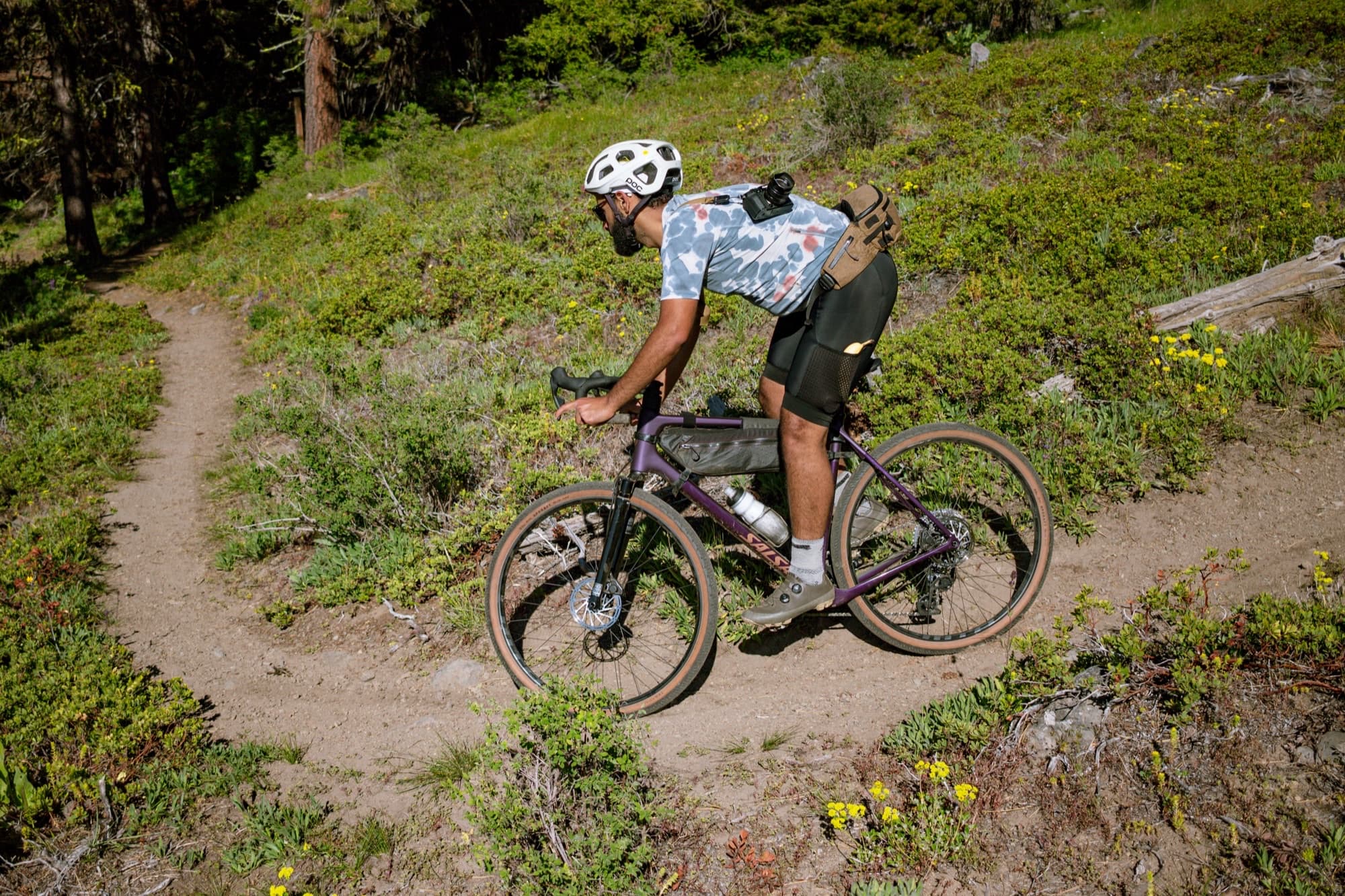
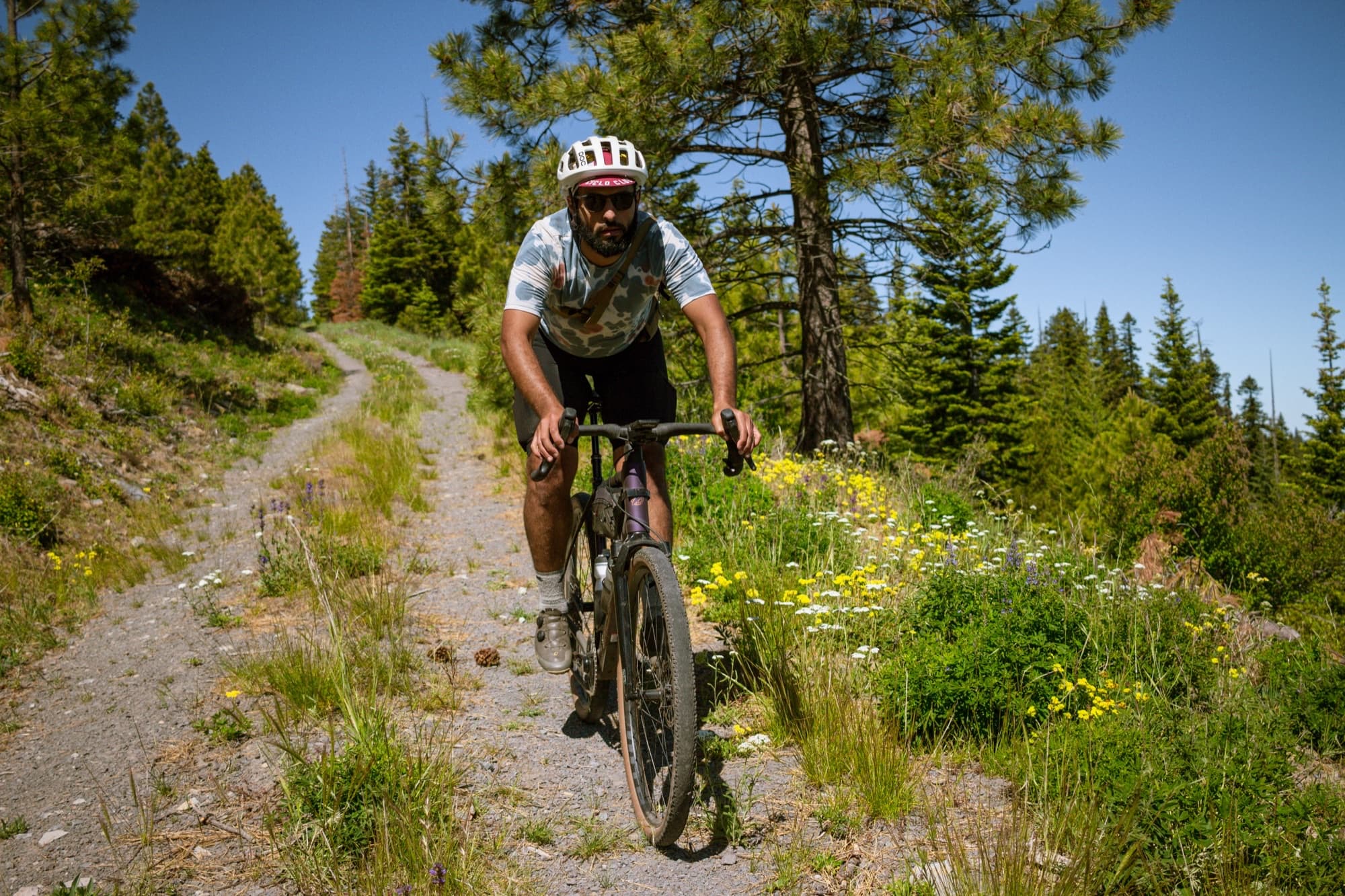
The SRAM groupset needs not be introduced. It has already proven itself in the field time and time again. The hoods and ergonomics plant you so well both on and off pavement and the Rival calipers were plenty strong for everything I've put this bike through. Now as if I wasn't already impressed by the frame, what really blew me away is the cockpit working in tandem with it. The Teravail Feldspar Carbon handlebar, WTB Gravelier saddle, and Velo anti-slip handlebar tape offer so much comfort and confidence on those sketchy sections that I'm even considering adding them to my other bikes. The Feldspar bar's flare, shallow reach and semi-flat top add so many little details that just fine tunes your gravel experience down to the nitty gritty. The shallow reach and flare give immediate access to a more locked-in position when you're attacking to get over that hump, or throwing your full weight going around the berm, threading the needle between the Doug Fir gate.
To me, these fine details are what makes or breaks a ride, because at the end of the day, if the full build is out of sync, you will pick up on that immediately. And it will be amplified when the fatigue kicks in, or when you just try to zone out and enjoy the ride.
All of this to say that the fit of the Flyway right out of the box is TOP NOTCH. And I quite honestly never expected to utter these words given my experience with pure custom builds, where fine-tuning is what makes a custom bike a custom bike.. So color me VERY impressed. The way I test how a bike fits is by noticing how much I notice it. Does it fit in a way that I can just ride and enjoy? Or is there something bugging me about it? Does the fit work? The reach? And so on. And with the Flyway, I barely noticed it. And again, coming from a custom-bike background, that's just plain impressive. At less than 23lbs, it doesn't feel sluggish or like it's dragging you down on the pavement. And it absolutely shines when the pavement ends, feeling centered yet nimble.
80% Flow, 20% Maybe
If you're chasing speed and comfort first, with the occasional detour into rougher terrain when the mood strikes, this is your bike. The trio of fork, dropper, and VRS means you're not punished for wanting both fast pavement miles and a Forest Park cut-through on the same ride. If your idea of adventure is 80% flow, 20% "let's see what happens," the Flyway will keep up and then some.
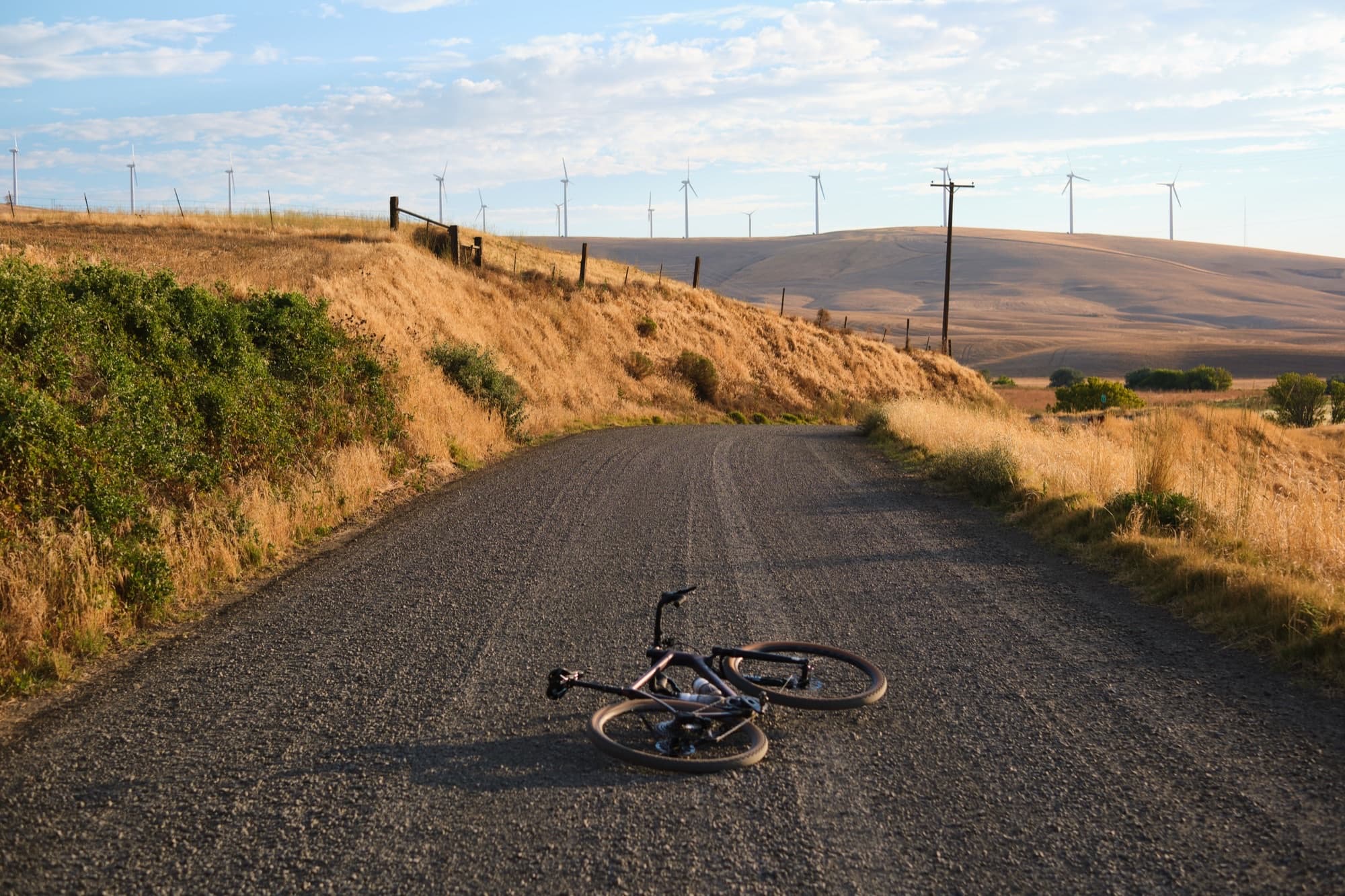
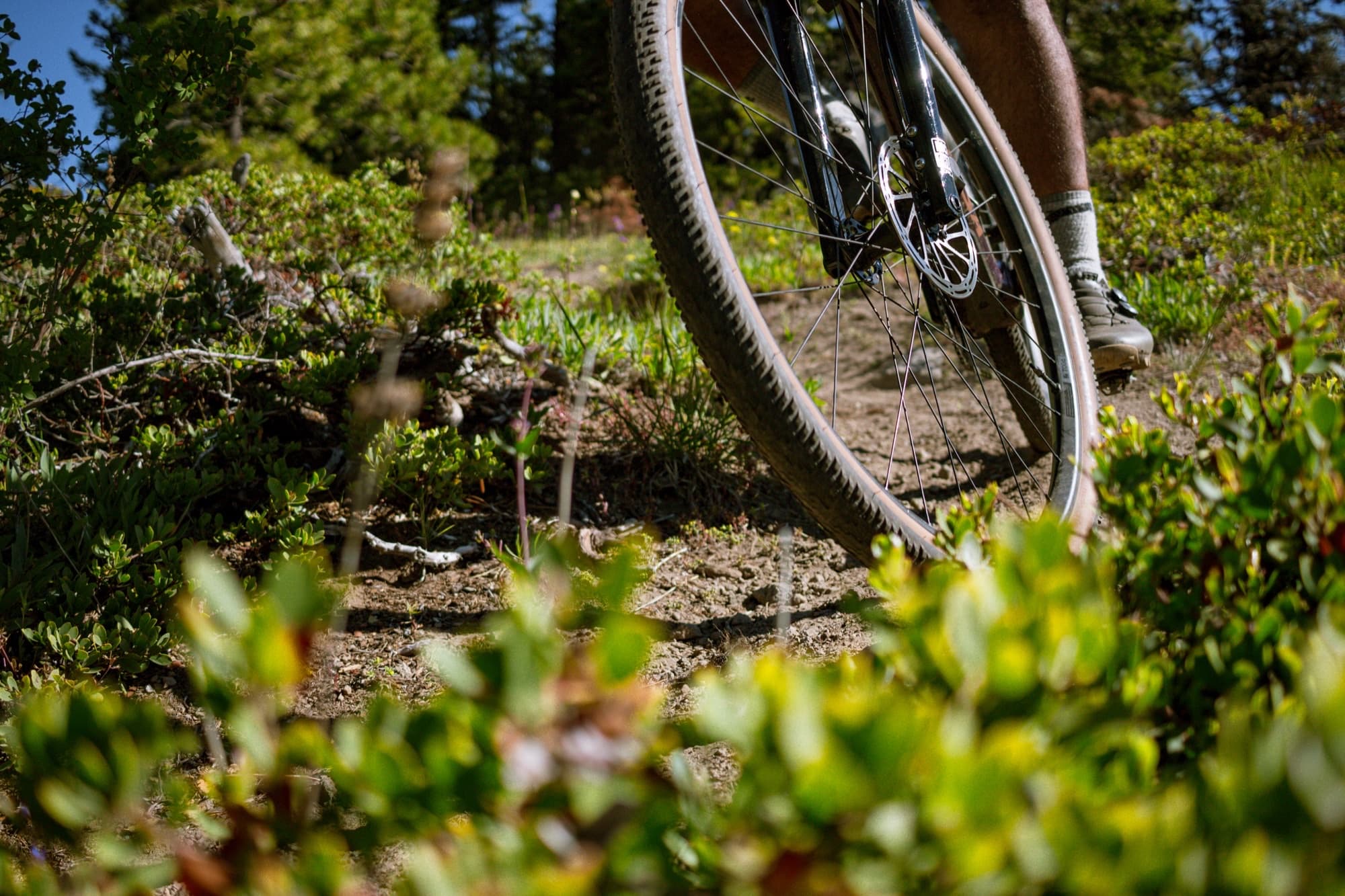

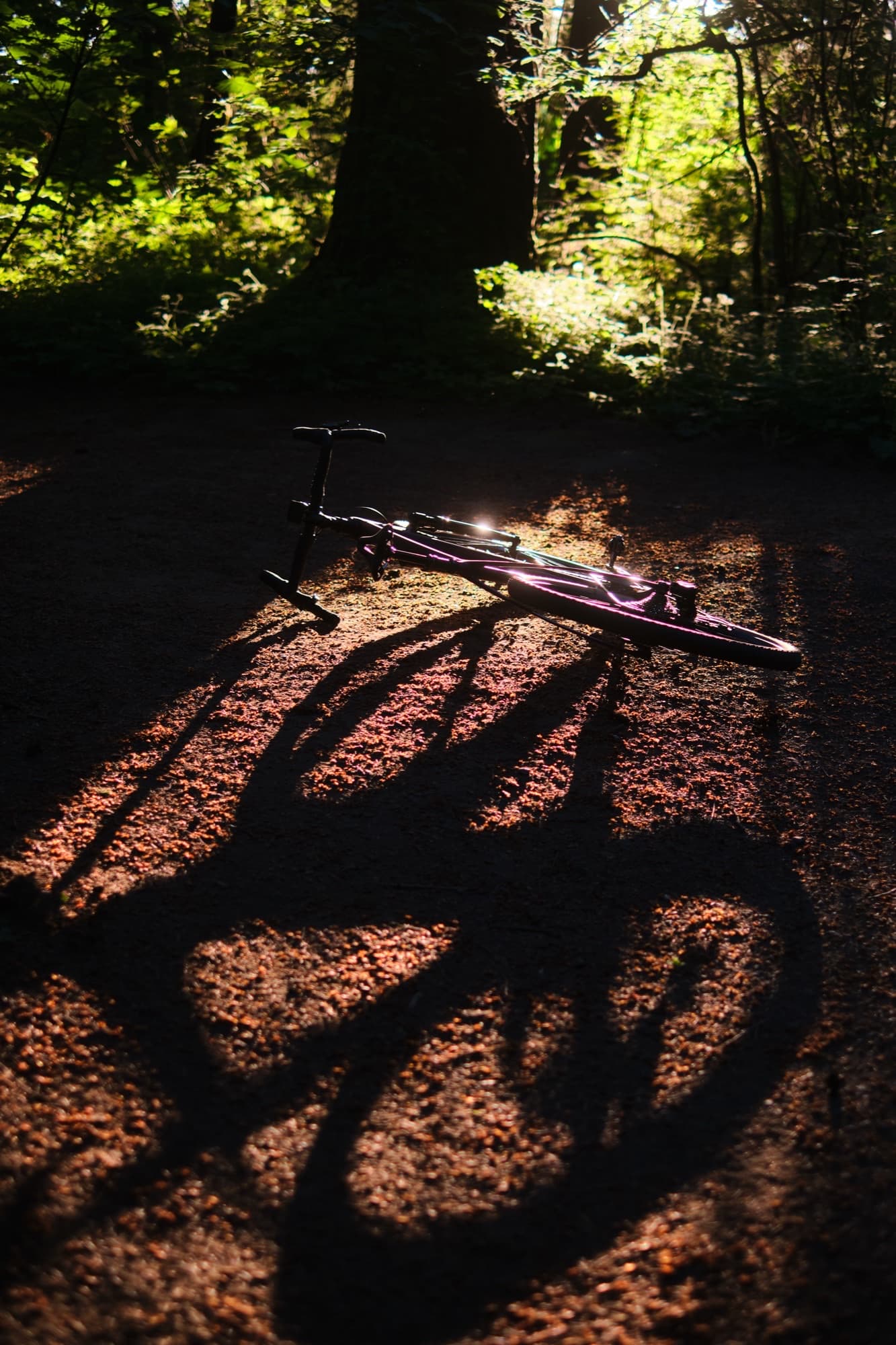

But if PNW-style adventure riding is the main event for you, not the occasional detour, the stock build starts showing its limits. The gearing runs out on the climbs before you get to enjoy what the fork and dropper are made for, and the Updraft tires will have you wishing for something with more bite once things get loose. Not dealbreakers, just things to know going in, and easy enough to swap if you want to push the Flyway further into Rowdy territory.
As for me, the Steel Bike Purist who wasn't supposed to like this thing? Color me converted, at least part time.
Salsa Flyway C XPLR Spec
Frame: Flyway Carbon. Fork: RockShox Rudy XPLR, 40mm. Drivetrain: SRAM Rival XPLR AXS, 13-speed. Crankset: SRAM Rival XPLR, 42t. Cassette: SRAM Rival XPLR, 10–46t. Brakes: SRAM Rival AXS HRD, 160mm rotors. Seatpost: TranzX YSI20 dropper, 100–125mm travel (size dependent). Handlebar: Teravail Feldspar Carbon. Saddle: WTB Gravelier. Tires: Teravail Updraft, 700c x 50mm. Weight: ~22 lb 10 oz (size tested was M/L). Price: $5,499 USD.
Pros
- A trio working in tandem: Rudy fork, dropper, and Class 5 VRS sync up once you find the rhythm.
- Overachiever off the beaten path: handled serious singletrack way better than expected.
- Out-of-the-box fit: cockpit and saddle combo felt well dialed.
- Priced right: right in line with carbon, front-suspended, electronic gravel field.
Cons
- Undergeared for PNW climbs: 42x46 has you fishing for one more gear when you're already gassed.
- Updraft tires cap the fun: great for going fast, but they're the ceiling on how rowdy you can get.