Built for the Long Ride: Naked at the Silk Road Mountain Race


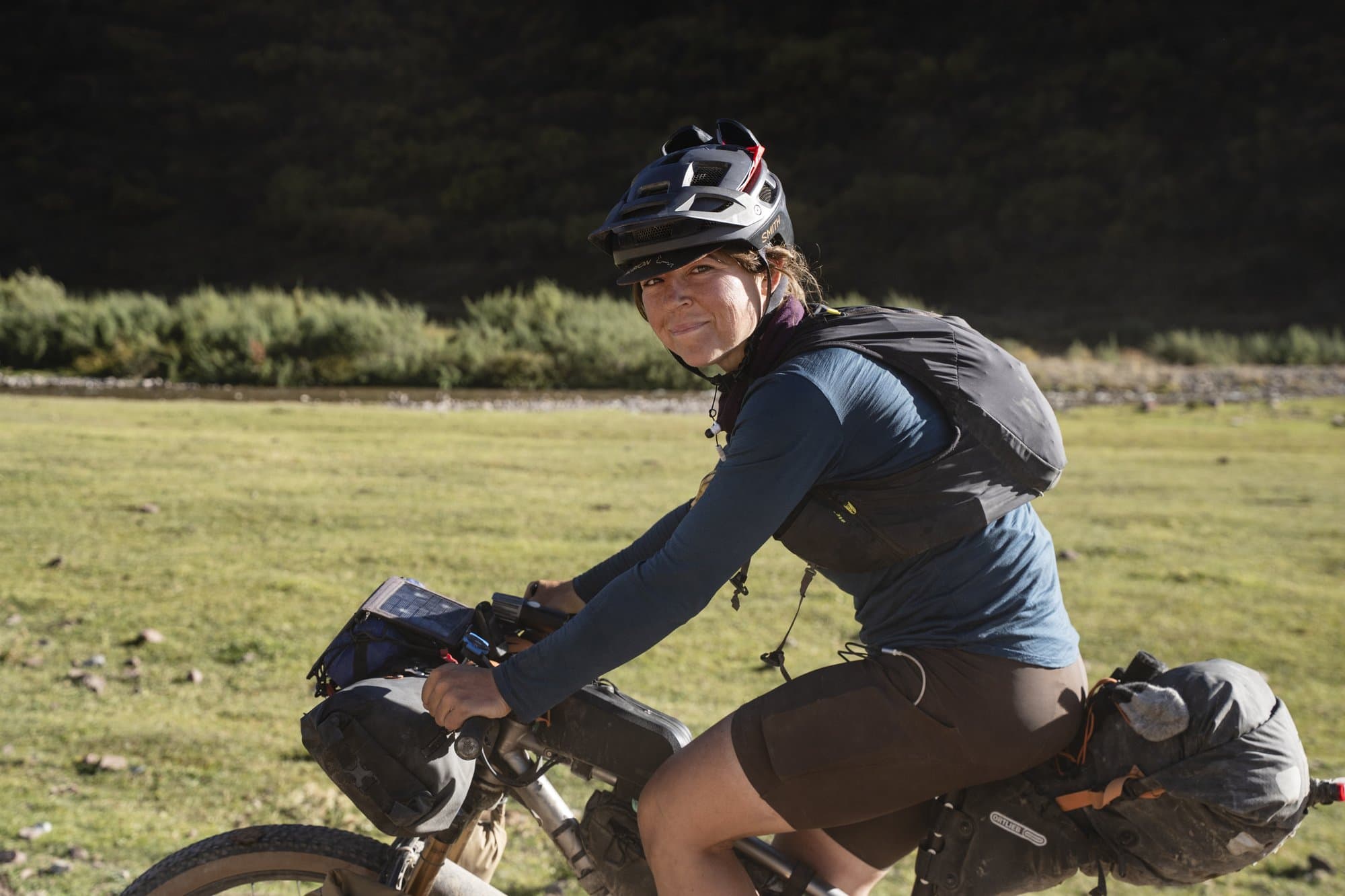
In 2025, Britt Shalagan lined up under the Silk Road Mountain Race start banner in Kyrgyzstan for her first ultra race. Today, the series she raced adds a fourth course: the inaugural Taurus Mountain Race, 1,460km from Antalya to Mersin through Türkiye's Taurus Mountains. While that field finds its rhythm, here's Britt on what the Silk Road asks of you, and what it gives back.
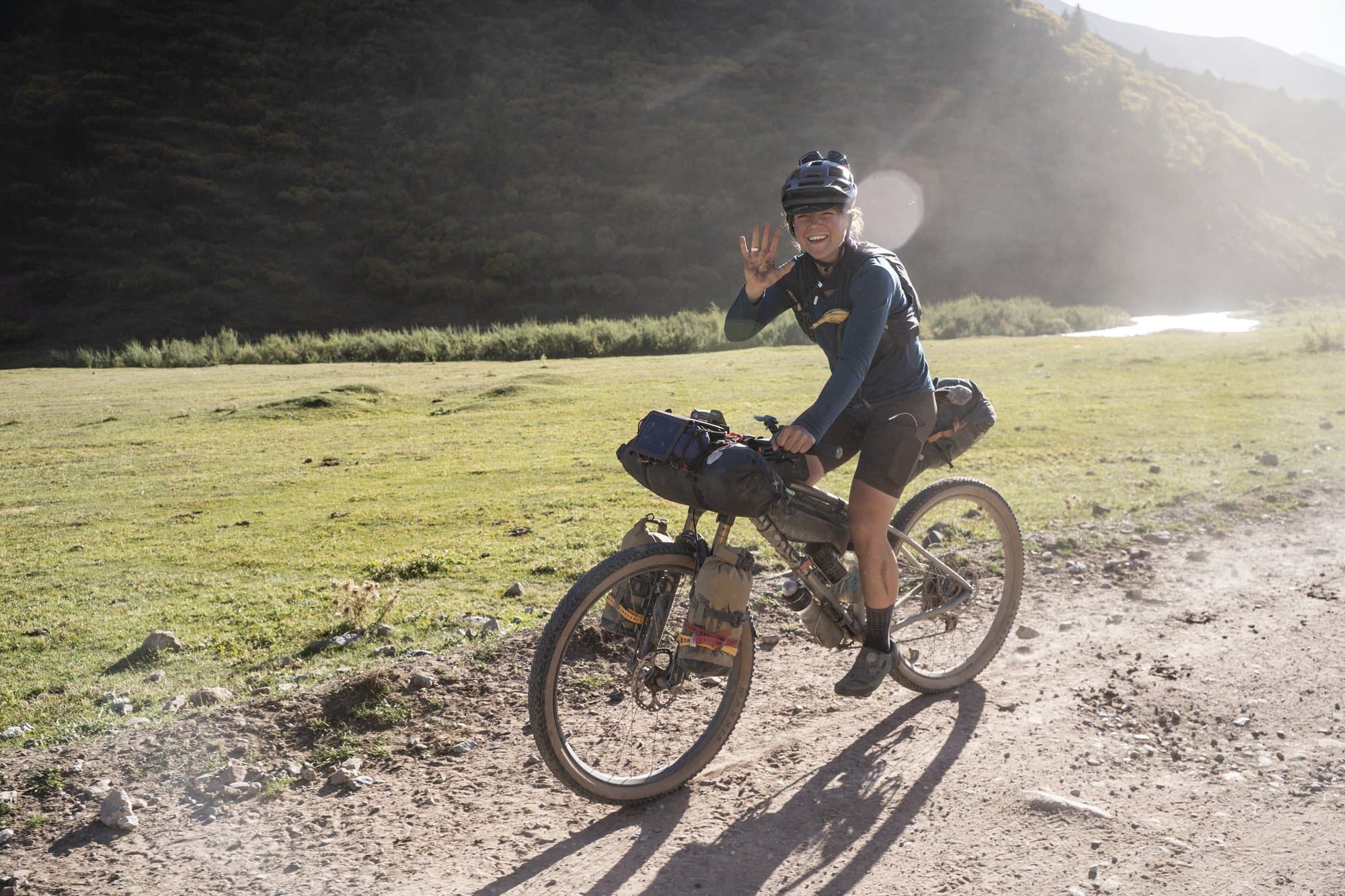
By the final days of the 2025 Silk Road Mountain Race, breakfast had become whatever was left at the bottom of my bags: a twice-melted Snickers bar, a frozen brick of bread and cheese after a night at 3,800m. I've had better breakfasts.
The Silk Road Mountain Race (SRMR) is no ordinary starting point for a first ultra race. It styles itself as the hardest mountain bike race in the world, and the application process alone foreshadows what you're signing up for: a resume of your riding experience, evidence of self-supported and backcountry travel, and a set of scenario questions probing your safety decision-making in remote mountain conditions. It is, in other words, not a race that lets you stumble in unprepared.
I'm a strong advocate for starting things before I feel 100% ready, otherwise I’ll never find the courage and confidence to show up to the start line. However, preparing for the SRMR forced me to break some of my old 'just wing it' habits and be more intentional with my training and preparation. The areas I focused on most came down to three things: bike, body, and mindset.
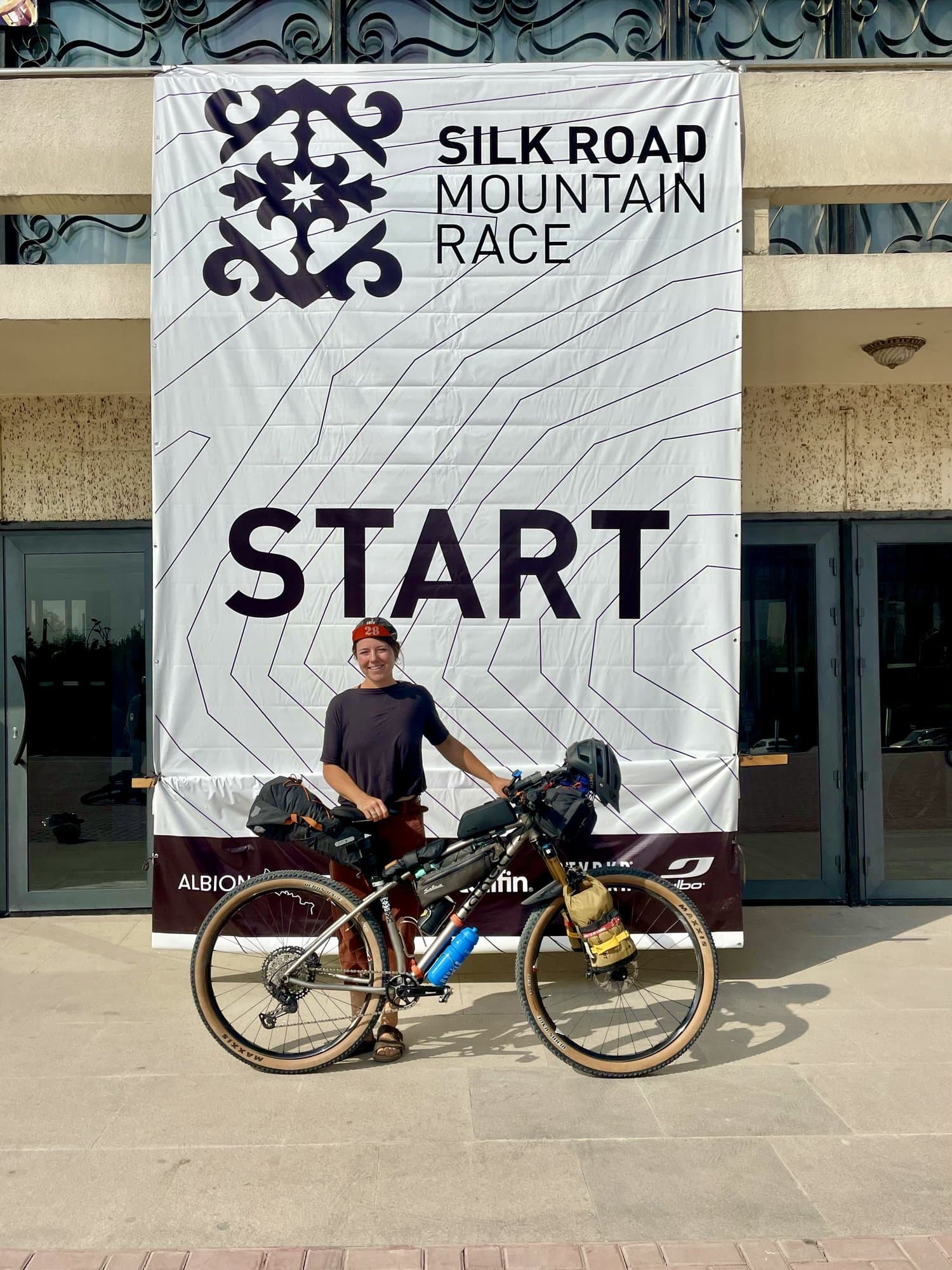
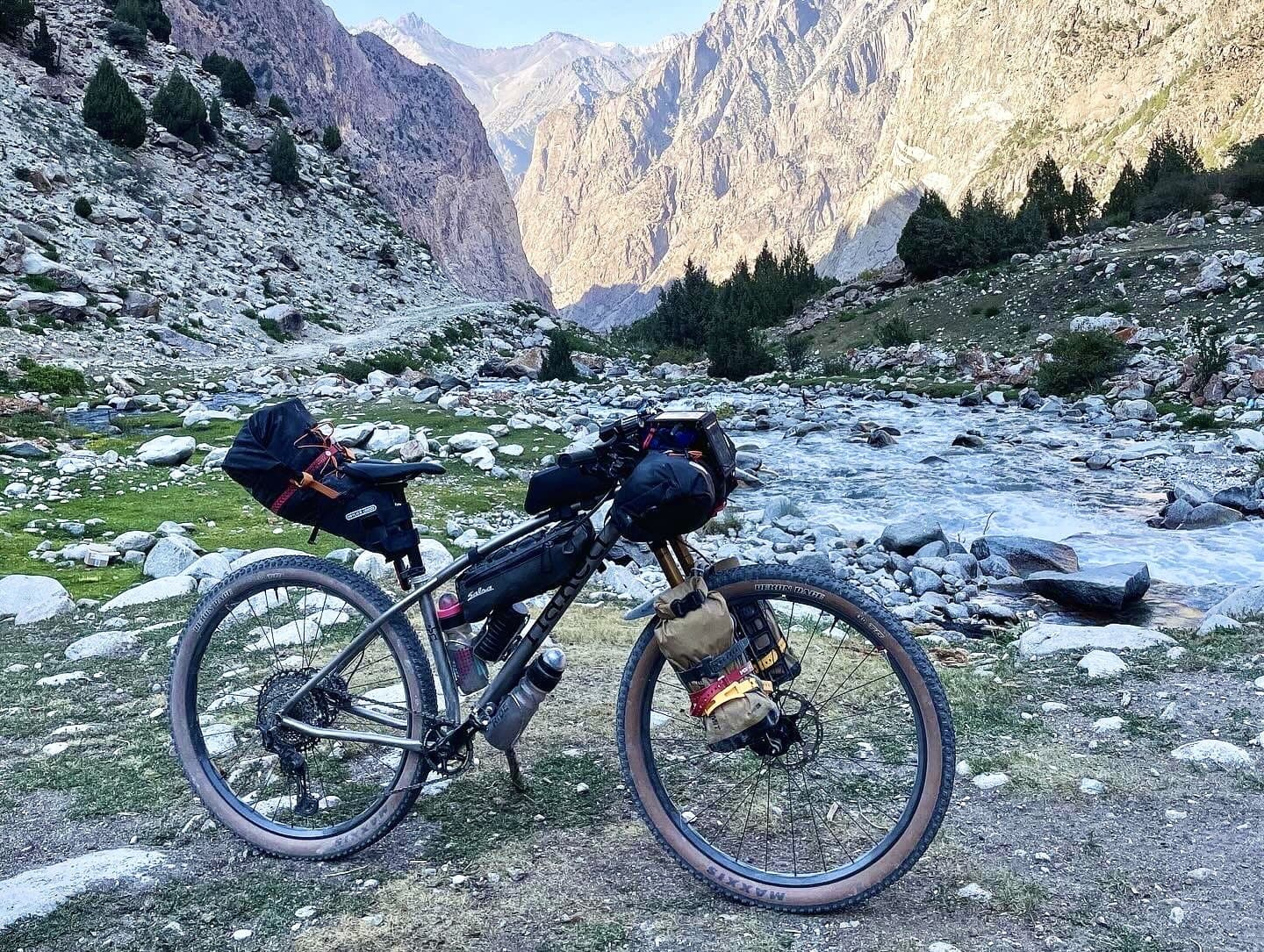
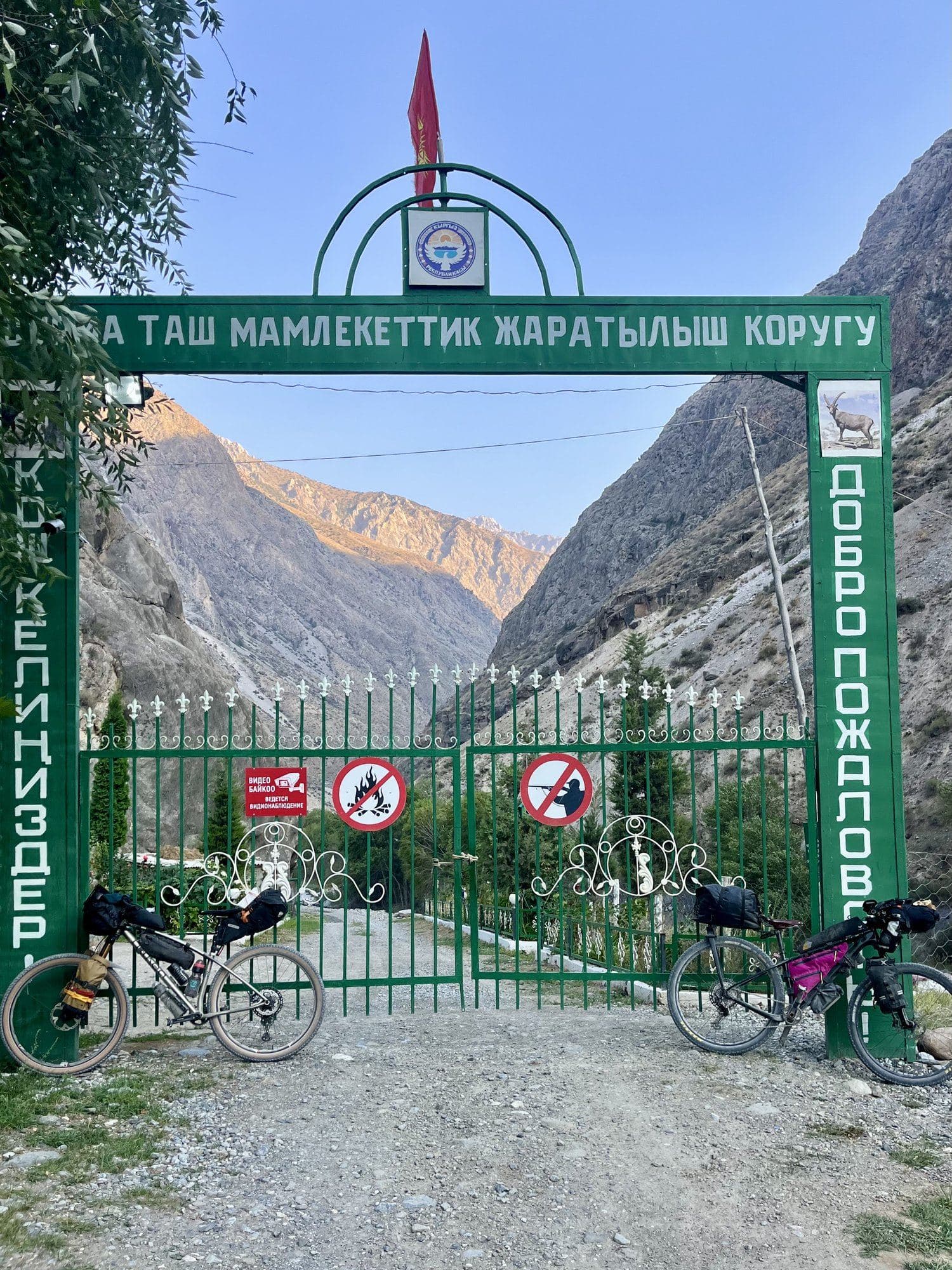
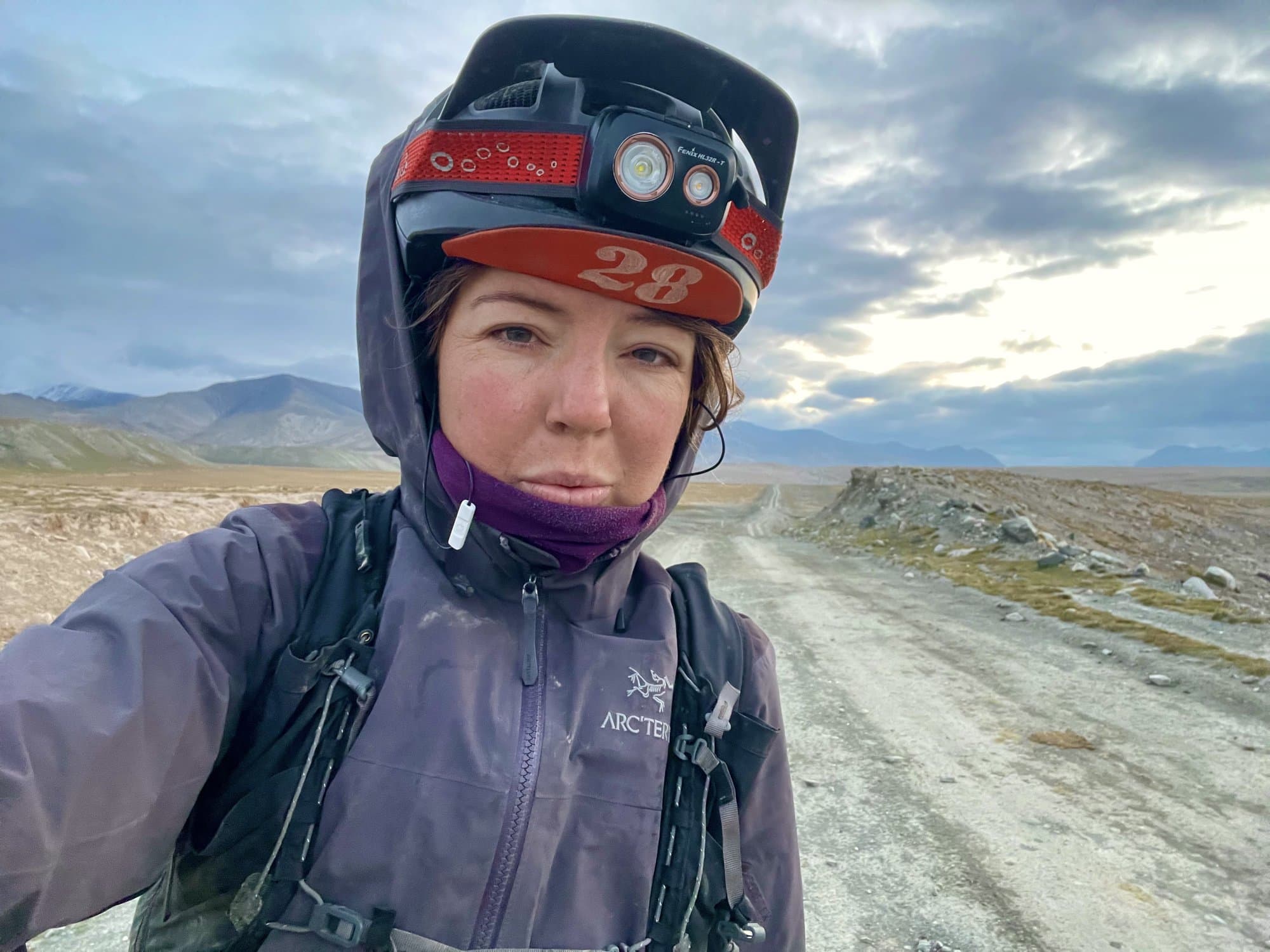
The Bike Build
After I learned my application for the race was successful, I reached out to Sam Whittingham at Naked Bicycles on Quadra Island, BC, to start discussing bike design details. I'd ridden a Naked CX bike for years, both on the cyclocross race course and as an all-round gravel adventure bike. For this new realm of adventure, I knew something bigger was in order.
The most important thing for me in this build was designing a bike that would be fun and playful. I also needed it to be capable of long off-road endurance races. Sam designed it for versatility: big mountain biking days, long distances, and the ability to carry gear for any dream-laden multi-day adventure in even the most remote corners of the world.
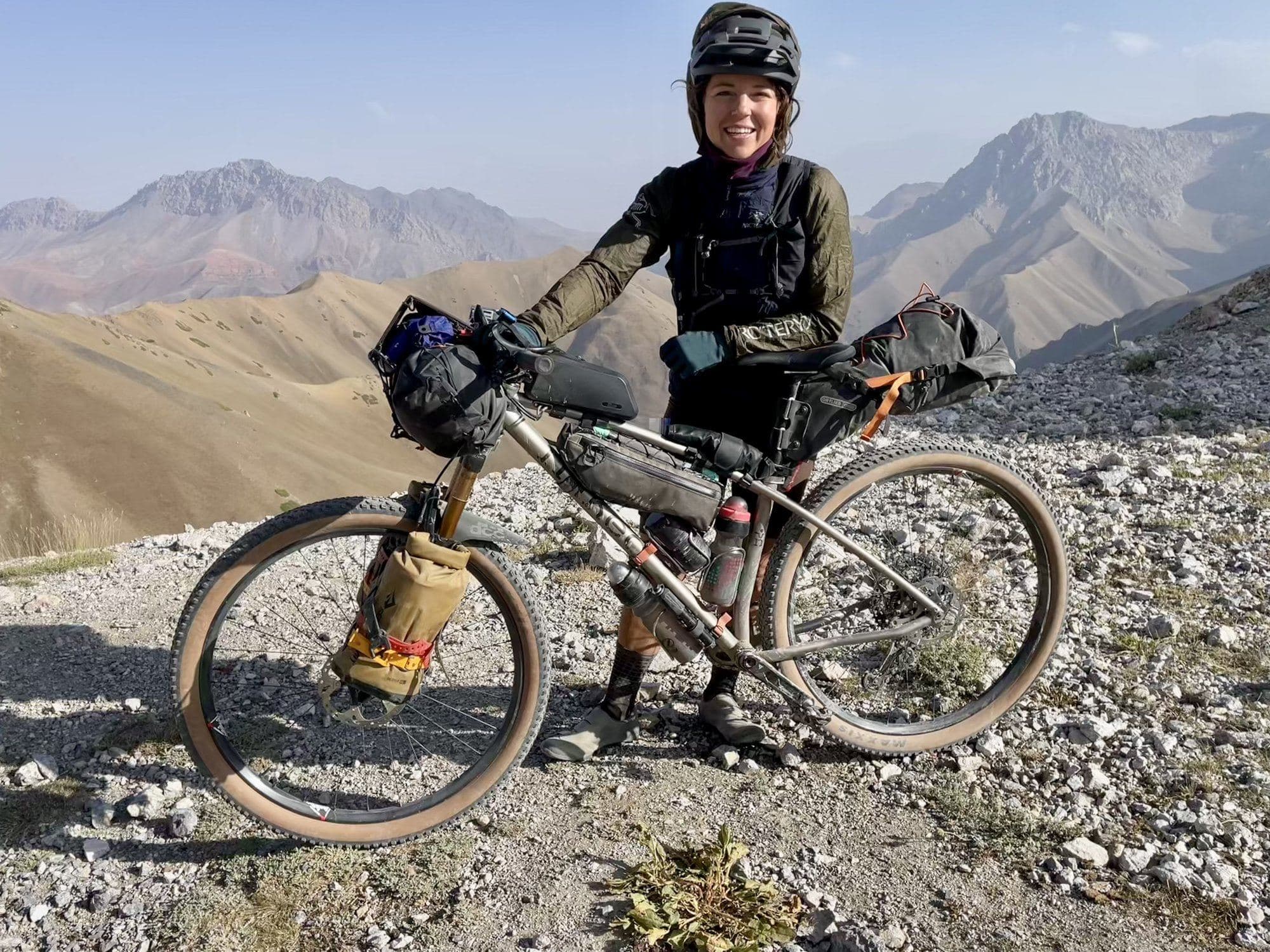
What emerged was a custom titanium hardtail mountain bike with progressive geometry, well suited to riding my favourite technical singletrack trails back home on Vancouver Island. It could also adapt to 200km+ days for long endurance races. Who wants their favourite trail bike to also be capable of rallying up the high mountains of Kyrgyzstan? Me, please!
In the end, this wasn’t just a bike built for a race, but a cherished, handmade, home-grown machine welded together in a small workshop affectionately known as the Unicorn Stable. If you ever get the chance to visit the Naked Bicycles HQ on Quadra Island, make sure you take the fun, flowy singletrack leading right to the workshop’s front door.
For the spec-curious, here's the build
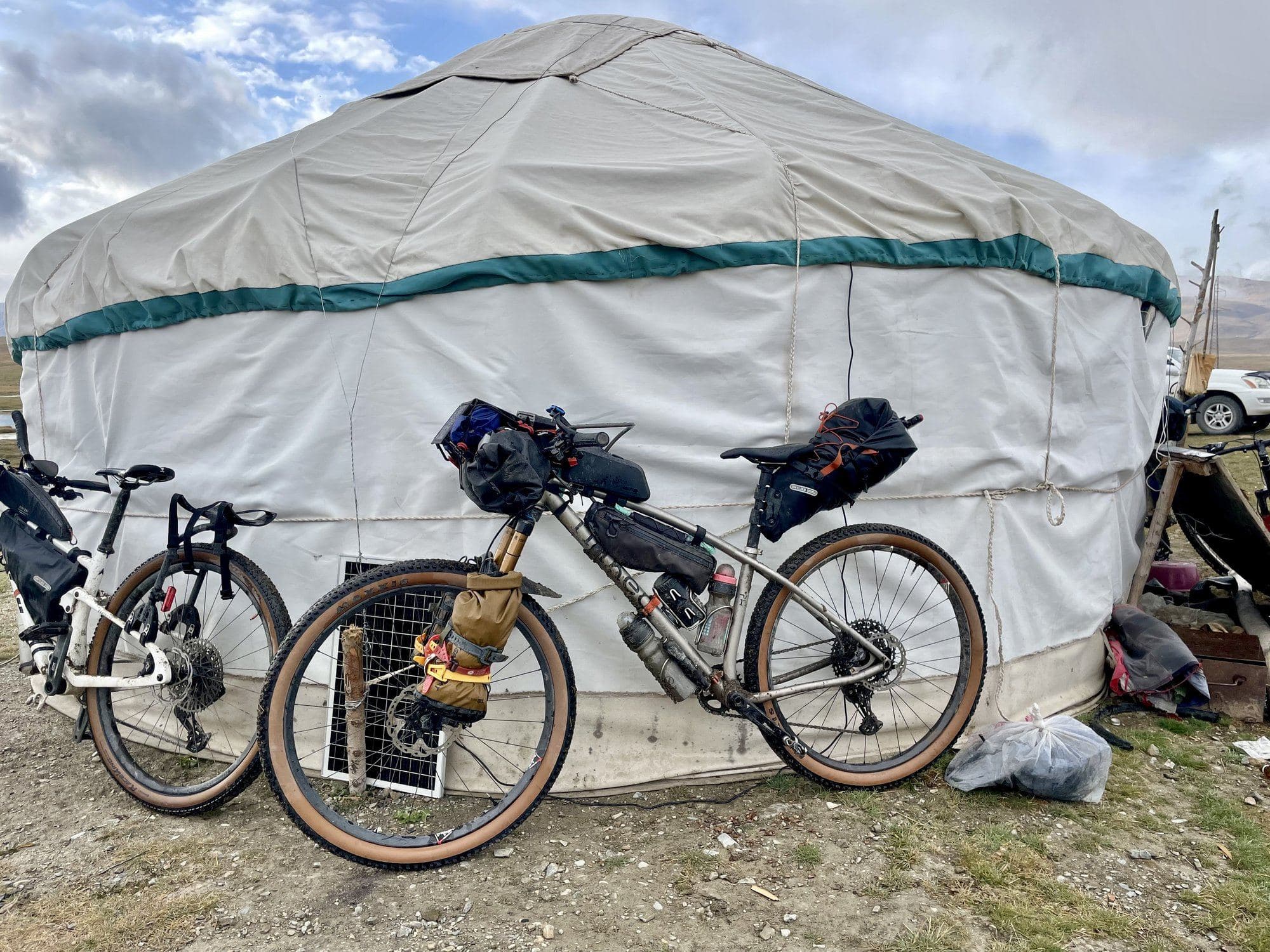
It starts with a hardtail titanium frame (64° HTA/76.3° STA) and a Fox Factory SL 34 130mm fork. The drivetrain is Shimano XT 1x, with a 10–51 cassette paired with a 32T front chainring for steep climbing gradients. Up front are flat bars with inner bar ends for varied hand positions, and the wide flat bars provided generous mounting space in the cockpit for lights, bags, computer mount, etc. Tires are Maxxis Rekon Race 2.4, a fast-rolling tubeless tire setup with EXO casing. They're mounted to Industry Nine front and rear hubs and We Are One Convergence carbon wheels with Tannus Tubeless Armour inserts.
Ride What Ye Brung
For the bike, this meant riding something I trusted, knowing how to fix key mechanical issues, and pre-testing my full setup before the race. On the body side, that meant building fitness, dialling in nutrition for long endurance efforts, and having a hygiene plan for the inevitable saddle sores, sunburn, bouts of altitude sickness or dodgy food. But the most important element, by far, was the mental resilience I needed to tap into during the race: practising humility in the face of the unexpected, staying flexible with my goals, accepting the limits of my body, and staying open to whatever the road threw at me.
The great paradox of self-supported bikepacking races is that you'll never stop obsessing over your gear weight, but then you'll strap 5 lbs of gummies and water to your bike at your next resupply. While you can spend all the money you don't have on ultralight equipment, the most significant savings come from omitting items entirely, as I learned (in hindsight) from the pros. Many riders ditched tents for bivvies, or even Sol emergency bivvies. Air mattresses were optional luxuries (ditched by a handful of crazy people). Stoves were widely abandoned in favour of 'cold soaking', which is literally just rehydrating dehydrated meals in cold water over the course of a riding day, and hoping for a chewable texture by dinnertime.
As a first-timer on a race this remote and extreme, I wasn't ready to leave my creature comforts behind. I knew I'd spend more nights on course than the front-of-field riders, which meant more exposure to bad weather. I also reasoned that this race (for me) was never really about speed, but rather enjoying my time out there. Bringing along the essentials that would make me feel happy and safe when things inevitably got difficult was important. Here are some of the key items I packed, in addition to the essentials.
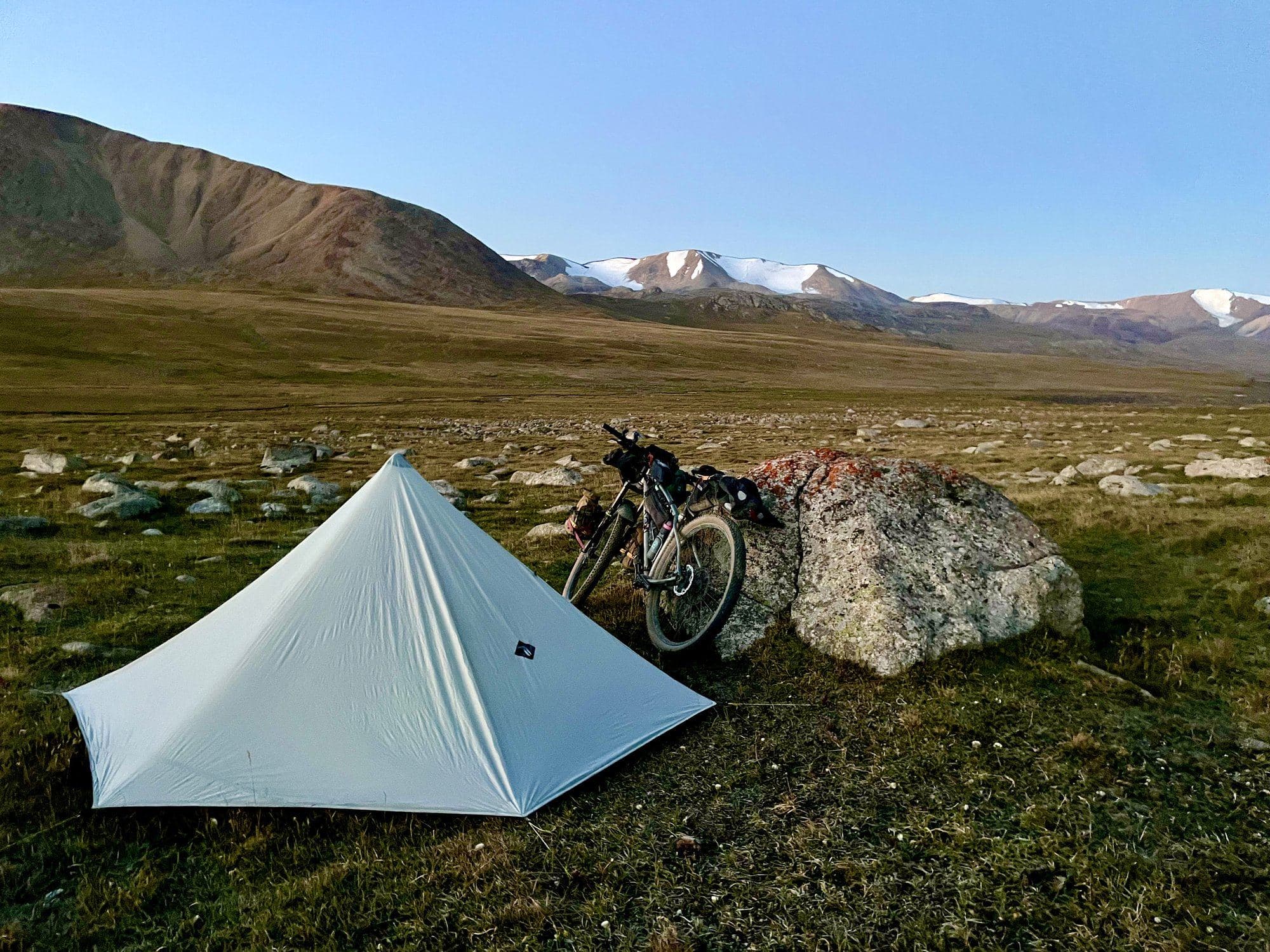
Six Moon Designs Lunar Solo tent. My sanctuary. Some of the best moments of the journey were quiet mornings wrapped in my sleeping bag, frozen shoes thawing, hands around a hot coffee.
Jetboil stove. A smaller stove may have been more prudent, but not everything needs to be new and perfect, and I’m a believer in the ‘ride what ye brung!’ philosophy.
Bags. Front roll bag, rear seat pack, small frame bag, two fork bags. Next time I'd redistribute weight away from the front, as the fork bags made the hike-a-bike sections slightly awkward, and I'd prefer less bulk around the fork for technical descents.
Electronics. 2 battery banks, bike computer, inReach, headlamp, phone, and a Taylor Swift / Katy Perry best hits playlist downloaded for the long valley grinds. I quickly learned that cold temperatures at night deplete my batteries, so I got in the habit of zipping my electronics into my sleeping bag every night to ensure optimal roar, roar, roar, roaring the next day (thanks Katy).
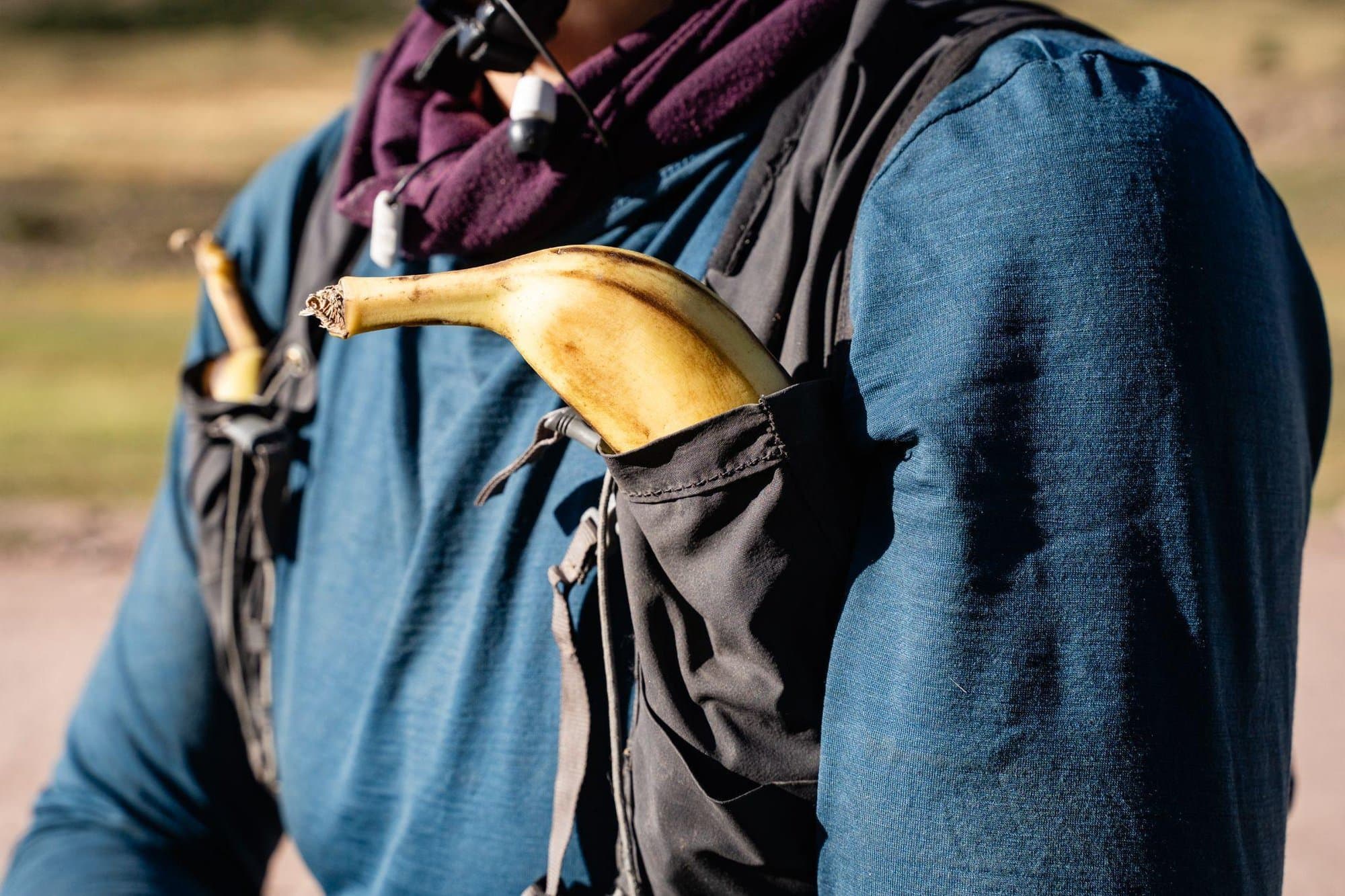
Additional food and supplements. 4 dehydrated meals packed in the rear seat bag, oat mix, a handful of emergency protein bars, protein powder, high-calorie drink mix, and electrolyte pills. Food was a serious challenge throughout the race, so I was glad to carry a few extra items from home, though of course at a trade-off for weight and bulk. Resupply shops along the route offered mostly simple sugars: biscuits, cola, Fanta, Snickers, the occasional bread and cheese. When I was burning 6,000+ calories a day and only consuming 2,500, the effect on my energy was cumulative and brutal. I used my dehydrated meals in the most remote sections and stretched my oat mix as far as it would go.

A Blinking Dot
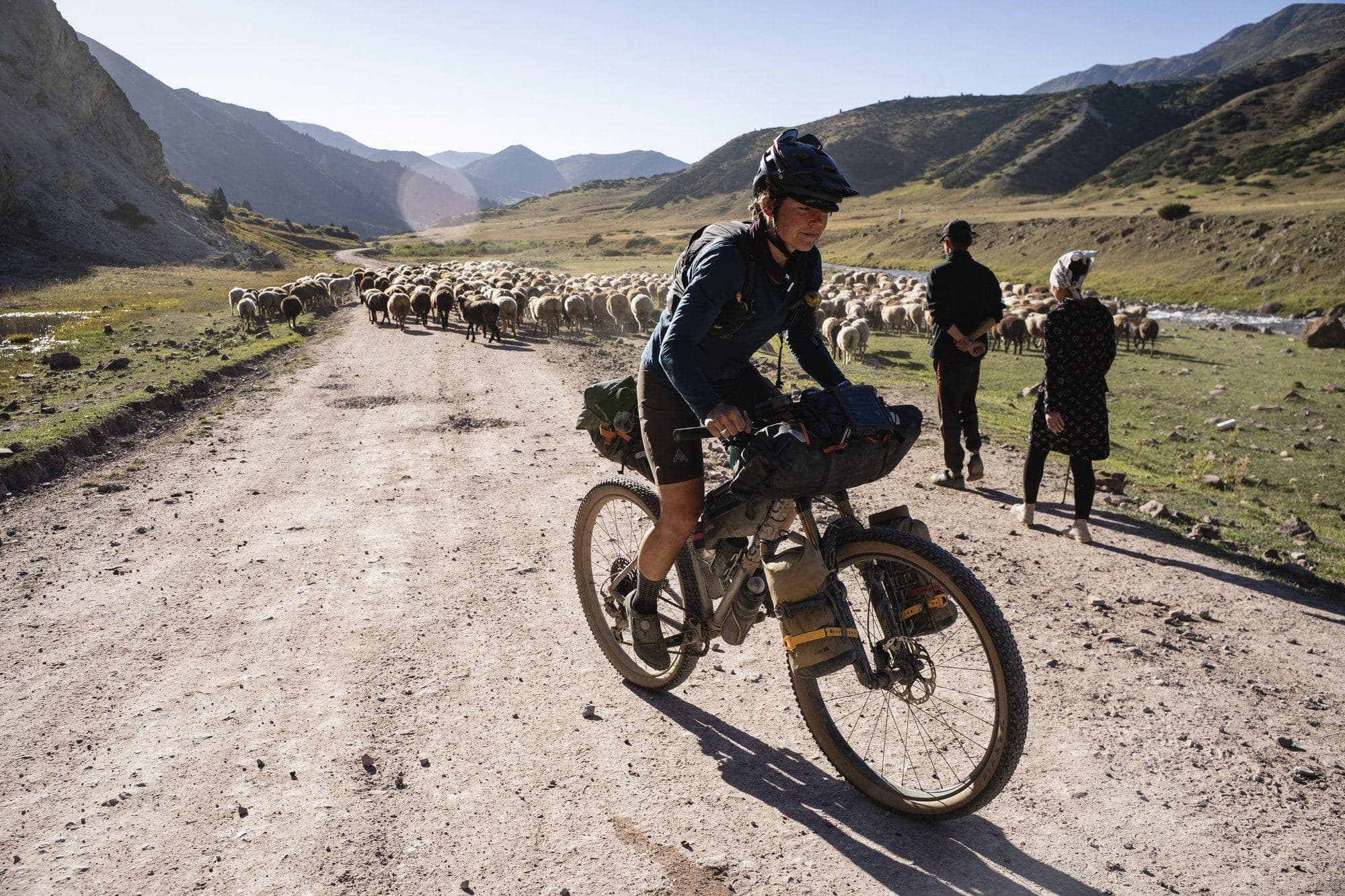
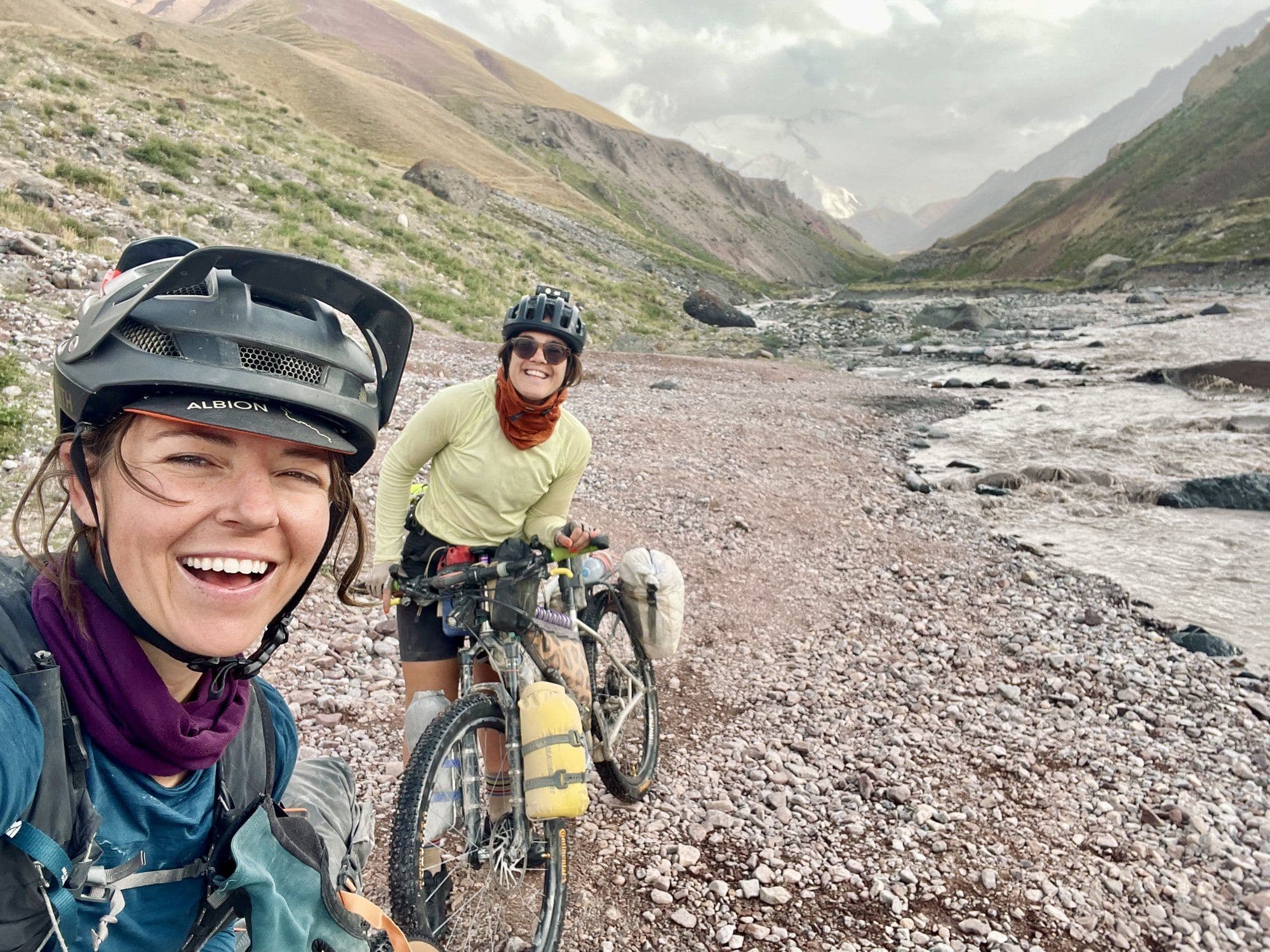
The Silk Road route is a study in contrasts: chunky doubletrack, high alpine passes, peanut-butter mud, hundreds of river crossings, and long valley drags into headwinds that made me question my life choices. Friends and family followed along from home via the dot-watching app, tracking elevation profiles and average speeds in real time. On their screens, I was a blinking dot crawling across Central Asia. On my end of the dot, it was just me, the mountains, the wind, the horses, and the yaks. I didn't know who was five kilometres in front or behind, or whether the snowstorm building over the pass ahead would hold off long enough for me to clear it. There was only the road, and the constant balancing act between scarcity and abundance, loneliness and solitude, uncertainty and adventure.
On their screens, I was a blinking dot crawling across Central Asia.
To finish before the time cut, I needed to average 130km and 2,000m elevation gain each day, which at altitude, on a mountain bike, with large hike-a-bike sections, felt daunting. But as I settled into the rhythm of the ride, I learned how to start riding smarter. I paid attention to weather windows and wind speeds, and became more in tune with my body when I needed rest and fuel. Sometimes this meant riding into the night, finishing in the early hours of the morning, delirious and dusty. Through all of it, I never once had to worry about the bike. OK… maybe I was thinking once in a while about the seat of my bike, or more specifically my ass chafing… but that’s another story for another time that involves cheerleading for chamois cream.
What I hadn't fully anticipated was how much of the race would be navigated in my own head. Once the physical routine settled in, the mental landscape opened up. The Silk Road makes you examine the stories you tell yourself and pay attention to the emotions that surface before you've had time to reason them away.
One morning, grinding up the relentless 3% grade of the Arabel Plateau, I watched snow dust the mountains on either side of me. Damp and cold after a wet night, altitude-heavy, with two more days at this elevation ahead, I sank into an unexpected meditation. Without warning, a flood of childhood memories of being 'cold' began to surface: 5am mornings in my dad's truck, dressed in stiff hockey gear, a bowl of hot porridge on my lap, the blasting defroster competing with CBC Radio and the scraping of ice off the windows outside; more memories of sipping hot chocolate in a snowbank at an outdoor rink, double-bladed skates strapped to my toddler snow boots; another vivid memory of cross-country skiing in frigid temperatures through a brushy forest with my family, a moose trail breaking silently through the pines ahead, snow falling from branches in glittering cascades. It was curious that every hint of discomfort in those memories that surfaced in some of my lowest moments on the ride, the cold, the frozen fingers, and the early mornings were inseparable from warmth: the care of parents who showed me that difficult and beautiful things often arrive together, and that the natural world is worth every bit of discomfort it asks of you.

Connections on the Road
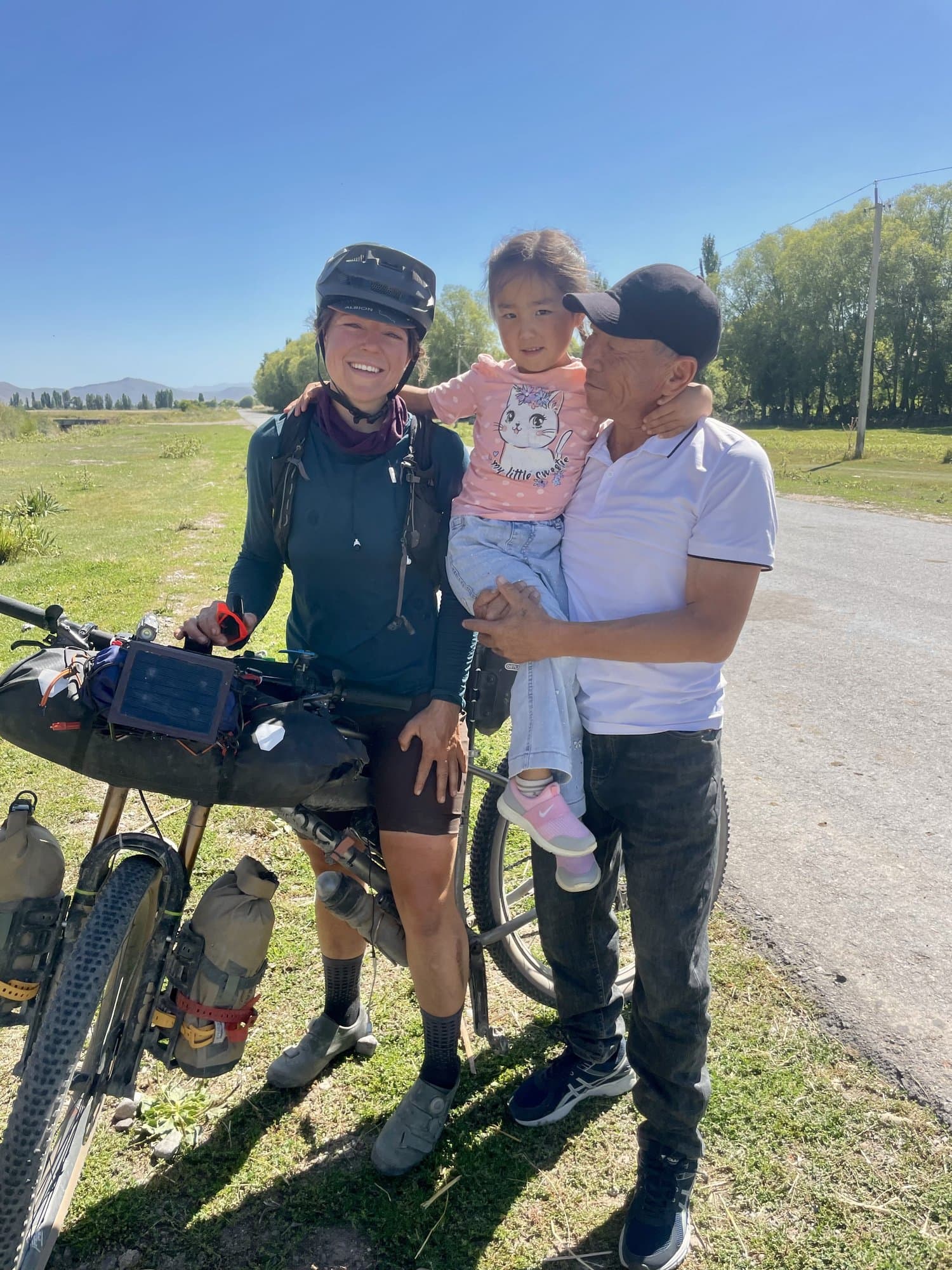
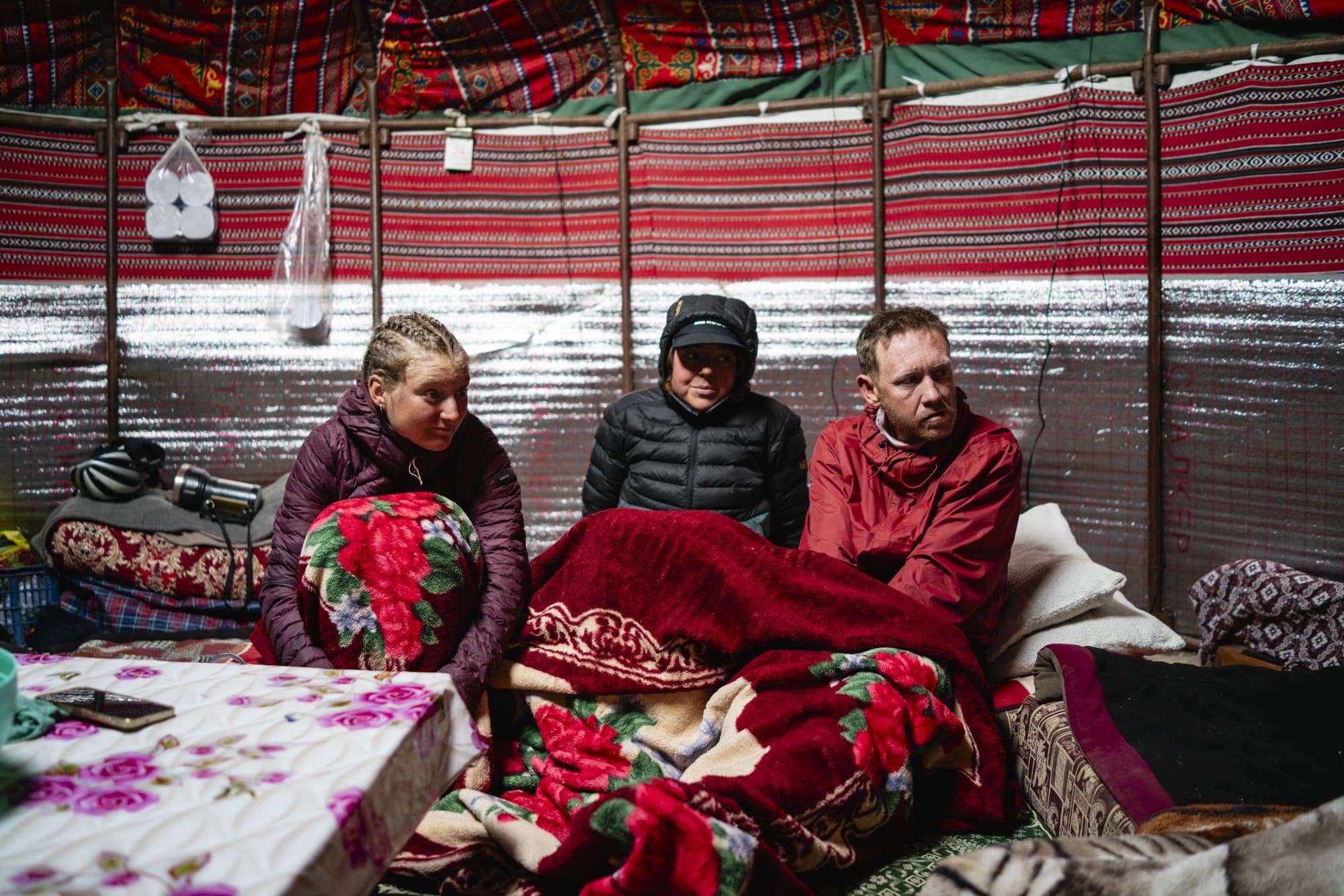
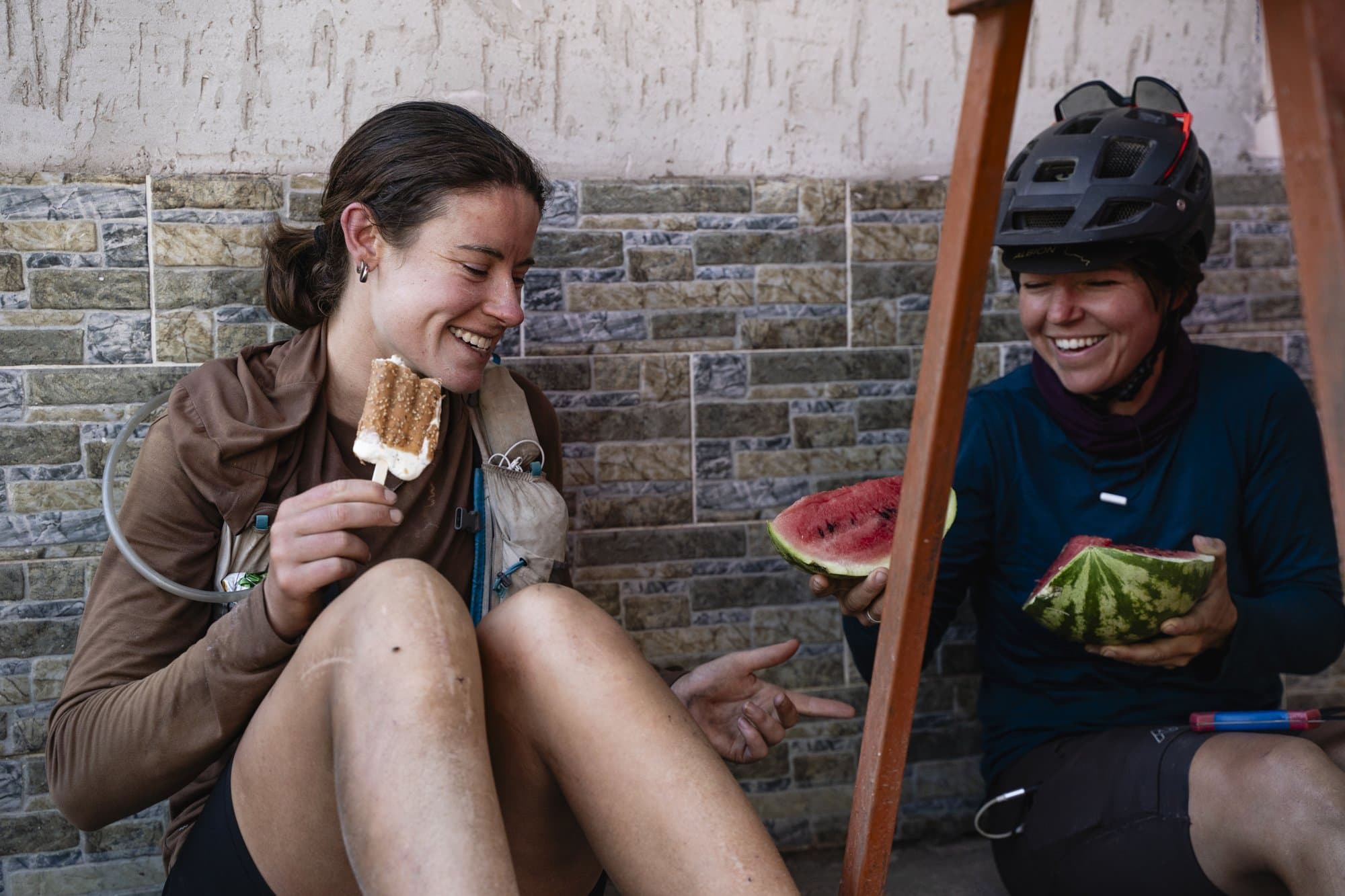
Not everything about my experience was solitary. Throughout the course, I found myself leapfrogging the same groups of riders for days at a time, silent nods graduating to fist pumps. At certain points, everyone looked wrecked: bleeding noses from the altitude, dust-caked faces, food poisoning, sunburnt lips, frozen shoes, smashed derailleurs, bikes tumbling down riverbanks. And yet there was a deep comfort in knowing we were all in it together. At yurts, we'd sit cross-legged sharing tea, bread, and broken-language stories, grateful for the warmth of our hosts. Kids appeared on roadsides with apple and apricot handups. Other riders became familiar faces, then something closer to friends. This kind of connection, I’ve realized, is hard to find in ordinary life, because it requires the conditions for shared physical and emotional vulnerability, something we often tend to design out of our daily lives.
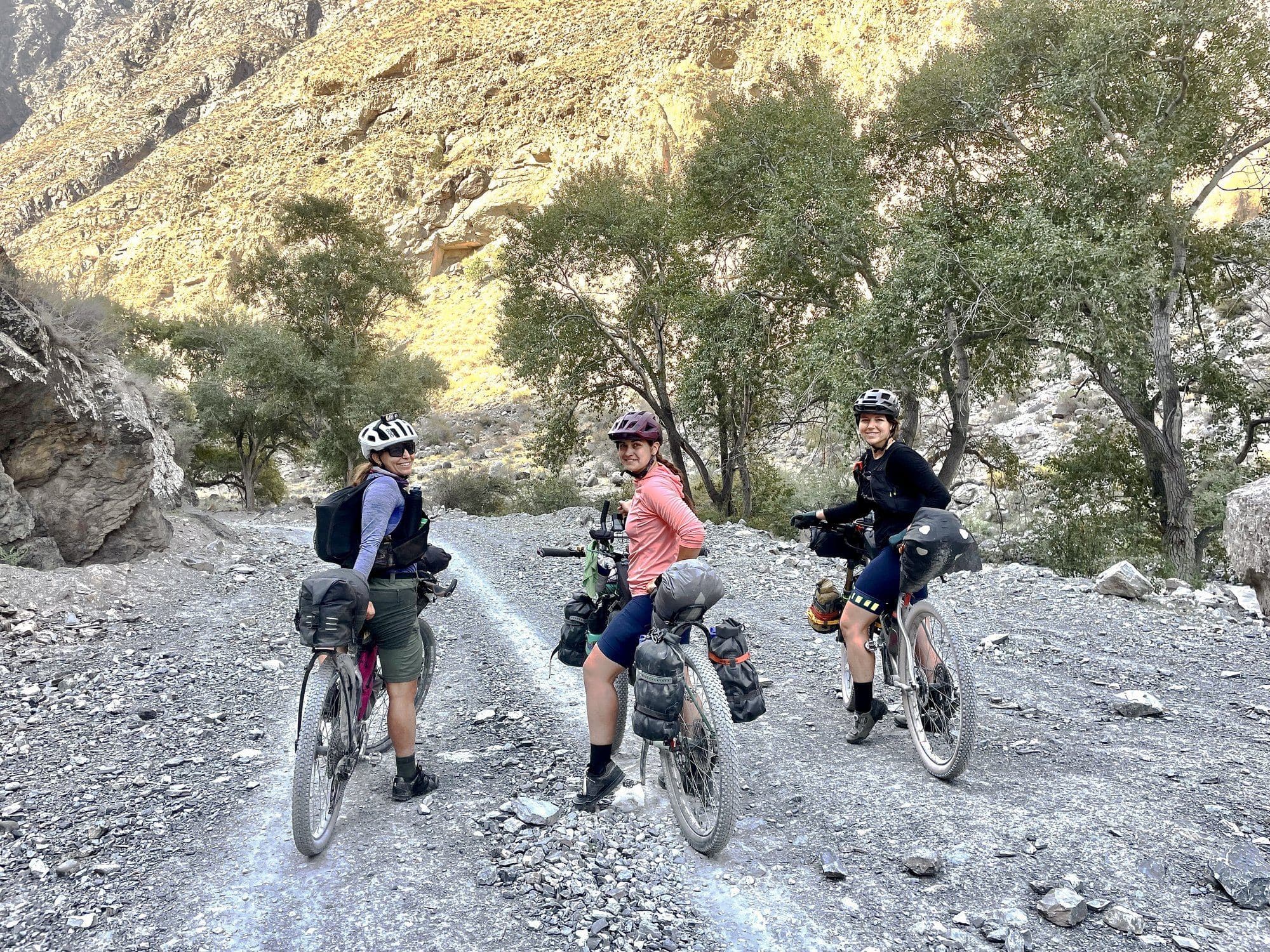
Among the connections I valued most were the ones I made with other women on the course. It's no secret that there is a massive gender imbalance in bike races in general, and especially in ultra-endurance racing. Women remain a small minority on most start lines. But the women who were there? Incredible, strong, fierce, and unapologetic. Some were chasing podium spots. Some, like me, were chasing something harder to name. We shared stories, fears, and vulnerabilities, and the quiet acknowledgment that we belonged there, but that there were far too few of us. I hope the field grows, and I hope more women riders see themselves in these stories and on the start lines of these events.
Handmade, from Home, to Kyrgyzstan
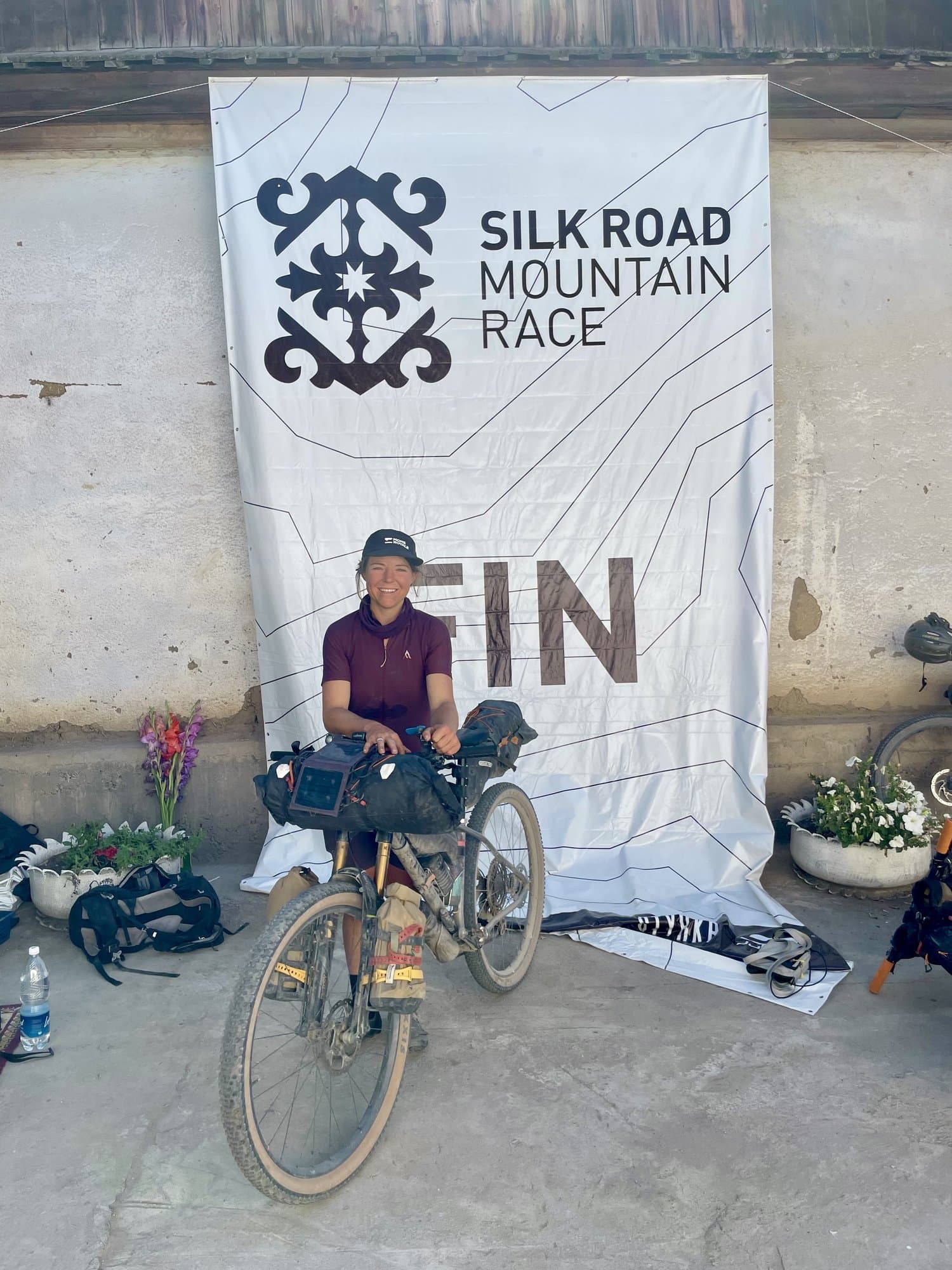
There's something beautiful about riding a bike that was welded together by someone who knows you. Not just your measurements, but your riding style, your ambitions, your tendency to say yes to slightly unhinged ideas. In a race where nearly half the field doesn't finish, trust in your equipment is everything. I never once questioned the bike beneath me. Lightweight, simple, and reliable. It carried me and the full weight of my experience (doubt, wonder, exhaustion, awe, relief, apprehension, pride, joy) across thousands of kilometres of rugged terrain.
Sam built me a bike capable of crossing Kyrgyzstan, and it did exactly that. From the Unicorn Stable on Quadra Island to the high mountain passes of Central Asia, in 13D:20H:43M, which landed me 8th in the women’s race.