Berd Sparrow 50 Gold: Gravel Goes Faster and Smoother


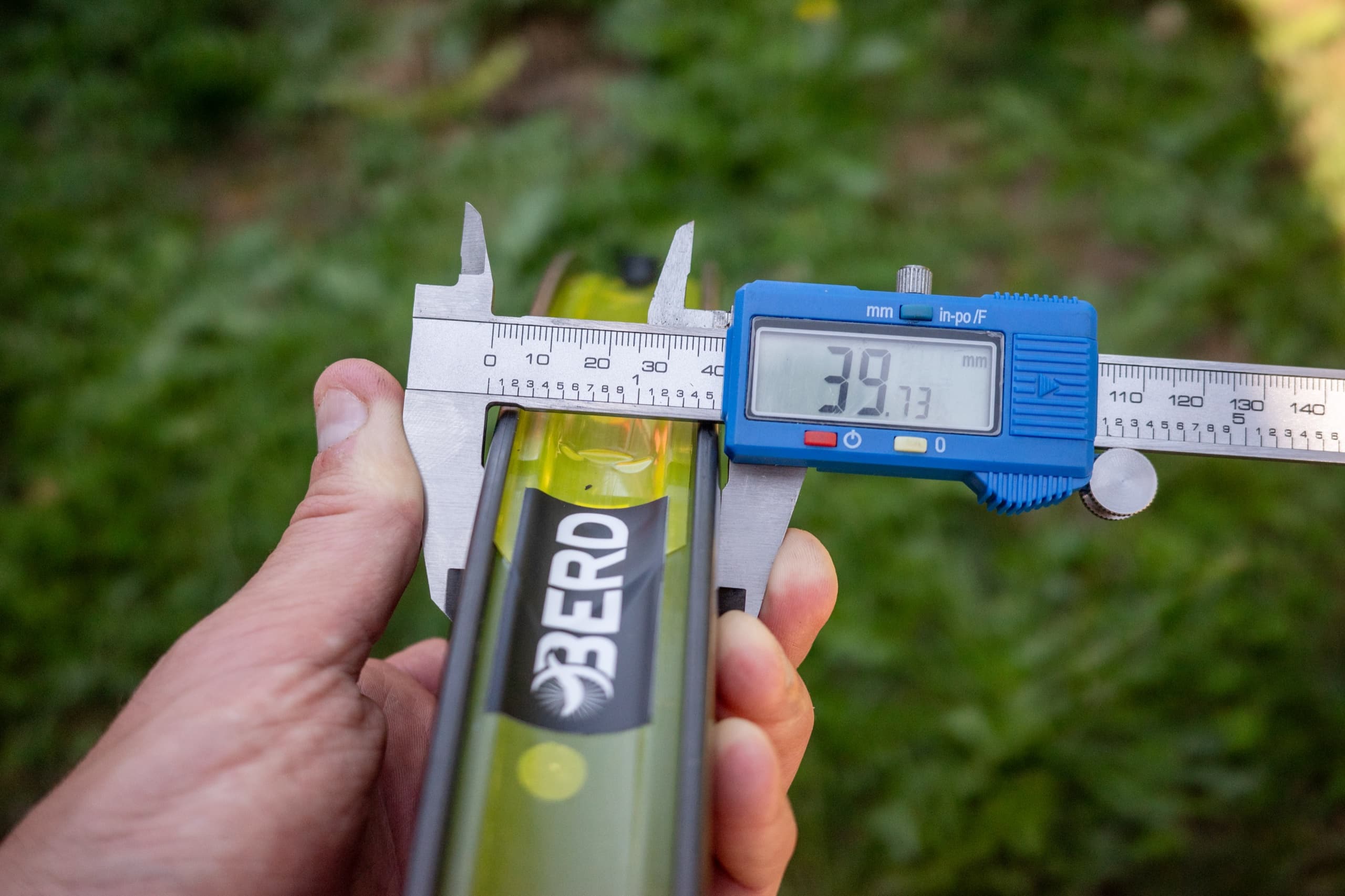
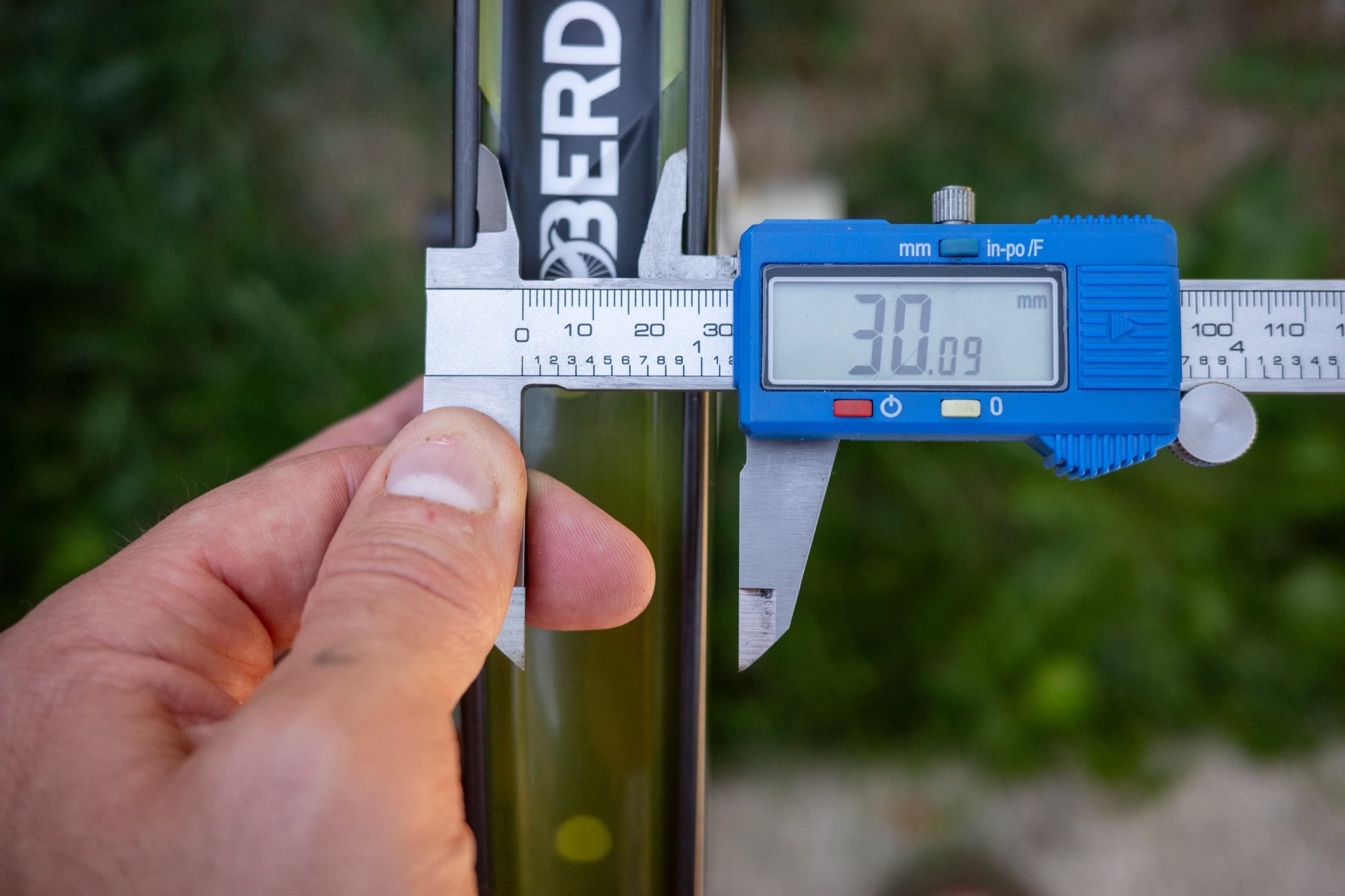
My early start was not to be. I'd stayed home all morning to watch the final stage of the Tour De France Femmes avec Zwift. Even when I hit the road, it was a false start. I only made it a few kilometers before realizing that the Berd Sparrow 50 Gold wheelset, with their 30mm wide internal, meant my 45mm Continental Terra Speed was too wide and threatened to rub paint off my frame.
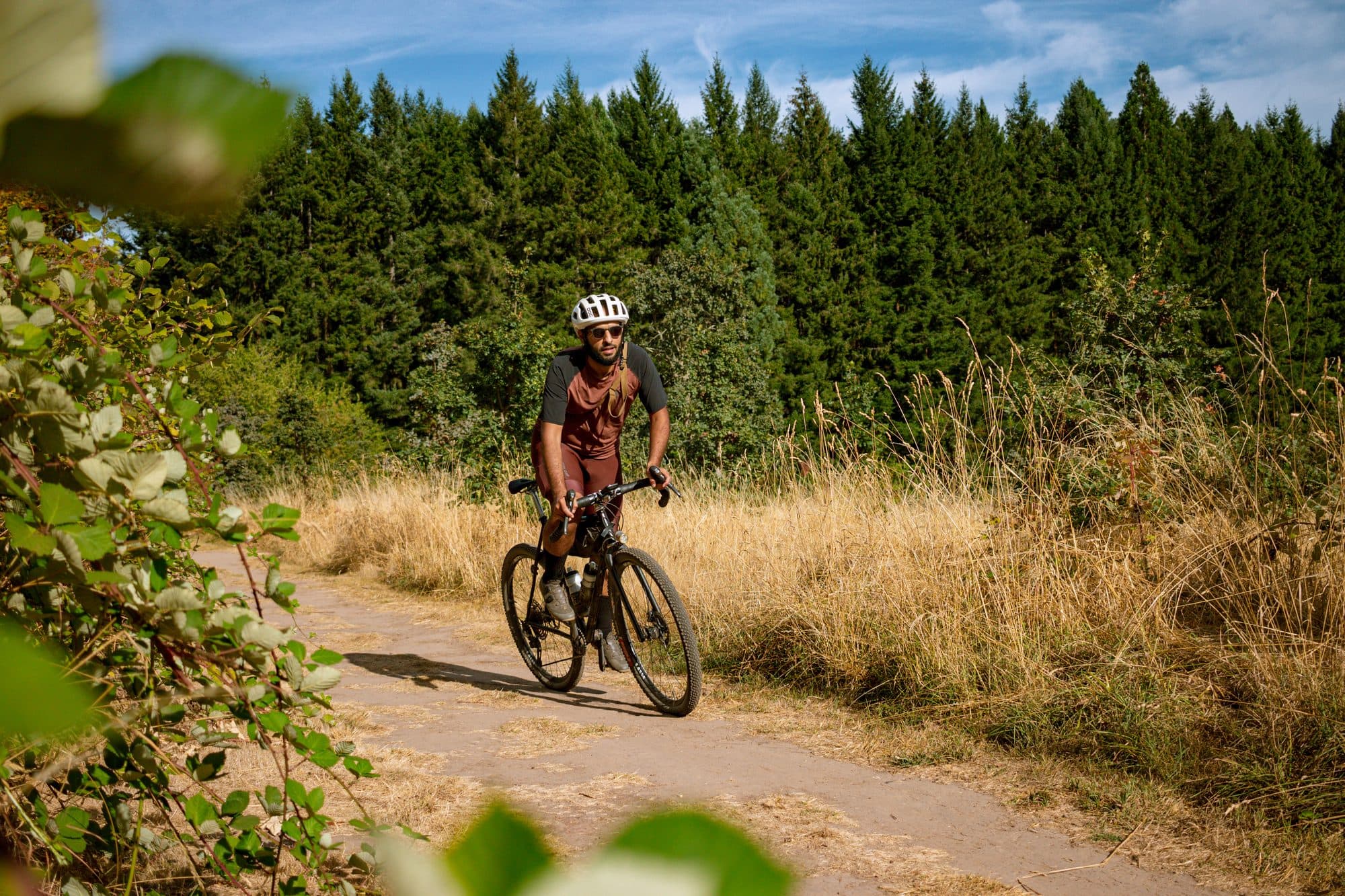
After returning home to swap the rear tire with a 40mm Terra Speed, I was finally heading towards the Comox Lake Road. I was undecided between an out and back ride to the East Cruikshank or if I'd continue through to Port Alberni to complete the 160-km loop home via Horne Lake.
When a live Strava Segment popped up on my Garmin that I hadn't been expecting, I decided it would be the perfect test for my new wheelset. The 47.14 km-long Comox Alberni Connector segment is a great testing zone. The gravel is smooth in places and washboarded in others. The topography is brutal, with a series of steep short climbs along Comox Lake before a long sustained climb. After cresting that climb, the downhill still demands work because a series of plateaus slow progress towards the paved roads outside Port Alberni.
No sooner had I made the decision to chase the segment than I started falling behind my Personal Record pace that was quickly disappearing up the road on my digital display. I pushed myself hard, dreaming about how easy it would make this review. Berd claims the new Sparrow 50 Gold is the fastest gravel wheelset. Snagging a PR or maybe even challenging the KOM, would be an easy narrative arc.
But I didn't come close. I missed my PR by 10 minutes, rolling onto the pavement after 2:12:26 of brutally hard riding. It wouldn't be until hours later, as I reviewed the Strava file, that I realized the ride still proved the magic behind these wheels. The proof just wasn't as simple as a single Strava segment.
Berd is the Nerd
When I spoke with Charlie Spanjers last year, it was obvious he was one of the bike nerds that combined words to create Berd. He took it a step further this year, sending along the new Berd Sparrow 50 Gold wheelset to test along with a scientific white paper to describe the wheelset's benefits. This is yet another example of the company doing things differently. In our interview last year, he talked about getting the dyneema spokes to market and creating TRUDI, a tool that still leans on hand-built wheel quality. It calculates exactly how many turns each spoke needs so a wheel can be trued in one pass, without turning the whole process over to a fully automated machine.
Almost a year ago, I thoroughly tested the Berd Sparrow Carbon Gravel Wheelset, both locally during the initial setup phase and later as I went bikepacking across Patagonia. The wheels delivered, creating a noticeably more comfortable ride by damping road vibration.
It turns out, at least according to Berd, that vibration reduction was more than just comfort. It also equates to speed. They're making the bold claim that the new Sparrow 50 Gold is the world's fastest gravel wheelset. To back that up, they've produced the aforementioned white paper that measured aerodynamics, mass, and vibration damping across a range of wheelsets and road conditions. If you want a deep dive, the paper is available here.
Getting Berds on Bikes
Getting these wheels set up and onto the bicycle could not be easier. I only required four tools: a chain whip, cassette lock ring tool, ratchet, and pump. It was as easy as pulling the parts off one wheelset and putting them on the new one. It only took about 20 minutes.
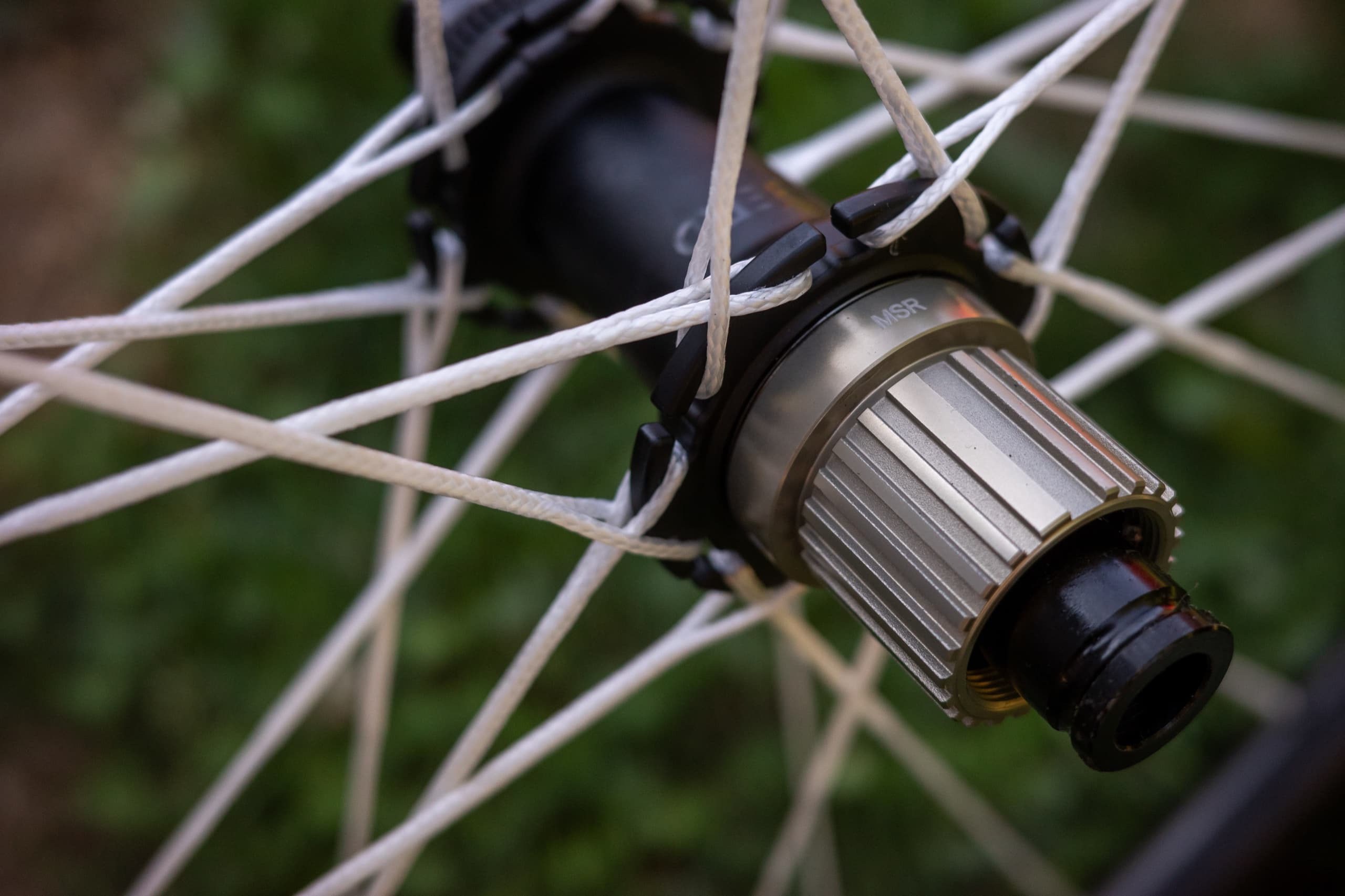
When ordering, just make sure to pick the correct freehub. Because I run a Shimano 1x12 GRX drivetrain, I ordered the Shimano MSR freehub. The rotors are centerlock.
It turns out I made the same mistake as last year. When I switched from my Nobl CR45 to the Berd Sparrow, I moved my 45mm Hutchinson Touareg tires over. After a few rides, I realized the wider Sparrow rim led to some frame rub between the rear tire and my chainstay. I swapped over to a set of Continental Terra Speeds. Although I ended up running a 45mm tire, they were visibly narrower than my Touaregs and cleared the frame easily.
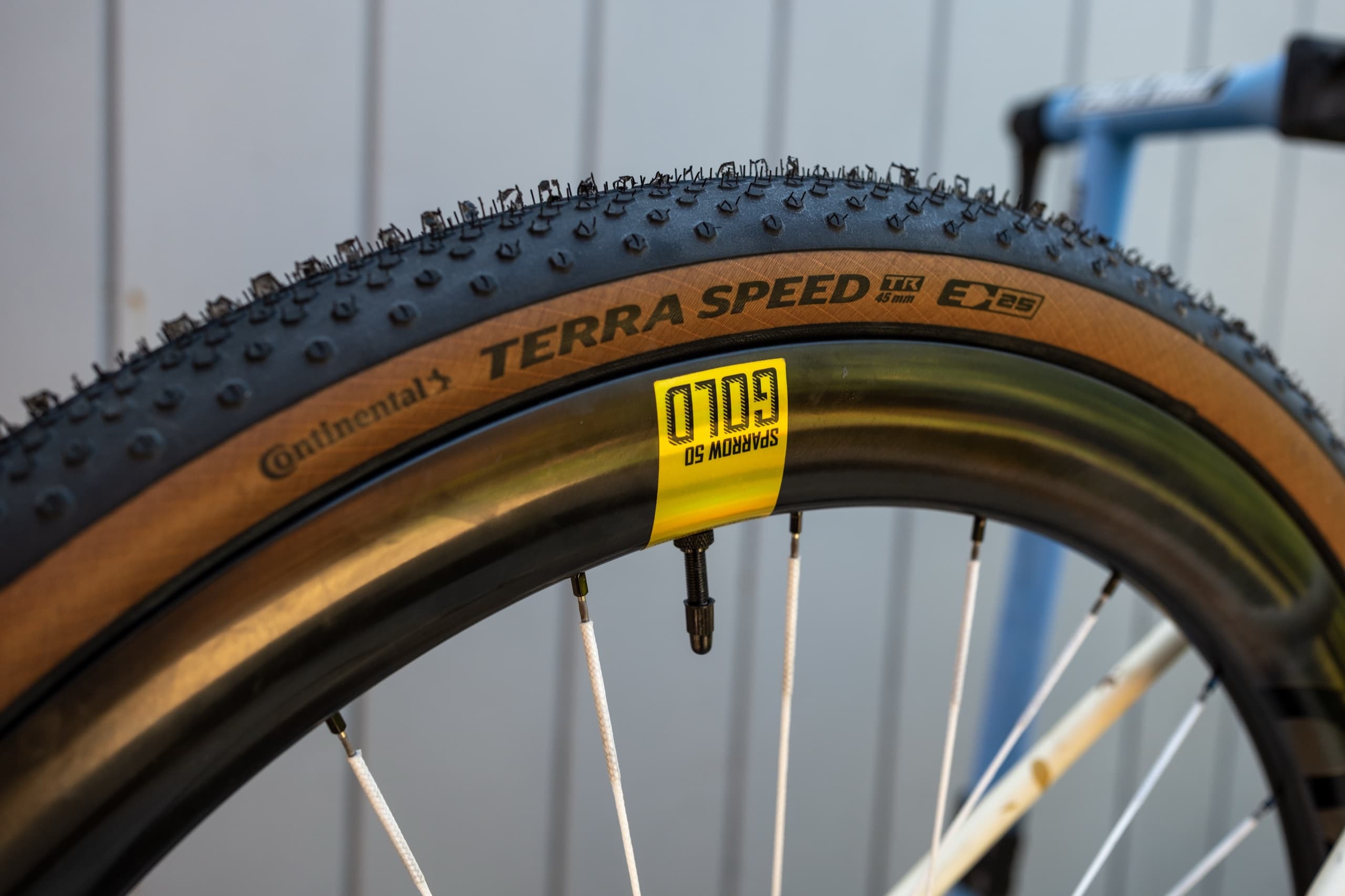
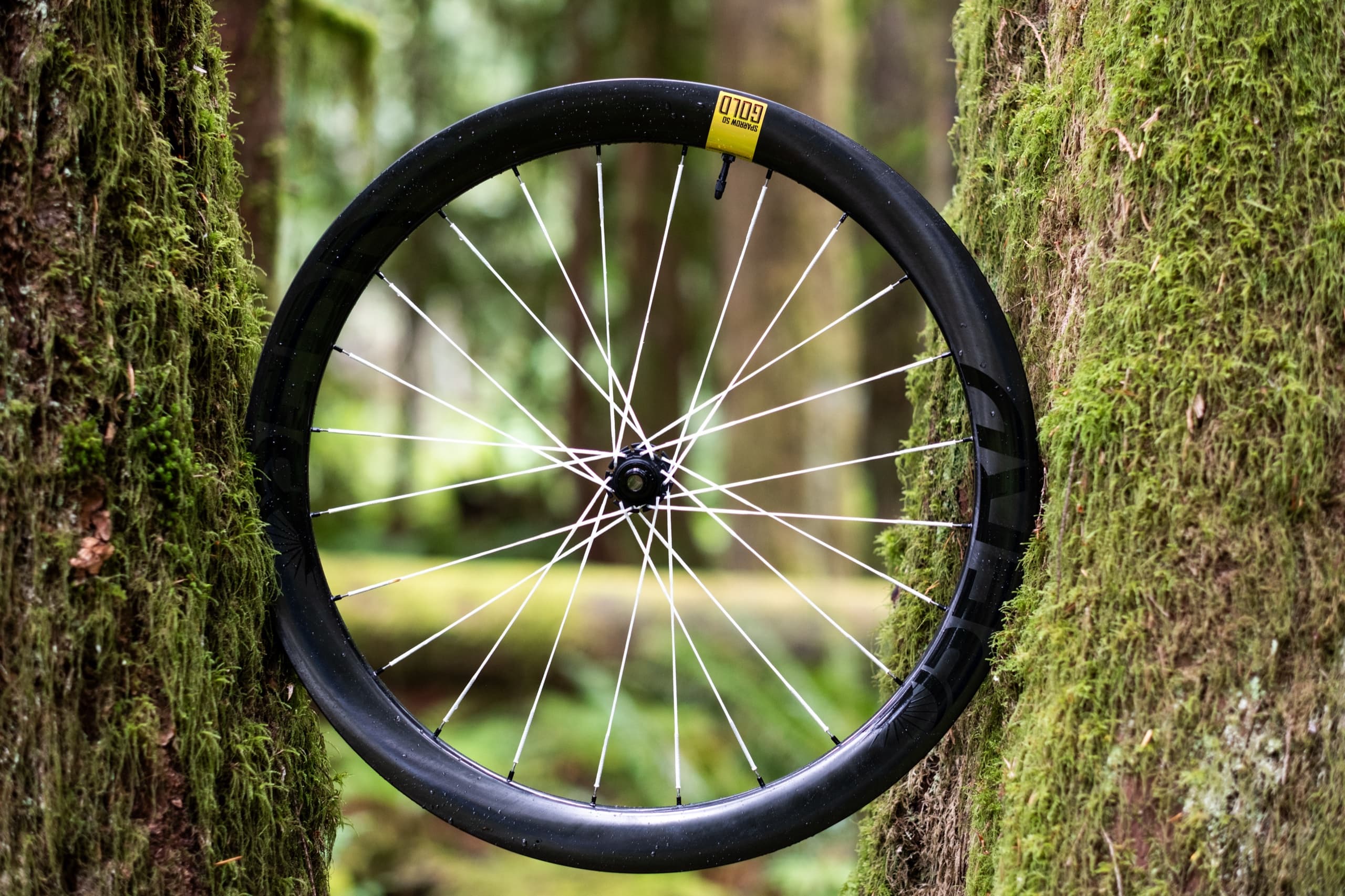
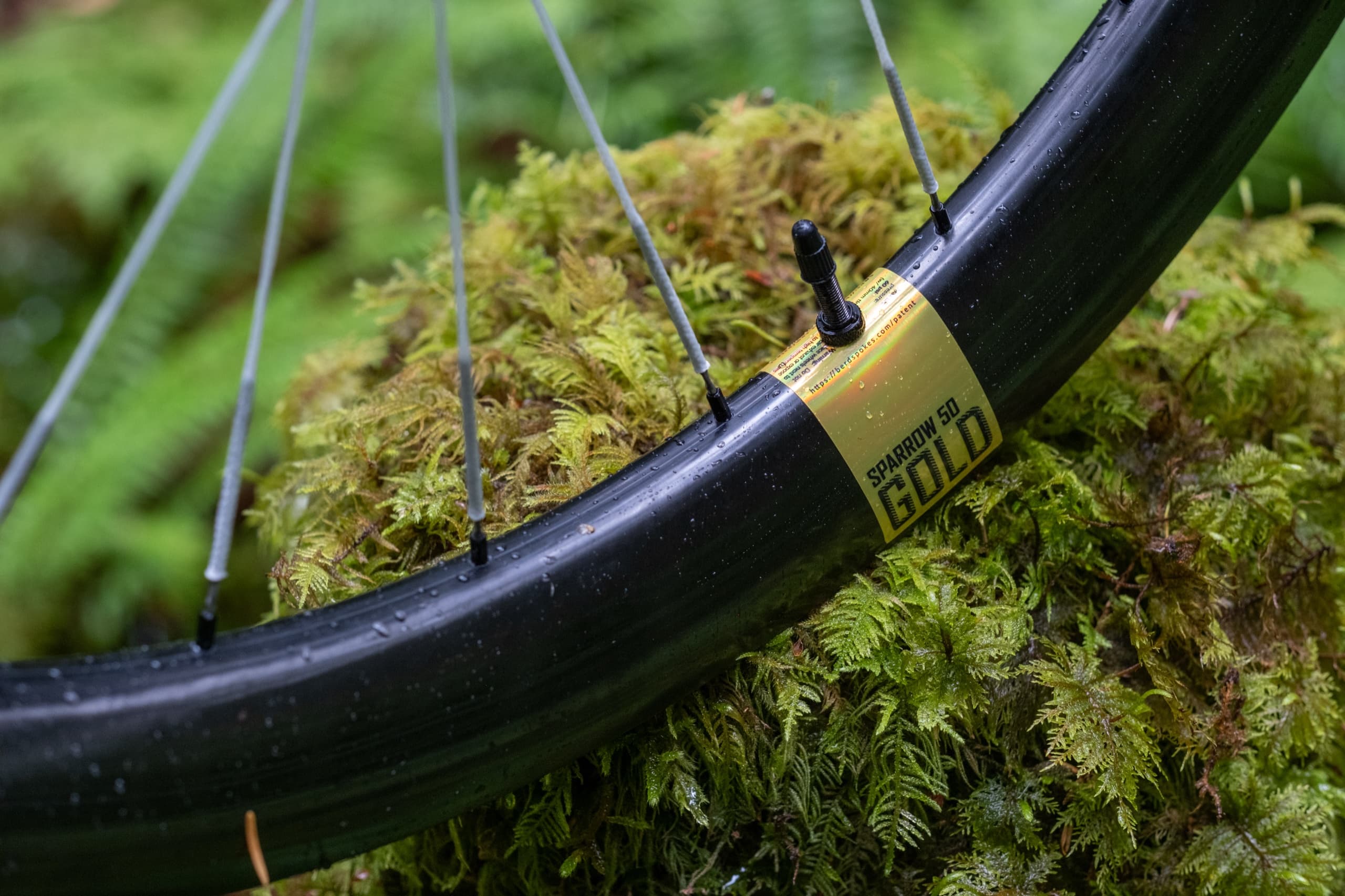
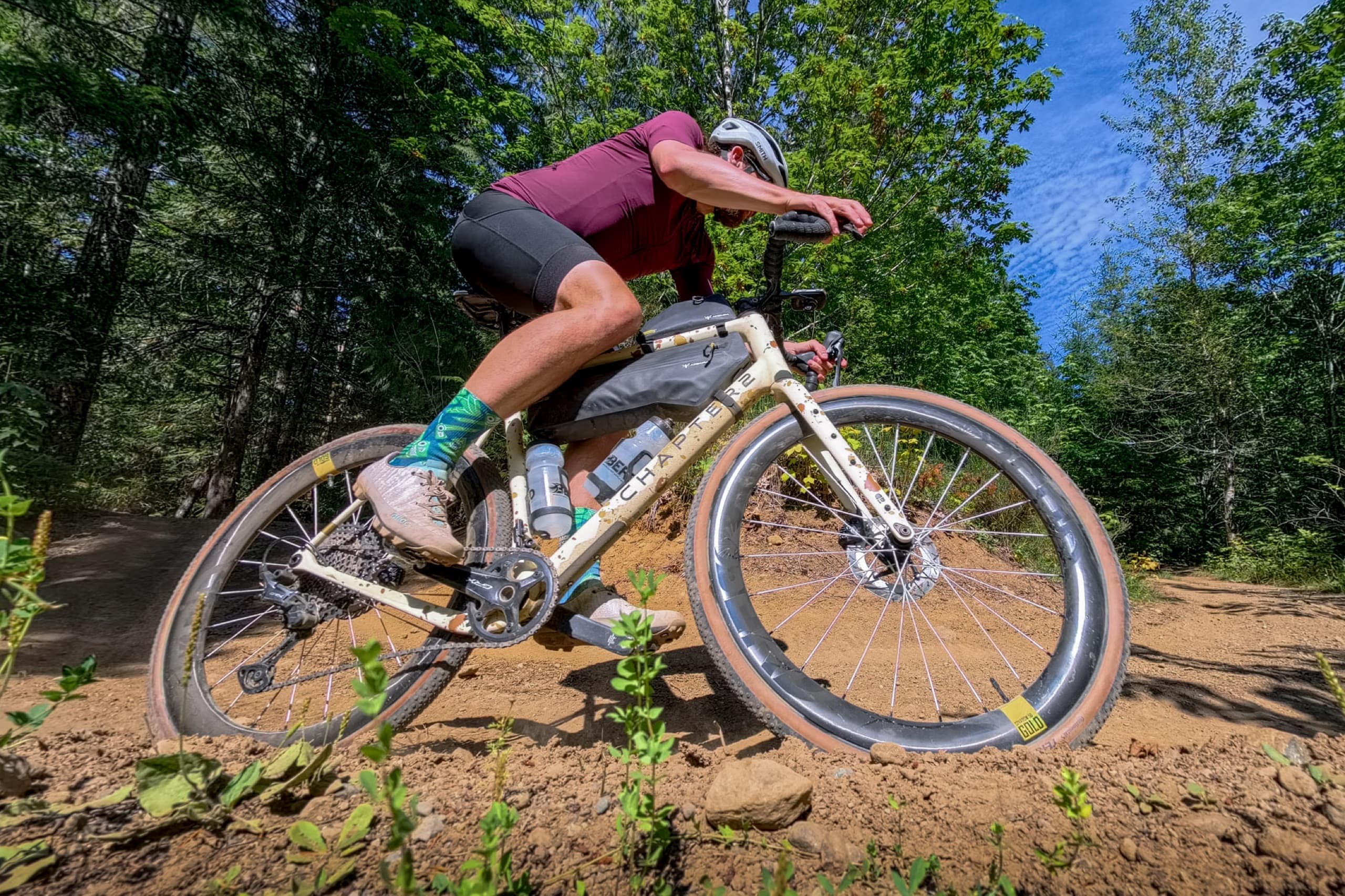
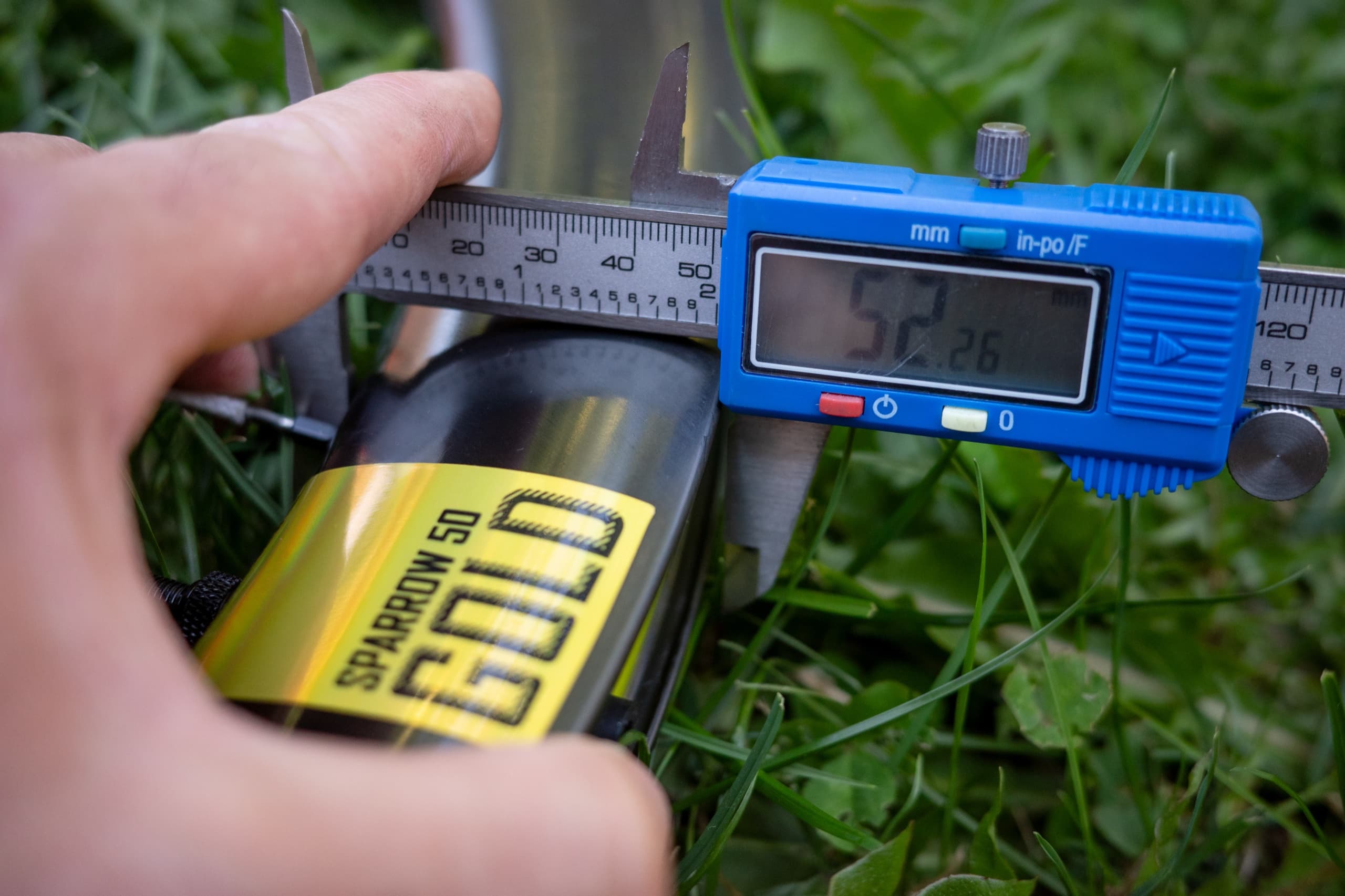
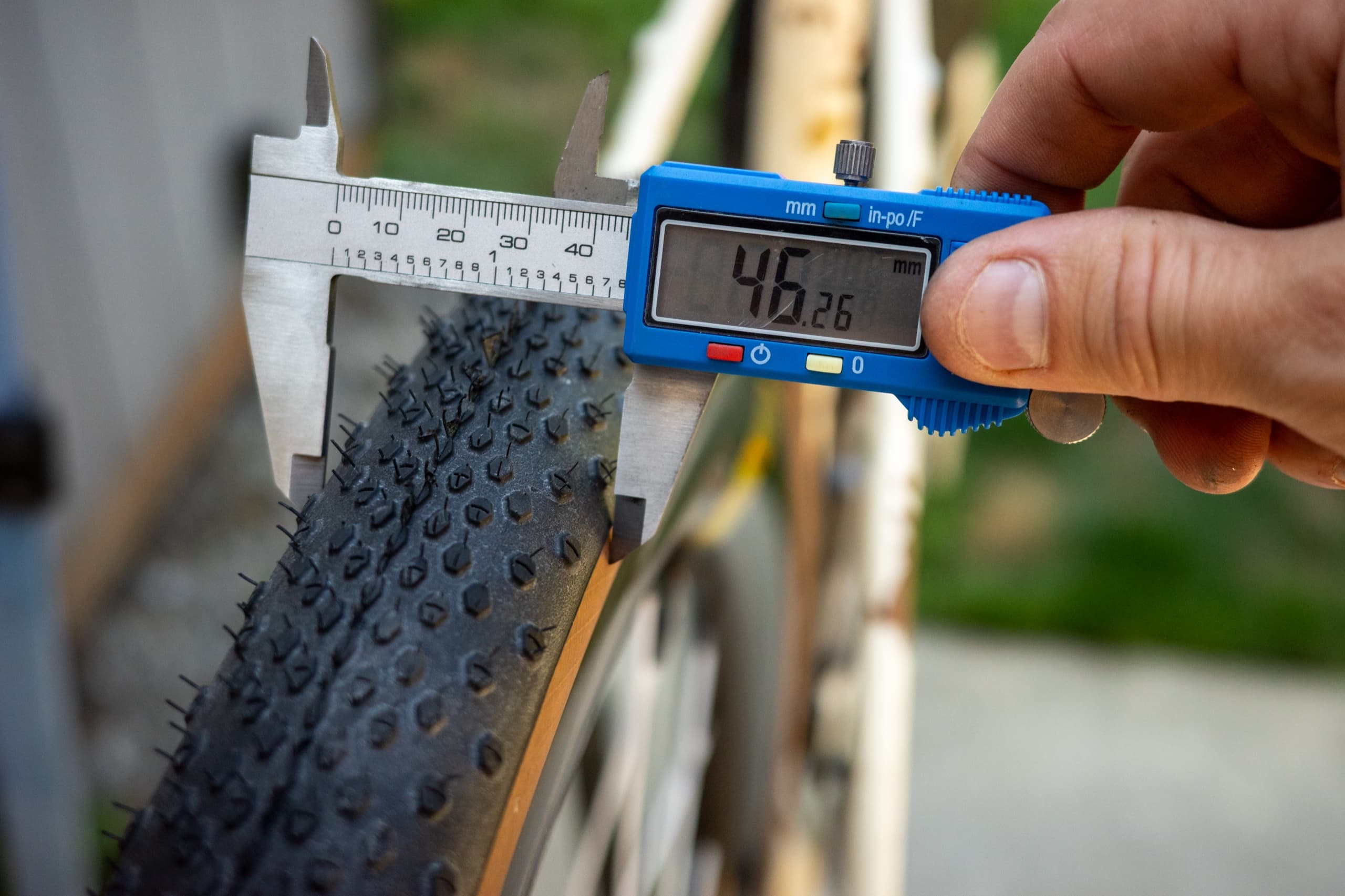
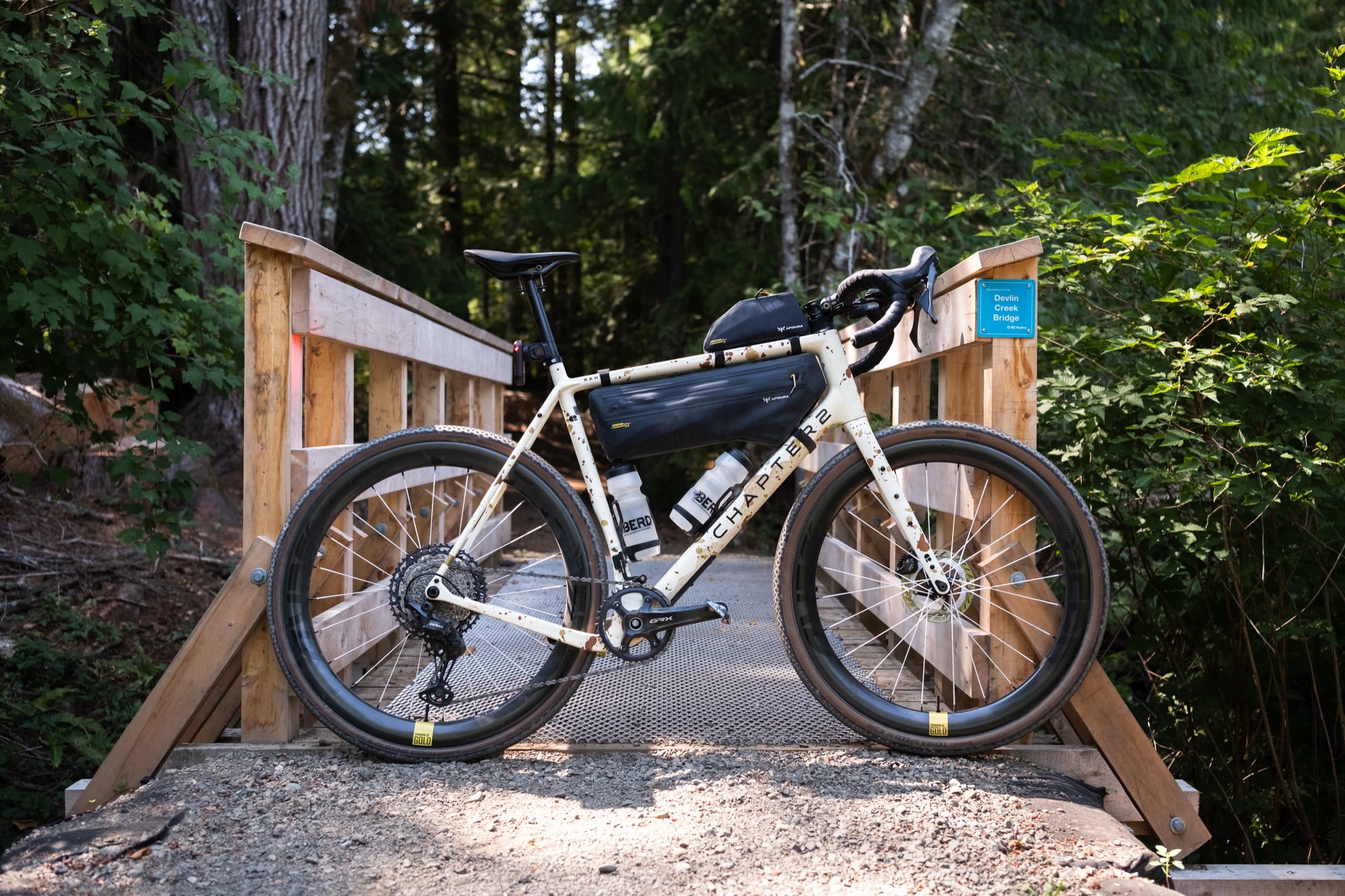
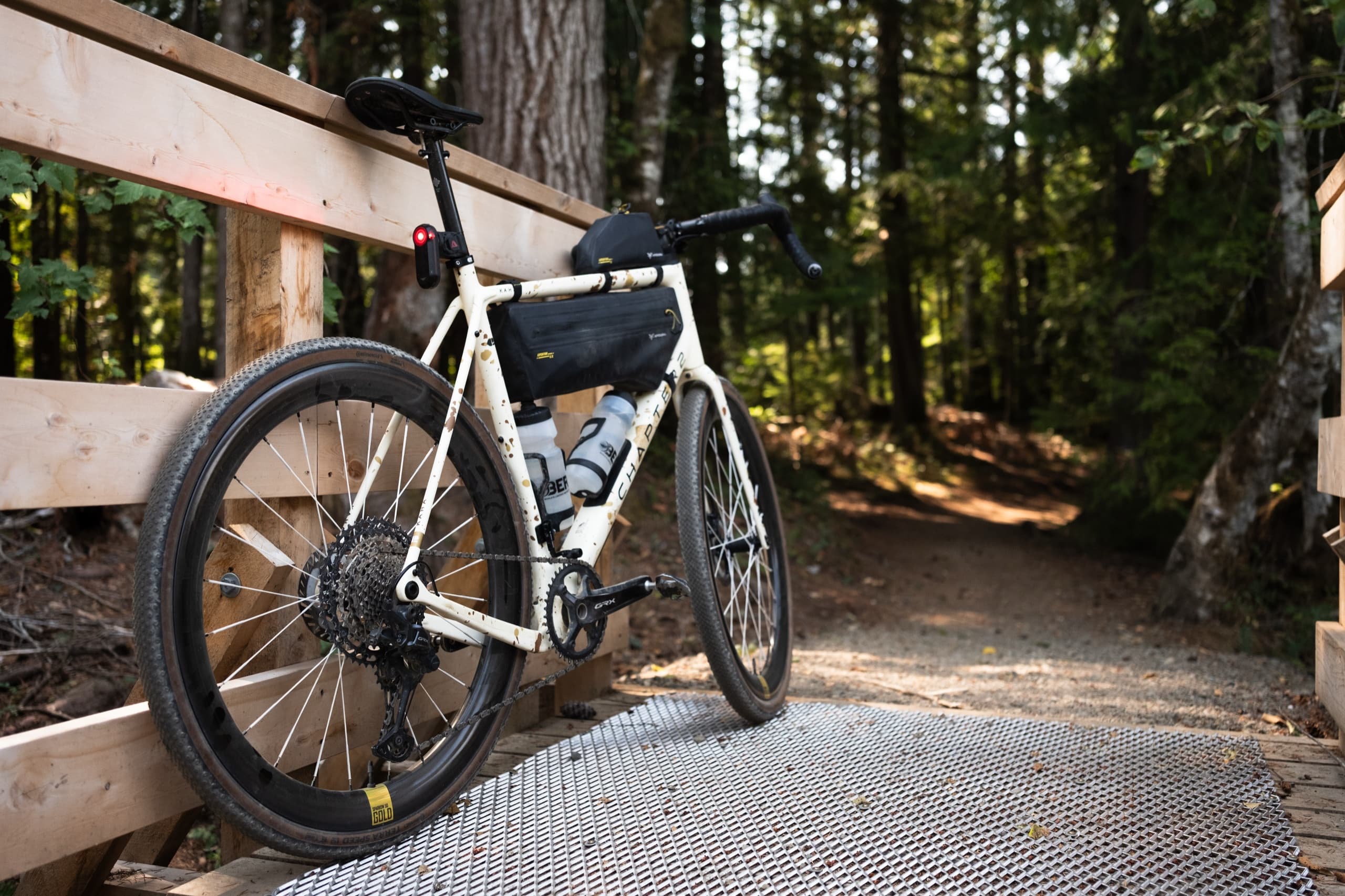
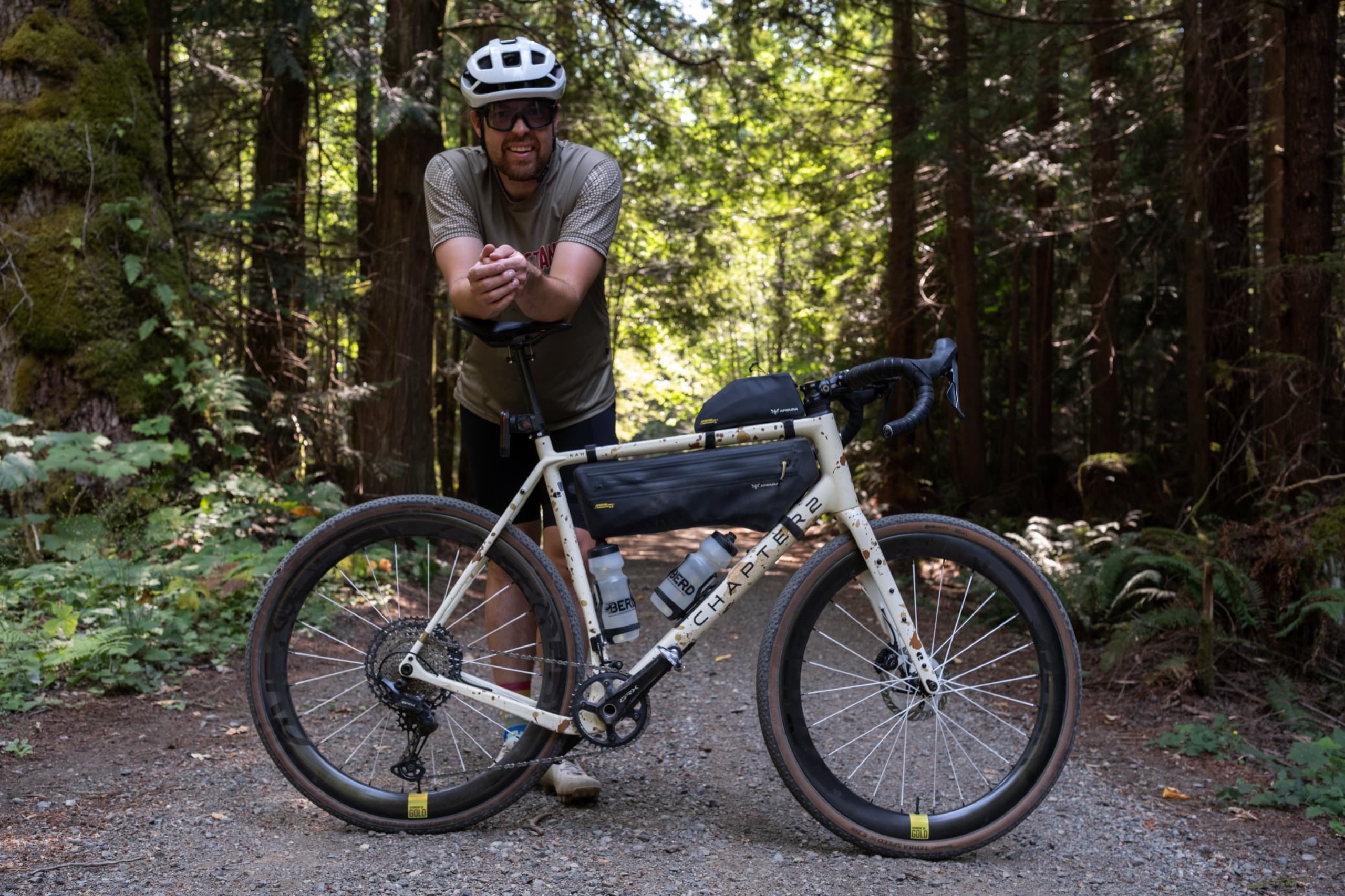
The new Sparrow 50 Gold rims are even wider. With a 30mm internal, it stretched the 45mm Terra Speed over 46mm. Because my Chapter 2 Kaha is limited to 47mm in the rear, I was quite concerned about clearance getting a bit too tight. I opted to swap the rear tire for a 40mm Terra Speed that measured 42mm once I had it installed and I only wasted a few ounces of sealant in the process. I kept the 45mm up front and finally headed out for my first ride.
How the Sparrow 50 Gold Flies
Even before I opened the box, I couldn't believe how light these wheels felt. Even though the box contained the complete wheelset, spare freehub, water bottle, and packaging to keep it all safe in transit, it still weighed like something was missing.
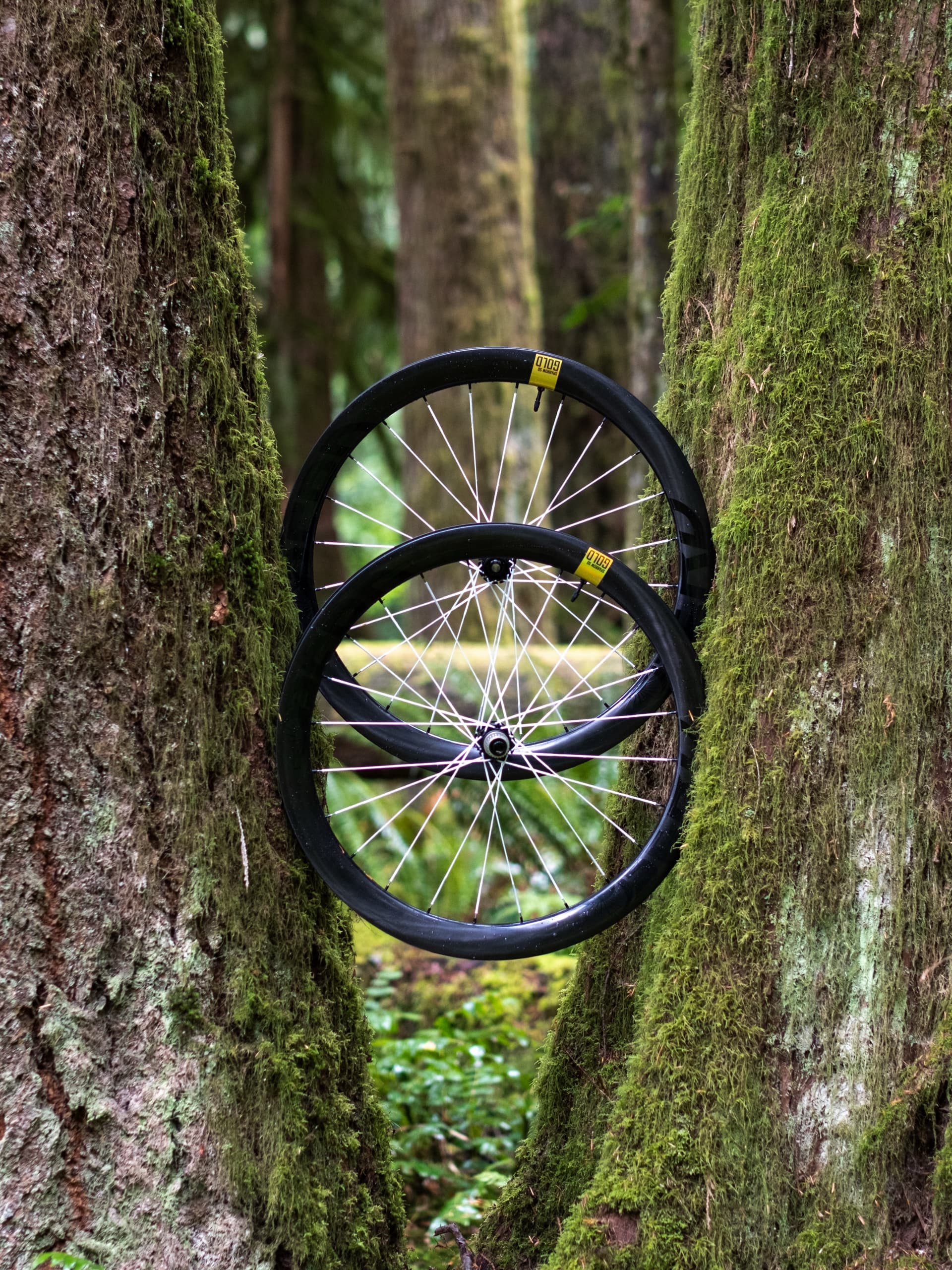
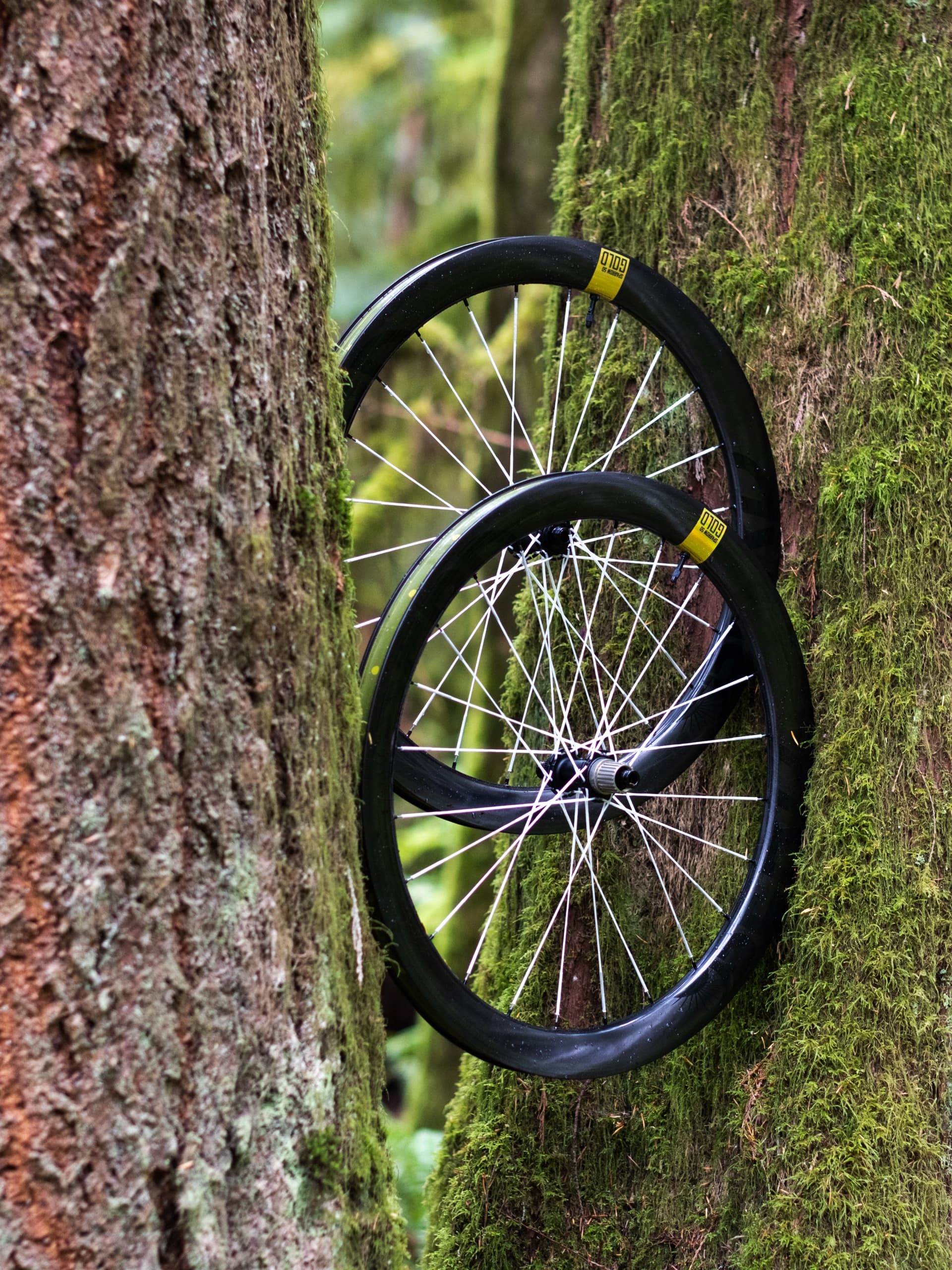
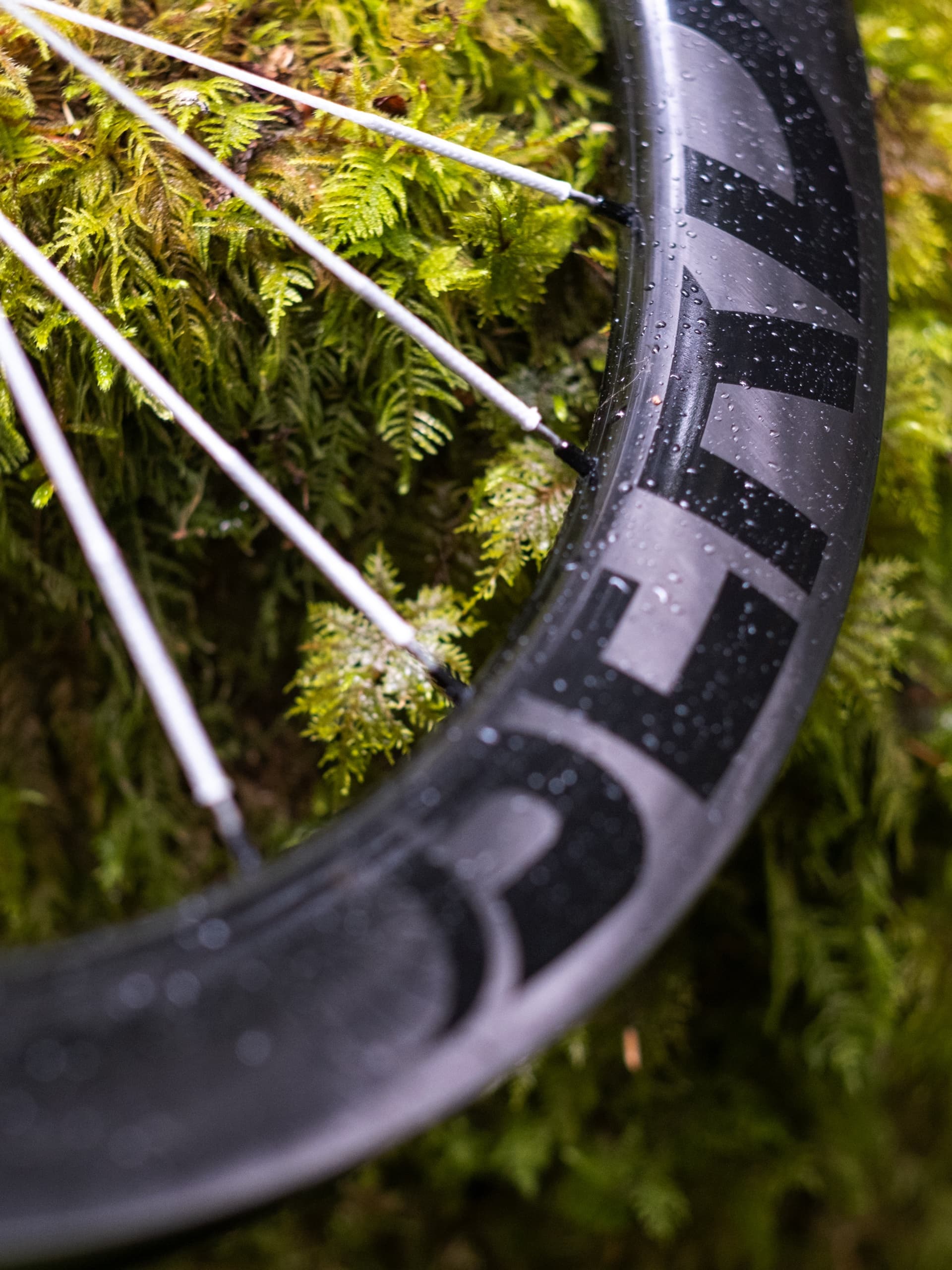
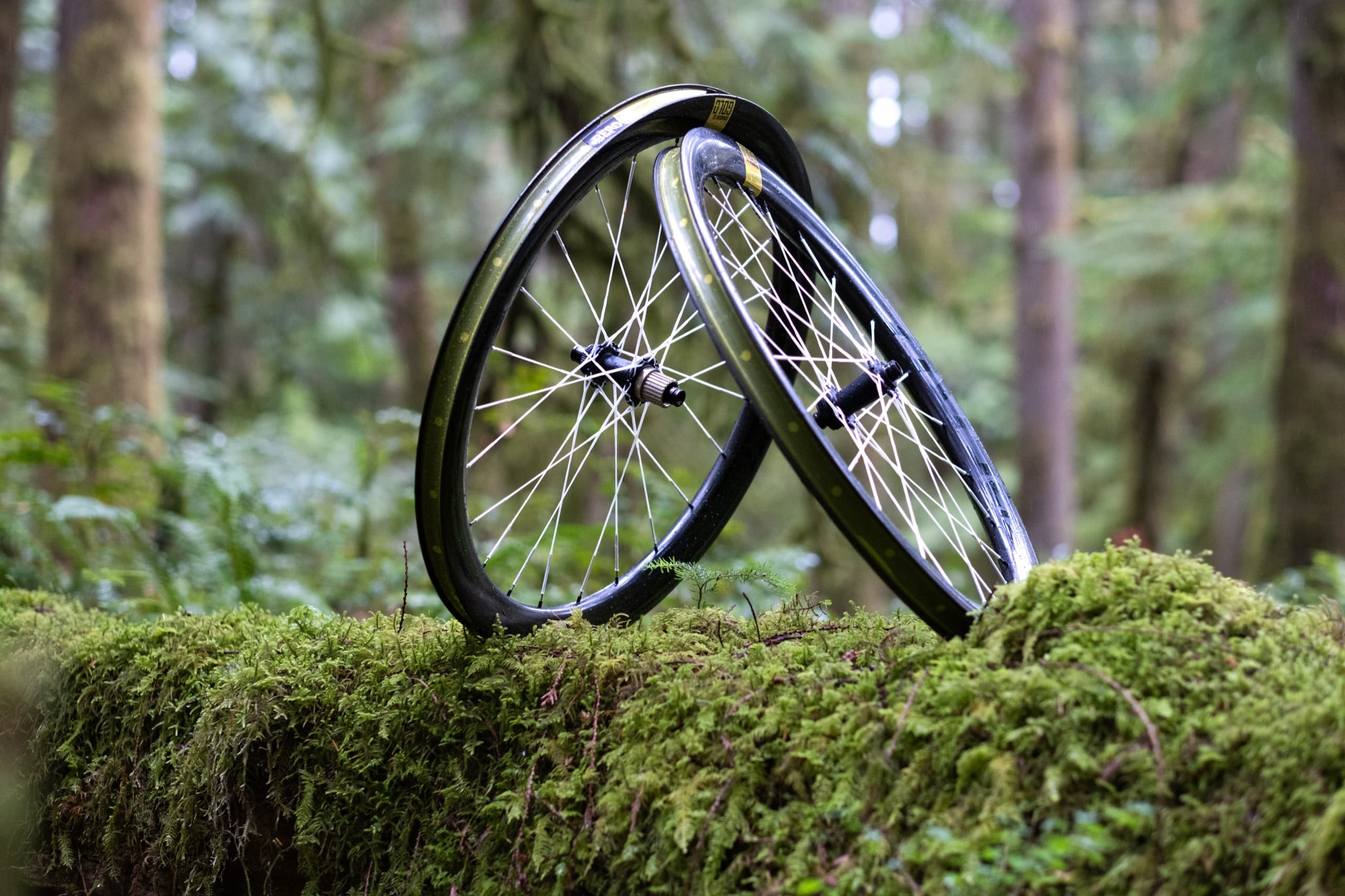
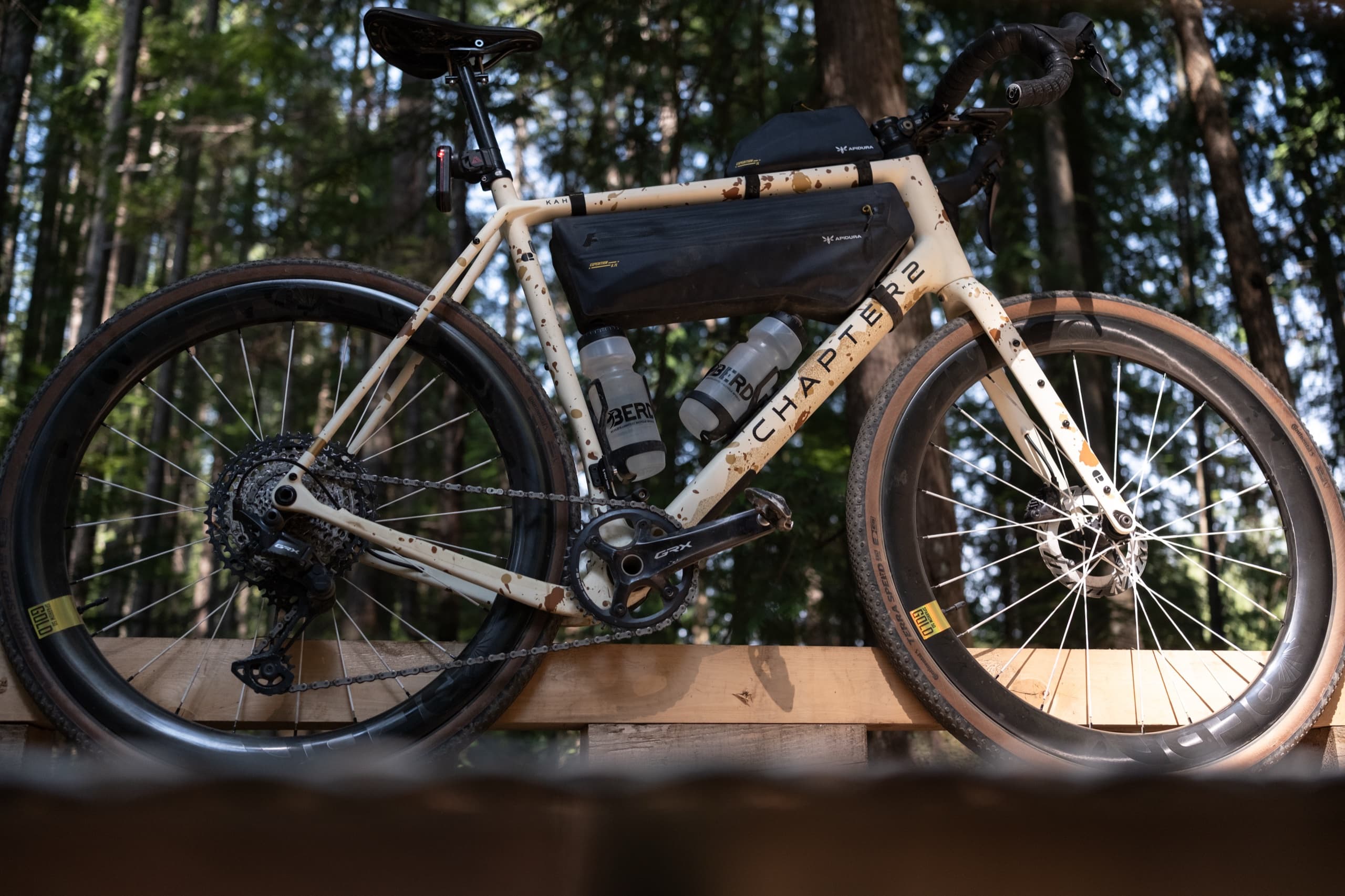
It's an obvious reminder that I rarely hold a completely bare wheelset, without tires, rotors, and cassette installed. They do come prepped with valves and tape for a quick tubeless setup. The total wheelset weight is 1298 g. They're 50mm deep, with a 30mm internal. Their size makes it hard to compare to anything. They're essentially as wide as my xc mountain bike rims, but deeper than my gravel race wheels. The recommended tire widths run from 40-60mm.
In their in-house testing across four road surfaces, ranging from paved to rough gravel, there were two clear winners. On smoother surfaces and B roads, 45mm tires measured fastest. On the roughest gravel track, wider 55mm tires came out quicker. These findings seem to back up common sense; riding wider tires on rougher surfaces isn't anything new. But Berd's White Paper went much deeper, looking into the advantages of aerodynamics, drag, and vibration damping.
Hold on, we're about to get nerdy even if I'm the guy that recently published Fuck Aerodynamics: Pamera Apparel Rides Against Conformity. If you'd rather just skip this section, I don't blame you. Jump down a few paragraphs and I'll share my experience riding them on Vancouver Island rather than discussing them from within a published scientific paper.
The tl;dr version of the paper is this. You can compare wheels, more or less, with common sense. The shallower the wheel, the lighter it is. The deeper the wheel, the more aerodynamic it is. The Sparrow 50 Gold is lighter than its two nearest competitors, the ENVE G SES 4.5 (1,565 g), and Zipp 303 XPLR SW (1452 g). Conversely, because both of these wheelsets are deeper, they're slightly more aerodynamic.
The paper's biggest difference, about 5 watts at 30 kph, comes from the vibration damping in Berd's spokes. Unless you're racing at the pointy end of a gravel event, though, you're rarely holding that speed long enough to feel the full aerodynamic benefit of any wheelset. I've seen the math, and I know I'm not fast enough to feel it.
I do undoubtedly feel the vibration reduction every time I ride Berd wheels, and that distinction is worth separating out. Against my old Sparrow wheelset, which isn't shaped for aero at all, most of the 50 Gold's advantage comes from the aero gain of any 50mm-deep rim. Against the Zipp and Enve, the aerodynamic gain cancels out. What's left is the spokes.
Their product-page calculator shows it clearly. Damping works at any speed, while the Zipp and Enve's aero edge narrows the gap as speeds climb, which is why Berd's advantage over the competition is bigger at 240 watts than at 400.
This has been more than enough science to turn off most of our readers. Let's get back on track with a few more details before I get them on my bike, get them outside, and show you how they felt.
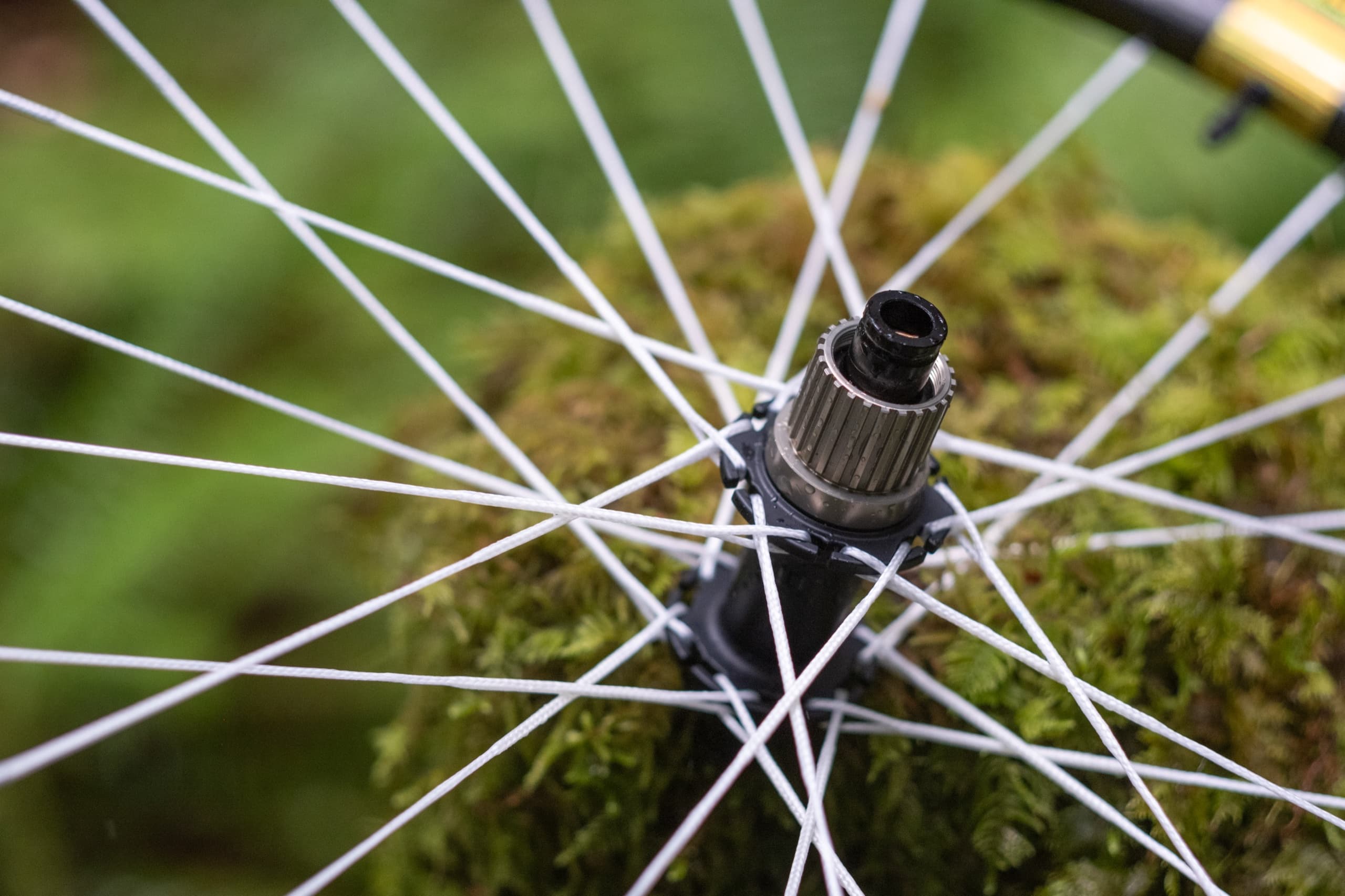
The hubs are modular, with sleeves that can adapt the axle size from 12mm to 15mm. This is less notable for 700c/29" sizing that is predominantly 12x100 on gravel bikes; however, the Sparrow 50 Gold is also available in 32". This new wheel size doesn't have industry-wide standards just yet, so they offer these hubs that can accommodate 12mm or 15mm axles, alongside another option for 15x110 boost spacing. These options are available in both the 700c/29" and 32" wheelsets.
The hubs use a high engagement 36-tooth ratchet that looks similar to my DT Swiss 350 hubs' internals when I took it apart for a quick inspection. They're laced with white spokes, making the dyneema fabric truly stand out compared to a conventional steel spoke. Pretty much anyone that isn't familiar with Berd will do a quick double take and then make a joke about grabbing scissors to sabotage my ride. But the truth is the fabric is well established and Berd spokes have proven stronger than steel. After a year on the Sparrow wheels, I don't have a single durability concern about this new wheelset.
Missed the Personal Record, Found the Point
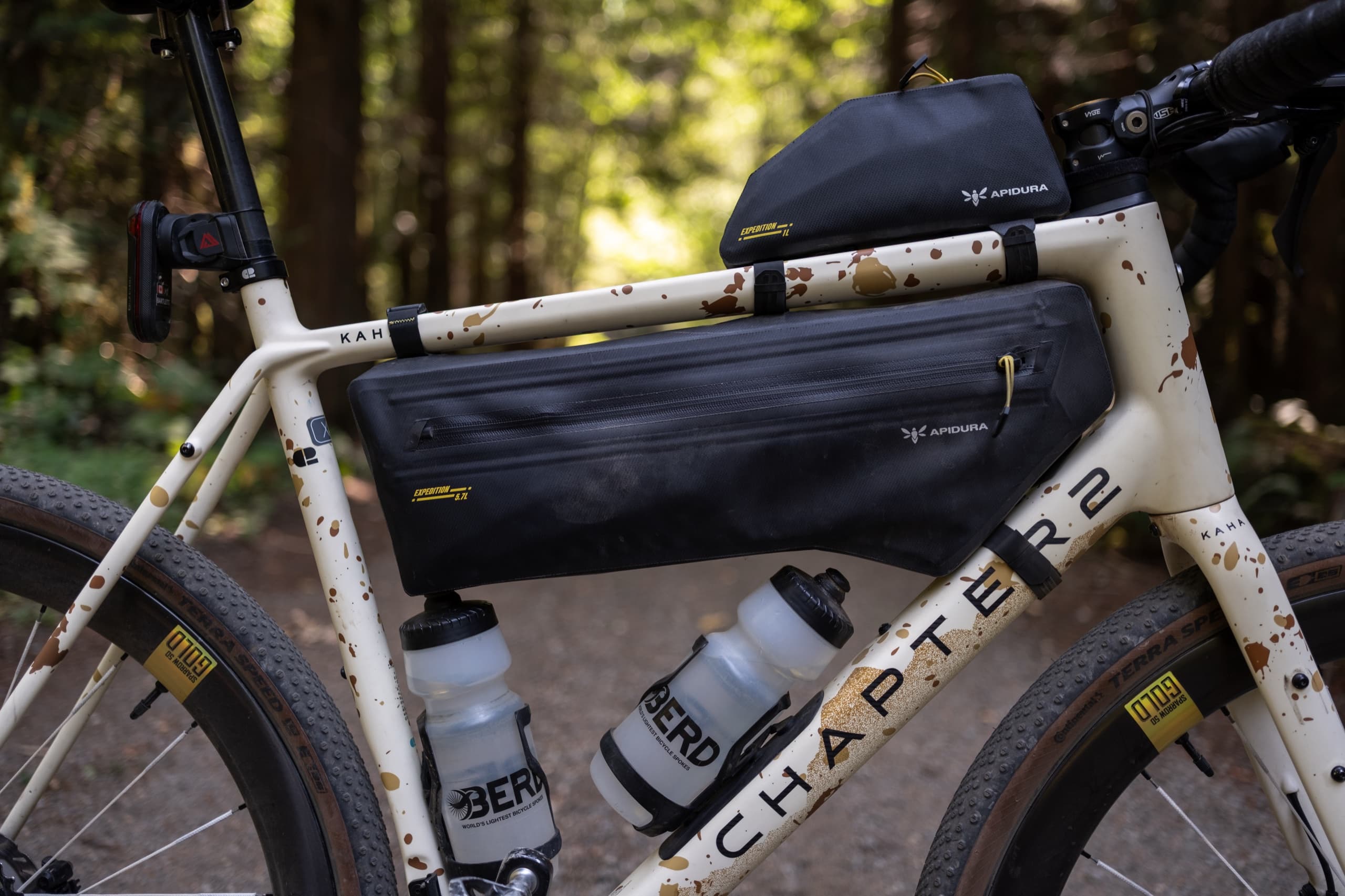
Rolling through Port Alberni, I couldn't help but feel disappointed. I'd eaten through my gels, emptied both bottles, and pushed myself deep, only to miss my PR. I stopped at a Circle K for snacks, fueling up on discounted Prime Lemonade, a coke, and salt & vinegar chips. A large bag of twizzlers filled my top tube bag to help me pull through the rest of my ride.
Once I was back on the road, I followed the route by memory: up the brutally steep Lucy Lake climb, across the Lucy Lake Trail, and down the descent to the Horne Lake Road. Refill bottles at the Horne Lake Regional Park, then race campground traffic through the lakeside 30 km/h zone before descending the Big Qualicum Trail to the Old Island Highway.
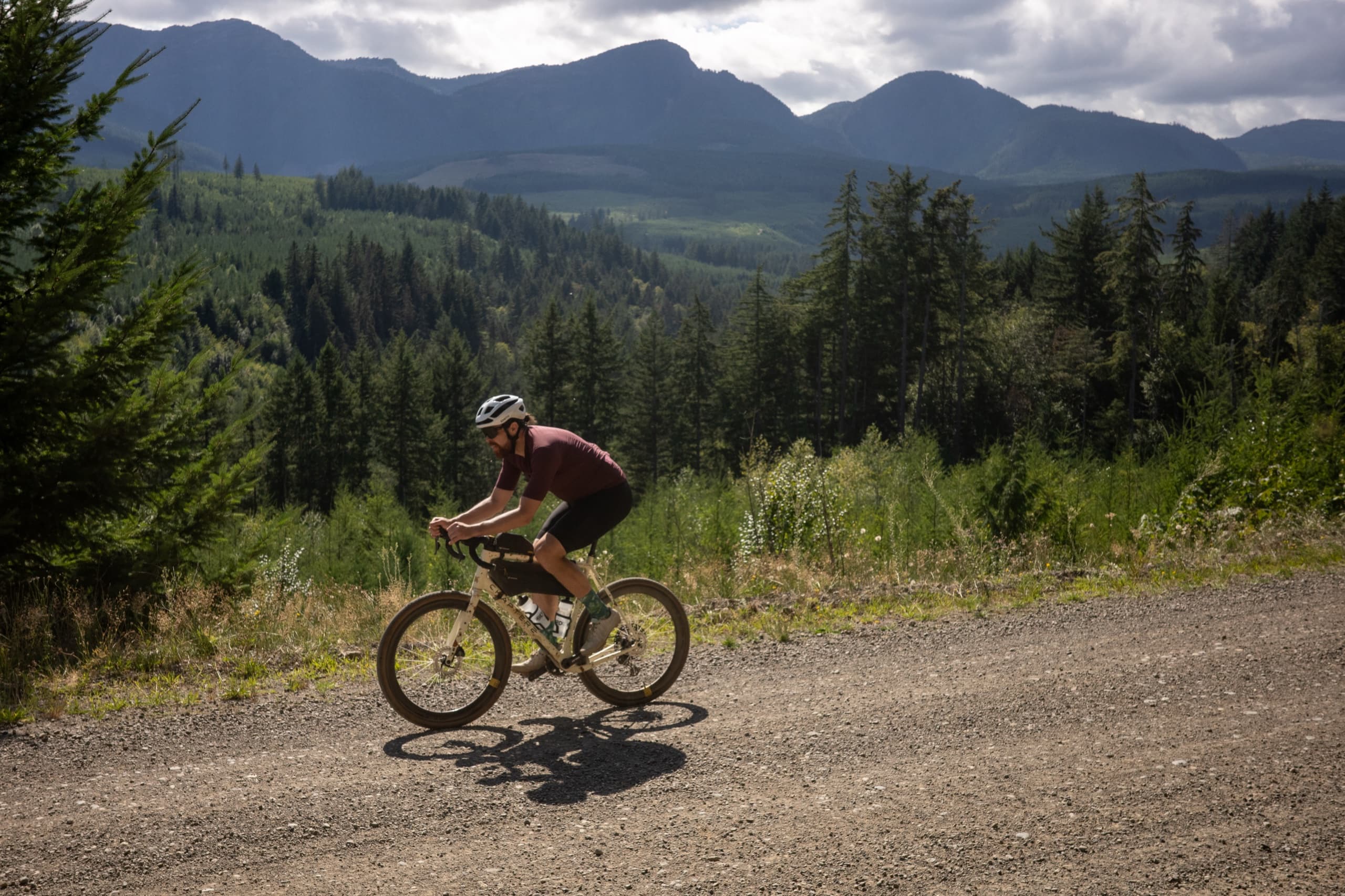
The entire ride felt hard. My late start meant I might not make it home before dark, so I ultimately opted to catch a ride home from Buckley Bay. After I saved my ride, I pulled it up on Strava. Across all the segments, I had 7 PRs, 15 2nds, and 5 3rds. Although I missed that first PR, I had been riding faster than I thought all day.
It's impossible to read that much into a single ride. Road conditions and wind direction play a bigger role in cumulative Strava times than any bike component. But it did show an impressive trend. Berd wheels are noticeably smoother than any wheelset I've ever ridden. The vibration damping is immediately noticeable and, just like their white paper argues, the smoother ride translates to measurable energy savings to sustain efforts deeper into rides.
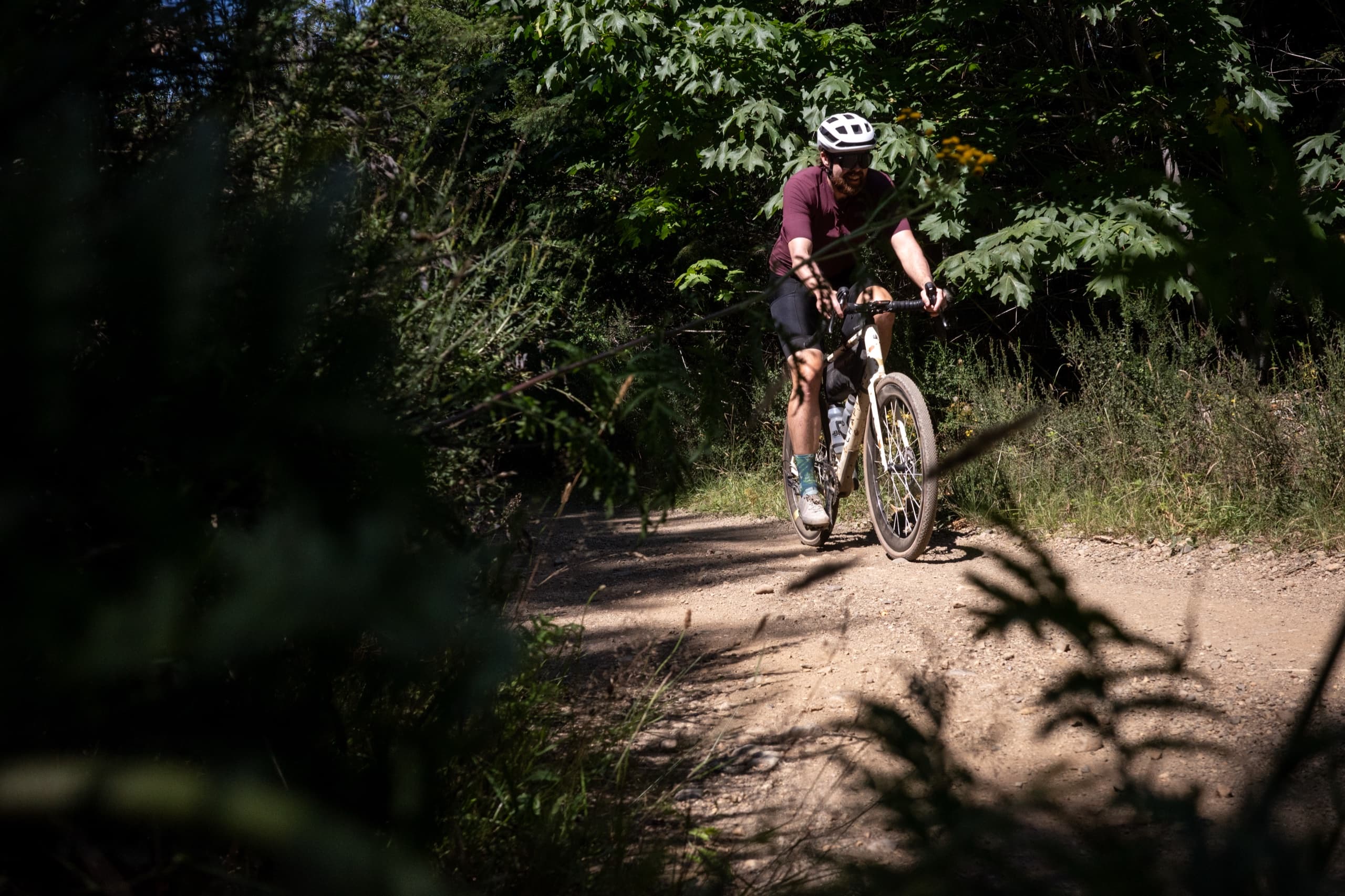
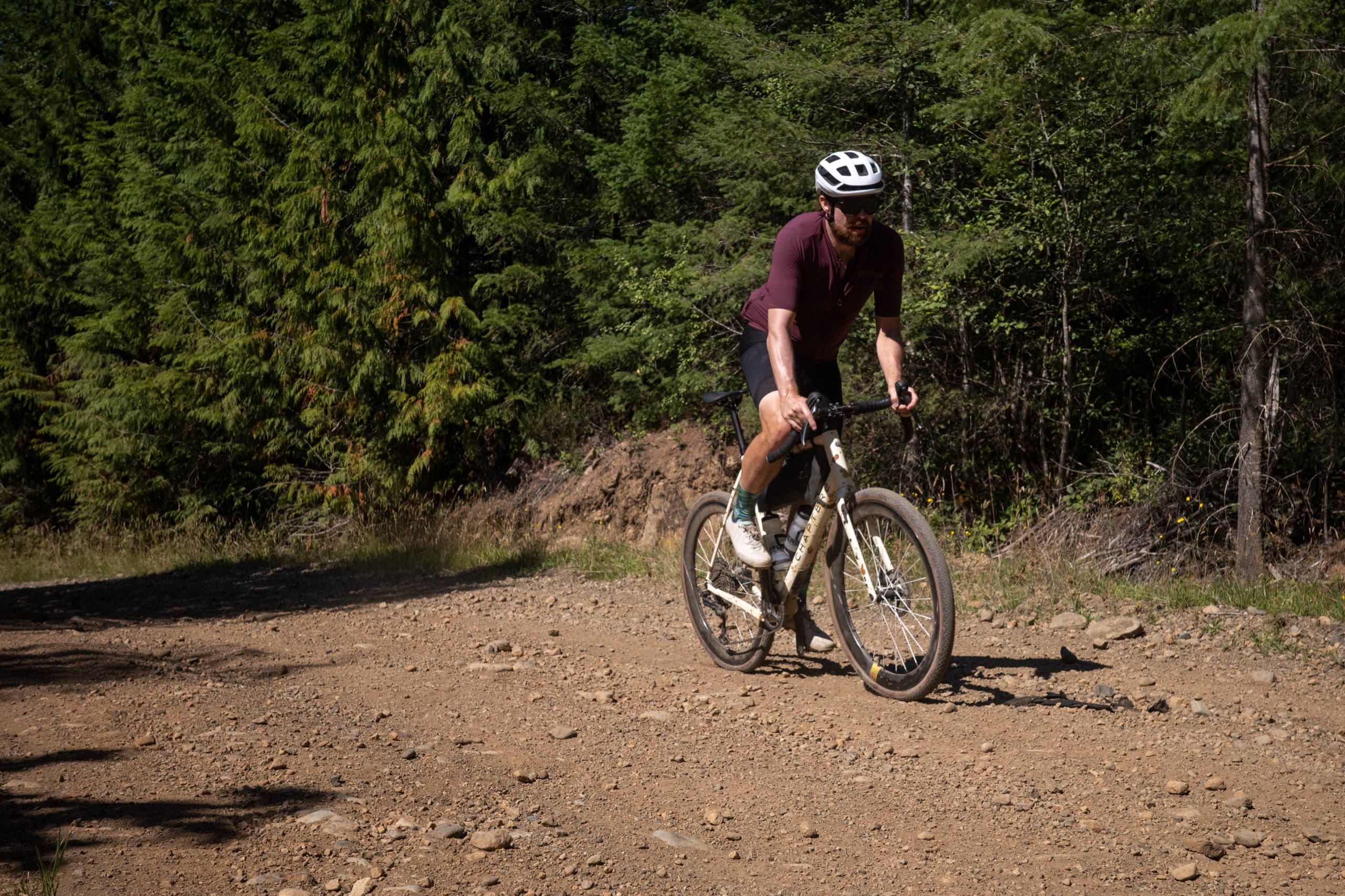
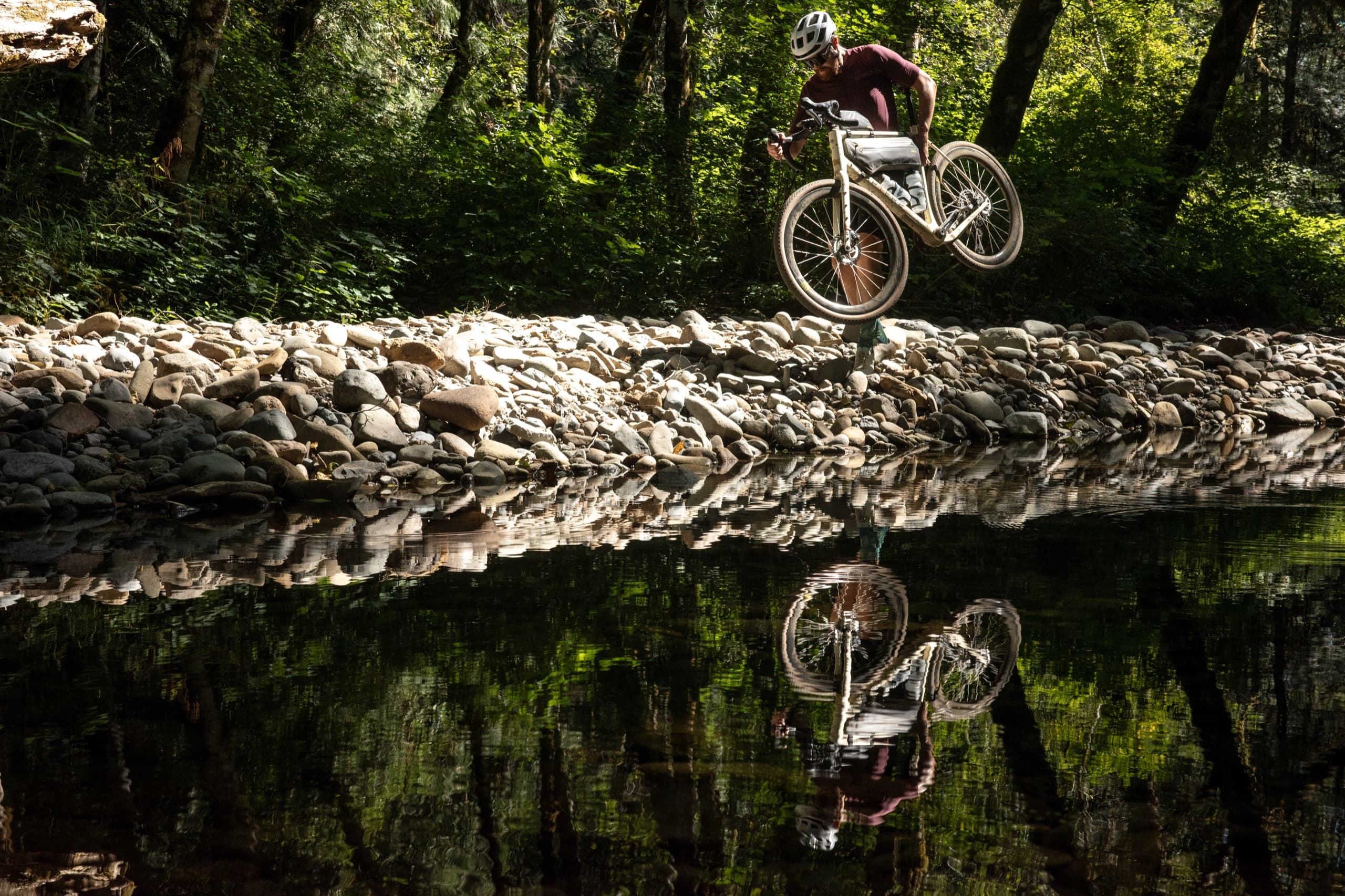
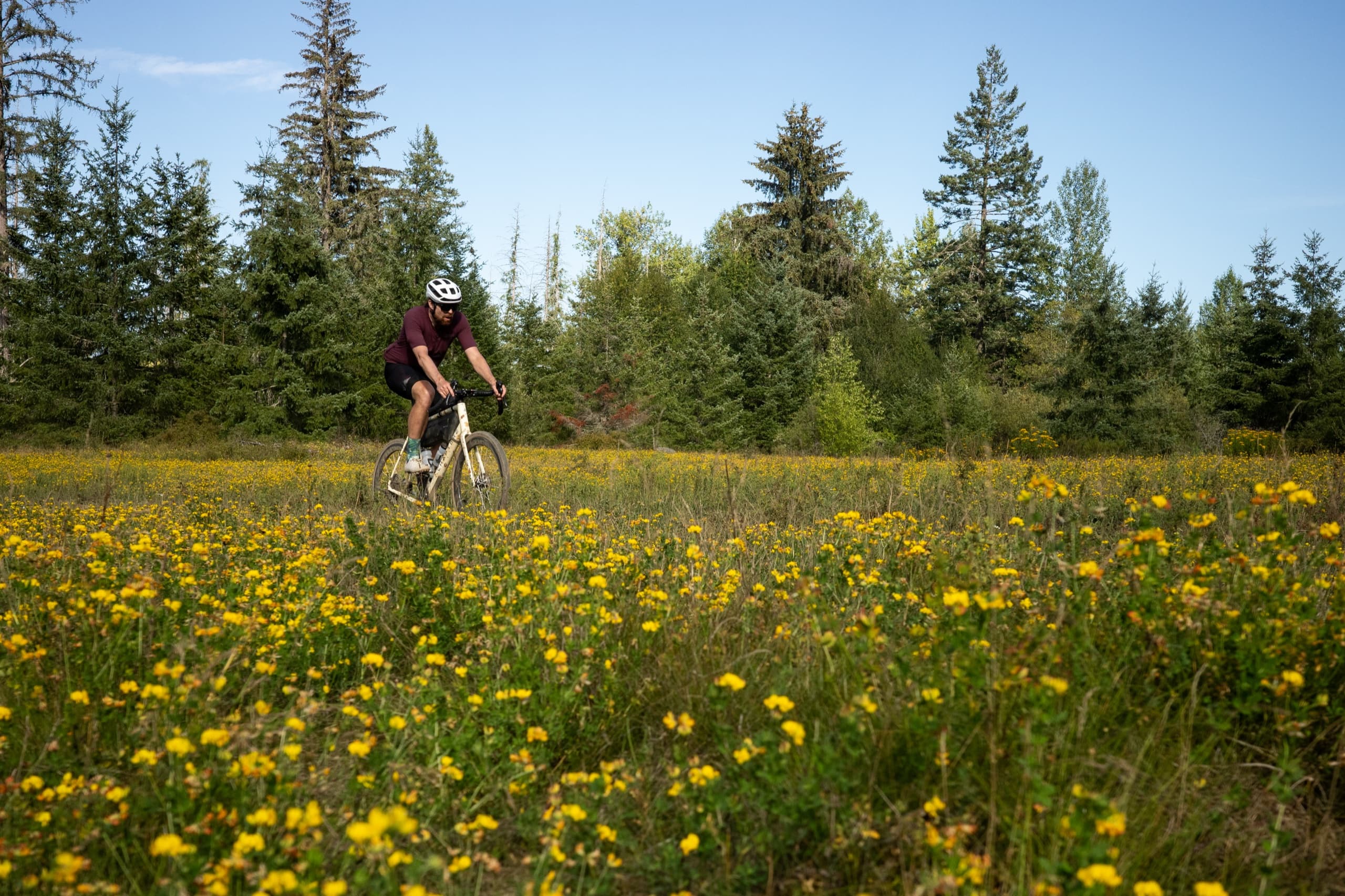
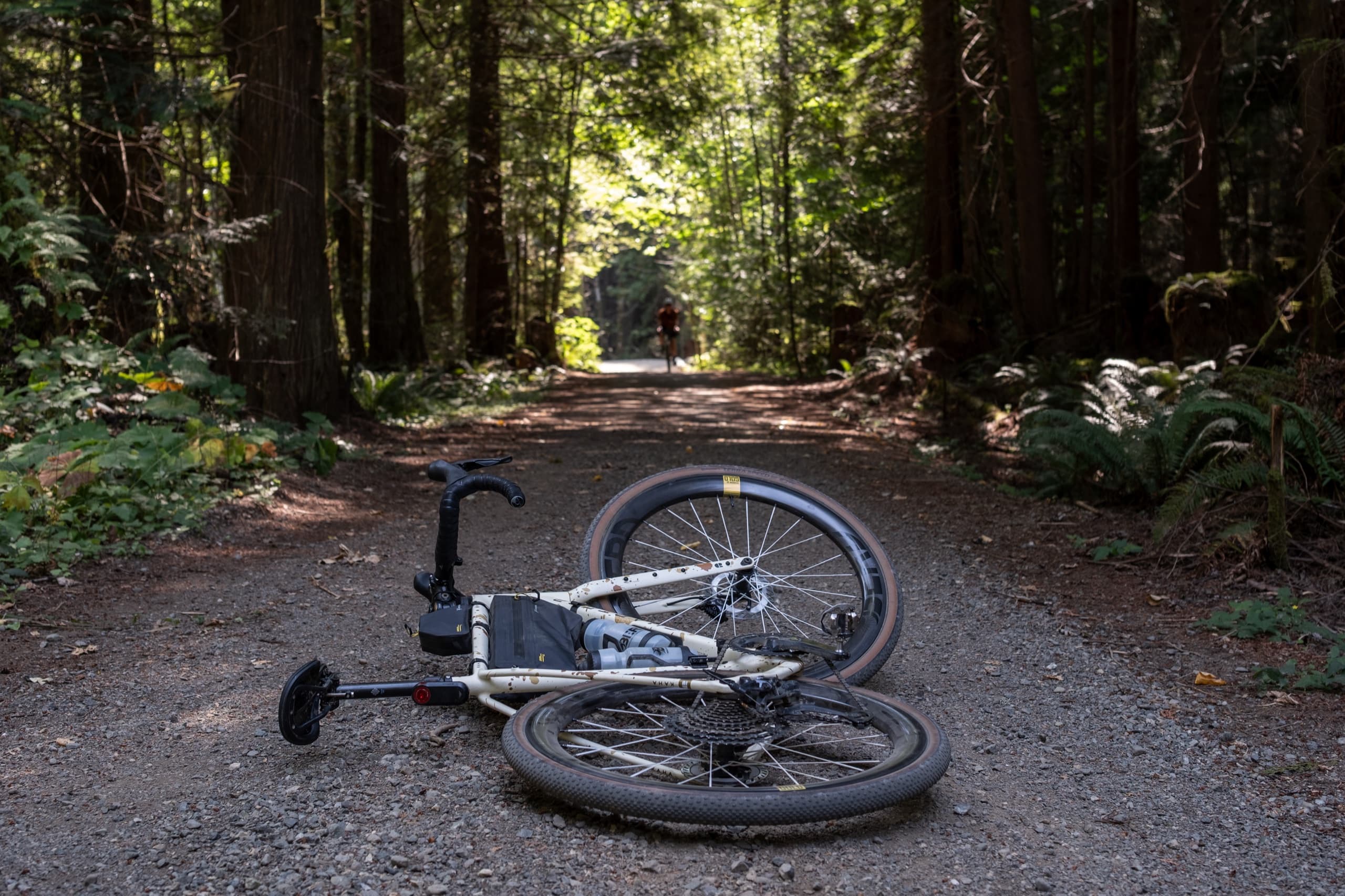
On that first ride, even though I felt like I was riding in the pain cave, I held higher average speeds than on many previous rides. As I got further into the ride, I set more PRs and shaved significant time off previous efforts. The wheelset truly felt like it made a difference.
Since that first ride, I've continued to test them on my favourite gravel loops closer to home. On every occasion, the vibration damping stands out. Descending the Buckley Bay Mainline, the wide gravel road is a washboard nightmare. The Berd wheels smooth it out so much that I found myself pedalling through corners rather than coasting through with my fingers hovering over the brakes just in case I lost traction.
With my 45mm front tire measuring close to 47mm, I'm running it at only 35 psi. On the rough descent to the Trent River crossing, it held its line and let me descend with more confidence. It also held traction through loose berms on the ATV track that links up to the Van West Road loop.
I've also been riding a lot of pavement this summer, on 40mm road tires installed on 45mm deep steel-spoked rims. I thought that felt smooth. Then I swapped over to the Sparrow 50 Gold. Even though I had ridden Berd spokes for most of the past year, it still surprised me on that first ride back. The Berd spokes cut out nearly all the road buzz. Even on gravel, I can feel there's less noise coming through the handlebars. Race pace, recovery pace, doesn't matter. It's smoother.
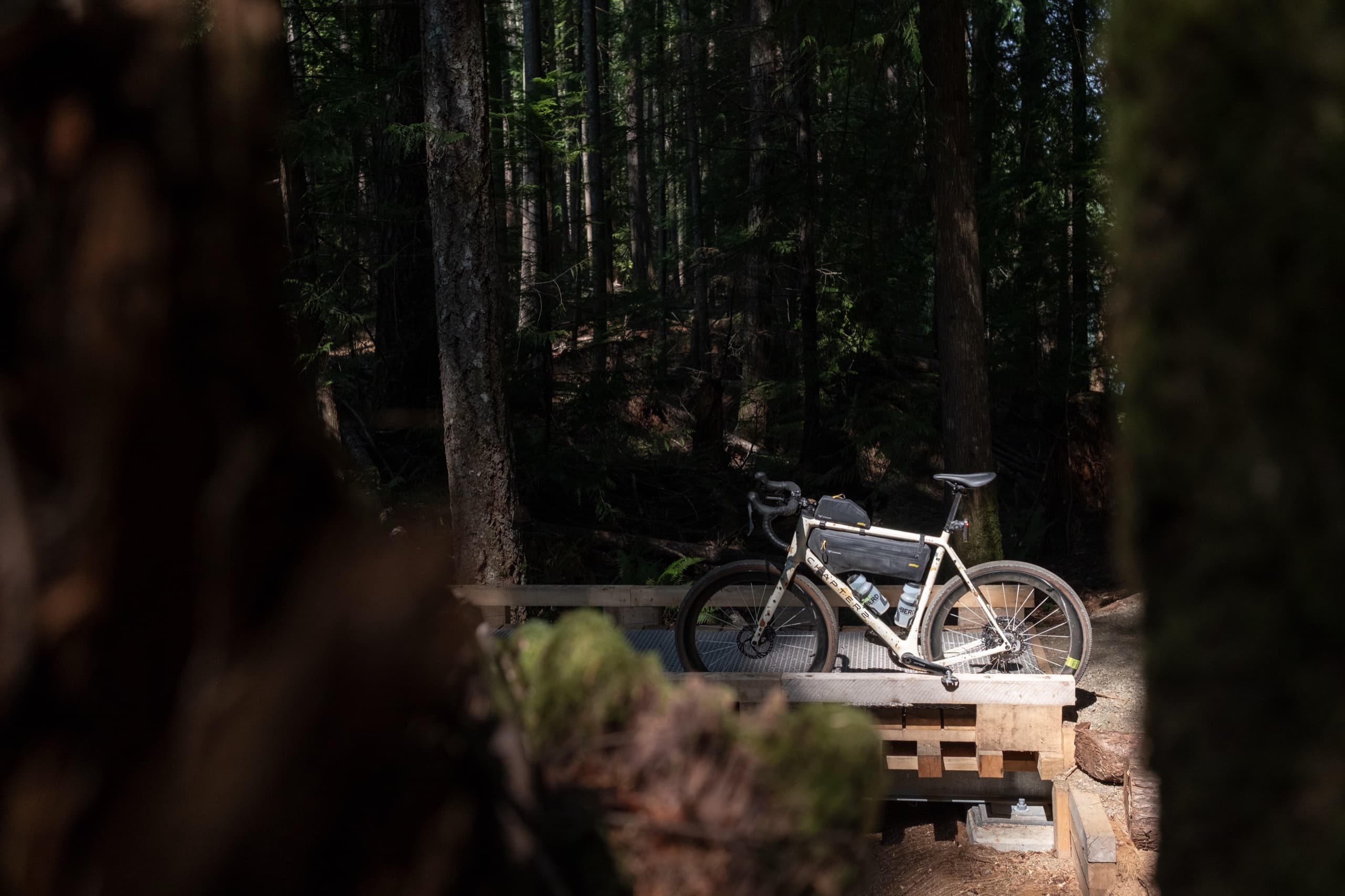
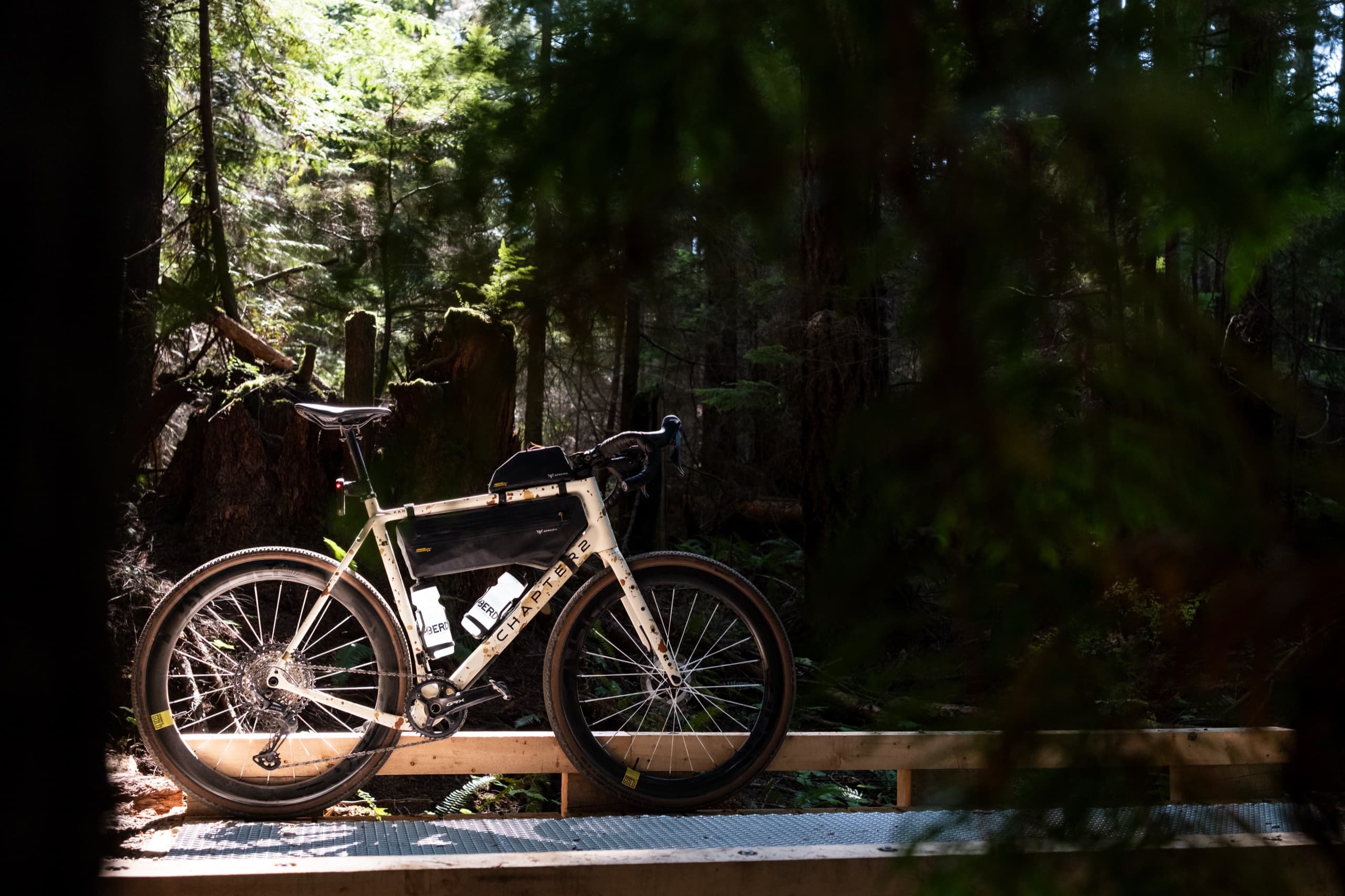
Beyond their performance, I've always just loved how deep carbon wheels look on a bike. Compared to the Sparrow wheelset, the Sparrow 50 Gold just screams speed. I know that isn't anything more than vanity, but I think it shows that a bike is built to be ridden fast. I know if I saw another bike with these posted up outside the Cedar Stand Coffee Company, I'd do a double take.
Swapping the rear tire for a 40mm Terra Speed has been a compromise. When I've ridden a few trail sections to connect different roads, I immediately notice the smaller tire. It doesn't like rough terrain nearly as much as I do. The issue is magnified because I am also forced to run it at higher pressures to avoid flats or rim strikes.
Because these rims are optimized for 40-60mm tires, I'm only scratching the surface of their potential. I have a new bike coming, which will be part of a dream build series for the site, and these wheels are heading to that frame. I cannot wait to try them with 29 x 2.20" Continental Dubnital tires. Maybe, if I am lucky, I'll find a way to test the 32" version, too.
Why I Know They're Fast
The dream of the easy story, installing "the world's fastest gravel wheelset" and immediately setting a PR, ended without the record. But I still learned a lot from chasing that time and analyzing the data. Those same details kept showing up in every test ride, too, from pavement to washboard. The vibration damping is impossible not to notice. It smooths every ride and that saved energy can be put into the pedals later. It's why I was setting PRs on segments at the end of my ride, even if I missed them on the earlier, longer segments.
These are race wheels first. Berd's numbers put the advantage over the original Sparrow at roughly 1-2 minutes over a 100km race, which is real if you're actually racing. If not, they're still fast and comfortable, but that gap to the original Sparrow is less critical. They're durable enough to go bikepacking and light enough to land on a climber's bike too.
With their 50mm deep profile and 30mm internal width, it's worth making sure your bike has the clearance to maximize their benefit. With a 47mm rear tire clearance, my Chapter 2 Kaha has a real limitation that these wheels found. I'm already itching to move them onto a new bike better suited to the 40-60mm tire recommendation.
The white paper shows that Berd didn't rush these to market. They tested them and made their claim. According to them, these are the fastest gravel wheelset on the market. Whether that's true, I don't know. I'm not really fast enough to find out, but neither are most of the people reading this. What I do know is that they feel fast. And the vibration damping is real, which I noticed immediately.
Any sufficiently deep wheel will get you some aero benefit, if you're riding fast enough to feel it. Berd is the only one I've ridden that pairs that with damping you feel at any pace, on any ride. I know I'll keep riding these as I land more PRs, because with these wheels there isn't enough washboard on Vancouver Island to make my hands go numb anymore. That's why I trust the nerds.
Pros
- Lifetime crash replacement warranty.
- Berd spokes have proven reliable over more than a year of testing on the original Sparrow wheelset, with no durability issues.
- At 1,298 g, they're the lightest 50mm deep wheel on the market.
- Vibration damping is immediately noticeable, whether at race or recovery pace.
- The wheels look flat-out fast.
Cons
- Not cheap: the 29-inch version costs $3,322 CAD ($2,395 USD), while the 32-inch version costs $3,460 CAD ($2,495 USD).
- The 30mm internal stretches tires wider than their labeled size, creating issues on bikes with limited tire clearance.
- Performance benefits are most noticeable at race speeds few riders can sustain.