Berd Sparrow Carbon Wheels vs Patagonia: The Real Test


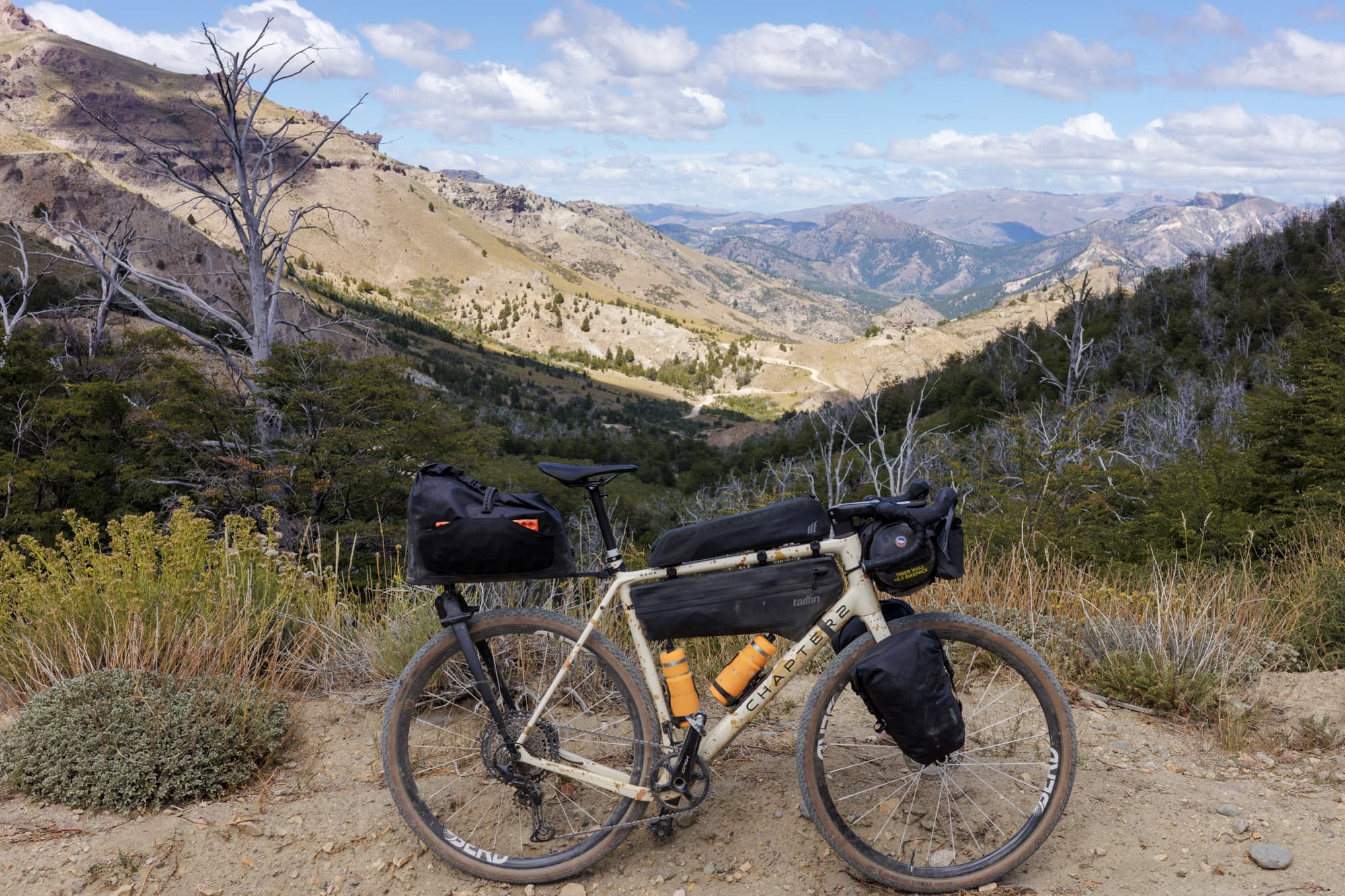
After interviewing Berd co-founder and CEO Charlie Spanjers, I was eager to swap out my 45-mm deep carbon wheelset to test the more compliant Berd Sparrow Carbon Wheelset. My initial reactions were positive, yet the switch didn't come without its growing pains. My month-long bikepacking trip through Patagonia was always going to be the real test, and the one most likely to answer whether a bigger rider can trust these wheels loaded far from any repair service.
Unanswered Questions Before I Left
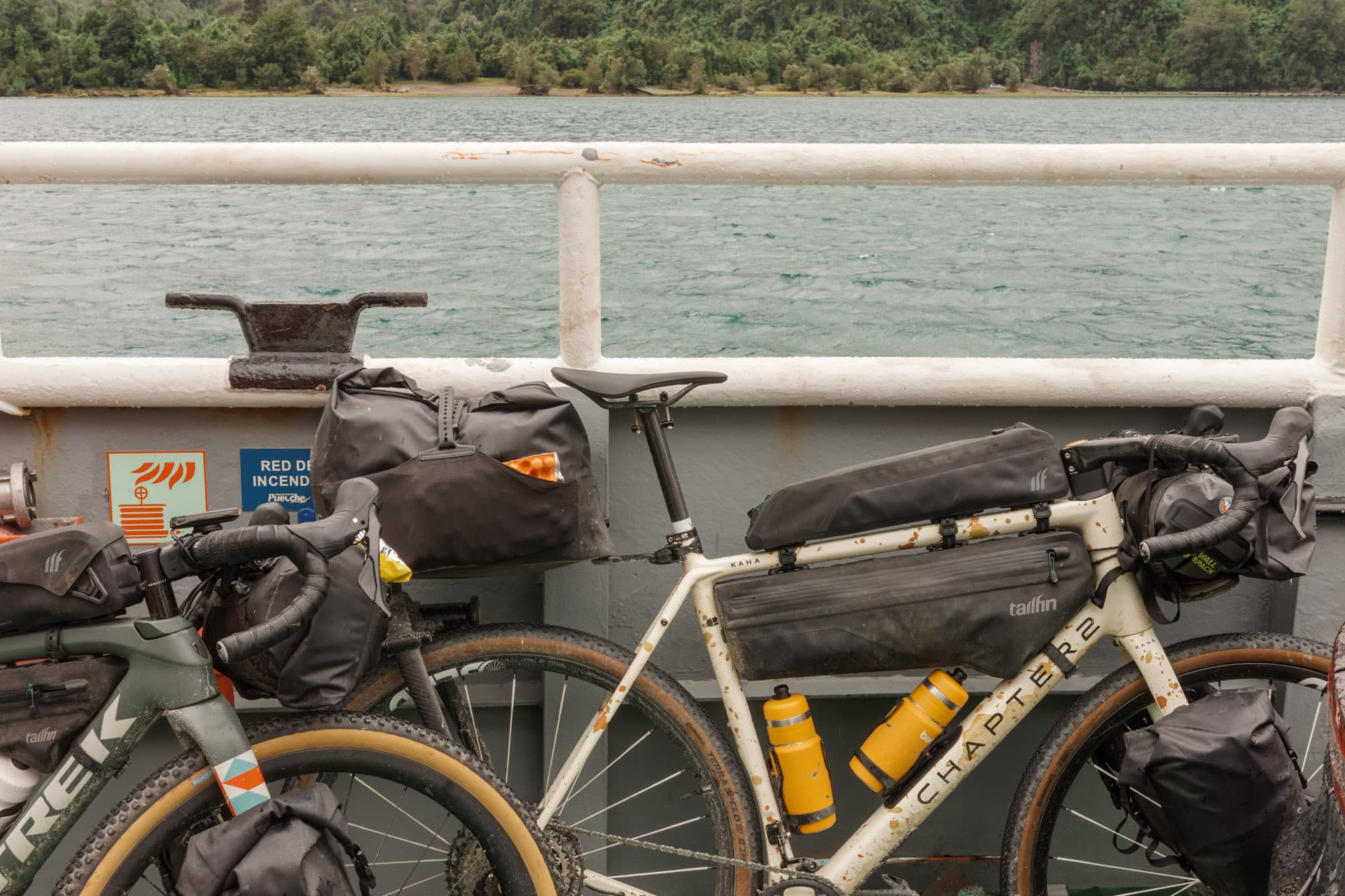
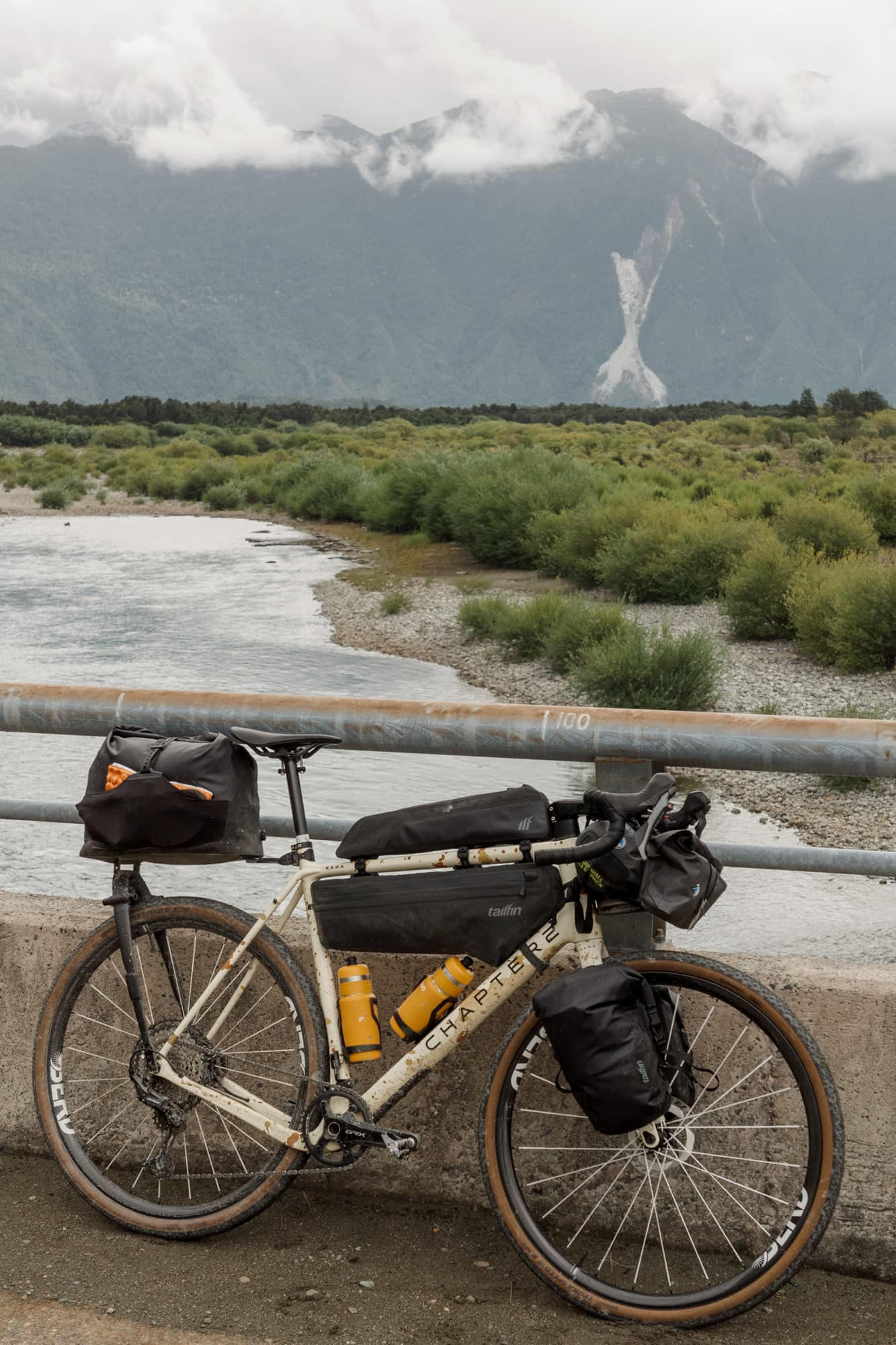
Knowing we would be precariously under-biked in Chile and Argentina, where most bikepackers opt for a hardtail rather than a gravel bike, I swapped out the 40mm rear tire for a matching 45mm before we left.
While a 250 lbs weight limit sounds generous, I never have much room to negotiate. Before departure, I was down to 190 lbs, my lightest in years. But the number goes up from there. Factoring in the bike weight, my bikepacking bags, and required gear, the total weight came in at just under 240 lbs. This stayed comfortably below the wheelset's limit, and, thankfully, just under the 220 lbs rider and gear limit of my frame.
I decided to check with Charlie about the specifics, anyway, as almost anyone riding an XL frame will naturally be close to this limit when packed for a larger trip. He was rather reassuring, pointing out that suggested weight limits are less about consistent weight on the bike, and more related to the potential impact forces that can be achieved going over drops with larger riders.
"Eventually, the impact can exceed the impact strength of the rim and cause failure," said Charlie. "If you're not hucking it over jumps with all of your gear, I don't have any concerns with exceeding the weight limit."
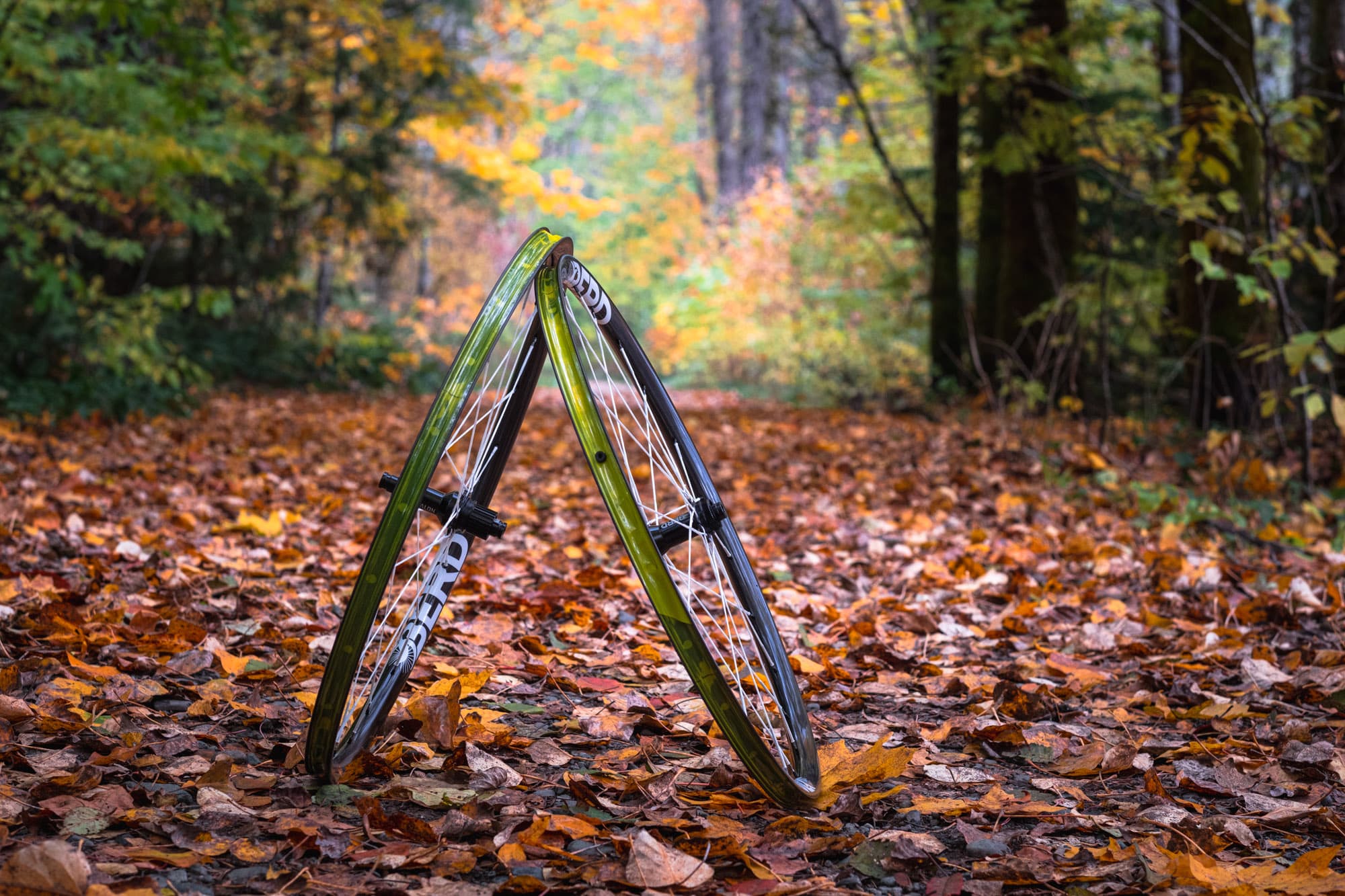
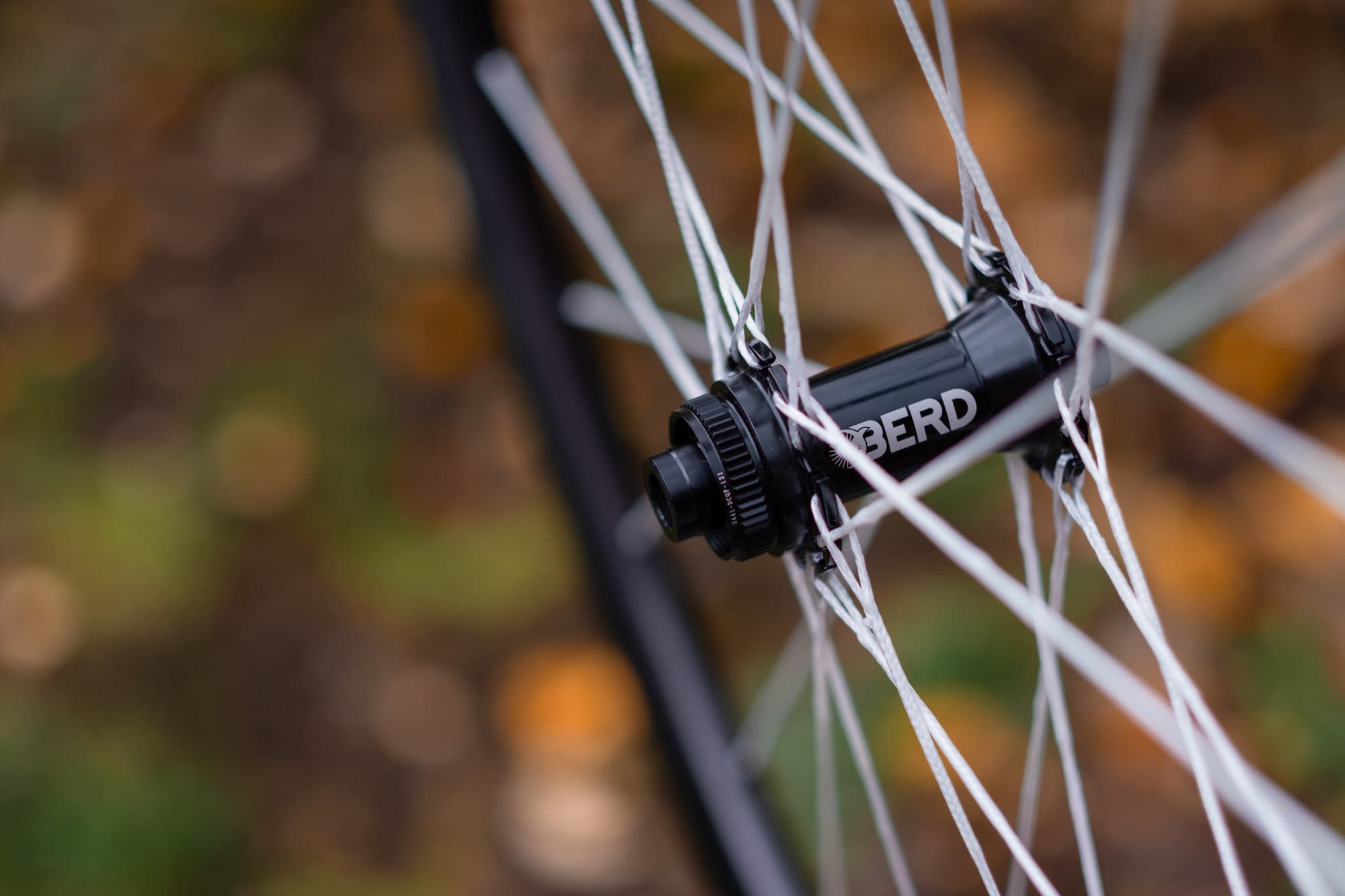
With the weight limit dealt with, my biggest concern was confidence. Transitioning to the Berd wheels had been largely positive; however, it wasn't without issue. I had to have the wheels trued on three occasions. Something didn't feel right, but I kept coming back to what Charlie had said about how it would almost always be a defective nipple rather than a spoke issue.
After exchanging a few emails, Charlie and I decided my wheels needed a complete rebuild, replacing the Sapim nipples. I didn't have time to send them back to Berd, so we had Western Bike Co, a Berd partner located in Cumberland, do the job.
By the time the repair was completed, I only managed a few short test rides before I had to decide if I would trust the wheels in Patagonia. Ultimately, I decided to give it a shot; the nipples had failed, not the spokes, which was an easy fix. Because I wasn't worried about the spokes themselves, I merely packed the Berd spoke holding tool that would allow me to true by hand if necessary.
Patagonia Doesn't Care About Your Gear
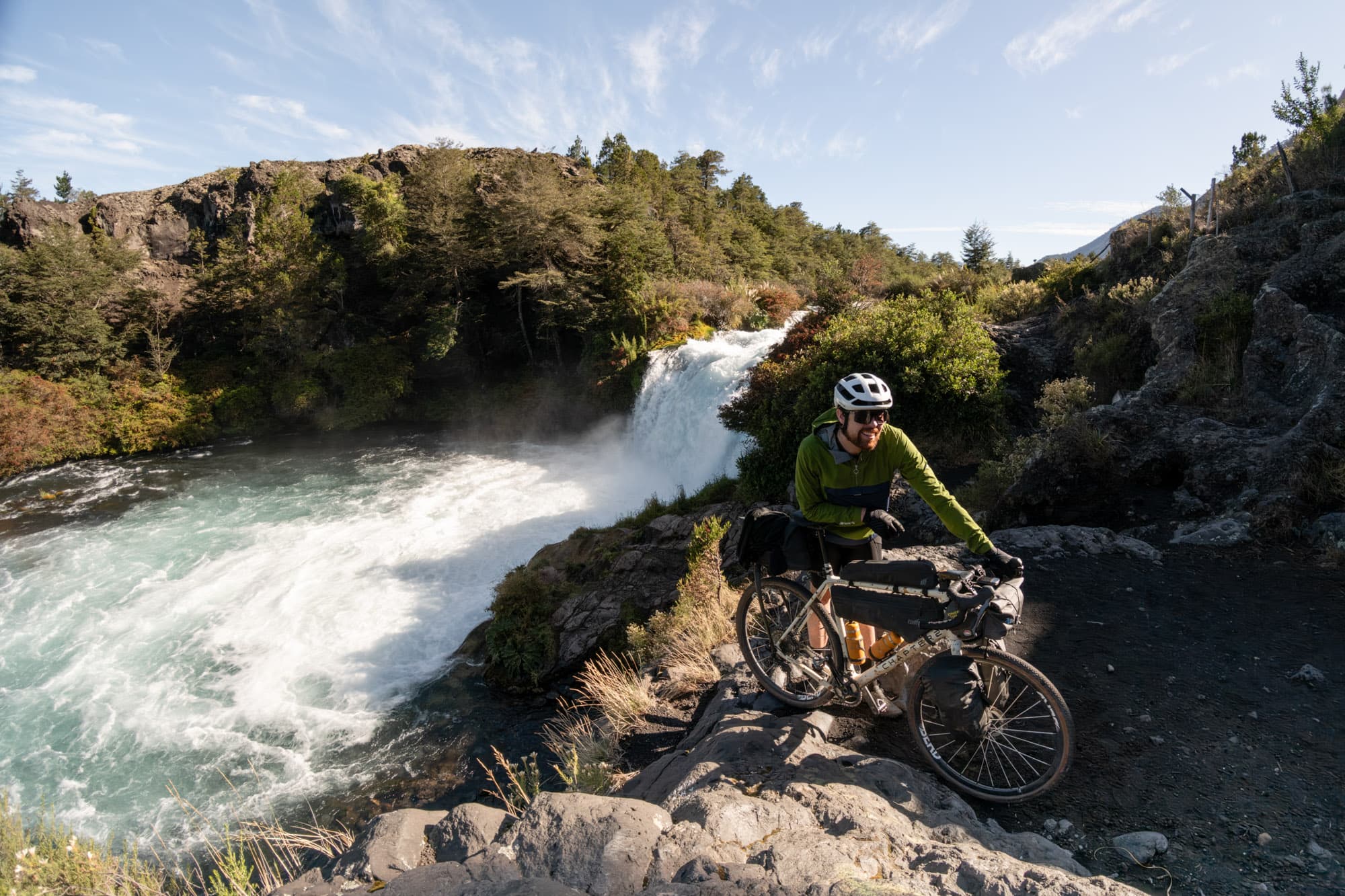
Back in 2020, Ainsley and I cycled the Carretera Austral, riding from Osorno to Villa O'Higgins, before ferrying across Lago O'Higgins and into El Chalten, Argentina. We escaped just before the Covid lockdowns would have kept us there and we've been dreaming of returning ever since.
Having already completed the classic Patagonia route, we mapped an ambitious loop piecing together sections of the Patagonia Beer Trail, Dirt Touring Araucania routes and a seldom-biked Paso Puelo border crossing that required a hike-a-bike published by High Lux Photo. The route was brutal. We had 22 days to cycle 1,200 km and climb nearly 20,000m.
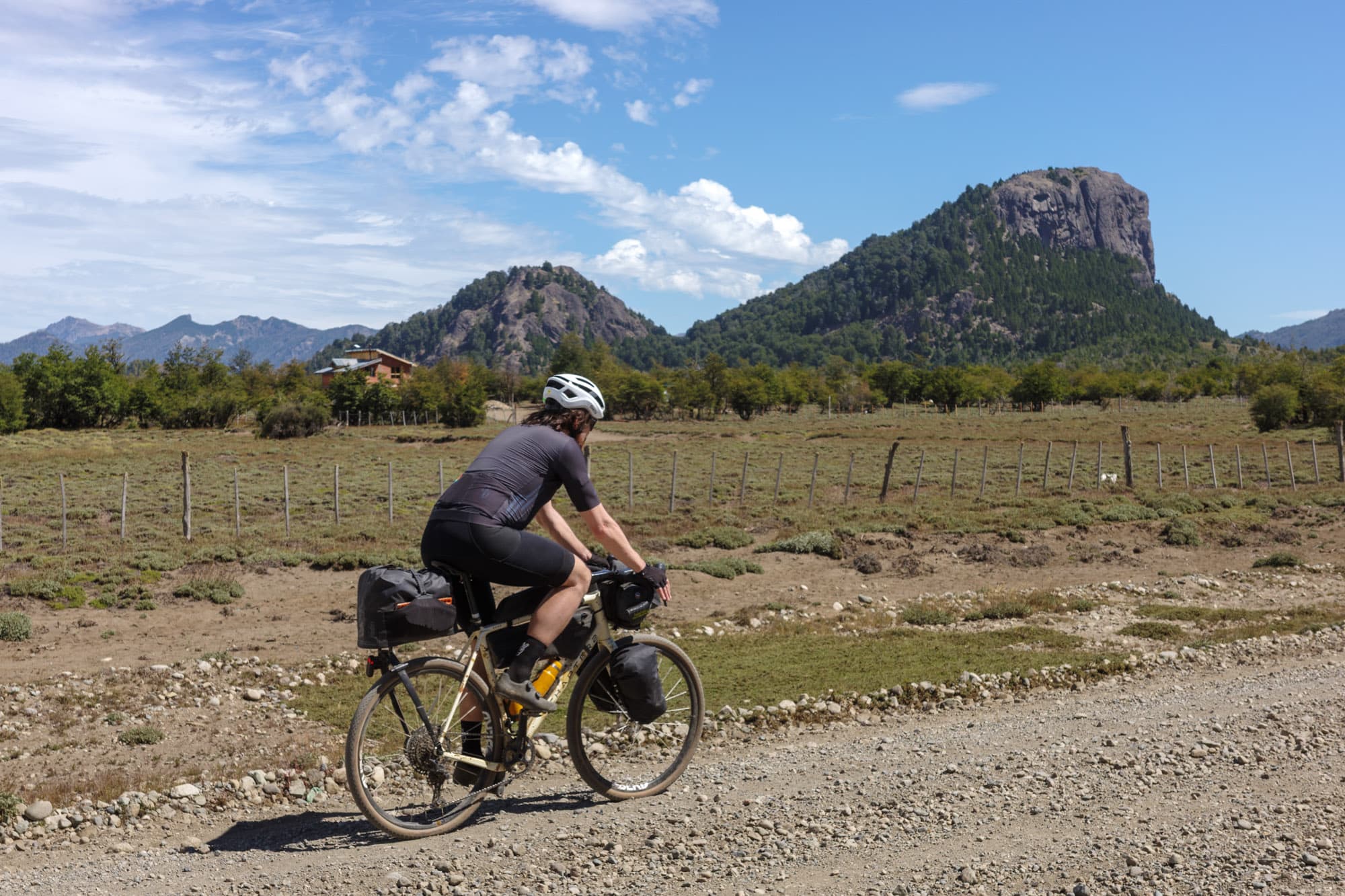
Because of our route, it wouldn't take long to find out if the fix had worked. This was the first fully-loaded ride on the wheels since the rebuild, and by day two, we'd left the pavement behind. As we climbed the Puelo Valley, we soon learned the grader rarely takes the ferry across Lago Tagua-Tagua. The road soon deteriorated into a mess of loose rock and washboard as we approached Llanada Grande. The wheels were doing exactly what I knew they would. They smoothed out the worst of the vibrations, yet still felt stiff enough to hold my riding line despite the heavily loaded bike.
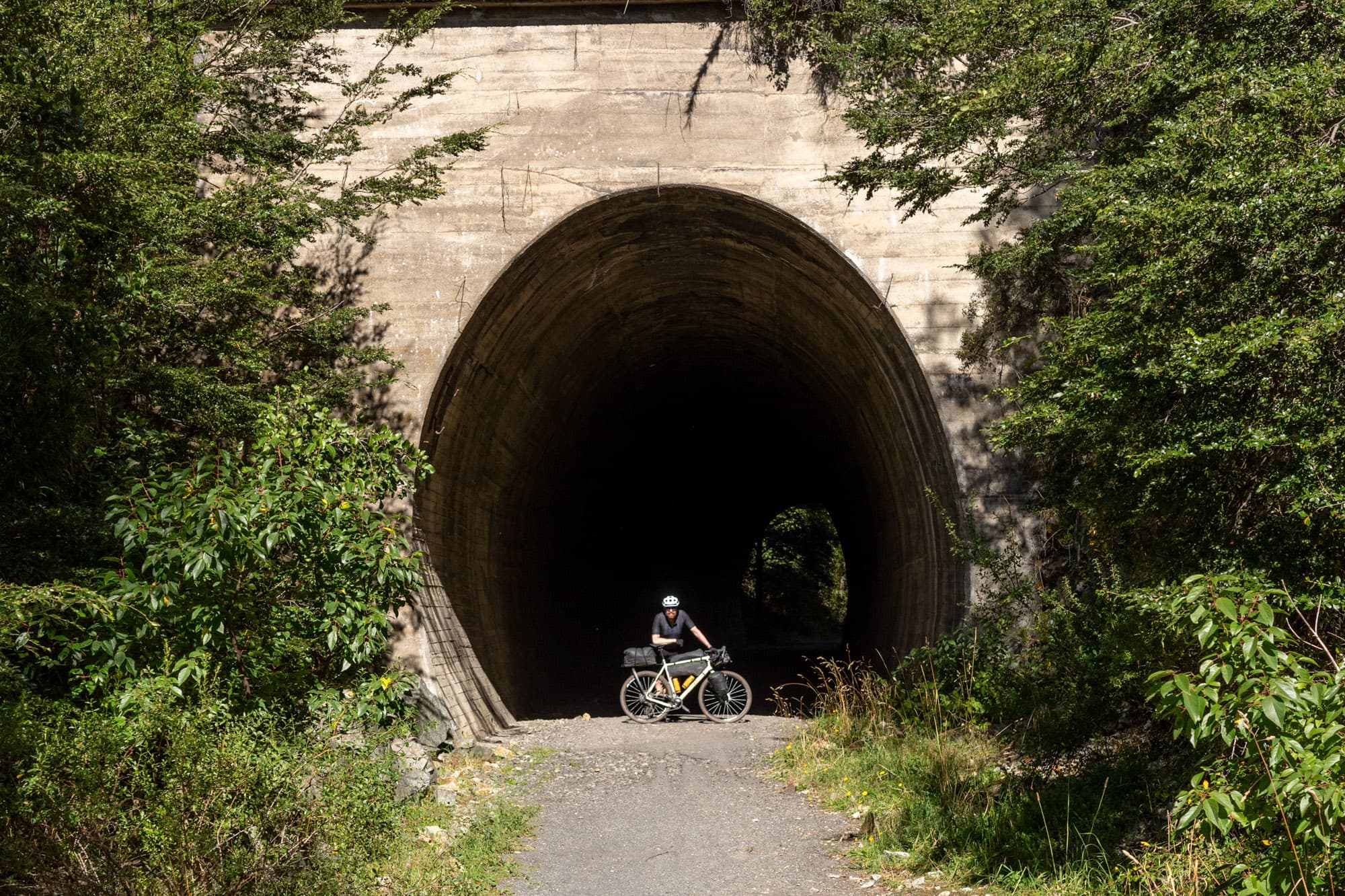
By noon the next day, we'd left roads entirely, crossing the border and transitioning into the brutal rocky singletrack in Lago Puelo National Park. It was only 20 kilometres, and I might have carried my bike for half of it, but this is exactly where things could go wrong. The singletrack was so steep and rocky, there wasn't much chance to be careful. We didn't have enough food to spend another night, and the border posts require you to exit Chile and enter Argentina the same day. We had to keep moving.
When we hit the pavement in El Bolson, Argentina, I knew I could finally trust their durability. After the truing sessions and a full rebuild before we'd left Vancouver Island, it was finally time to focus on their performance across the next three weeks. We still had every condition to look forward to. Soft, sandy roads begging for plus-sized tires, rocky double tracks warranting suspension forks, and roads carving straight through volcanic rock.
Bikepacking: Why Berd Wheels Feel Better
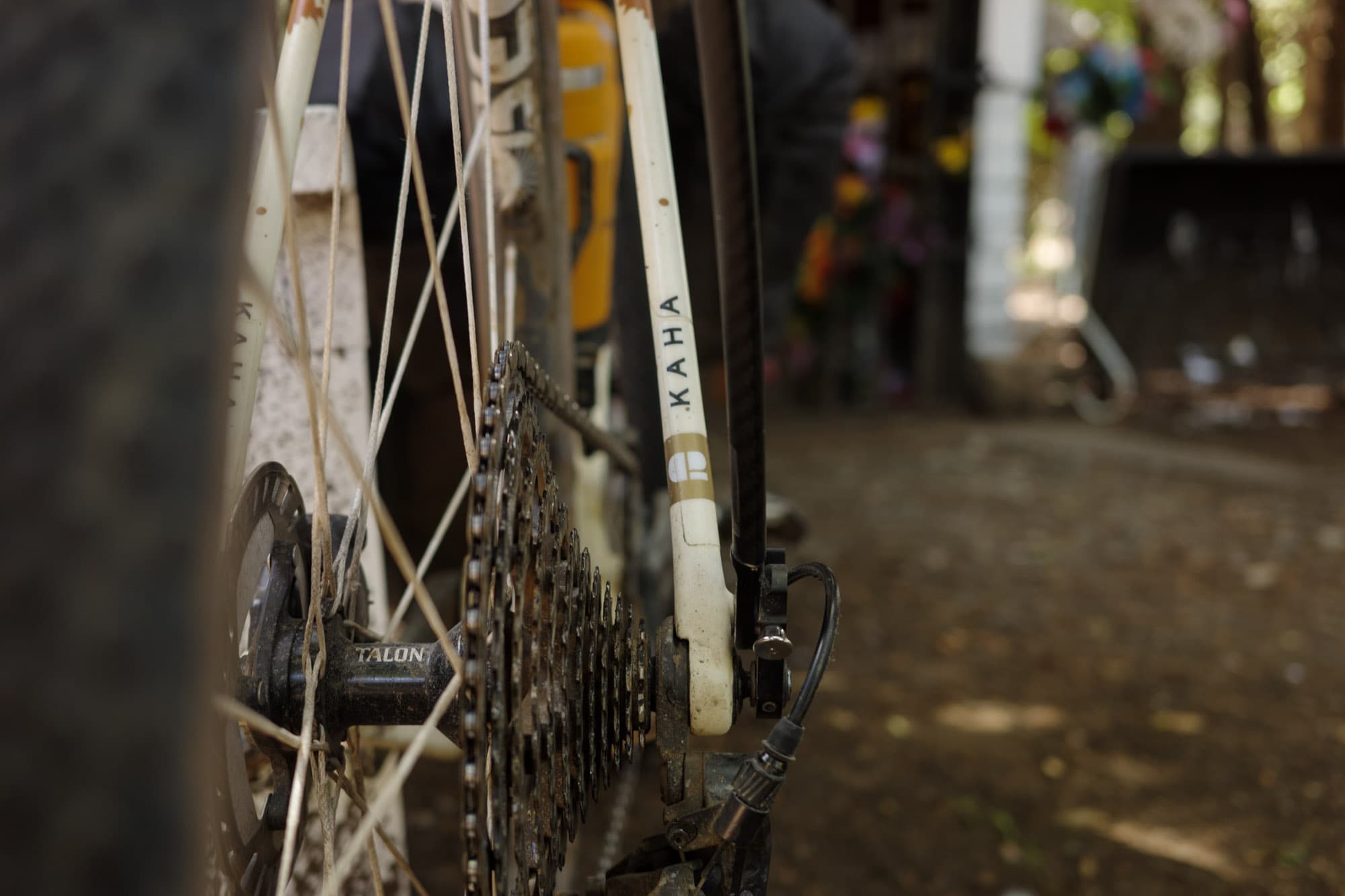
As I discovered on my first rides at home in Cumberland, BC the Berd Sparrow Wheels are compliant. The dyneema spokes also erase vibration, smoothing the ride on any surface. In places where a gravel bike can sometimes feel skittish, like bombing down a hill into a washboard turn, the wheels helped the tires grip and the bike held its line.
Fully packed for my bikepacking trip, I wondered if the wheels would feel stiff enough or if the extra weight would tip the compliance into an unstable ride. I gained comfort and confidence as the days passed, until suddenly, I wasn't even thinking about the wheels. When I crossed the top of Paso Cordoba, I wasn't worried. I simply let the bike fly downhill towards Villa Meliquina and enjoyed the incredible scenery that blended the arid desert-like Pampas with the Andes.
Just like at home, the wheels performed. They reduced the vibration, kept the bike planted, and smoothed out the worst of the terrain.
What Simple Test Rides Could Never Show You
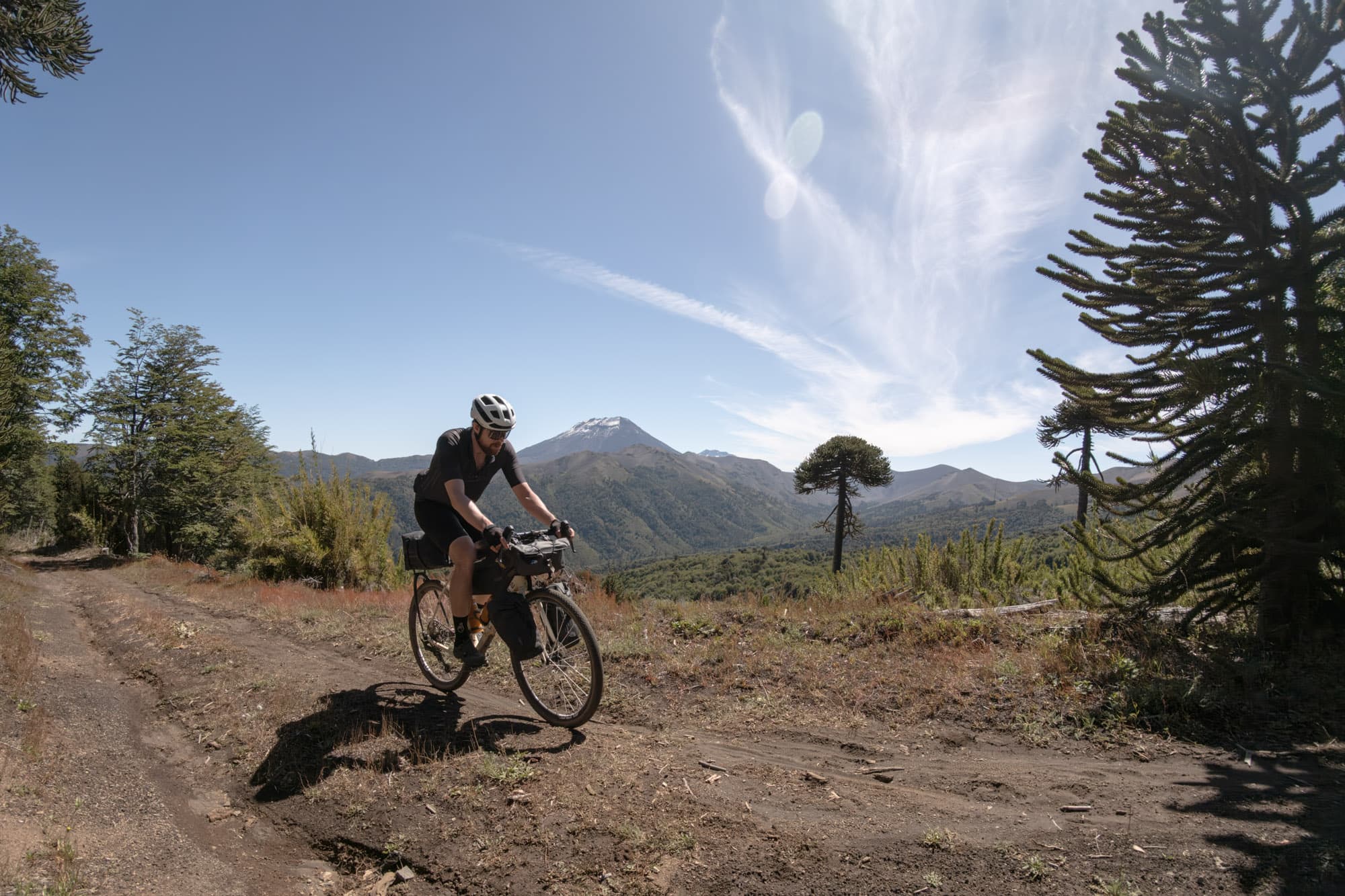
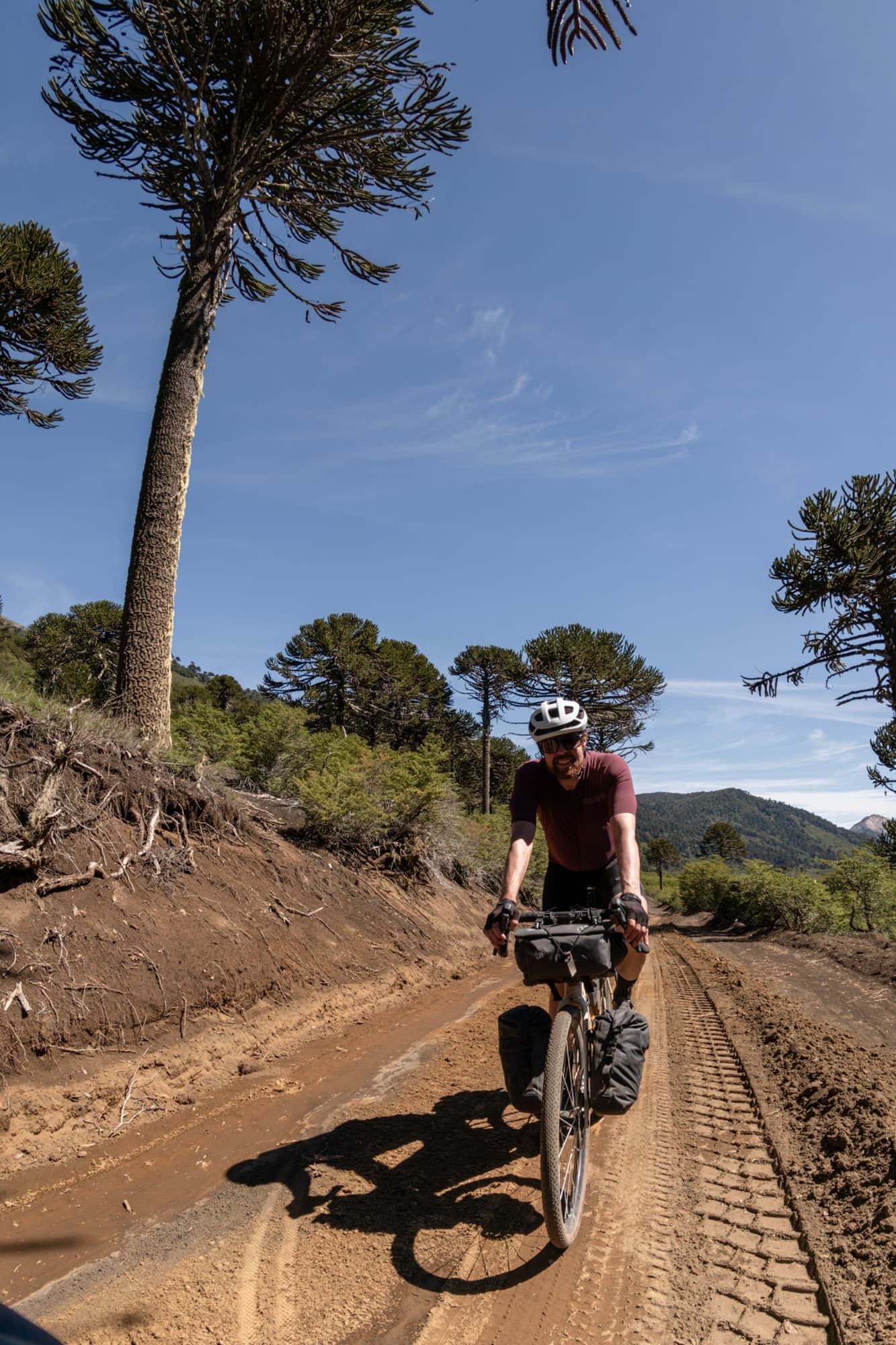
Weeks later, we were back in Chile and we'd transitioned from the Lakes Region to the Araucaria Region, where old growth monkey puzzle trees and volcanos highlight the route. It was also the hardest stretch of the entire route. The longest climbs, the most teeth-chattering gravel, and the same unrelenting and unseasonably hot weather lay ahead.
The stand-out ride was from Melipueco to Lonquimay, around Sierra Nevada and through China Muerta National Reserve. It was the first point on the trip to reach over 1500m. The steep climb was oddly smooth and we were soon daydreaming about finishing the ride early. No sooner had we summited the climb, than the hope was dashed.
The road had just been graded, but not to our benefit. It was now smooth, yet soft sand made for a challenging ride. It felt like a cyclocross race. We had to hold a firm grip on the handlebars and battle to hold a straight line. Luckily, the landscape was incredible. It felt like a Dr. Suess book, with Monkey Puzzle trees in every direction, so it didn't bother us to watch our average speed plummet.
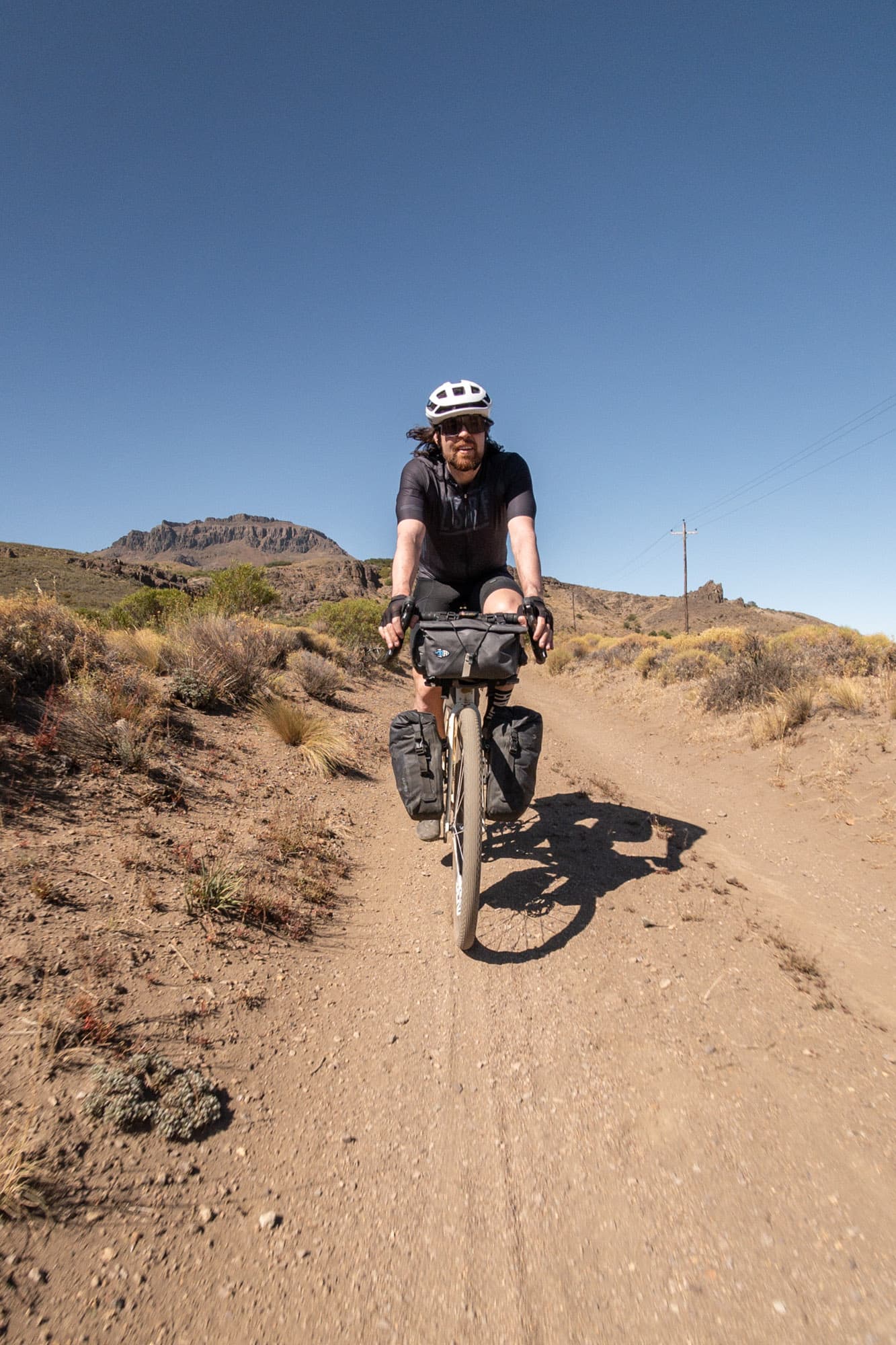
Hours later, we finally left the gravel and crossed onto a paved bike lane that led into Lonquimay. It was the first time we could truly relax all day. We'd either been climbing, fighting through soft sandy roads, or bouncing on rough washboard since breakfast. Somehow, this is where I realized why this trip felt different. I could still feel my hands.
Ever since riding the Tour Divide, more than 10 years ago, I have suffered from hand numbness on long bikepacking trips. Like many ultra-distance riders, my ulnar nerve gets crushed and my pinky and ring fingers go numb. The problem has only gotten worse, too, since breaking my arm and my hand. Three weeks in, my hands were still fine. The only recent change to my setup? The wheels.
The Reality of Bikepacking with Berd Wheels
When we first arrived in Chile, I tucked the Berd spoke holding tool into my in-frame storage pouch. Three weeks later, after more than 1200 kilometers, it hadn't moved.
The wheels held up without issue. After focusing on them for the first few days, they slowly drifted into an afterthought. The worry about the replaced nipples and rebuild and their ability to endure a rough bikepacking trip slowly drifted from my mind.
Yet, when I reflect back on the trip, I still feel somewhat lucky. Dyneema spokes might be stronger than steel spokes, but they can break. Their enemy, beyond a pair of scissors, is abrasion. The crossing between Chile and Argentina, in particular, was higher risk. I was pushing through a rocky hiking trail and the whole bike definitely spent some time being rubbed against thorns and brush. Nothing happened, but still, I should have carried spare spokes.
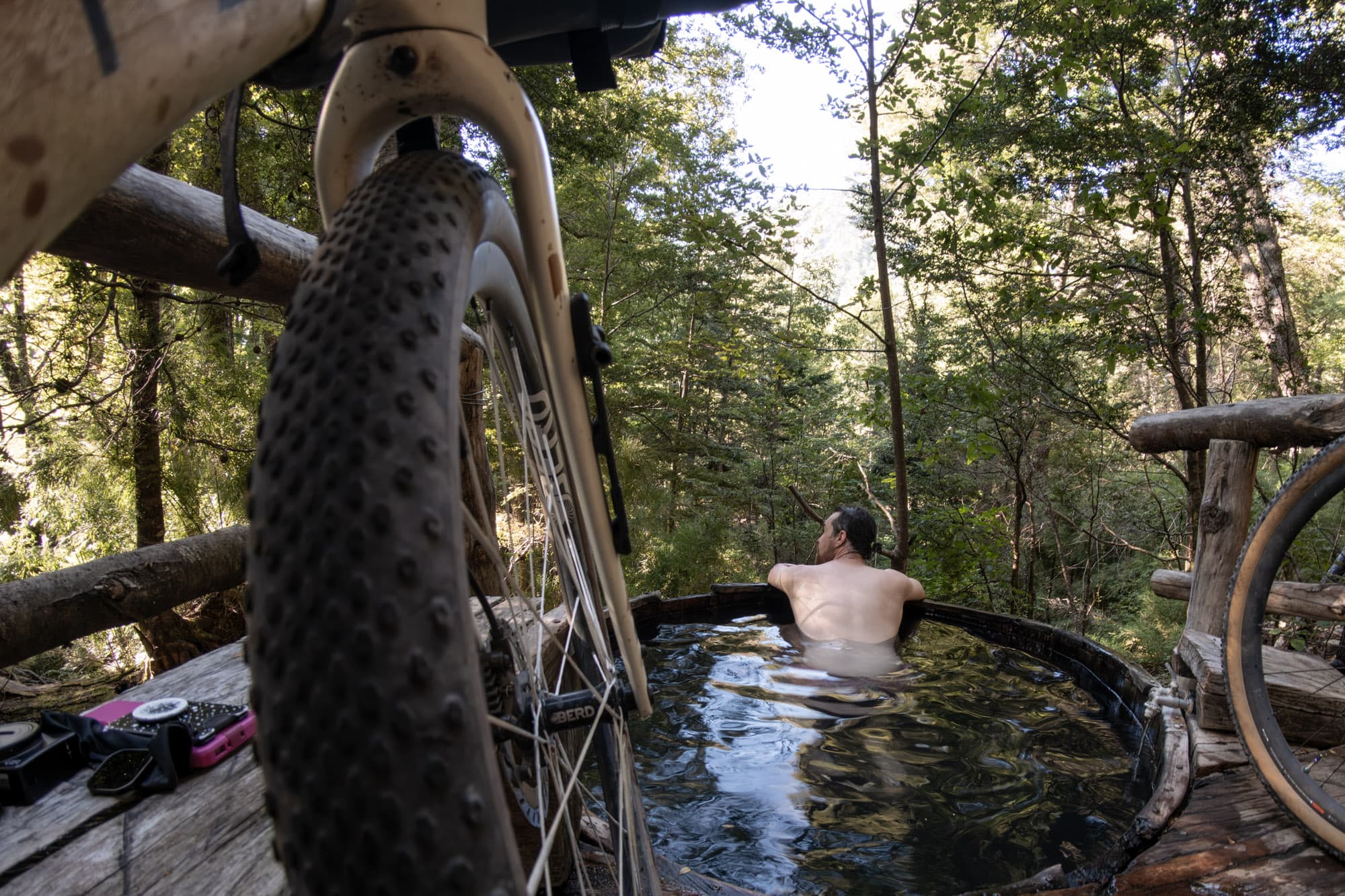
And beyond carrying spokes, I either need to learn how to replace them myself or I need to reconsider when and where I ride the Berd Sparrow wheels. Anywhere in North America or Europe is probably fine. There are plenty of shops that can service them, plus parts availability wouldn't be the biggest challenge. In Chile and Argentina, that would have been different. If I had broken a spoke, it could have been a trip ending issue.
Conclusion
It boils down to two distinct questions: would I trust these wheels on any bikepacking trip and do their benefits justify the cost?
The first answer is easy. I just had my bike loaded to its capacity and pedalled it through some truly challenging terrain for three weeks with zero issues. Unquestionably, these wheels are as durable as any comparable steel-spoke wheelset. The reality is wheels and spokes can break, so if I were traveling a remote route with these in the future, I would make sure to carry spare spokes and know how to install them on the hub.
After a few months testing in Canada and a long bikepacking trip, I also know the wheels perform wonderfully. The most notable improvement is the vibration reduction. Road noise simply disappears. They're also compliant without being too noodley, which adds traction, without losing power.
Their light weight is noticeable, too, whether accelerating for a KOM unloaded or settling into an hours-long climb in a bikepacking trip. It's more than removing 500g from the bike's total weight. Reducing rotational weight has a disproportionate benefit compared to lightening the overall load.
The benefits don't come cheap. At $2195 USD ($3158 CAD), they aren't for everybody. But if you're building a dream bike, and appreciate innovative products with clear benefits, Berd has earned a place on any serious build list.
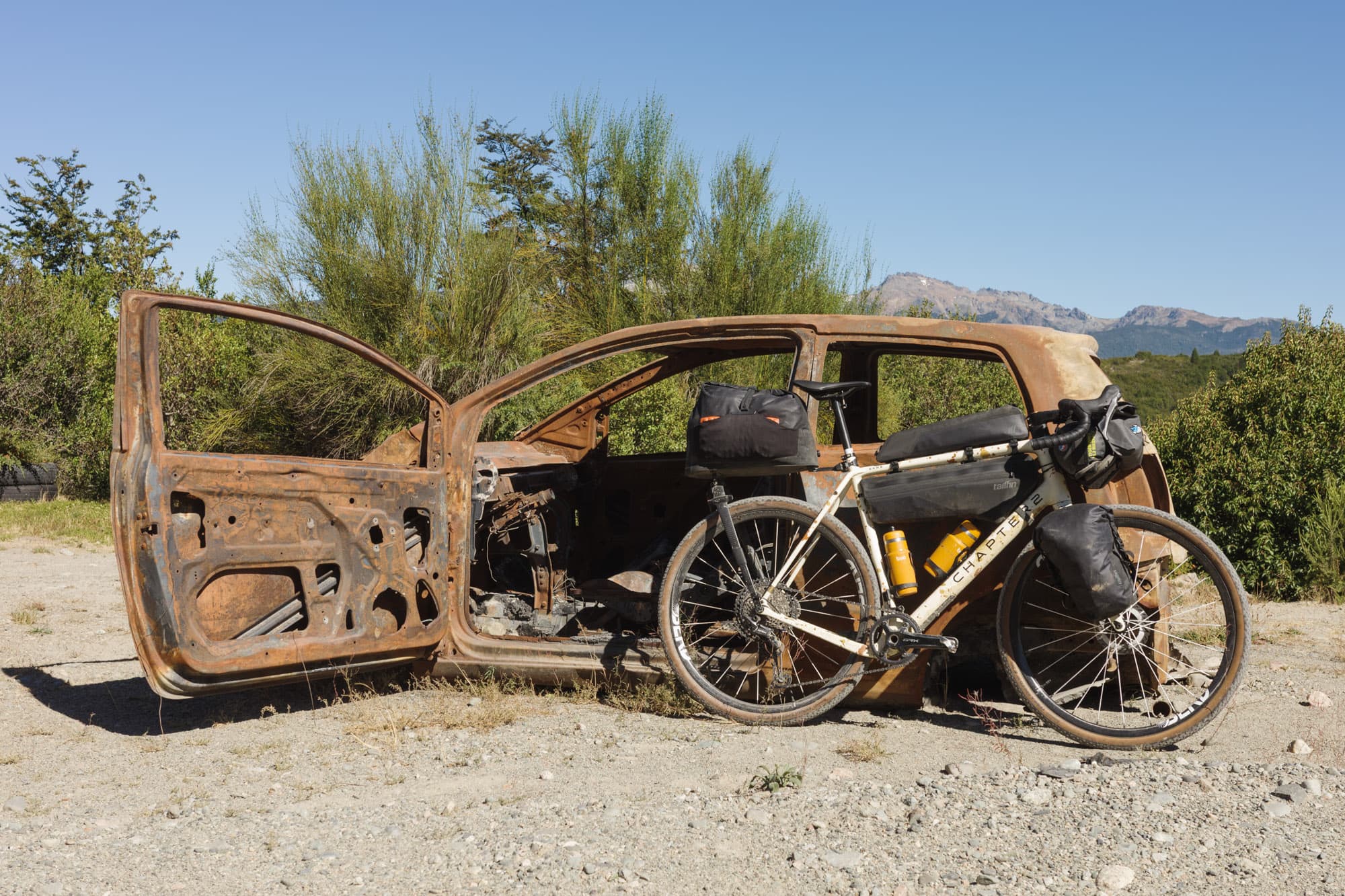
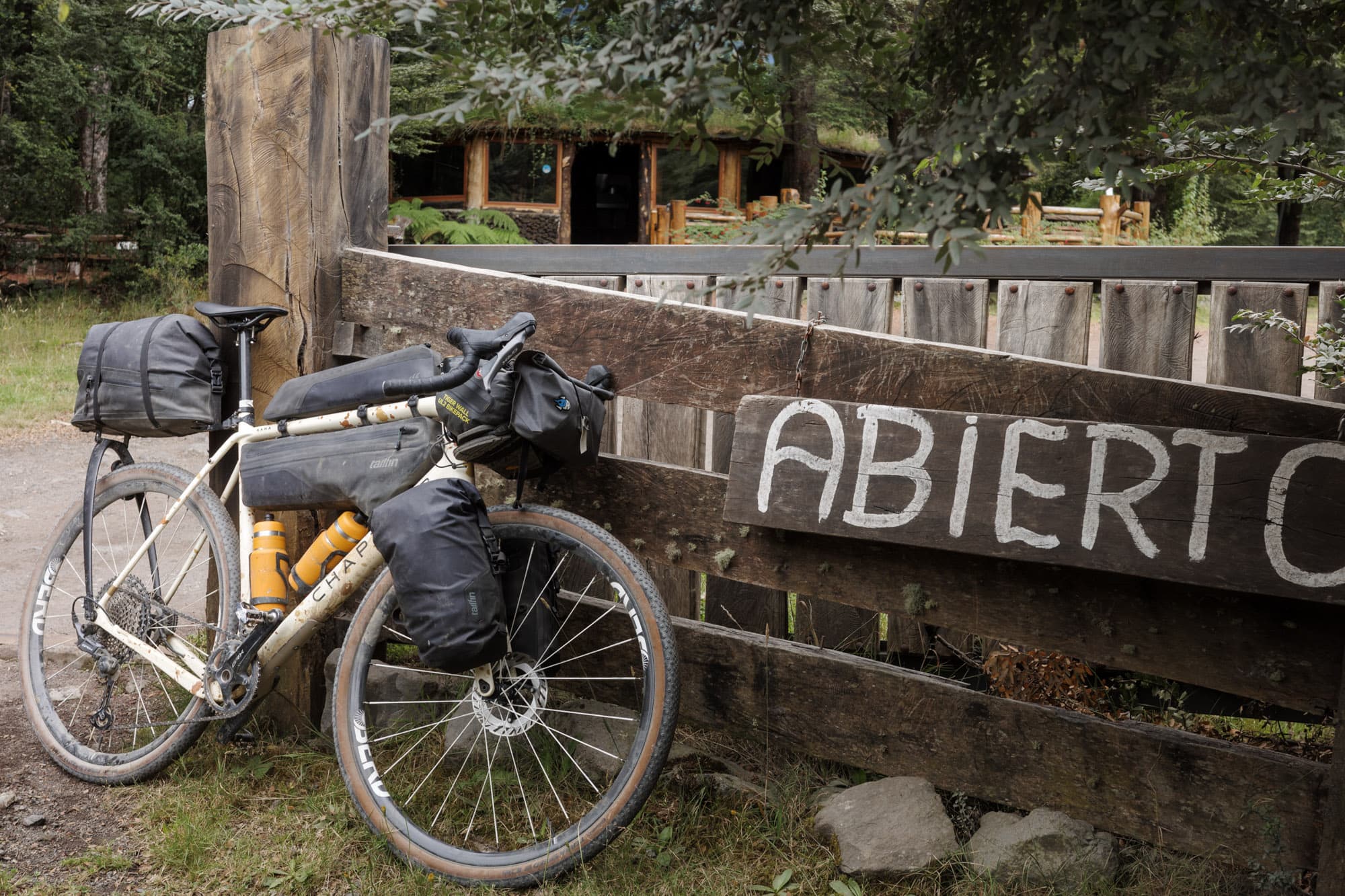
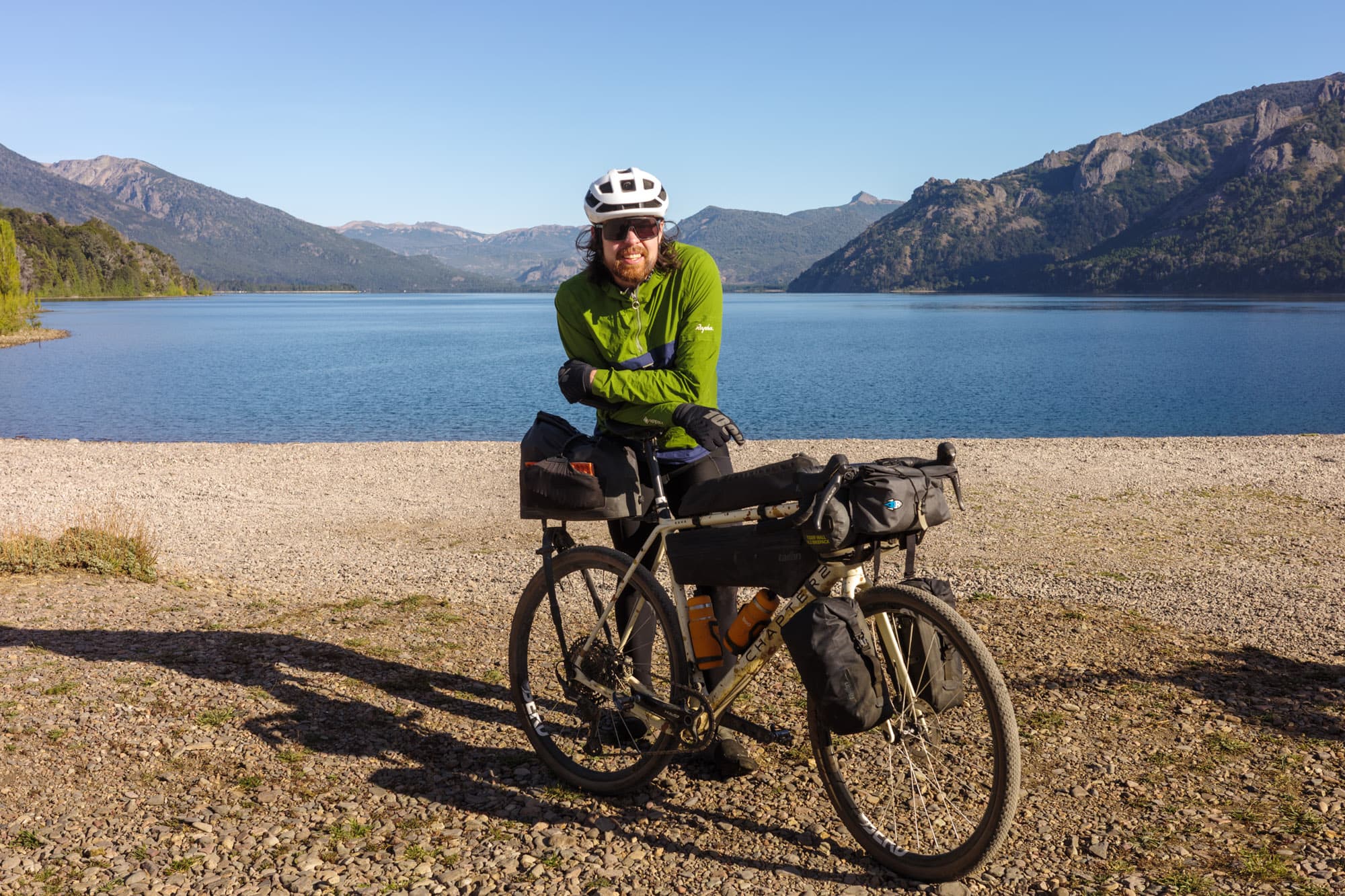
Just two years ago, when I built my Chapter2 Kaha, I hand-picked every part on the bike. If I were to restart that process today, I'd undoubtedly include the Berd Sparrow Wheelset as a non-negotiable.
If you missed the earlier installments, start with the interview with Berd co-founder and CEO Charlie Spanjers, then consider the setup surprises Jeff encountered with the Sparrow Wheels long before they ever left for South America.
Pros
- Premium build quality and finish.
- Exceptional founder and brand accessibility.
- Unbelievable vibration reduction.
- Measurably reduces fatigue on multi-day trips.
- Exceptional weight savings.
- Stronger than steel.
Cons
- High cost.
- Early setup challenges.
- Weight limit may be a consideration for some.
- Limited parts and service outside North America and Europe.