Berd Sparrow Wheels: Flying Above the Rough Stuff


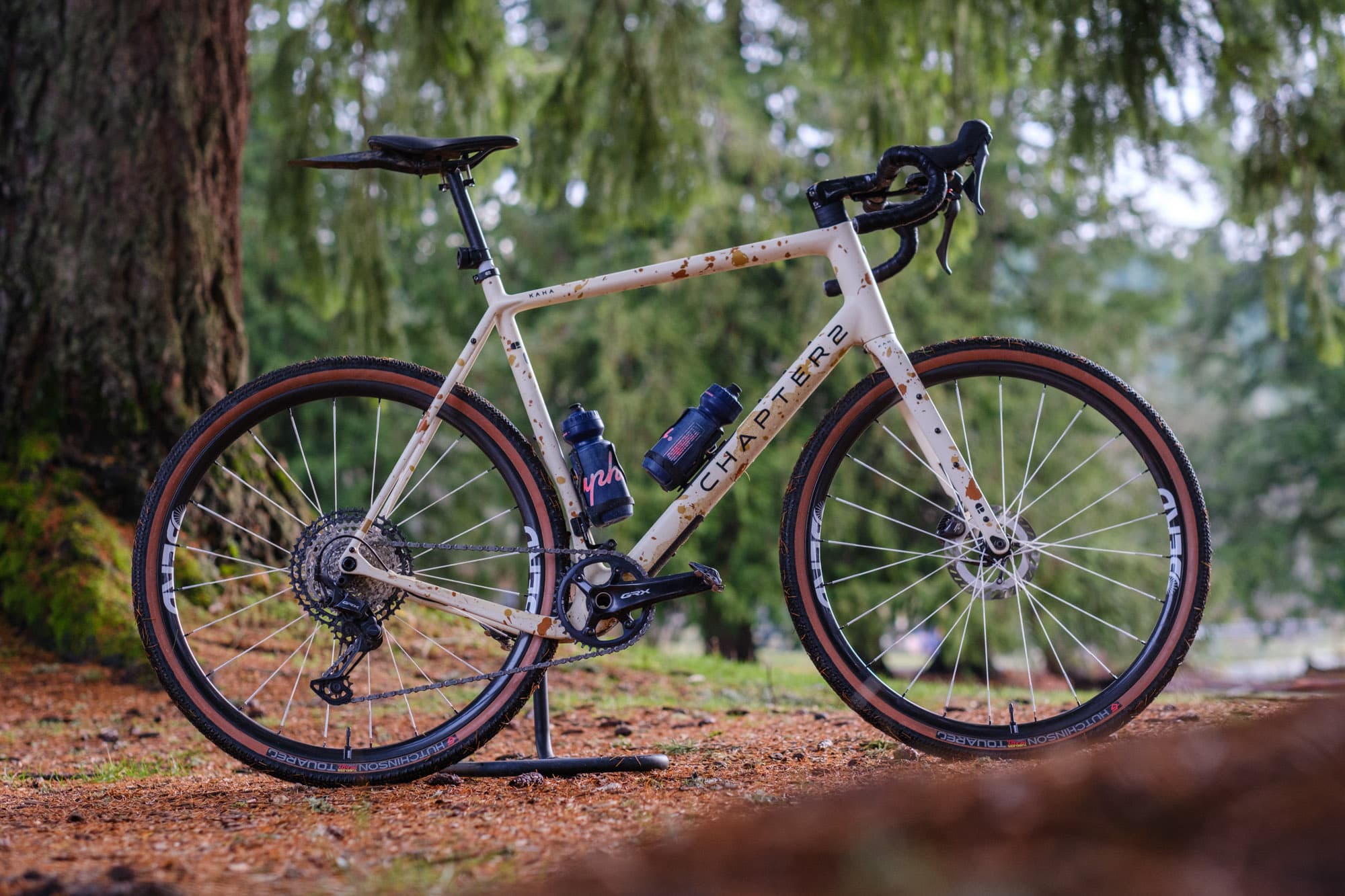
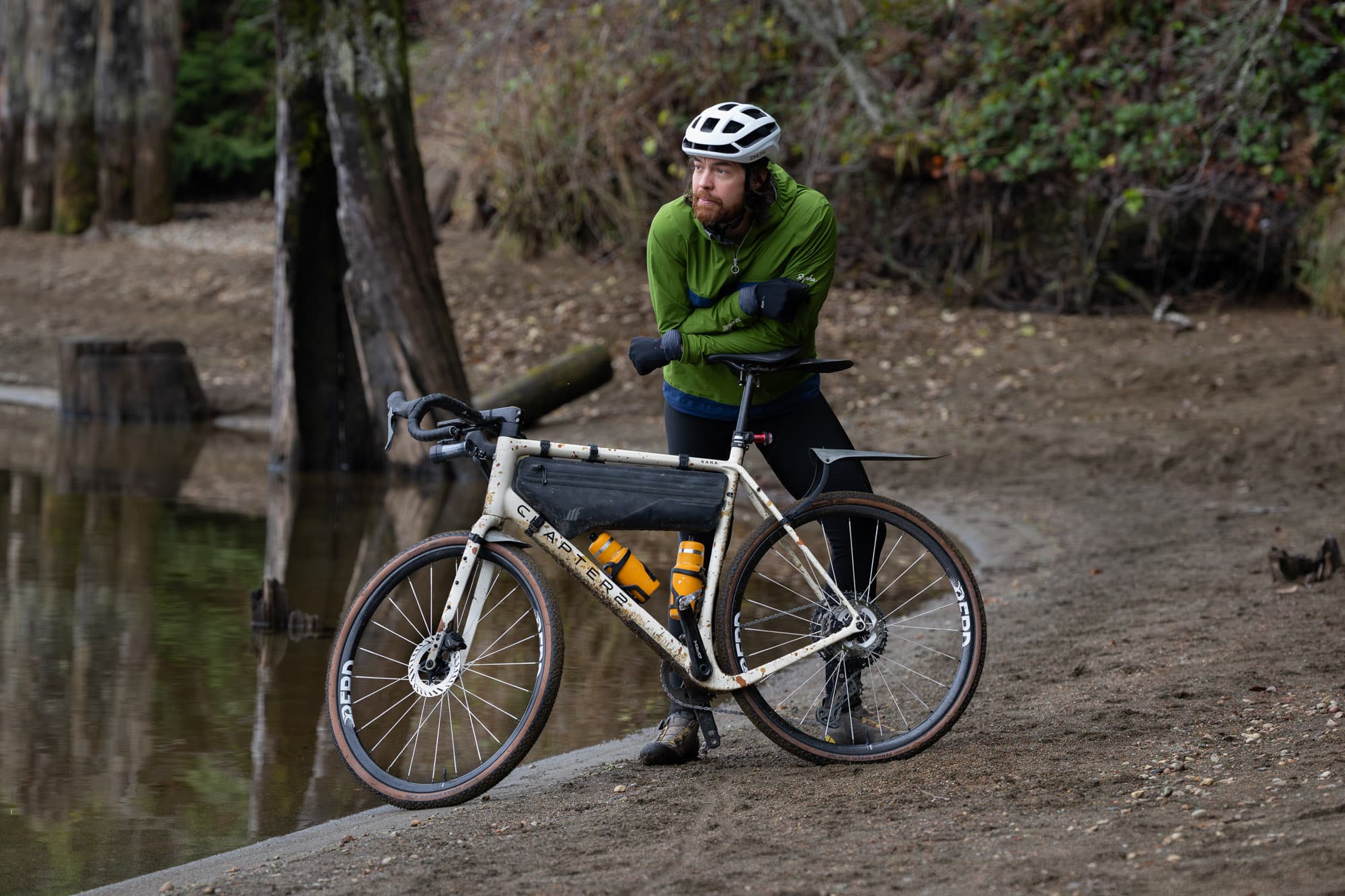
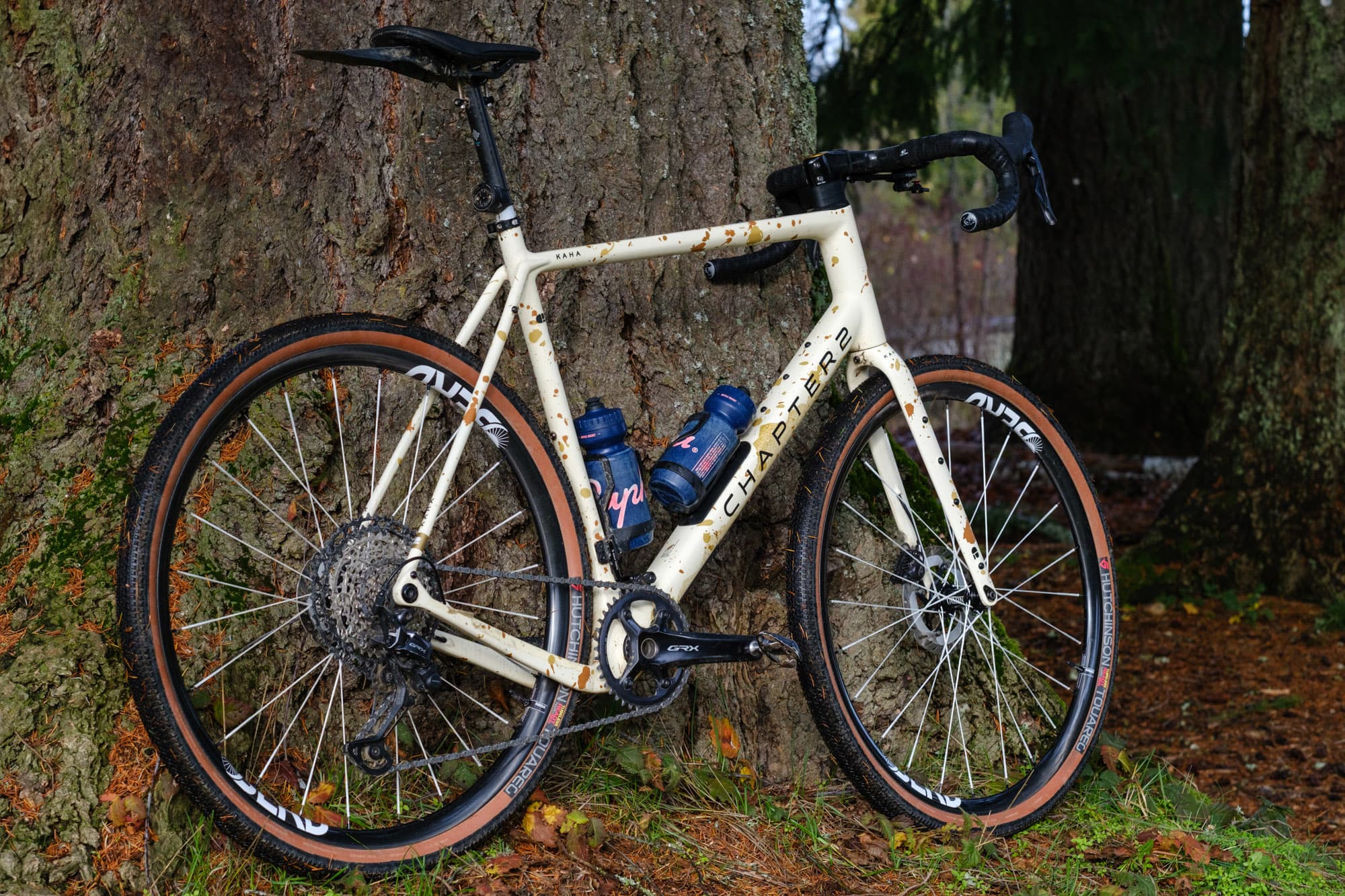
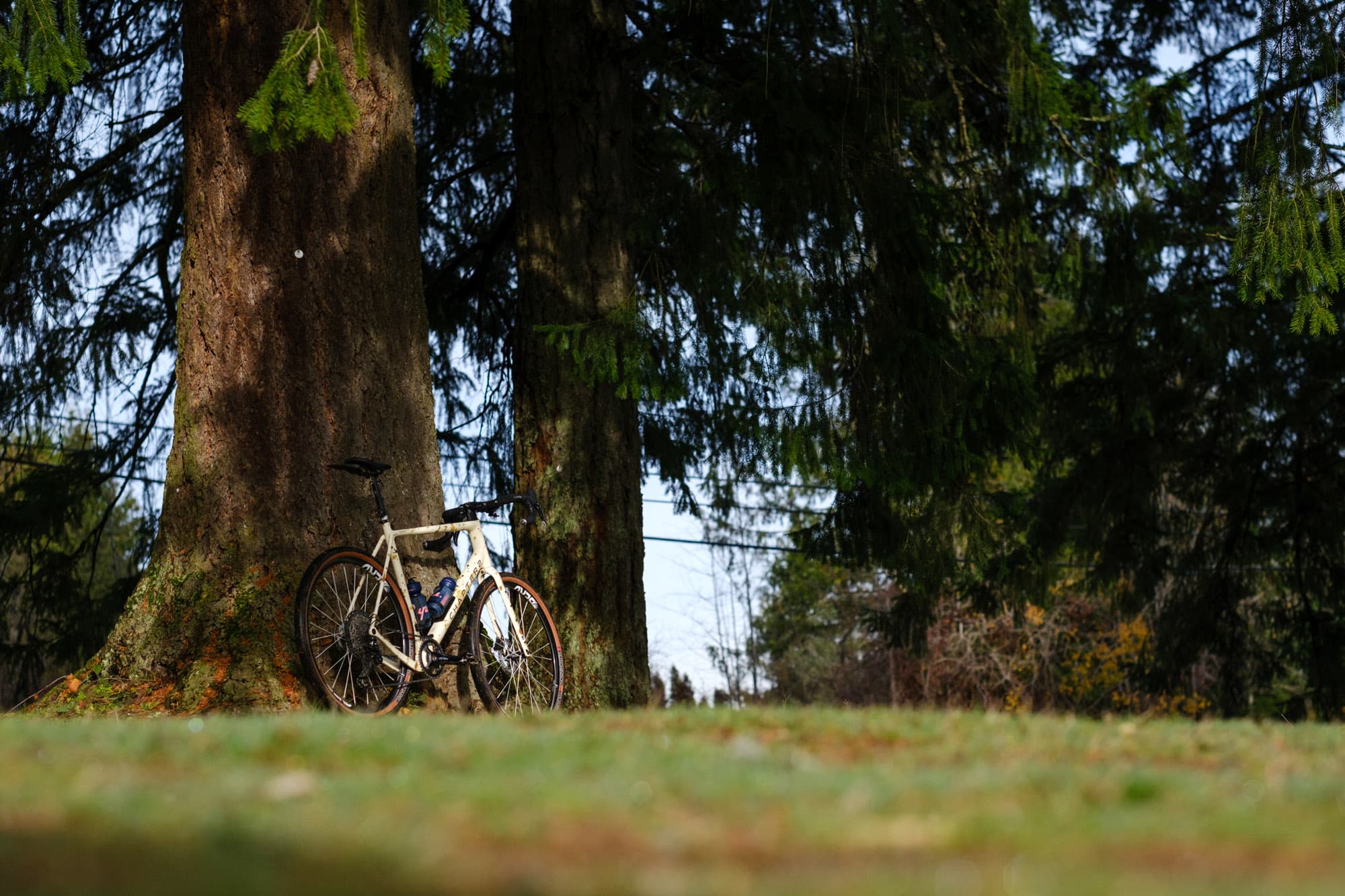
Getting a set of Berd wheels was the top of my wish list shortly after I built my Chapter2 Kaha gravel bike in the spring of 2024. With this bike, I was chasing the “one-bike” dream, something I could go bikepacking with, hit a gravel race, and still take out for long road efforts. With gravel races and road goals in mind, I initially chose a set of 45mm deep carbon wheels. They were exactly what I thought I needed: fast and aerodynamic, but they were stiff. They did little to take the edge off the chunky Vancouver Island Forest Service Roads, where I spend most of my time riding.
Around the same time, my wife swapped her Salsa Cutthroat for a Trek Checkpoint. We were both running the same 44mm René Herse Manastash Ridge tires, yet hers measured noticeably wider on Shimano GRX wheels. That was the moment the idea of a second wheelset really took hold. I wanted something more compliant, something that would let the Kaha feel alive on rough gravel.
I kept circling back to Berd. Their wheels are not cheap at $2195 USD ($3158 CAD), which always gives me some hesitation; however, the promise of greater comfort without sacrificing speed kept pulling me in. When Ainsley added the Redshift ShockStop suspension system to her setup to smooth out her ride, I finally decided it was time to chase that same level of comfort with a new set of wheels.
Tire Fit, Clearance, & Hidden Costs
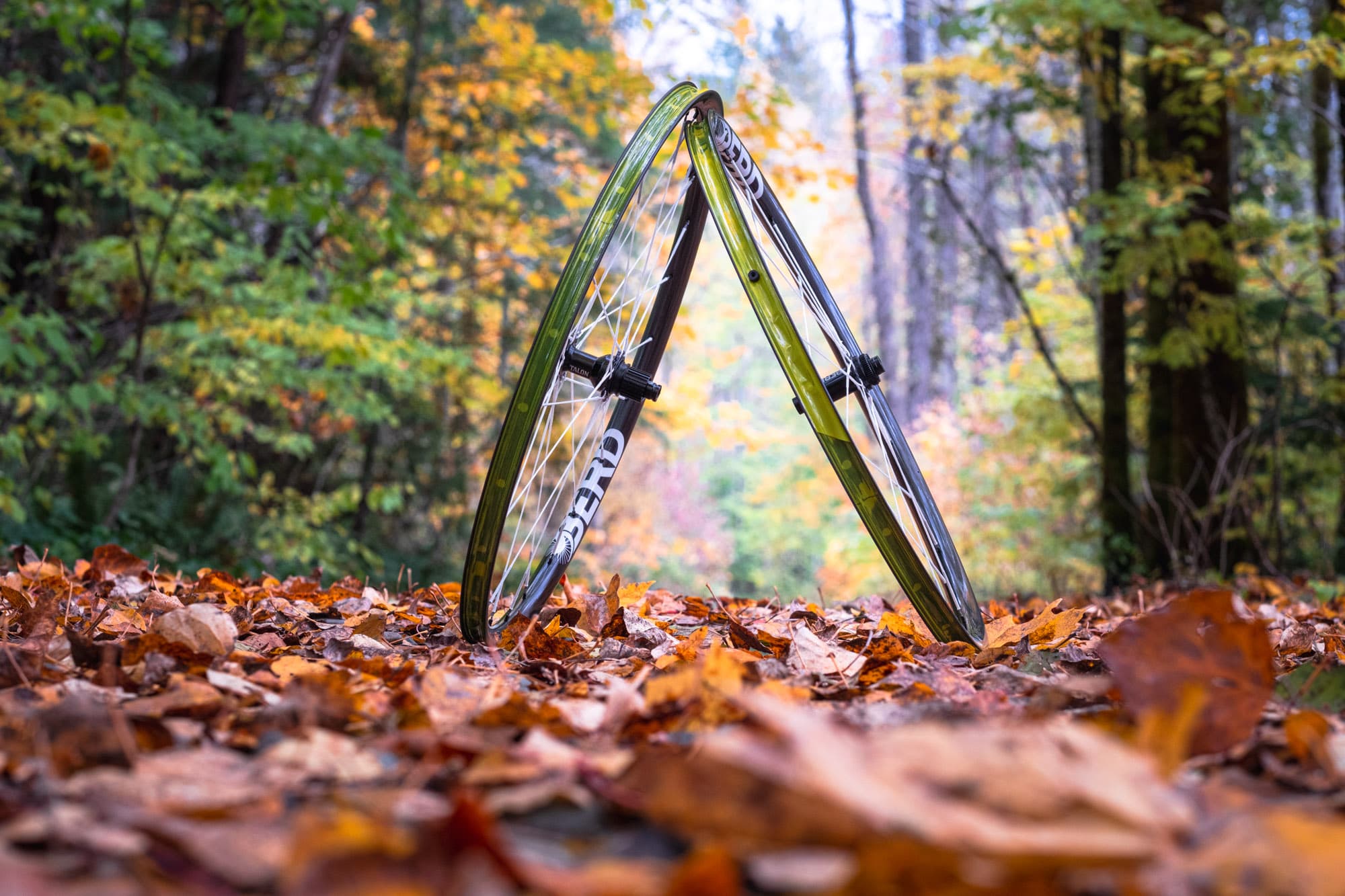
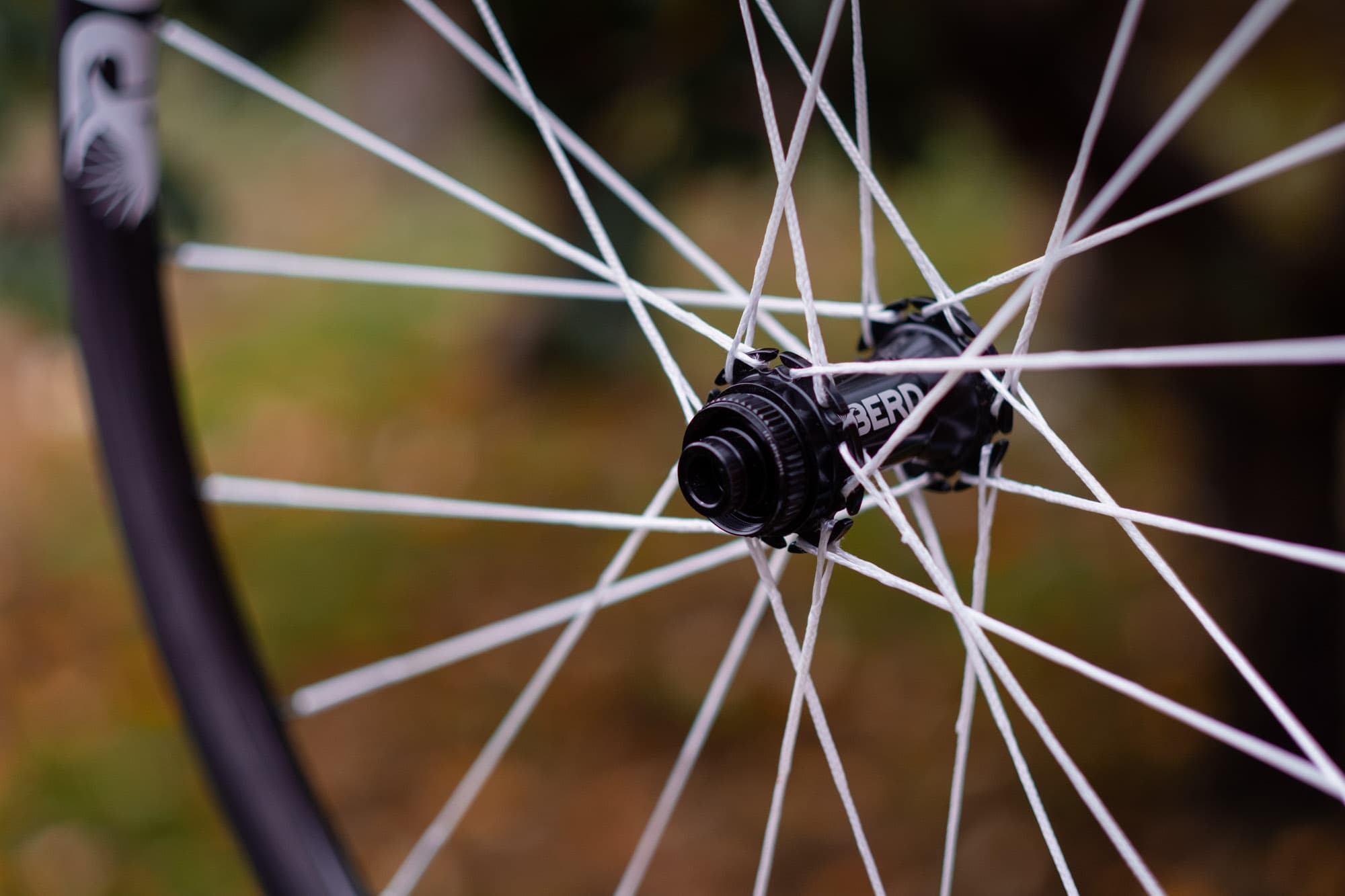
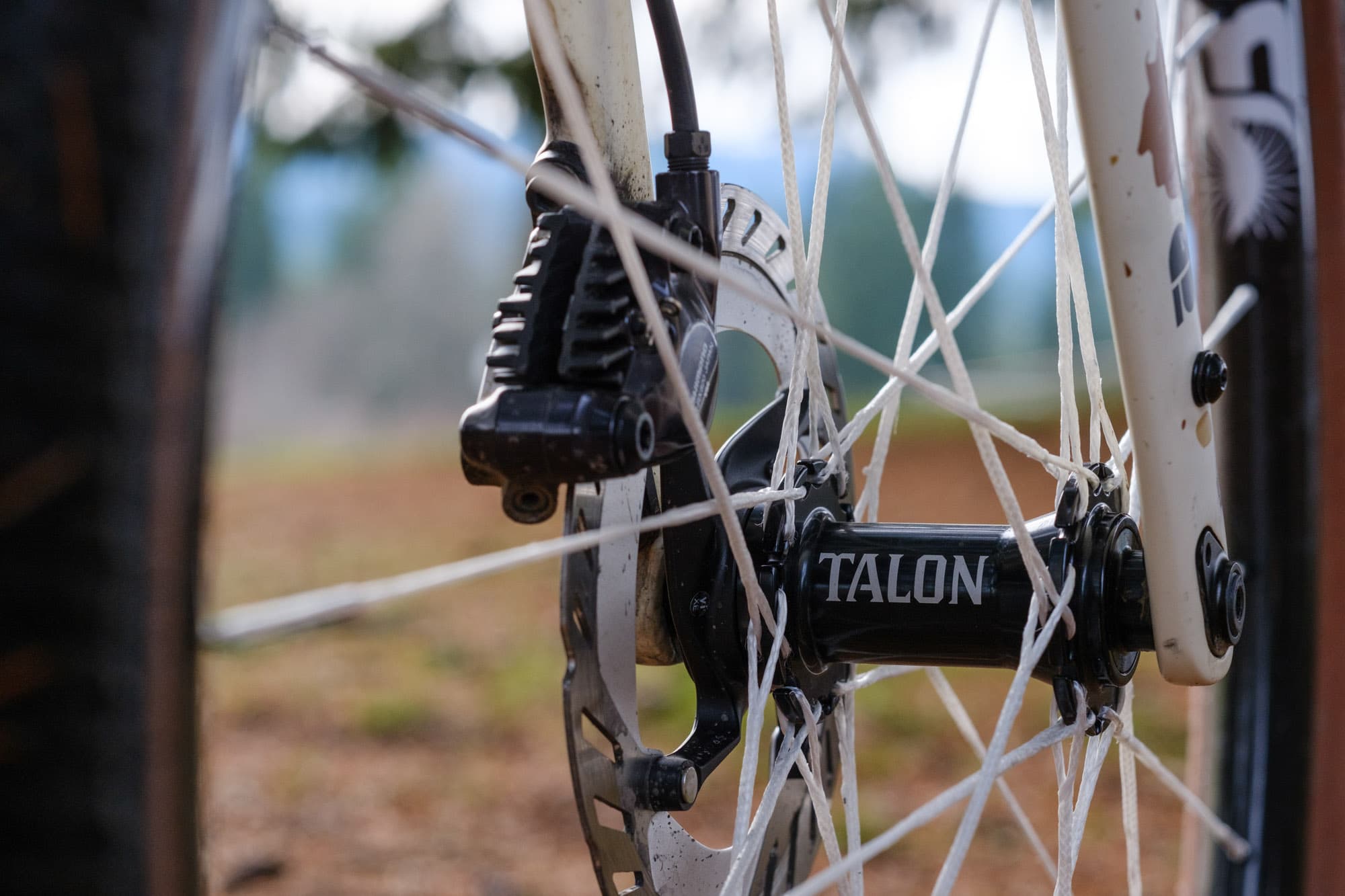
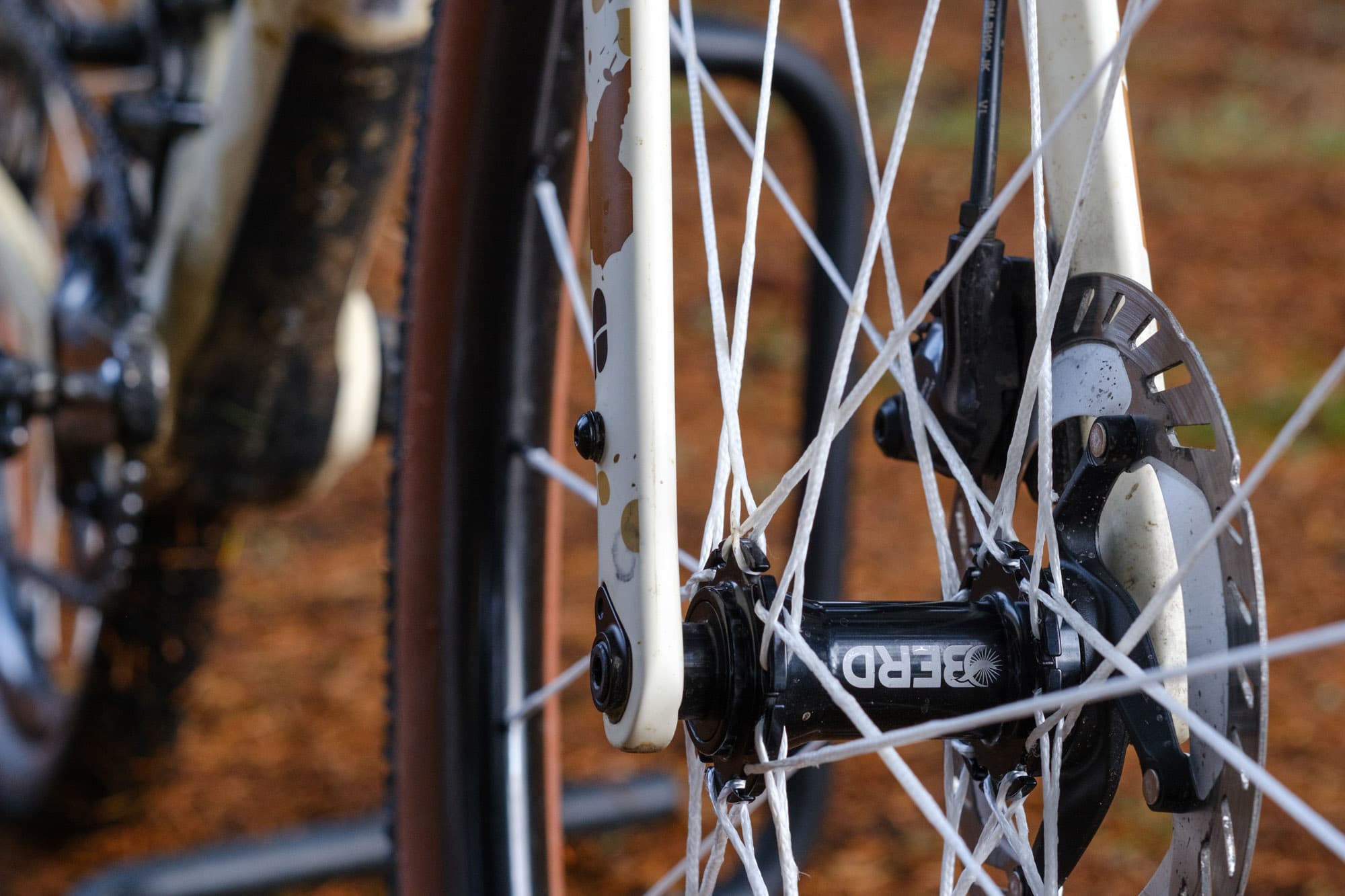
After ordering, the wheels arrived quickly. I unboxed them immediately and could not believe how light they felt. I went with the 24h Berd Sparrow wheelset, with Berd's own Talon hub. At a claimed 1084 grams with tape and valves installed, they were noticeably lighter than any wheelset I have ever owned. Unfortunately, I was still recovering from a broken metacarpal in my left hand and could not ride right away.
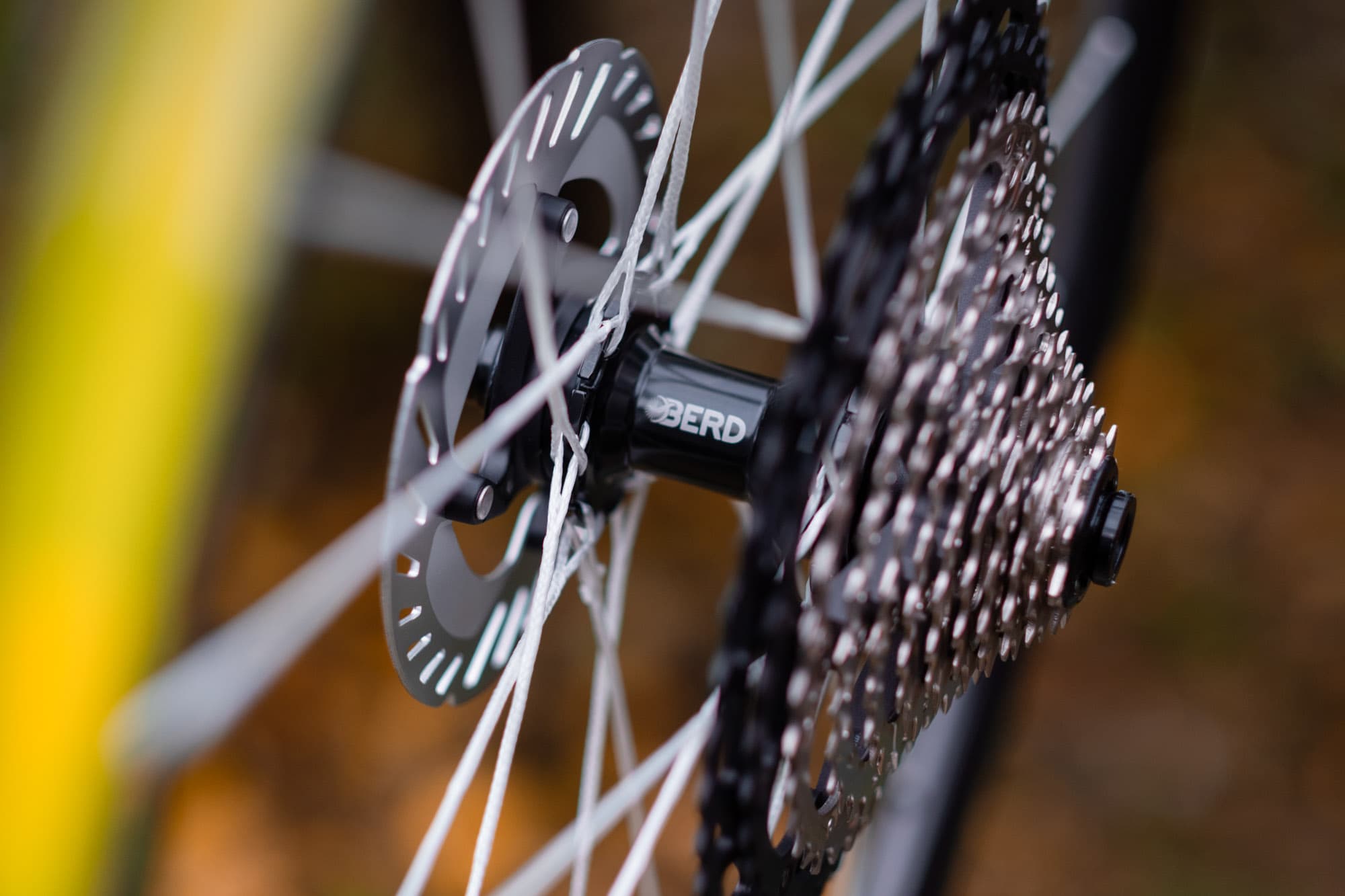
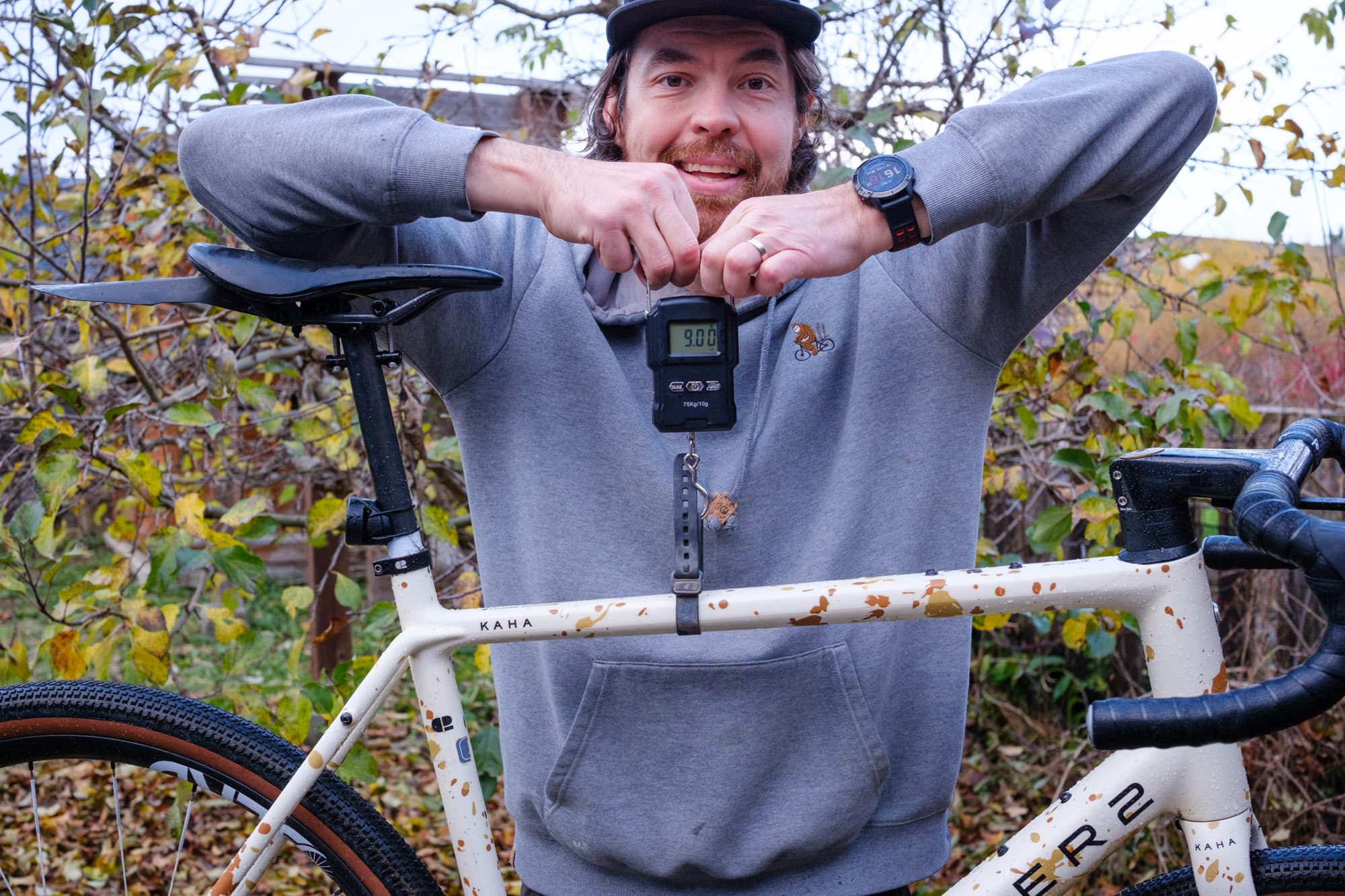
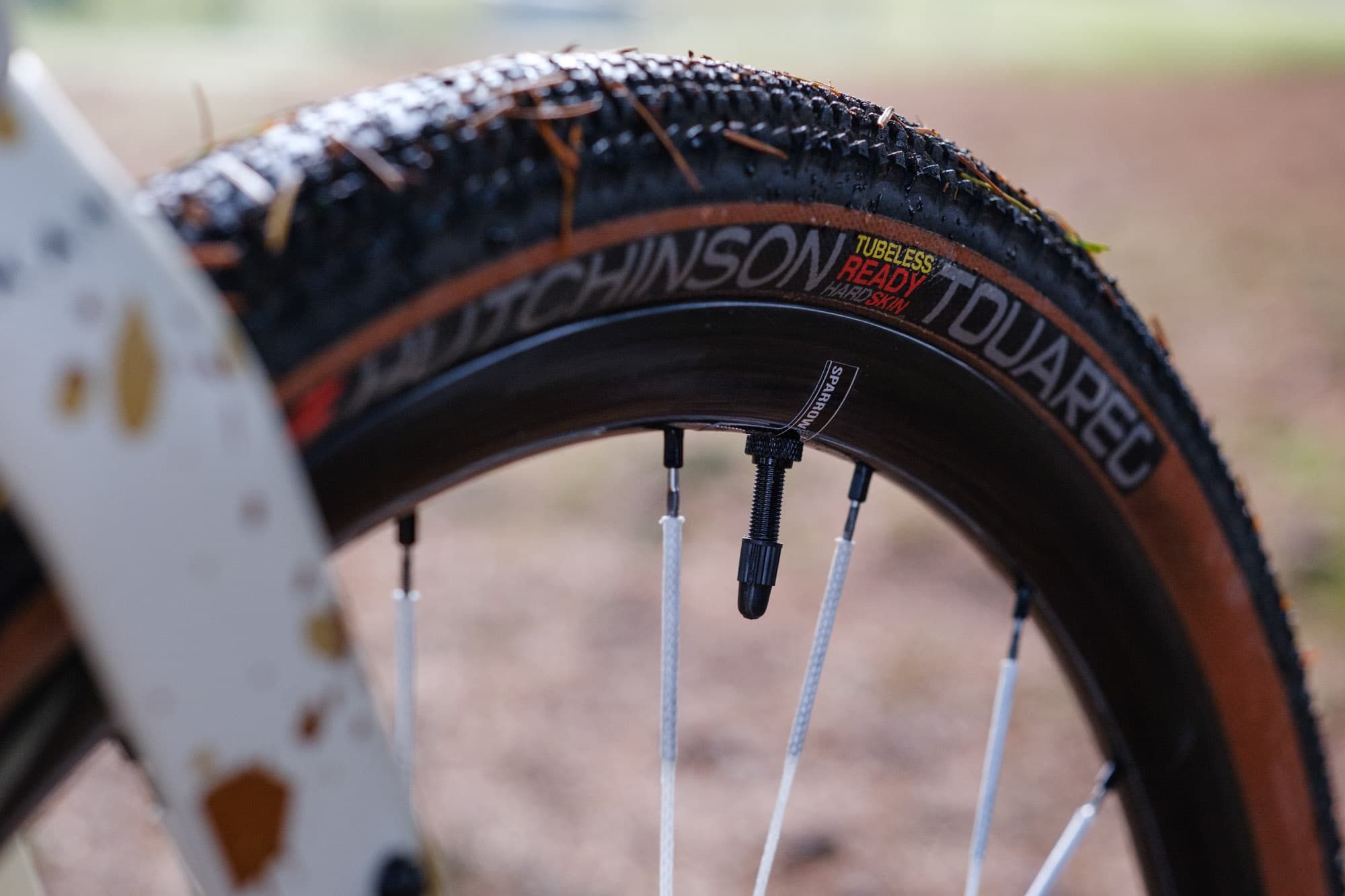
A few weeks later, the wheels were finally on my bike. Getting exact weight savings is difficult, but the difference is still impressive. I dropped roughly 400 grams with this upgrade—all rotational weight. The number is not exact because I installed new rotors and a new cassette. They were the same models I had been running on my old wheels, but small variations are always possible. I also swapped over the same 45 mm Hutchinson Touareg tires, although topping up the sealant could have changed the weight slightly.
The rims themselves are built around modern gravel standards, using centerlock brake mounts and 12 x 100 and 12 x 142 spacing. Berd rates them for 28 to 50 millimetre tires with a maximum of 70 psi in a 28, which offers plenty of flexibility for tuning volume and pressure. There is also a 250lb combined rider + bike weight limit, something to keep in mind if you plan to load the bike for multi-day trips. Hub choices include Industry Nine Solix, Onyx Vesper, or Berd's own Talon hubs. I chose the Talons for the balance of low weight, fast engagement, and long-term durability.
Despite some lingering internet theories that Berd spokes stretch over time or require frequent re-tensioning. CEO Charlie Spanjers said this was simply inaccurate. In an email exchange, he explained that Berd's build process includes three cycles of stress-relieving at 635 pounds of force for two minutes per side, which effectively preloads the spokes and removes any initial settling. According to Charlie, most Berd-built wheels will run two to three years before needing any truing at all. If a wheel does go out of true early, the culprit will almost always be a defective nipple rather than spoke stretch, which can be fixed with a proper threadlocker.
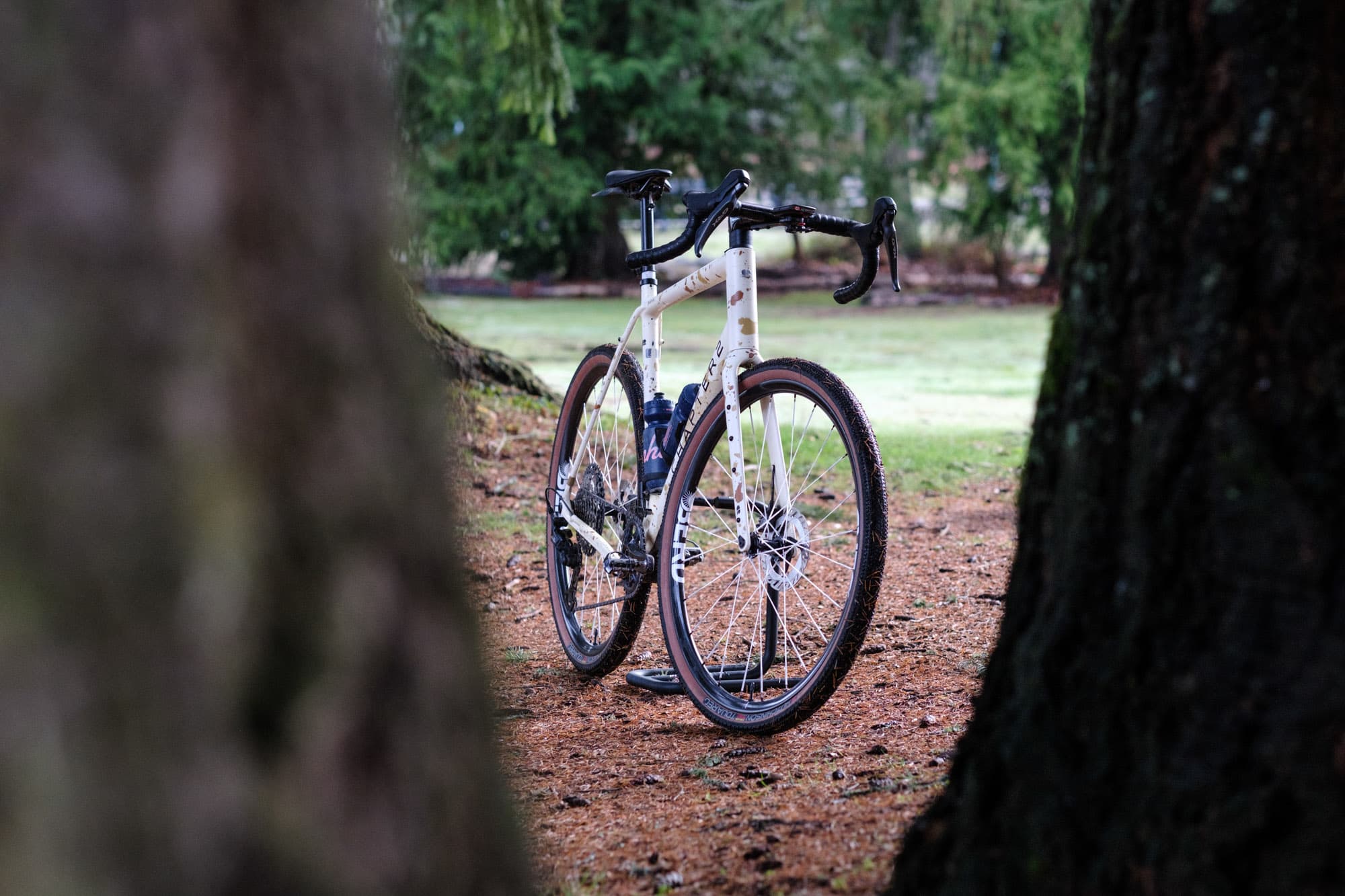
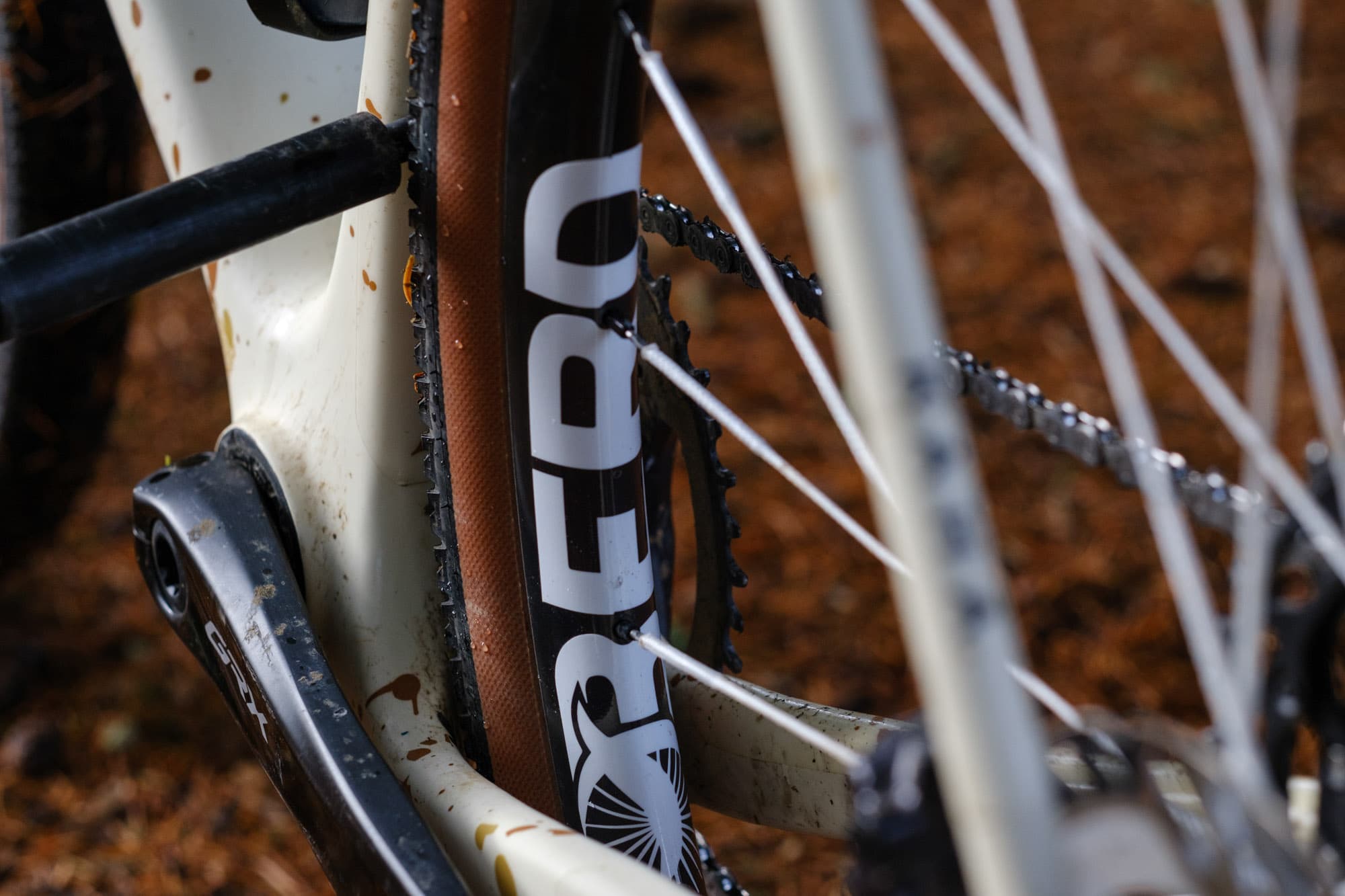
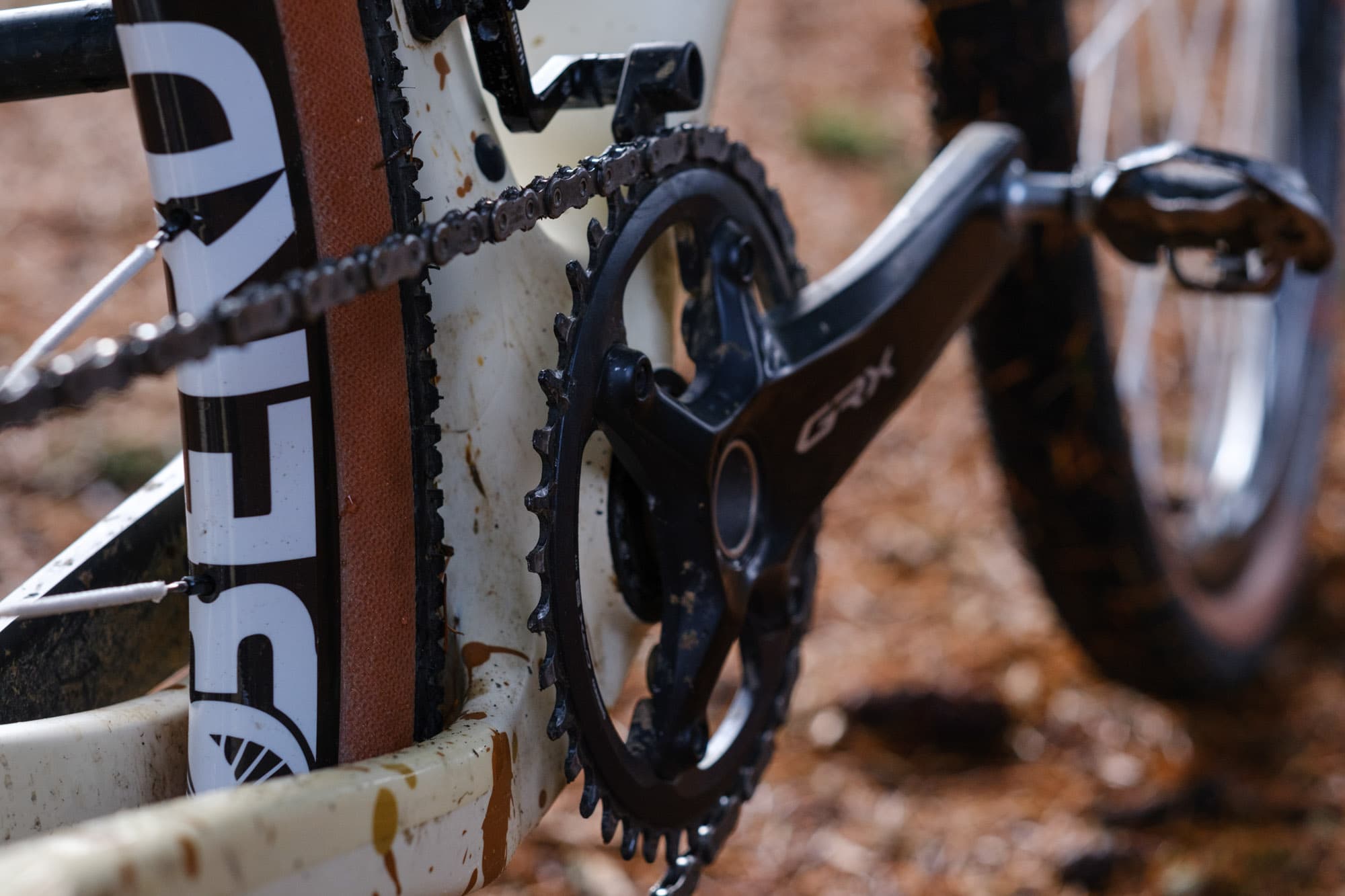
After a few rides, I noticed the wider rims had changed my tire width. The Chapter2 Kaha has clearance for a 47c tire on the rear, and I already knew the Touaregs ran wider than expected. Moving from a 22 mm internal width to Berd's 25 mm internal width pushed them too far. After only two rides, I had already peeled some paint off the chainstays.
With little choice, I switched to new tires. I ordered Continental Terra Speeds, 45mm up front and 40mm in the rear. As soon as they were mounted, it was obvious that Terra Speeds ran much skinnier than Touaregs. In hindsight, I could have run 45s on both wheels. It is frustrating because I will need to ride these for over 2000km before I can justify replacing them with something wider. The real issue is with how tire manufacturers report widths, yet it is still a good reminder that a wheelset upgrade can come with unexpected costs and considerations.
Dialling In Tire Pressure
My favourite testing ground for gravel bikes and gear is the Comox Lake Road. This is a mixed-terrain ride that begins with Bevan Road, which blends pavement with a gravel stretch that is often the roughest section in the Comox Valley. After turning onto the Comox Lake Road, the next twenty kilometres are never flat. The undulating route gains about 500m between the Bevan Road turn and the Cruickshank River, which is often my turnaround point for a 50km ride.
Between the unseasonably warm fall weather and my hand being too sore to mountain bike, I had been extending my gravel rides. On my first few rides of the season, I added even more climbing on the East Fork Mainline, which follows the Cruickshank River toward Moat Lake in Strathcona Provincial Park.
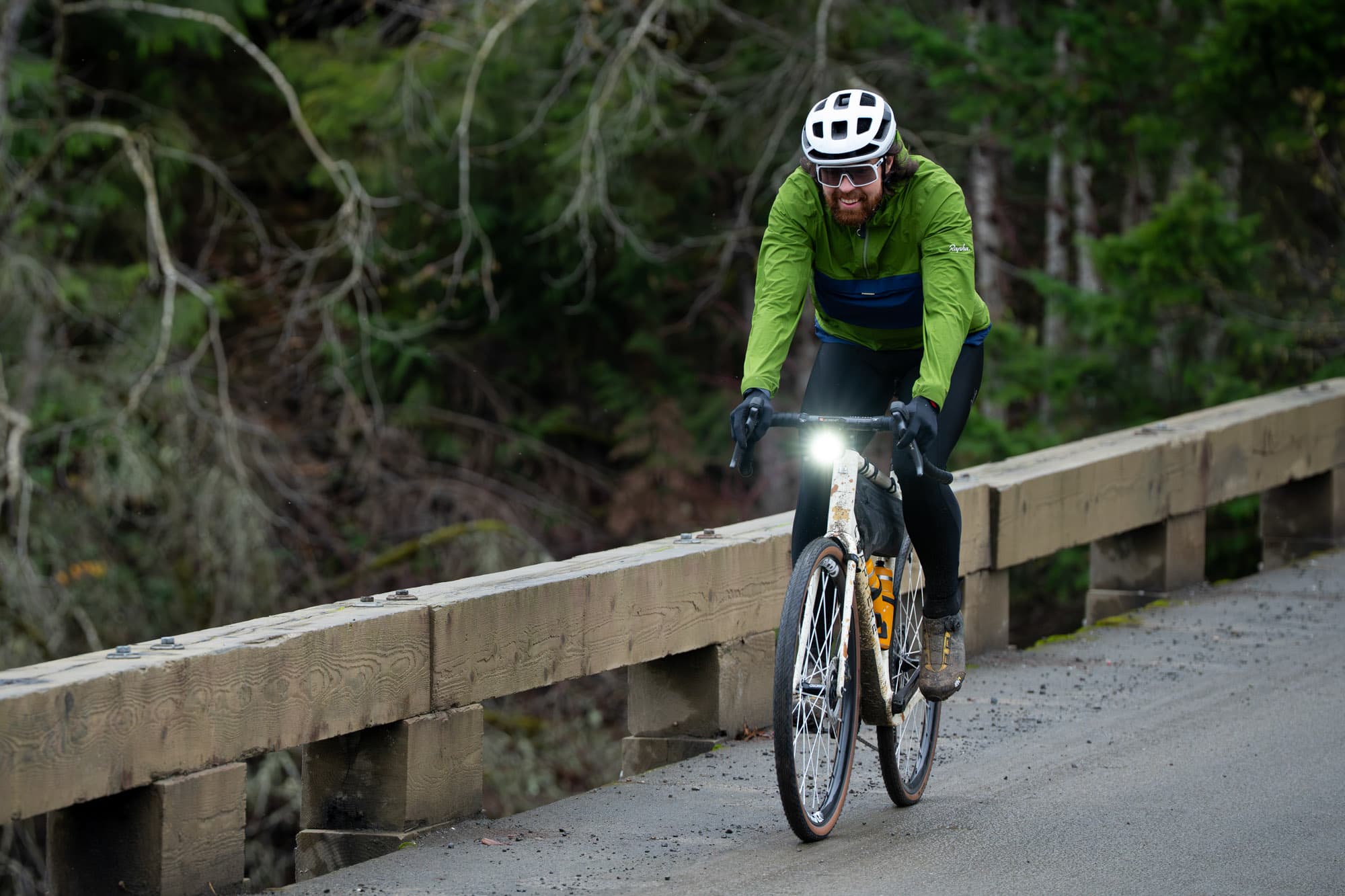
When I finally set out to ride the Berd Sparrow wheelset for the first time, I expected to notice small differences in comfort and vibration dampening on the roughest sections of the Comox Lake Road. Instead, I felt it while I was still in sight of my house. These wheels instantly transformed Cumberland's notoriously rough pavement into something that felt freshly paved. The difference is so stark that our city council should likely consider wheelsets for everyone as a cheaper alternative to repaving every road. I have never felt so little vibration on a bike.
Leaving the pavement and rolling onto Bevan Road, which has not seen a grader since early spring, only reinforced this first impression. What is normally a terrible washboard felt more like the packed, crushed gravel of the Galloping Goose bike path in Victoria.
My first two rides were close to 2000m of climbing, and thanks to the reduced rotational weight, the bike felt lively and efficient on every ascent. I set several personal bests on longer climbs, which was unexpected given that I was recovering from injury.
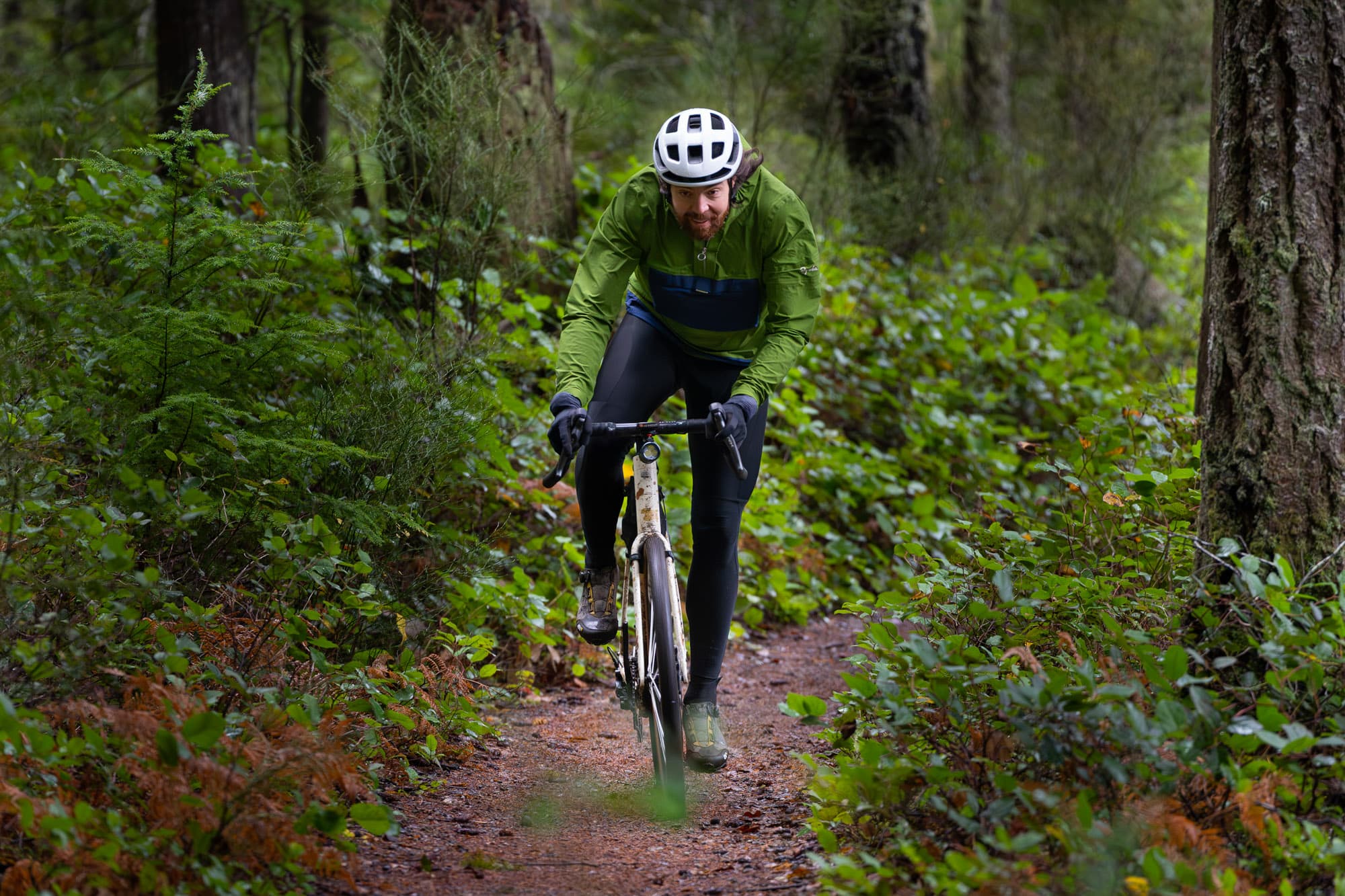
The most surprising moment came on my first sustained descent. I nearly overshot a corner because I was riding much faster than usual without realizing it. With so much vibration removed from the bike, the descent felt smooth and controlled, but the lack of feedback almost let me carry too much speed into a loose gravel corner.
To bring this back into something measurable rather than purely subjective, the reduction in vibration carries real performance benefits. Since interviewing Jan Heine about Rene Herse, I have used their pressure calculator for all of my gravel rides. It provides soft and firm pressure recommendations based on the combined rider and bike weight and tire width. It claims rolling speed will be identical at either pressure; the softer pressure offers more comfort and traction, while the firmer pressure reduces the risk of flats. I have always chosen the softer pressure on my previous wheelset to reduce vibration of my stiff aero rims.
With the Berd Sparrow wheels on my bike, I can now comfortably run the firmer pressure without introducing any vibration. For reference, this meant moving from my usual 35 psi to 44 psi. Even at that higher number, the tires still tracked well in loose corners, and it did not feel like I was sacrificing traction. This should mean fewer flats and reduced tire wear over the life of each set.
After several rides on the Berd Sparrow wheelset, the early results indicate tangible gains in comfort and vibration control, resulting in greater overall performance. The bike feels easier to ride on rough terrain, which should help conserve energy and improve endurance on longer efforts. The wheels feel lively under acceleration, stable at speed, and predictable in corners, even on the roughest sections of the Comox Lake Road. These are all promising signs, but they remain first impressions.
The Road Ahead
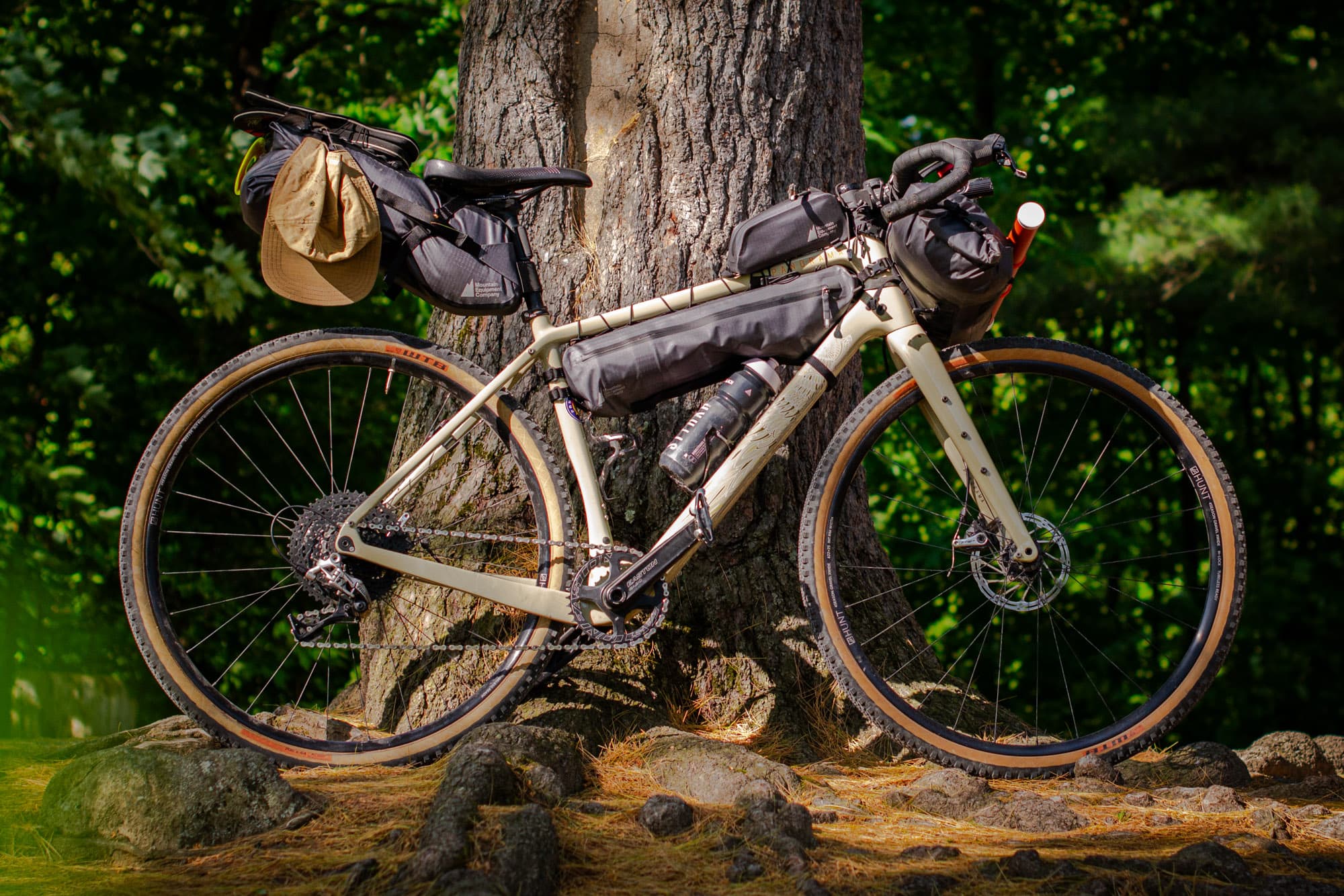
Looking ahead, I have a month-long bikepacking trip in Patagonia scheduled for early 2026. Before I commit to taking this wheelset south, I want the confidence that it can handle a month of sustained punishment without issue. To reach that point, these wheels need more mileage and time under load. As a bigger rider at 6'2” (189cm) and 195 lbs (89 kg), I am already close to the Sparrow's weight limit once the bike is packed for overnight or multi-day trips. Understanding how the wheels perform at that higher combined weight will be an essential part of my testing still to come.
If you missed the first installment of the Berd series, check out the interview with Berd co-founder and CEO Charlie Spanjers, and watch for the third installment, where I will update you on how the Berd Sparrow wheelset handles some serious mileage and gruelling bikepacking adventures.