Meaghan Hackinen: Before the Gun


When we last spoke, Meaghan Hackinen had just won the Hellenic Mountain Race and she was candid about the emotional turbulence behind the result. She mentioned turning 40, imposter syndrome, a shoulder injury that had her flying to Morocco without a single shakeout ride on her new bike. She called it winging it but it turned out there was far more going on behind the scenes.
This year, she's feeling refocused. And with Tour Divide less than a week away, she's aiming to go even faster than her 2024 time, which is the current women's Grand Depart FKT. Only Lael Wilcox and Austin Killips have bested Meaghan's time, but both rode ITTs outside of the official, yet unofficial, Tour Divide race. It's complicated.
This is the first of two interviews with Meaghan, with the second scheduled for July. By then, we'll know how the 2026 Tour Divide played out, but you can follow her race on Trackleaders starting Friday.
It sounds like a lot has shifted since the Hellenic and not just with race results, but personally. Where does that start?
I turned 40 last year and that felt like a good time to look backwards and ahead. I wanted to commemorate the year and get after these big goals, but I also realized I wasn't happy in three major life circumstances: my relationship wasn't going anywhere, I was drinking way too much, and I was no longer content with my long-term contract gig.
I had those realizations in January 2025, and it took an entire year to work through them. At the same time, I was busy trying to race my best in Atlas, Hellenic, and Silk Road Mountain Races. Looking back, I should have prioritized figuring out my personal life. Instead, I was so stoked to be targeting the Mountain Races, I just pushed everything else aside until it reached a point where I couldn't ignore the things surrounding my racing life any longer.
James and I broke up after I got home from Hellenic, which was a tough thing to go through. We didn't live together, but we'd been seeing each other for nearly six years. I wrapped up my long-term contract at the end of the year, so 2026 marks my first year as a pro ultra-cyclist, whatever that means!
And the drinking. What did that look like, especially around a busy bikepack racing season?
After a bout of food poisoning post-Silk Road, I got home and felt good with how I raced. But then I realized that nobody really cared. Of course, my friends, family, and sponsors were ecstatic, but there was barely any race coverage in the bigger media landscape. I had won the women's race and finished top ten overall at one of the hardest bikepacking races in the world, yet I couldn't shake the feeling that it was already fading from people's minds.
I always say that I race for myself, first and foremost. But when I got home from Kyrgyzstan and thought about all the hard work that went into the event, I sank into a bit of a pit. It had become obvious that I wasn't racing entirely for myself after all. Looking back, I'm unsure my assessment about lack of coverage was even fair. Maybe that was my ego talking. It can get pretty loud sometimes.
As I retreated into my own bubble again, I found myself wondering what it was all for. My drinking had already been slipping out of control since the pandemic, but after getting home from Kyrgyzstan, it went entirely off the rails.
I could see I was digging myself deeper into a hole and finally reached out to an addictions counsellor in October. Even though it was the obvious choice, seeking help was one of the hardest things I've ever done. I thought about cancelling that first appointment every second of every day. But I showed up. It felt refreshing to work with somebody that didn't know me or understand cycling. They helped me build some skills for managing stress and impulse control that I guess I had been missing. The impact was immediate and positive.
The timing helped, too. I was housesitting in Cranbrook during the offseason, away from my usual routines and triggers. The cycling community there was incredibly supportive, even without knowing exactly what I was going through. Looking back, those months gave me the space to build some healthier habits and start 2026 in a better place. I no longer felt like I was living two lives.
That phrase living two lives says a lot. Can you explain what that actually felt like?
I think one of the reasons I loved bikepacking was that it was an escape. Even on a long race like Tour Divide or Silk Road, I am so happily present that it consumes me. The moment the race was over, though, the desire to drink would come back.
In the weeks before any event, I always made an effort to cut back, though I was never completely sober. I had a problem, but I never experienced physical withdrawal. Being away was always easier than being at home. During races, I'd tell myself to remember how good I felt and hold onto that feeling after the finish. I wanted to live in that headspace all the time. But eventually I'd settle back into everyday life and old habits would return.
You've now done a few events as a sober athlete. How has it changed your experience with racing and with the culture that surrounds it?
After bikepacking the Baja Divide in January-February, my first events were Mid South Gravel in Oklahoma and East Texas Showdown in Texas. Mid South is unique because there's both a highly competitive pro race and a much larger community-focused event, and at that point I felt like the community event, "the people's race", was the better fit for where I was at.
I watched the pro women's sprint finish on Friday afternoon and had a blast riding Saturday's mass start event, stopping at Aid Stations, making new friends, and cheering others along the way.
After that, I toured down to East Texas Showdown. I was really excited for that event: at 640 km, it falls within my ultra-cycling wheelhouse. I enjoyed getting there by bike, but loved competing even more: riding straight through the day and night and having to keep a grip on reality when things got weird in the Piney Woods. My kit and nutrition plan were super dialled, and going into the race with a clear head gave me an advantage. I finished in 26 hours, taking top spot on the women's podium with a new course record and coming in third overall. Outside of racing, East Texas Showdown has an incredible community surrounding it and I'm grateful to have been part of all that. The night before the race, I hosted a meet and greet with Women+ riders to help ensure that we all felt connected and supported going into the challenge.
People say the bike industry has a drinking problem, but I feel like it was mostly just me who had the problem. At both events, I armed myself with non-alcoholic beers. But I also noticed that other people weren't drinking excessively. At Mid South, I waited for the last rider to cross the finish line and stayed until the very end of the DFL party around midnight. It might sound like a small thing, but for me, being sober at the DFL party was a milestone. I was proud that I could still be the kind of person who sticks around until the very end, without drinking.
So heading into Tour Divide, it's essentially the same course, same person, but different. What's the actual goal this year?
Last time I had a three-tiered goal: finish, finish in under 18 days (my targeted time on Trackleaders), and if everything went to plan, challenge the women's record. I achieved the first two, and I'd actually say I gave the record (held by Lael Wilcox at the time) a good run, finishing just twelve hours behind it.
This year I'm still targeting the record, but the other tiers are a bit different. First and foremost, I'm focused on maintaining my sobriety in the build-up to the race. I've been joking to myself that my sponsors probably expect a little bit more from me than just not drinking, but honestly that's the baseline I'm targeting. I need to stay sober for the rest of my plan to have a chance of falling into place.
Beyond that, I'm targeting a sub-16-day finish. If that feels possible, then I'll be chasing the women's record, currently held by Austin Killips.
As for whether I can pull it off, it's hard to say. I don't have the same certainty that other top-level racers seem to have. If Tour Divide were the same course under the same conditions, I think I can go faster. My training has been more consistent, my gear is more dialled, and my life is in a much better place than it was a year ago. Last season with the Mountain Races, I leaned heavily on eight years of experience to get me through. Hopefully a better headspace, stronger fitness, improved gear, and better planning all contribute to a faster ride this year.
The intel I gained in 2024 is a definite advantage, and the targets I need to hit are clear in my head this time around. To break the women's record, I need to trim twenty-four hours. On paper, that works out to about twenty kilometres per day. Sitting at the kitchen table studying maps, it feels doable. The challenge, of course, is ticking off those additional kilometres when you're in the thick of it.
As motivating as the record is, I'm also excited to simply be part of the progression of women's bikepacking. If last year has taught me anything, it's that winning isn't everything.
The record itself has been complicated on the women's side with the dots, the categorization. What's the actual situation there?
I'll preface this by saying that I don't have any insider information here, just what I've observed alongside everyone else dotwatching the event over the last couple of years.
Here's the Coles Notes version: in the summer of 2024, Austin Killips, a trans woman, completed a Tour Divide ITT in under fifteen days (14D:23H:12M). Earlier that summer, I established a new women's Grand Depart course record (15D:23H:00M). Personally, I'm still not sure whether the Grand Depart record needs to exist as a separate category (people will debate that endlessly).
For a long time, Lael's dot had been the standard on Trackleaders (15D:10H:59M, set during an ITT in 2015), but Austin's 2024 ride lowered that mark by roughly half a day. During the 2025 Grand Depart, after Austin had set the new women's fastest time, Lael's and Justinas Leveika's dots appeared on Trackleaders as the records to beat. Lael spoke up about Austin being the new women's record holder, and a couple of days later my dot appeared as the Grand Depart benchmark while Austin's appeared as the ITT benchmark, without a gender attached.
I didn't speak up about any of this at the time. I was going through a breakup while the dot shake-up was unfolding and didn't have much capacity for anything more. Generally, I don't weigh in on comment sections anyway. But with some time to reflect, I have some thoughts.
Coming from the roller derby community, my experience with trans athletes has been super positive. Looking back, if the league had excluded trans skaters, I think that would have limited my growth as an athlete, not to mention the friendships and experiences I gained through the sport. Applied to bikepack racing, I'm not only concerned about the impact that exclusionary practices might have on trans riders, but also on the rest of us. I genuinely believe a more diverse field is a more exciting field, and one that I'm personally more excited to be part of.
Supporting connection between women and underrepresented genders is a huge part of why I kicked off the Divide Collective, an online community for women, trans, and non-binary athletes gearing up to race the Tour Divide or tour the Great Divide Mountain Bike Route. In most events, cis men still make up 90% of the field. For those of us outside that majority, bikepack racing can sometimes feel intimidating or isolating.
This summer, I'm looking forward to racing against my 2024 Grand Depart dot, Austin's ITT dot, and whoever else is pushing the pointy end of the women's race.
Tour Divide takes you across the US. As a Canadian right now, with the political climate what it is, how are you holding that?
Dating an American has meant that I've always spent a lot of time in the US, particularly around Portland and the Pacific Northwest. Because of that relationship and other travel over the years, I maintain many friendships there, and have people I consider family sprinkled across the States. As exciting as racing in Africa, Europe, and Central Asia was last year, the logistics around that were a bit exhausting, and so one of my goals this year was to keep things closer to home. But international travel is still necessary.
I have been quieter online and considered sharing less about travelling and competing in the US. But in the end, I just have to own it. A significant part of my year is spent training and racing in the US, and I am riding across a big chunk of the country as an ambassador for Adventure Cycling's new Golden Travel Trail later this summer. On a personal level, I am aware of the criticisms. But if I opt not to travel to the US, it closes a lot of doors for me.
Let's talk about the bike and the race. You're back on the Cutthroat. Tell us about the setup this time.
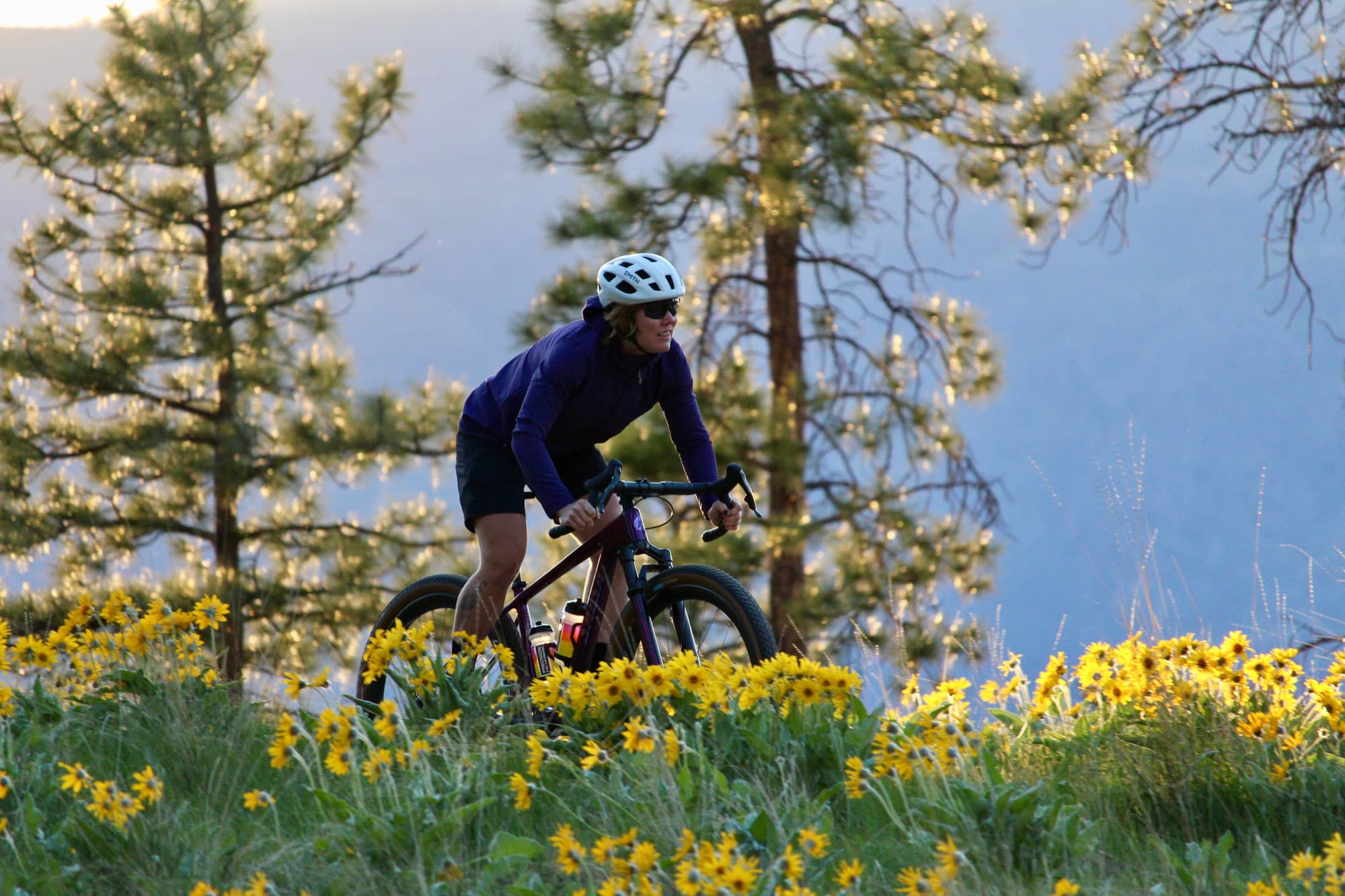
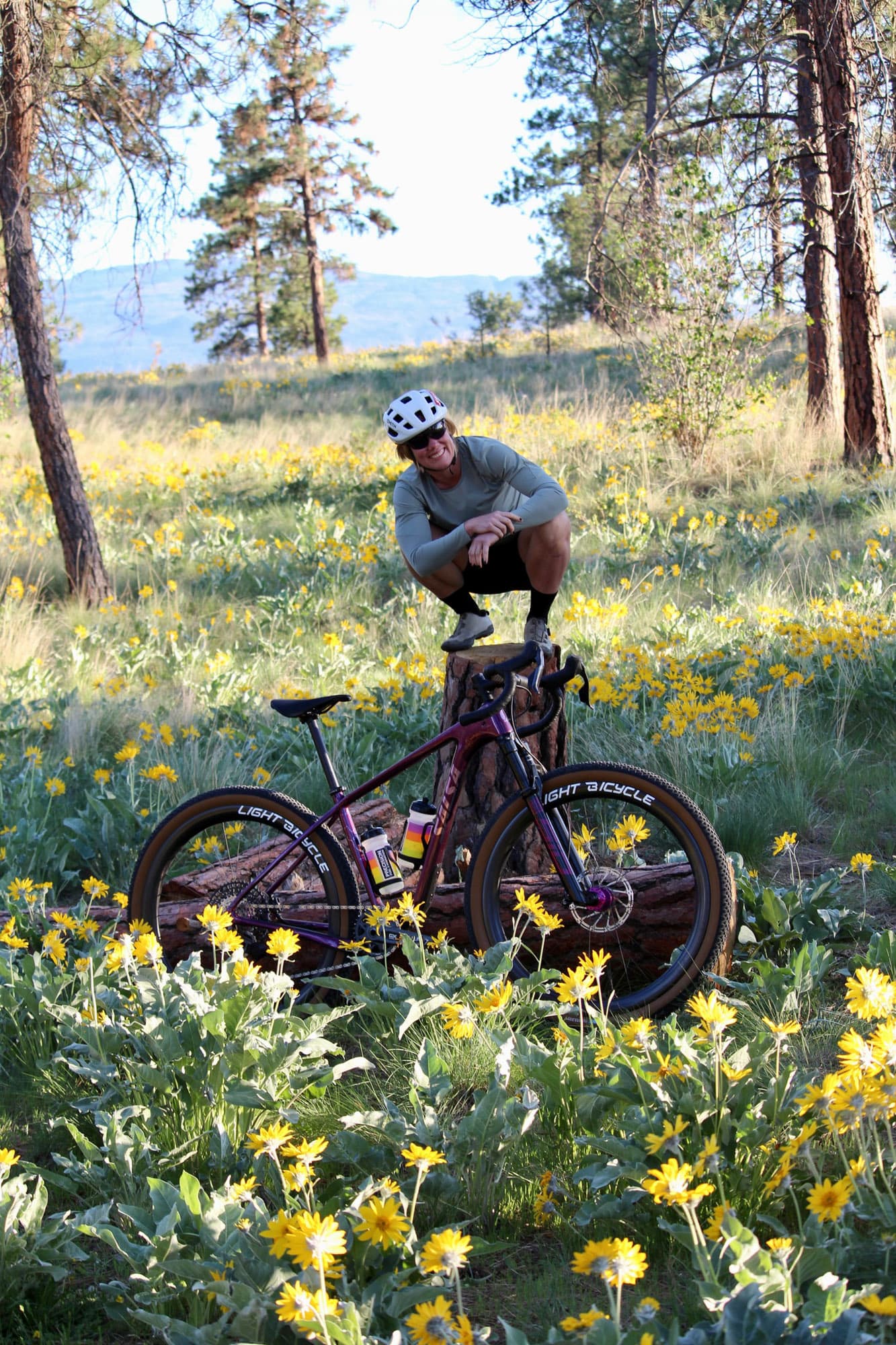
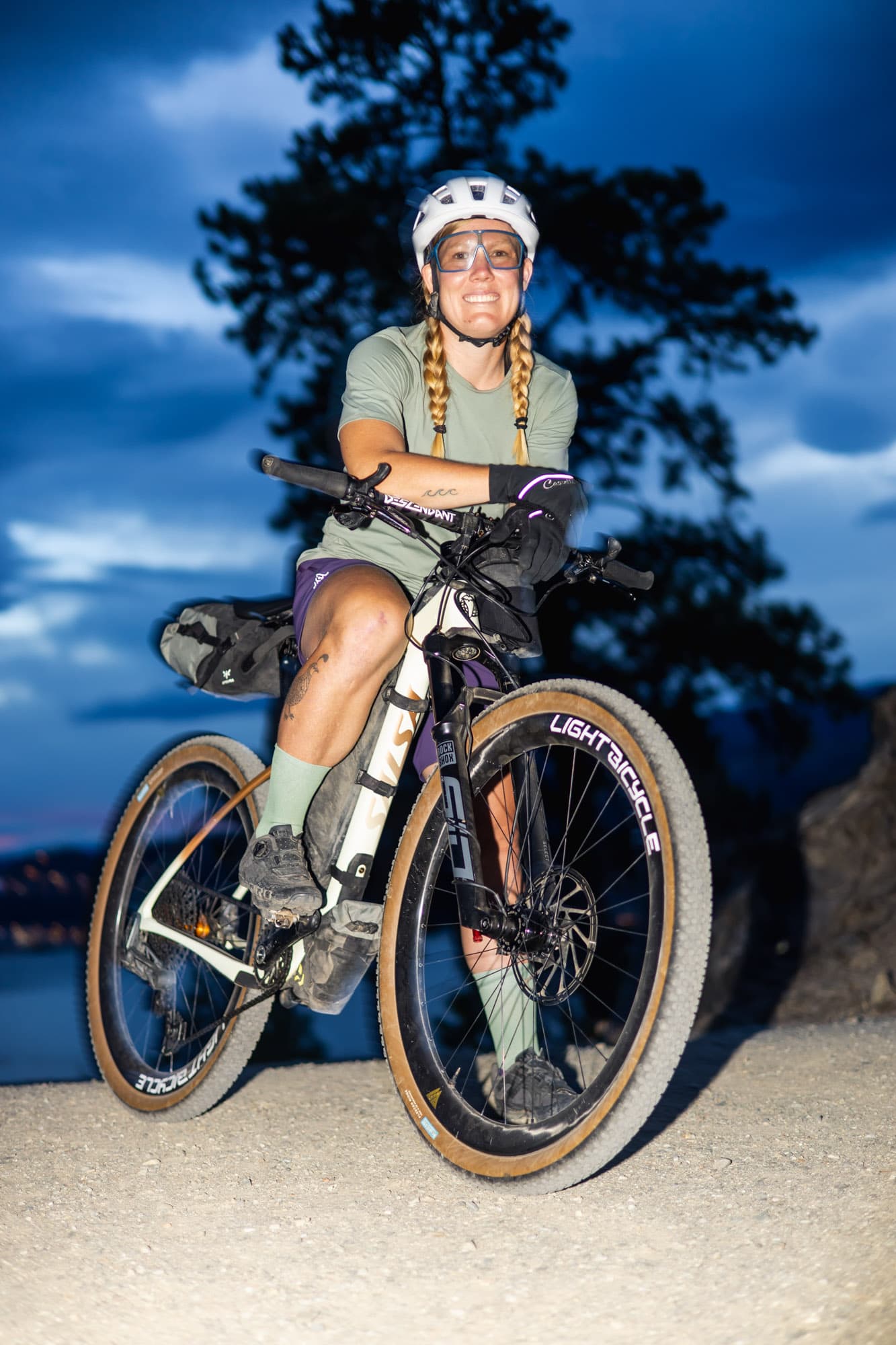
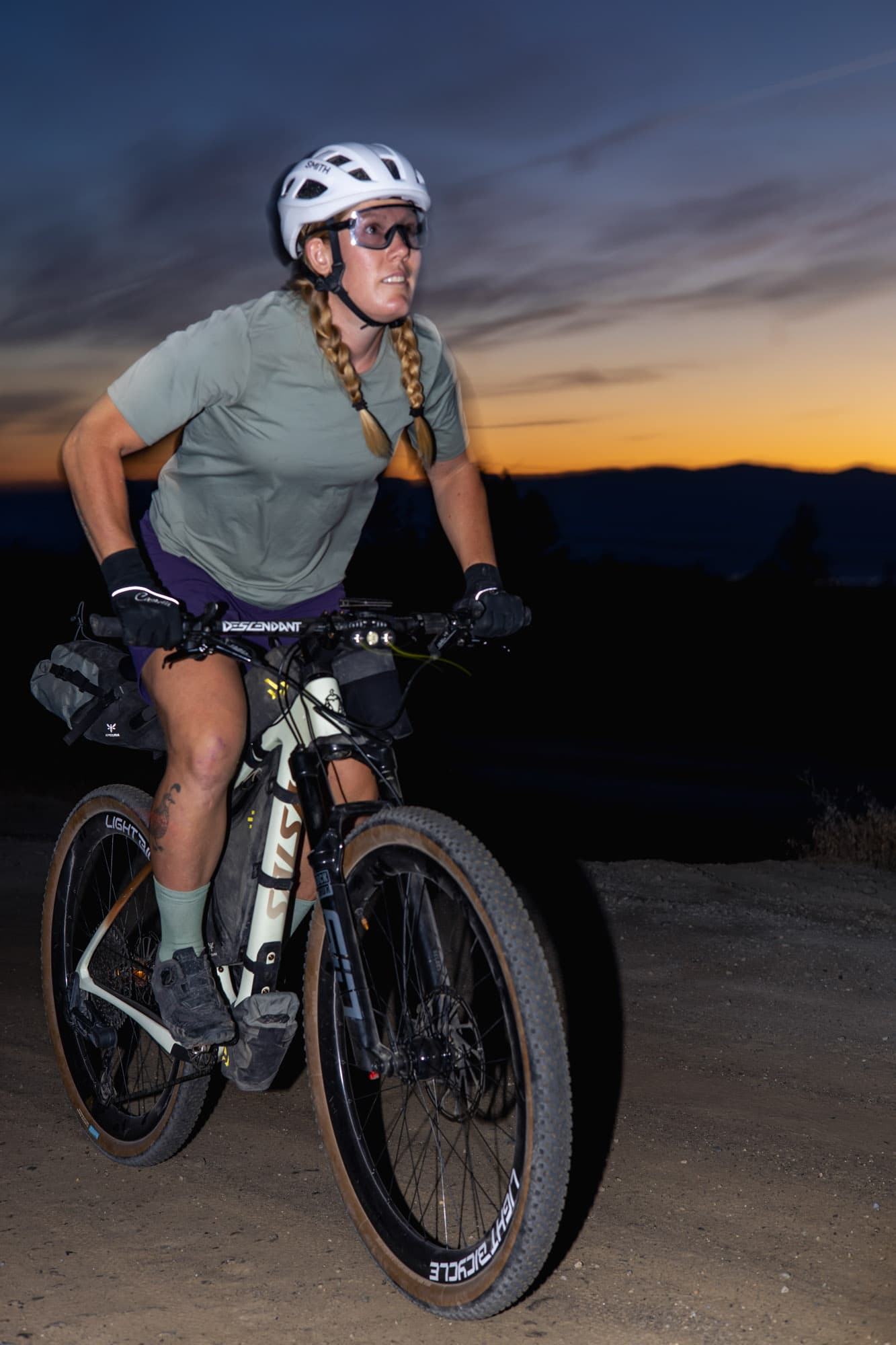
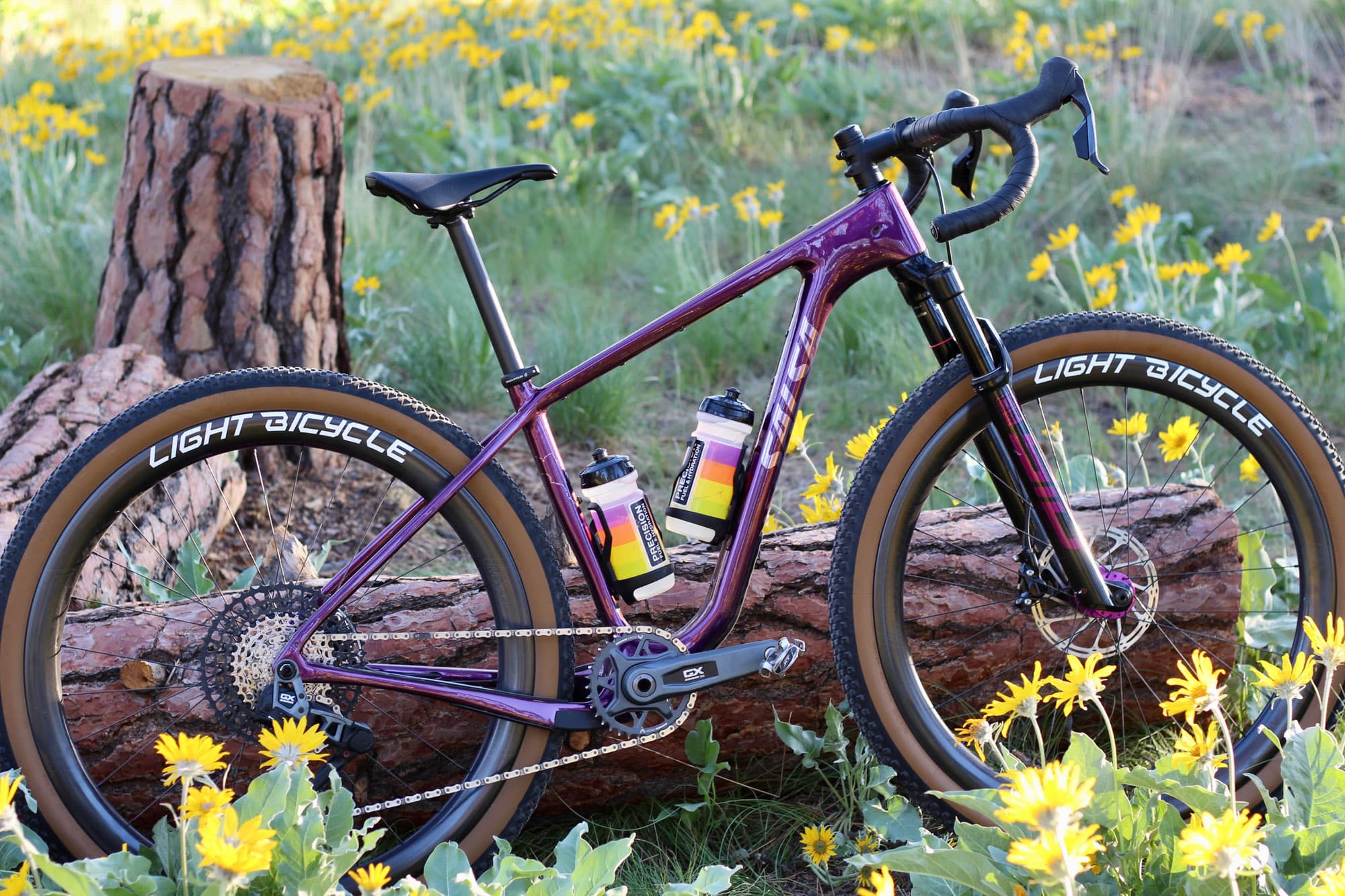
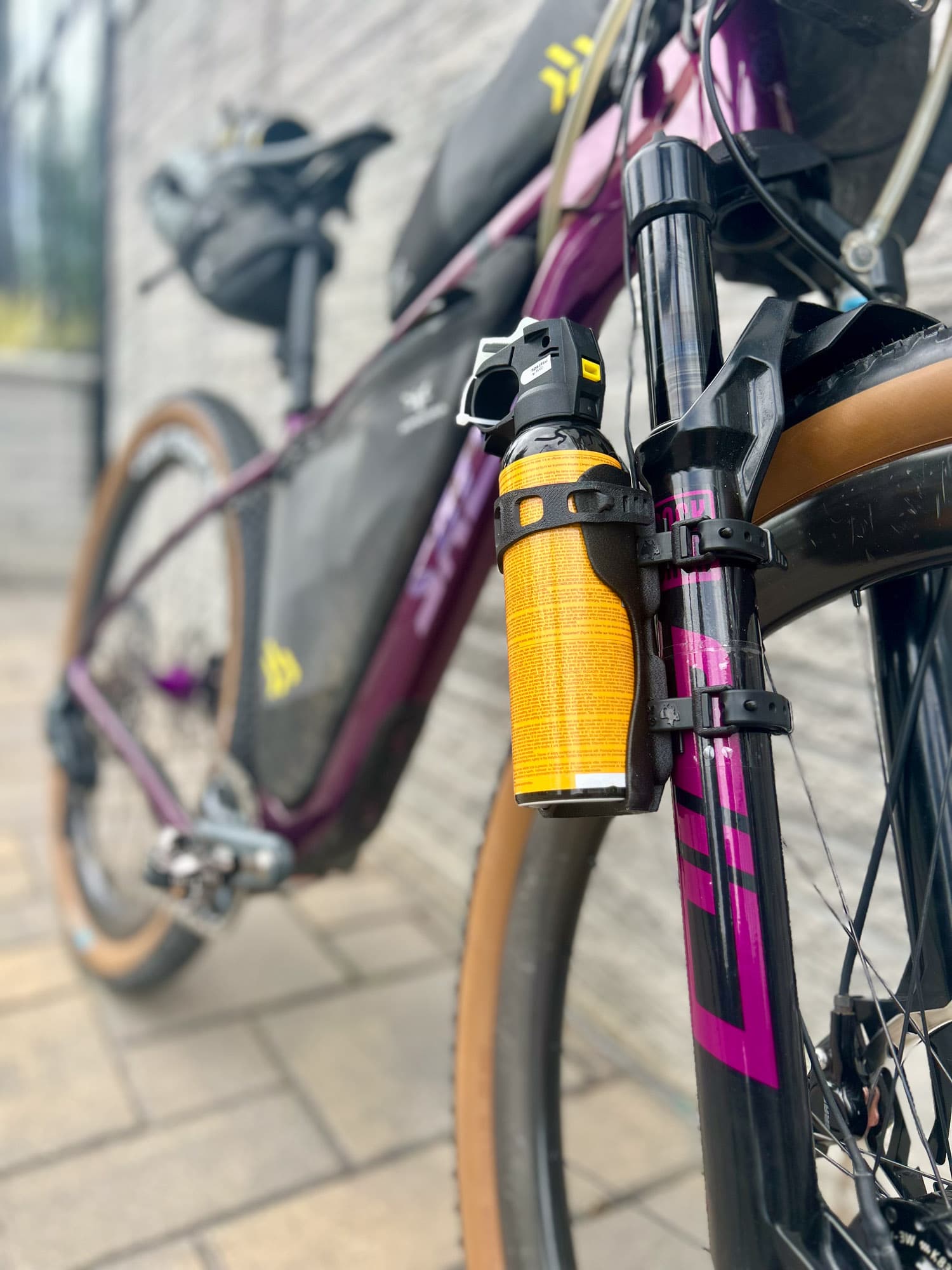
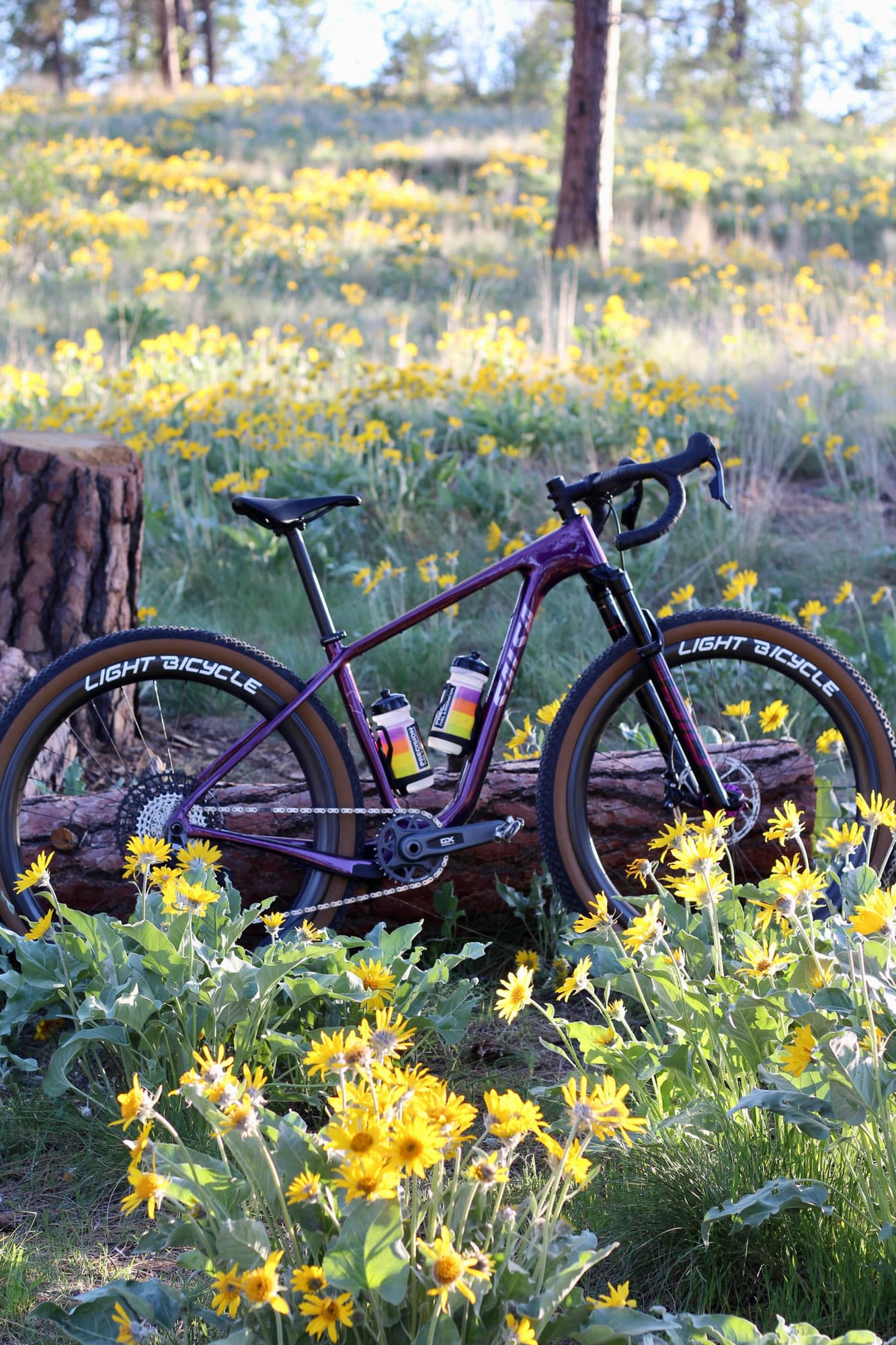
I'm riding the new Salsa Cutthroat with 100 mm of suspension. Her name is Dolly, after Dolly Parton, who's an endlessly creative, prolific songwriter and someone I've always been intrigued by.
The Cutthroat was a great bike the last time around, but I was pretty beat up by New Mexico. This is the first time Salsa has offered a Cutthroat model with suspension and I'm hoping the extra squish helps me through. It's a little heavier, but I'm committed to it for the comfort. I rode a very similar setup for the Mountain Races last year, except had my local shop add the suspension fork to the rigid stock model.
Tell us more about your gear. What exactly are you riding and carrying this summer?
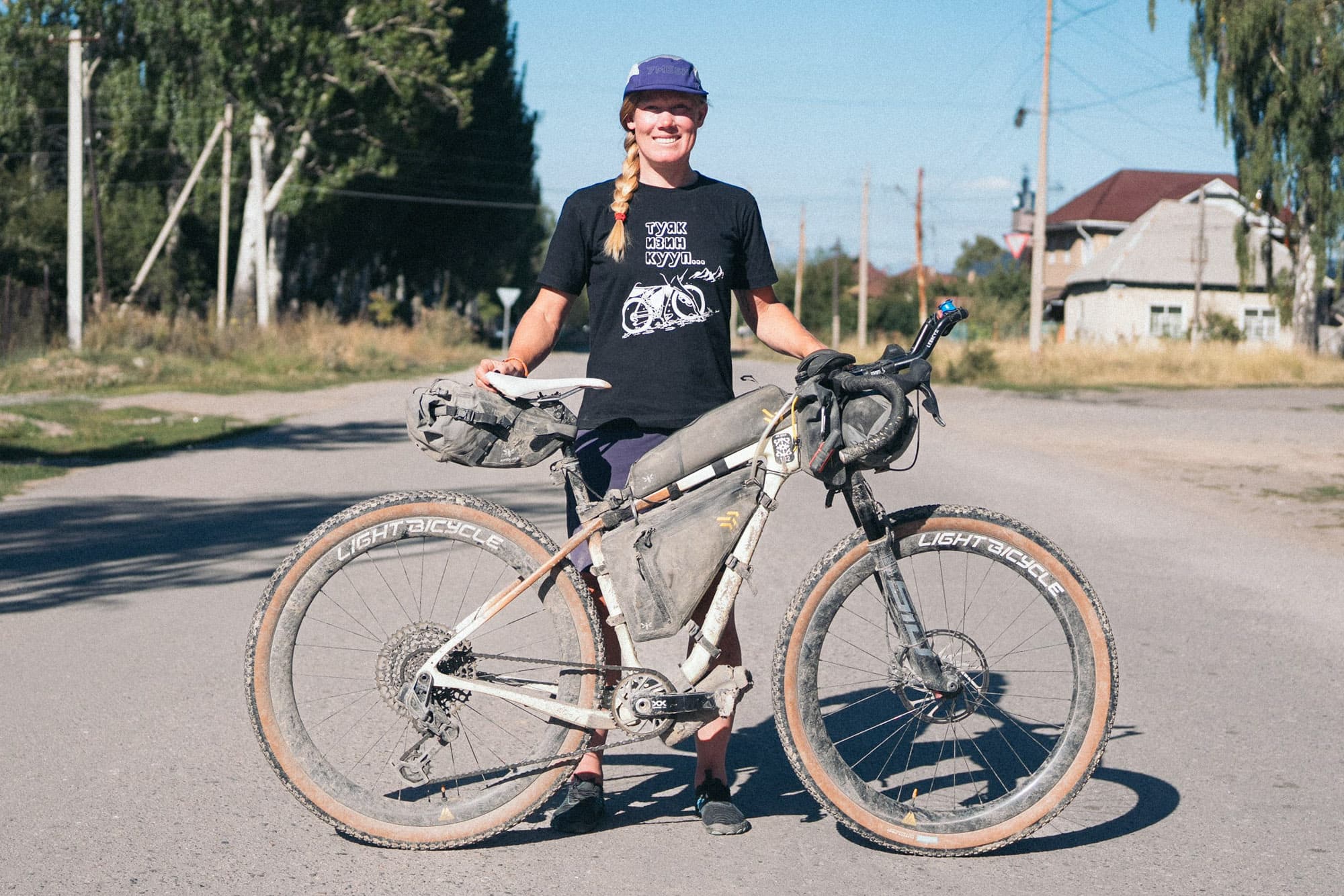
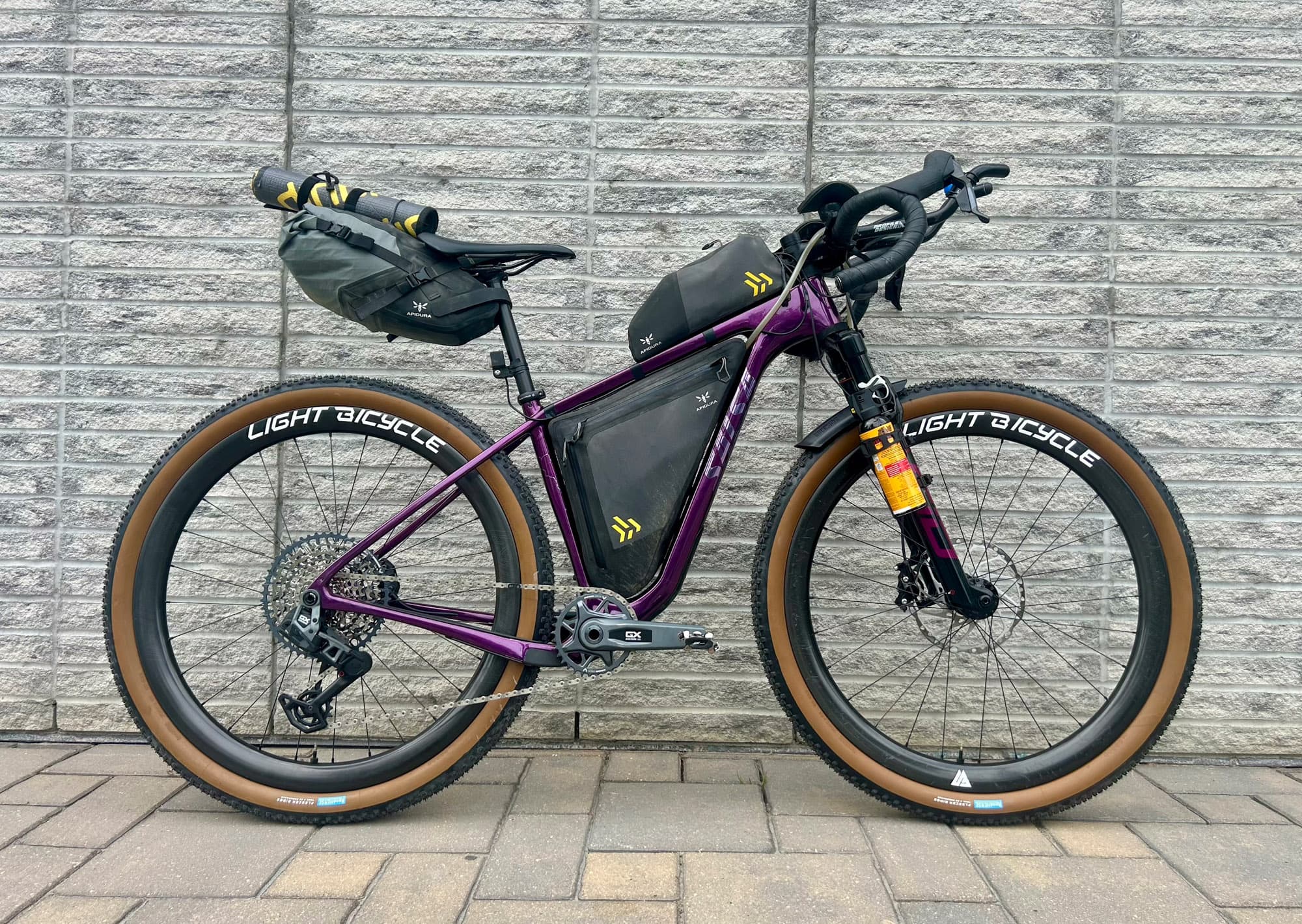
My race setup takes the configuration I used for most of the Mountain Races and builds on what I learned from racing the Divide in 2024. I'm using Light Bicycle WG44 (WG = wide gravel with 44 mm depth) wheels, the front laced with a SON dynamo which is paired with a kLite and rear Qube. I'll be running Rene Herse Fleecer Ridge 29 X 2.2-inch tires with Rene Herse sealant.
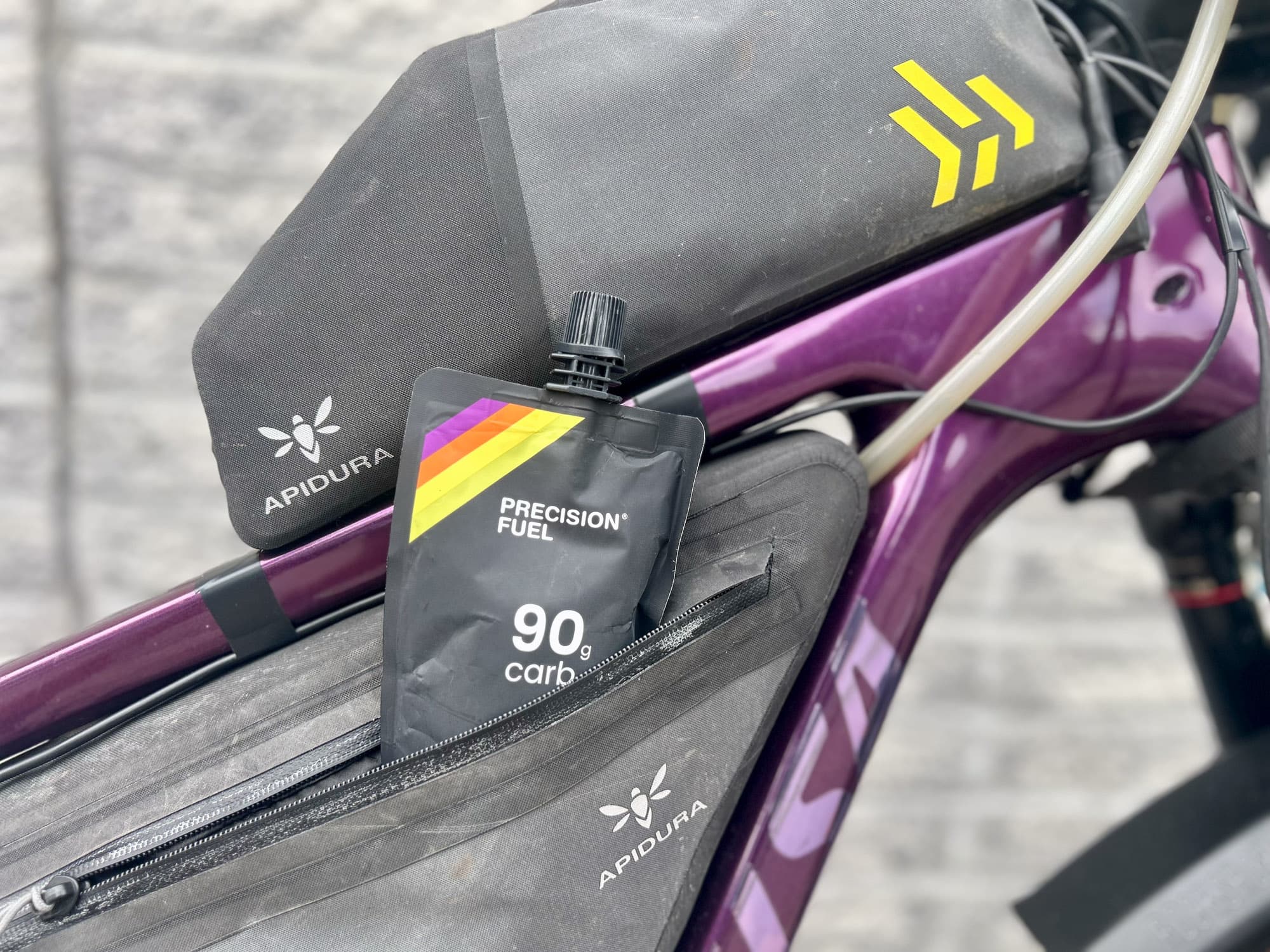
For bags, I'll be running a prototype Apidura bolt-on full-frame pack (hydration and smaller layers like gloves and arm warmers) and top tube pack (electronics and tool kit), as well as a Backcountry saddle pack (warmer layers and sleep kit) and stem pack for snacks. My sleep kit is identical to 2024: a Rab Mythic 180 down sleeping bag rated to 0C/32F, an SOL emergency bivy, and a tiny homemade sleeping pad of mysterious origin.
My apparel is all from 7mesh; my luxury item is a blue plastic spoon that I use for yogurt, tapioca, and rice pudding.
Tour Divide happens soon. What's your race prep look like?
I started out the year with seven weeks of touring in Southern California and the Baja Divide. Then I transitioned to more structured training at home for a couple of weeks in March before taking off for Mid South and East Texas Showdown in Oklahoma and Texas. I was training consistently at home for most of April before jetting off again for an altitude block in Leadville, Colorado, where I am now.
After Leadville, I'm heading to Wakefield, Quebec, where I'll be the keynote for the Canadian Shield Bikepacking Summit. I presented at the inaugural event in 2023 and am stoked about returning. I'll be doing some school presentations and have a day to explore Gatineau Park. Then I'm home for a couple days to get my bike prepped before I'm off to join a beginner bikepacker weekend in Revelstoke, where I'll be sharing about last year's Mountain Races. Then I'm home for a couple days to pack up before heading off to Banff. The day before the race I'll be hosting an in-person ride followed by meet-and-greet for the Divide Collective, and meeting up with some other bikepack racers. Somewhere in there I should probably find time for a bike check video.
Your training this season sounds more intentional than previous years. What has changed?
I've been working with Bikepacking Coach Peta McSharry since late 2023, when I was prepping for my rookie run on the Tour Divide. She's married to someone I met racing the Trans Am in 2017 and we met the summer I stayed with them in Switzerland while training for the TCRNo8 in 2022, so it's been cool to have this connection for a while.
Last season, I found it difficult to stick to my training, especially with the emotional turmoil, shoulder injury, and travel. This year, I've been better at sticking to structure. I've been using a heart rate monitor, actually doing my workouts as prescribed, and seeing the growth. Well, except for the seven weeks I was in Baja and Southern California this January-February. That was pure fun.
2026 is going to be a big year for me in terms of distance: I have more than 11,000 km already, and a lot of those were hard-fought miles on the Baja Divide. Now I have 4,400 km coming with the Tour Divide, another 6,100 km with Golden Gravel, plus something like 1,600 km from Taurus this fall, and plans to tour while in Türkiye. Rest days, injury prevention, and proper recovery are things I take seriously.
You know the Tour Divide route now and you're currently training in Colorado. What are you looking forward to most during the race this year? The least?
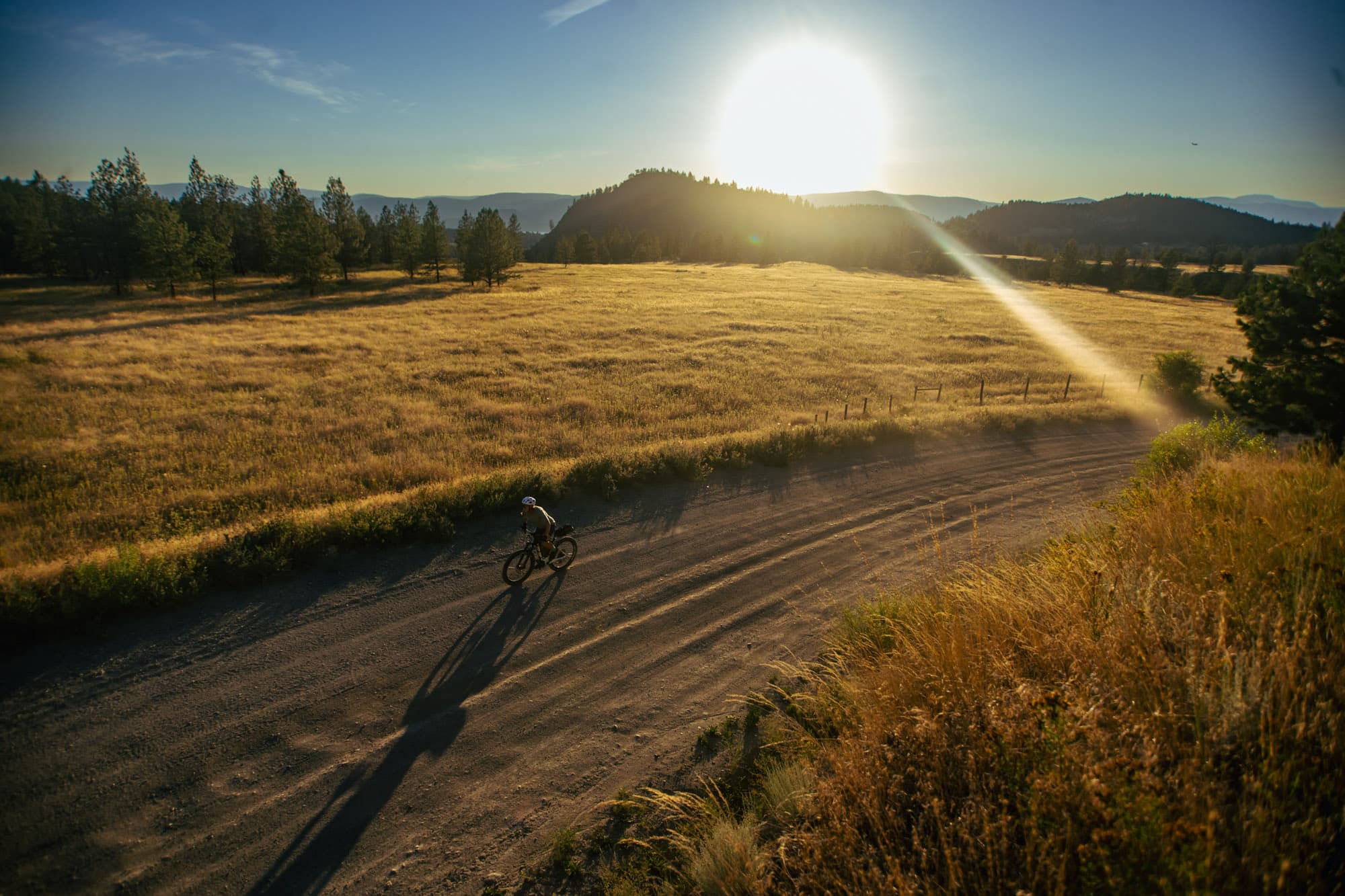
Being back here in Colorado! The roads are in great shape, fast gravel, almost pavement, and the scenery is incredible. I hope doing this training camp helps me, too, because so much of the race is above 2,000-3,000 metres.
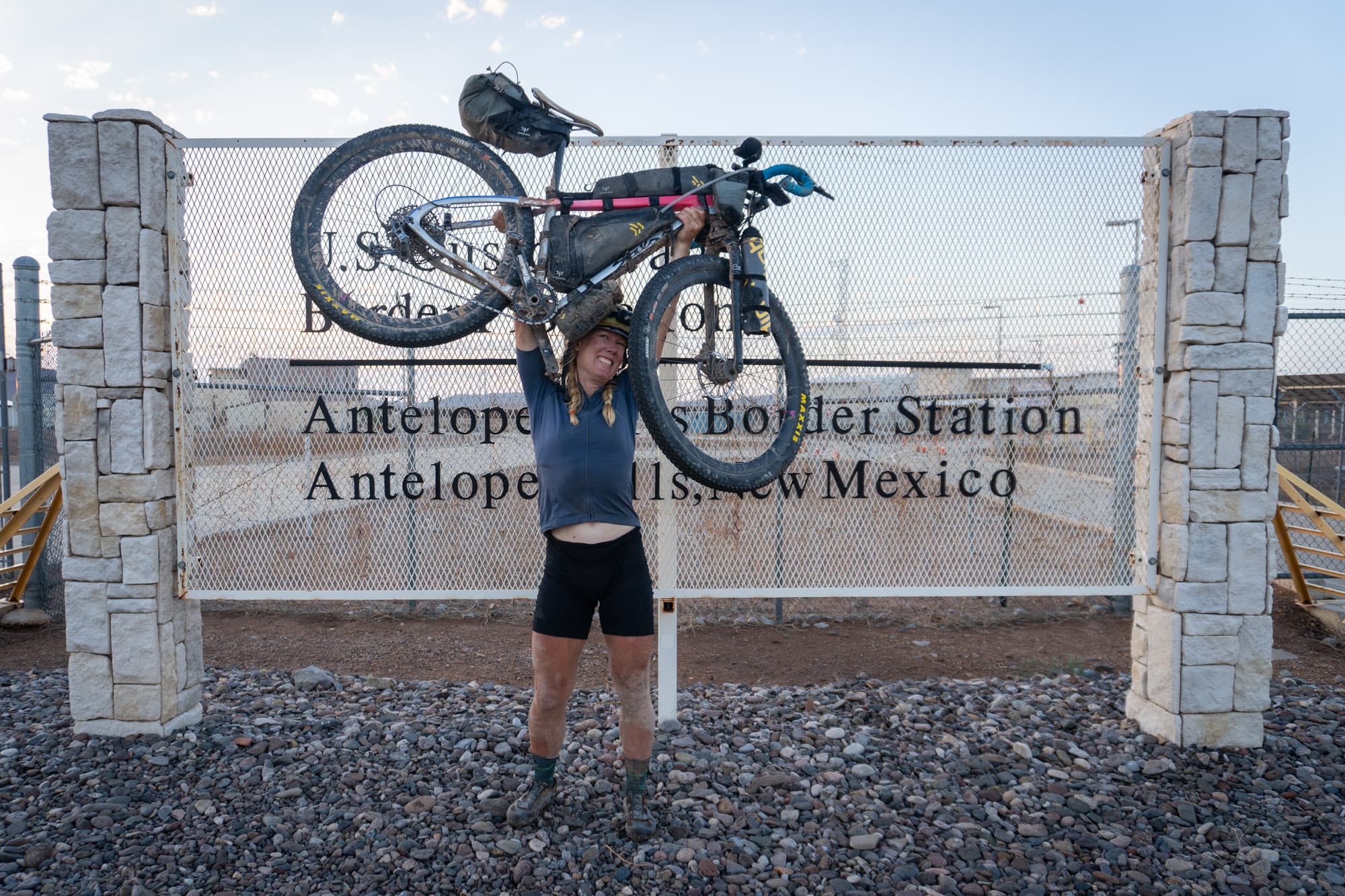
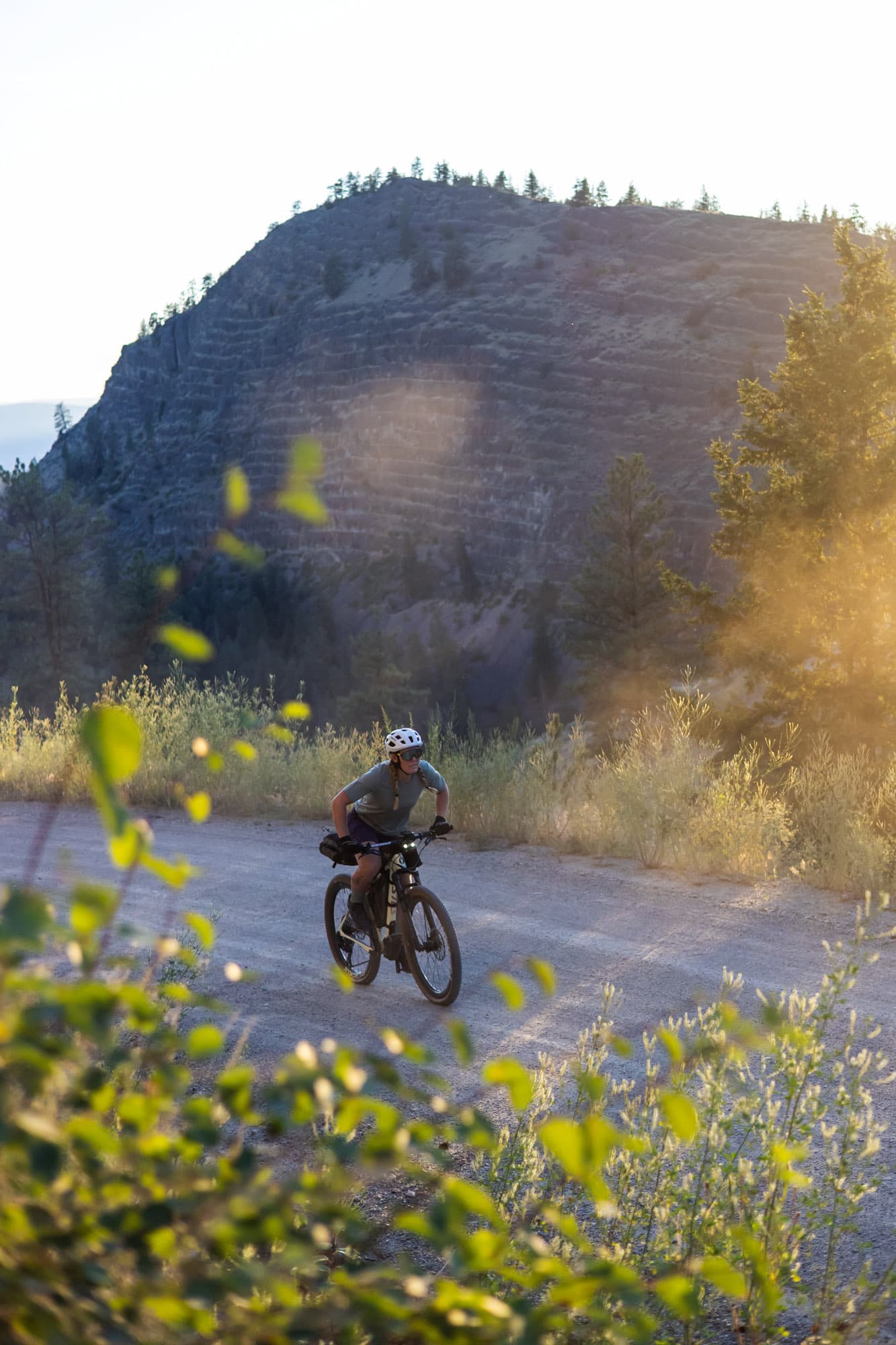
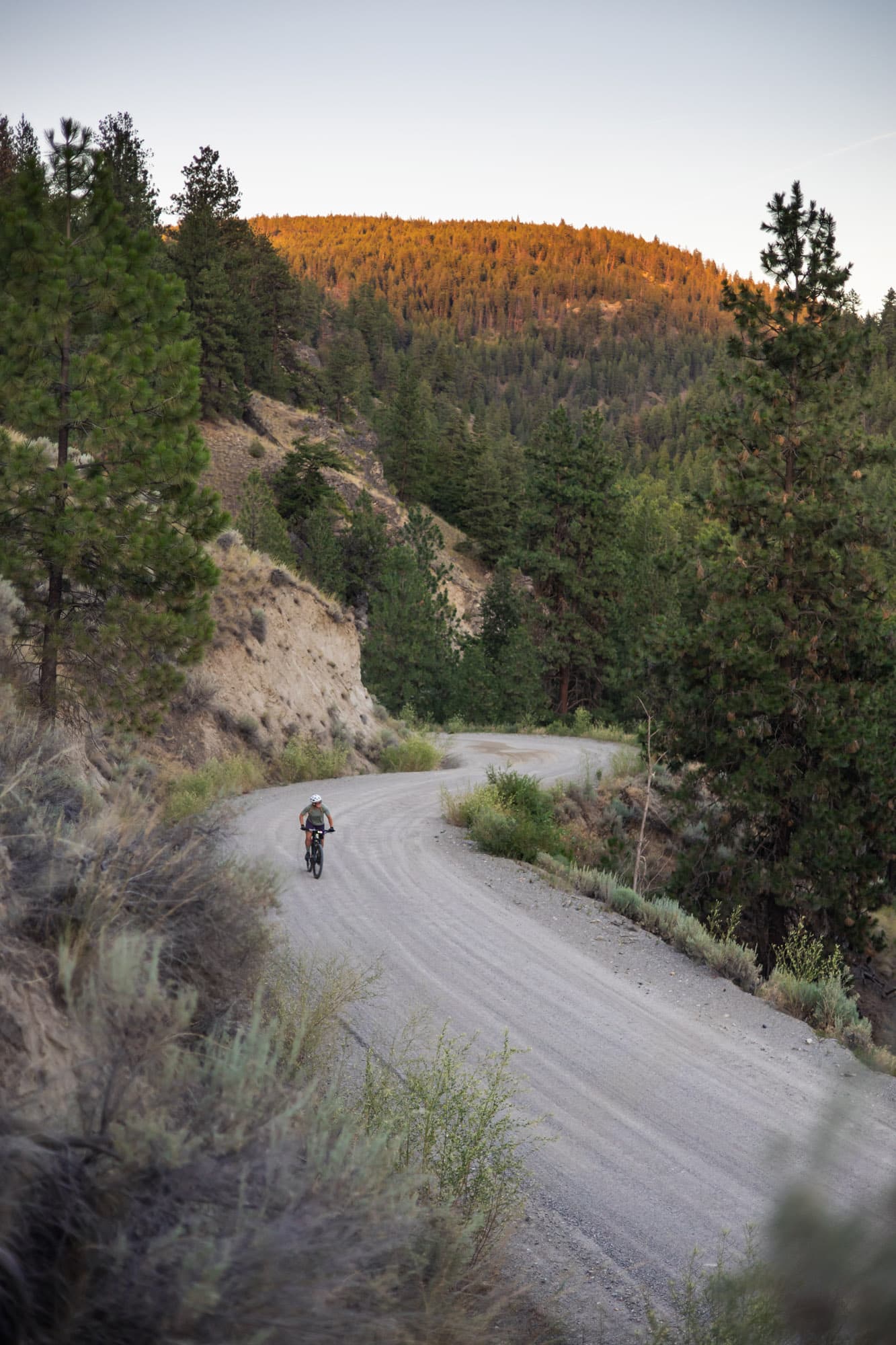
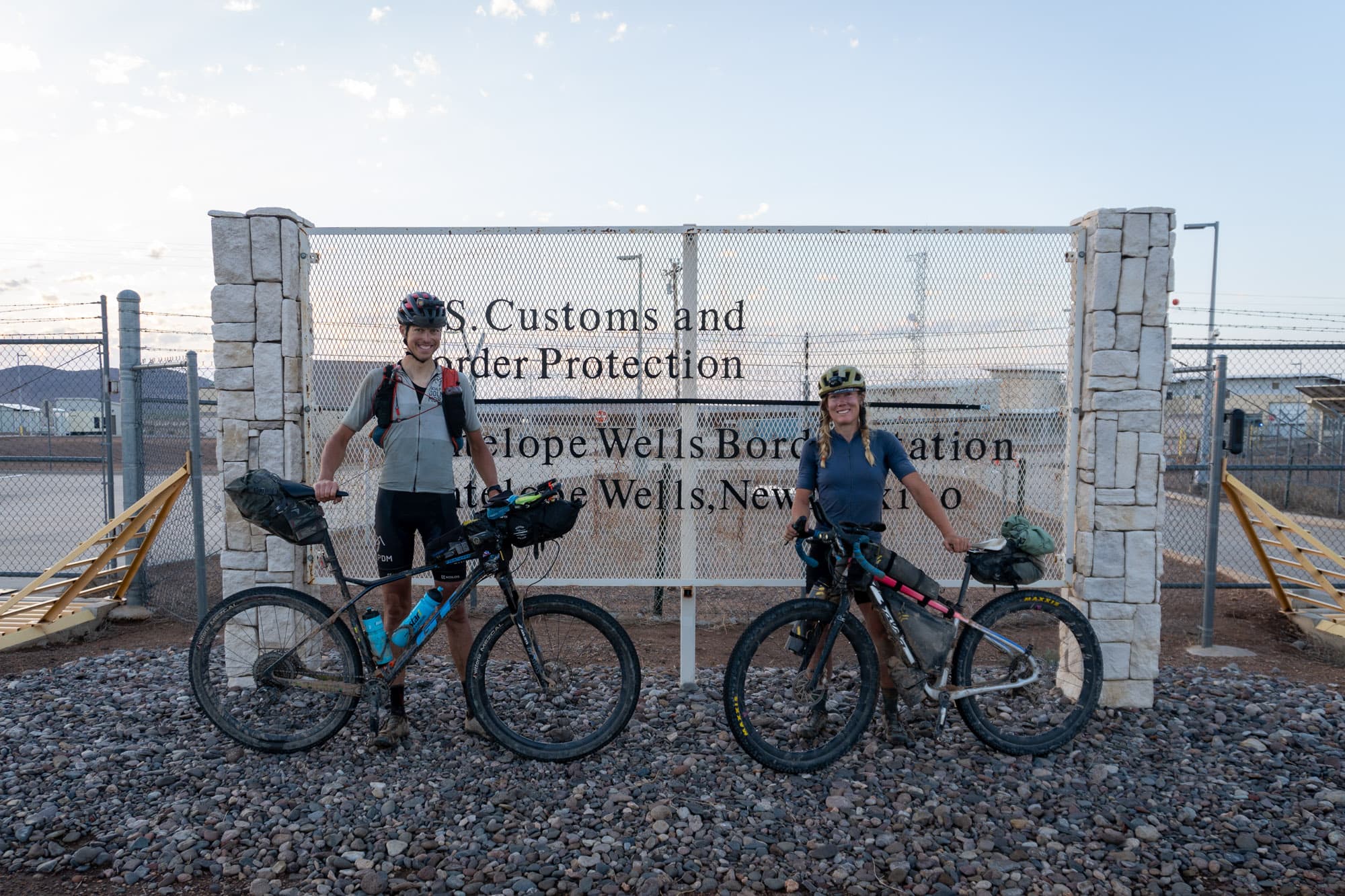
I'm least looking forward to New Mexico. While it's fascinating to watch the landscape transition to desert, the roads are super rough. When you are fatigued, stuff hurts more. I remember it being rocky, hot, and having to carry more water and food because of the distances between resupply points. I almost got run down by a pick up truck near the Gila on a deserted stretch of road, which was scary.
You're a solo woman on remote roads for weeks at a time. How present is that reality of gender-based risk when you're out there?
It's something I try not to actively think about yet exists as an undercurrent in my mind. Just before the first Continental Divide Trail section in New Mexico, a rancher on a horse approached me. I'm scared of horses, so being cautious, I hopped off the bike to let them pass on the narrow doubletrack. The rancher also climbed off the horse to chat. He was friendly, maybe a little drunk. I was being friendly too but wanted to get moving. He reached out for a hug, so I thought, "Maybe a quick hug can end this conversation so I can get back on the road."
The rancher grabbed my ass and tried to grab me more. This has happened at different times, in different contexts, all over the world. It's disappointing that it feels necessary to keep unfamiliar men at an arms distance (in my head I imagine a pandemic-era safety bubble), but that's the reality we live in.
I think this is why the Divide Collective meetup in Banff is important. There is an issue with gender-based aggression and just knowing others go through it can help. I feel like this isn't a bikepacking problem, it's a systemic issue. And like I said, it's not great that it happens, but we are strong athletes. We will keep showing up.
You've mentioned a Tour Divide book. Is that still alive?
I've had a big idea about an adventure memoir based around the Tour Divide but I haven't made it to the finish line on that one yet. Now that I'm racing again this year, I feel like the story might pivot. Maybe it's actually two separate books. I also think there is a narrative about doing the Triple Nelson last year, and coming back to race Taurus this fall with the insights from my 2025 season.
Last year was the first year you had real financial support. Is the bikepacking-as-a-living thing actually working?
I mean, I'm 41 and live at home with my parents. So yes, I'm able to travel all over the world and race my bike, but on the other hand, I can't really afford rent. You could argue that if I travelled less, I'd have more money for things like housing, but then I wouldn't have the freedom to pursue these goals.
Luckily, my parents are absolutely wonderful. I don't think many other roommates would tolerate my late-night workouts or how insufferable I become during the final prep week before a big event.
I'm just as lucky to have great sponsors. Some, like Apidura and Light Bicycle, have been supporting me since 2022, when I basically just had that BC Epic 1000 win and big dreams.
What might go unnoticed is how much support comes from the community. People open their doors, and their lives, to me: airport pickups, home-cooked meals, a place to sleep for the night (or month). When I host virtual or in-person event recaps, people show up with donations to help support my season.
I'm incredibly grateful that I get to do what I love. The reality is that I couldn't be here, racing at an elite level, without a combination of sponsors, my supportive parents, and an amazing community of people who continue to believe in what I'm doing.
Tour Divide rolls out of Banff on June 12. Meaghan's dot will be live on Trackleaders. We'll be back with Part Two after she finishes, likely publishing in early July.