Clotaire Mandel of Le Pédalistan: The World as It Actually Is


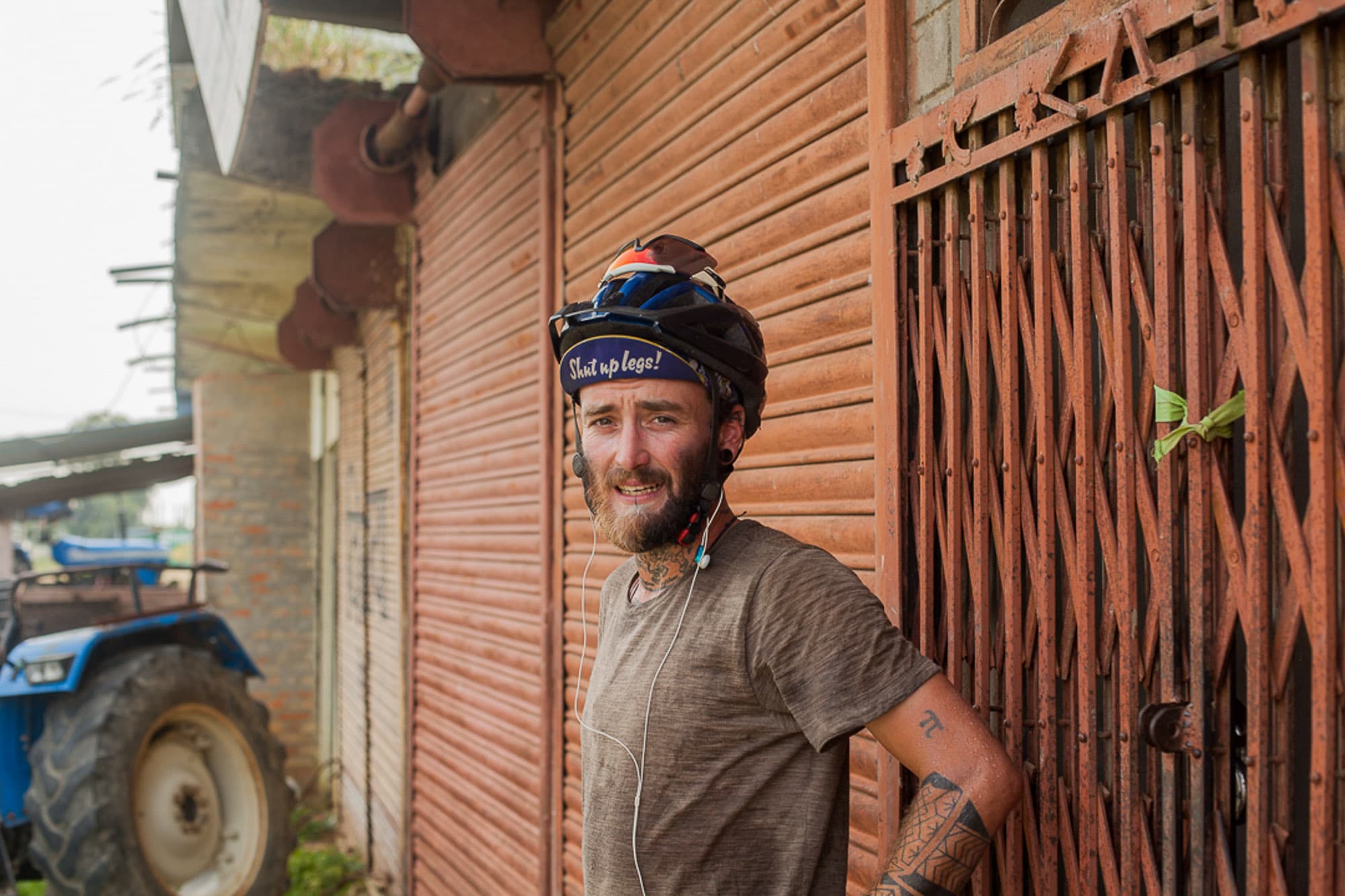
Clotaire Mandel left Saint-Quentin, in the north of France, in 2018, planning more or less to ride to Turkey with a friend. Eight years later, he still hasn't been home. The ride became a life. Under the name Le Pédalistan, he has pedaled across continents, through the Sudanese desert, the New Zealand mountains, and the Australian outback he says still hasn't given him back. I caught him in Peru, where the shops keep their own hours and the Andes do the rest.
What I love about Clotaire is that he refuses to sell the dream. He calls himself a storyteller, not an influencer, and he means it. He shares the grey days and the boring ones right alongside the sunsets. We talked about silence, the warping of time, what he'd never leave home without, and the books that keep him company on the longest stretches. Let's go.
What did it feel like to roll out of Saint-Quentin in 2018? Was it escape, adventure, or something else?
Everything but escape, I think. I was living a happy life, travelling a lot, working a little, partying, meeting people. It was all about happiness. But something was missing. Maybe the feeling of accomplishing a big “once in a lifetime” mission. So yes, it was a big adventure, a big ride around the world. Curiosity was also a big motivation, the need to go to the other side of the planet and see it all, but also to discover everything in between. The bike was the perfect tool for that.
I have to say the plan wasn’t clear at all. I was just up for a long ride with a friend at that time. Reaching Turkey already felt like a dream. I had, in the back of my mind, this idea of a huge journey around the world, but I didn’t want to pretend publicly that I would really have the courage to do it.
Which country surprised you the most, in good or bad ways?
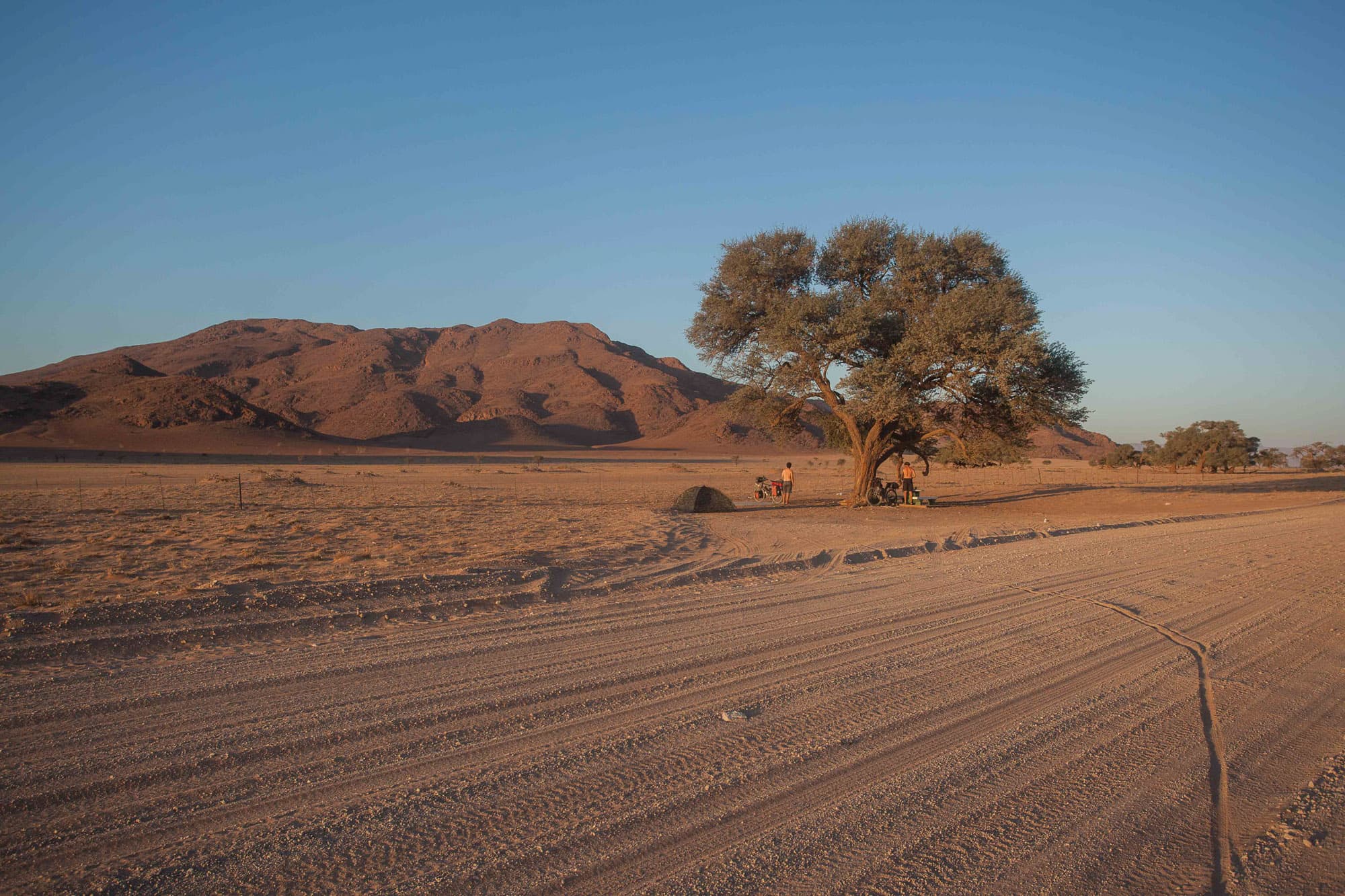
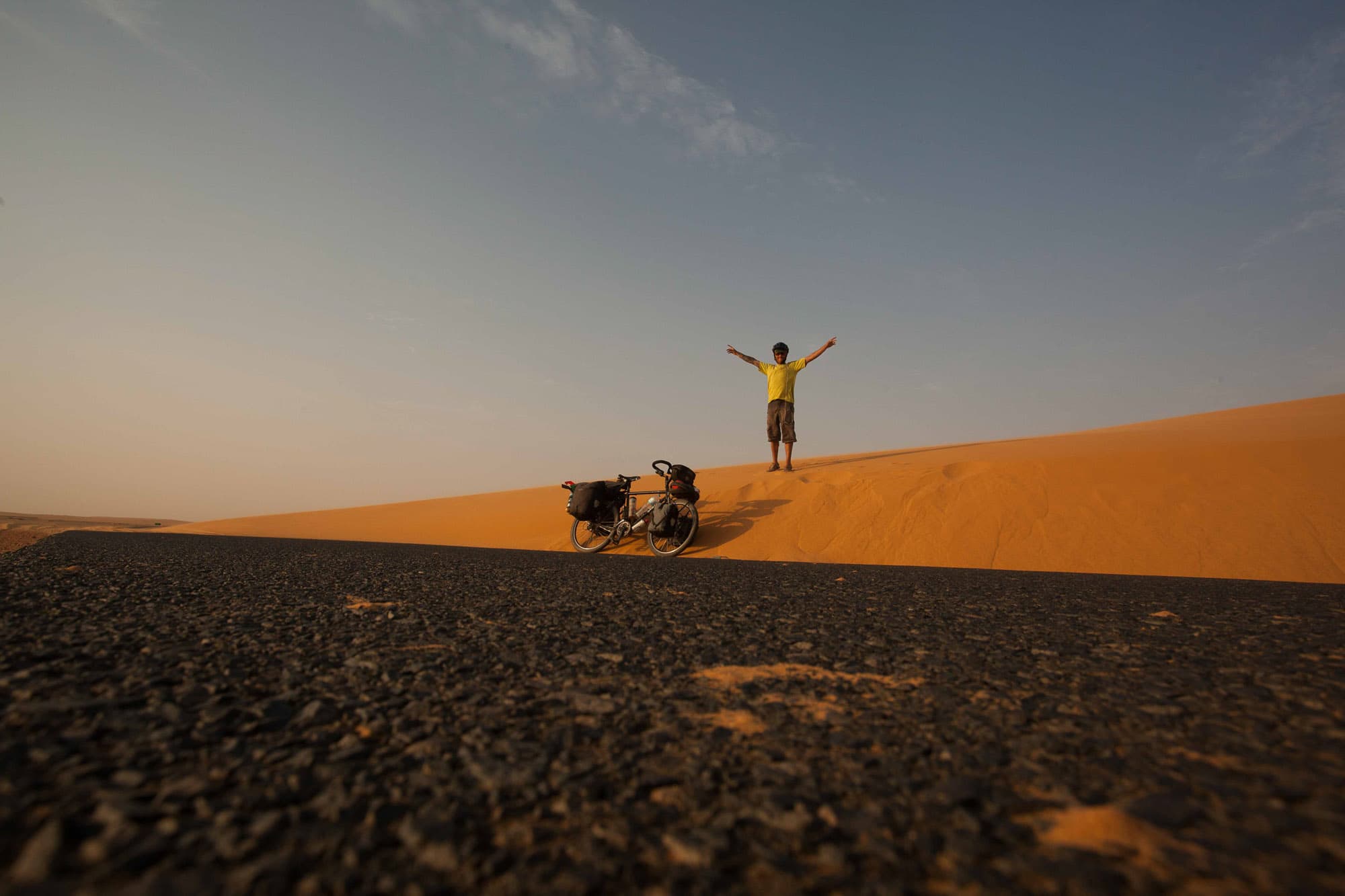
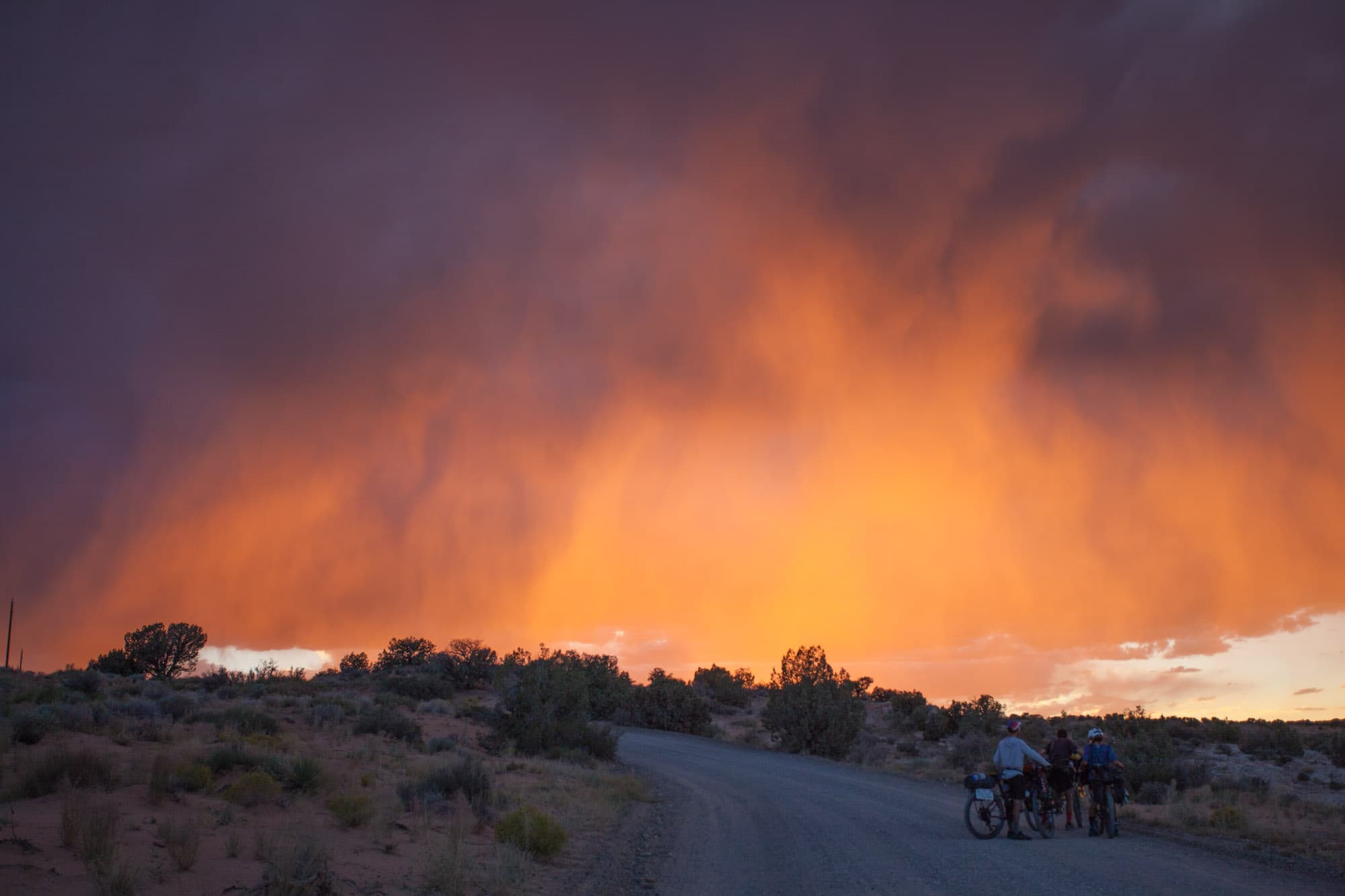
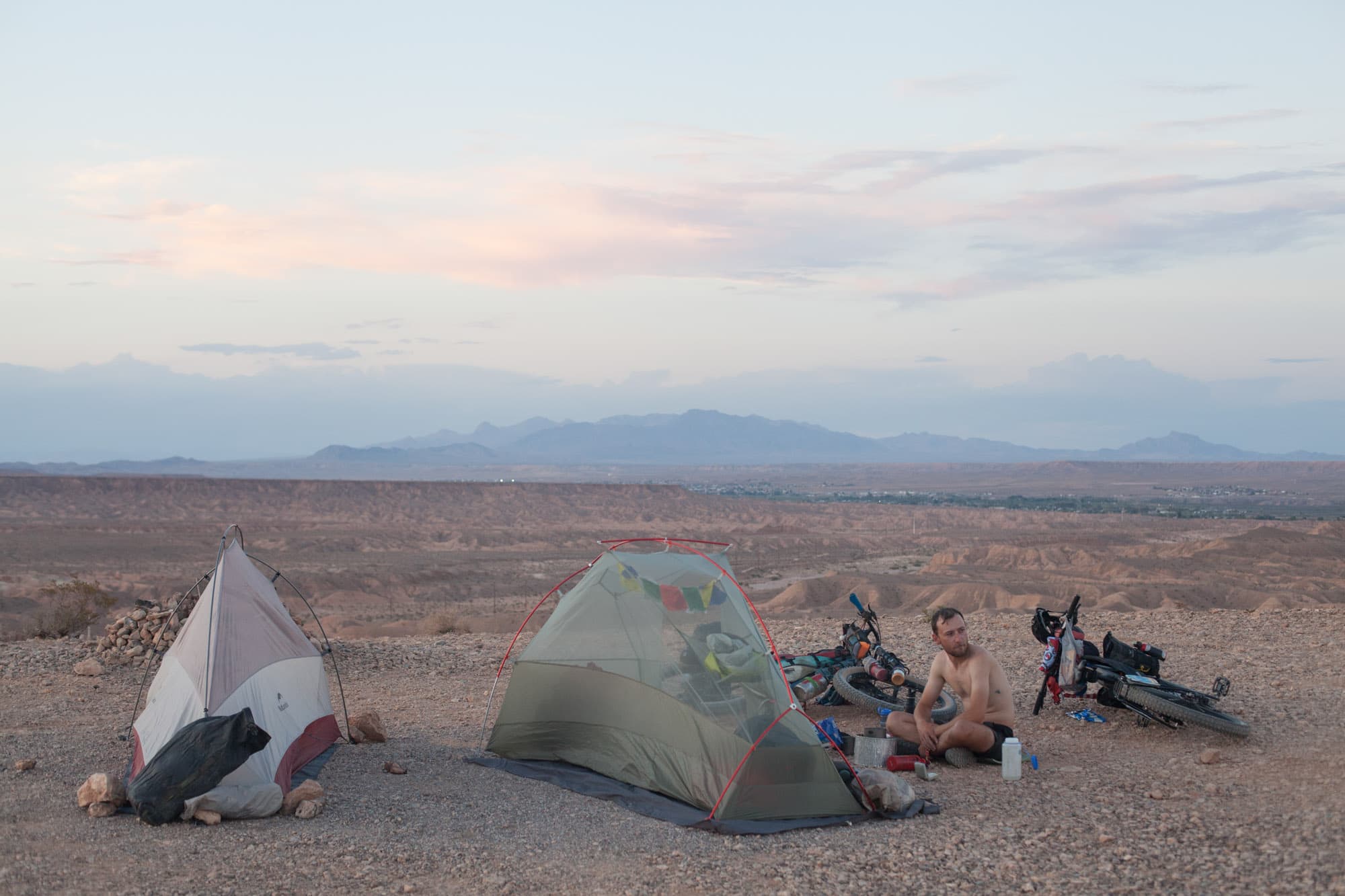
Maybe Australia. My ride across the country shook me deeply. Just one step away from the coast lies a huge, endless desert. The colours, the perspectives, the people, the wildlife, the remoteness. Everything was a daily amazement. I slowly became obsessed with Australia. When I read people’s blogs about crossing the country, their stories always felt mystical. There was something in the air, something in the orange ground, that made the ride feel more like an inner journey. I remember one French cyclist who rode from France to Australia, probably planning to keep going, who wrote, “Ok, it’s time to go home. Nothing will ever surpass what I saw and experienced in the Australian desert.”
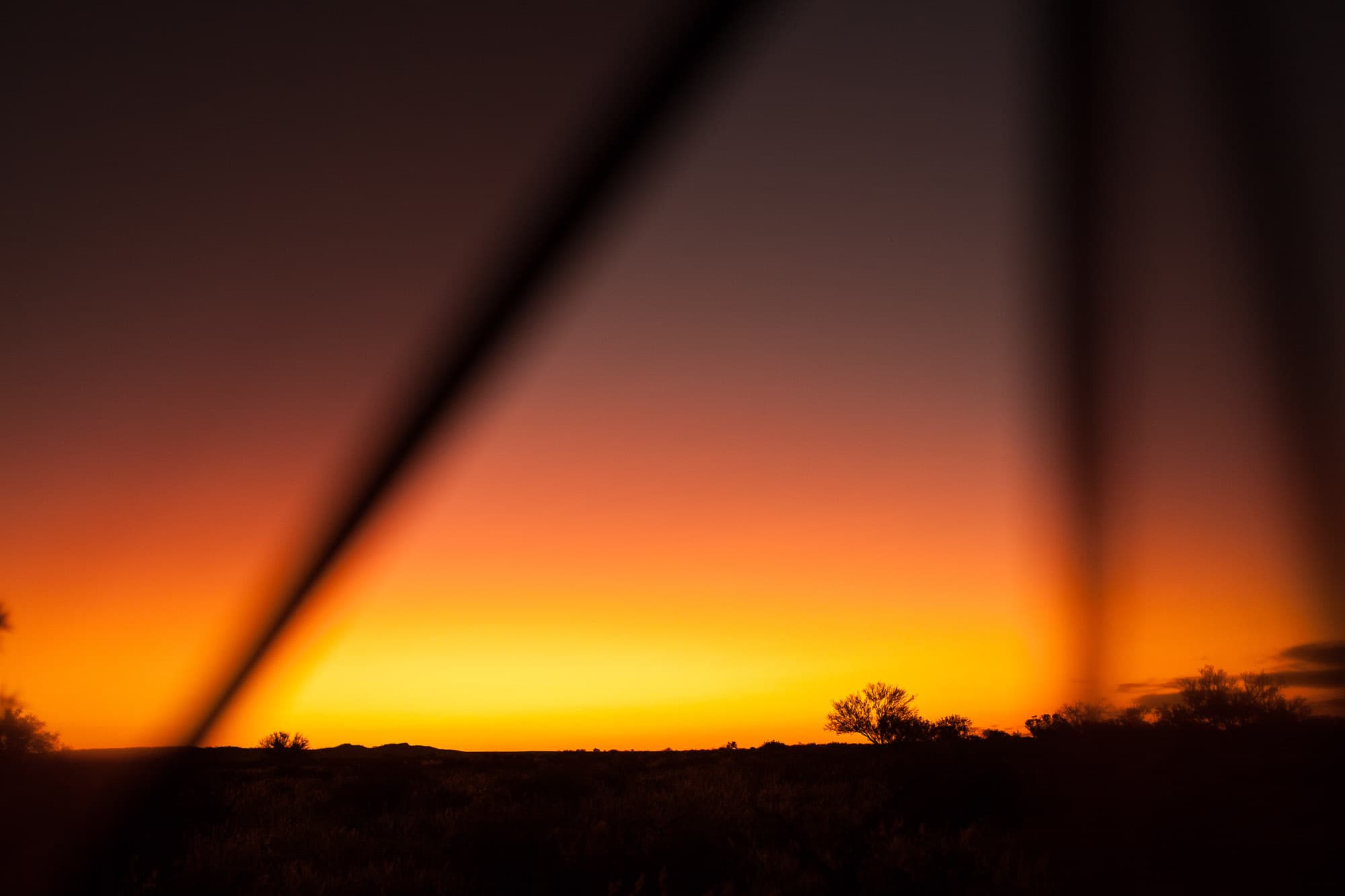
Curious, right? I was somewhere between very curious and skeptical. But it turned out to be the deepest inner experience I have ever had. Like a long, daily meditation. I am not even talking about the sunsets, the sunrises, the birds, the colours, the silence. I am still driven by the desire to cross every country, but I left a big part of myself out there. Something I can think about, but never really explain.


How has your sense of time changed since being on the road?
That’s a hard question. I think it’s a matter of scale. I never know which day of the week it is, really never. But I can usually tell you where I will be a year from now. So if I’m honest, I’m a little lost in time when it comes to things I don’t care about, and very aware of it when it comes to things I do.
My overall perception of time has definitely changed. Years feel like days, and sometimes days feel very, very long. If I have a couple of pints, I can tell you I’m 34, but I also feel like time stopped when I left, and I’m still 27. These years spent on the bike strangely feel like days, even though it feels like I’ve already lived six lives.
People at home bring me back to a more human sense of time. They’re aging, some are gone now, and many of my friends have kids and more “serious” lives than when I left. They remind me that time is passing, while I’m still doing the same things every day: cycling, searching for food and water, pitching my tent, reading, and dreaming.
In that sense, I feel far from them and from how they live with the human idea of time. I go to bed when the sun goes down and wake up when it rises. My days follow a natural rhythm, not workdays, weekends, or holidays.
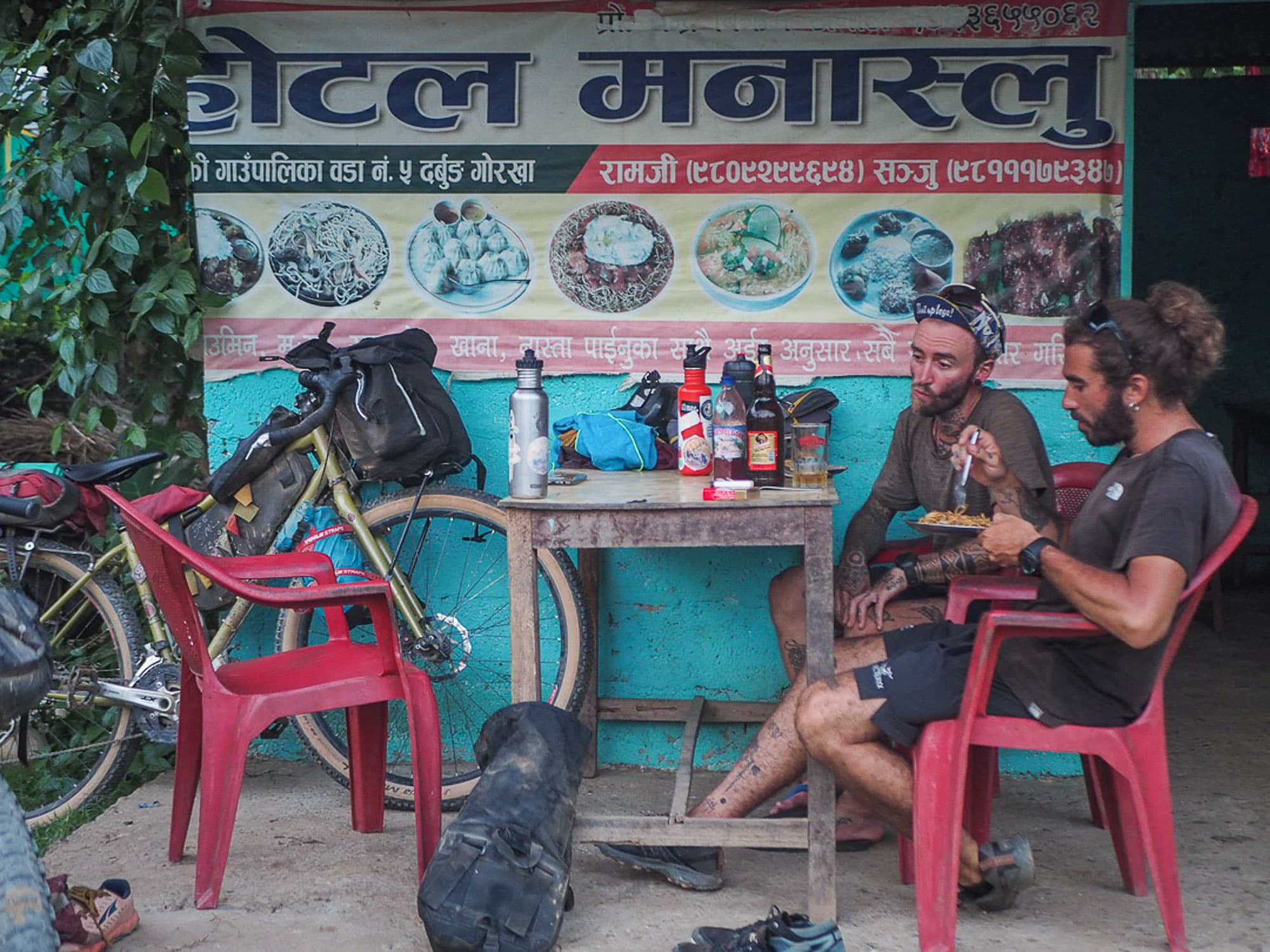
Still, I have to adapt to the local sense of time too. You don’t organize the same way in Germany as in Peru. In some places, if it says it opens at 9 and closes at 5, you can count on it. In Peru, where I am now, good luck. It might be open, it might be closed for reasons you will never know. You just show up and see.
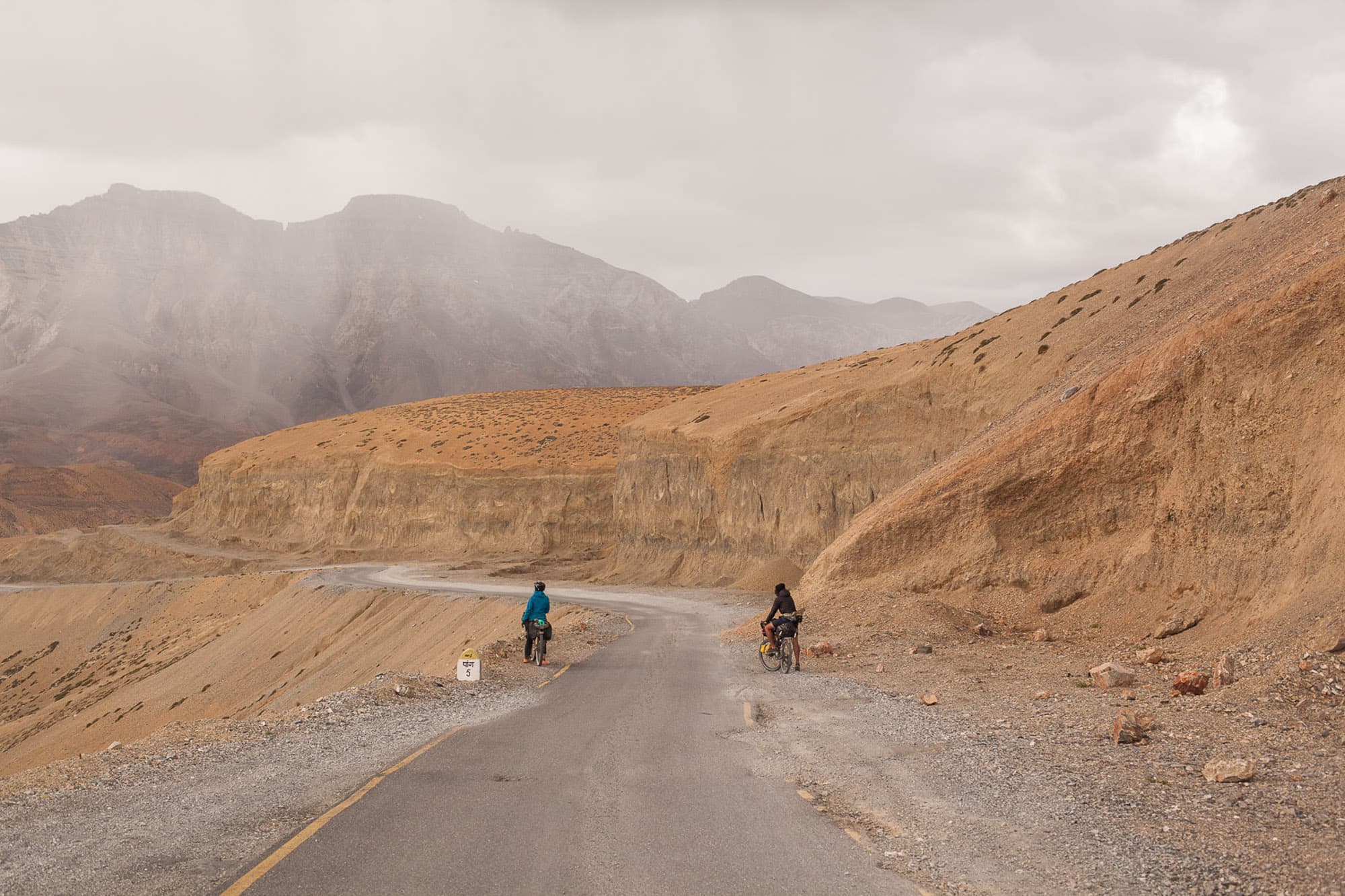
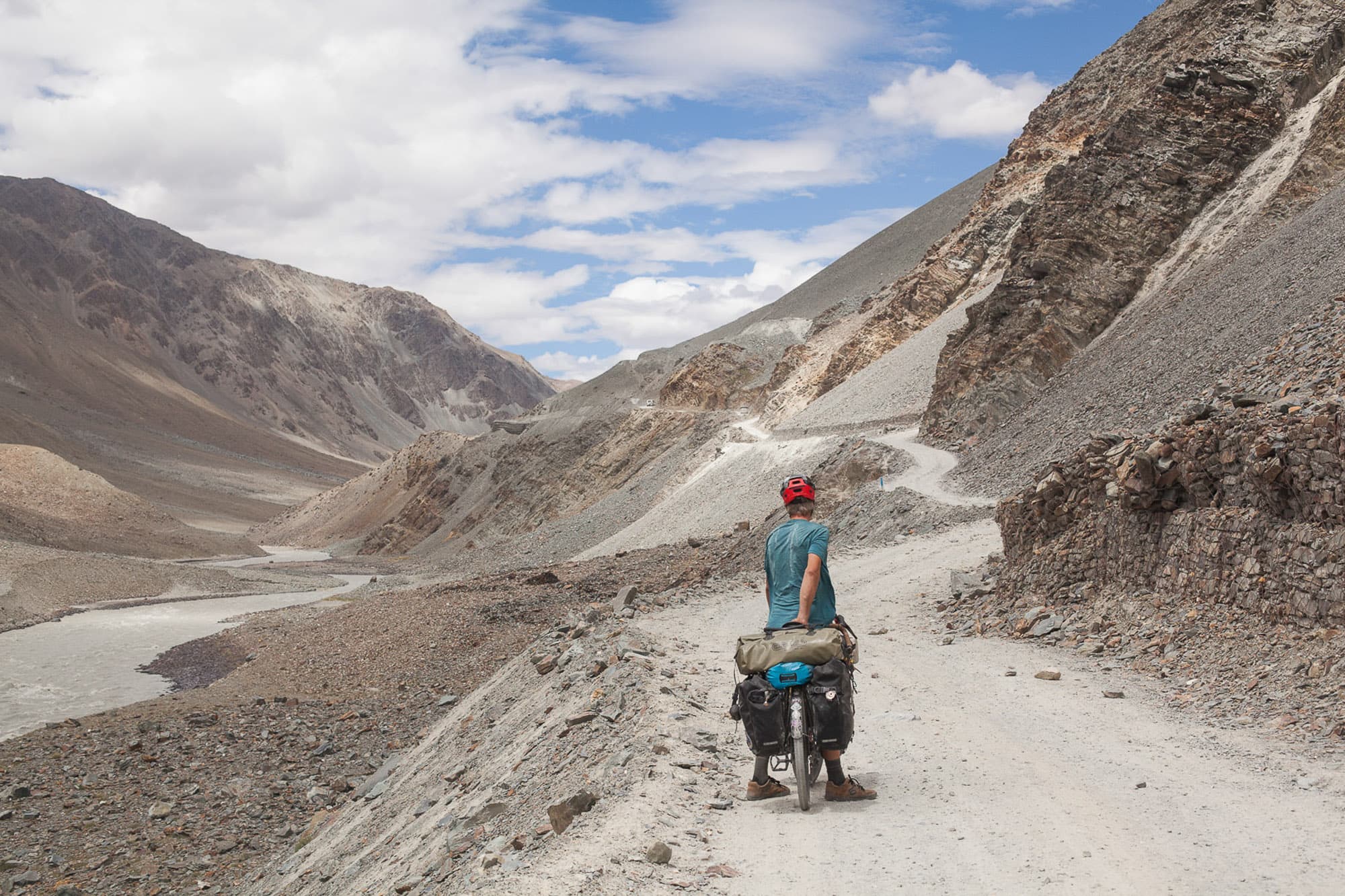
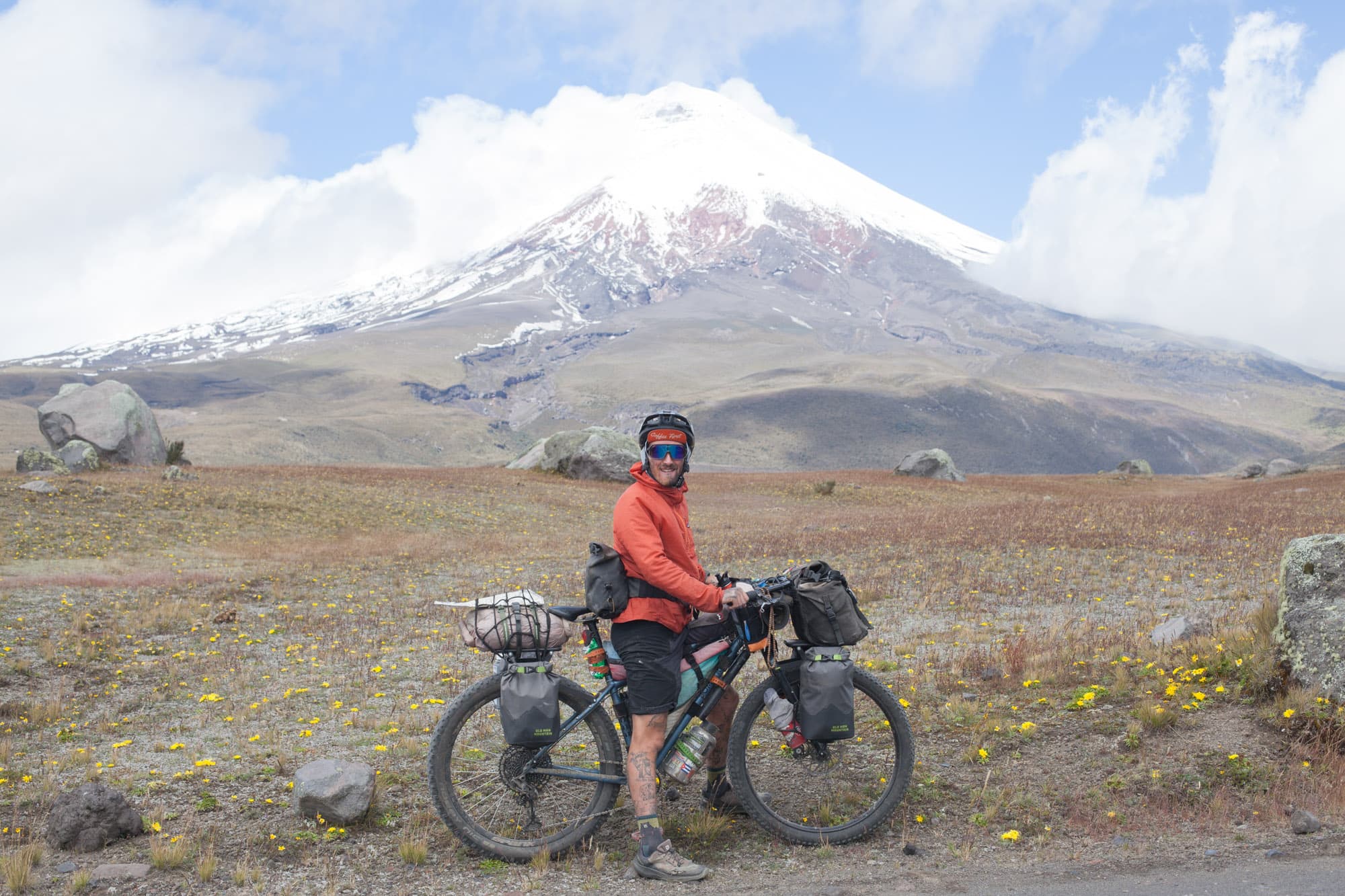
What’s a quiet moment that’s stayed with you, something small but unforgettable?
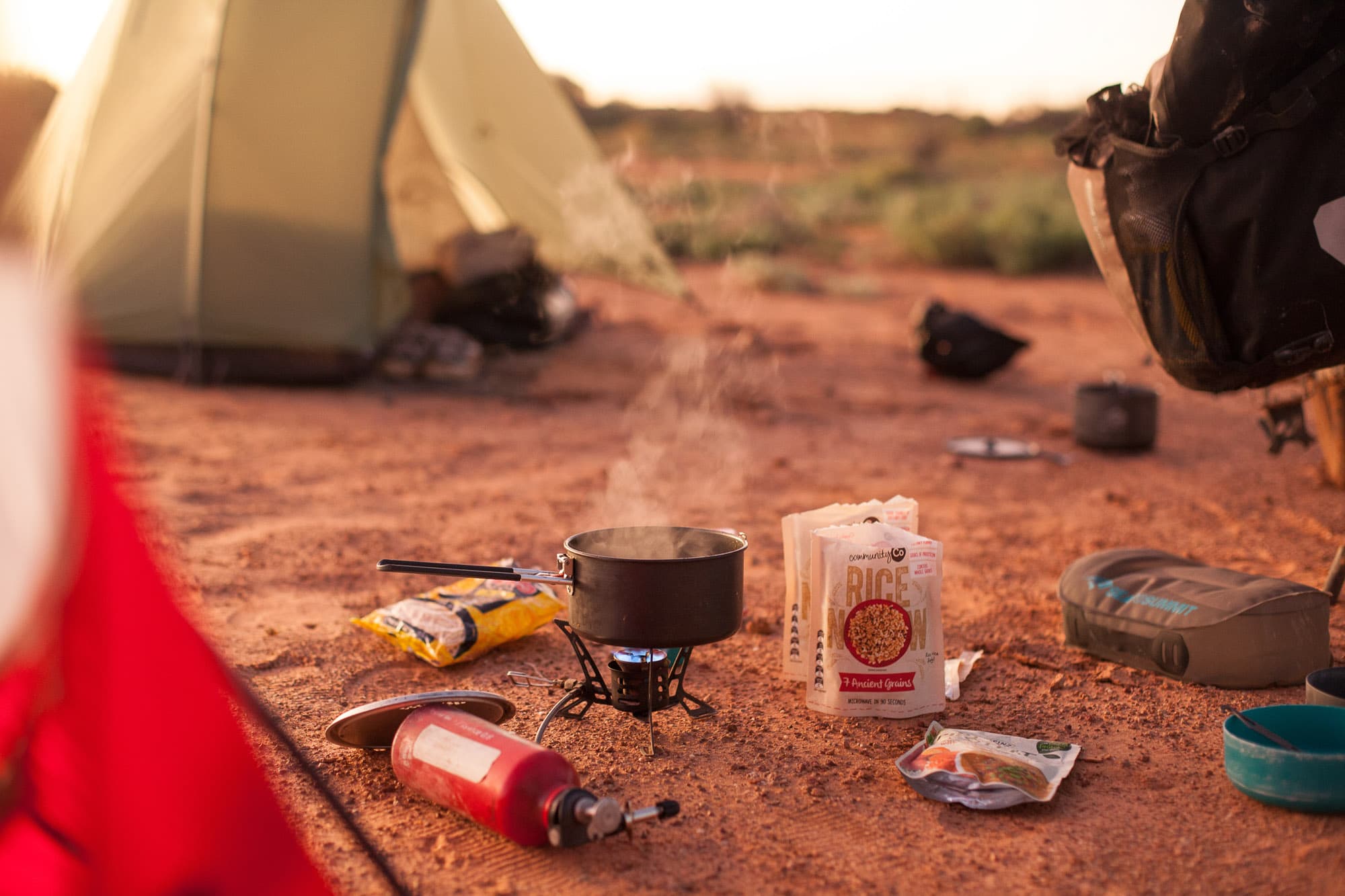
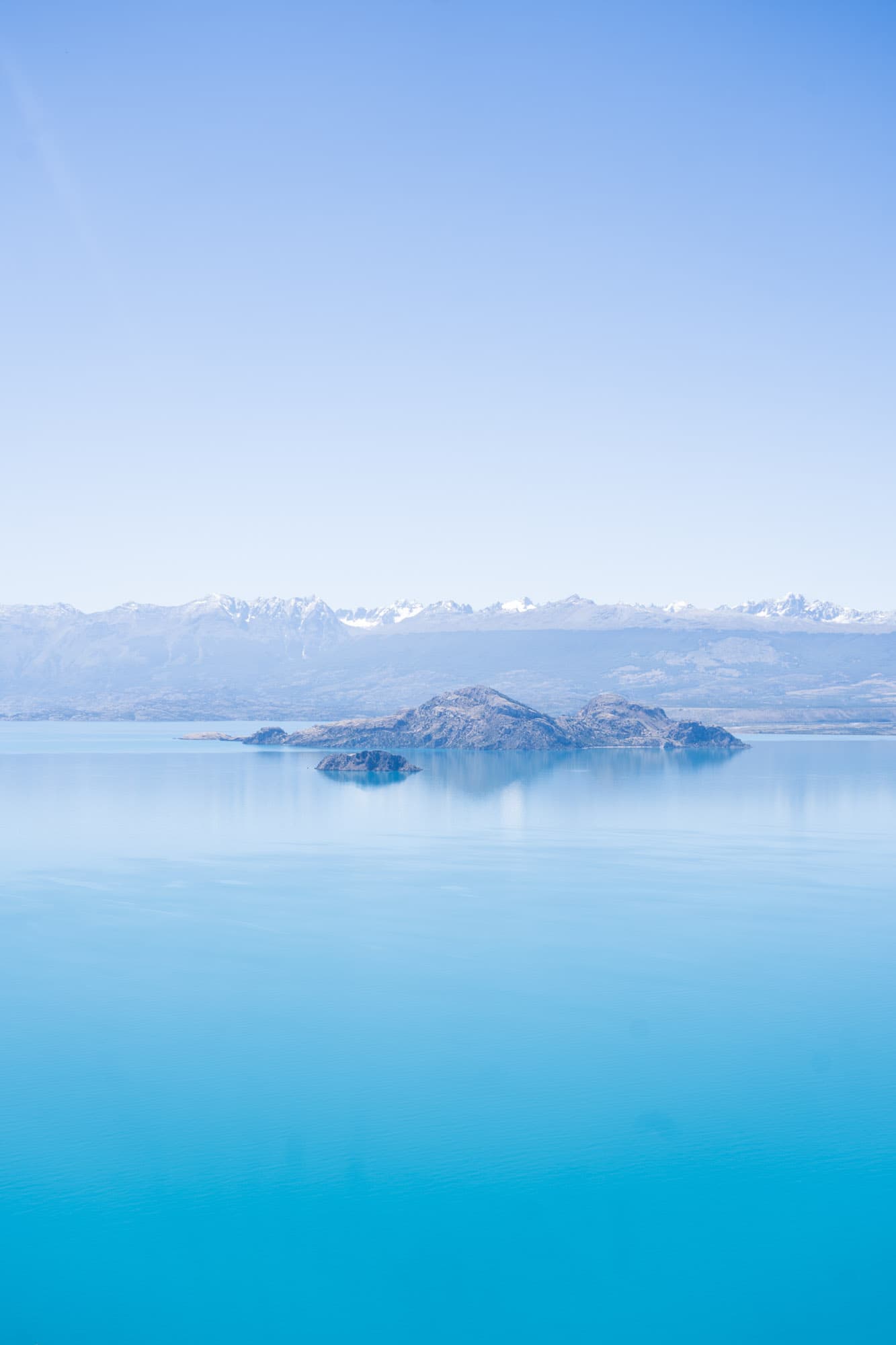
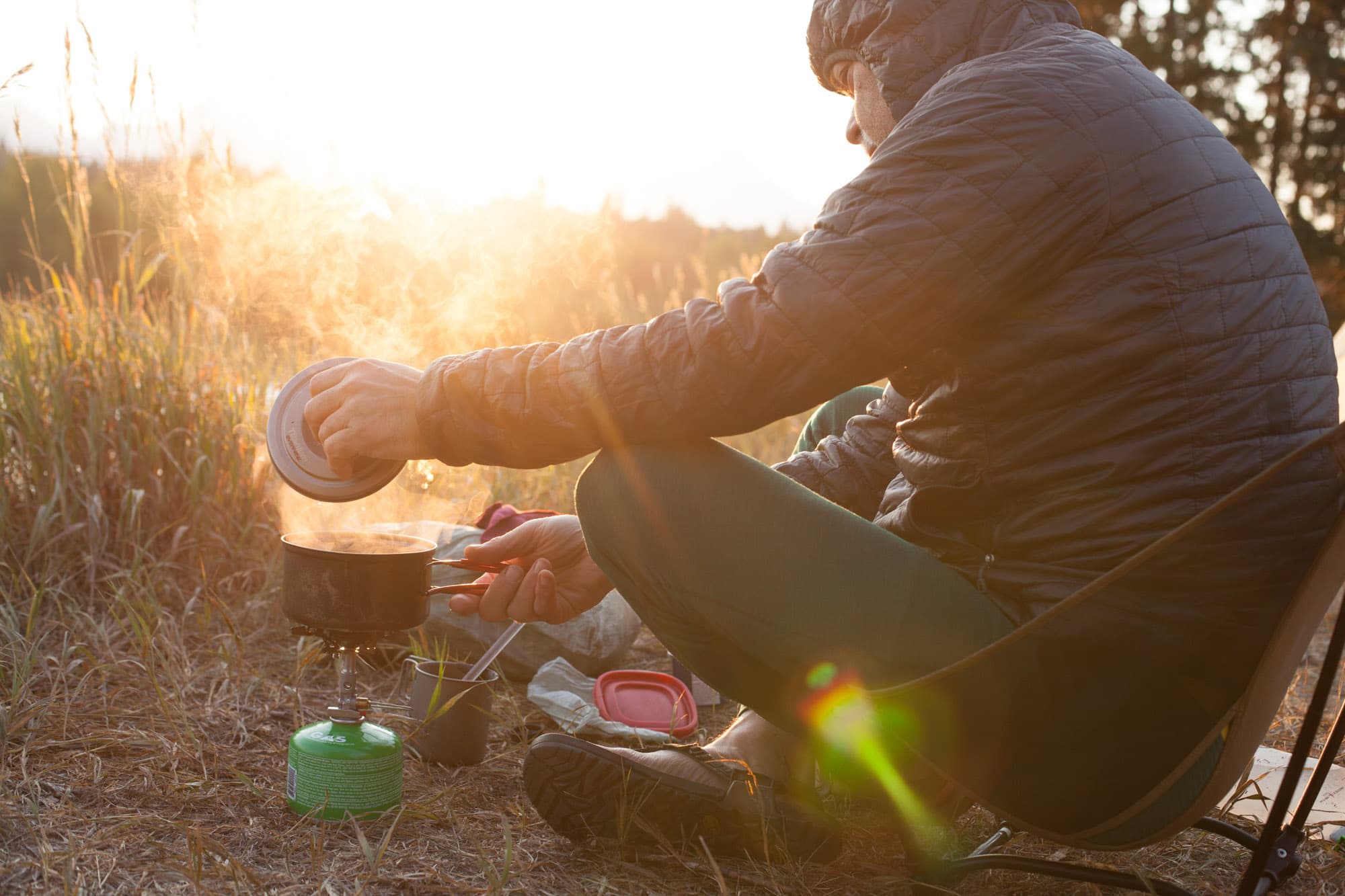
It’s more like a general moment that happens sometimes: silence. When you camp somewhere wild and realize there isn’t a single sound. No wind, no bird, no human presence, no noisy stove. Just a pure and perfect moment of bliss. Perfect silence. The kind that makes you hear your own ears buzzing.
I think the real luxury of our generation is silence. Maybe that’s because the countries I’ve been through recently were so noisy, but still, the luxury of being alone in silence feels rare. The luxury of not saying a single word. Even the idea of speaking out loud feels pointless. When everything is just right, the place, the moment, the light, and it’s only you, with no one else around.
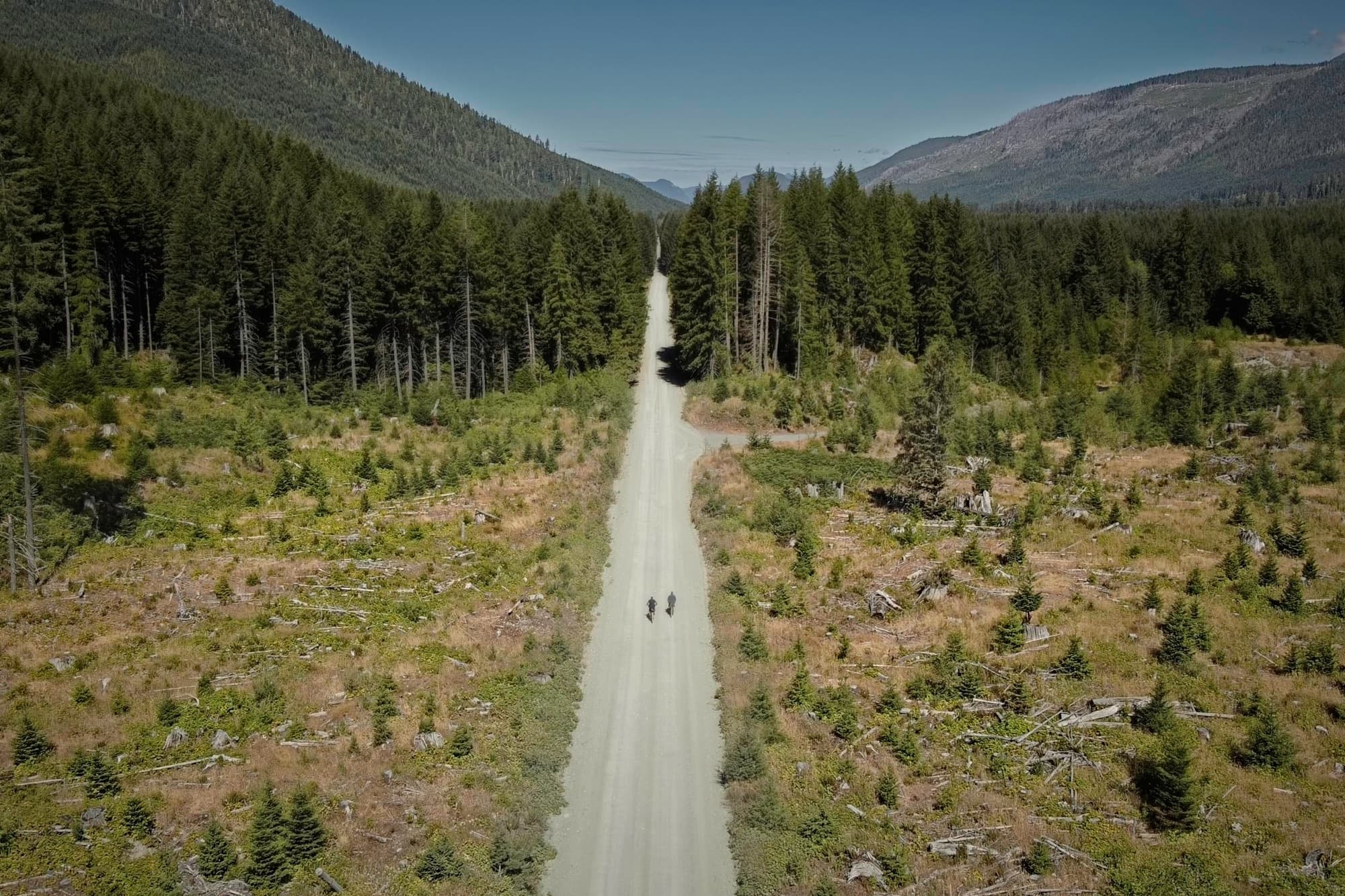
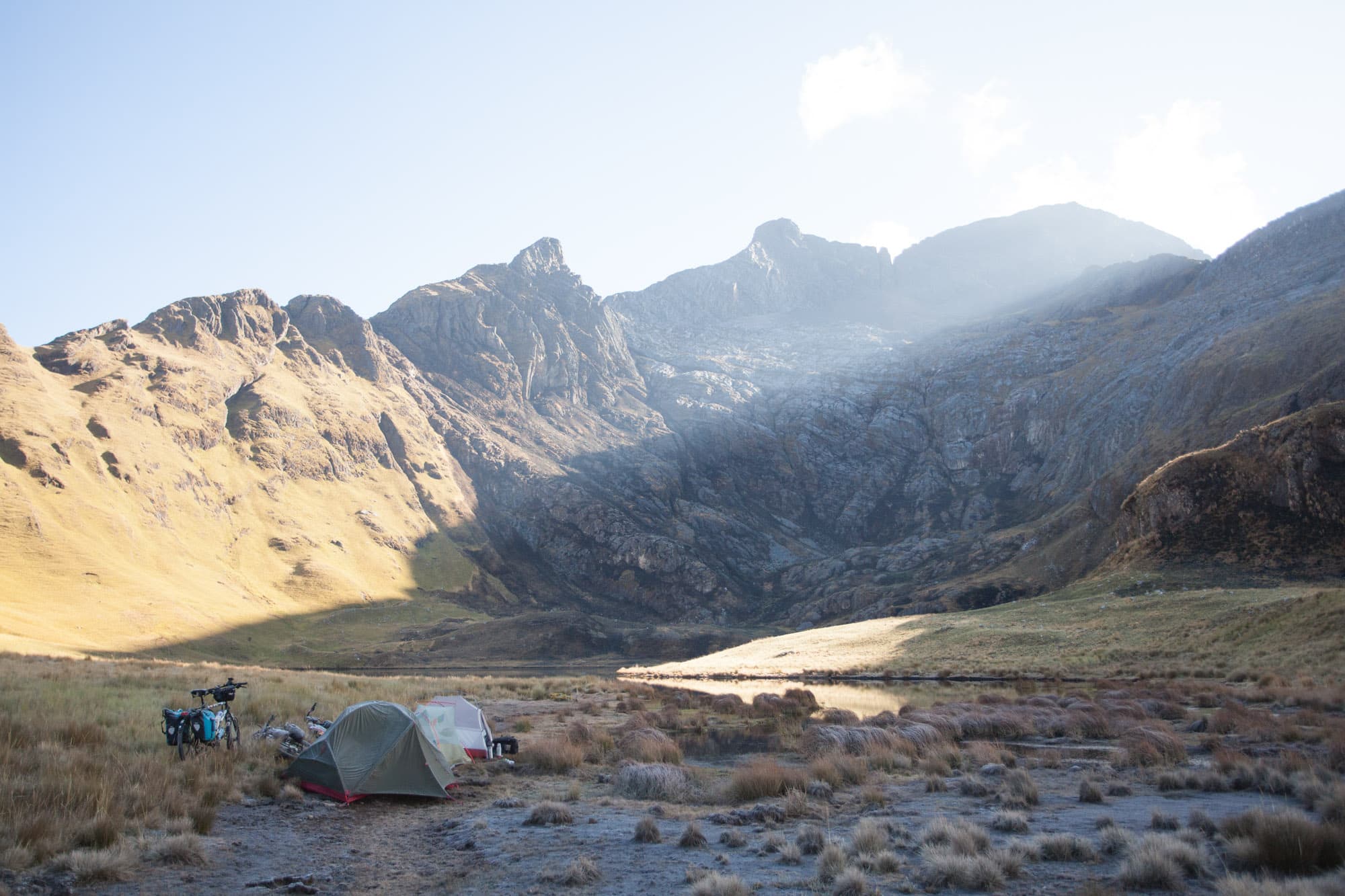
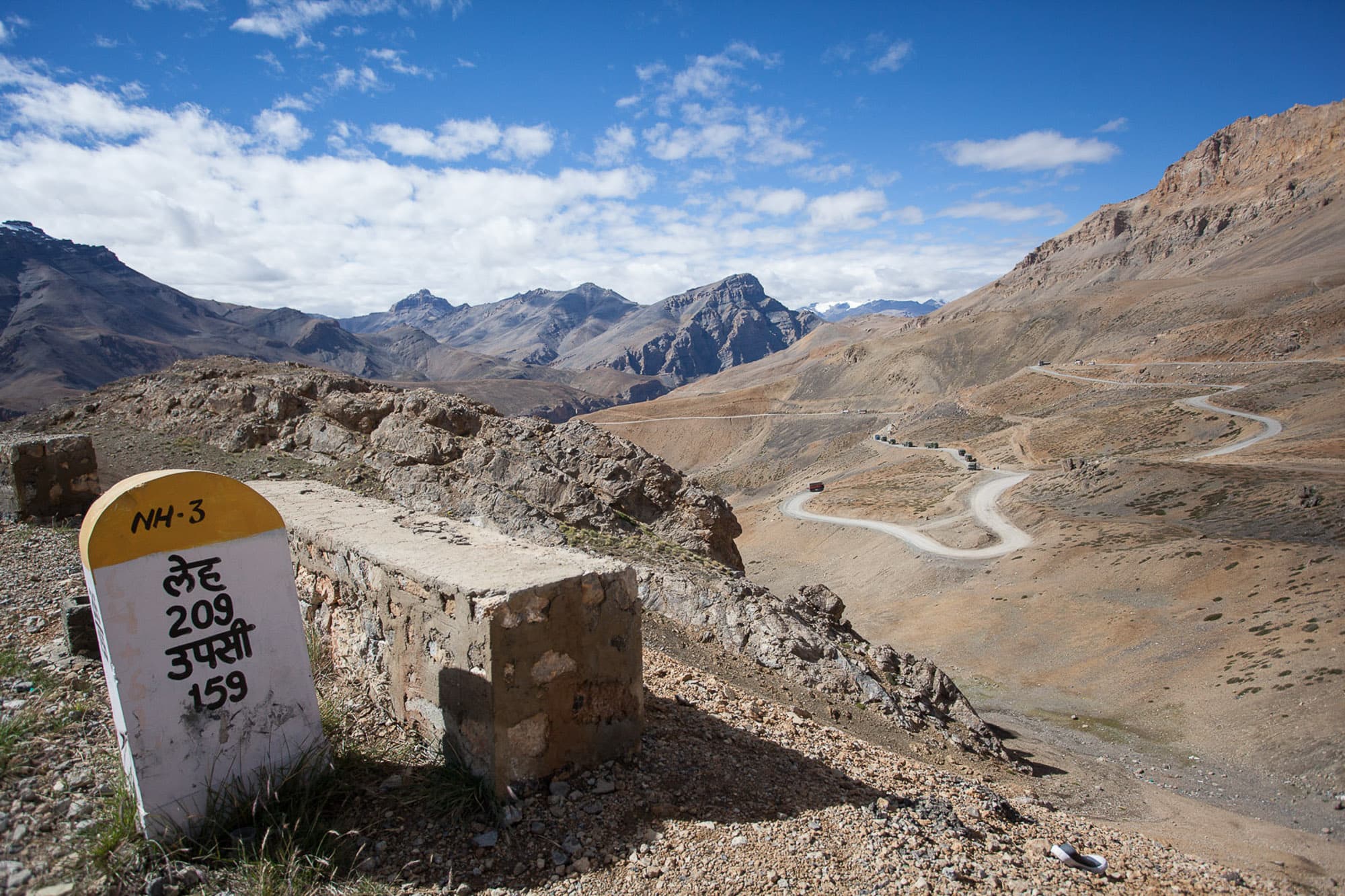
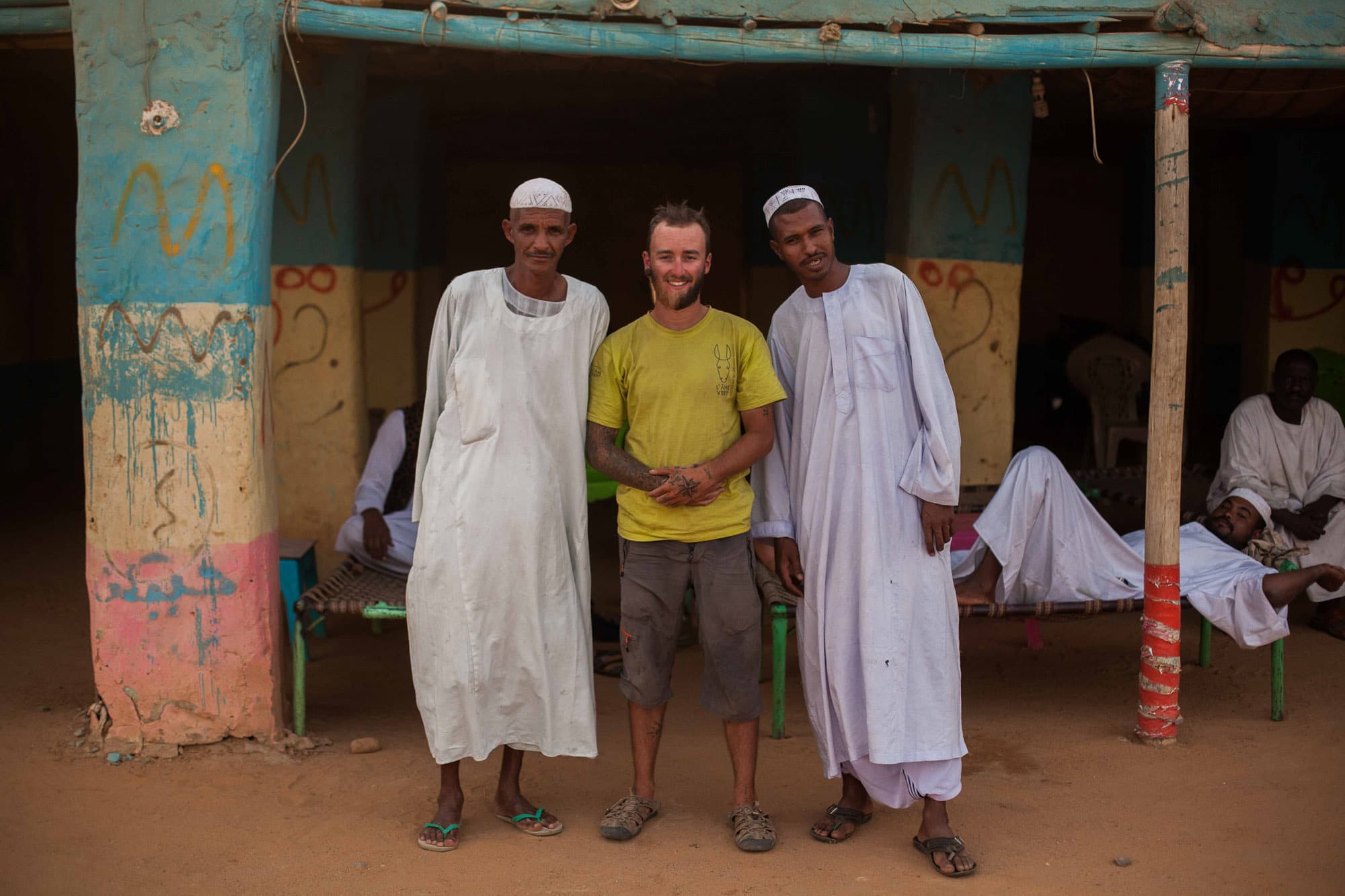
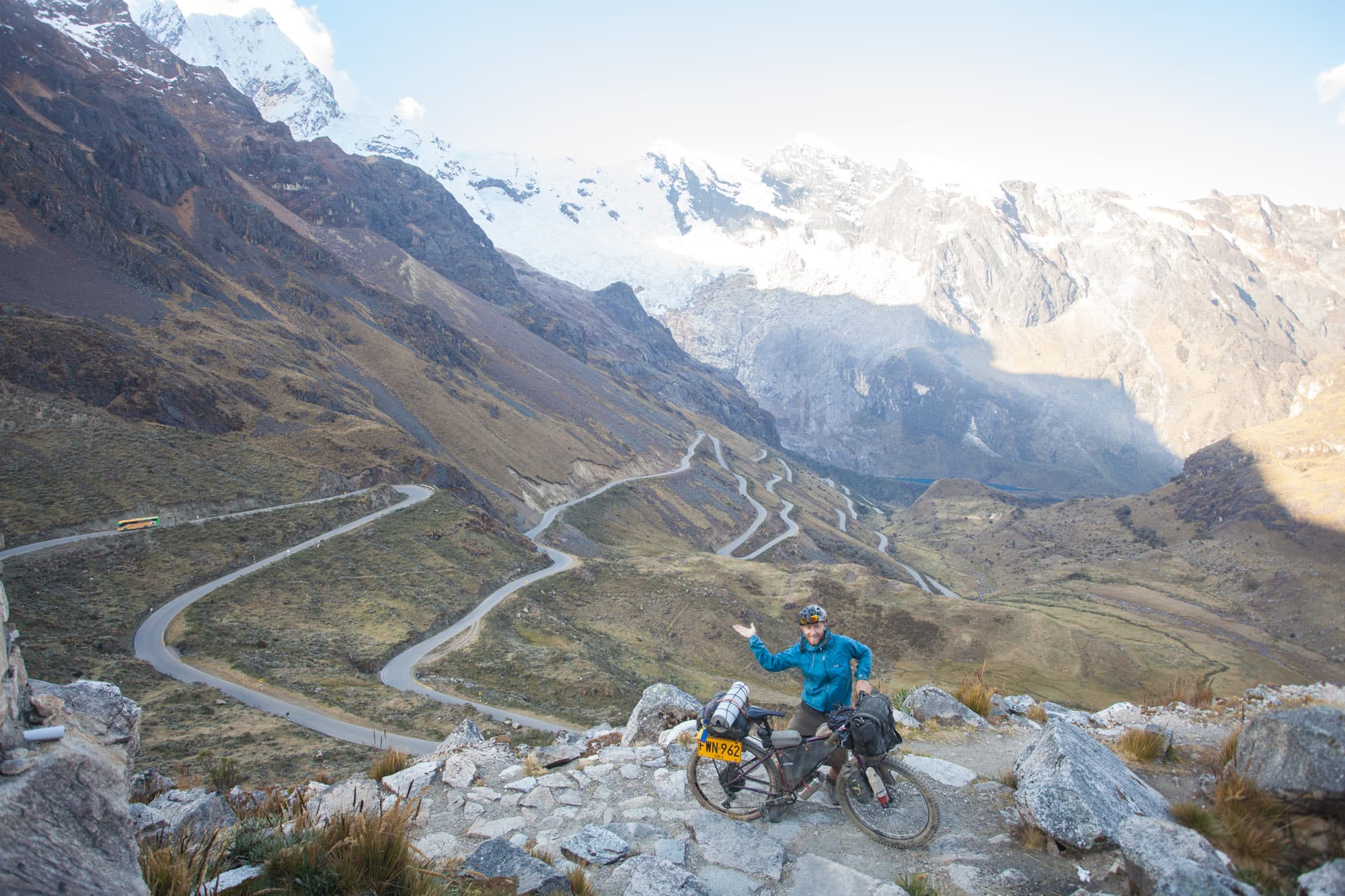
Those moments are rare enough to be unforgettable. The Sudanese desert, the Peruvian Andes, the New Zealand mountains, the Australian desert. I can still see them. I have little money, few possessions, little power. But this is something printed deep inside me that nobody can ever take away.
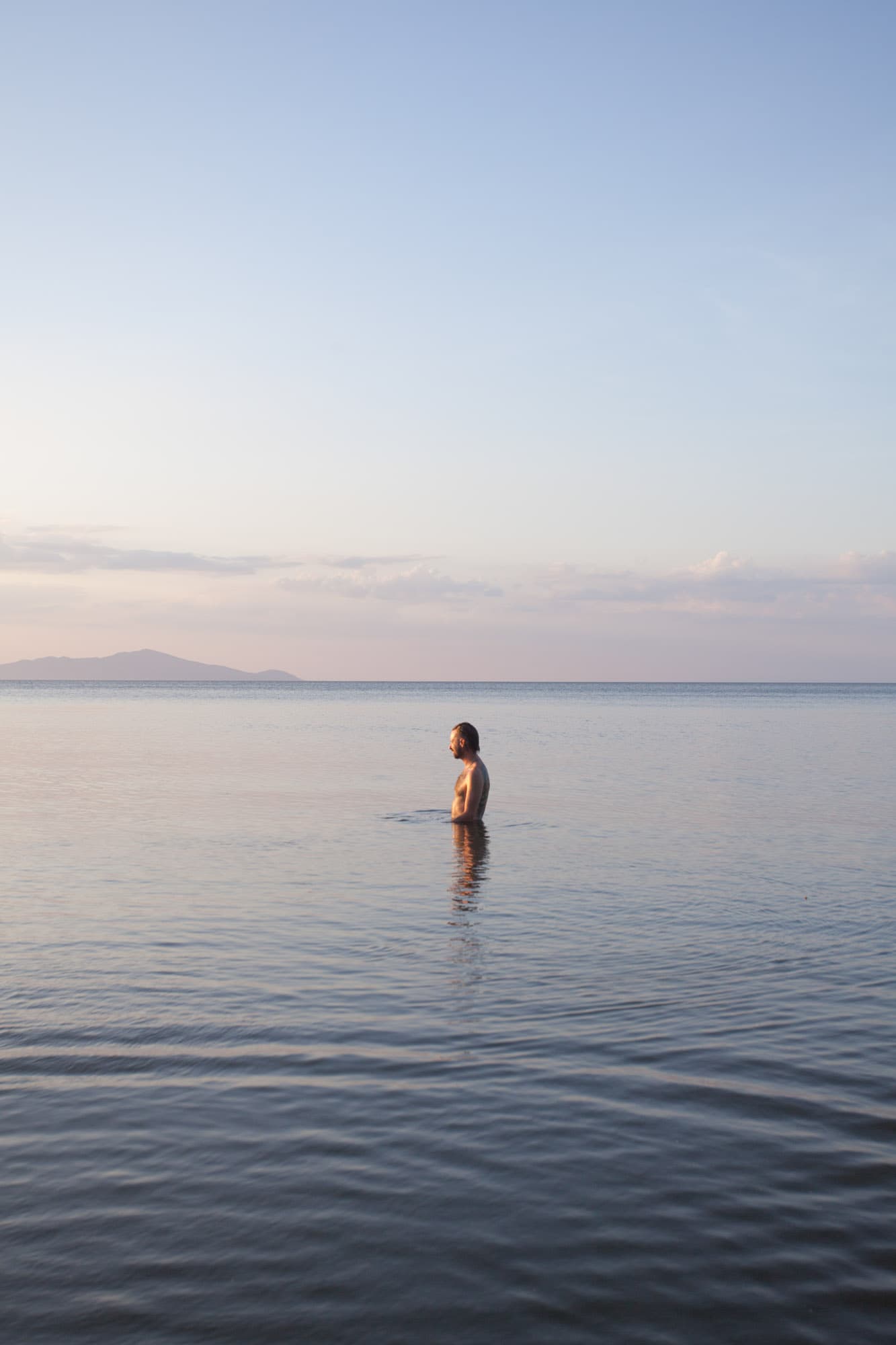
What helps you decide when to linger somewhere, or when to move on?
The places where I’ve stayed longer were usually for financial reasons, working and saving so I could keep going again. Very practical things. It’s often where I could easily find a job and get a bit of comfort in return.
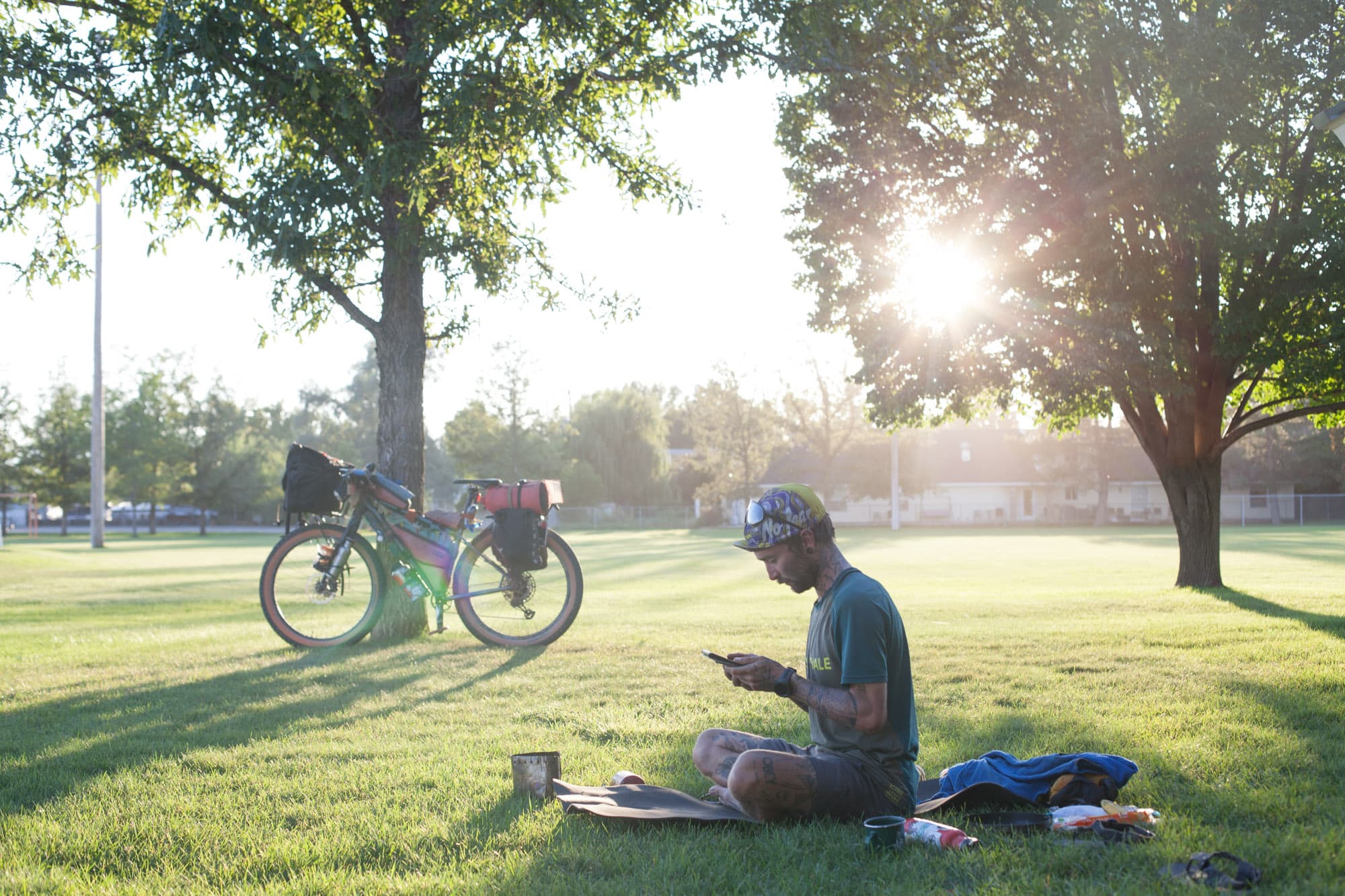
Other than that, I’m not the kind of person who stays in one place for long. I wish I could sometimes, but I get bored quickly. After a few days somewhere, I feel my mood starting to drop. I love moving, seeing new places, and I really love the feeling of being new somewhere. If I do stop for a few days, I like it to be a place with a nice café where I can eat well, drink good coffee, have wifi, and a quiet, cozy spot to work on my laptop.
Some people like to talk about “slowness,” which often just means they need time off to “create content”. For me, I’m more aware that the end is coming closer every day, and the list of places I want to see, books I want to read, and things I want to do is still long. So I’d better keep going while I still have the energy and motivation to do it.
What do people misunderstand most about living on the road, crossing borders by bike?
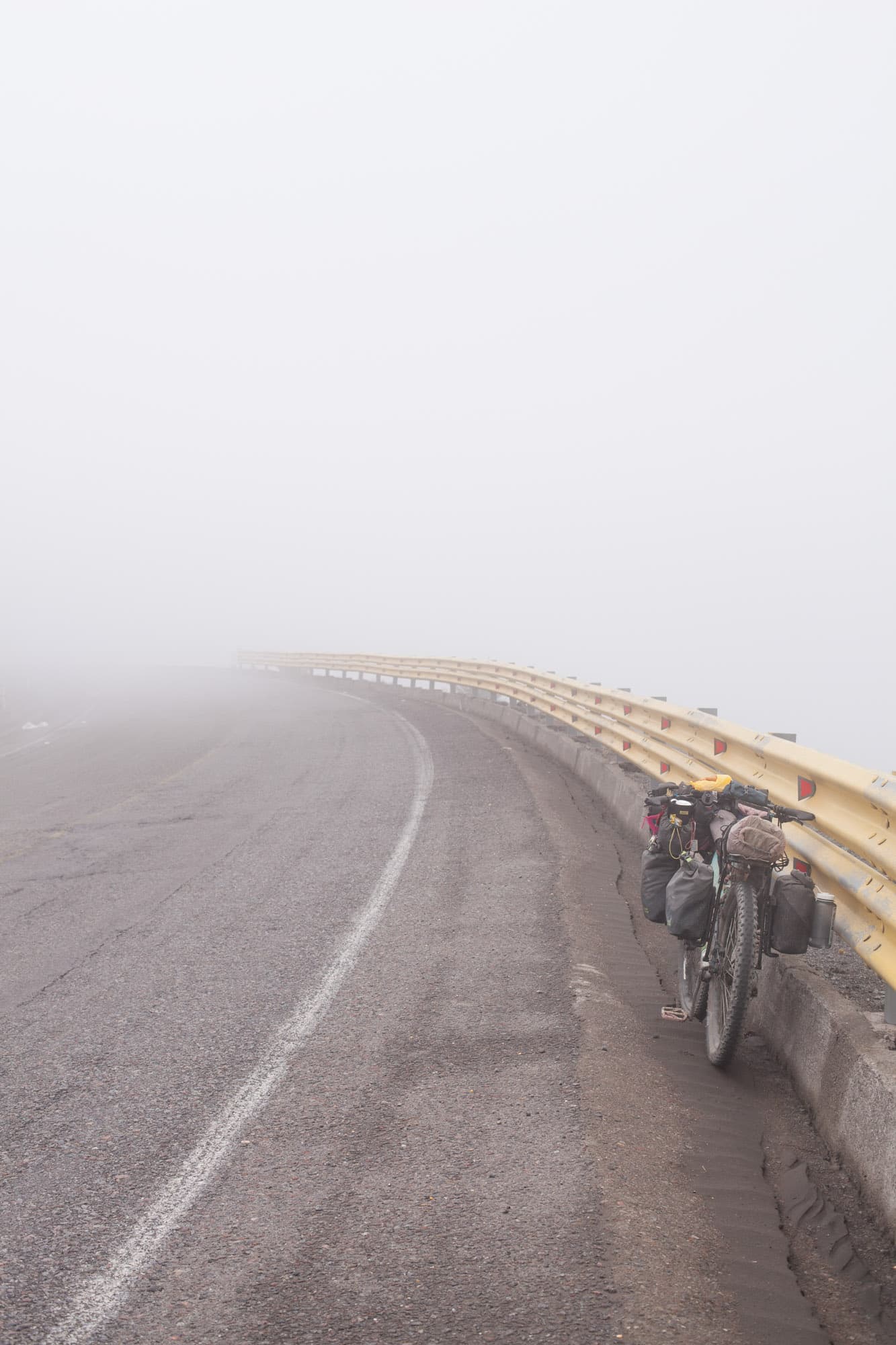
My self-proclaimed right not to be amazed. People don’t like that. When I post something and say it’s been boring, the sky is grey, and people aren’t friendly, I often get messages saying, “Man, you’re living the dream, be grateful, be more positive.”
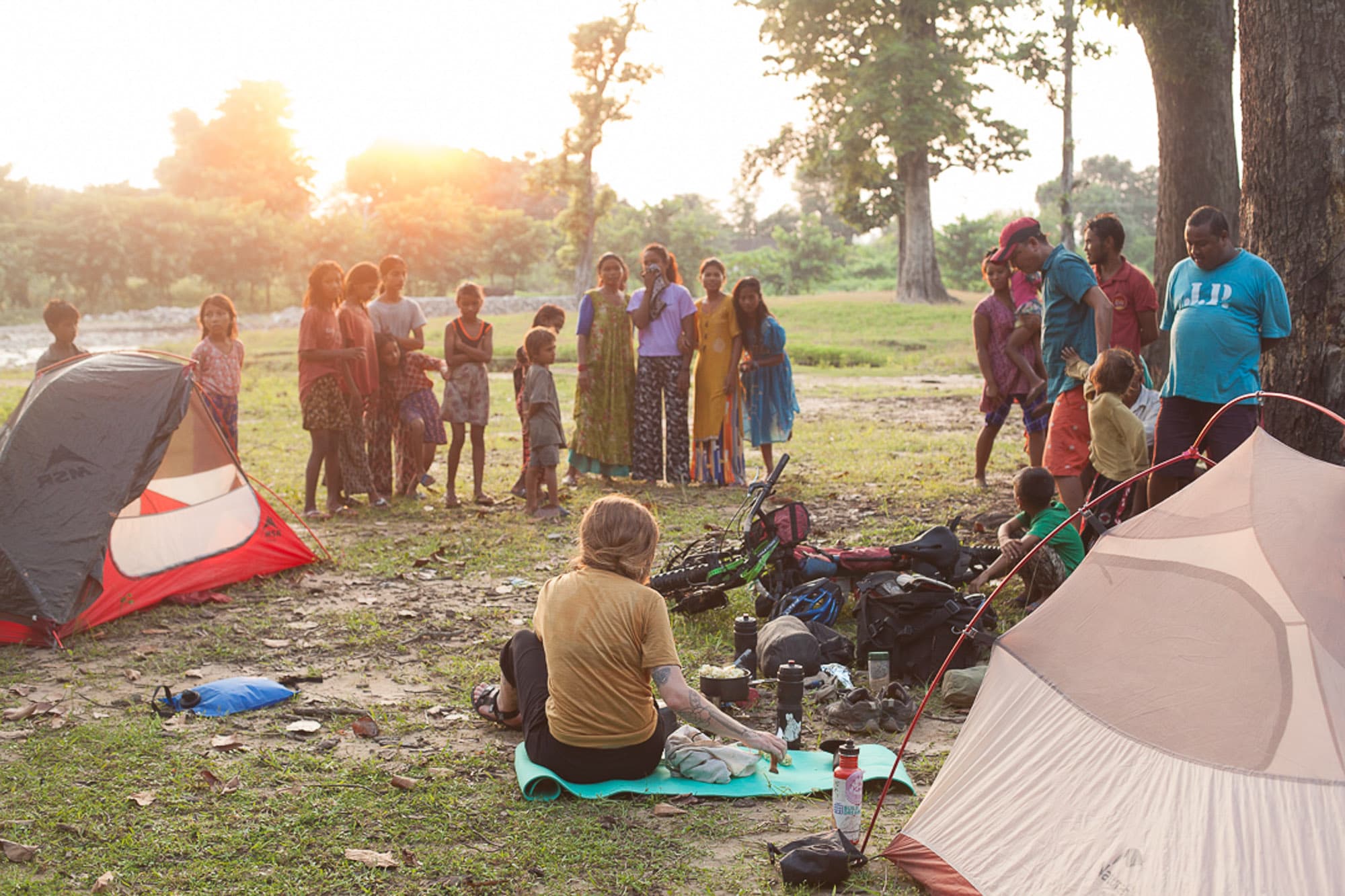
Well, not quite. For a few reasons. The world can be disappointing. Sometimes it’s boring, dirty, or dangerous. And this isn’t just about biking or travelling, it’s about the way I live. I can be unhappy, unsatisfied, or disappointed at times. But most people don’t want to hear that, because social media makes this life look like a dream.
I’m just human. I have my moments, my moods, my waves of motivation. And the more I go, the more I realize how many sacrifices I’ve made. The longer it’s been since I’ve been home with family and friends, the more I compare what I have with what I miss.
It might sound silly, but it’s true. Sometimes mountains look like home, but there are no friends around. Sometimes it’s boring, and I’d rather be skiing at home. But I made a choice to be a storyteller, not an influencer. I share stories almost every day, which means some days are great and some days are not. I share the good and the bad, the beautiful places and the grey ones. I share when I’m amazed, and I share when I’m not.
Do you ever imagine stopping? Or is this just life now?
I guess it’s life now. Even if I plan to spend more time in France in the future, everything from now on will still revolve around bikepacking. I have a lot of projects in mind. Having a place to brew coffee and gather a bikepacking community in the Alps would be amazing, a real hub for the culture in France. But that takes money, and I don’t have much of it. Building something like that would mean a lot of sacrifices, and I don’t feel ready for that yet.
Sometimes I pitch my tent somewhere beautiful and think, what else could I really be doing? I don’t want a mortgage, I don’t want kids, and I’m not interested in any kind of long-term commitment. So riding a bike around the world seems like a decent way of life.
But maybe doing something else could be great too. Enjoying the mountains near home, kayaking, skiing, and paragliding. Partying, going to the opera, visiting my own country, and spending time with family and friends. And realistically, if I ever want to write books or articles, I’ll have to settle down somewhere. Long story short, I think I’ll need to find a balance in the future. A balance I didn’t have before.
What’s the one piece of gear you’d never give up?
My eBook reader, 100 percent. I’ve always been a big reader since I was a kid. Thanks to my mum for forbidding TV, taking me to the public library, and buying me whatever book I wanted.
I often read as many hours as I cycle in a day. I would feel naked and empty without a book. There isn’t a single day when I don’t read. Reading helps me understand the world I live in, understand who I am, and put words to the raw ideas and concepts I have. No hesitation, take everything but my books.
The books stay, then. What are the ones you’d never leave behind?
“Travelling outgrows its motives. It soon proves sufficient in itself. You think you are making a trip, but soon it is making you, or unmaking you.”
I love this idea of unlearning, of being undone by the road, that runs through The Way of the World by Nicolas Bouvier. It means humility to me: letting go of what you think you know so you can be filled again with questions.
“Men come and go, cities rise and fall… the earth remains… I sometimes choose to think… that man is a dream… and only rock is real. Rock and sun.”
Desert Solitaire by Edward Abbey hits differently when you’re deep in the desert. Civilizations come and go. We pass through and disappear. But rock, sand, and sun remain, silent and indifferent.
“The only species of animal that tries to get by in the wilderness without interspecific tact of communication is the human critter.”
In Walking It Off, Doug Peacock gives language to something most of us feel but can’t articulate, our awkward relationship with wilderness. I like how rough he is. No romantic filter. It makes sense he and Abbey were close. I would’ve loved to sit around a fire with them somewhere in Utah.
“What torments me is not the humps nor hollows nor the ugliness. It is the sight, a little bit in all these men, of Mozart murdered.”
This line from Wind, Sand and Stars by Antoine de Saint-Exupéry gives me goosebumps every time. It’s even more powerful in French. It makes me think of all the wasted potential I’ve seen on the road, how uneven the world is, how many chances never exist for some people.
“We never love anyone. What we love is the idea we have of someone.”
The Book of Disquiet by Fernando Pessoa is one of the most powerful books I’ve read. It always brings me back to the idea that everything is perception, that we see what we want to see, and build our own version of reality around it.
Thanks, Clo
You can follow Clotaire’s ride at Le Pédalistan and on Instagram at @lepedalistan.