HiFi Session25 Wheelset: 2,000 km on Repeat


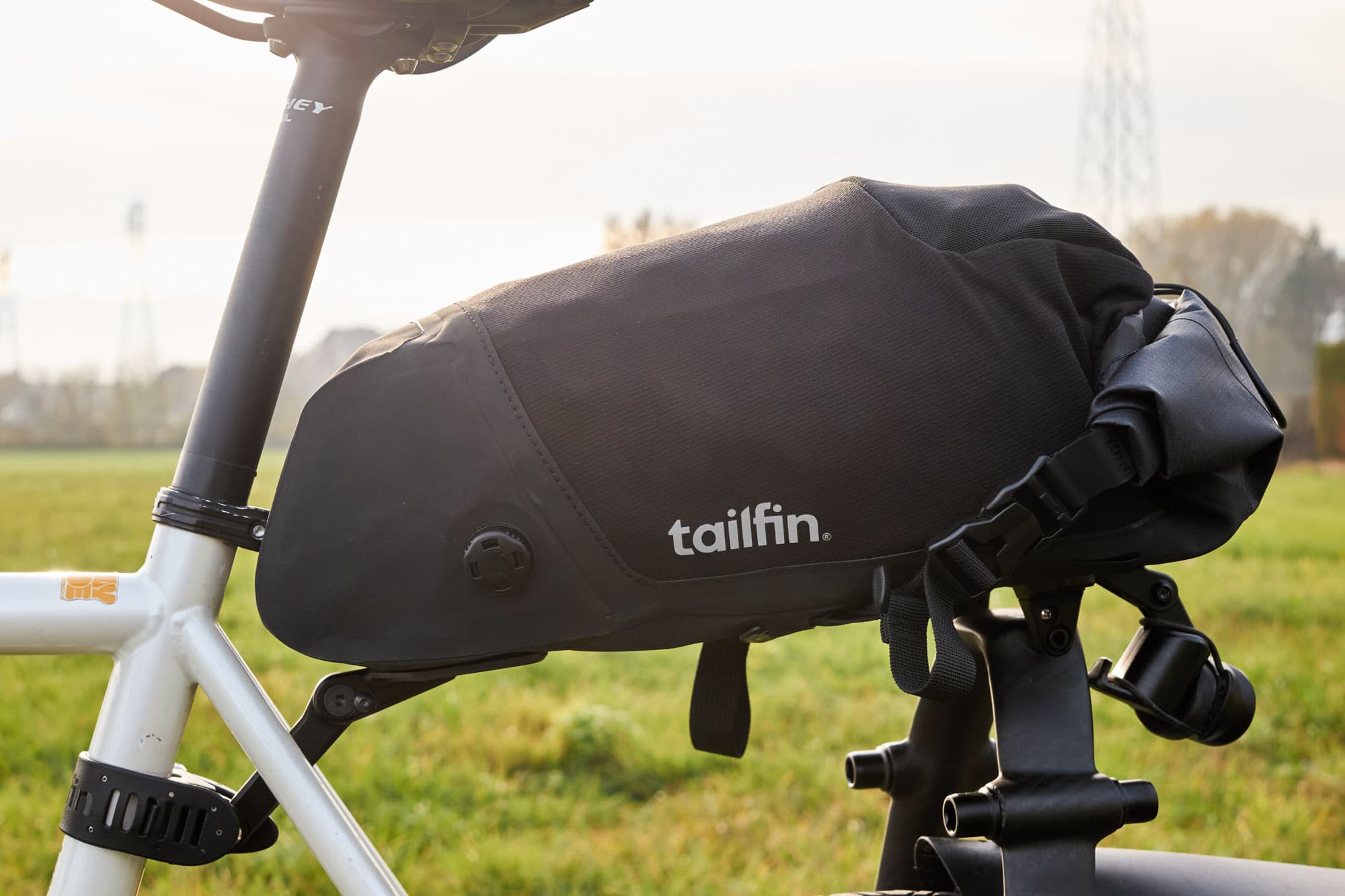
It's day one of Montañas Vacías. We are deep in the Teruel highlands when a new creak comes from the rear wheel. Yes, the bike had endured a long drive stuffed in a van from Italy, but no crash, no impact, nothing obvious to blame. Still... there was a new not-so-reassuring sound. Where it was coming from and whether it was anything to worry about was still TBD.
It wasn't a surprise when our friends from Oregon, Abe Alkhamees of The Paperclip and Ron Lewis of OMTM, introduced me to a music-obsessed wheel builder in Portland called HiFi. Abe highlighted his hometown in Gravel Guide Portland and Ron never shies away from a music reference. His Surly Sorceress review is proof.
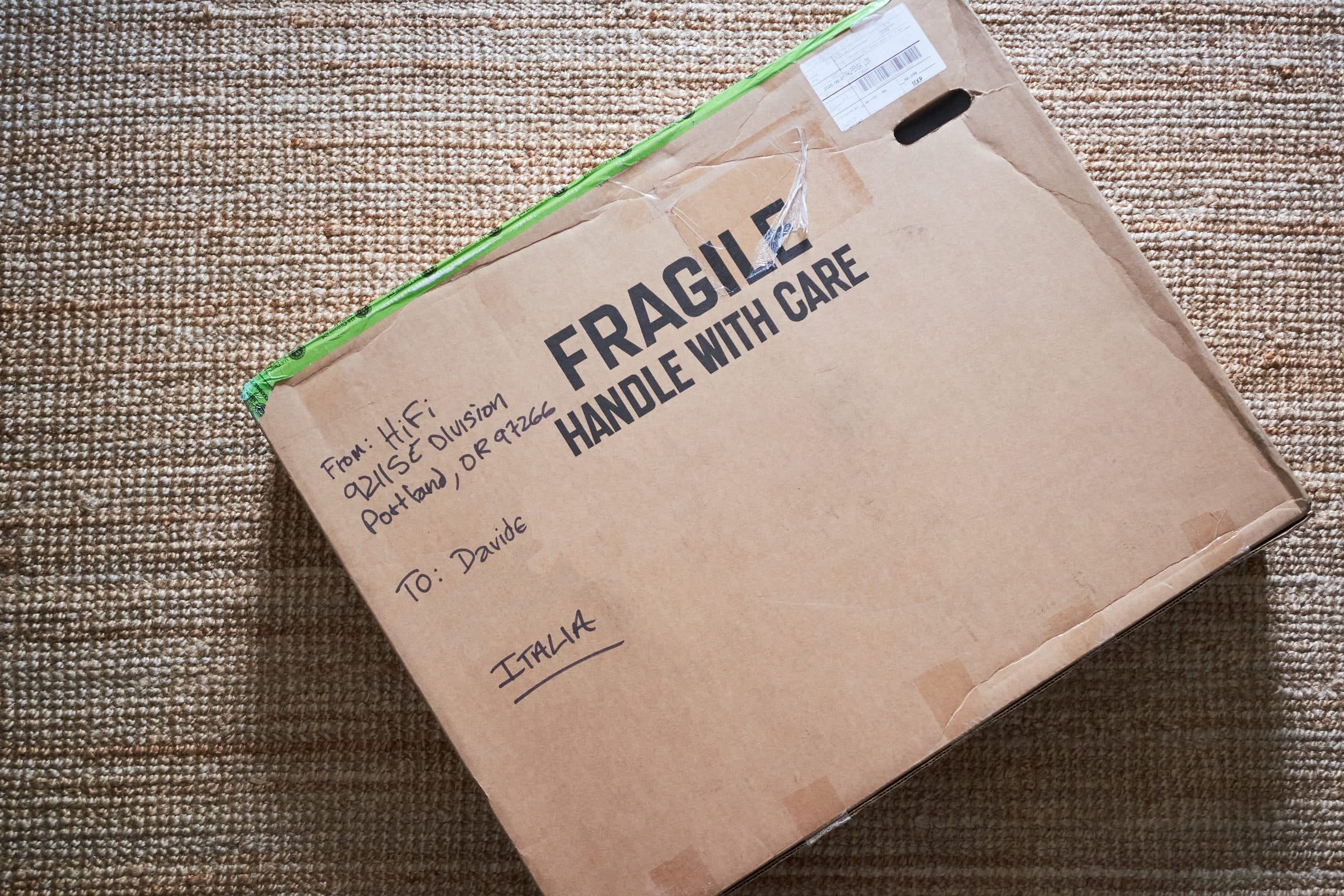
After their intro, it was a no-brainer for me to bring a good-looking, good-sounding pair of wheels across the ocean to Europe, more specifically to Italy. I had a new frame in the garage and the upgrade from my old alloy wheels was long overdue. This would also be my first pair of carbon wheels and I was happy to purchase them with the media discount HiFi offered for this review.
HiFi Liner Notes
HiFi is a small wheel company in Portland, Oregon, rolling since 2013, that made its name in the cyclocross world and then expanded. The whole brand revolves around music: the hubs are called Fidelity, the wheels Session, Mix Tape, EP and LP. HiFi designs in-house, sources rims from Taiwan, and hand-builds every wheel in Portland.
As co-owner Bre Rue told BikePortland back in 2018, "There's nothing proprietary in our wheels." For bikepacking, standard parts that are serviceable with standard tools are the best thing to have when the nearest bike shop is a day's ride away.
Sound Check
The HiFi team, namely Josh, was genuinely helpful and patient with my basic questions. The 45XG, HiFi's deeper carbon gravel wheel, was also on my list, but Josh pointed me straight to the Session25:
"For bikepacking they're tough, wide, and still lightweight," he said. "The extra depth of the 45XG set is more than you would want for bikepacking and they're as deep as they are for an aerodynamic benefit at higher speeds. While they're also strong wheels, they don't have the same robustness as the Session25, and you'll want that for bikepacking."
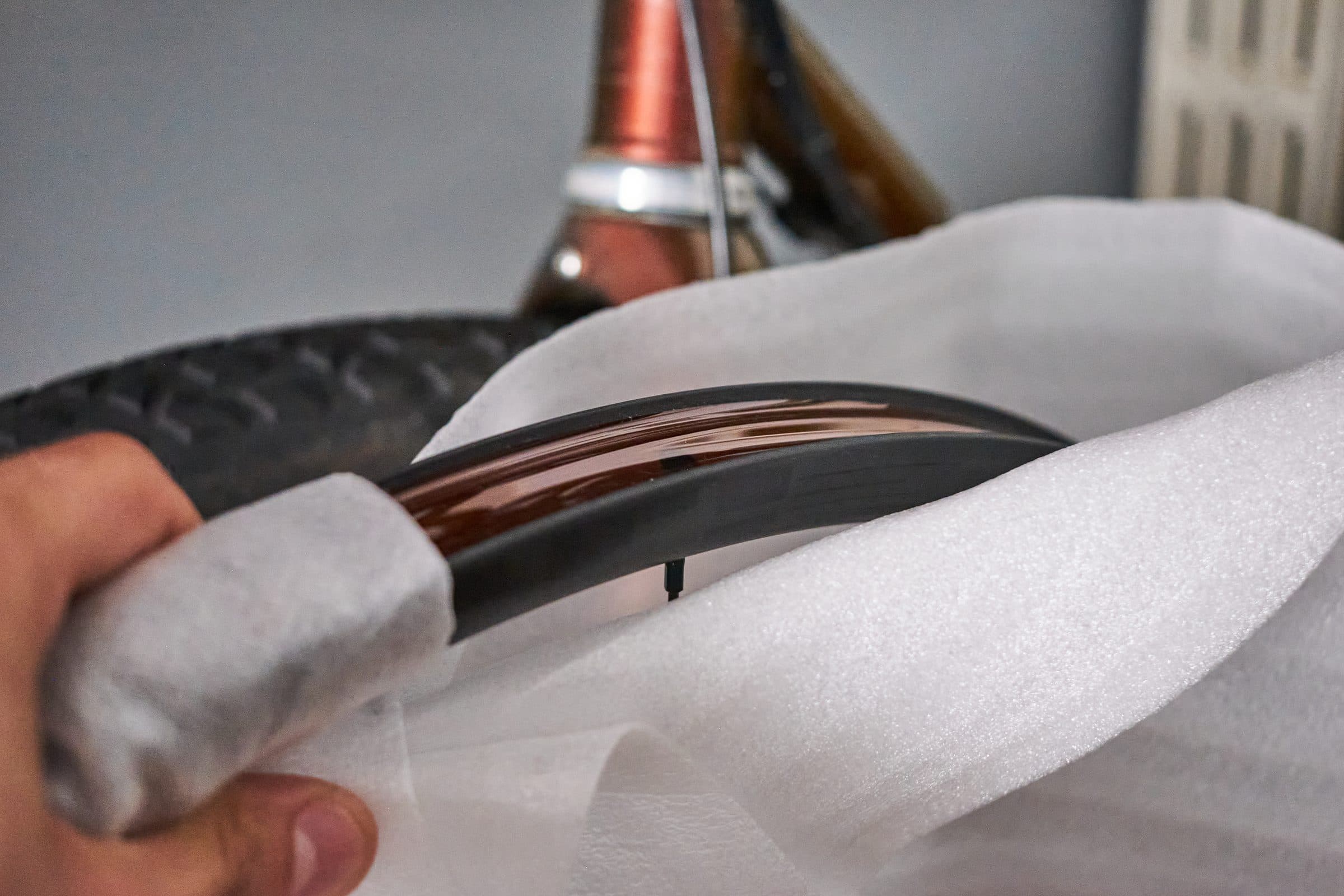
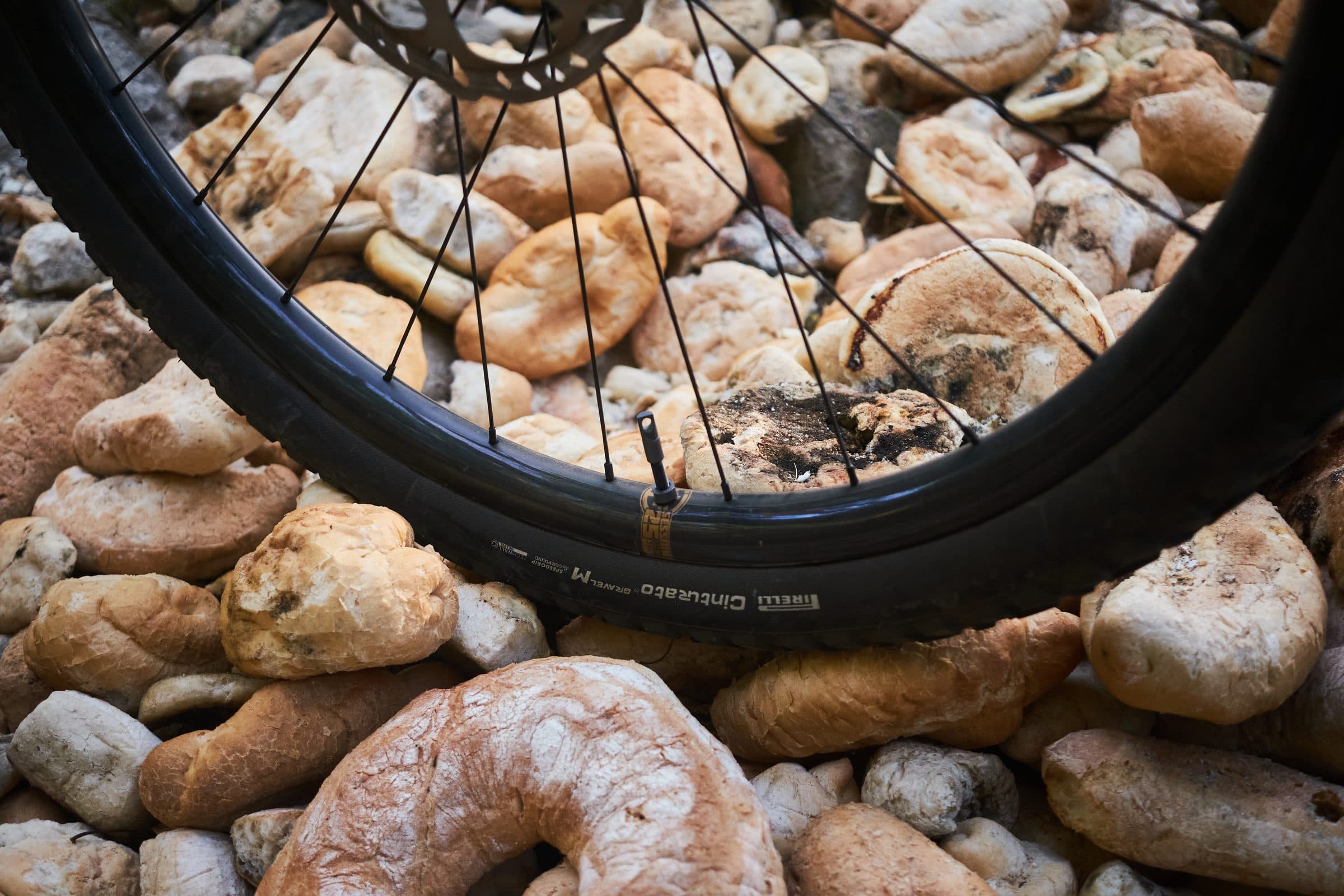
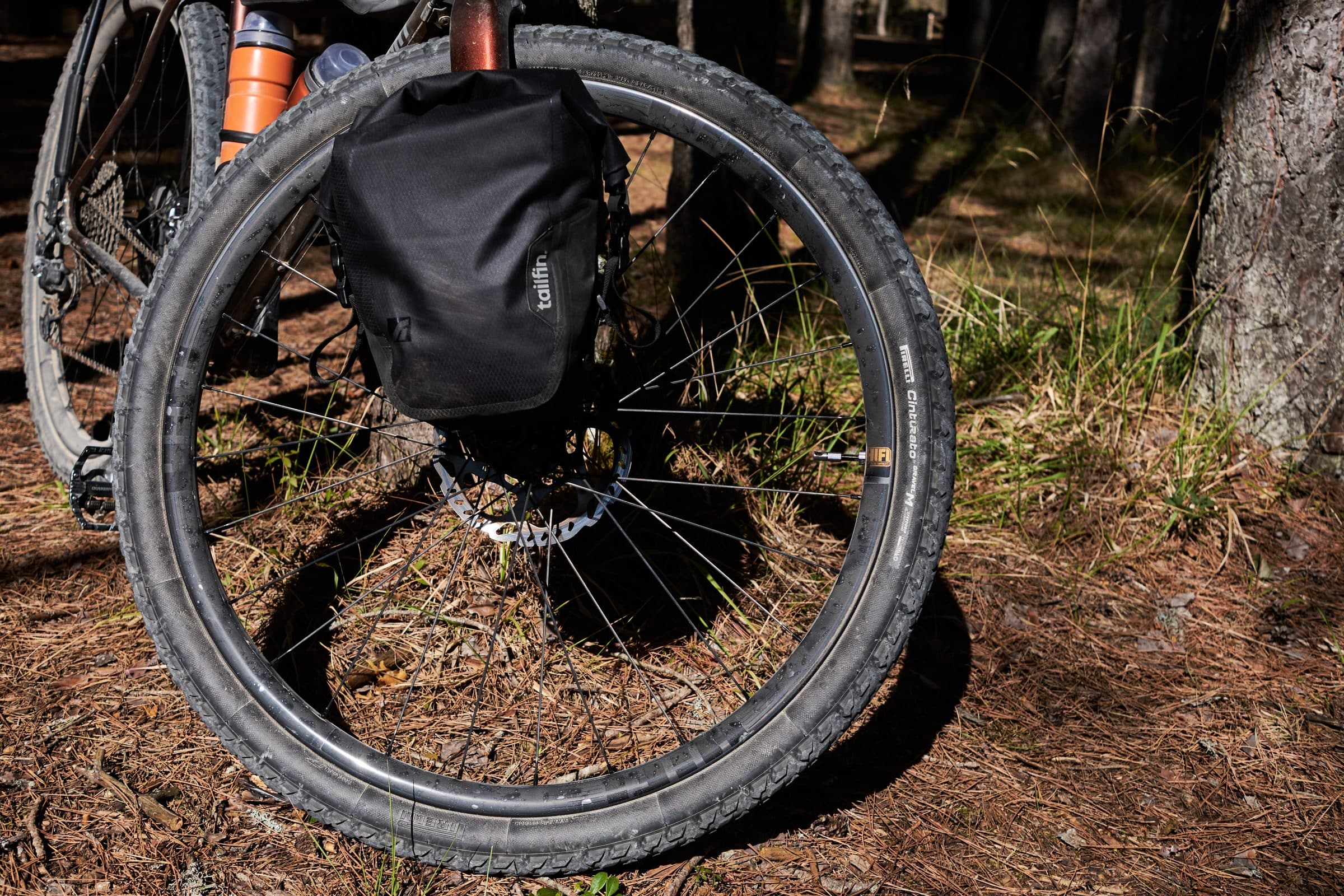
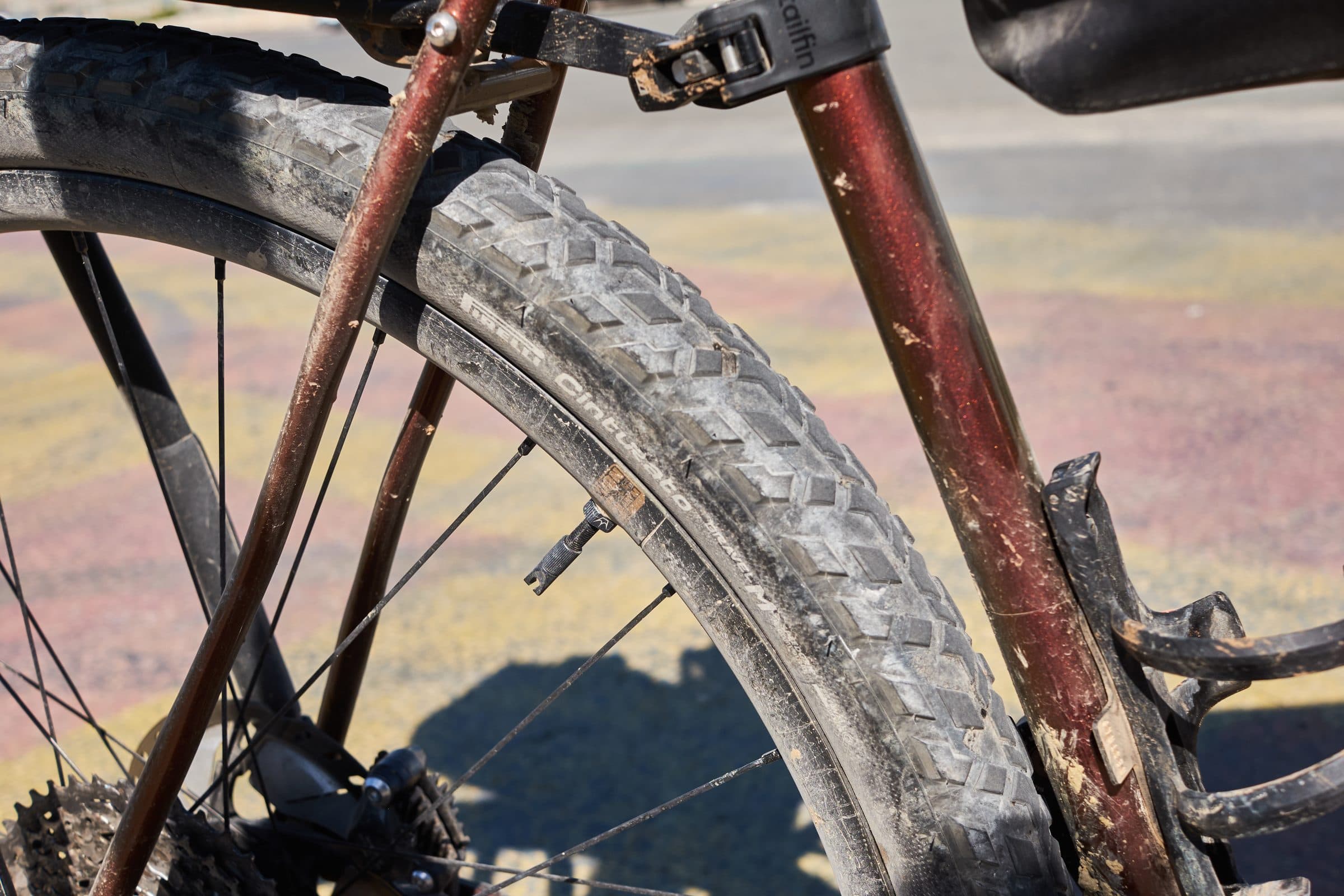
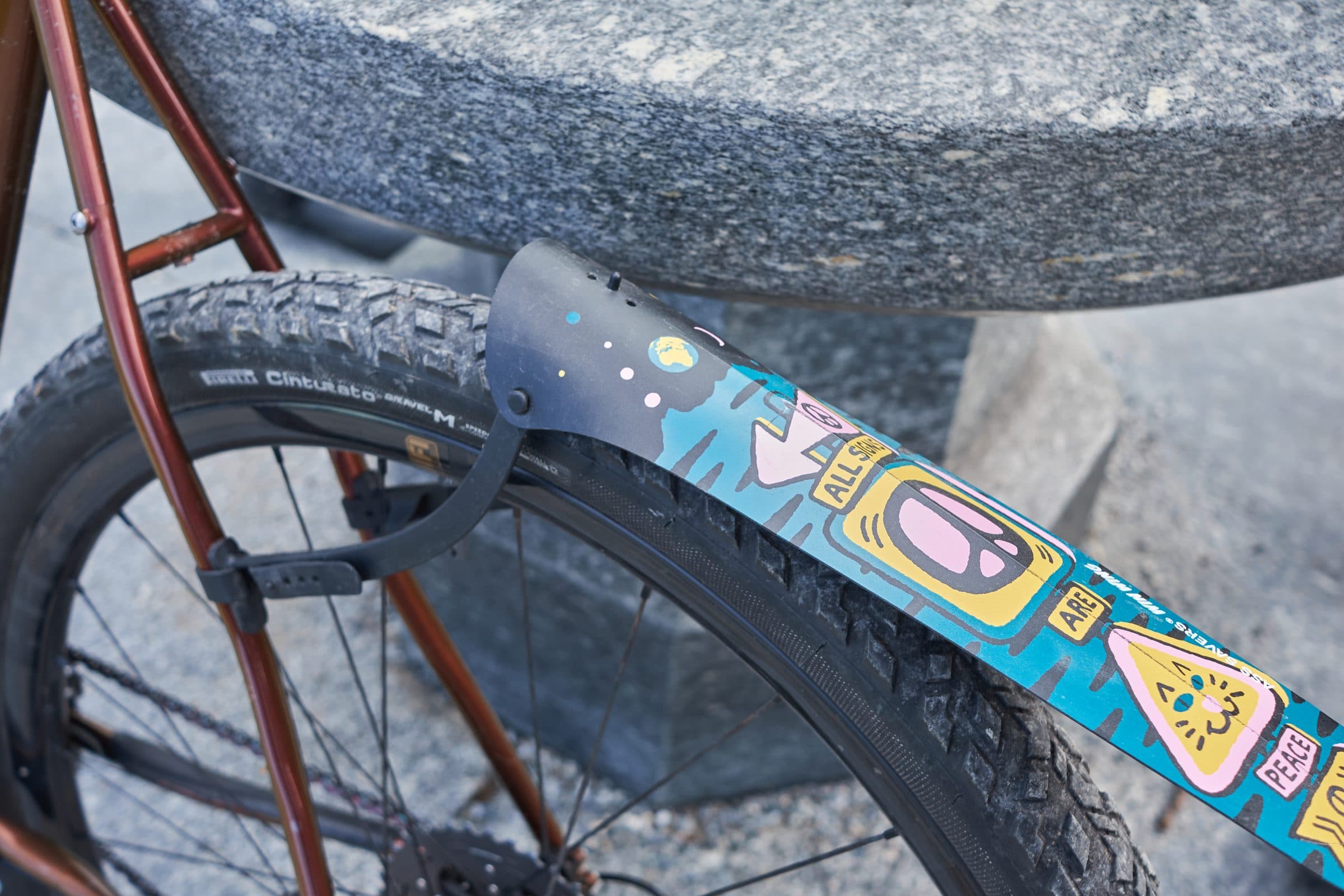
It made total sense to me. When bikepacking, most of the drag I'm fighting is strapped to the frame anyway and a sturdier wheel matters most. After a couple of emails, the package was on its way to my doorstep. They arrived taped and valved, ready for my Pirelli Cinturato Gravel M tires and sealant.
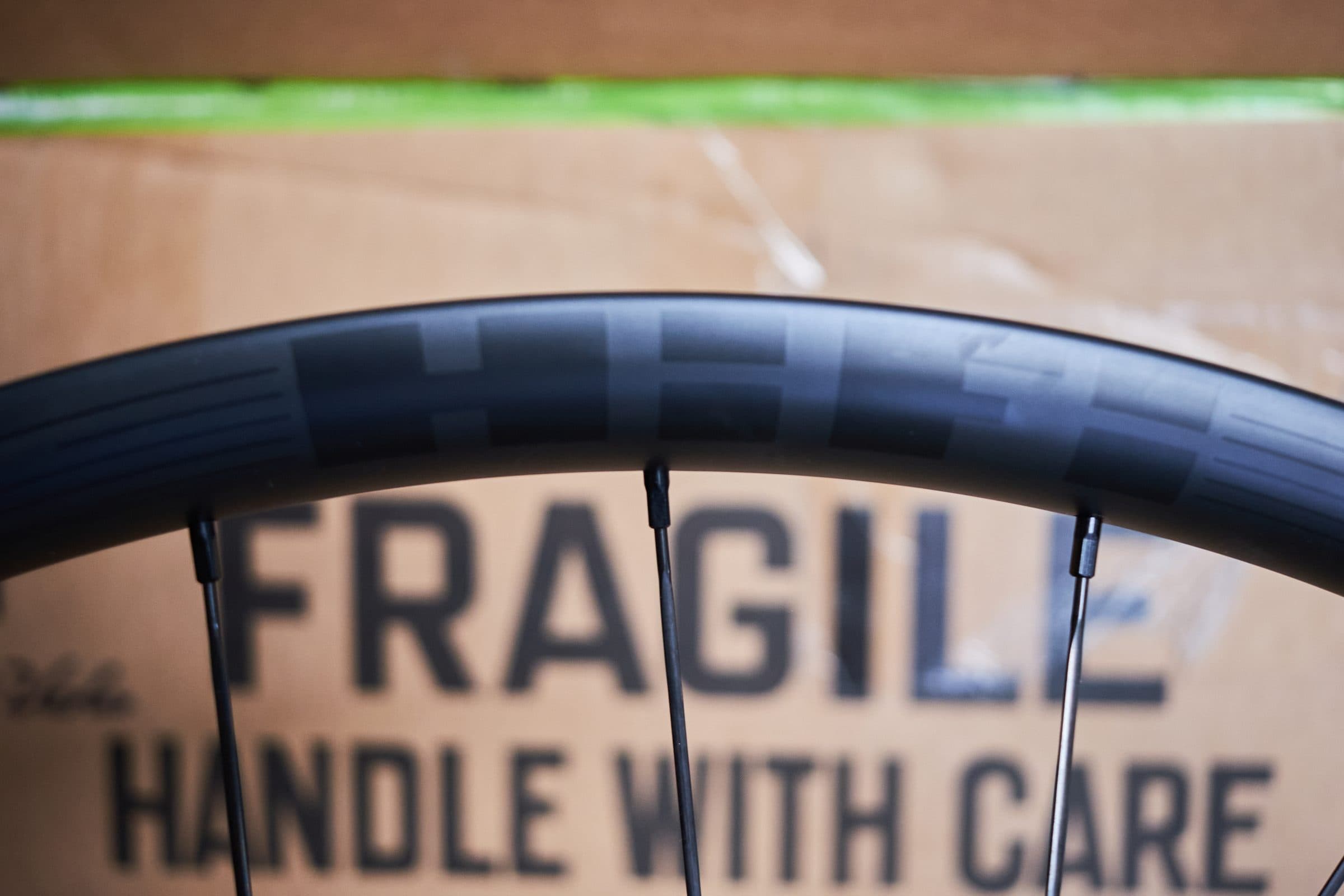
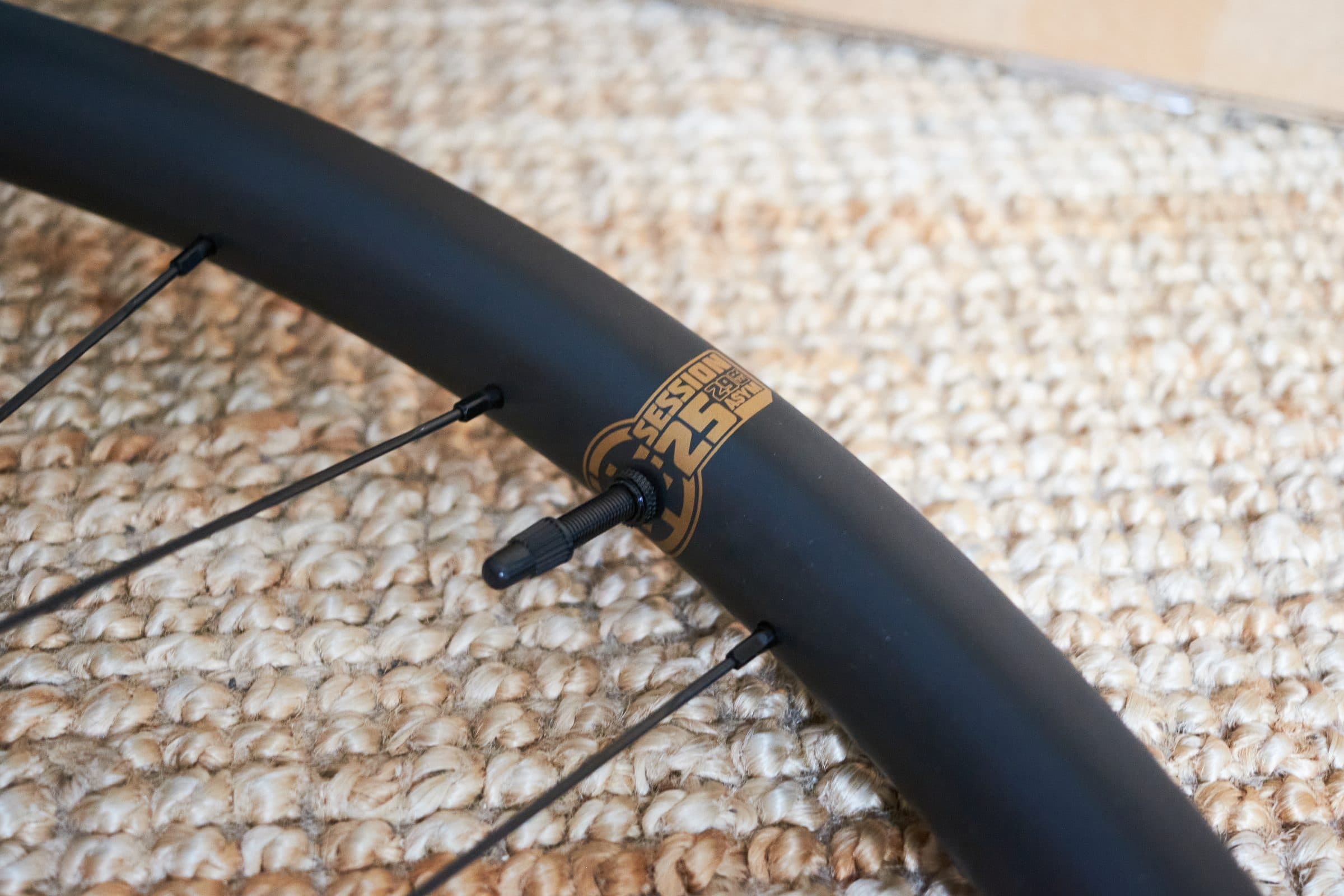
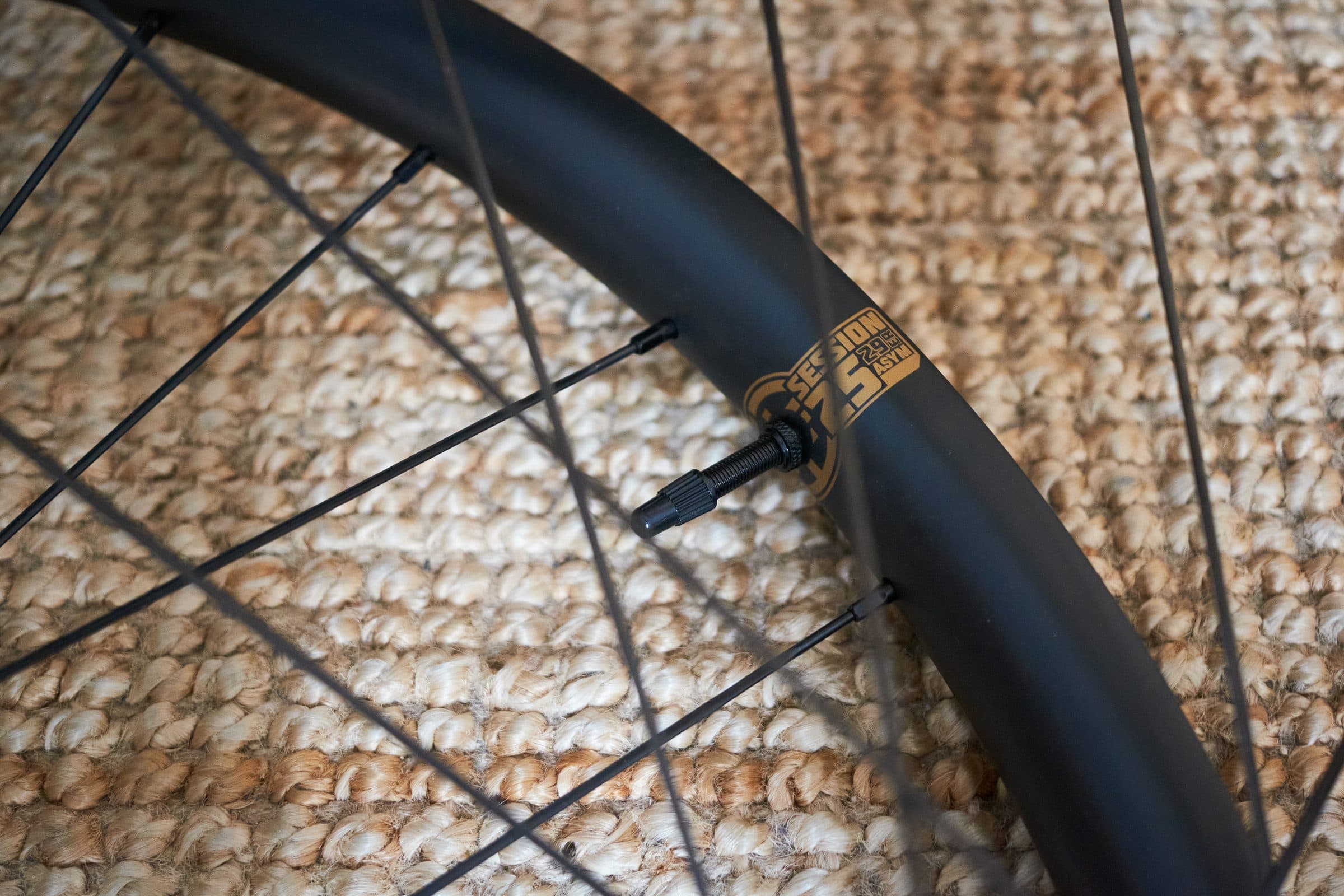
My first feelings were simple. Light, light, light and still light. Not light in the sense that they feel delicate, but in the sense that they were a pleasure to hold, with a nice logo, not too big (I really don't appreciate big logos, and you'll find some on other models in the range), matte enough, not too shiny.
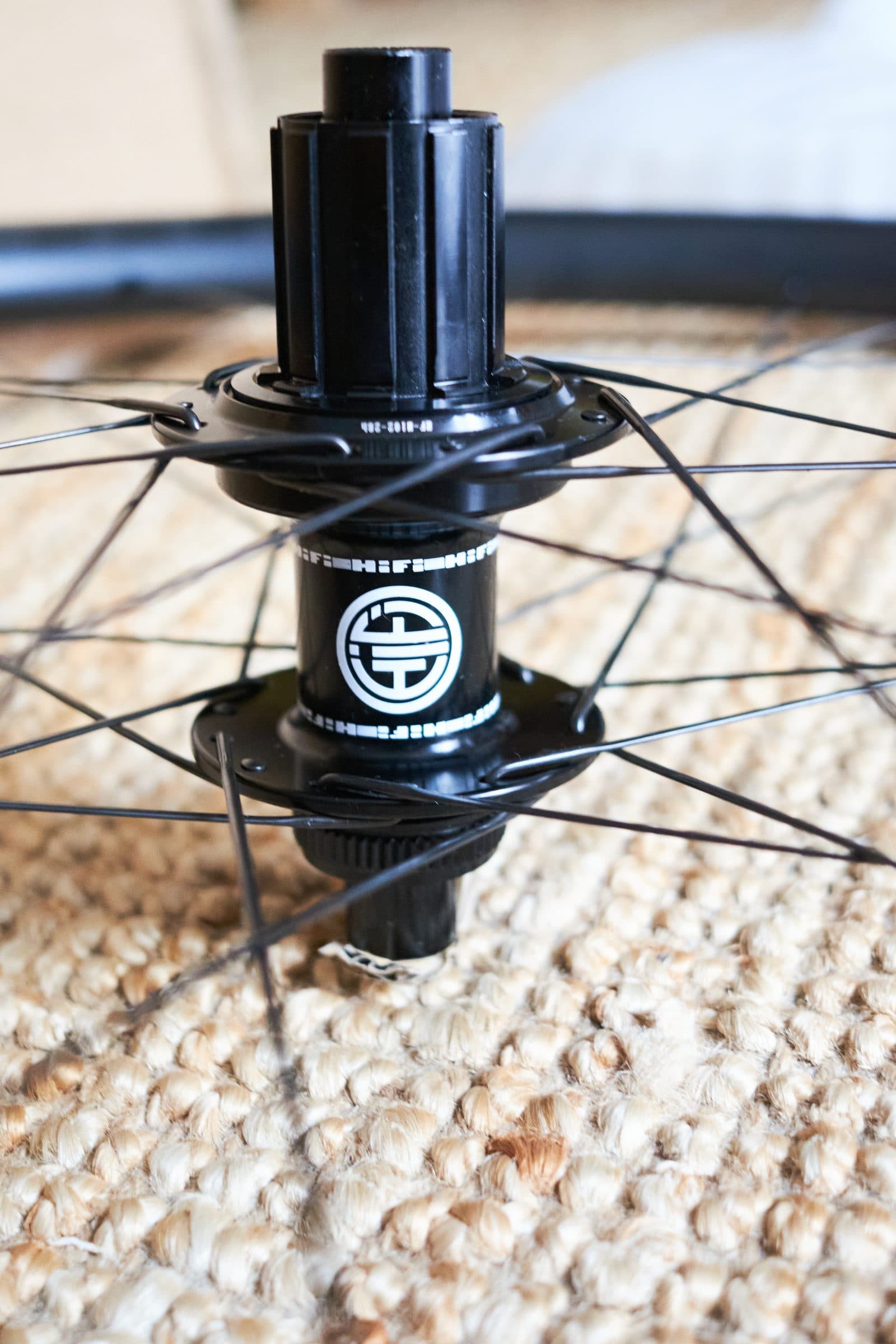
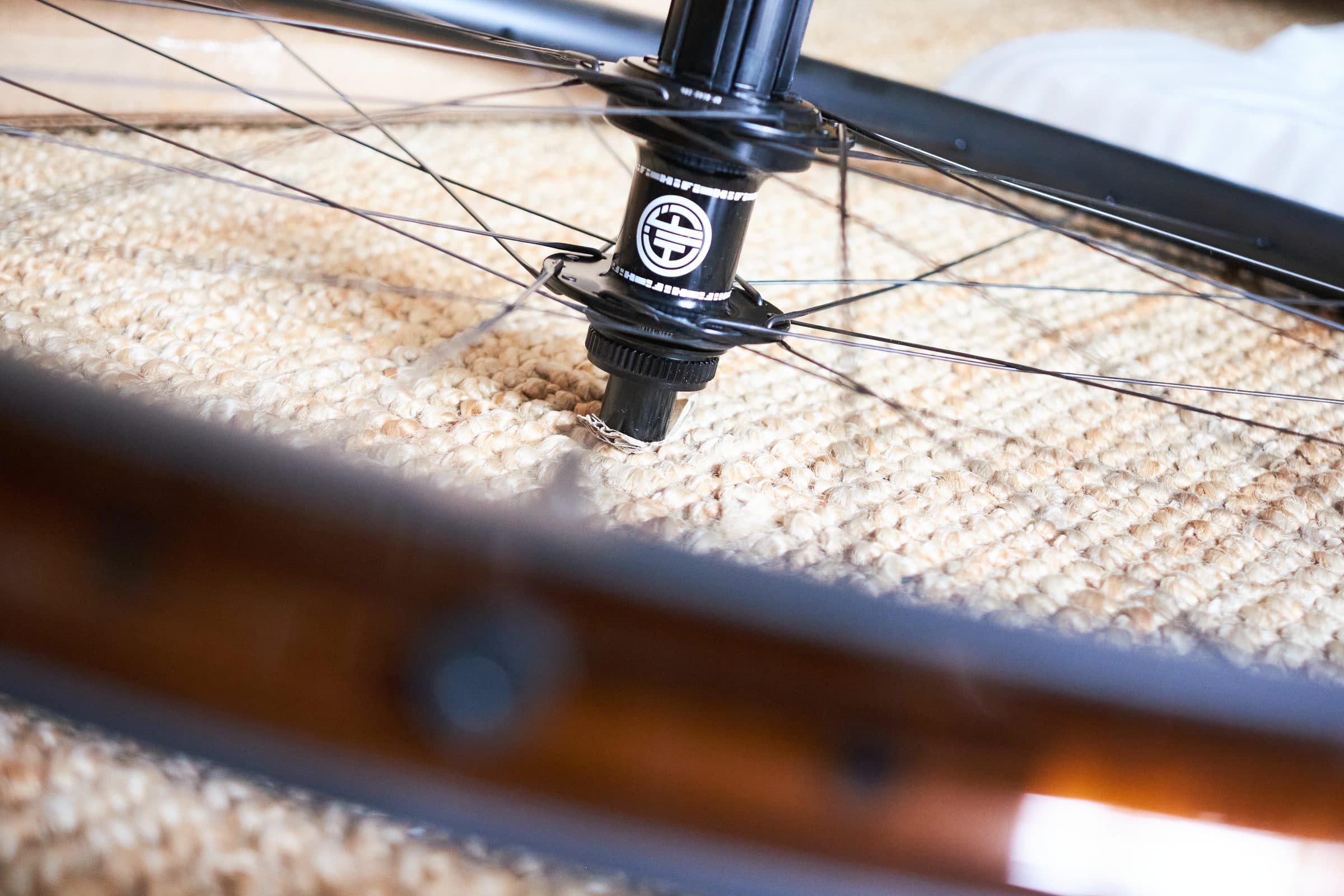
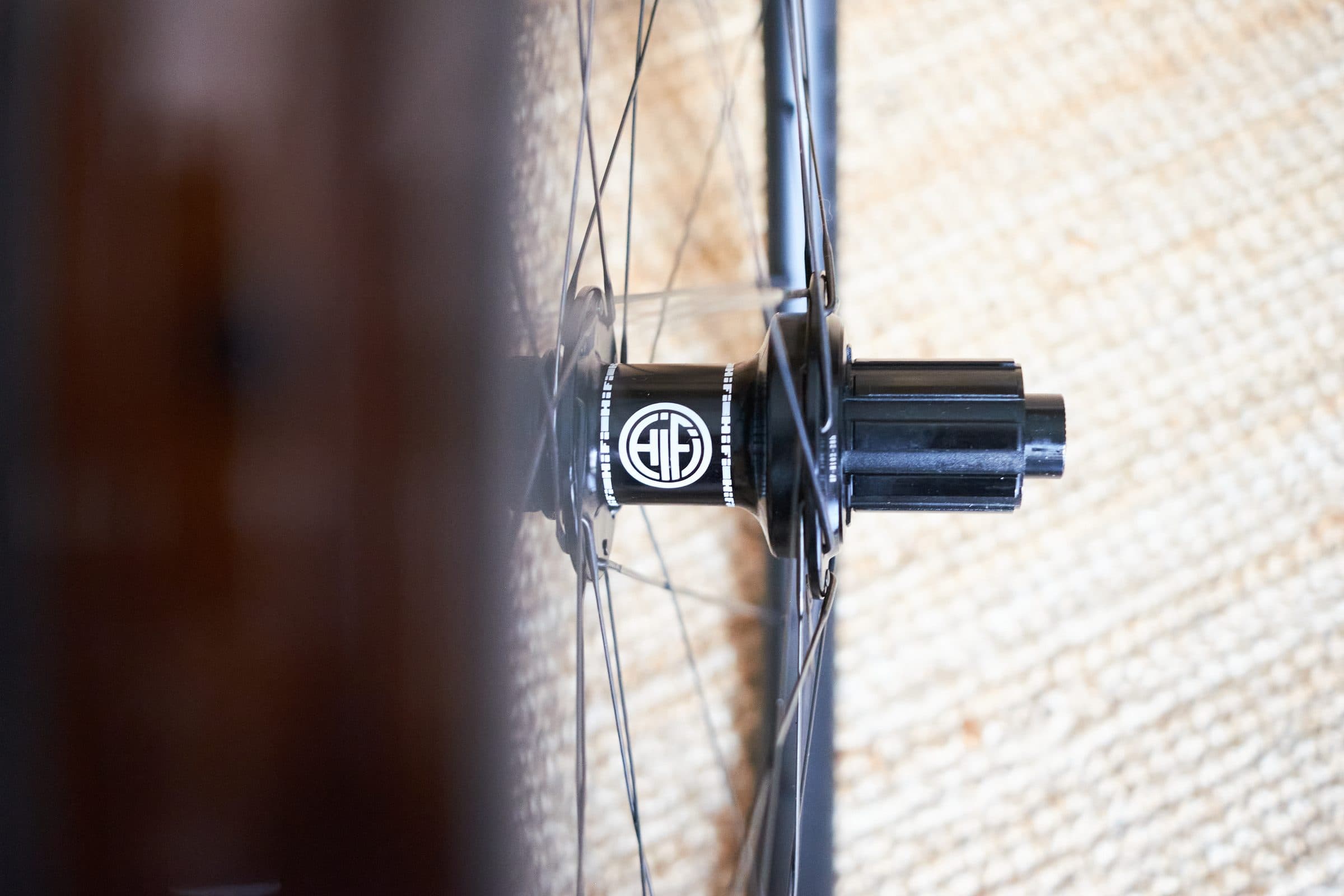
Then it was time to test the HiFi part of the name: the sound of the freehub. Properly angry-bee, in the best possible way. One hundred and two teeth of noise that you either love or hate.
Under the Hubs
I'm a wheel noob. What little I knew about wheels, hubs, freehubs and everything that makes a rim spin came from Robert Penn's book It's All About the Bike, plus some extra study on sheldonbrown.com (recently discovered, shame on me), the go-to manual and the gotha of every next-door bike mechanic.
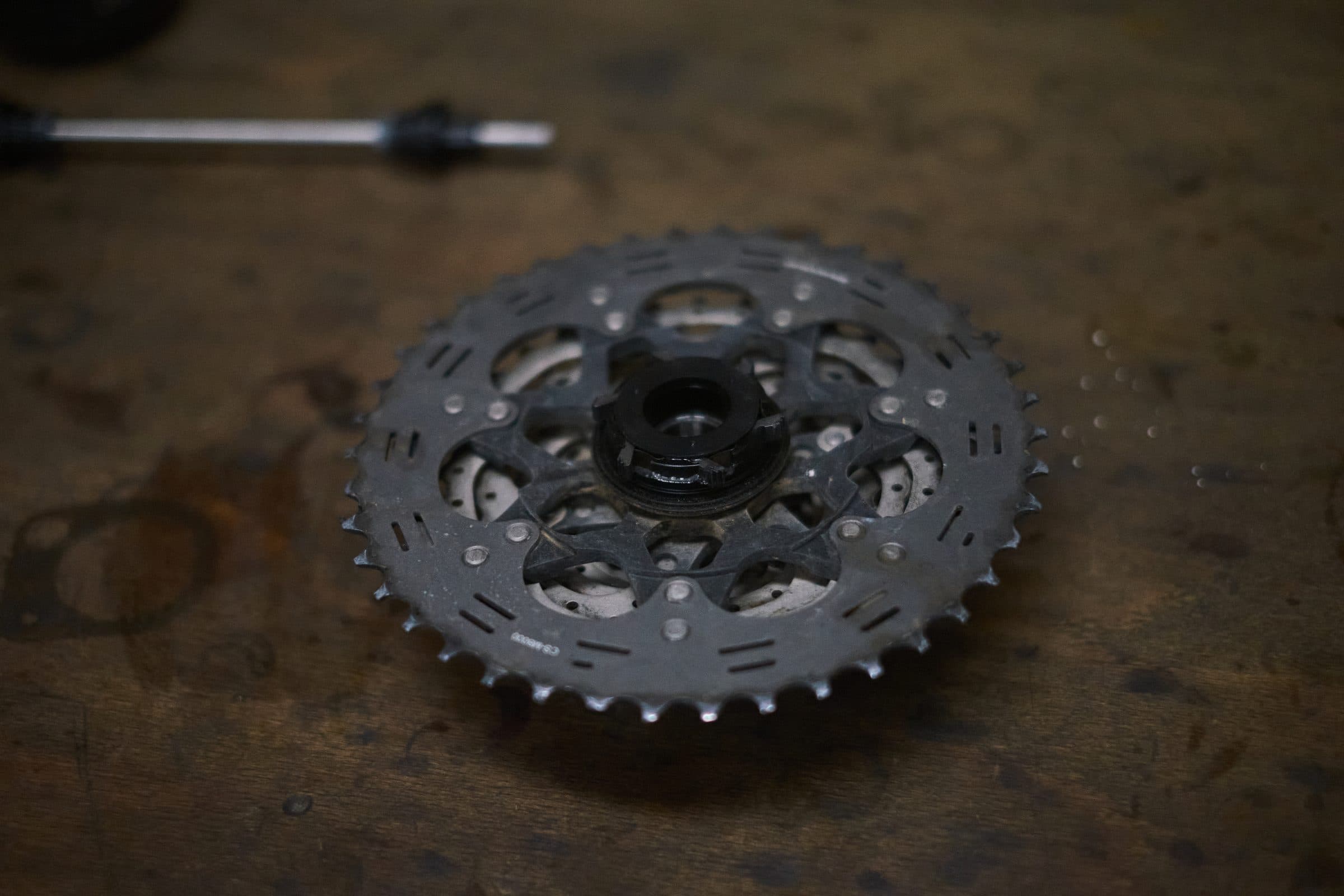
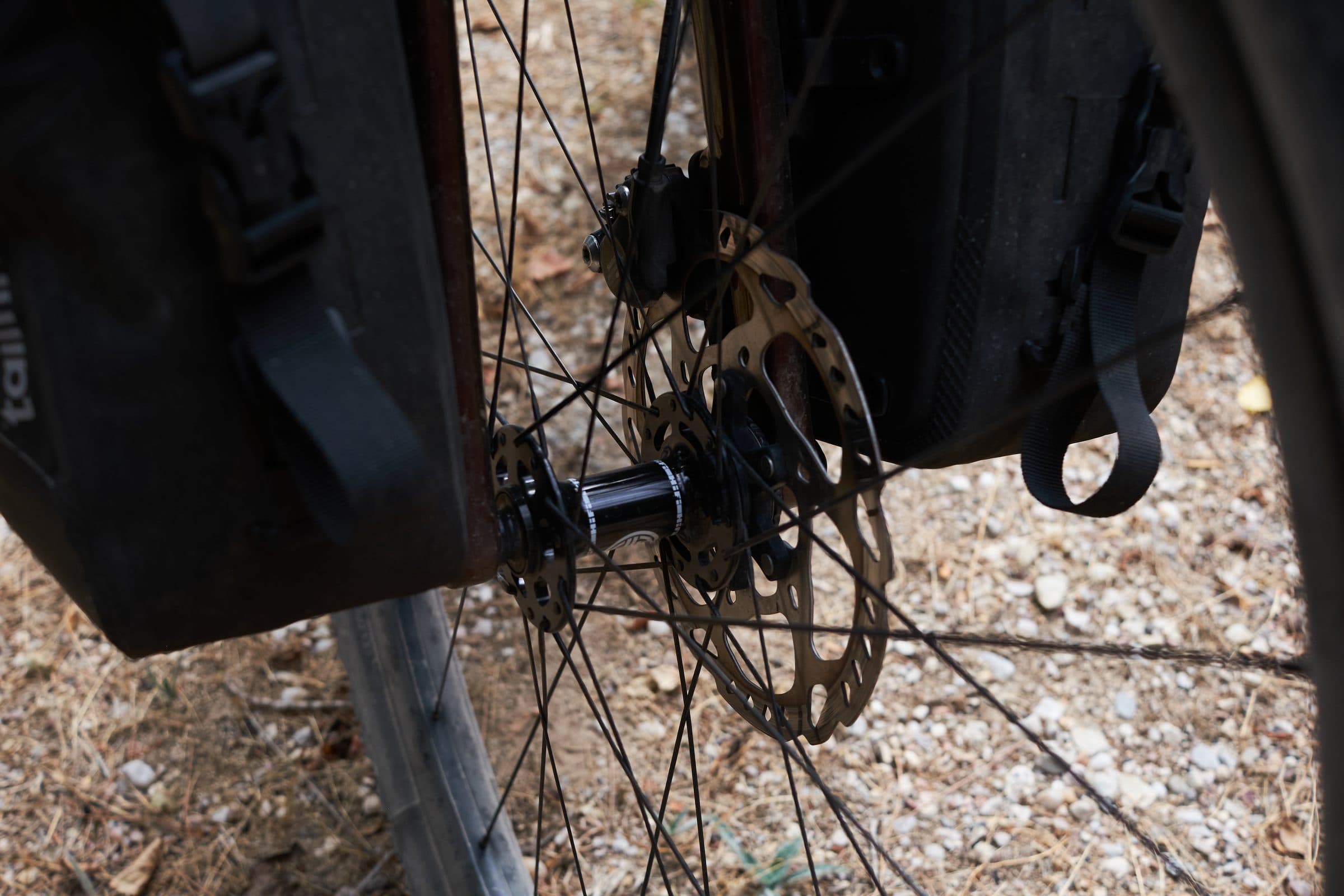
HiFi builds around its own Fidelity hubs, so further inspection called for a little wheel dissection. The hub doesn't scream the top-notch quality you'd expect from a wheelset at almost $1,800 USD. There's plastic in there and the six pawls don't spring back immediately; they're on the lazy side.
HiFi's rear hub runs six pawls with two engagement points each over a 102-tooth ring. The ring alone would give you an engagement every 3.5° (360/102) but staggering the pawls so they don't all drop in at the same moment doubles that to 204 points, which is where the claimed "less than 2°" comes from (it's 1.76°, to be precise). On a loaded bike, quick engagement earns its keep when you restart on a steep ramp and need the pedals to bite right away. The flip side, if you believe the forums, is that with staggered pawls not all six share the load at any given instant, so spring quality, pawl seating and lubrication matter more.
As for bearings, they're Japanese stainless steel cartridges that while being neither Chris King nor Hope, do the job.
Twenty-Eight Strings
The spokes are Sapim, one of the best available (there aren't that many spoke makers left out in the wild): CX-Ray bladed, on Sapim Secure Lock alloy nipples, hooking into the hub flanges as classic J-bend spokes. Brass nipples are available as an upgrade, and a wiser me would choose those over alloy today.
For my specific use, 28 spokes seemed a smarter choice than the lighter but easier-to-break 24, considering my (ab)use of a loaded bike on rough terrain and Sheldon Brown's rule of thumb that more, thinner spokes make a stronger wheel than fewer, thicker ones. In HiFi's catalogue, the Session25 runs 28 front and rear while the Session30 can go to 32 for those who want even more margin for error.
Off-Centre, On Purpose
On a rear wheel, the cassette pushes the drive-side flange towards the centre of the hub, so the drive-side spokes stand steeper and need far more tension than the non-drive side to keep the rim centred. Front disc wheels suffer a milder version of the same thing on the rotor side. An asymmetric rim moves the spoke bed off-centre, evening out the spoke angles and the tensions on both sides.
The Session25 rim itself is hookless asymmetric carbon, 25 mm deep with a 25 mm internal width. Claimed weight is 1,385 g for the pair. I didn't weigh them, and I'm not going to pretend I did. They are much lighter than the alloy wheels they replaced.
Into the Alps
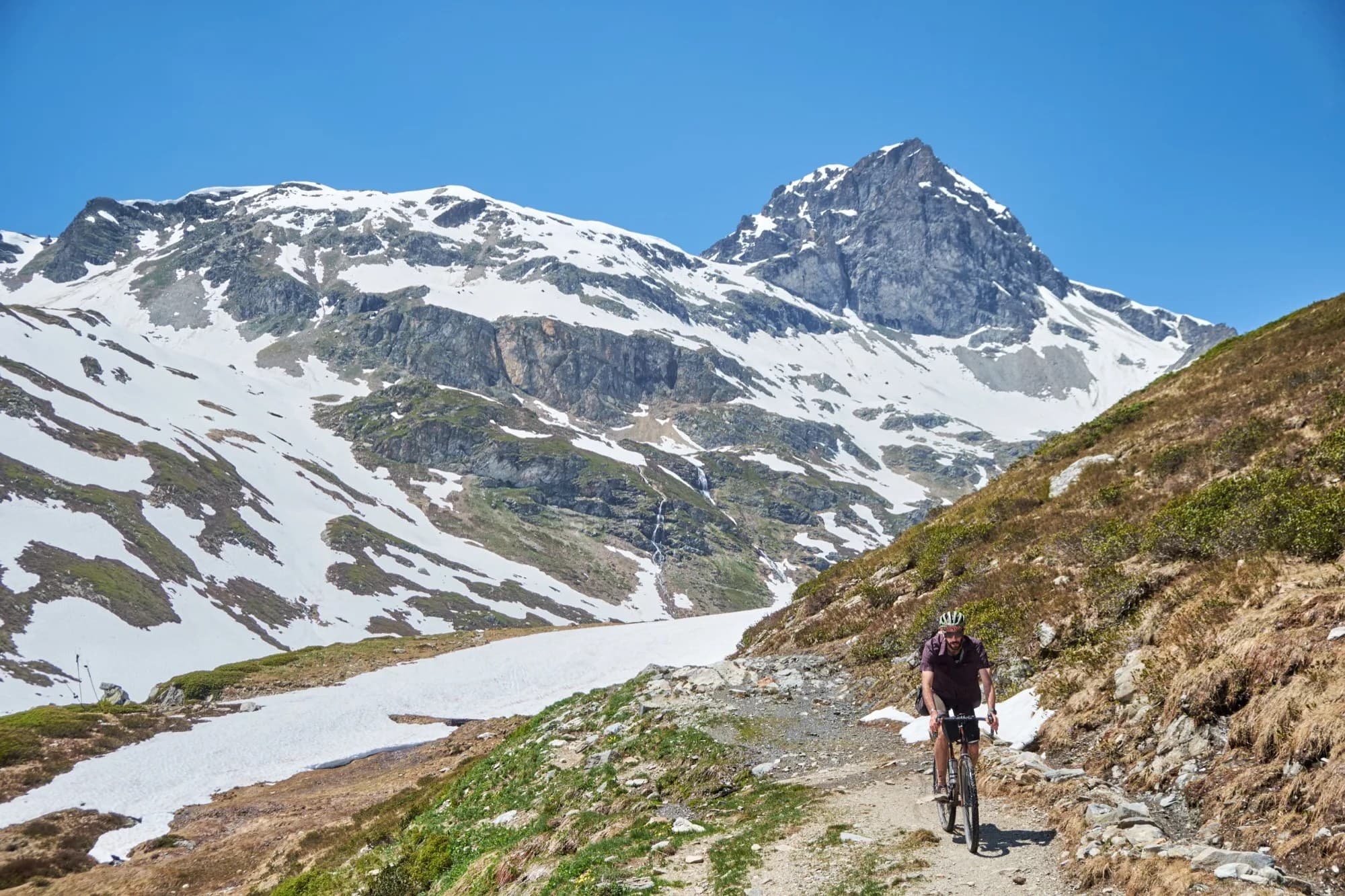
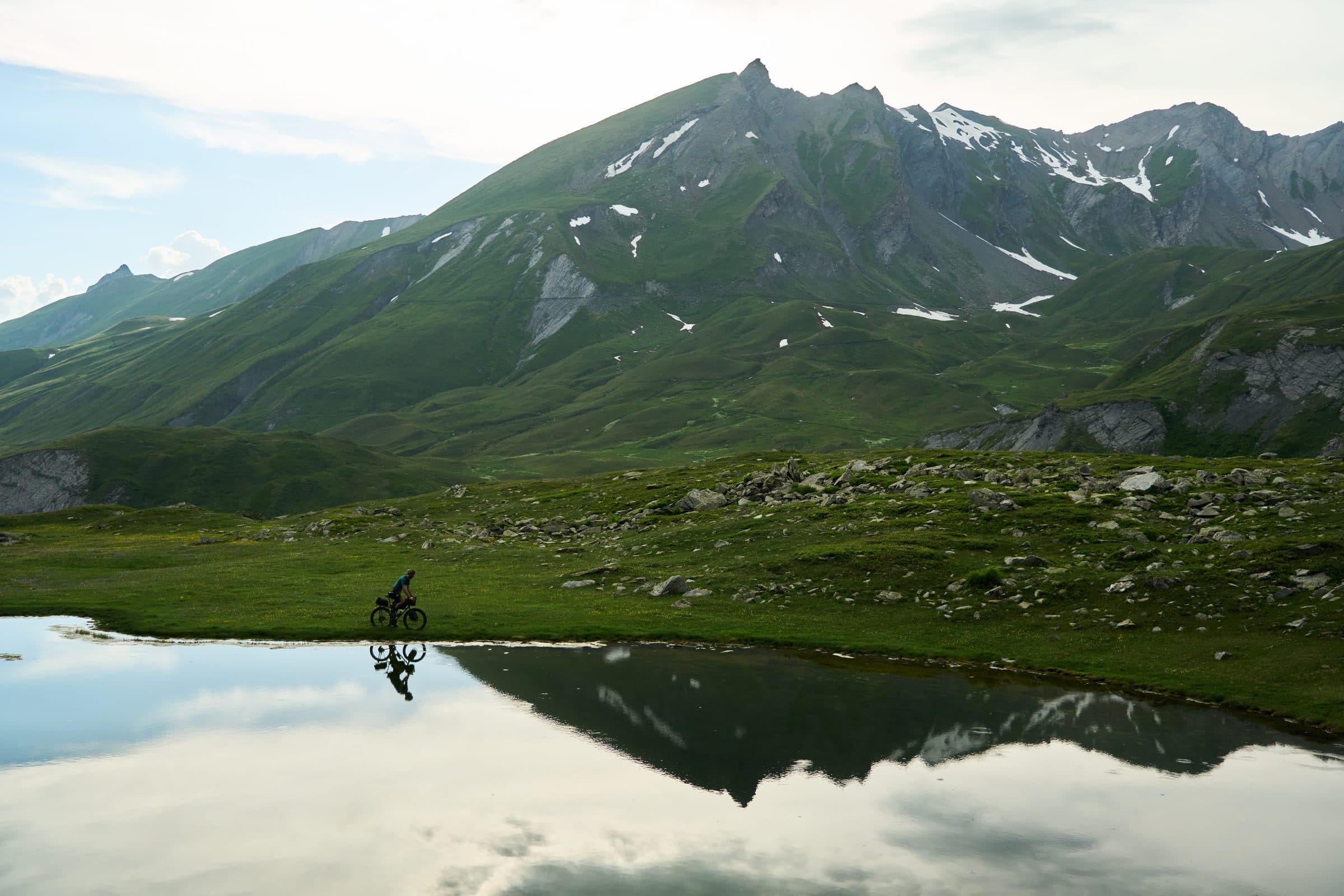
My first real-world test was an early-summer overnighter scouting a route around an old glacier in the Alps. Scouting is a polite word for not knowing what comes next. It was a hike-a-bike too steep to ride, the kind where the only advantage of carbon wheels is that you're dragging less weight uphill. Then, for good measure, a melting snowbank. The wheels went in crying, dunked into the white like chocolate biscuits into a creamy cappuccino. It sounds warm and reassuring. It wasn't.
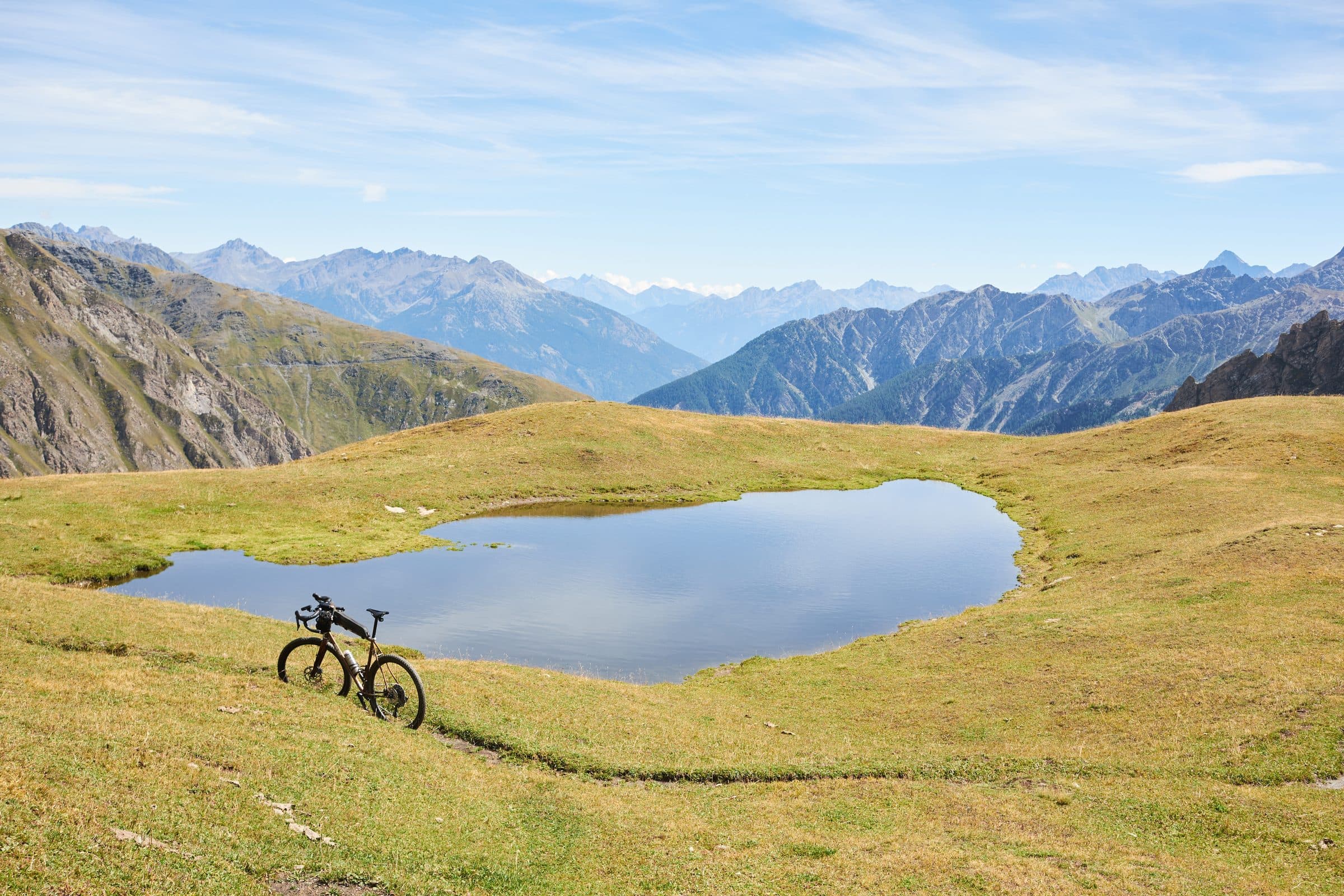
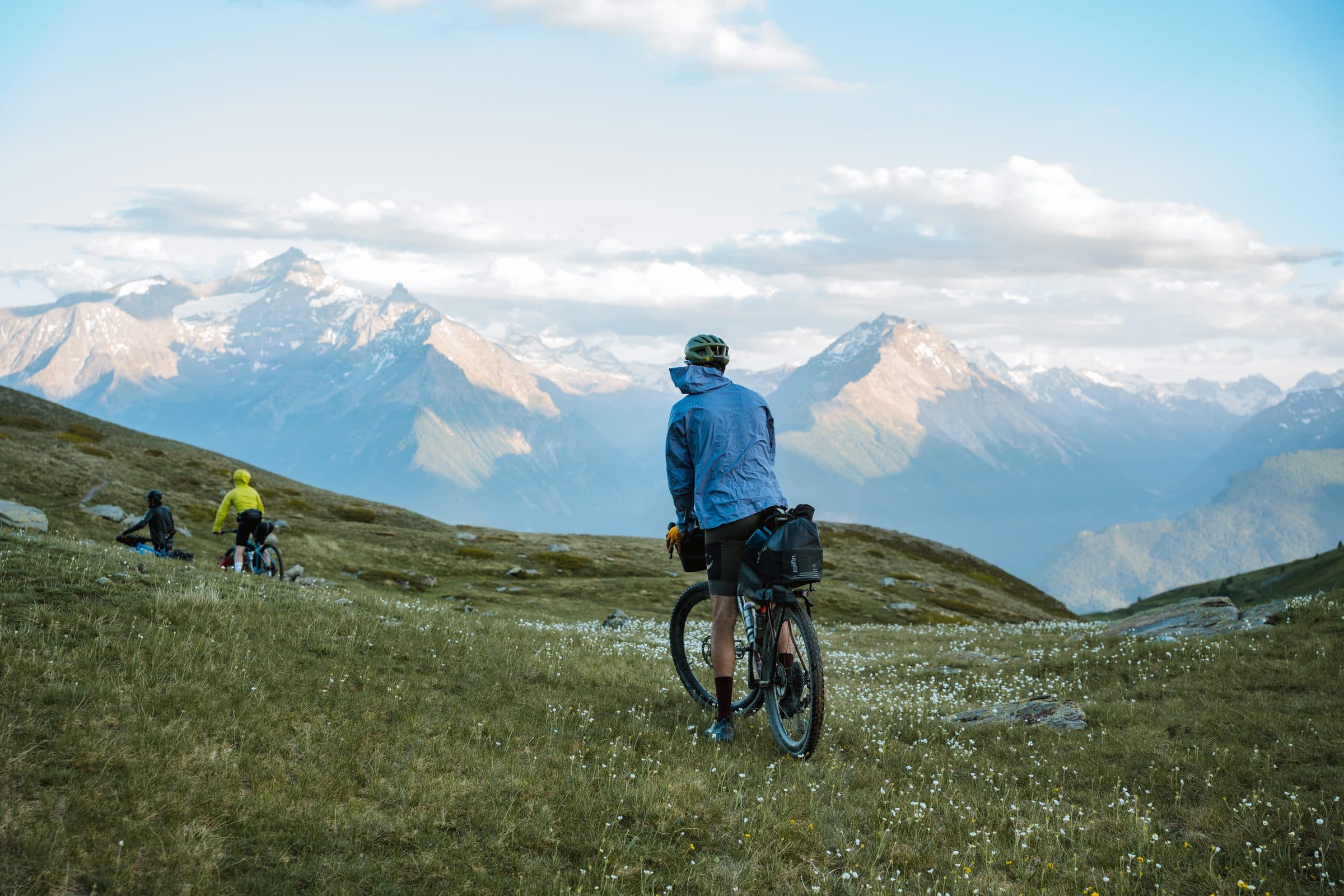
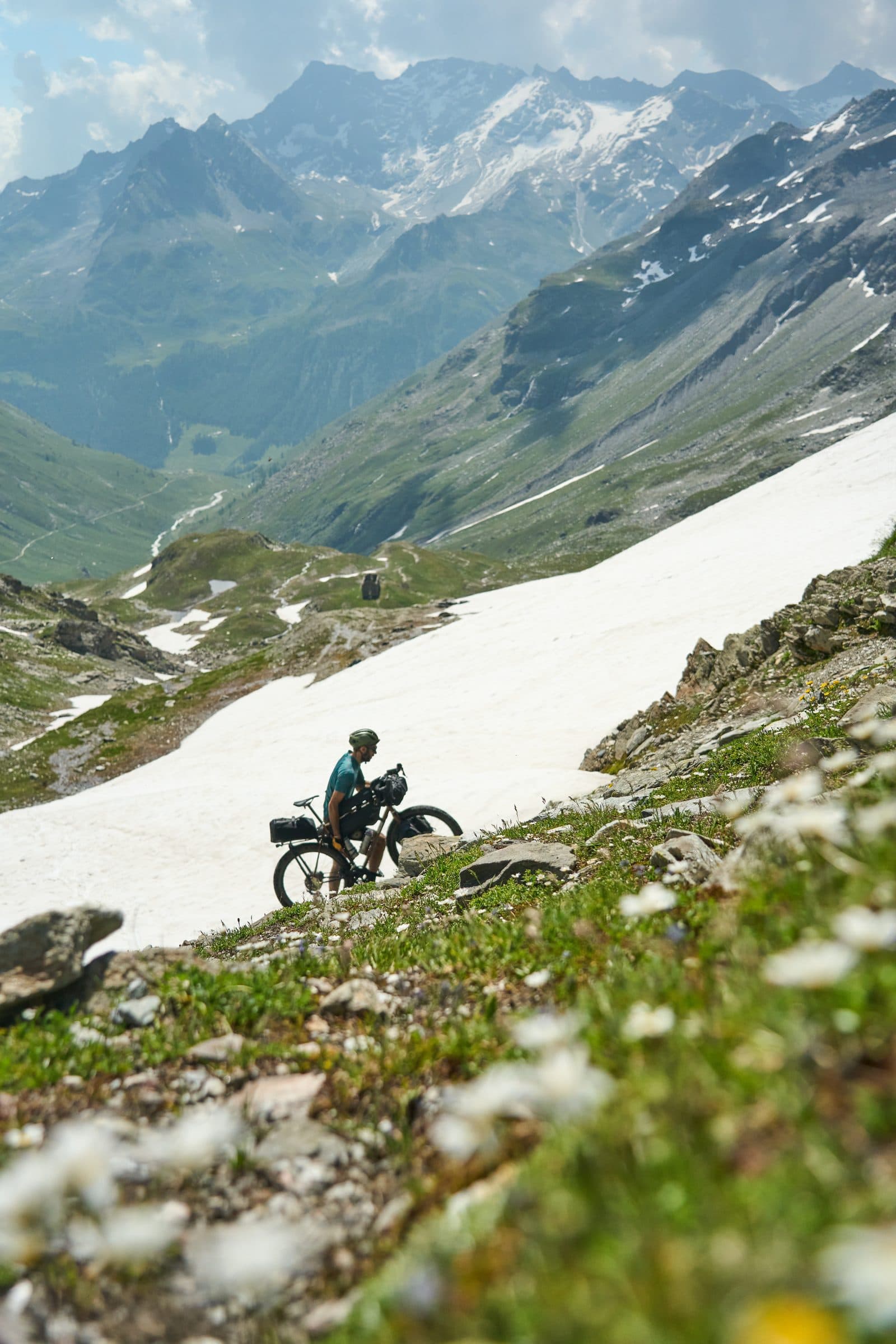
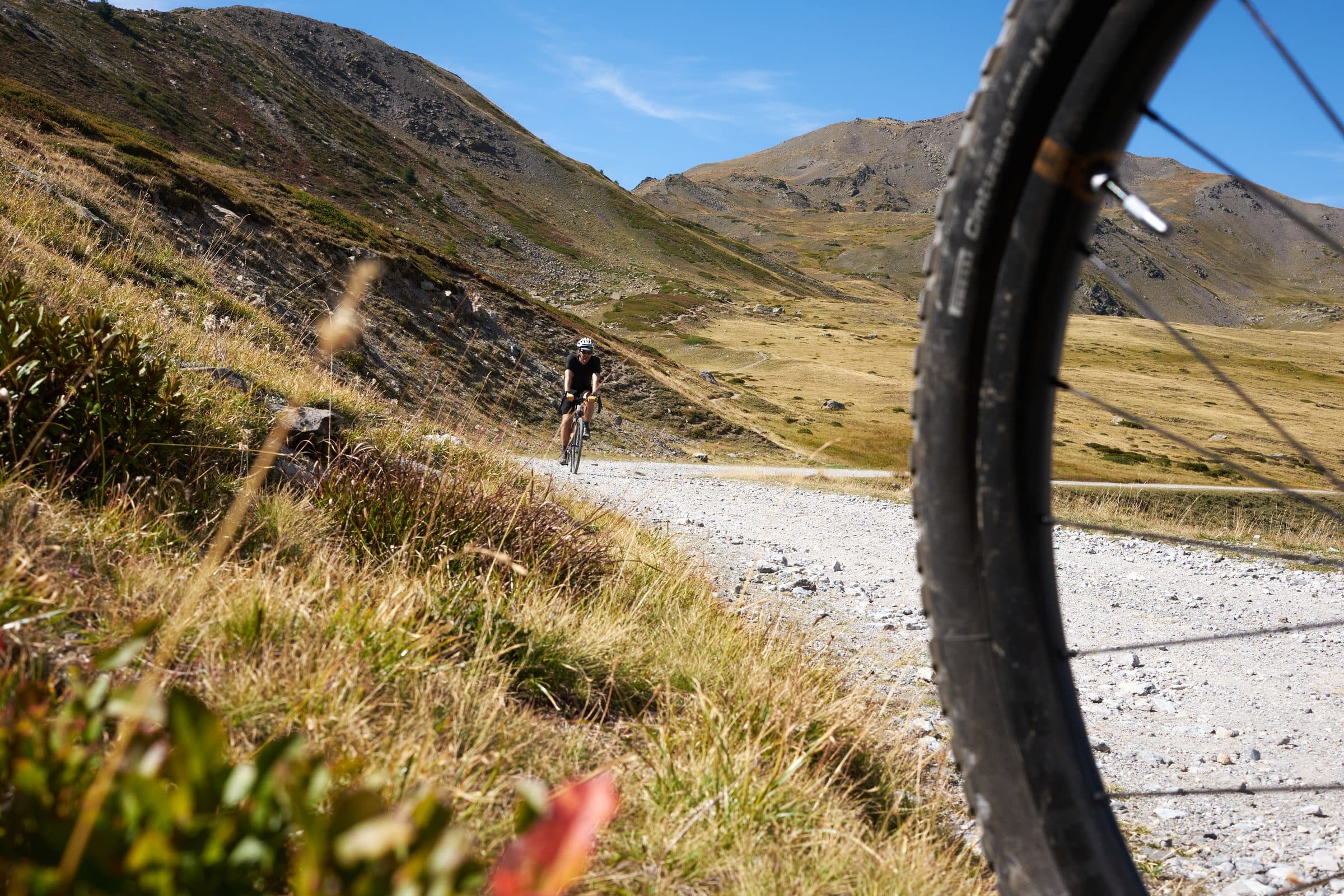
When it was descent time, I'll admit I was a little scared swinging my leg back over the bike. The singletrack below wasn't too technical but I had a loaded gravel bike. It could have been a nightmare but the wheels were sick!
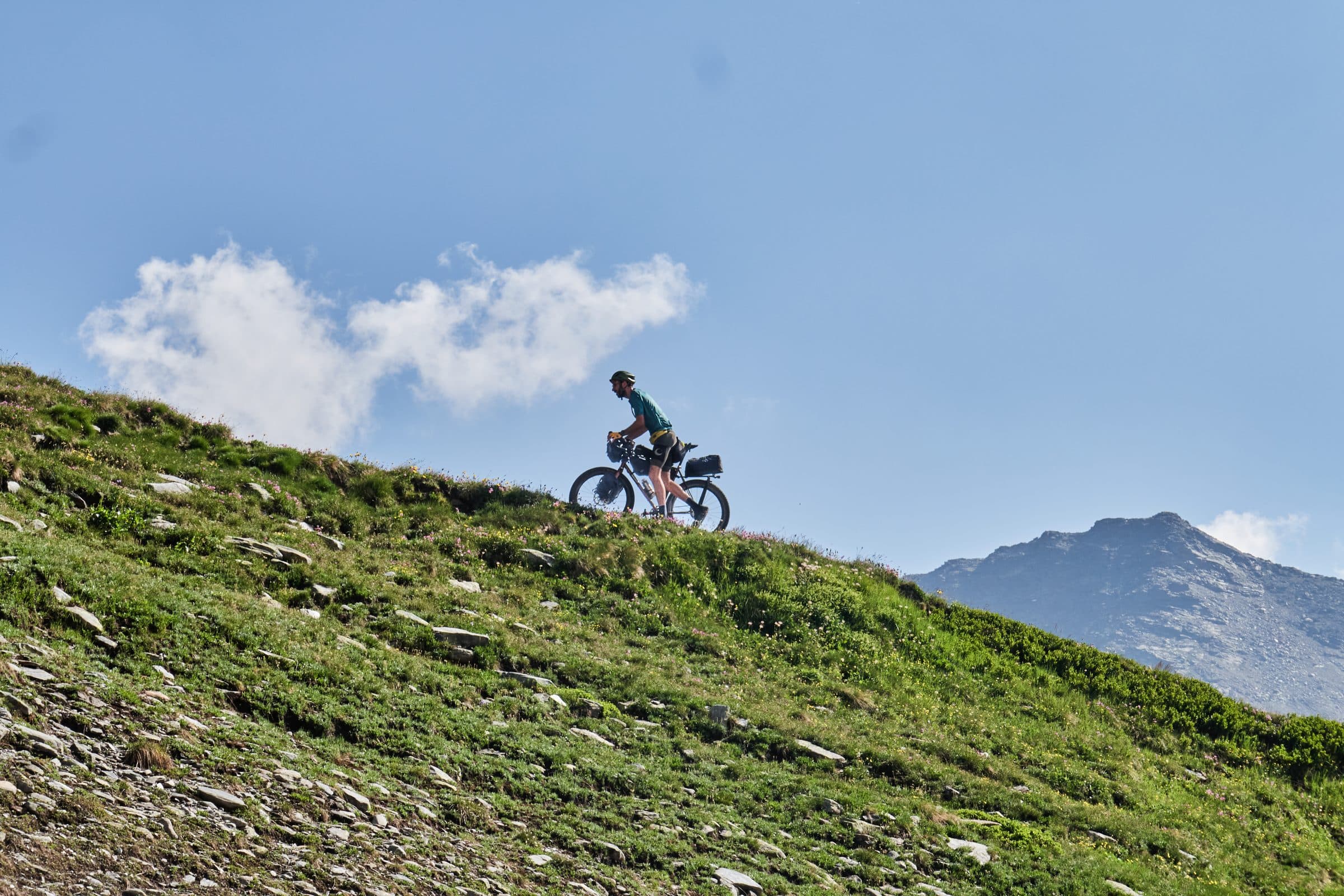
On short, sudden ramps you can feel the power go from the cranks straight into the wheels. They pick up and go. Every pedal stroke turns into speed. The steering sharpened too as the bike turned faster and goes where you pointed it, immediately. It felt dialed, precise, and planted, carving and holding lines better and spinning back up faster out of every corner. On tarmac, the gain is confidence: it's incredible how much lateral trust there is when you lean it over.
To be fair, coming from a top-notch alloy wheelset the difference might be more subtle. Coming from mine, it wasn't.
Montañas Vacías, Fully Loaded
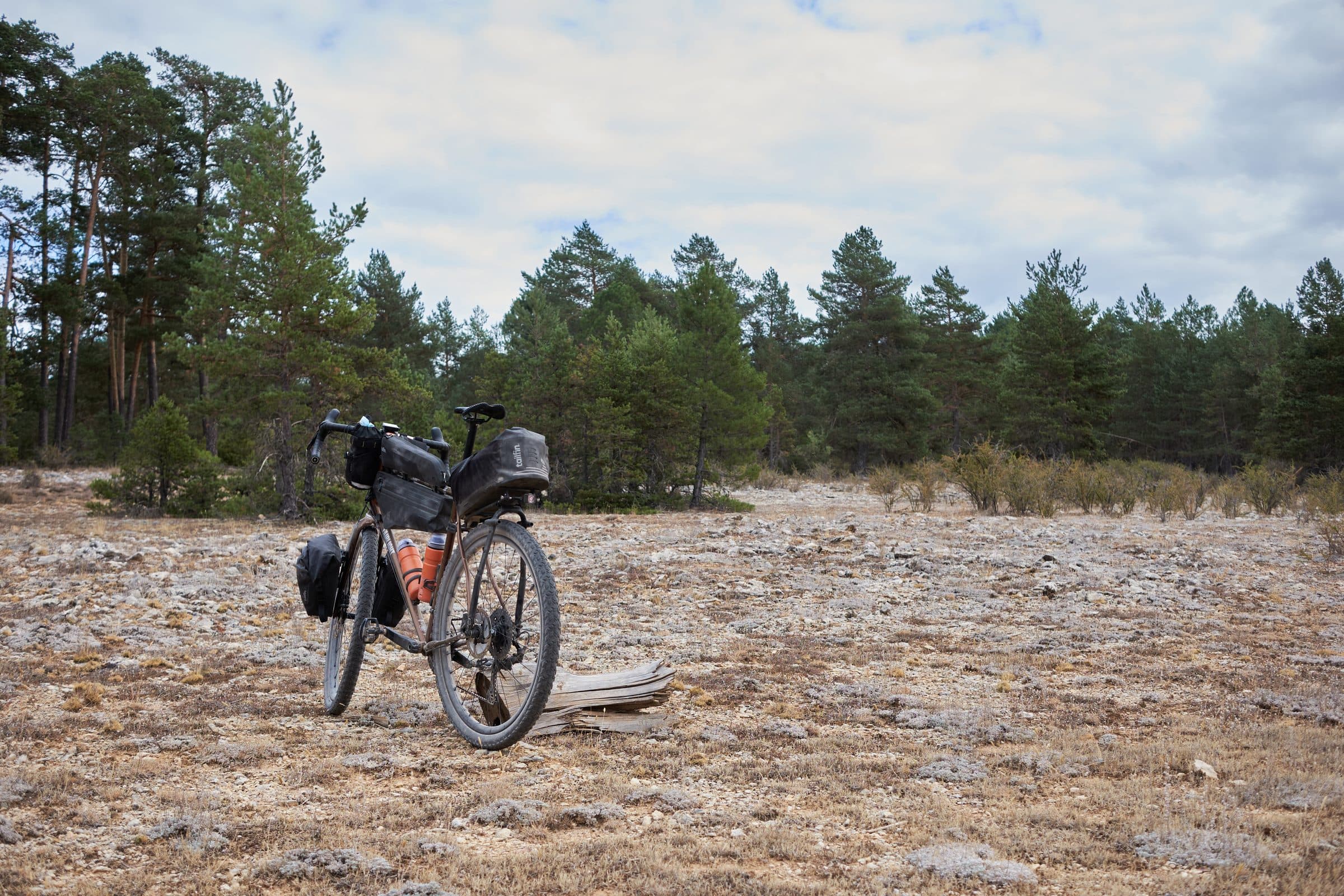
Spain was the real exam. I spent ten days on a fully loaded bike across the Teruel highlands. It was remote. The fast forest roads fell apart without warning into a mess of loose rock. It was here that the wheelset showed its character.
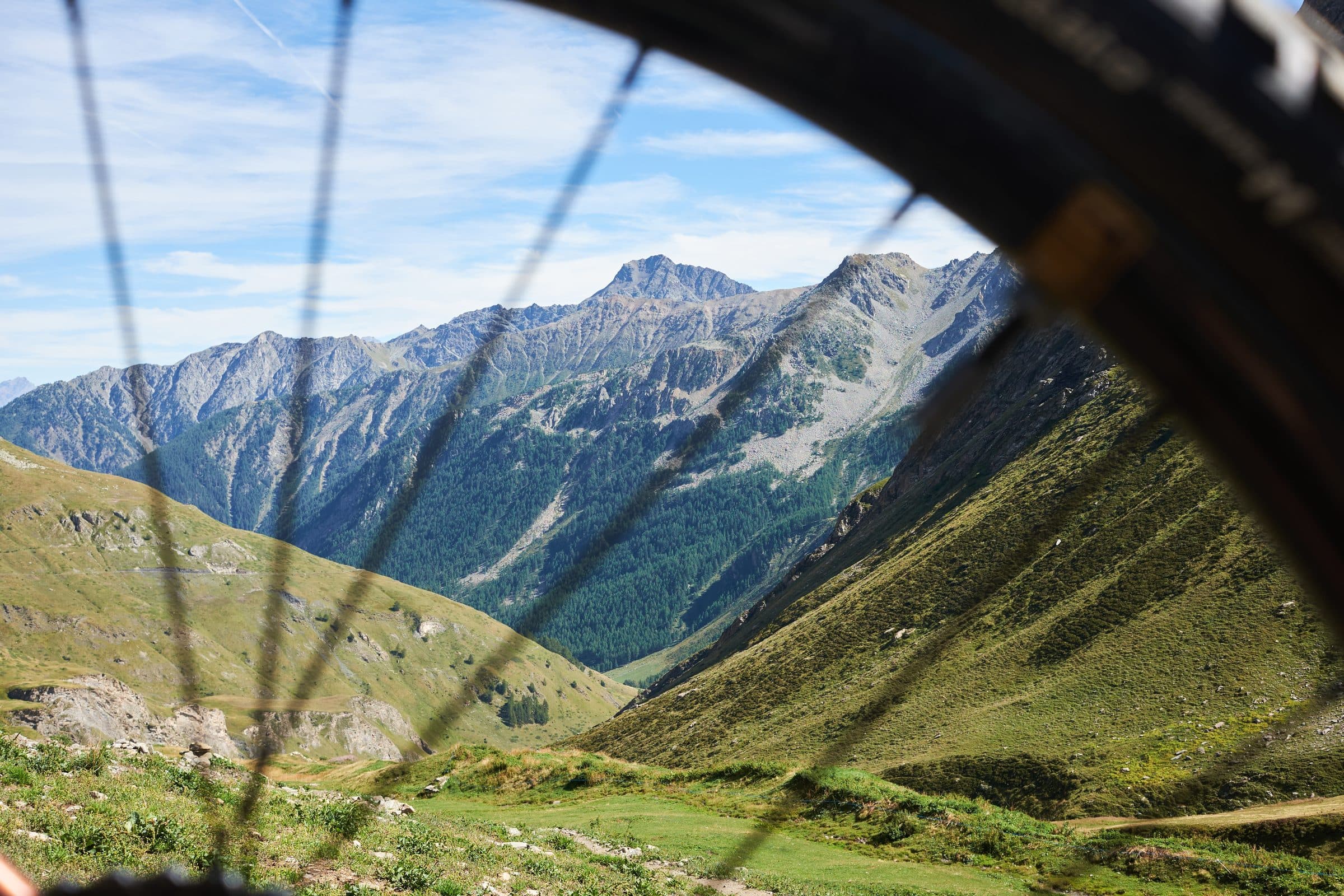
Javalambre was by far the longest climb of the route and the hardest stretch of the whole trip on what a friend of mine calls haemolysis-grade gravel. It was the kind that rattles your red blood cells apart. We set off under a grey sky over red earth and climbed until, at last, the sky turned blue. At the top, we discovered a suspended lunar landscape that I still struggle to place at 1,950 metres. My notes from that day say it in Italian: abbiamo pedalato sulla luna. We rode on the moon.
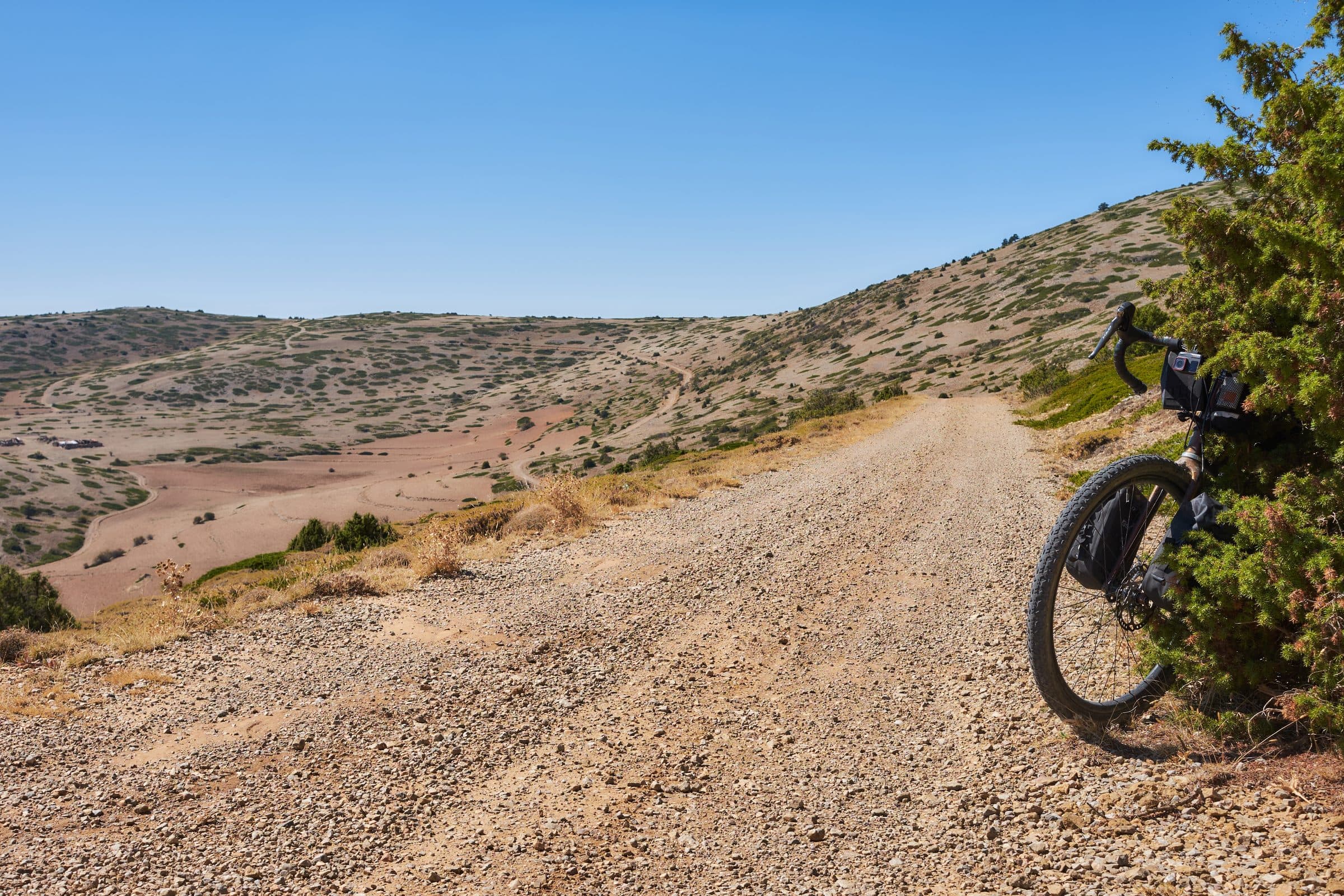
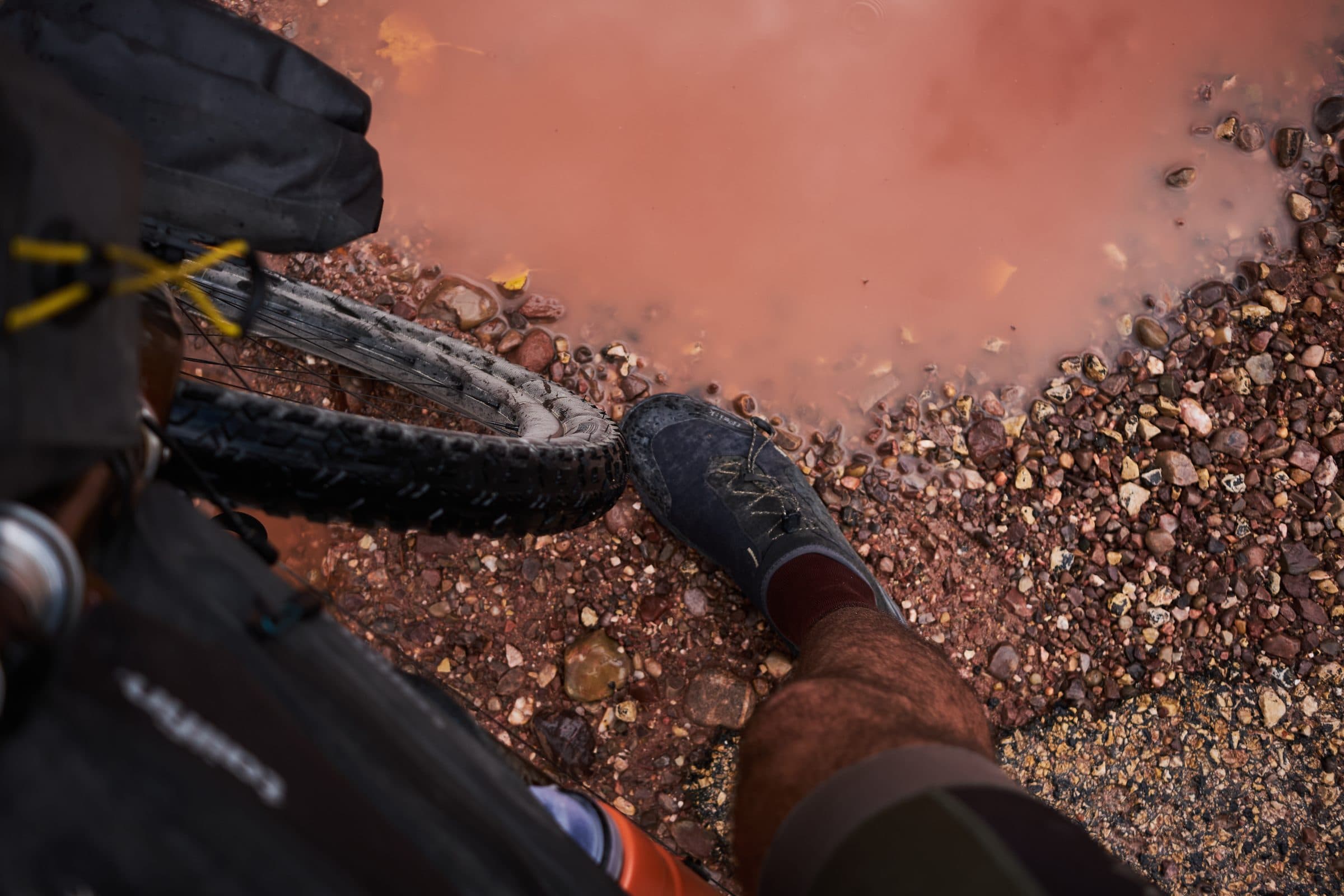
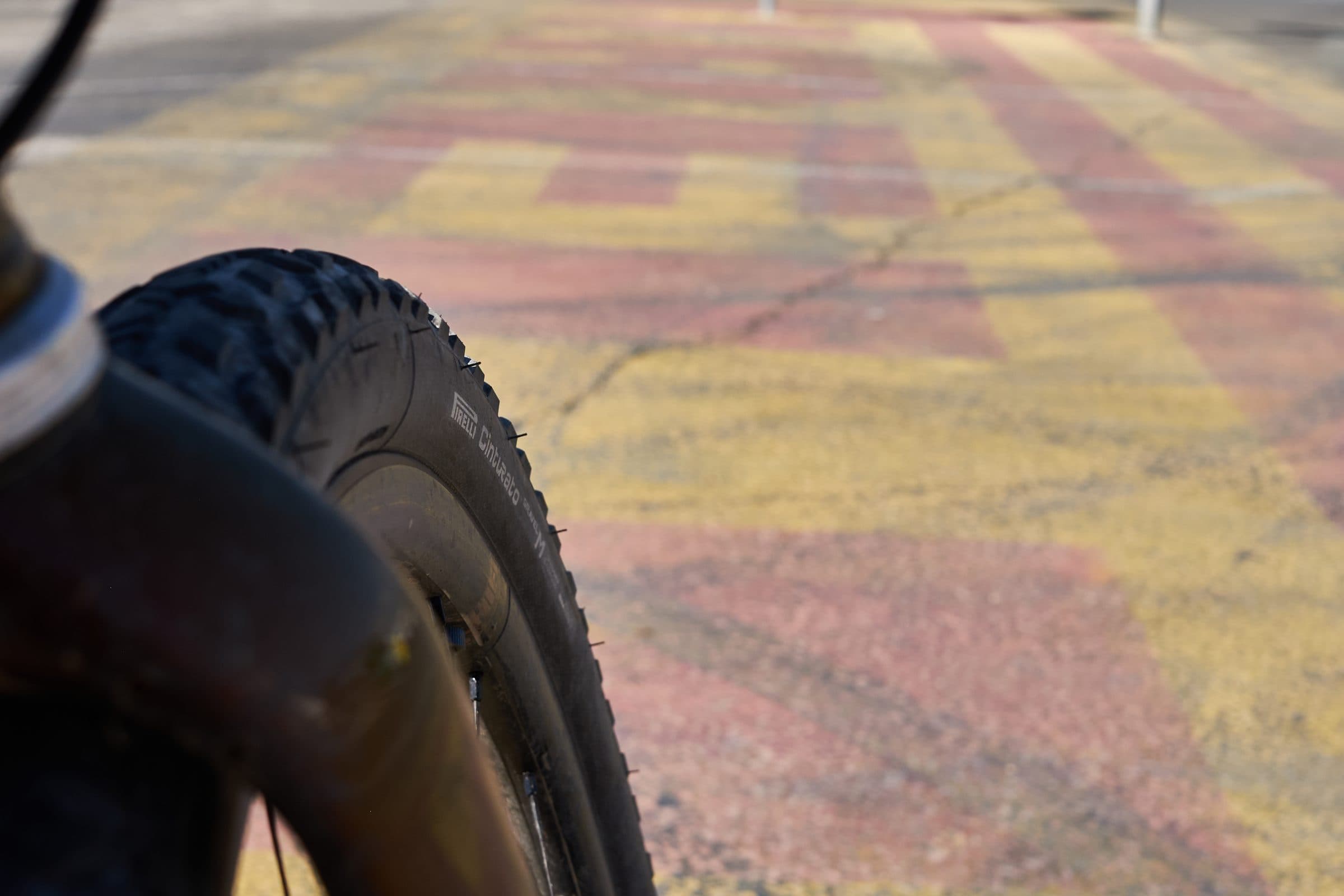
Between tubeless soaking up the worst of the chatter and rims stiff enough to hold a line under all that weight, the Session25 were the right balance to keep me riding where I was headed.
The moon, it turns out, has terrible roads though, and the only consolation was the view, which, luckily, was more than enough.
Background Noise
The creak had been riding with us since day one. So I did what any self-respecting wheel noob does. I scrolled Reddit, learning that every creak has a hundred causes and every cause has its own thread. The forums found a suspect quickly. The spokes. A dab of Squirt on the points where spokes crossed quieted things down for a while. Or I wanted it to, at least, so it may have been a well-lubricated placebo.
I also emailed HiFi from the road. They suggested a small drop in spoke tension, letting the spokes rub where they cross. Finishing the trip as it was wouldn't damage anything. Honestly, a little tension loss wouldn't have been a scandal on new hand-built wheels still bedding in, let alone ones that had crossed an ocean and spent a day tucked into a van.
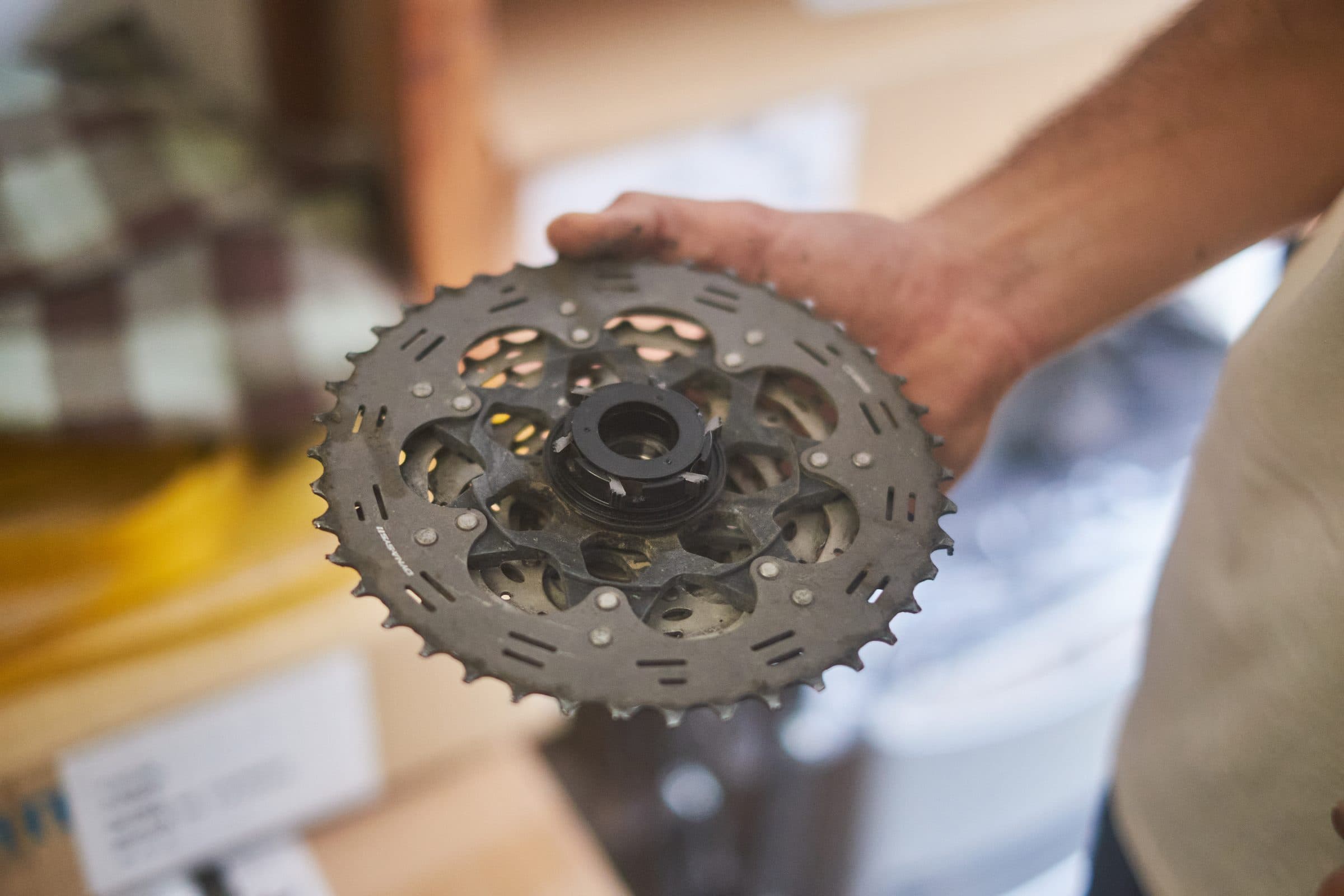
Later, I discovered the real issue and it was mildly embarrassing. I had fitted the cassette dry, with no grease on the freehub body, and that's where the noise had been living all along. A thin film of grease and the wheel went silent.
I'm a wheel noob, and that was the proof. The wheels were never the problem; I was. If you're fitting a new cassette before a long trip, grease the freehub body. Learn it from me, not from the Teruel plateau.
The B-Side
As far as costs go, $1,800 USD buys a lot of carbon from the major labels on the shelf. But HiFi is the opposite. They're built to order, by the people, by hand in Portland. When something sounds wrong in the middle of Teruel, the email gets answered by a co-owner, not a ticket number or a chatbot.
Certainly the major brands offer better warranty terms. ENVE does lifetime incident protection, while Berd promises lifetime crash replacement on its Sparrow 50 Gold wheelset. HiFi covers defects for 24 months, then provides lifetime crash replacement at 50% off. From Europe, you're buying across an ocean, with shipping and import charges, instead of visiting a dealer down the road.
So, are they worth it? It depends, and be wary of anyone who answers too quickly right after spending loads of money on wheels.
I prefer the ride feel of carbon. There's more snap than the alloy wheels I've run and anyone even slightly in tune with their bike will feel the weight difference. That's before even getting into rotating mass or any of the other promised benefits. But let's be honest, it's a real upgrade, yet still a smaller one than the internet likes to claim. Funnily enough, you notice it most the day you go back to alloy.
Worth the price gap over a solid alloy set? Not necessarily. Better in many ways? Definitely. If you have the disposable income, I'd call it a solid purchase.
If I were ordering again purely for loaded travel, I'd change two things. First, I'd look hard at the Session30: a 30 mm internal width, a 26 mm deep rim and a claimed 1,480 g, with a wider bed that supports a tire better at low pressure. Second, I'd tick the brass nipple box. For a bike that also does fast unloaded days, the Session25 remains the sweeter spot.
About 2,000 km later, the record is still spinning. Just remember to grease the freehub before you drop the needle.
Pros
- 28 spokes front and rear where many rivals run 24
- Field-friendly build: nothing proprietary, serviceable with standard tools
- Ready out of the box: tape, valves, end caps and lockrings included
- Support: questions answered by the people who build the wheels
- Ride feel: noticeable snap and weight savings over alloy, most obvious the day you go back
Cons
- Hub internals: plastic parts and lazy pawls at almost $1,800 USD
- Warranty: 24 months on defects, then lifetime crash replacement at 50% off parts
- Narrow-ish for 50 mm tires: 25 mm internal works fine, but the Session30 suits fat rubber better