Tailfin SpeedPack: Stability for Fast Days


I came to bikepacking with a few firm convictions: I didn't like panniers, and I didn't like racks. To me, they made a bike look bulky, heavy, and somehow less suited to the kind of riding I loved most. I was wrong.
For years, bikepacking framed itself as the lighter, leaner alternative to traditional touring, with soft bags replacing the old pannier and rack formula. However the circle is closing. Racks have found their place in bikepacking and now they may make as much sense as a large saddle bag.
Founded in 2017, Tailfin launched with their original AeroPack with the help of Kickstarter two years later. The brand built its name around a simple promise: the fastest way to carry gear on your bike. Nearly seven years later the new SpeedPack pushes that idea further.
This lighter, rear-loader is designed to combine saddle-bag speed with rack stability. I paired it with Tailfin's 10L Mini Panniers and took it straight into a winter adventure.

The Tailfin Ecosystem
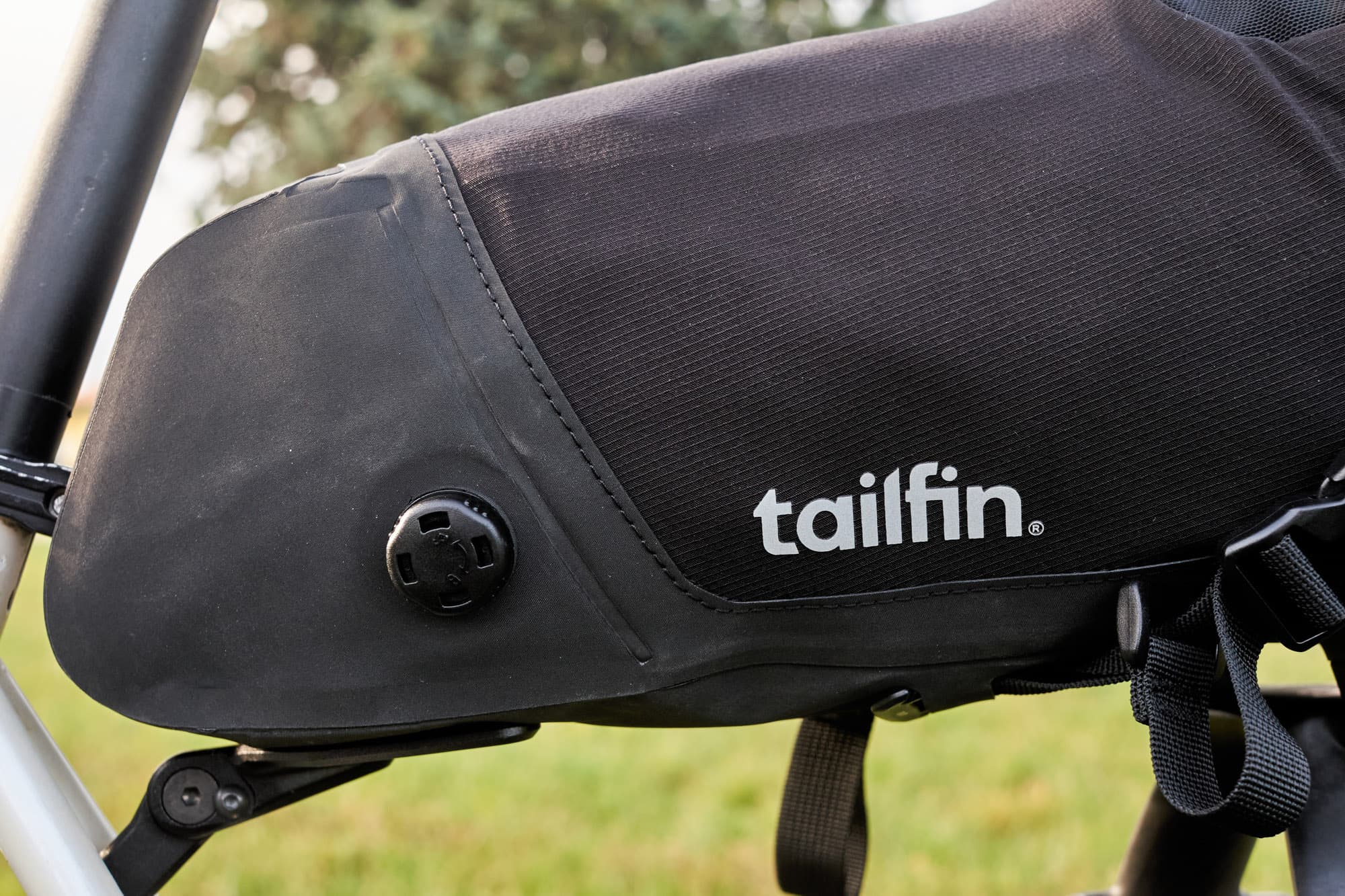
The SpeedPack ($410 USD) is a 10L, rear-loading, waterproof, rack-mounted bag that Tailfin launched in October. In northern Italy, where I live, this is when riding days narrow and start competing again skiing days. Cold and fog become more common and a simple overnighter needs more gear and planning. However I couldn't sit on this freshly released bag until spring, and started planning a cool weather ride.
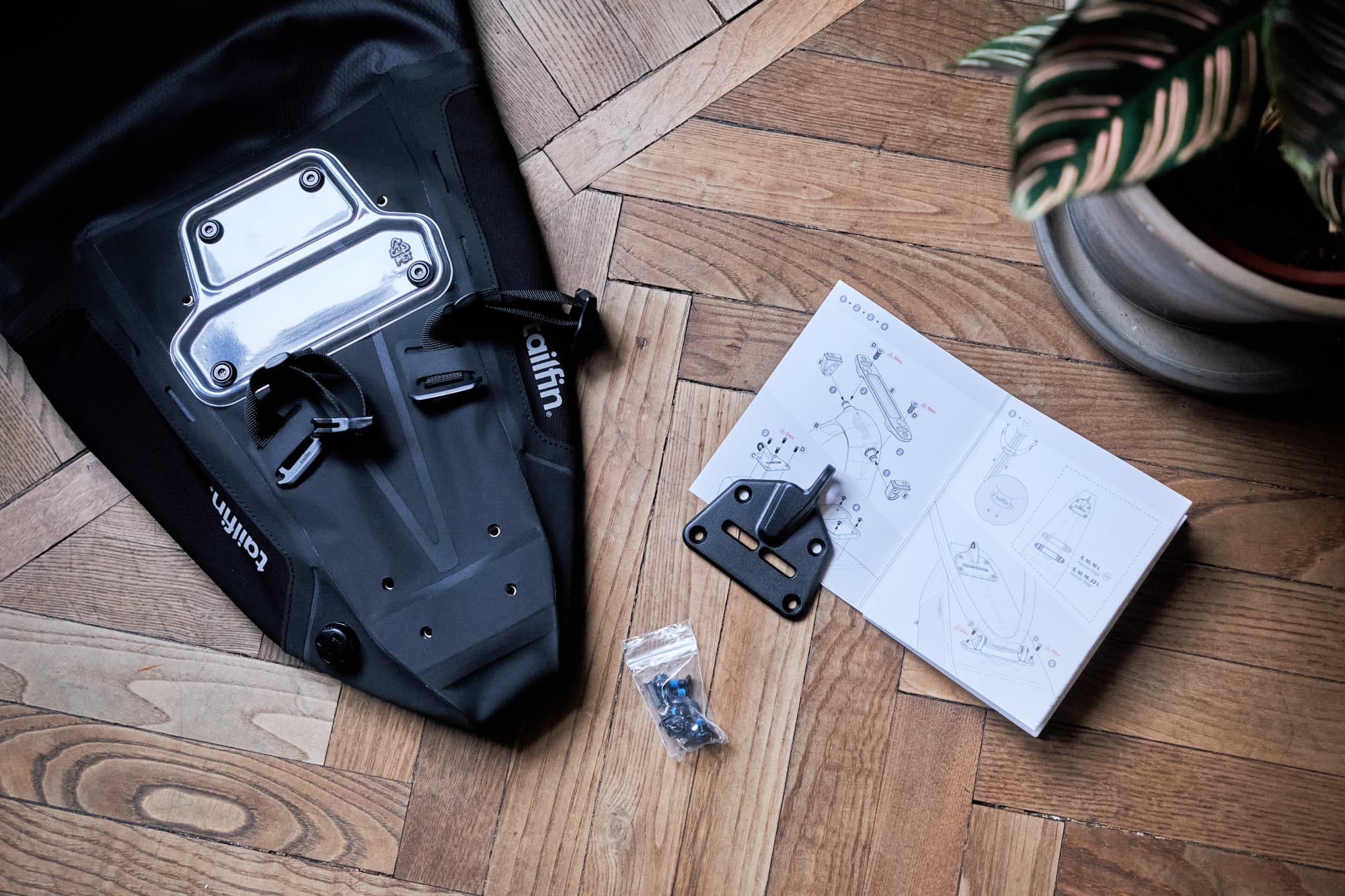
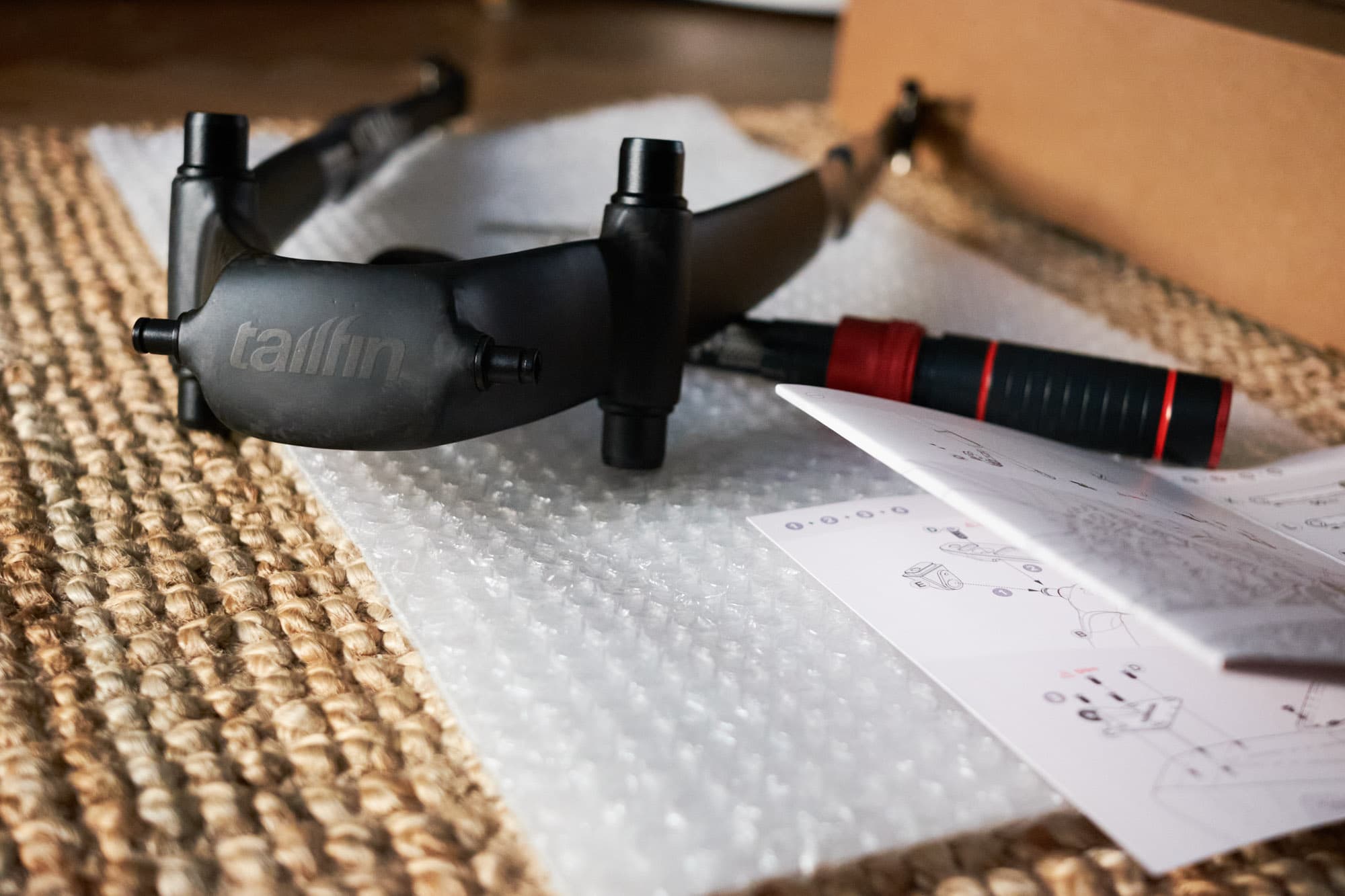
The bag-and-rack combination is impressively quick and easy to remove once everything is dialled in, but the initial setup can require a little fiddling. Tailfin's website is full of clear and detailed videos for different mounting scenarios, though in some cases extra hardware is needed to get the perfect fit.
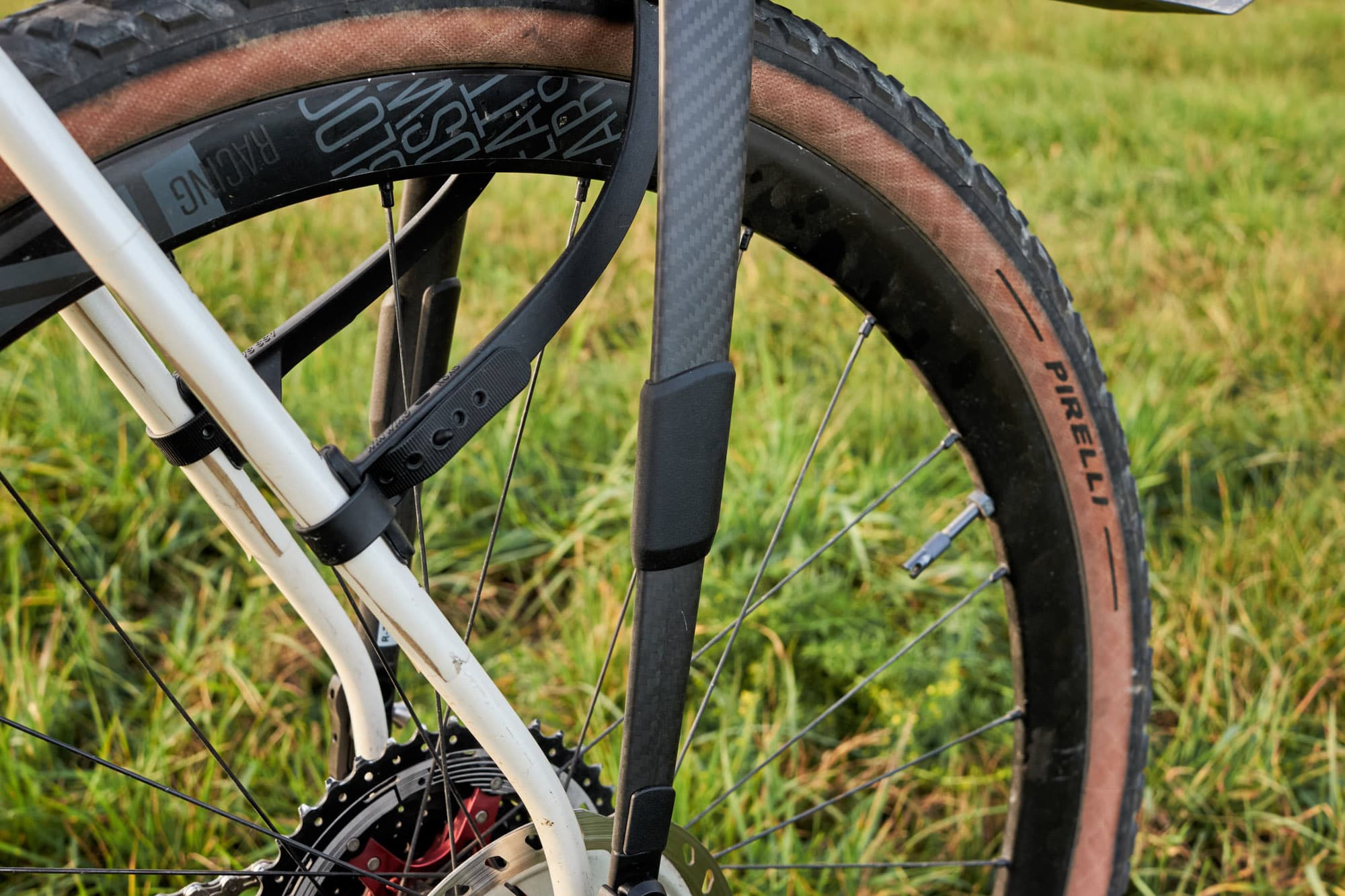
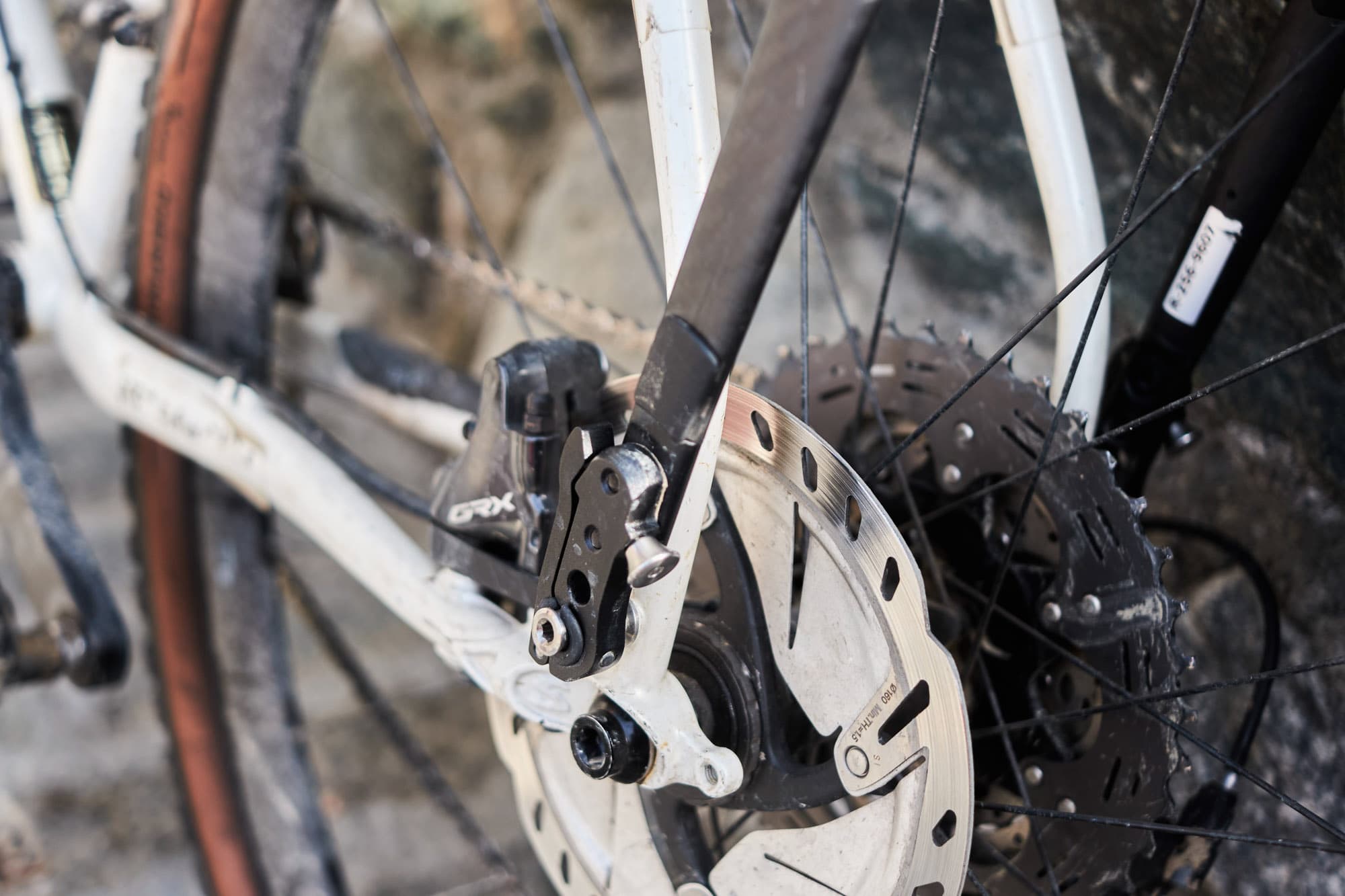
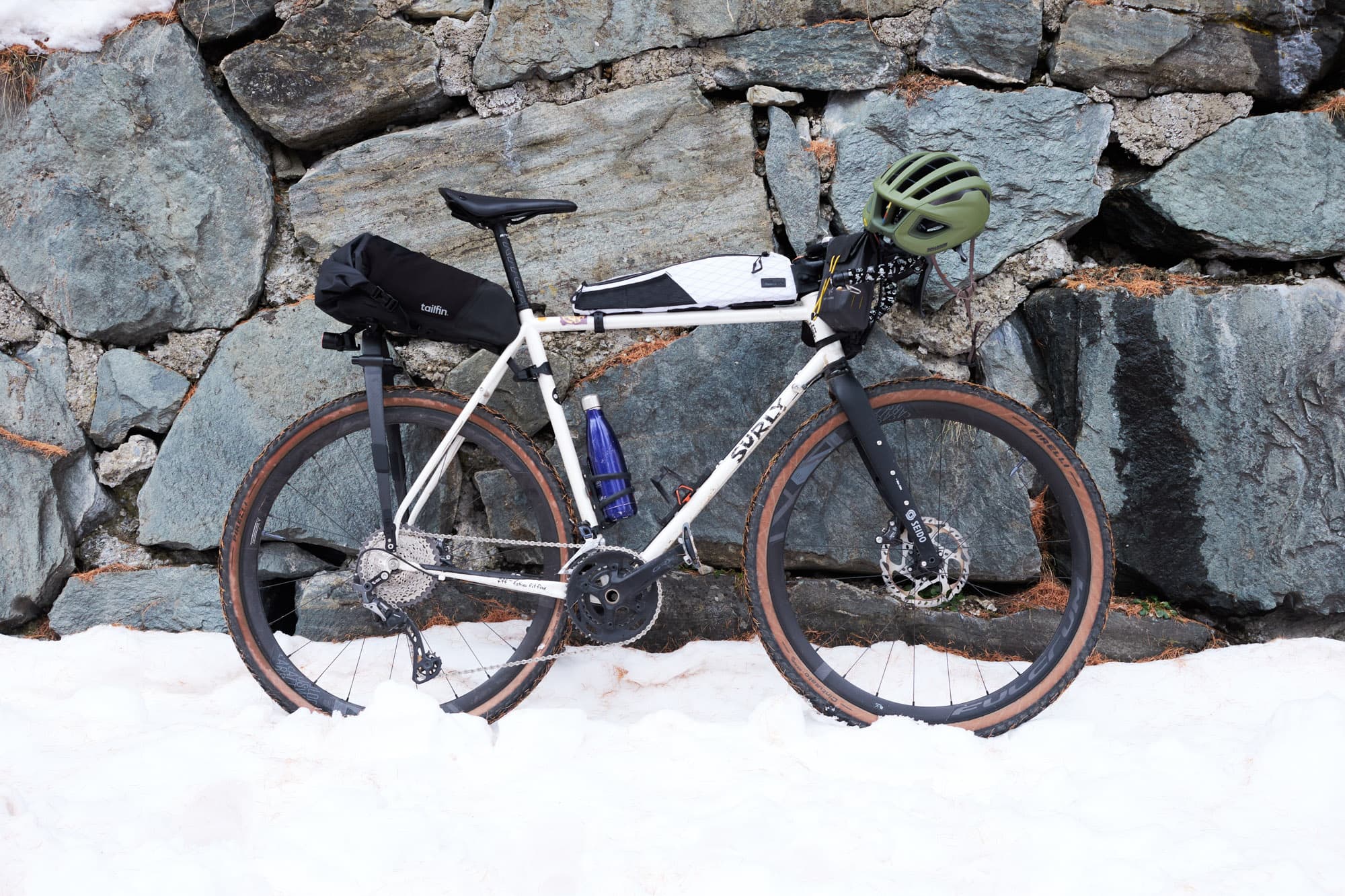
On my Surly I found out that they rarely do things the conventional way, and I had to abandon the standard Tailfin thru-axle setup altogether. On other bikes you may need to buy a UDH hanger adapter. The good news is that Tailfin has clearly thought through these fringe cases: however awkward your bike may be, there is usually a solution somewhere in their system.
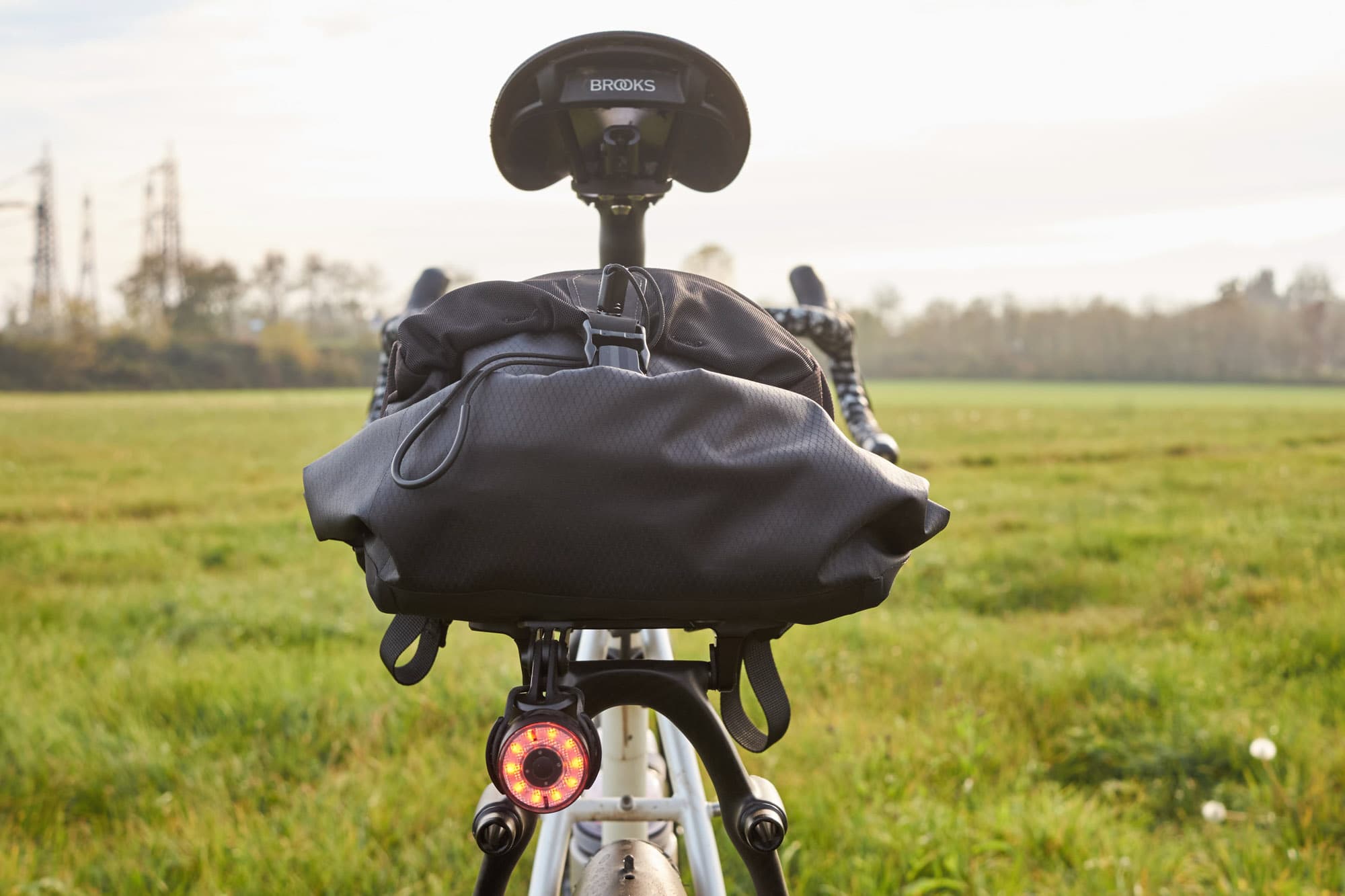
The SpeedRack also has a rear light mount, extra mounting points, and a second row of bolts for something like a tool bottle. None of them are dramatic on their own, but together they give the SpeedPack the feel of something carefully designed rather than merely engineered.
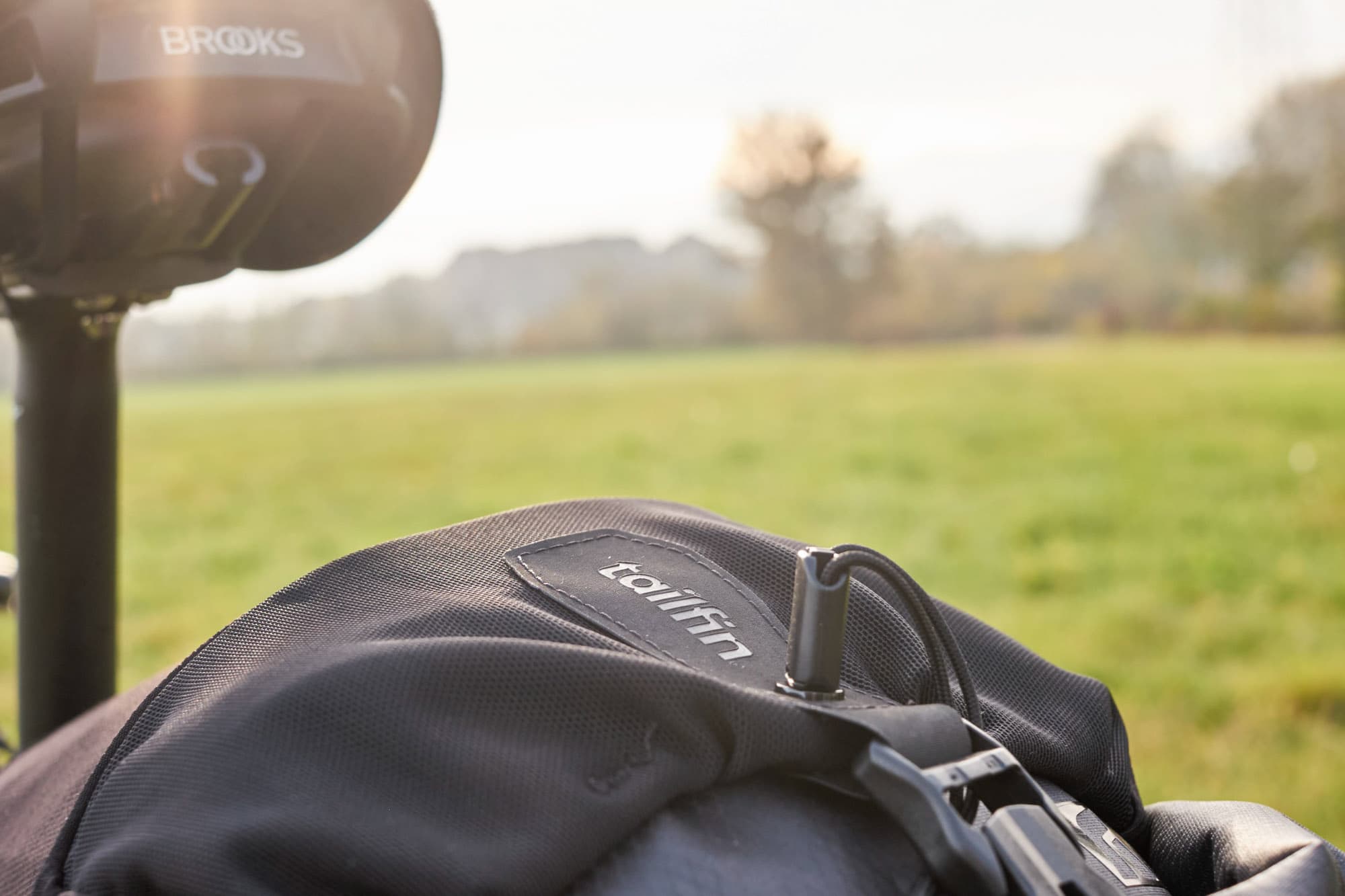
The most interesting update that's easy to overlook is Tailfin's new FitLink articulating seatpost connection that provides custom positioning for almost any frame, including making room for a dropper-post. Even on older AeroPack setups with the extended seatpost connector, full dropper clearance can still depend on packing carefully and keeping the front of the bag light. Tailfin says FitLink will also come later this year to the CargoPack (which replaced the original AeroPack).
Once the Tailfin rack is dialled in, it's easy to move between bikes, with only a couple of Torx adjustments if at all. If you only run one bike, removing it is so quick that replying to a text message would probably take longer.
Getting to Know the SpeedPack
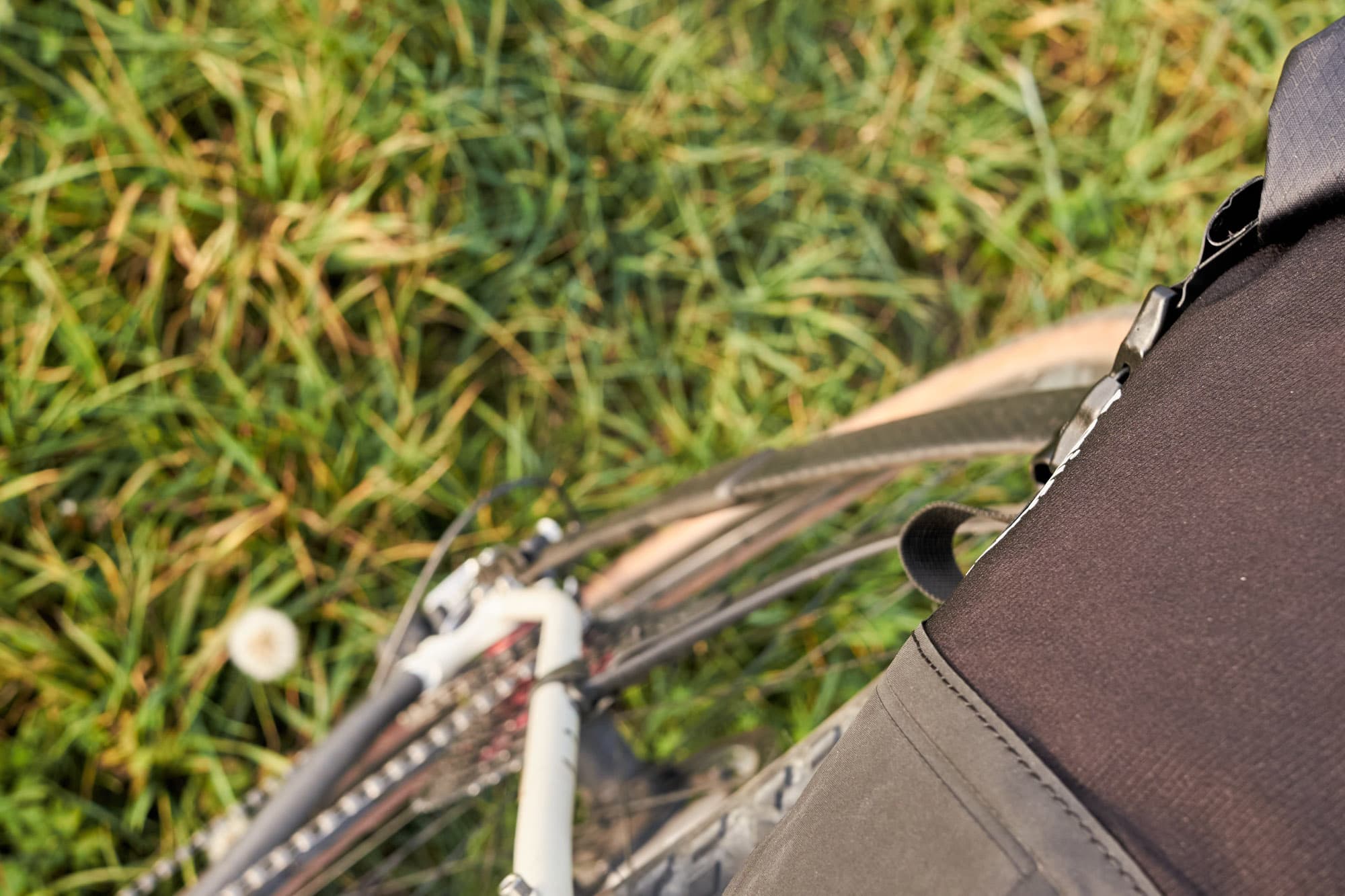
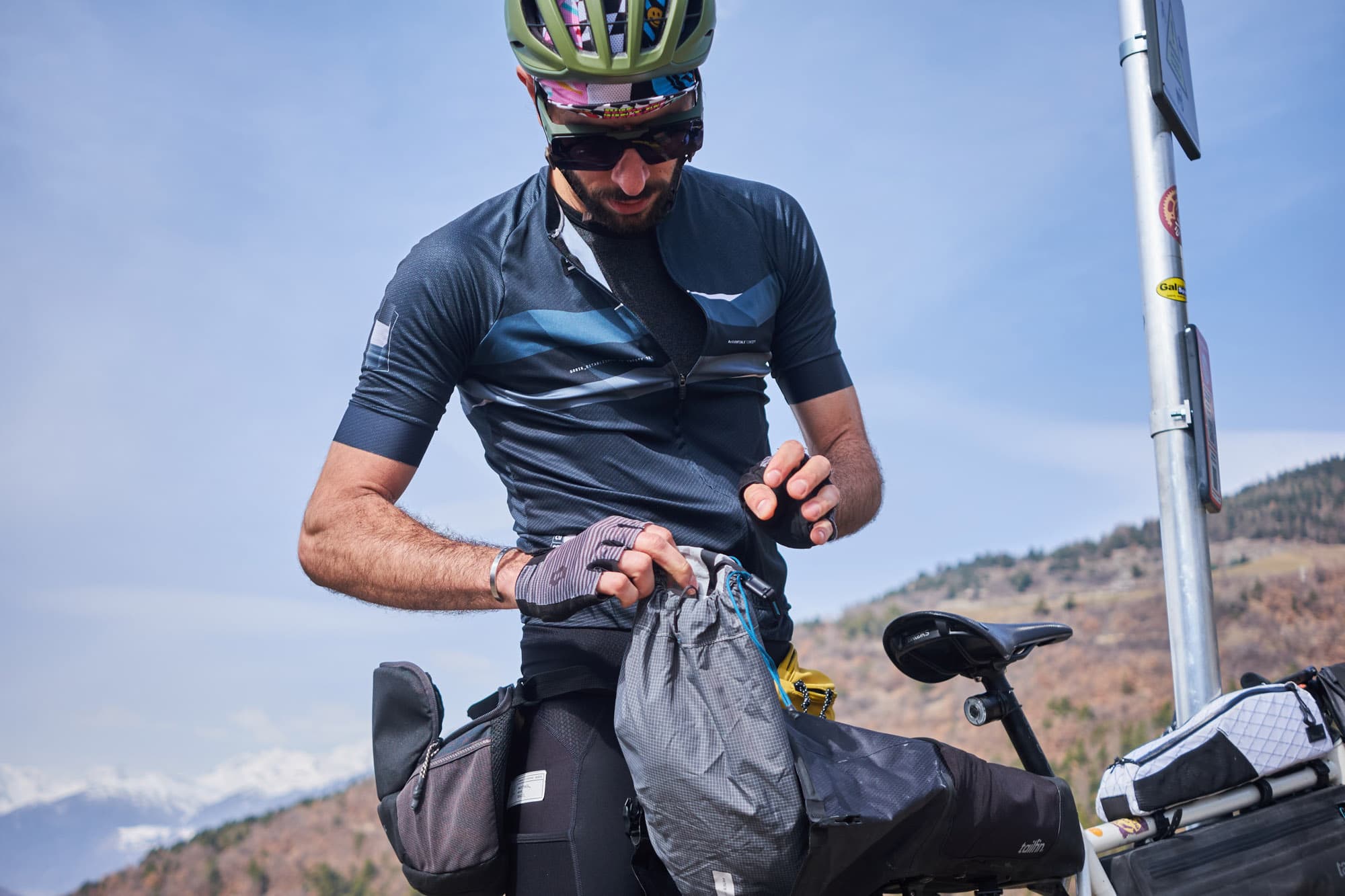
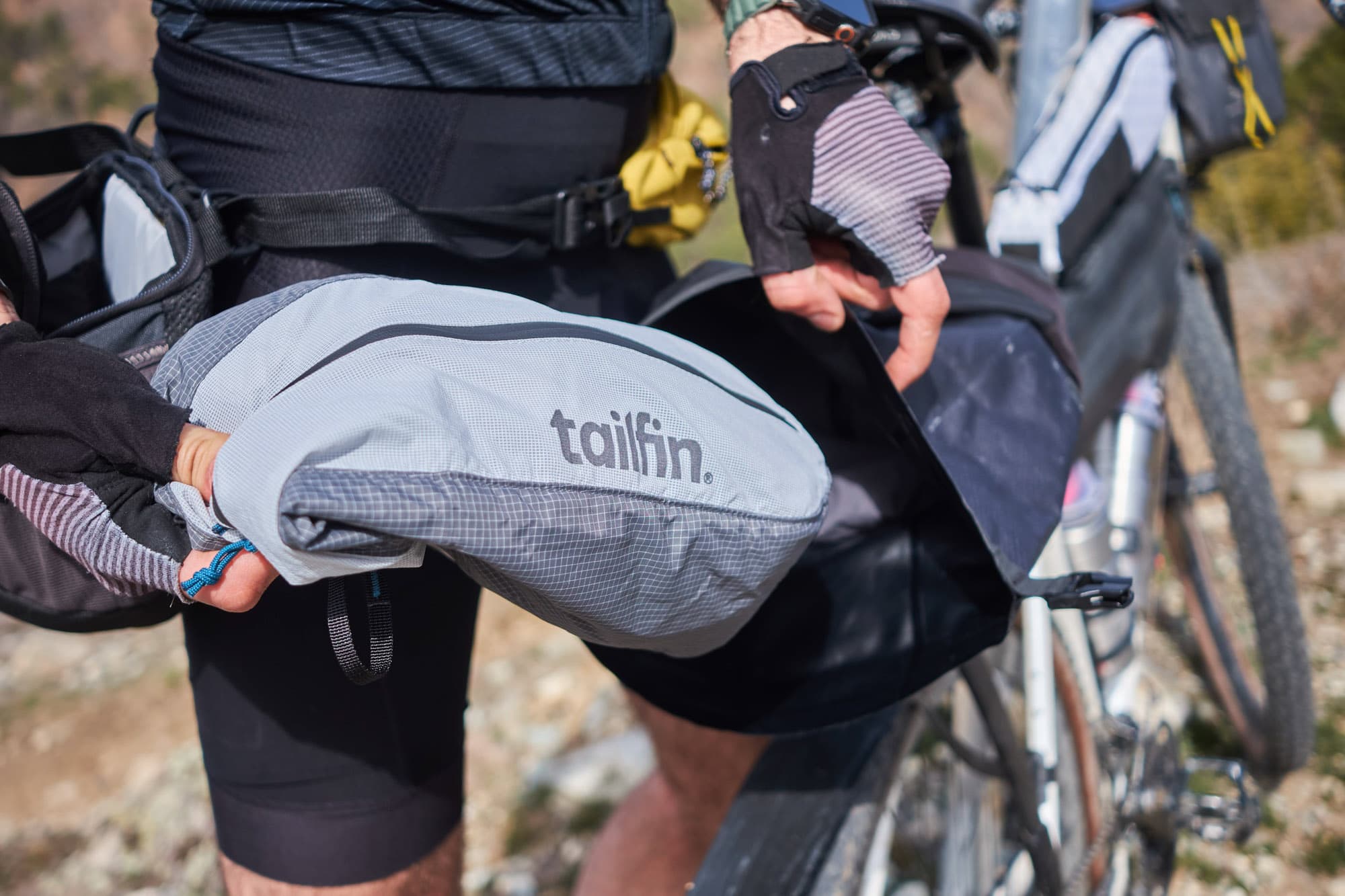
Unlike the top-loading CargoPack, the SpeedPack is a rear-loader like a traditional saddle bag. While this makes perfect sense, because the bag sits lower and is mounted on the arch, access can sometimes feel a little awkward. I ended up solving that issue with Tailfin's clothes pouch, which fits the bag perfectly and makes it much easier to pull out what I needed in one go. There is a removable version now available so packing and unpacking should become noticeably easier. I can already see myself wanting to remove the bag rather than leave it on the bike, especially on more relaxed trips when the bike and sleeping are separated.
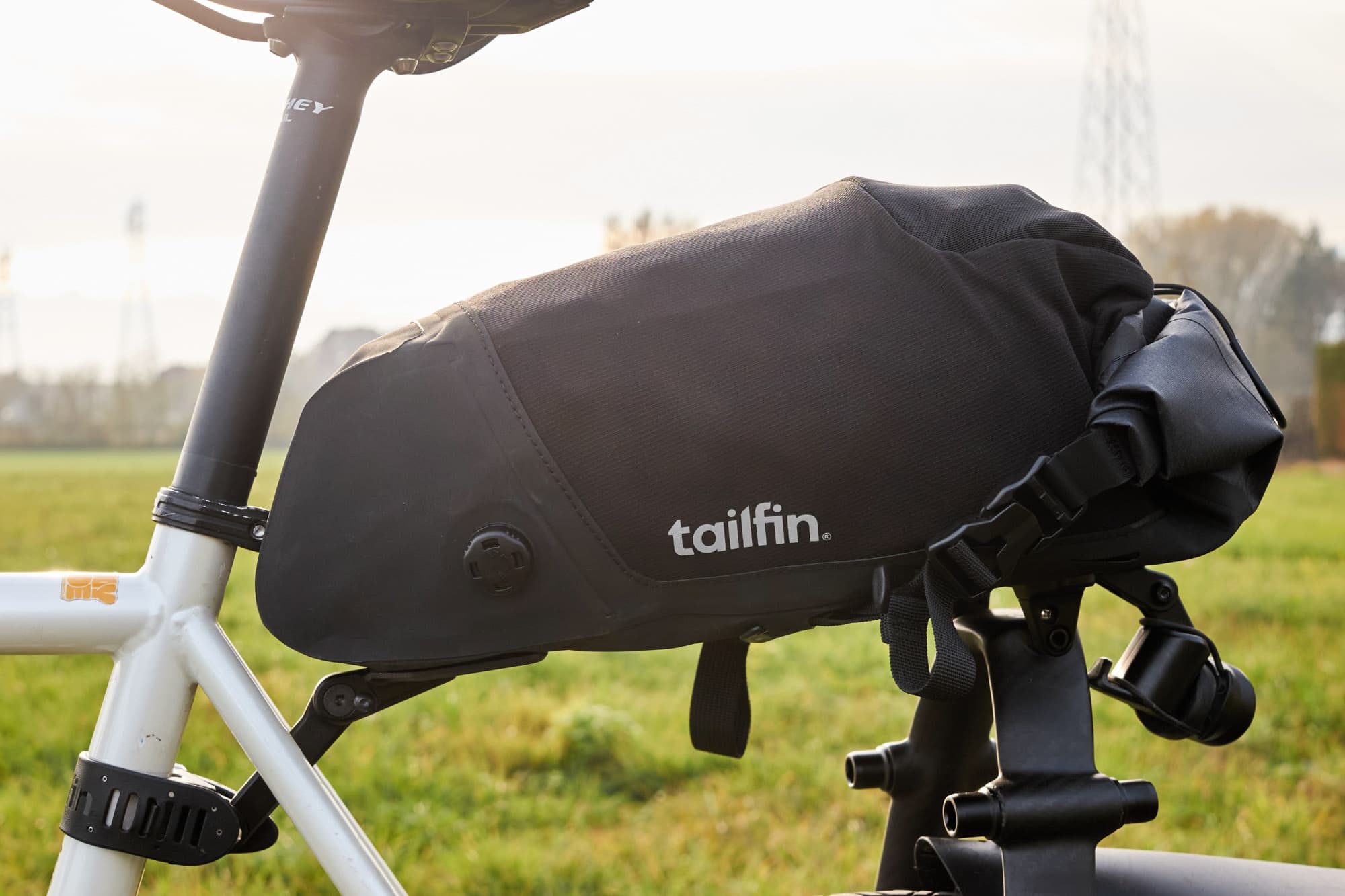
As the name suggests, the SpeedPack is designed as a fast rear system perfect for single bag overnighters, shorter rides or bikepacking races. Simply add panniers when more space is required. It occupies much the same territory as a classic saddle bag, only with more stability, and to my eyes at least, far better looks. Adding two 10L Mini Panniers the carrying capacity rises to about 30 litres, with the option to go all the way up to 22L panniers if needed. Just note that if you want to run panniers, you need to start with the proper version of Tailfin's rack or purchase a second arch.
The mesh pocket is a smart touch, solving where to stash the damp kit you don't want inside the bag. In winter it was less useful, as anything wet tended to freeze before it could dry, but in warmer weather I can see it becoming one of the most practical parts of the SpeedPack. It also doubles nicely as storage for refined forms of carbohydrate, such as focaccia, baguettes, or a few torcetti picked up along the way.
Speedy on the Road
I'm not an ultra racer, but it's on my 2026 list of good intentions. The SpeedPack feels designed exactly for that kind of riding. It just does. There is no real point pretending otherwise. While I did test it at my own pace, I found it especially convincing when paired with a 5L or 10L Mini Pannier for maximum versatility.
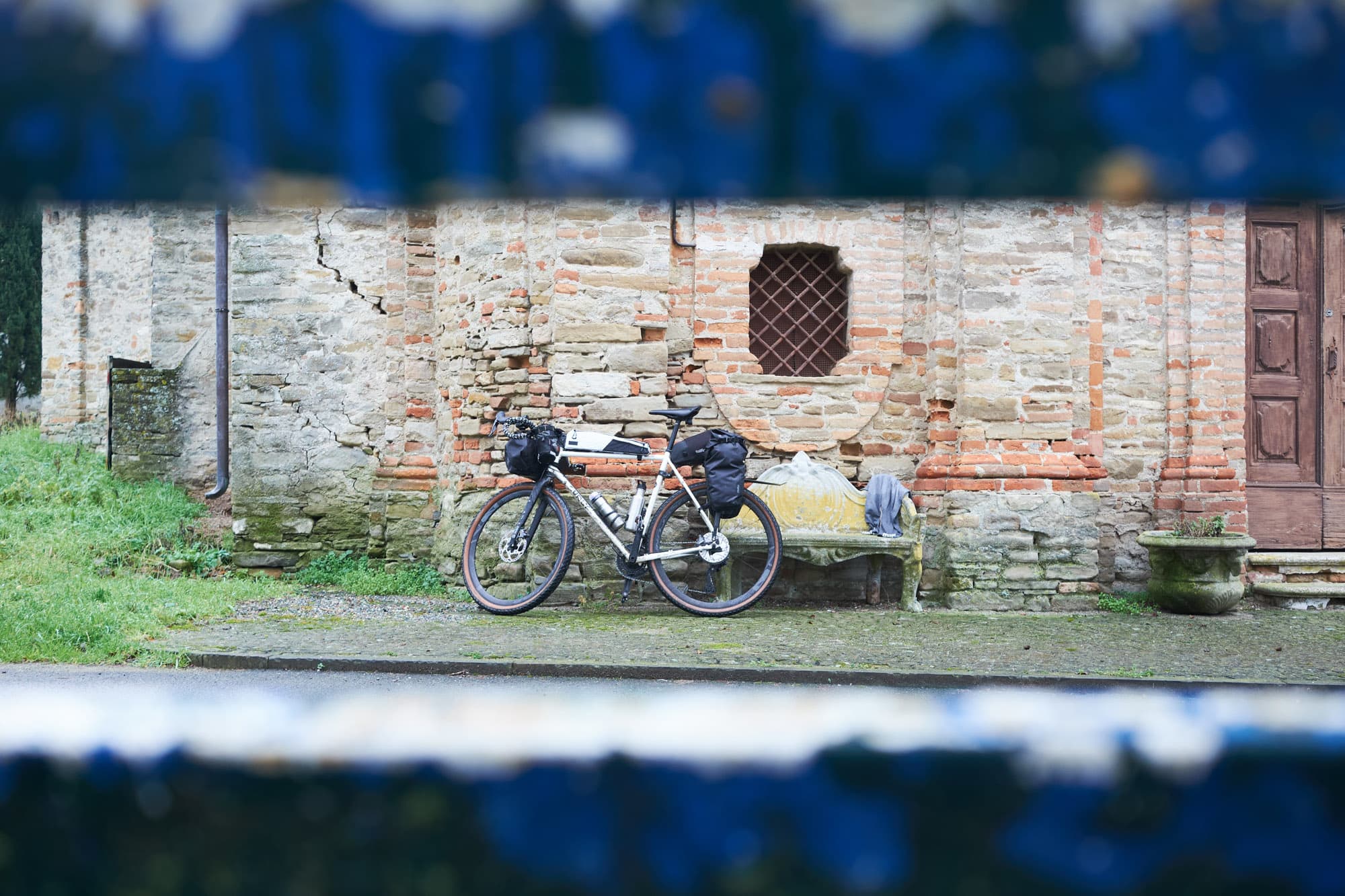
Its first proper shakeout ride came in early November, when the SpeedPack became the main piece of luggage for a flatland ride carrying a fleece jacket, arm and leg warmers, food, and a rain shell. My first real impression was simple: versatility. The SpeedPack can play the role of saddle bag when you need it, but it can also become something more when extra carrying capacity starts to matter. In that sense, my winter riding turned out to be the ideal testing ground.
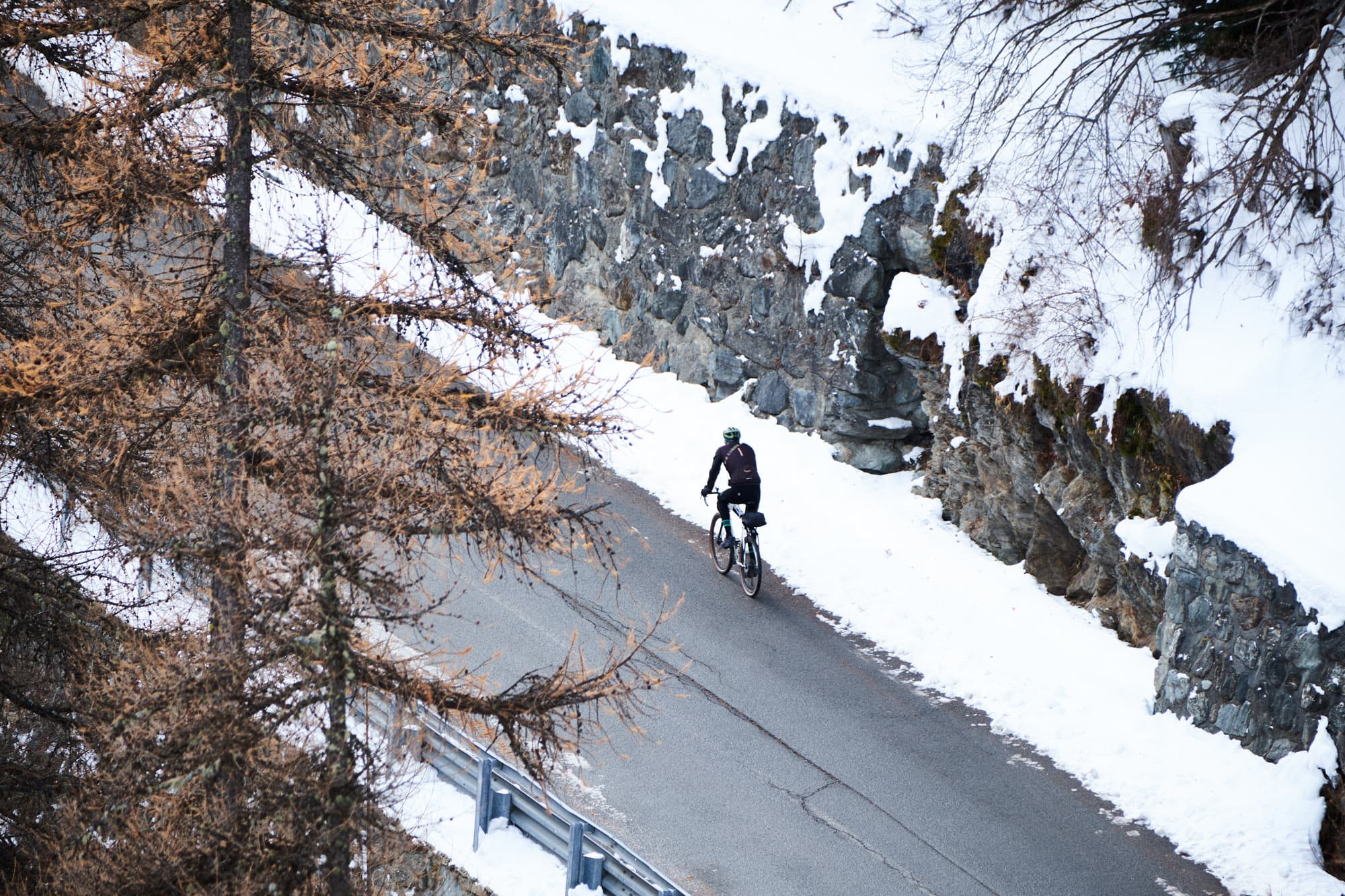
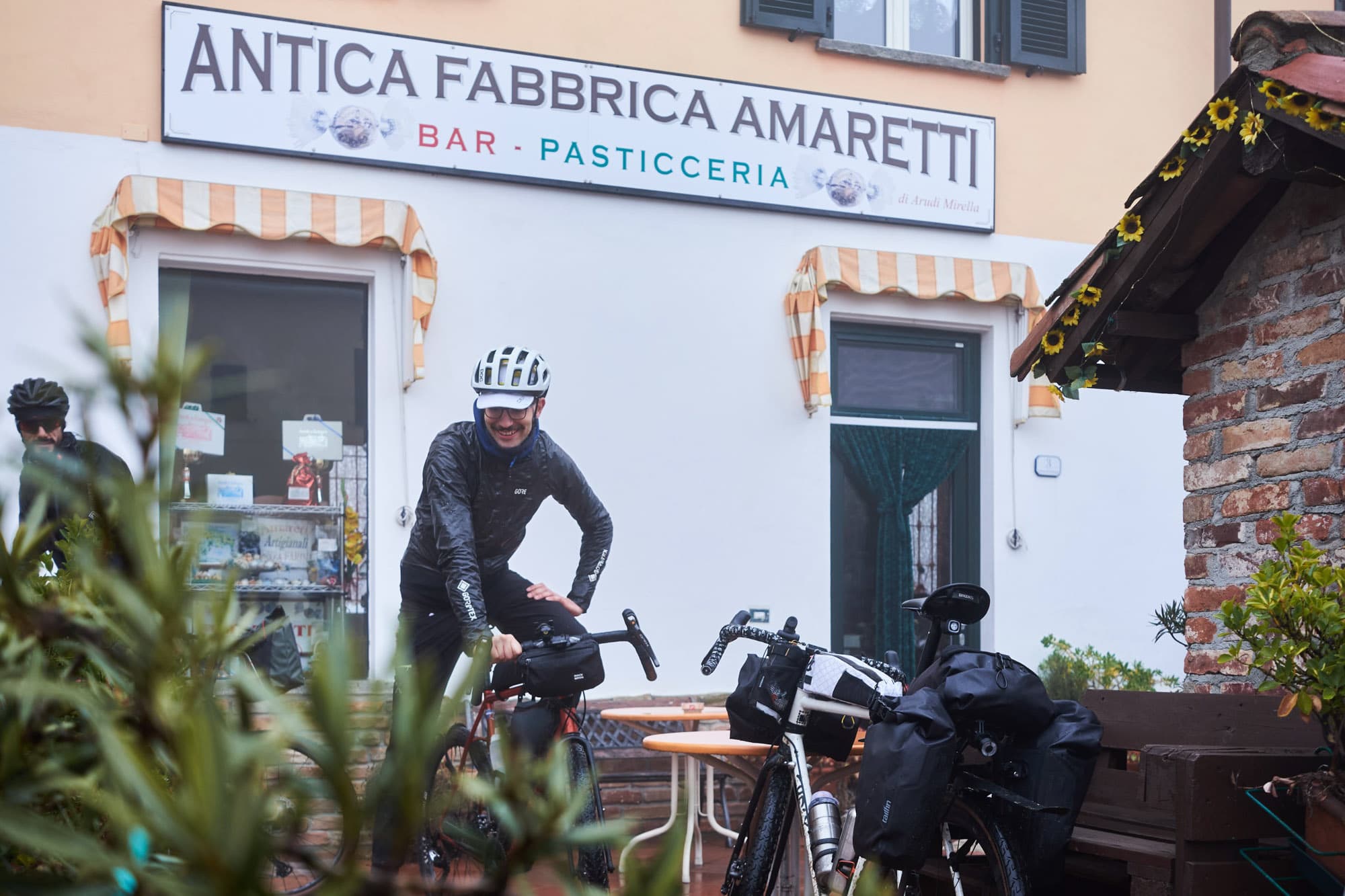
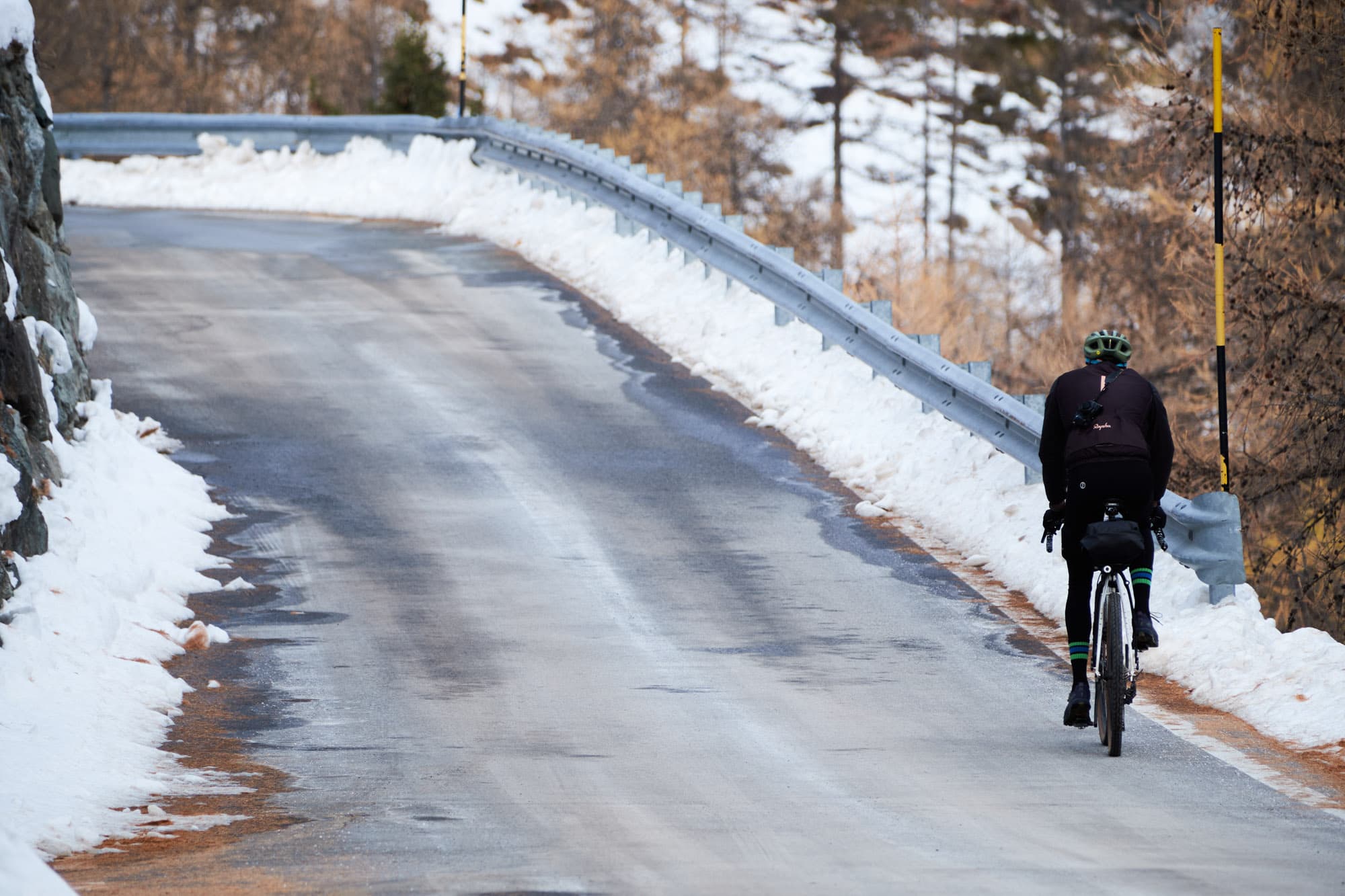
Over a birthday long weekend, a mix of gravel and asphalt through the sleepy, snowy, freezing hills of the Langhe area was too tempting to pass up. That trip taught me that less space always means better packing decisions.
Cold lanes, rutted roads, frozen fingers, and the constant need to add or remove layers put the SpeedPack in exactly the sort of situations where stability and accessibility matter more than pure gram-counting. In those conditions, the most striking thing was how silent the bag felt. There was no sway, no creak, no squeak from the rack or from the panniers. Heel clearance was also excellent, though I should say that my relatively large frame made that easier to achieve with the 10L panniers.
What stood out more than anything else, was the ease of use and the attention to detail. After a ten-hour ride, with my hands nearly frozen in temperatures hovering around 0°C, I was able to easily use the pack and remove it without fuss.
During the first evening's stop-over, the SpeedPack remained on the bike while the inner clothes pouch and the panniers left the bike with me. Simply stuffing things directly inside the bag would have utilized every morsel of space but the convenience of bringing your own stuff with you rules, at least for me.
There are downsides, of course. The simple convenience of a classic rack still wins if you want to strap random things on top. I have to admit, though, that a pair of Voilé straps worked surprisingly well and gave me enough freedom to carry a few awkward extras when needed.
Into the Mountains
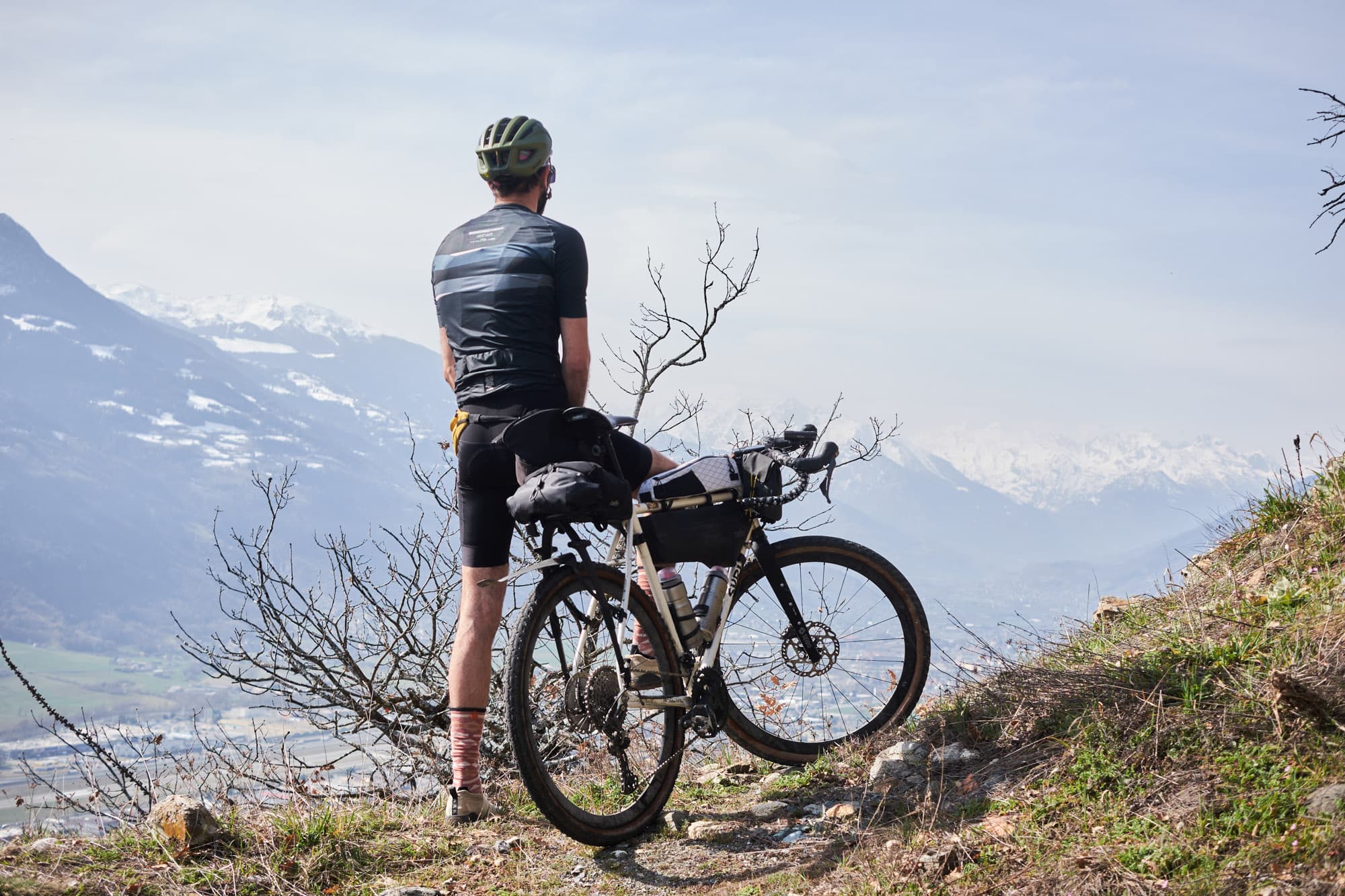
Once the snow season eased off, I started using the SpeedPack again on rougher terrain and took it back into the mountains, where it really came alive. The bag was impressively solid, even packed with a decent amount of weight. It never swayed or bounced, which is still the thing that surprises me most about Tailfin's systems. Their mounting design remains among the most stable and the carbon arch does a very good job of keeping everything stiff and secure without adding unnecessary weight.
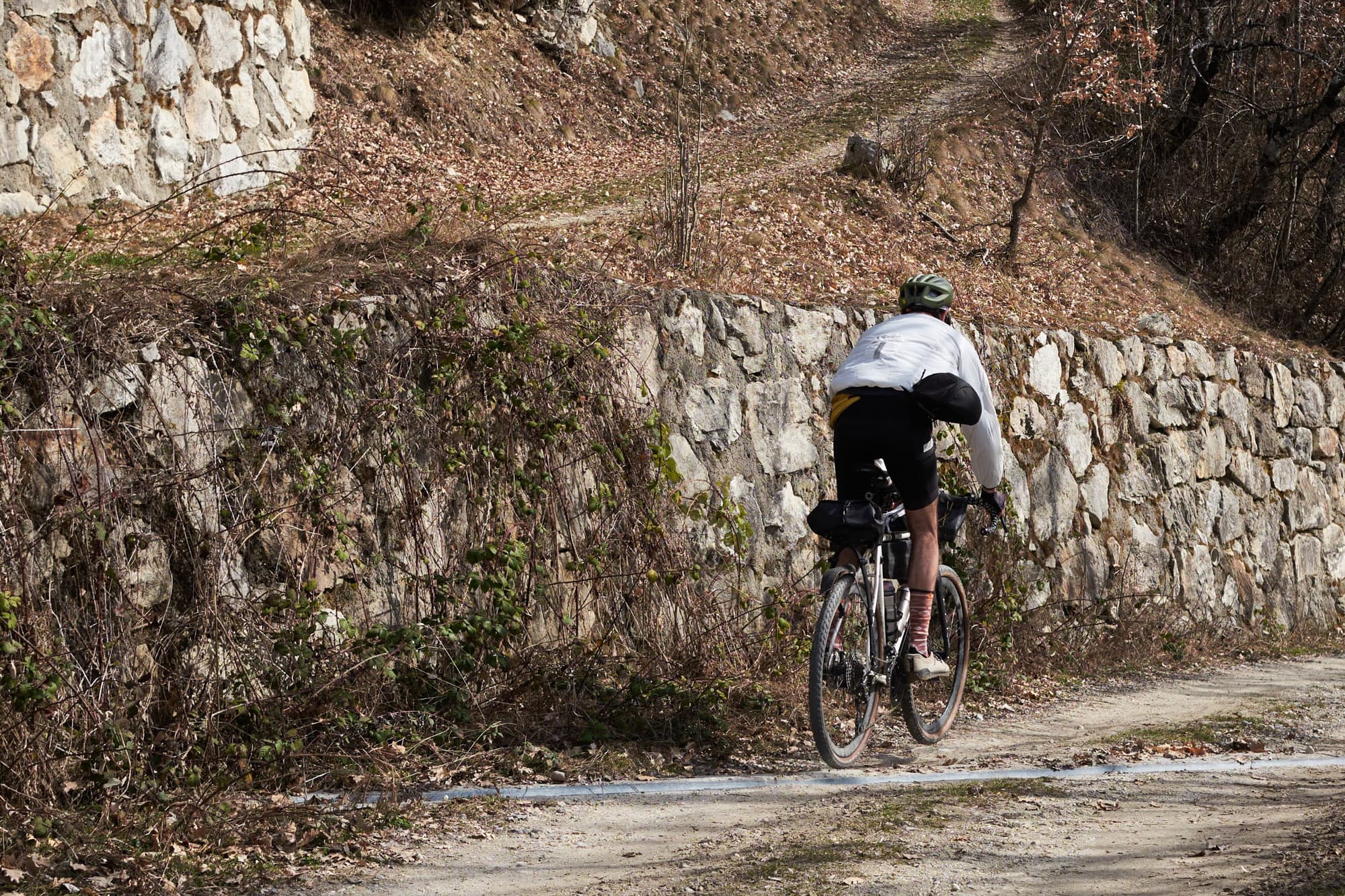
I rode it over a mix of gravel and singletrack and, honestly, I forgot it was there, which is about the best compliment you can say about a rear luggage system. I bunny-hopped over drainage channels, turned sharply at the last moment more than once, and still found myself forgetting that the bike was loaded at all.
When the route led us into fifteenth-century tunnels in remote Valle d'Aosta, and up passages that felt closer to alpinism than hike-a-bike, the SpeedPack never once felt like a burden. On the contrary, it became another point of contact with the bike, something to grab as I squeezed it through narrow mountain passages. We crossed little cascades fed by melting snow, and each time the bag emerged speckled with water droplets, still looking utterly composed in its all-black finish against the cold, wet stone of the mountains.
SpeedRack vs Ortlieb
By this point, the question was no longer whether the SpeedPack worked, but how it compared with its closest rivals. In the quick-release rack world, Tailfin and Ortlieb are the two names most obvious. I own both, so the comparison felt inevitable. Tailfin is expensive. An Ortlieb Quick Rack paired with a dry bag will get you a durable, proven setup for far less money, and that is not a weak argument.
Yet Tailfin keeps making its case elsewhere: quality of the materials, precision of construction, and the almost F1-like neatness of the design. It is still a costly and fairly self-contained ecosystem. There are simpler racks that are more affordable, more adaptable, and arguably more practical if all you want is a platform for strapping on extra gear.
If I had to choose only one Tailfin bag, I would still pick the CargoPack. Even so, the SpeedPack feels like a very welcome addition to the range: if the CargoPack is Tailfin's answer to the classic rack-and-dry-bag setup, the SpeedPack is its answer to the traditional seat pack, lighter in feel and more clearly aimed at riding fast and loose.
Conclusion
Yes, the price difference is real, but the SpeedPack also feels like one of those products that justifies itself over time. It is not strictly necessary, nor the only option available, but it does exactly what it was designed to do exceptionally well, striking a rare balance between form, function, and longevity.
Pros
- Rock-solid stability
- Brilliant quick release
- Modular versatility
- Premium detailing
Cons
- Expensive
- Setup can be fiddly
- Rear access not ideal
- Less flexible for random cargo