Wilderness Memories: What if Dirt Roads Disappeared?


Canadian 🇨🇦

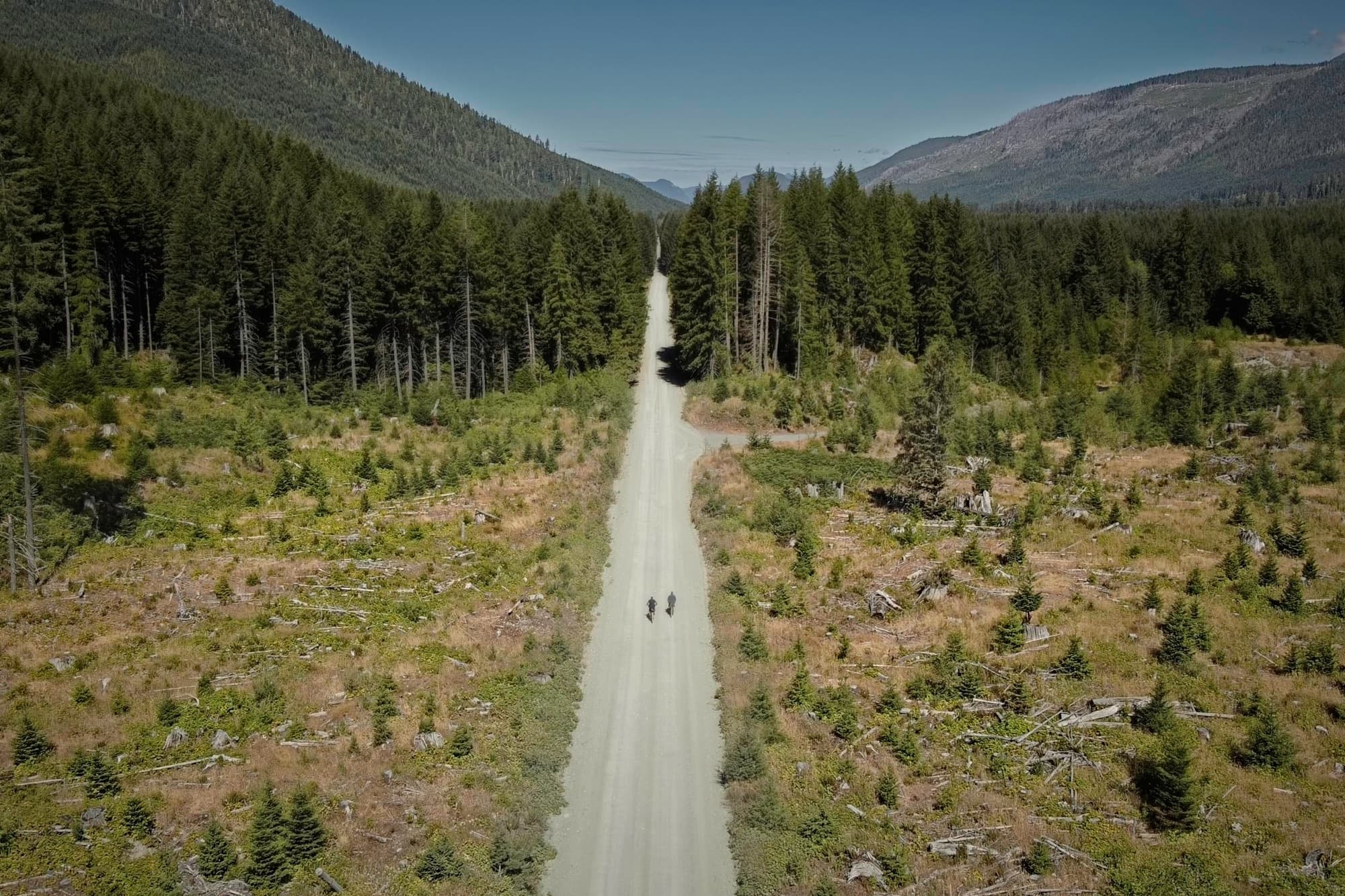
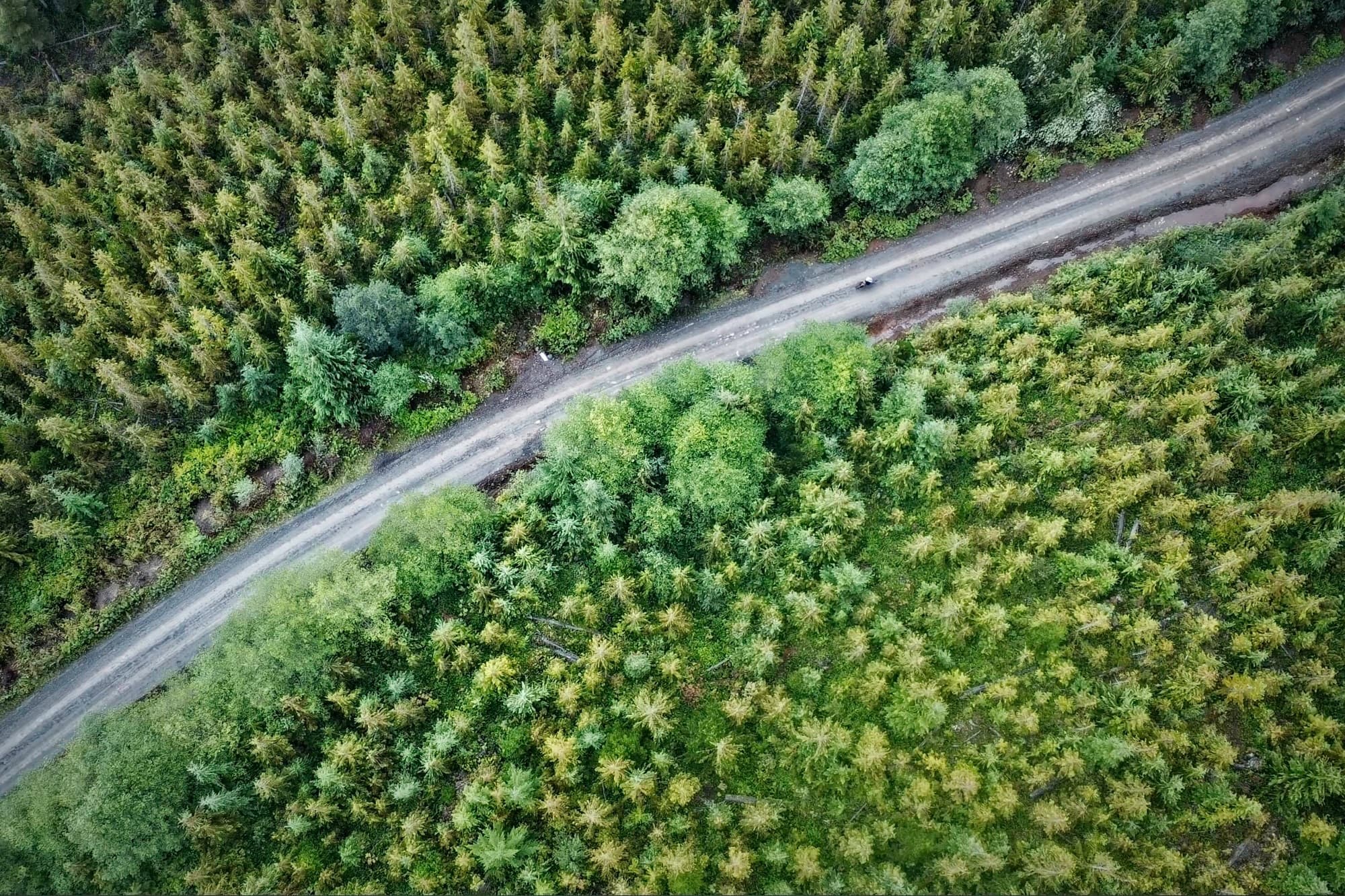
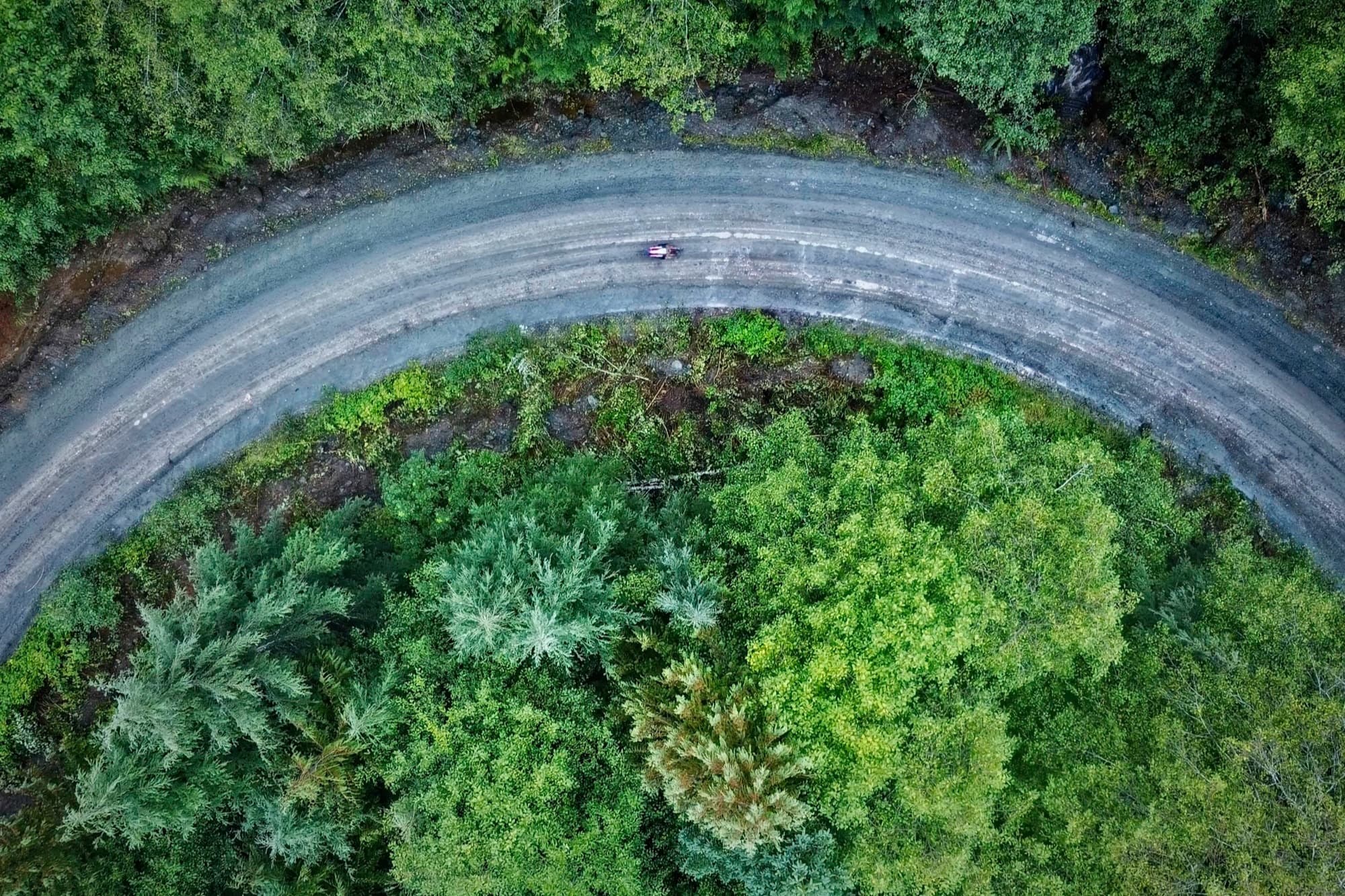
Bouncing around in the back of an old pickup, looking for firewood with my dad down some nameless logging spur, that's where it started for me. Years later, different roads, different trucks, looking for hidden fishing spots with my own kids. If you grew up in British Columbia with any passion for the outdoors, you know this feeling and already have an intimate relationship with the vast network of logging and mining roads that crisscross this province. They've been the arteries to some of our wildest adventures, quietly stitching together generations of memories, mine included.
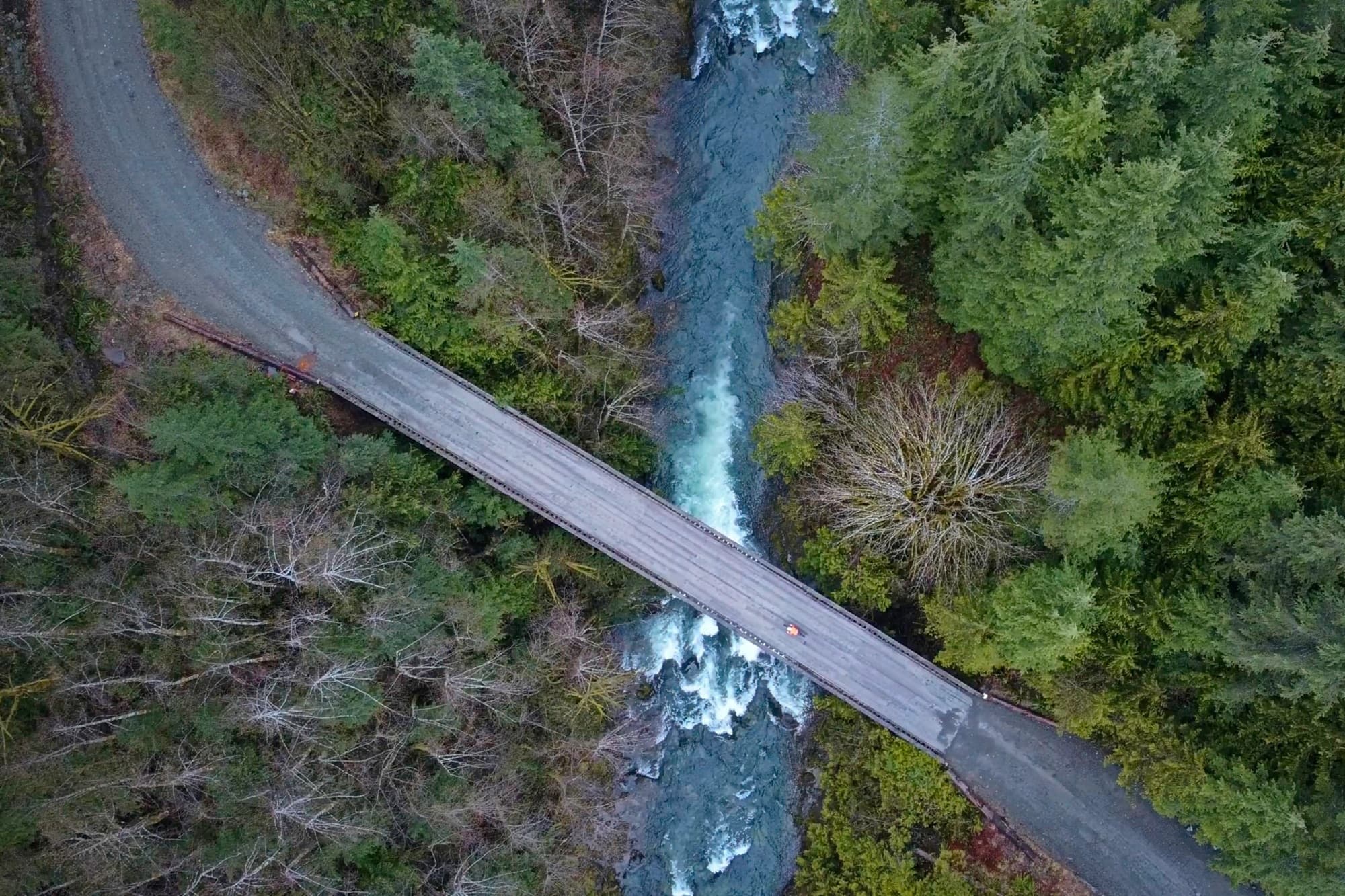
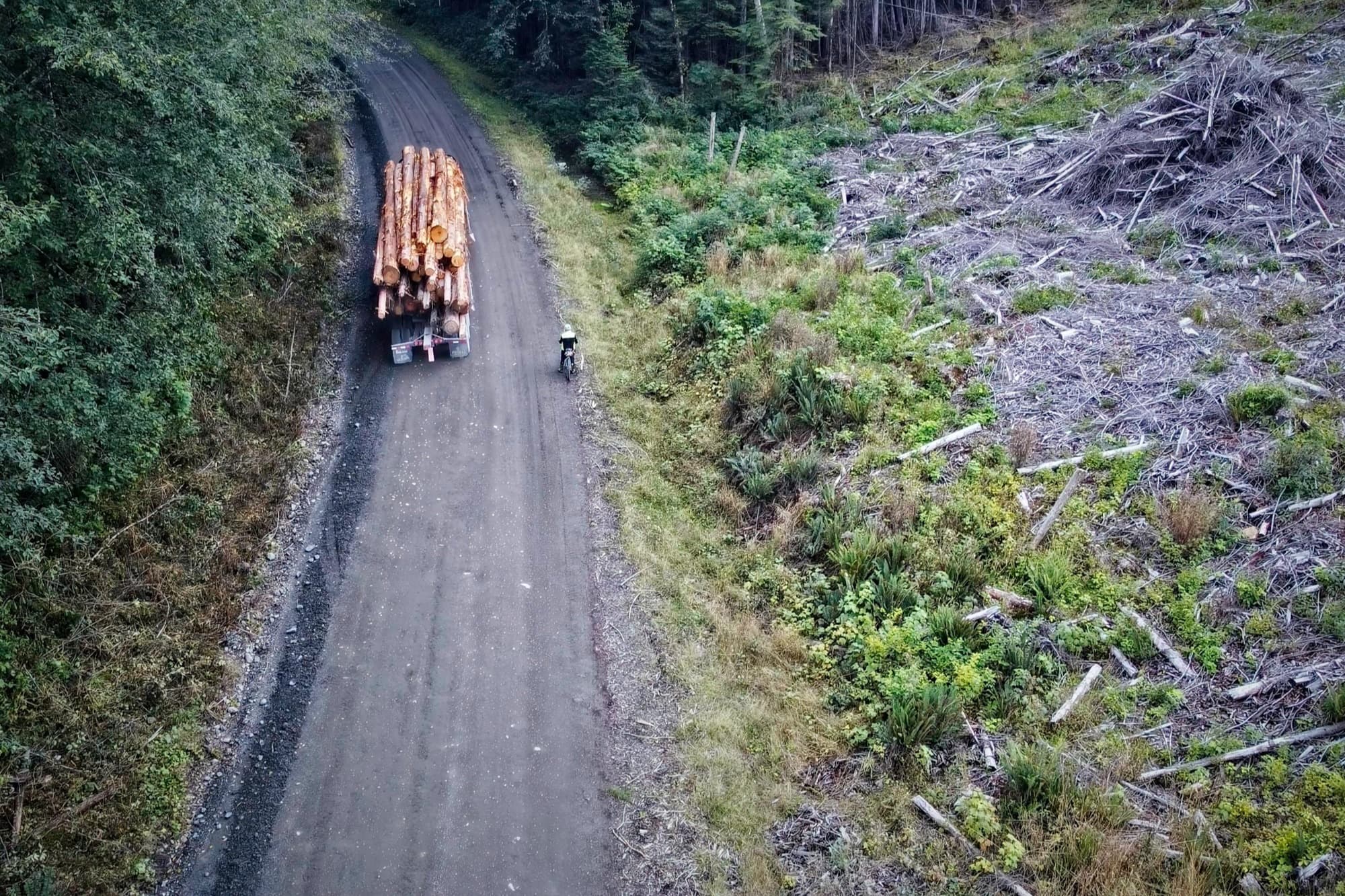
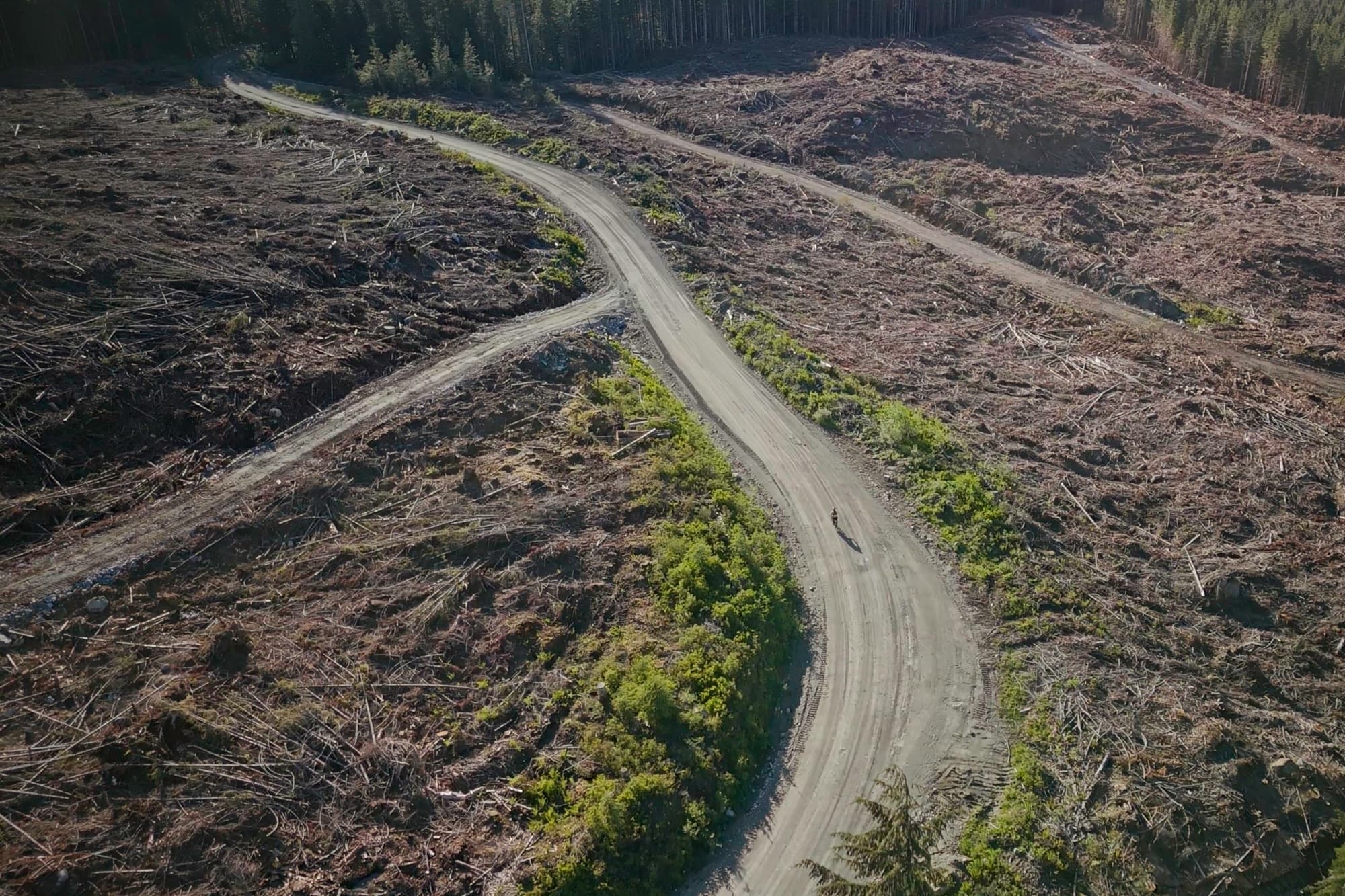
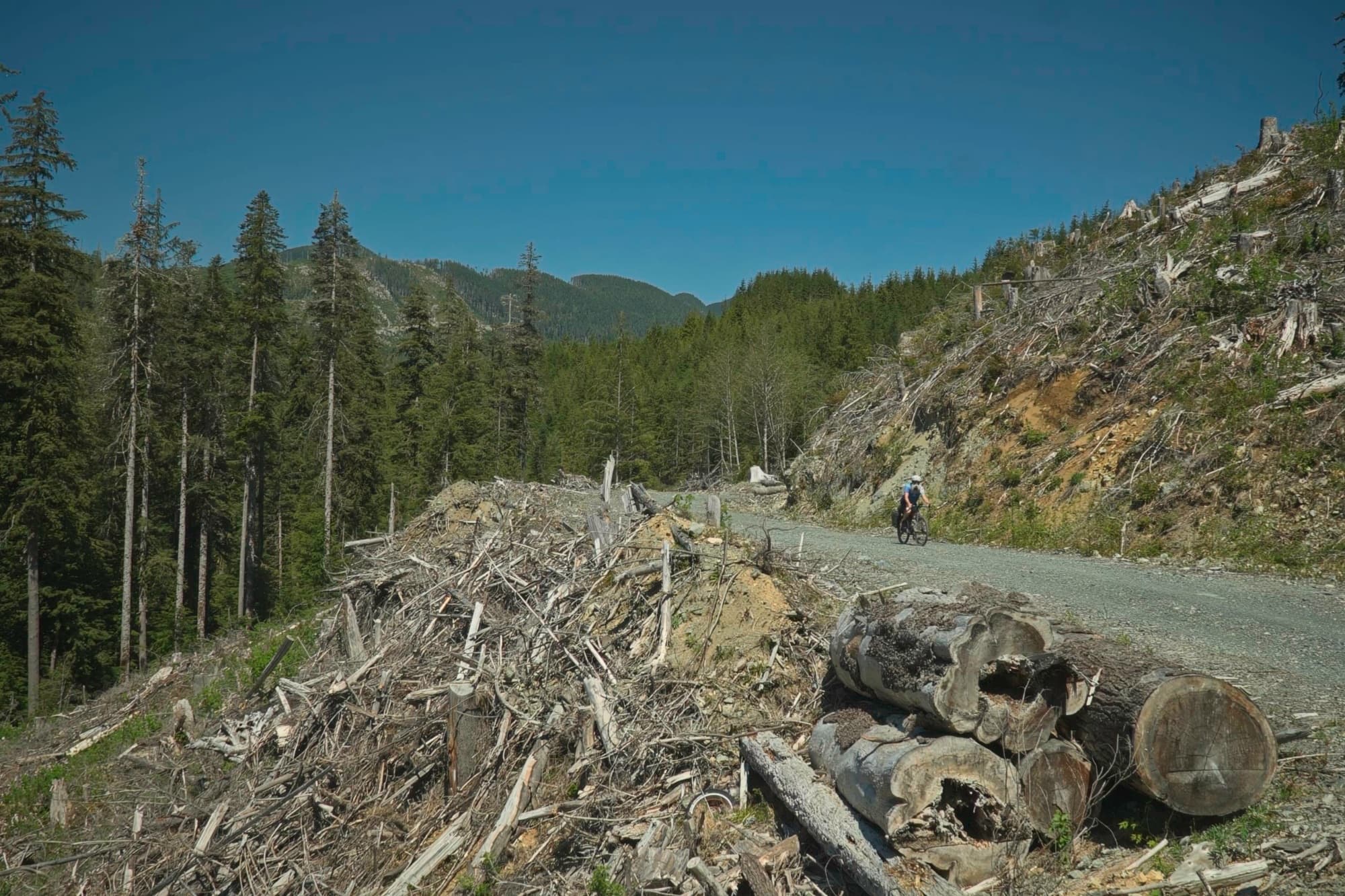
As an avid outdoorsman and cyclist, I've pored over maps, writing down road numbers, and kilometre markers that would build a new route for my next adventure. Most were built to move timber, and now that the harvesting is done many of these roads are deactivated to some degree as per various governing policies. From pulling culverts and bridges, to 100% road reclamation.
Recently there has been a shift in how B.C. manages the 600,000-plus kilometres of resource roads across the province. These changes can, and will, reduce future access as we know it. I worry it might make it harder to get into bikepacking in the first place.
So what do we do? First let's talk about the nuts and bolts of what's happening.
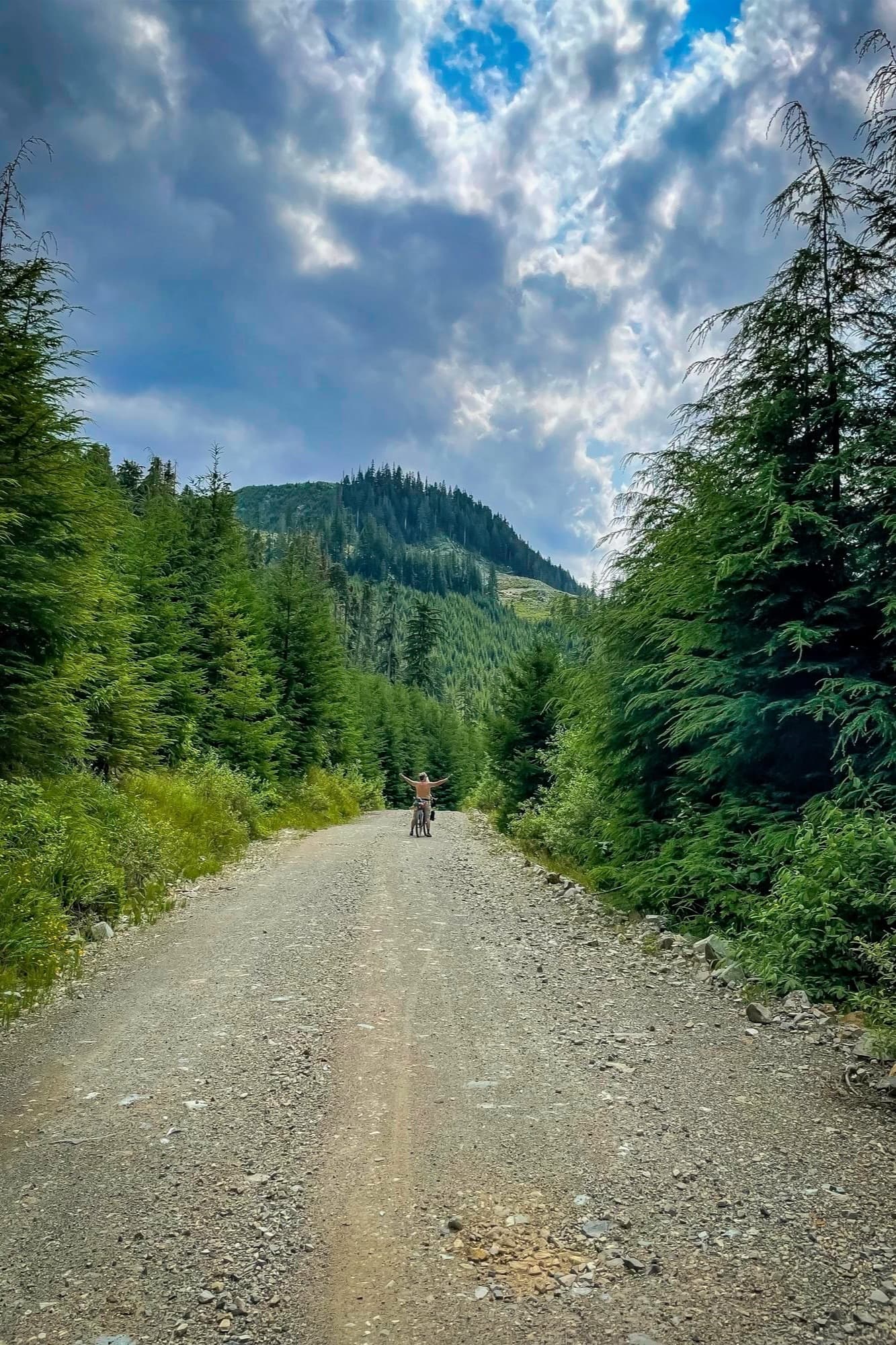
What's Actually Changing
There's no single new Resource Road Act that has flipped the script overnight. It's more like a slow erosion. A series of changes to the Forest and Range Practices Act (FRPA) and the Forest Planning and Practices Regulation (FPPR) are rolling out under a new umbrella the province calls the FRPA Improvement Initiative. While there are a number of changes to policy there is one that matters most for outdoor enthusiasts: the repeal of "declared areas."
Under the old rules, once a resource company invested their time and money into building area access, it could formally "declare" that area. This would lock the area to whatever rules were in place at the time, so the company would be protected from having to change their plan or need to fix anything every time a new environmental rule came along.
As of January 1, 2026, this protection has been removed. Every previously declared area is now null and void. Moving forward, any brand-new environmental rule, such as a lakeshore protection zone, a water quality standard, a wildlife habitat area, a fisheries-sensitive watershed, will apply right away. Companies have six months to update their plans to comply.
On its own, this is a solid conservation policy as it closes a loophole that allowed old harvesting plans to dodge new environmental protections. The province also took away the ability for outside professionals to sign off on a plan's legality, so now only government reviewers can certify that. Again, on paper, it's about tightening oversight. No more loosey-goosey rules.
But, here's the catch. None of these changes were written with your favorite gravel road in mind. It's all about environmental accountability, which I fully support, however, there is officially no person or no policy in place to protect access either. The loss of access for cyclists, hikers, hunters, anglers, and rural families isn't a goal of the policy. It's just a side effect nobody planned for.
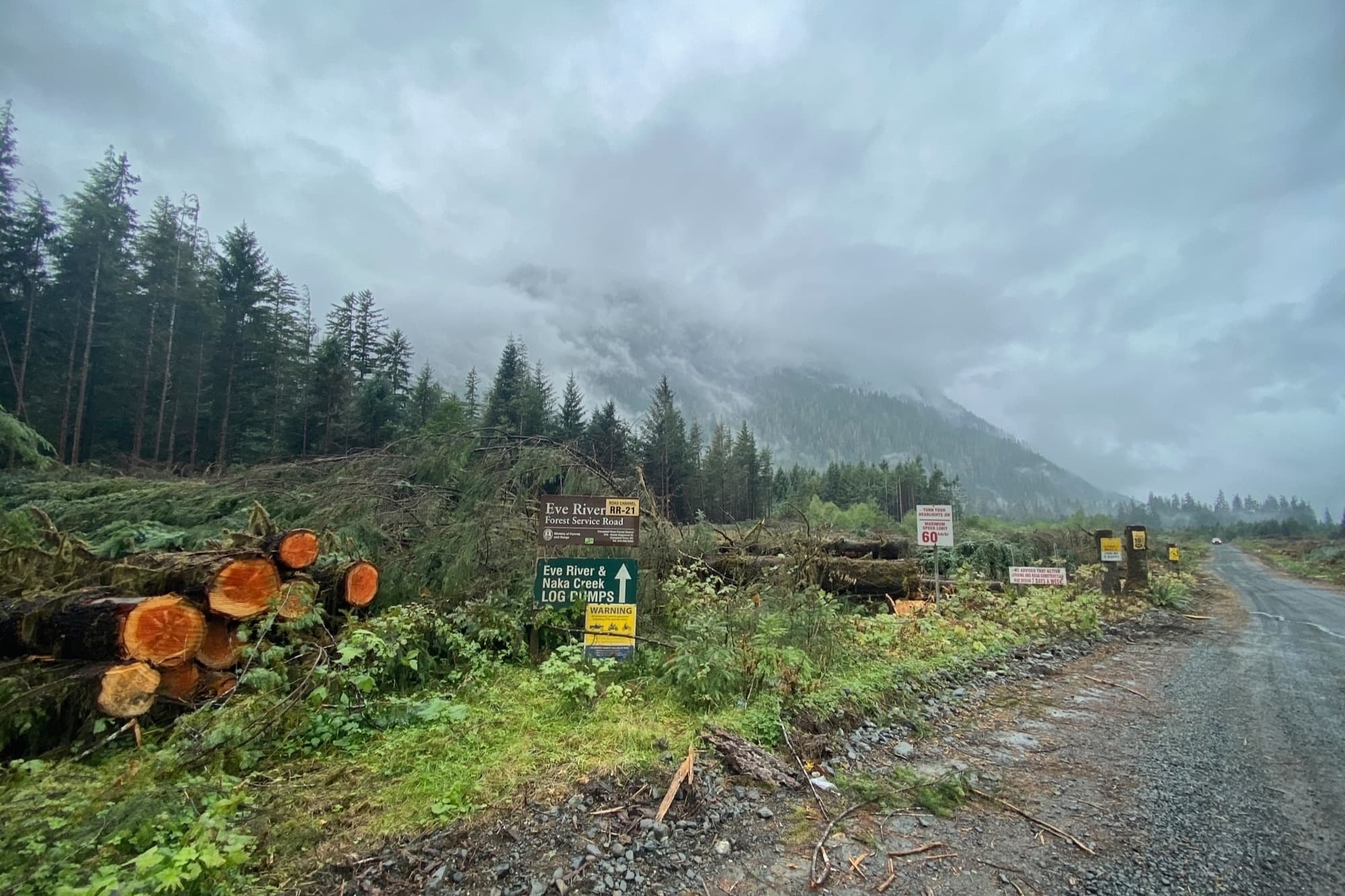
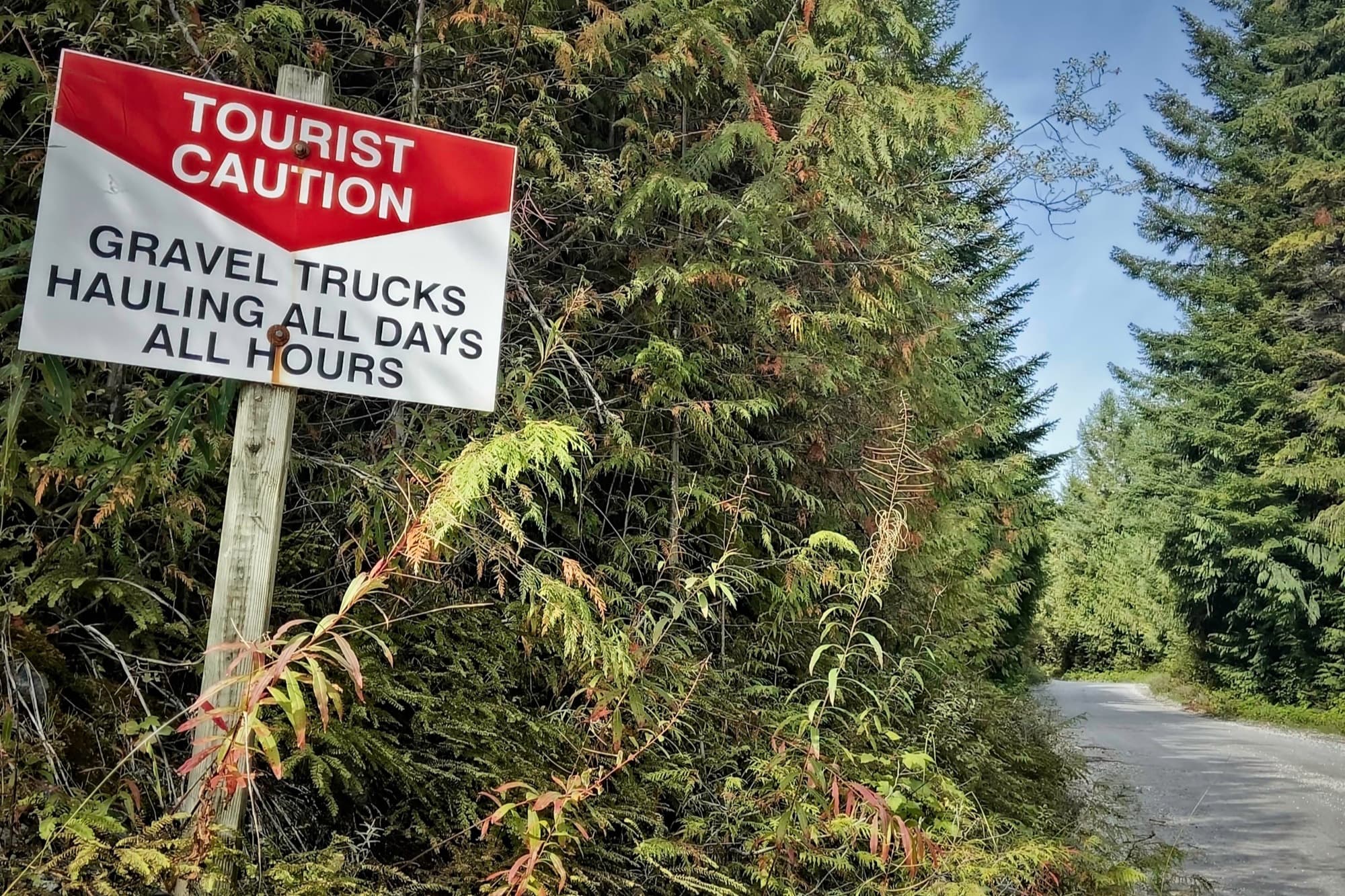
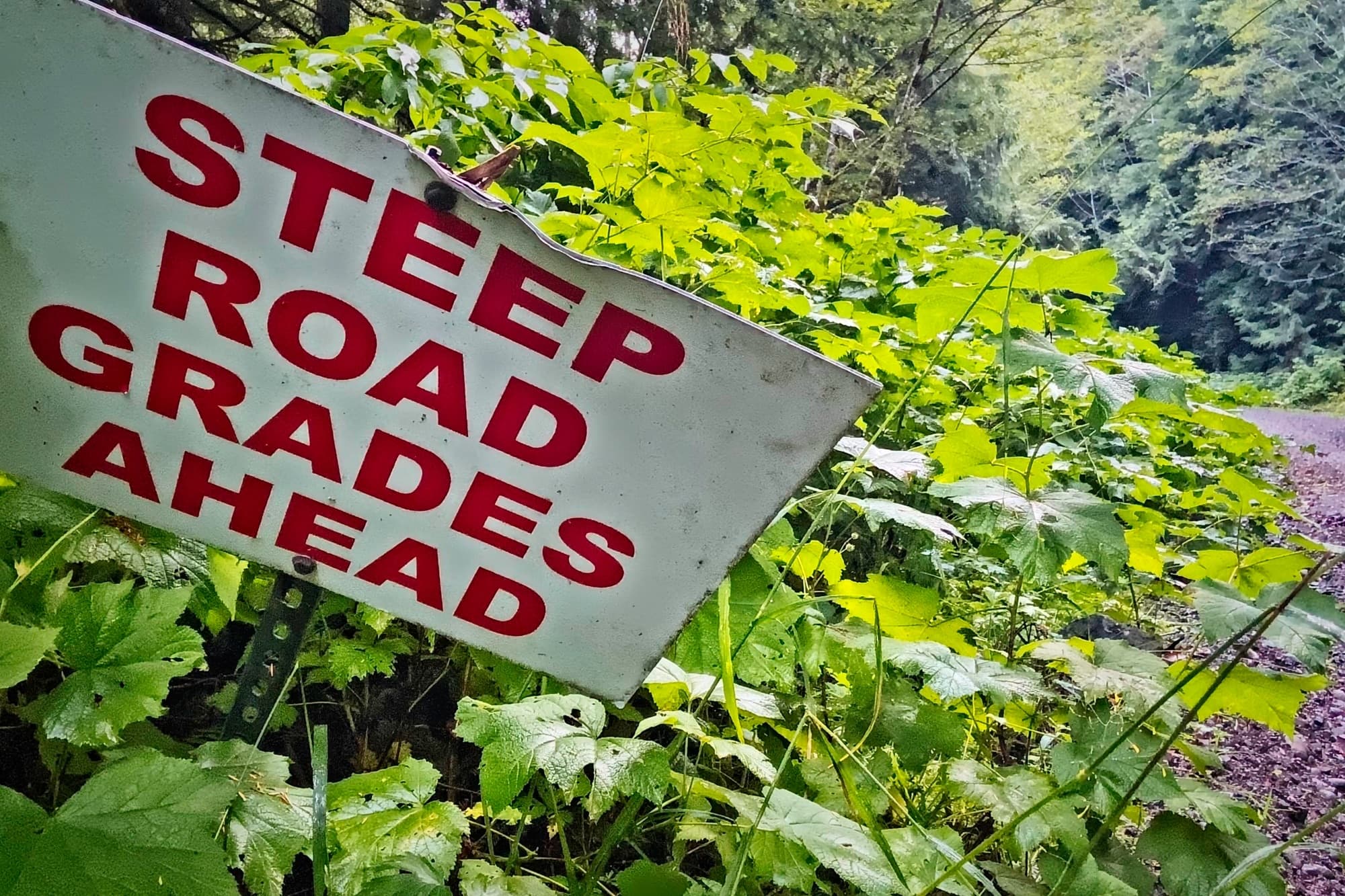
Why Roads Close
Once a company is done logging a block, and there's no more commercial reason to keep the road driveable, that road simply becomes a liability to the company.
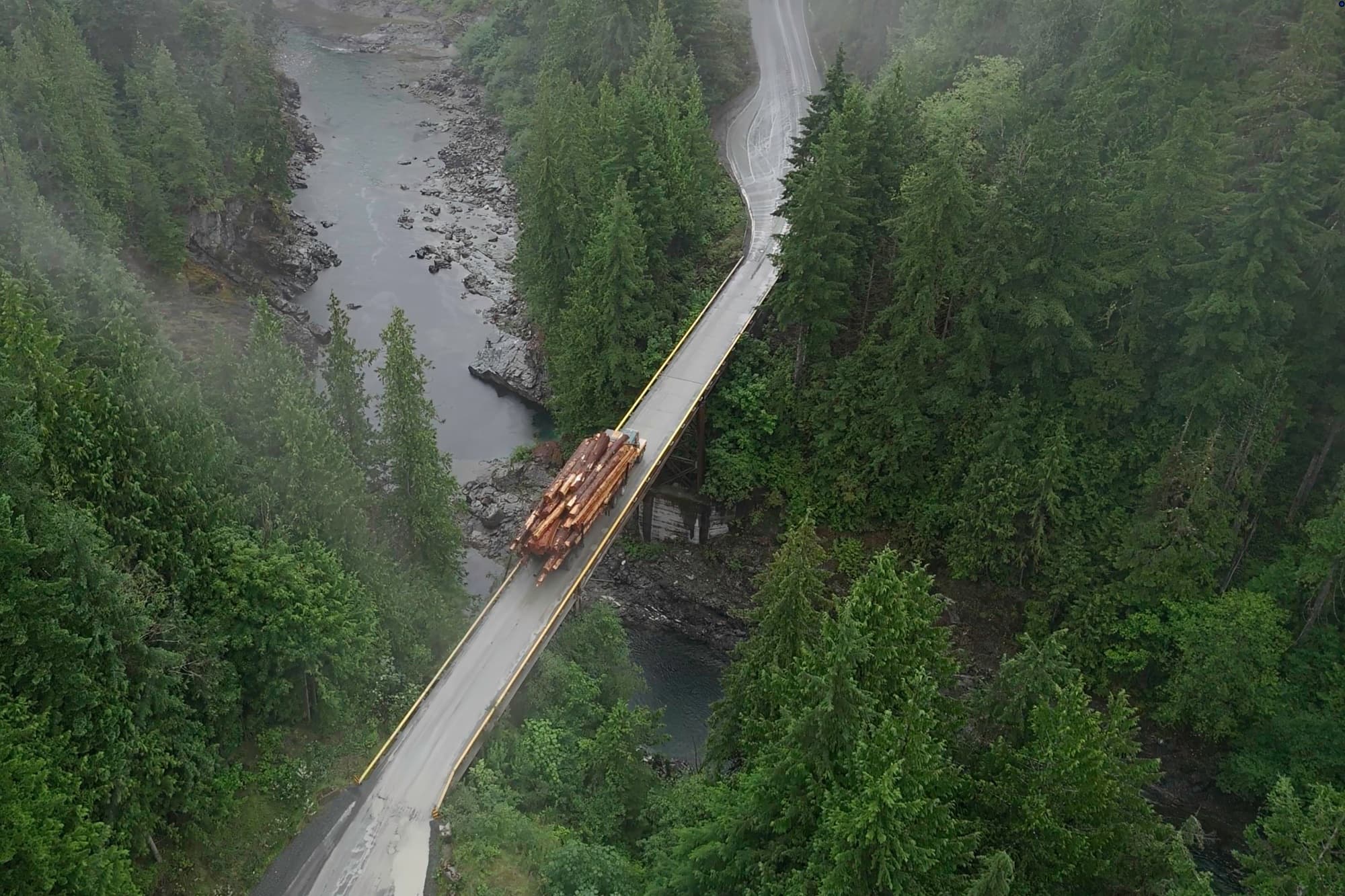
Deactivation is the technical name for what happens next. Crews pull the culverts and bridges, dig cross-ditches across the surface, and basically put the road to bed to let nature take its course. The province's own engineering manual calls this putting a road into a "self-maintaining state," which is a polite way of saying nobody is coming back to fix it. Part of this is genuinely good for the environment: an old bridge or culvert can wash out and dump sediment straight into a salmon stream. But a lot of it comes down to plain liability. Nobody wants to be legally responsible for a bridge that nobody's maintaining.
A 2020 independent audit found the Ministry of Forests didn't have reliable records on its own 58,000 kilometres of Forest Service Roads, let alone a solid plan or budget to maintain them. When maintenance money is available, it goes to roads serving actual homes and communities, then high-value recreation roads are next in line. Everything else, including many secondary roads bikepackers use, is fighting over the financial scraps of a rapidly shrinking budget.
In 1998, B.C. did amend the Occupiers Liability Act to give some legal cover to landowners who let people recreate on their land. That helps a little. But it doesn't change the basic math: a road with no logging company using it and no dedicated recreation budget is a road nobody is paying to keep safe. Complete reclamation of the road is the cheapest way to make the liability completely disappear to remove access for all users, including cyclists.
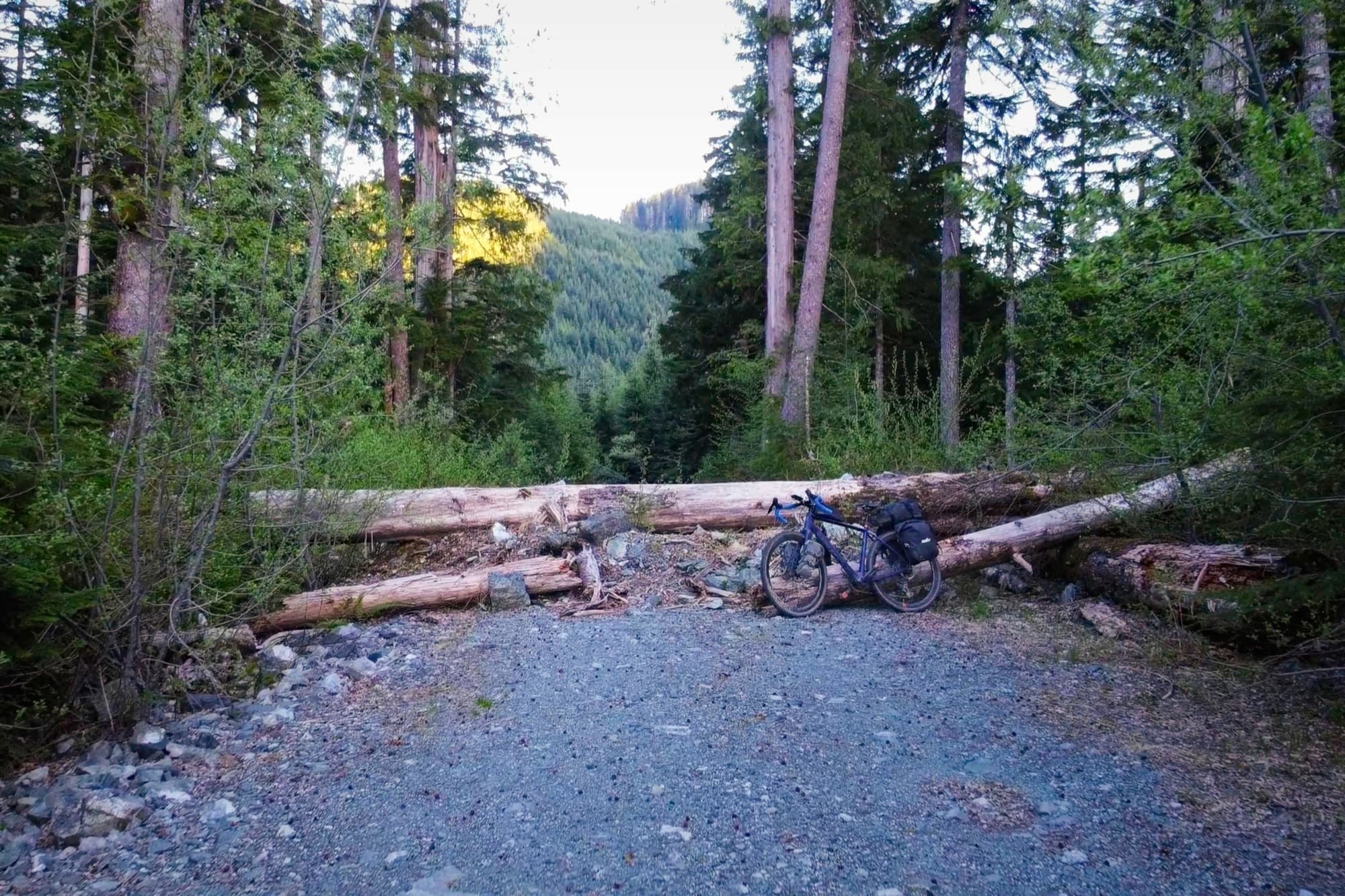
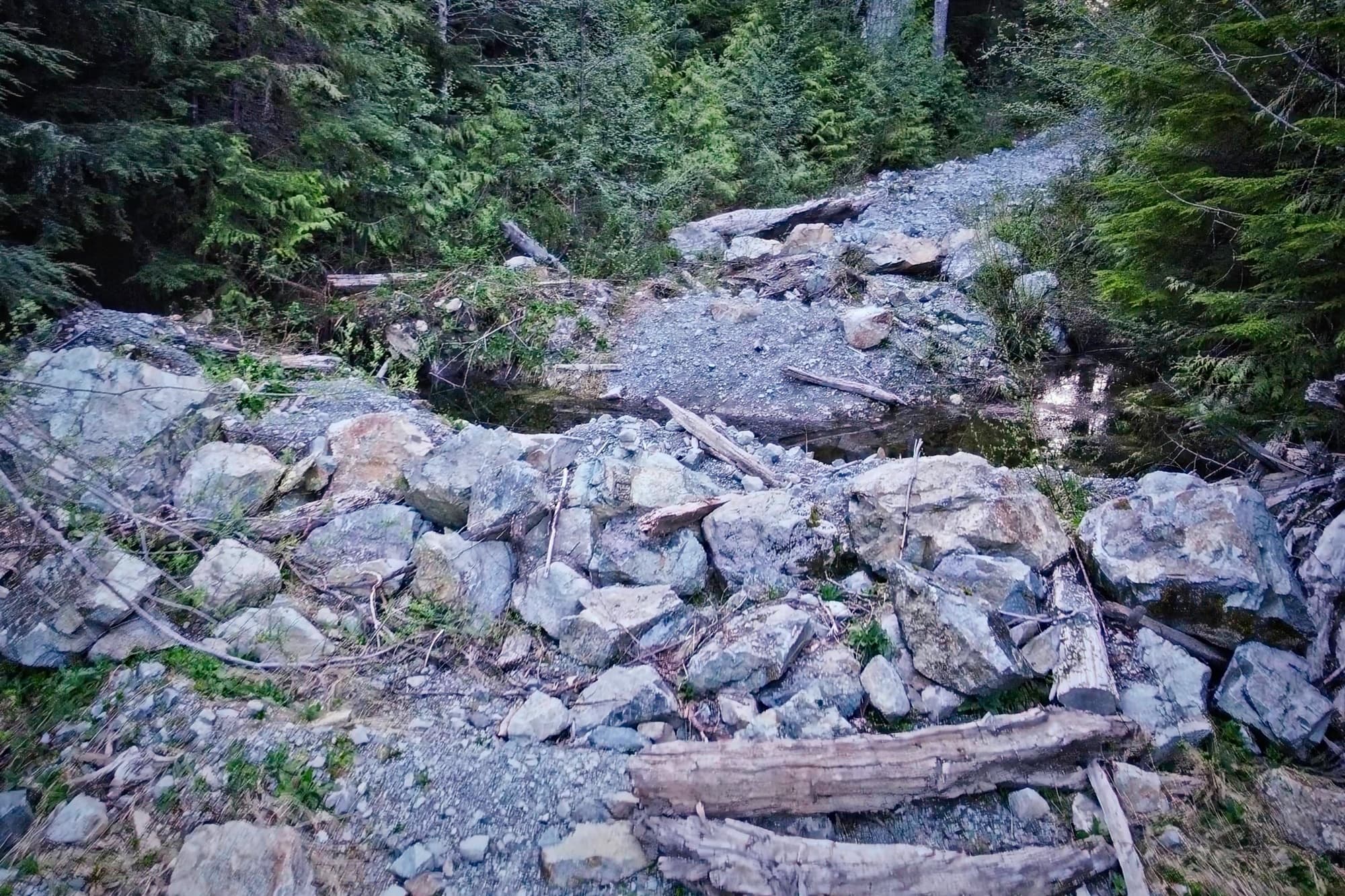
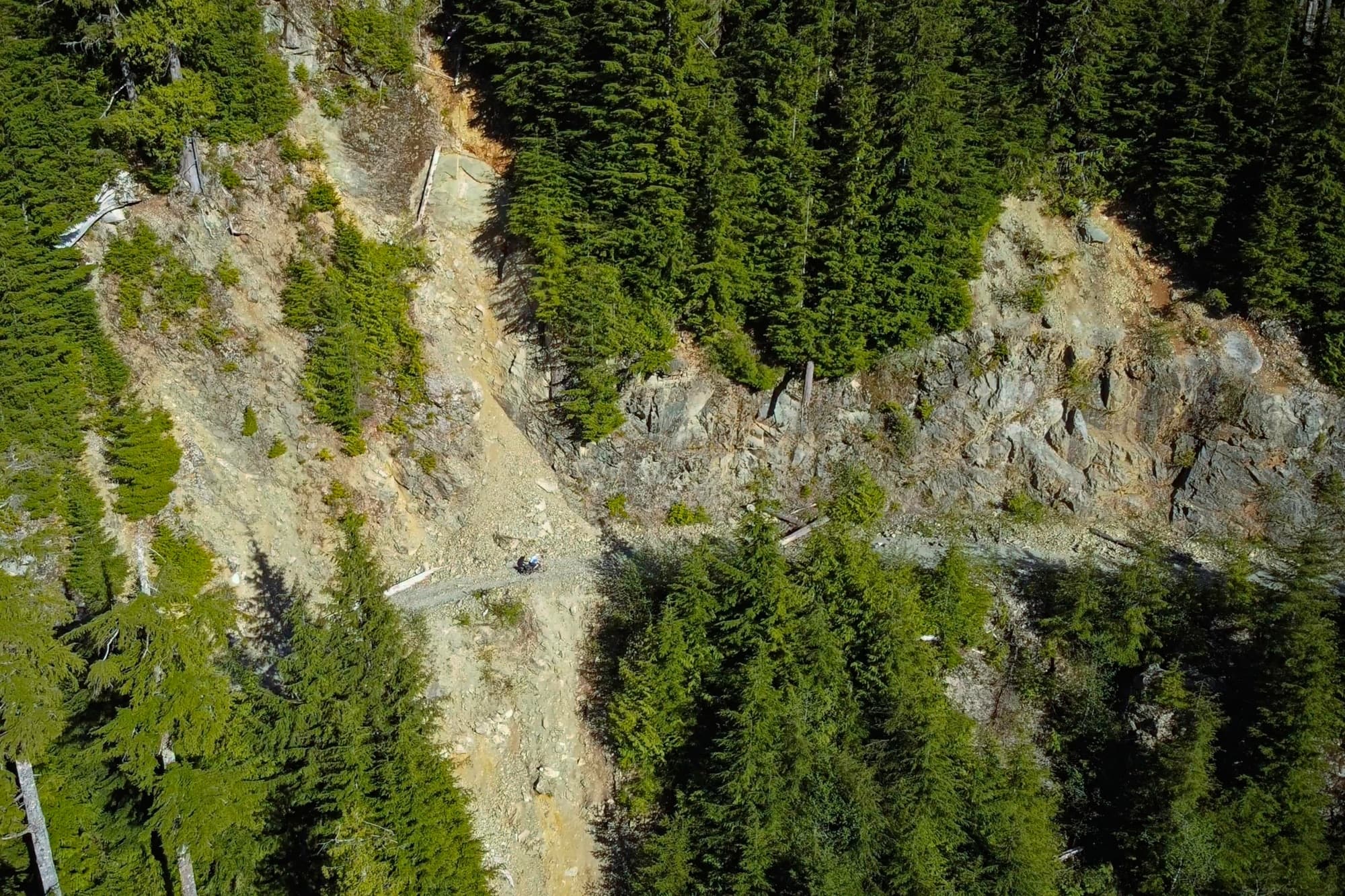
What's to Lose?
The Outdoor Recreation Council of B.C. (ORCBC) points out that these same roads are how people get to hiking trails, ski touring zones, snowmobile areas, fishing spots, hunting grounds, and family campsites. It's not just one niche user, it's all of us with a passion to be outdoors. Outdoor recreation added an estimated 4.8 billion dollars to B.C.'s economy in 2023.
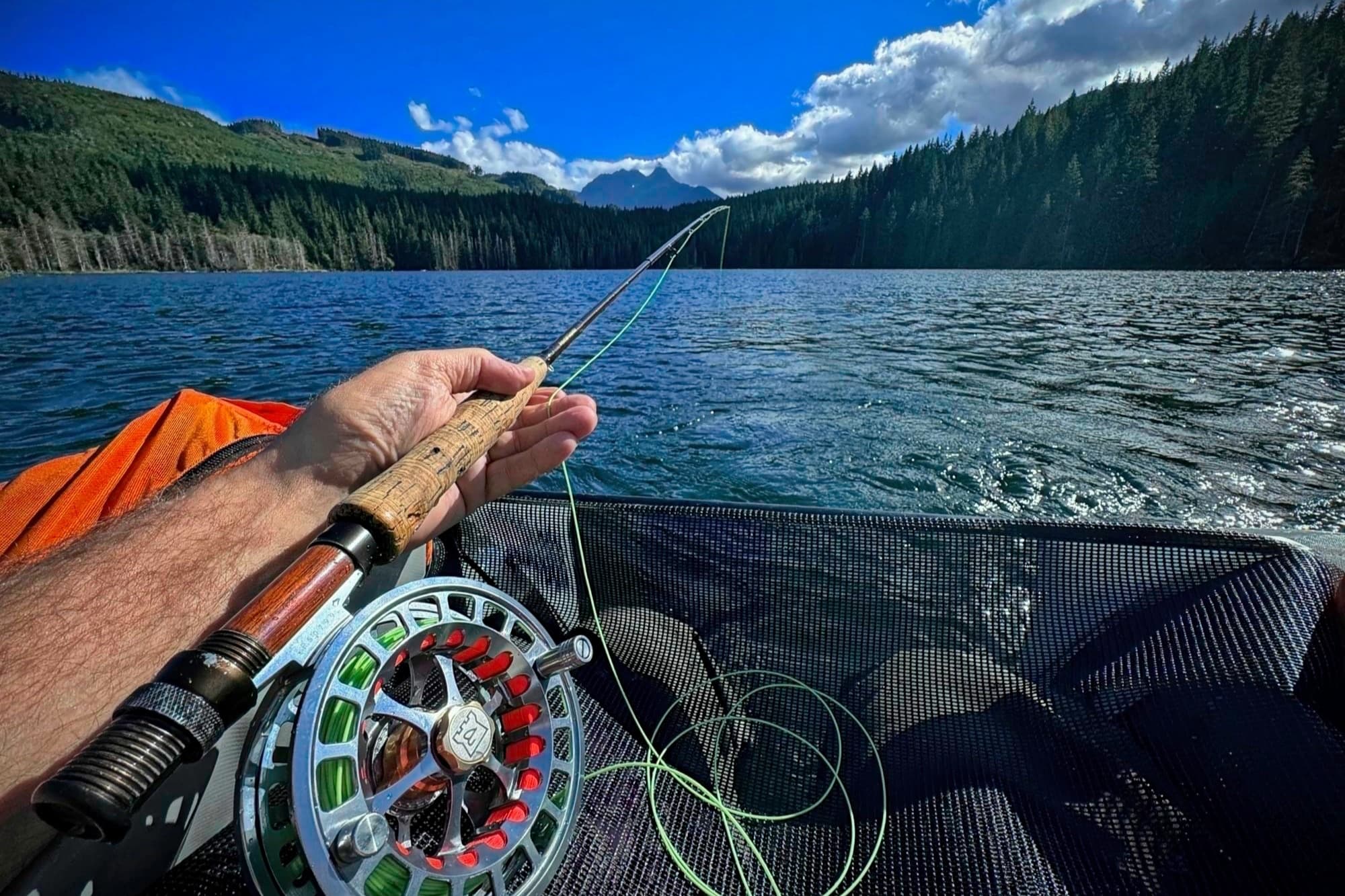
To me these roads are less about money and more about memories. This is where I learned patience fishing next to my dad. Where my kids caught their first fish. Where I first felt like the version of myself I actually wanted to be, dirt on my hands, no deadline, nowhere else I needed to be. Will my kids be able to take their kids to the same areas to continue building family memories or will they find a wall of rocks and debris? I don't think I'm being overly sentimental. I think that's genuinely what backcountry access gives people: a place to find yourself, not just a place to visit. Take the road away, and you haven't just closed a route. You've quietly closed off a piece of someone's life.
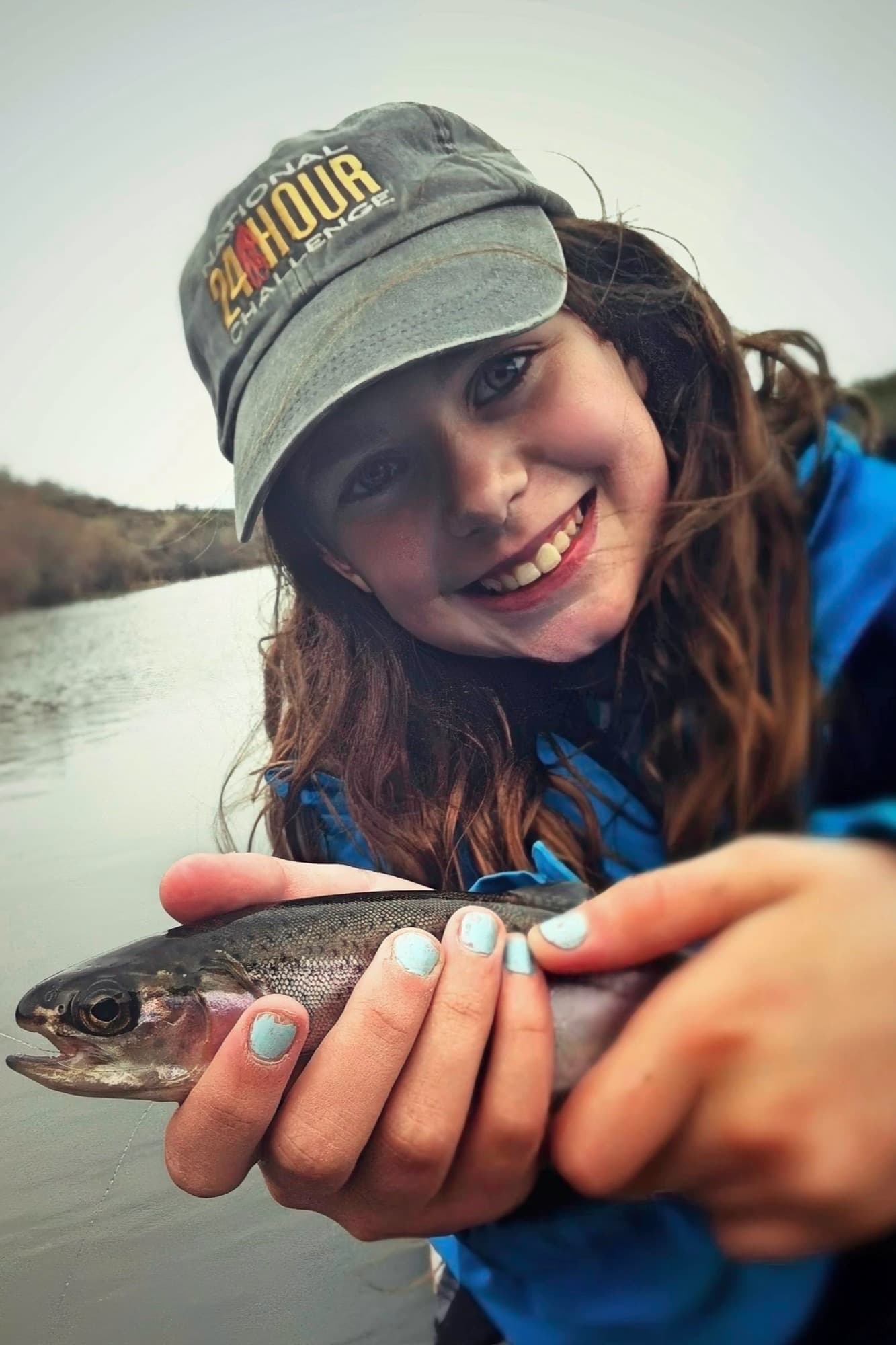
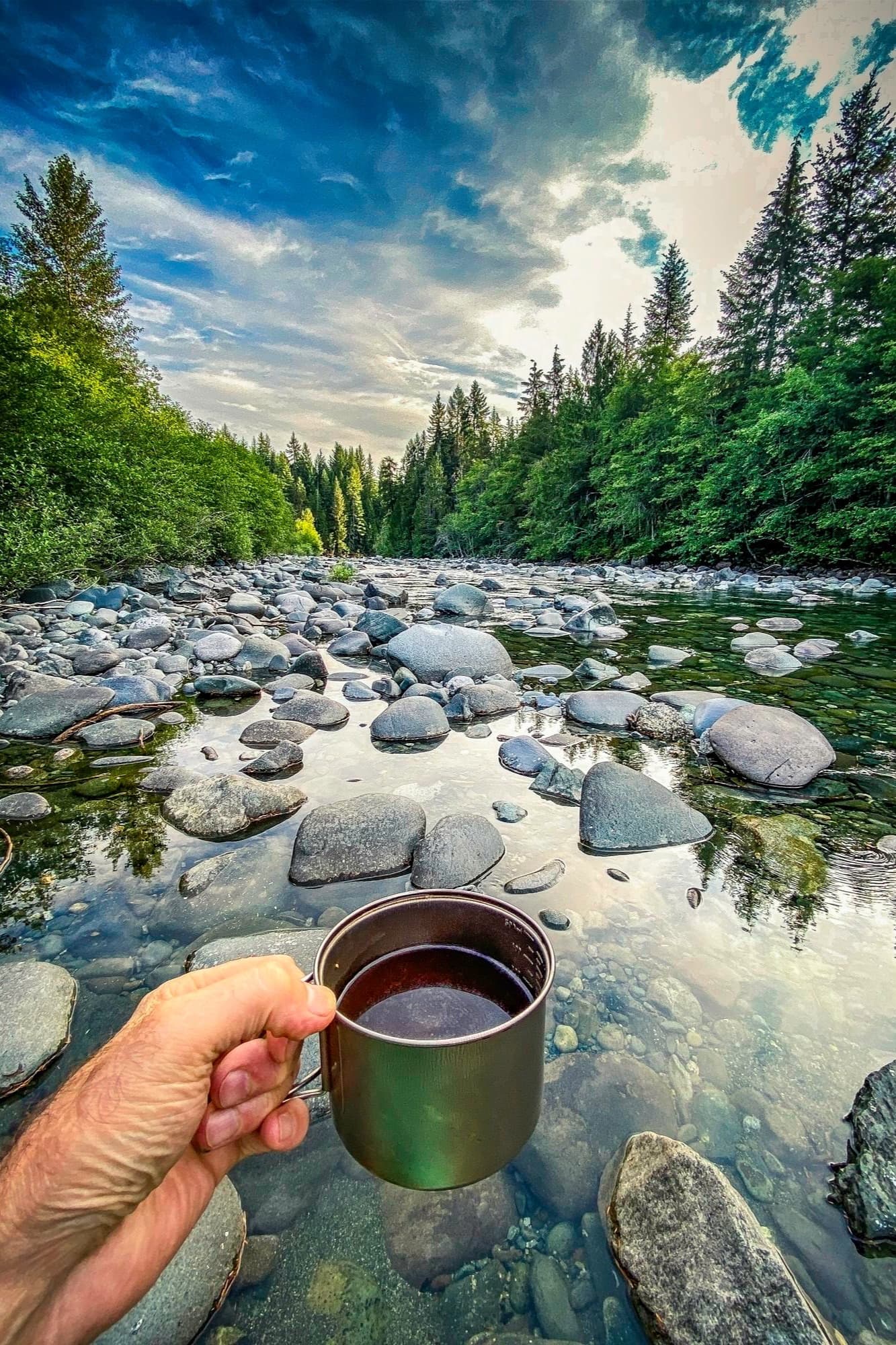
There's a spin-off to all this that will even hit those who never leave pavement. When one popular backroad closes, that traffic doesn't just vanish, it moves somewhere else. Recreation groups in the Sea to Sky corridor have seen this play out: lose access on one road, and hikers, riders, and campers pile into whatever's left open nearby. Those areas usually weren't built for the extra load, so you start seeing overuse, trail damage, and more conflict between user groups. Families just looking for a quiet weekend campsite end up competing for the same shrinking handful of spots as everybody else.
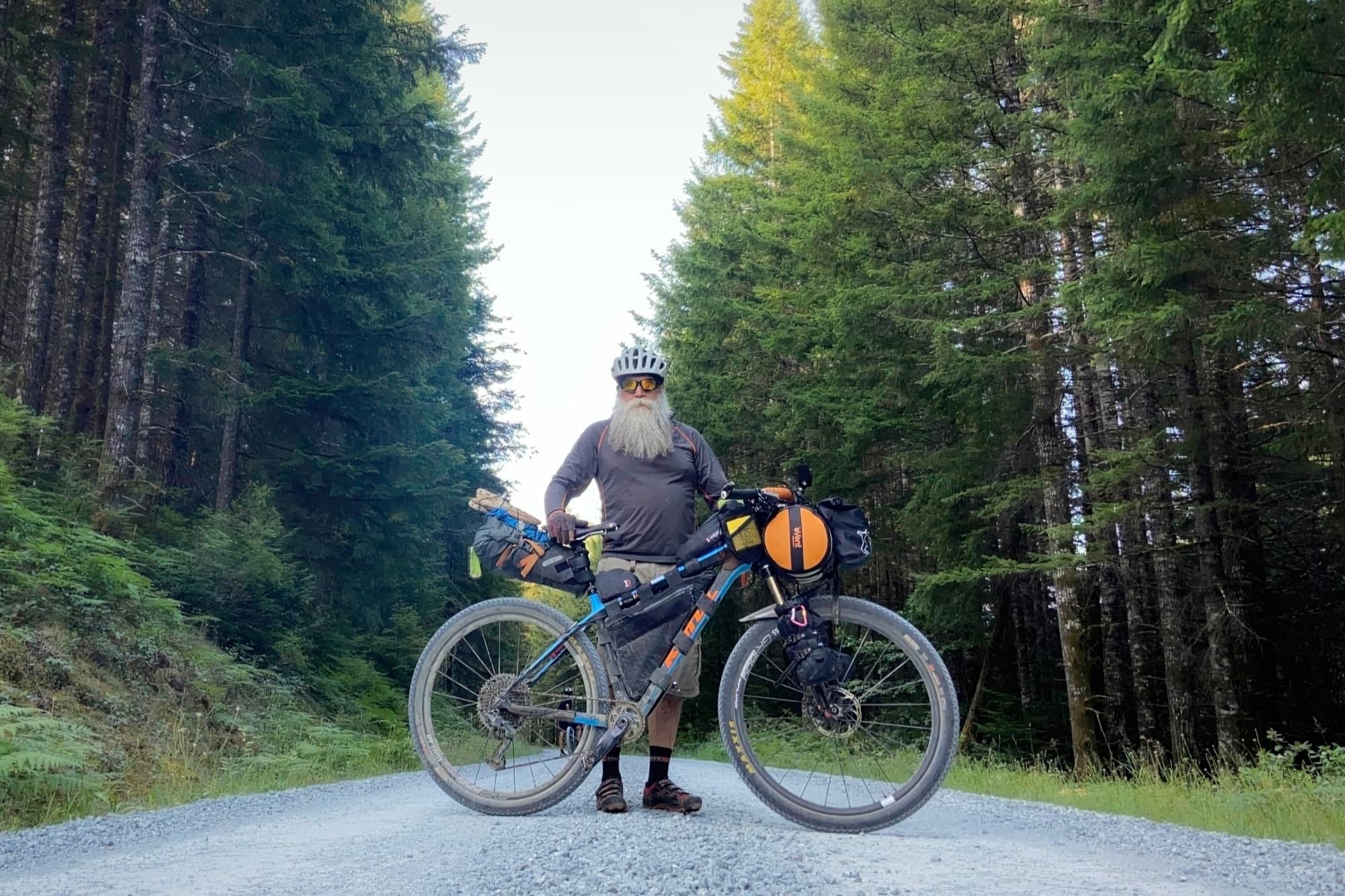
I am the creator and planner of the Caves & Coves bikepacking route; the risk of road closures is very real and very personal. A road or a bridge can be here today, gone tomorrow with no warning. Planning a 1350km event isn't as simple as drawing a line on a map and hoping for the best. Building it took years of cycling, driving, and personal investment. Keeping it intact takes effort every single year and a surprise road closure could always be around the corner.
You may have seen petitions in your social feeds, pleading with the government to stop the closure of specific roads being listed for complete reclamation, that would cut off access to vast areas of recreational opportunities virtually overnight.
Raise Your Voice
This is a live fight, not a lost cause. ORCBC's Resource Road Working Group, along with groups like the Federation of Mountain Clubs and the BC Snowmobile Federation have created the BC Resource Road Access Survey. It's our chance to build the first provincial inventory of which roads matter to us. Which ones are at risk, and where access has already been lost.
The survey is designed for one entry per road or route. You can submit as many as you wish until July 2027. Our collective knowledge of the backroads is valuable. Make sure it's put to use. When you find newly closed roads, report them to ORCBC and be a good sport, reach out to any local outdoor clubs you know to pass along the information.
B.C.'s annual budget process has put road and bridge maintenance funding on the province's radar. Speak up during budget consultation season. More voices, especially from cyclists, hikers, hunters, and paddlers all saying the same thing make it a lot harder to ignore.
None of this undoes the FRPA amendments, and honestly, it probably shouldn't. The environmental protections behind them are sound. What's missing is something built alongside them, a plan that treats recreation access with rights of its own, instead of as an afterthought to mitigating liability.
What Are You Willing to Lose?
I keep coming back to those memories with my dad. Rambling down these roads shaped me more than any trip to Disneyland ever could. That tradition carries on every time my tires hit dirt, every time my fly lands softly on the water. I hope one day my kids bring their own kids to grandpa's hidden fishing spots, that the story continues for another generation. But here's the hard truth: the roads we ride, and the versions of ourselves we find at the end of them, are only as permanent as the last logging contract that used them. It's time to speak up for the roads that built them.
Start today: fill out the BC Resource Road Access Survey and put the roads you love on the record.