Two Wheels and the Weight of Loss


Like Barry said in a recent story about his friend Keith getting hit by a truck, “this isn't the article I thought I'd be writing”.
We all know that moment. That anticipatory joy, the weeks leading up to a trip, when excitement starts to ramp up. Those final days are always focused on checking details: making sure the bags are packed, the shifter works, and the tools are in their rightful place. Checking the bike one last time, tightening bolts that are already tight, or adjusting seatbags that already sit perfectly. That last test ride where you're not really testing anything, just giving yourself an excuse to pedal because tomorrow the journey begins.
...and then, a call.
A call that you're not prepared to receive, one you can never really be ready for. Even being an ER doctor, there's no rehearsal for the call that makes it personal. Nothing prepares you for the moment the voice on the other end speaks your story, not someone else's. Nothing prepares you to be a hundred kilometres away, powerless to change the ending.
Without being overdramatic, my mum suddenly passed away at the age of 68. She passed the night before our planned departure to tackle Montañas Vacías. A ride that, to this day, I have yet to do.
In the days that passed, it was like a surreal bubble, where people arrived in waves, and the logistics of grief, paperwork, phone calls, and the funeral took over, disguising themselves as life. You move through these on autopilot until the bubble bursts.
I still had vacation days from work. Days that were supposed to be filled with Spanish gravel and long, dusty climbs. Instead, they were now just empty days off. What should I do? What do I need to do, or what do I want to do? There wasn't a right question—just as there wasn't a right answer. But at that moment, either one was good enough for me.
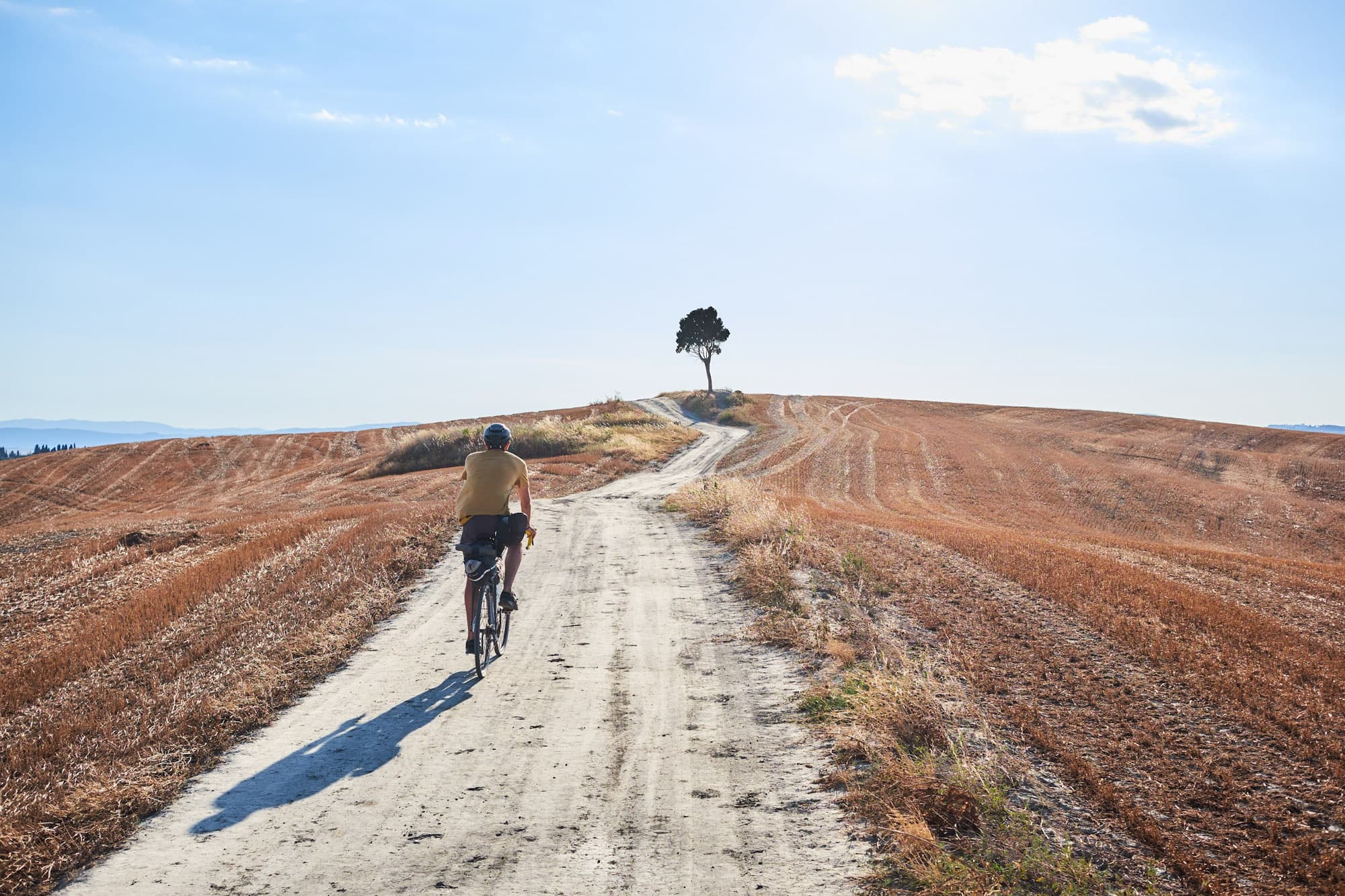
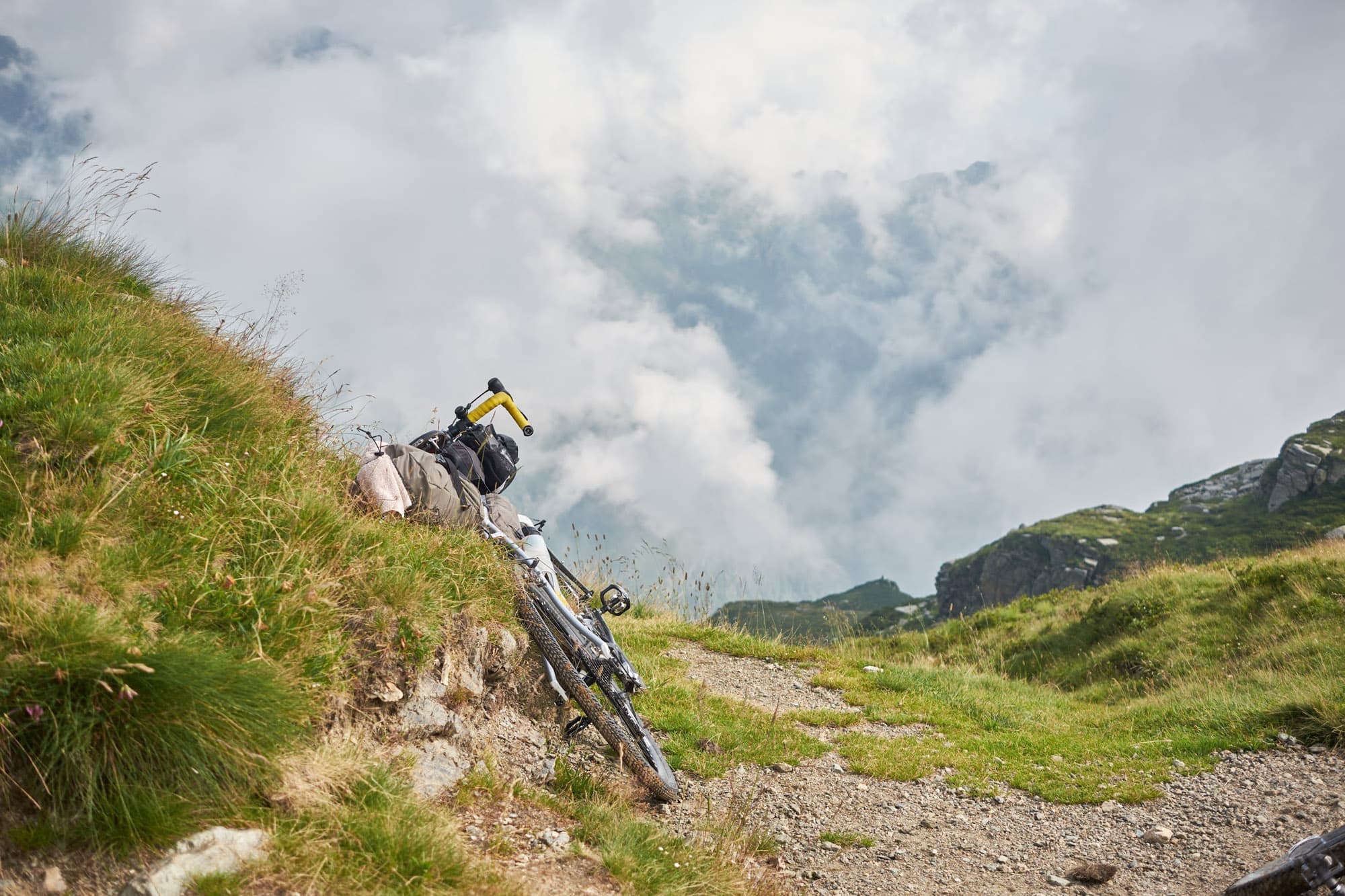
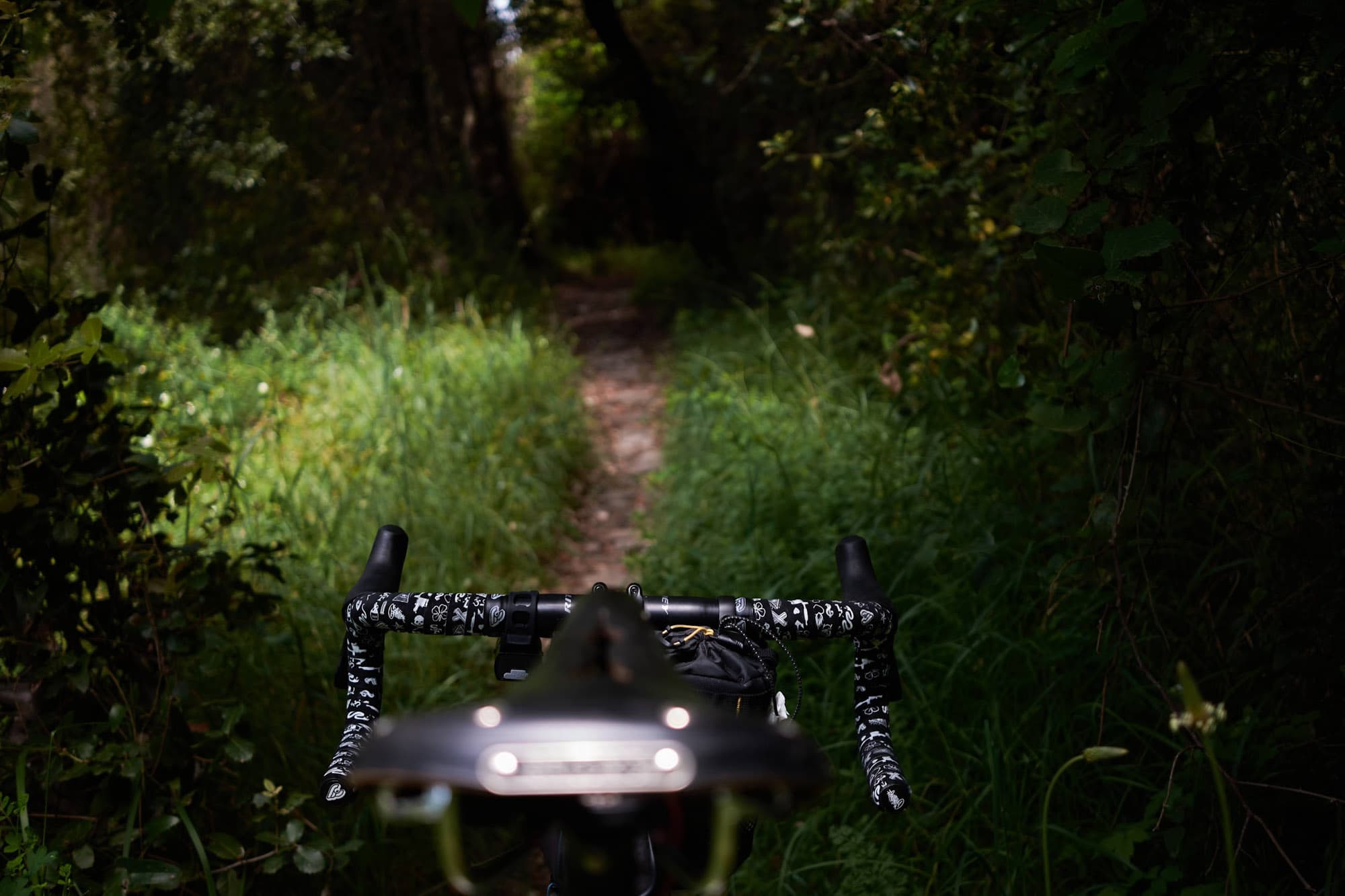
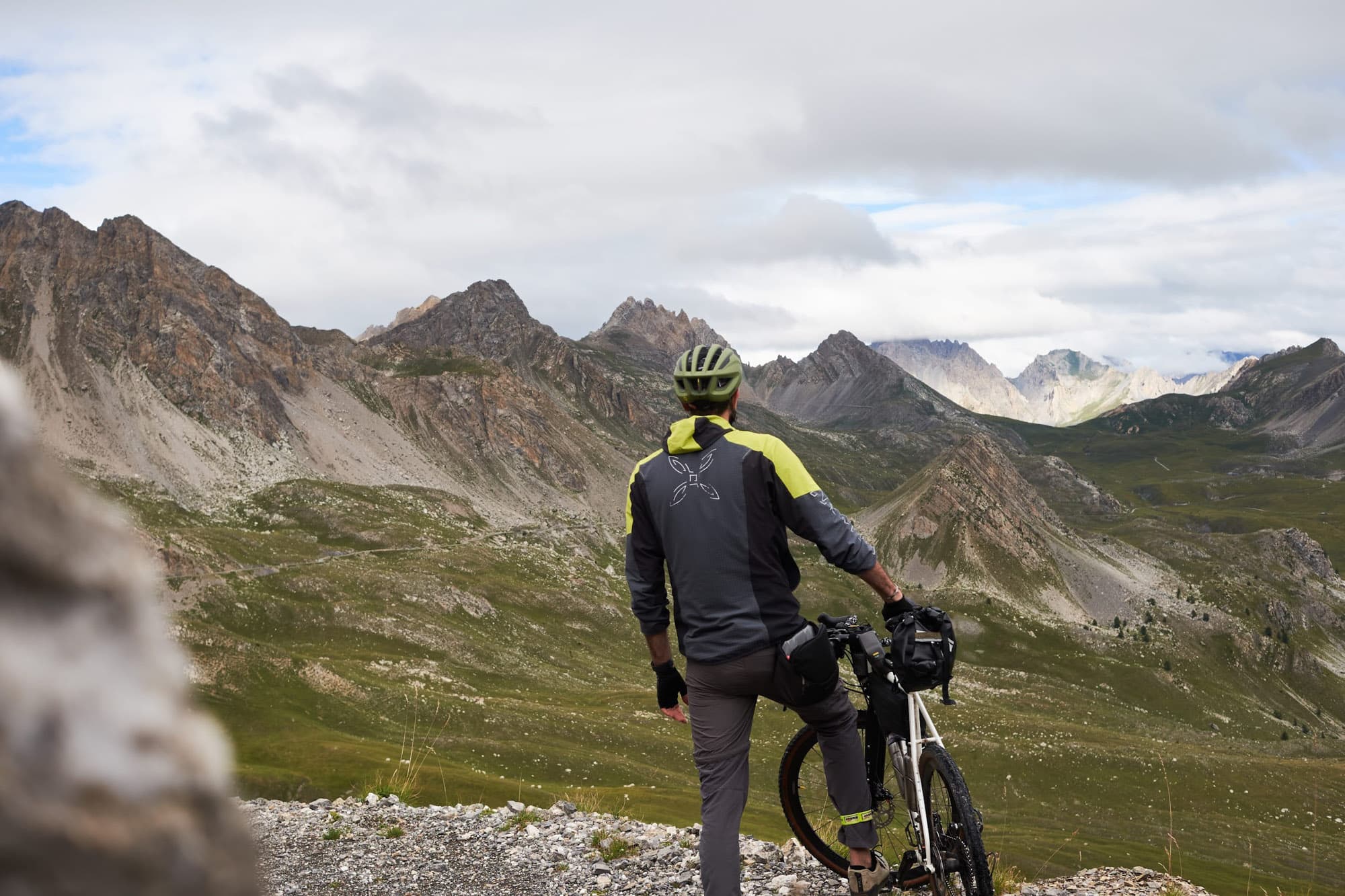
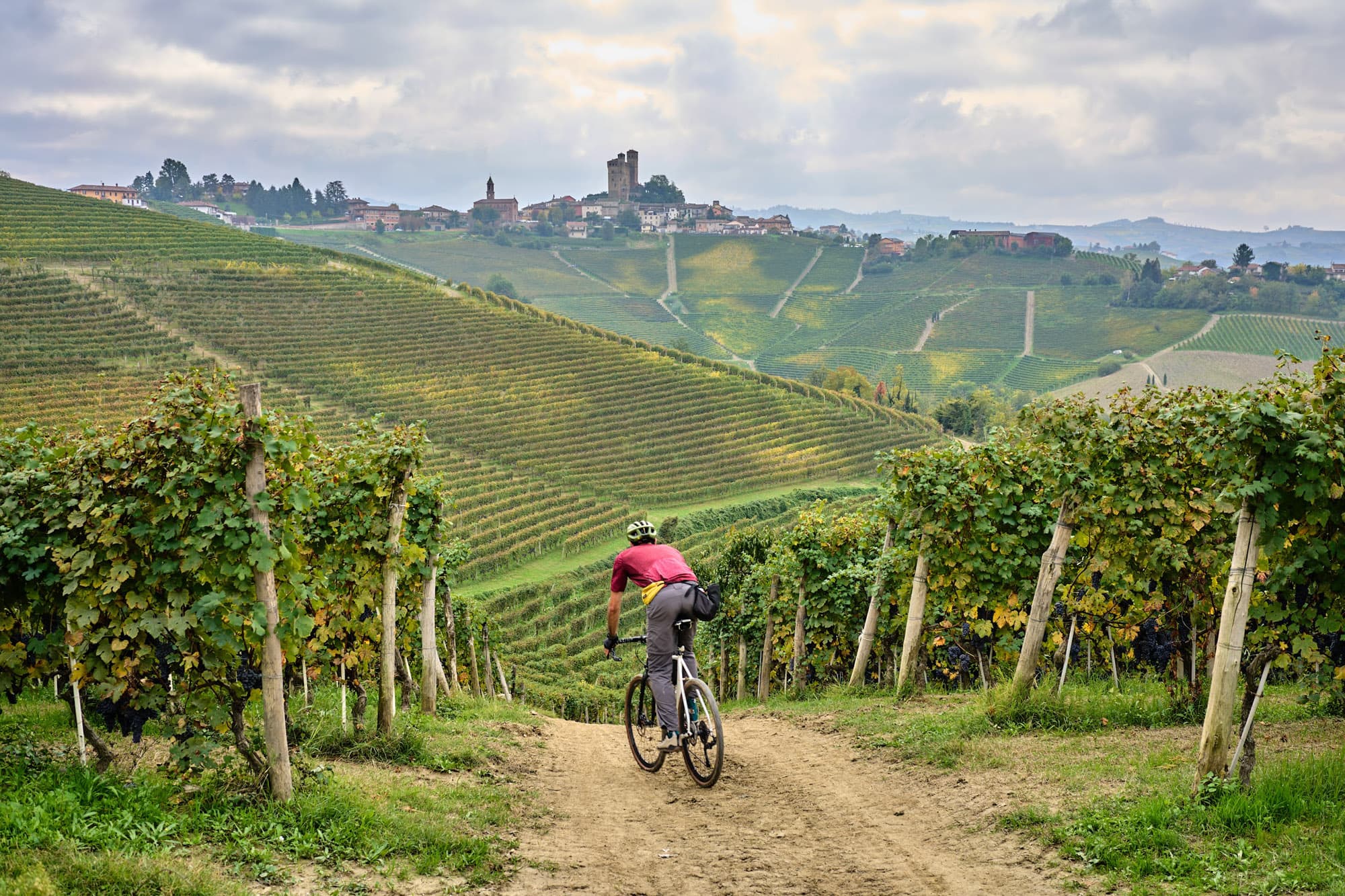
I wanted to leave with no destination in mind, but the bike had to be part of that departure. I felt this urge to pick up where we'd left off. I wanted to roll out with my girlfriend and let the road carry some of the weight for us. The grief reminded me that everything had changed.
Why I Ride
I turned to Komoot to plot and adjust a line on a map, while those questions surfaced many times as I tried to stitch together a good-enough ride as reality kept pulling me back. Was leaving even the right thing to do?
I've never had much hand-eye coordination. For the first fifteen years of my life, I wouldn't have called myself a sport-prone person. In my village of two thousand people, “sport” meant balls— as in football and volleyball—and I was reliably awful at both.
The bike, for me, wasn't a sport; it was transportation. I pedalled to school and friends' houses; it was the cheap license of independence at fourteen. And yet something was ticking. It wasn't just a way of getting around.
A neighbour put his first road bike up for sale; it was bare metal and beautifully simple. I wanted it so badly, but never did get it. My parents bought me a white and pink road bike when I was fourteen. It wasn't exactly the badge of coolness. We never fell in love.
Soon enough, my parents' self-fulfilling prophecies landed. The road bike was just a phase that was not worth spending too much on. It was a simple placeholder before the engines, the motorbike, the car. I left the village for high school, and time moved on.
Almost ten years passed before I put my feet back on the pedals. And the bike? A terrible one. A yellow TOBike, a bike-share more than a bike, something I signed up for just to get across town. No poetry, no romance; once again, the bicycle was simply a transport. I actually thought about buying a bike on my own more than once, but I was a broke student in a city where Bicycle Thieves isn't just a movie title. I never pulled the trigger.
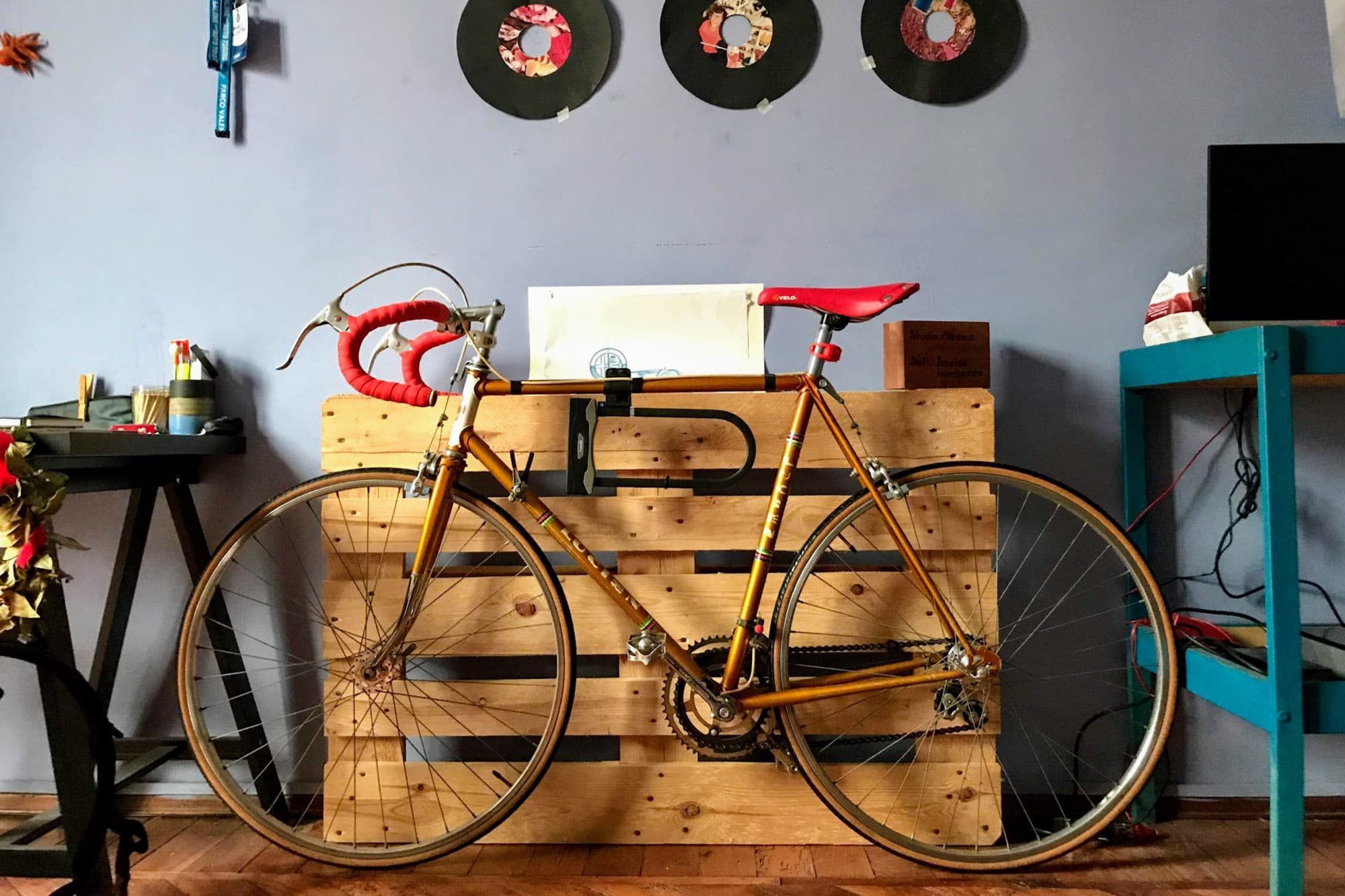
Friends do exist for some reason, though. Here she was: as a graduation gift, a marvellous orange vintage French road bike was waiting for me by the door. Love at first sight. It was still for just getting around, but it was mine. Cycling back home while slipping past lines of honking drivers as they got angrier and angrier at each red light felt quietly glorious. Riding began to click. I still wouldn't call it a sport; it just became an activity that suited me, one I was actually okay at.
I returned to, or should I say, started proper biking when many people did, at the start of the pandemic. My only bike was out of commission after a crash, so I started crawling local marketplaces and Subito.it, the italian Craiglist. With little budget, I managed to land a 2012 Specialized TriCross Sport, cantilever brakes and a bike I would describe as the granny of today's gravel bikes. While I whizzed along the river Po, weaving through dog walkers and masked pedestrians, trying to make sense of the world, my bike dependence took root.
Slow tourism, cycle touring, and bikepacking were all new words to me. I dove in, headfirst.
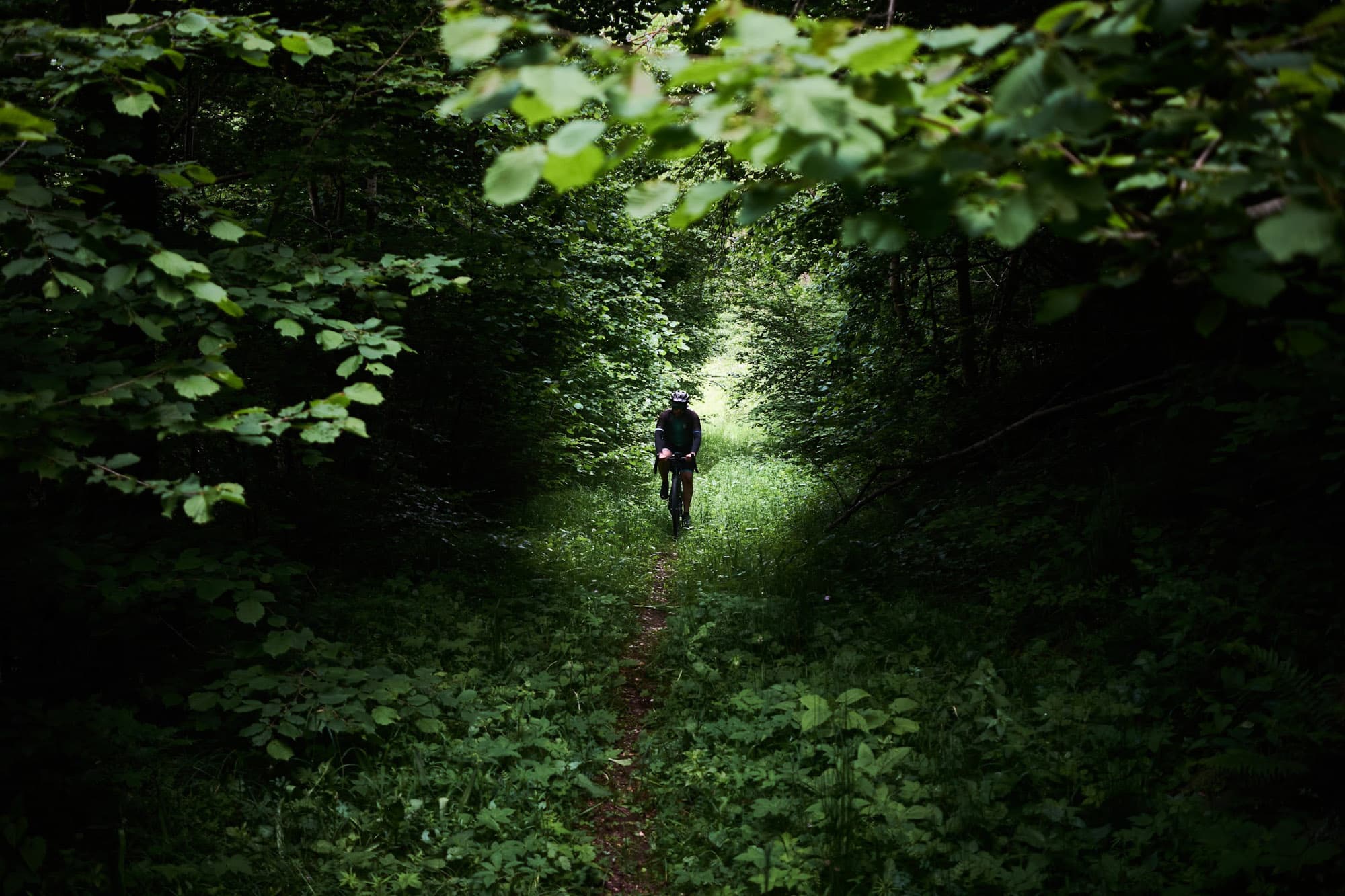
The Bicycle: A Coping Mechanism
Stress, anxiety and efforts are chemical stories where neurotransmitters author scripts in our brain. Pedal hard long enough, and the same chemistry that feeds your worry gets repurposed on breath and muscle instead of rumination on thoughts. The simple reward of getting better at something kicks in. Our brains are wired to nudge us towards mountaintops; no other animal looks at a mountain and thinks, I want to stand on top, just because. That's called the dopaminergic system.
So when life's pressure builds, I reach for long rides. An overnighter or even the quiet relief of tracing lines on a map, brain-scaping a route until the noise in my head settles. I'm not someone who can sit still and meditate for an hour. I need to do. Cycling lets me unravel myself in a way nothing else does.
Adventure and photography are part of it too, but they're not the reason for it. I don't have to ride to take photos; however, cycling teaches me how to look at things differently as I create images. I ride the way I did as a kid: to get around, to drift slowly through suburban areas, and odd little districts I'd never bother to see by car. The bicycle keeps us moving at human speed. You cover more than you could on foot, but not so much that the world blurs. This shifts everything into a perfect perspective when you're moving at the right tempo, and when with the right people.
Pedal hard long enough, and the same chemistry that feeds your worry gets repurposed on breath and muscle instead of rumination on thoughts
While I was scrubbing through my photo library, I couldn't notice how all my closest friends followed me along. Many of them bought a bike right after me, and others I met while pedalling. Bikes are people, and people are life.
My mum never rode a bike. She never learned the lingo of bikes: brake hoods, singletracks, panniers. On our last call, though, she bittersweetly asked, “Send me the itinerary; I'll ride along in my head.”
I sent it then. I still do. I ride to ride.
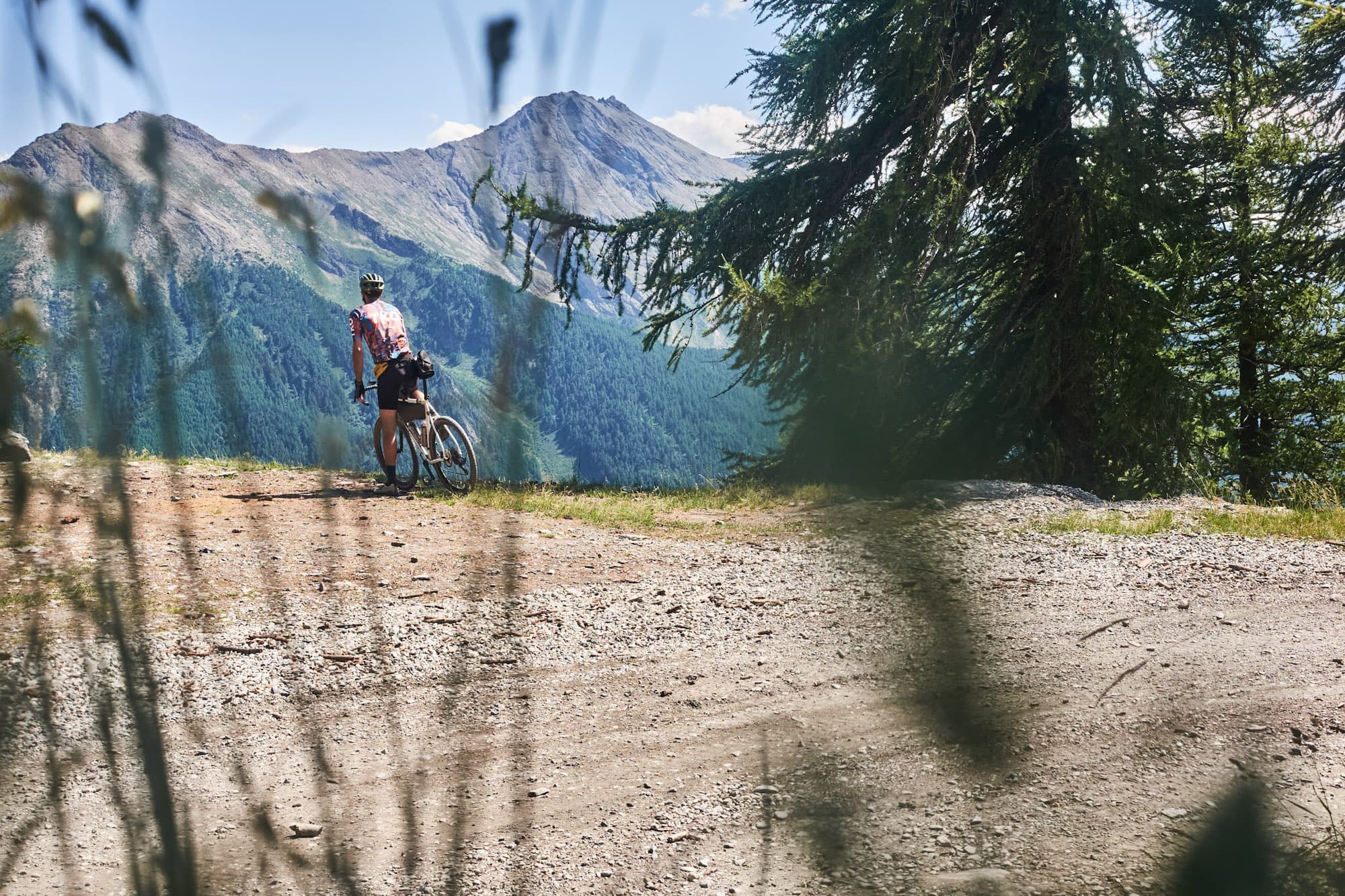
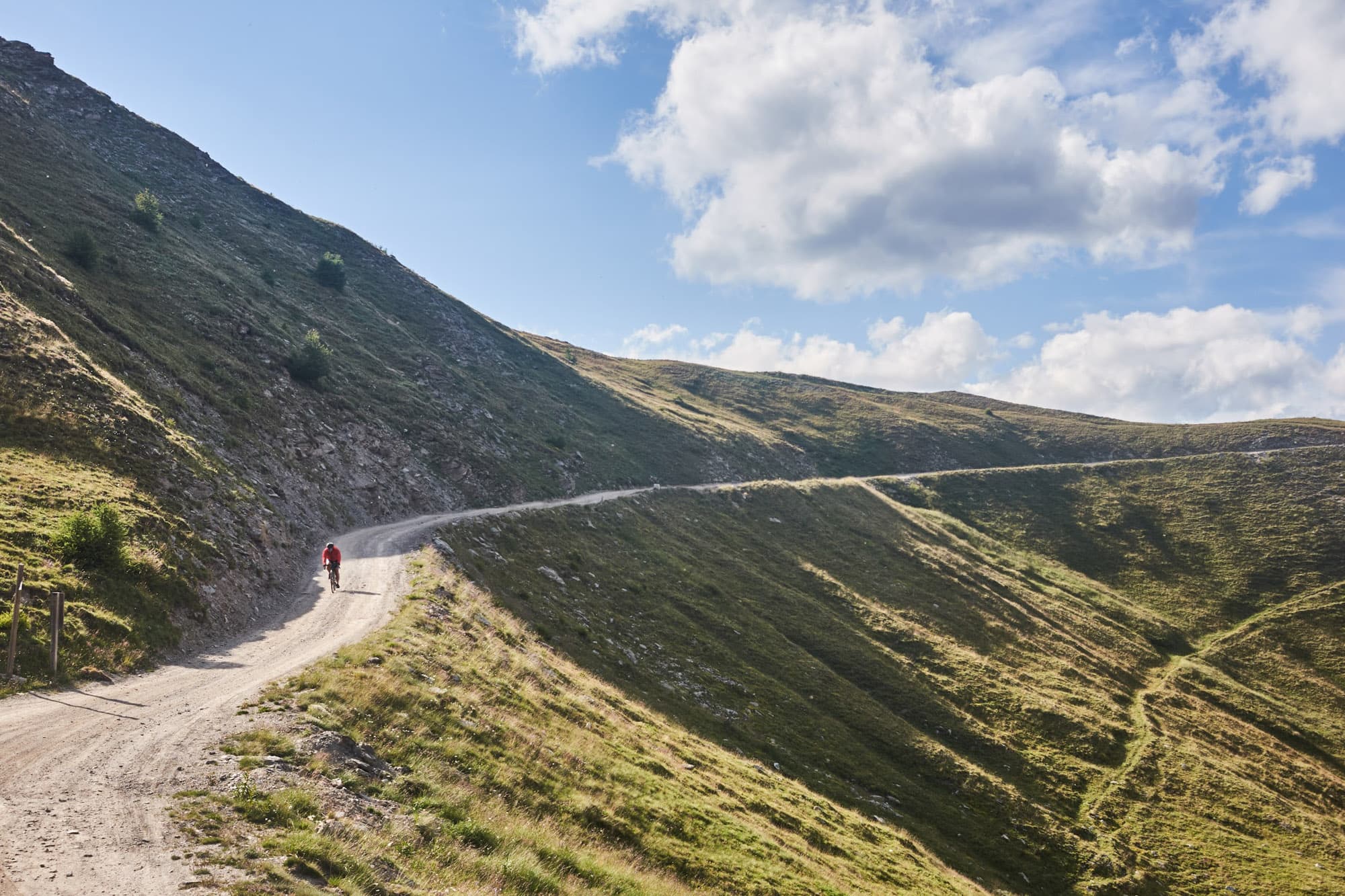
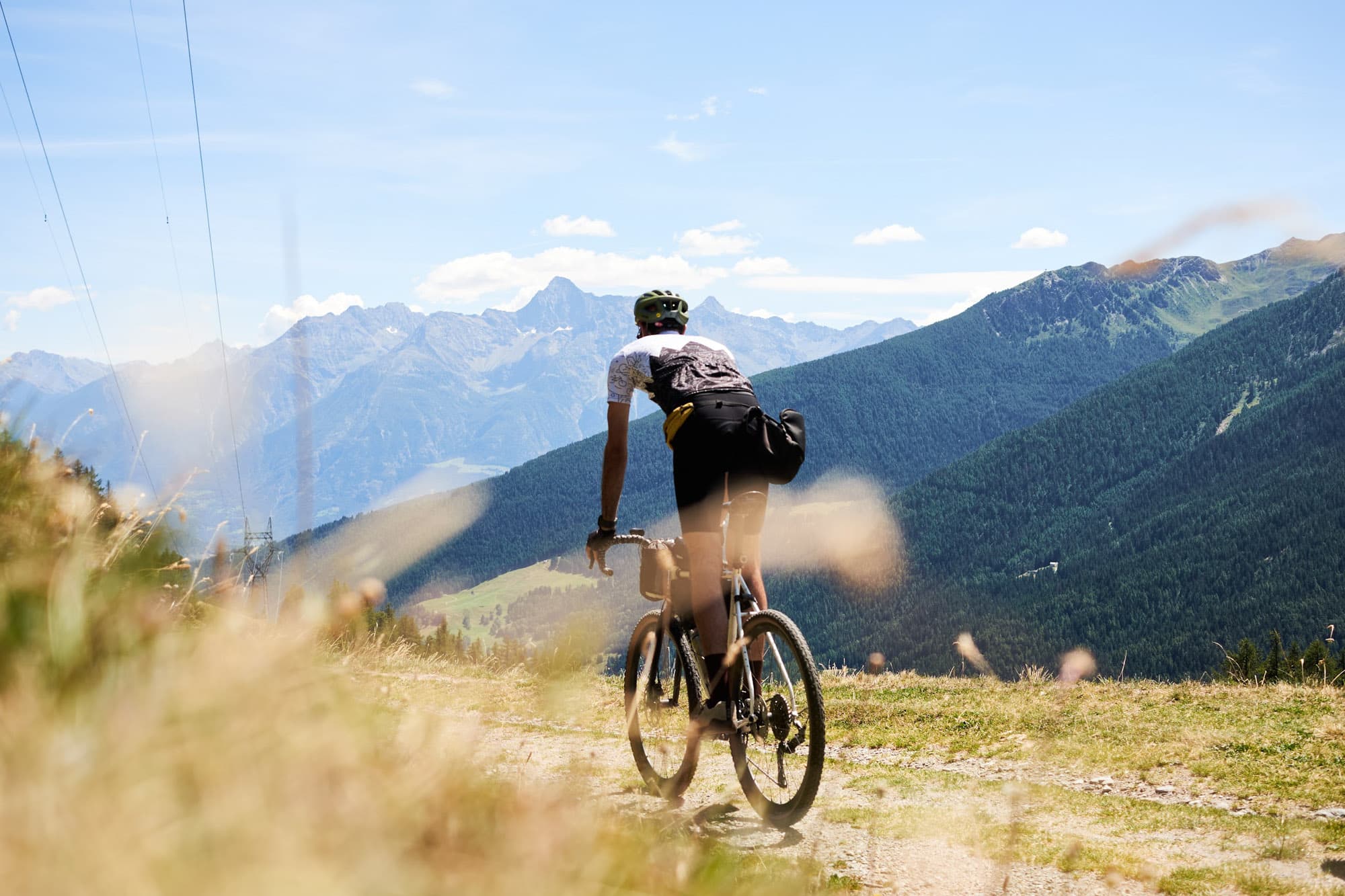
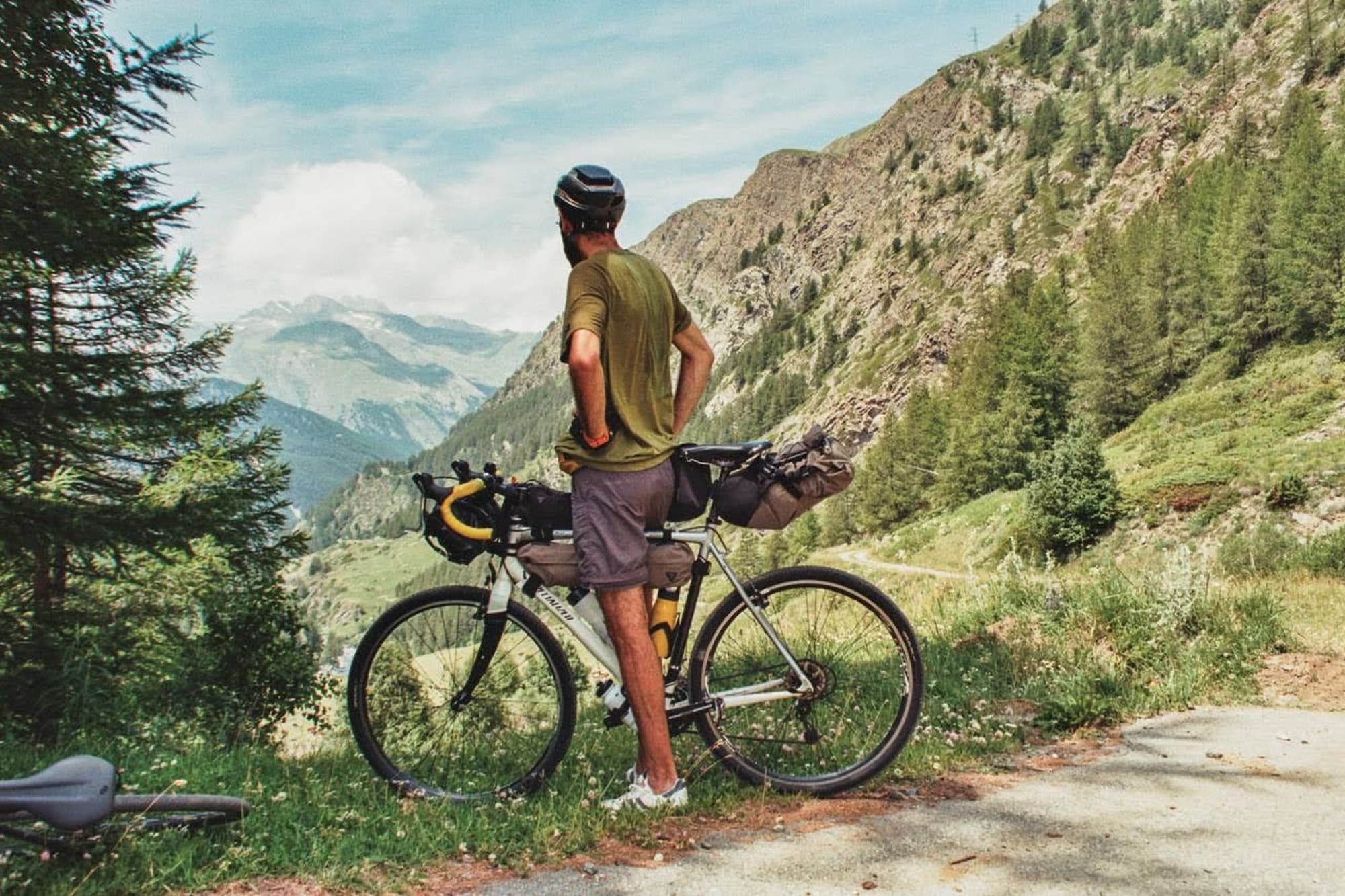
A week has now passed. What did I want then? Freedom and a bike trip. While it was raining across northern Italy, Cannes in southern France was the nearest patch of sun, and that reason was enough for me. With the help of Kamoot, the escape toward the Massif de l'Esterel began to take shape.
The harsh, uniform cluster of thoughts crawling through my mind began to fade as I began to pedal—the faster we went, the more they blurred together.
I'm not much of a crier, but my relief still slipped out. Only a week had passed, yet I felt good again. Cannes' busy traffic forced me to pay attention and be fully present. Everywhere I looked, there was life: skaters rolling along the seafront, a scatter of birds lifting at a dog's bark, my girlfriend's bell chiming as she settled into my pace. The Esterel's red rocks were still hiding beyond the city. I felt good. Simply and utterly good.
There's a post I saved from Reddit years ago: A monk asks five students why they ride?
The first says, “To carry my groceries without straining my back.”
“Wise,” the monk replies. “You'll stand straighter in old age.”
The second reflects, “To feel the wind on my face and see the world.”
“Your eyes are open,” says the monk.
The third says, “For the sweat, the rhythm.”
The monk says, “You're one with body and mind.”
The fourth declares, “It clears my head when I'm struggling.”
“A wise person understands himself,” the monk tells the fourth.
The fifth simply says, “I ride my bicycle to ride my bicycle.”
The monk kneels. “I am your student.”
To my mom, who is now somewhere softer, watching me ride and doing my stuff:
Through all of this, two wheels are how I keep moving forward through life.