Durston Gear X Mid 1: Bivy Weight, Tent Comfort


Canadian 🇨🇦

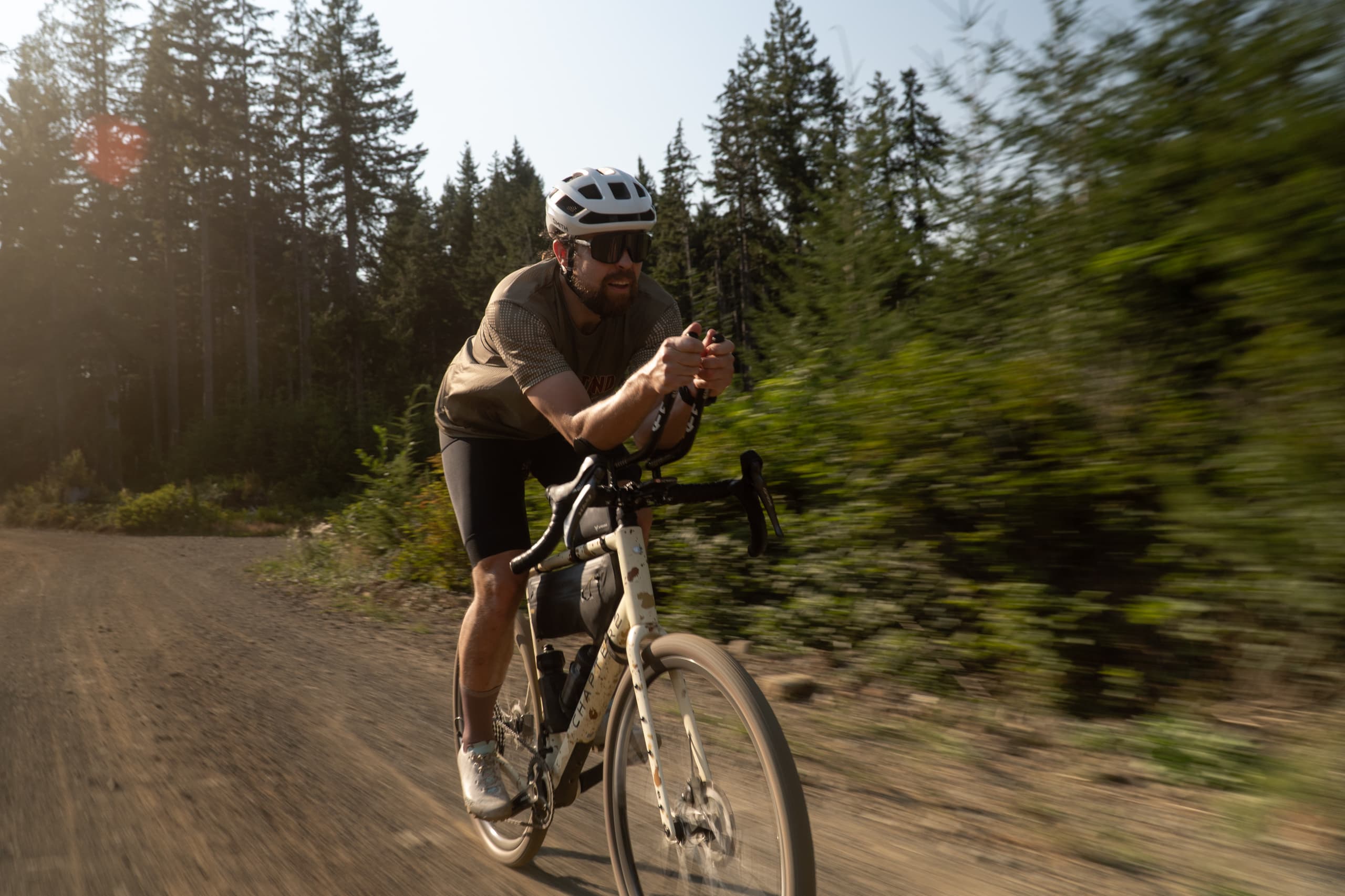
My first bikepacking experience was on an unofficial Tour Divide trip in 2015, where I used a bivy sack when riding solo adventures. I never questioned my choice. I favoured the bivy's lightweight packability over the comfort of a tent, and I loved how it requires essentially zero setup time, keeping my sometimes questionable campsites quite stealthy.
When I booked a trip to ride Cass Gilbert's New Mexico Off Road Runner, I discovered its biggest flaw. I didn't have enough space inside the bivvy sack to read my Kobo. On a typical bikepacking trip, this wouldn't be an issue; however, in New Mexico, there was only 11 hours of daylight, with sunset falling close to 5:00 PM. Because I didn't want to ride through the night, I endured long hours inside my bivvy, wishing I had more space.
Since that trip, I've continued to use the bivvy for trips that minimize stop time. For slower-paced trips, I started carrying my 2-person tent. Although it has served Ainsley and I extremely well on adventures across 10 different countries, it's always felt a little extra when camping on my own.
Although I've been eyeing different one-person tents for years, I could never justify buying one. I felt like I didn't do enough solo trips to warrant the cost. The opportunity to test the Durston Gear X Mid 1 came at the perfect time. I had a few solo trips planned for the summer. Luckily, I also had a few friends keen to trial the tent, as well, if my own plans didn't work out.
About Durston Gear
Durston Gear is a family business, operating out of Golden, British Columbia. Their product testing grounds are the mountains that surround their home. Dan Durston completed the first ever yo-yo of the Great Divide Trail, while his wife T Durston has hiked it solo and with him. They've also both hiked the Pacific Coast Trail, and multiday classics through the Canadian Rockies.
For years, Dan developed gear for other lightweight backpacking companies and contributed to conversations at r/Ultralight. When he launched Durston Gear, he did it with a mindset to “only release a piece of gear if we feel passionately that it improves upon existing equipment.”
T contributes vital balance to the company, too, assisting with product development, while leading customer support and distribution.
Since launching the X Mid 1, the company has become one of the most popular brands among thru-hikers. They're also becoming increasingly well known in the bikepack community, where their lightweight designs seem equally appreciated.
Packed & Weighed
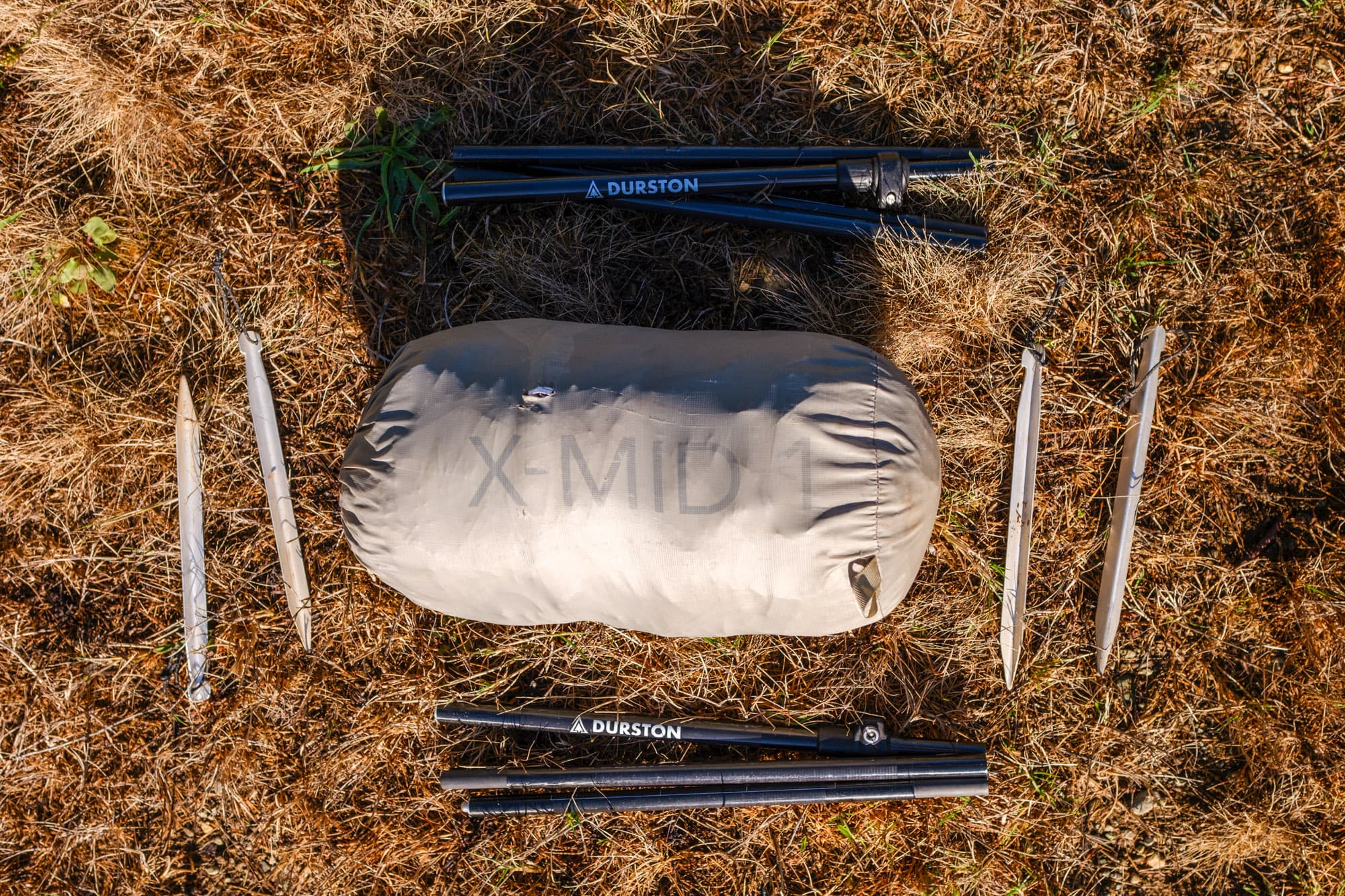
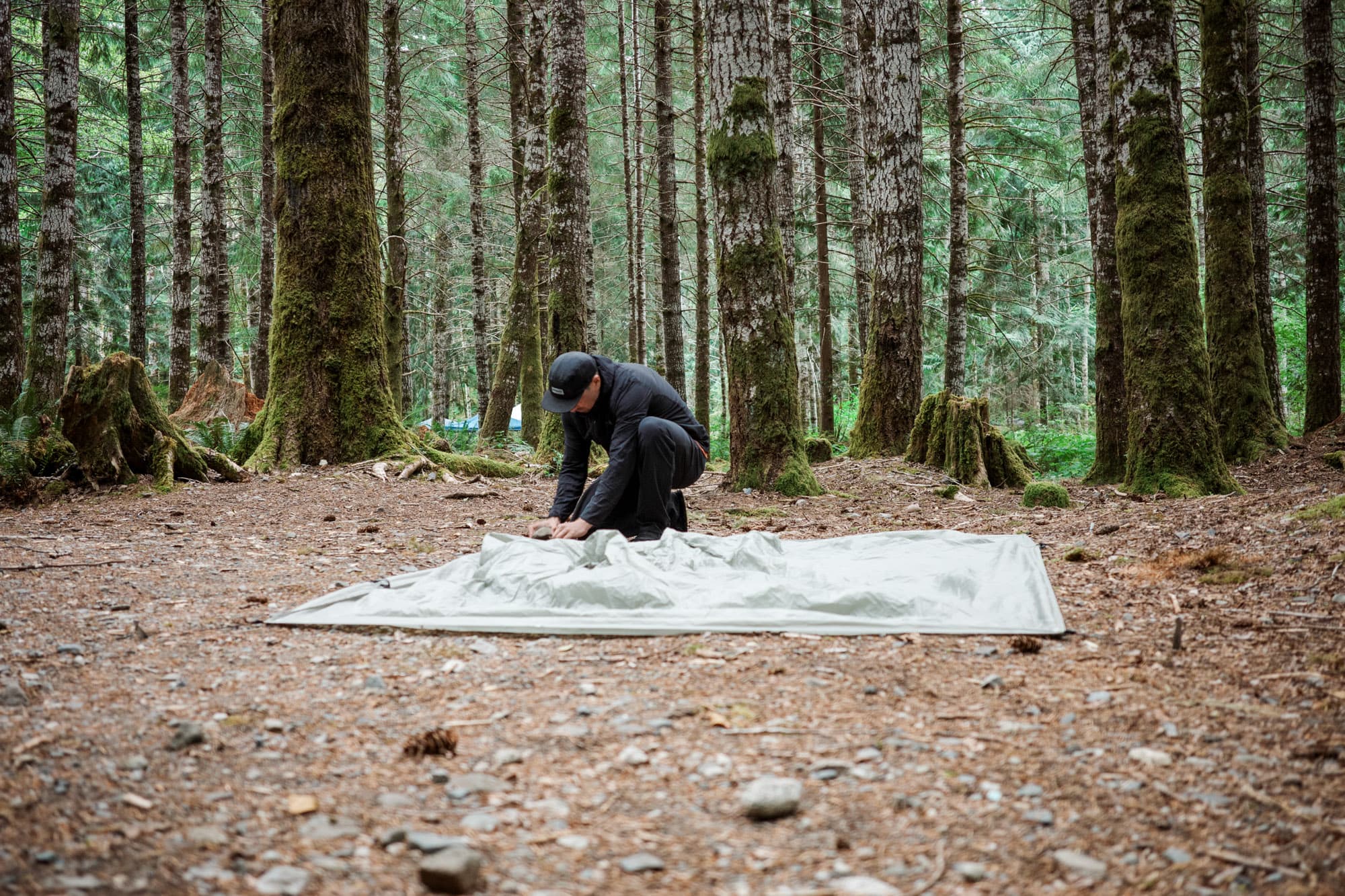
Weight is easy to measure. The Durston Gear X Mid 1 delivers an impressively light 810g trail weight; however, it's not quite that light for bikepackers. The tent is designed to be set up with hiking poles, so travelling by bike also means packing two Durston Gear Z-Flick Tent Poles that add 176g, bringing the total weight to 986 g.
For comparison, my Outdoor Research Aurora Bivy is much lighter at only 650g, but that's comparing apples to grapefruits. I can't even read a book inside the bivy, let alone sit up or change my clothes. My Big Agnes Tiger Wall UL2 is a closer comparison. At 1.12 kg, it's close in weight to the X Mid 1, but sleeps two.
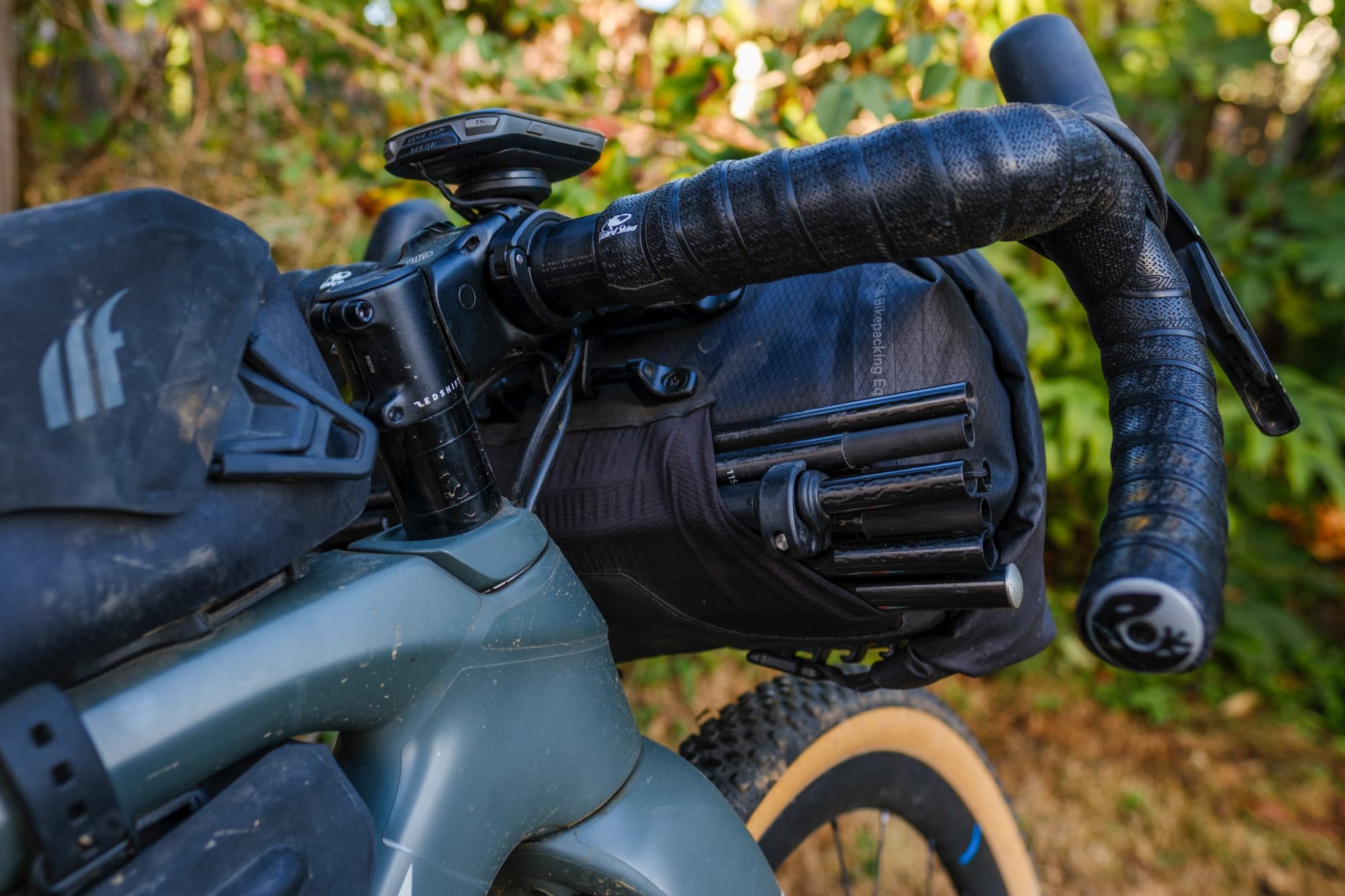
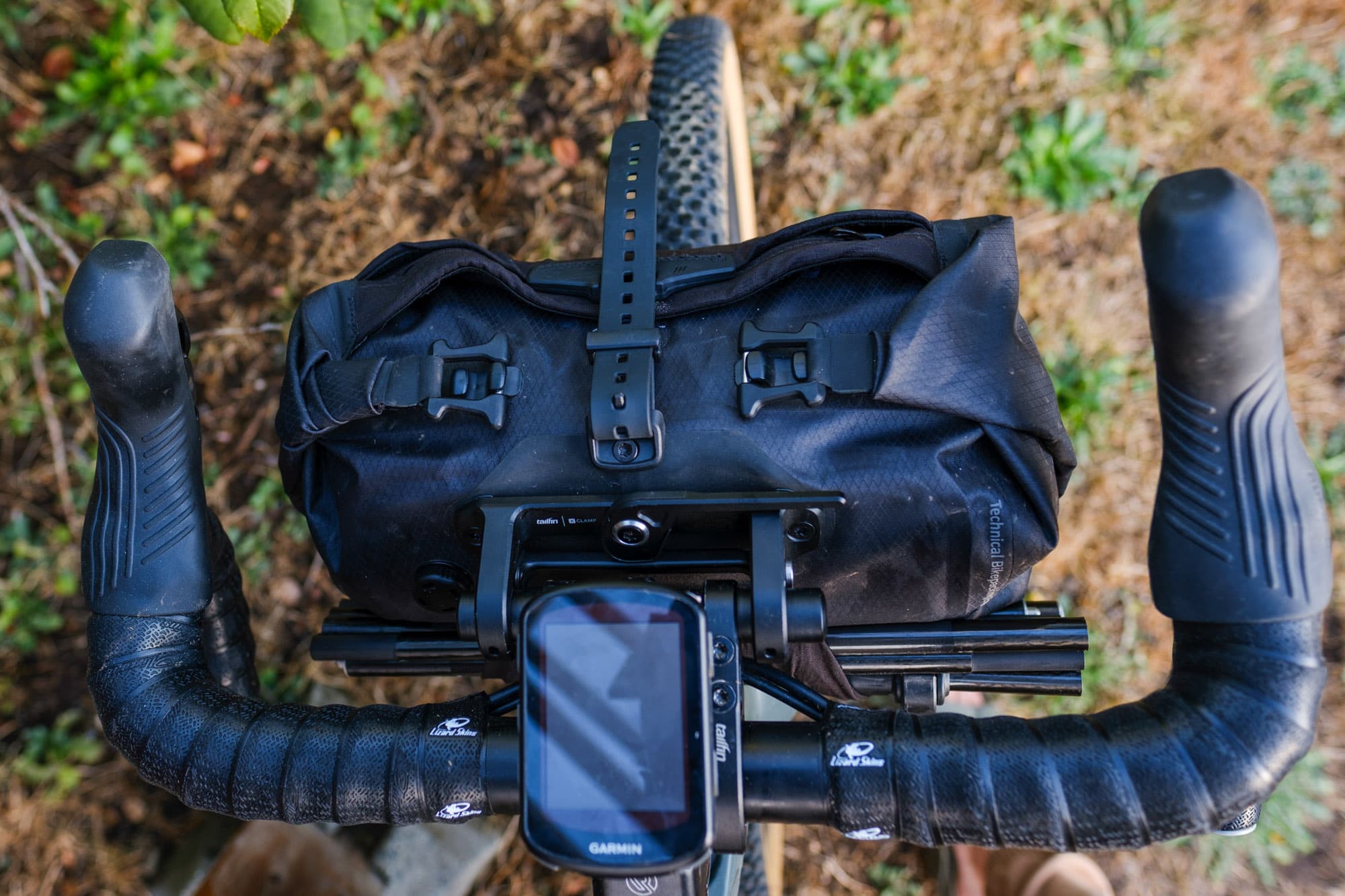
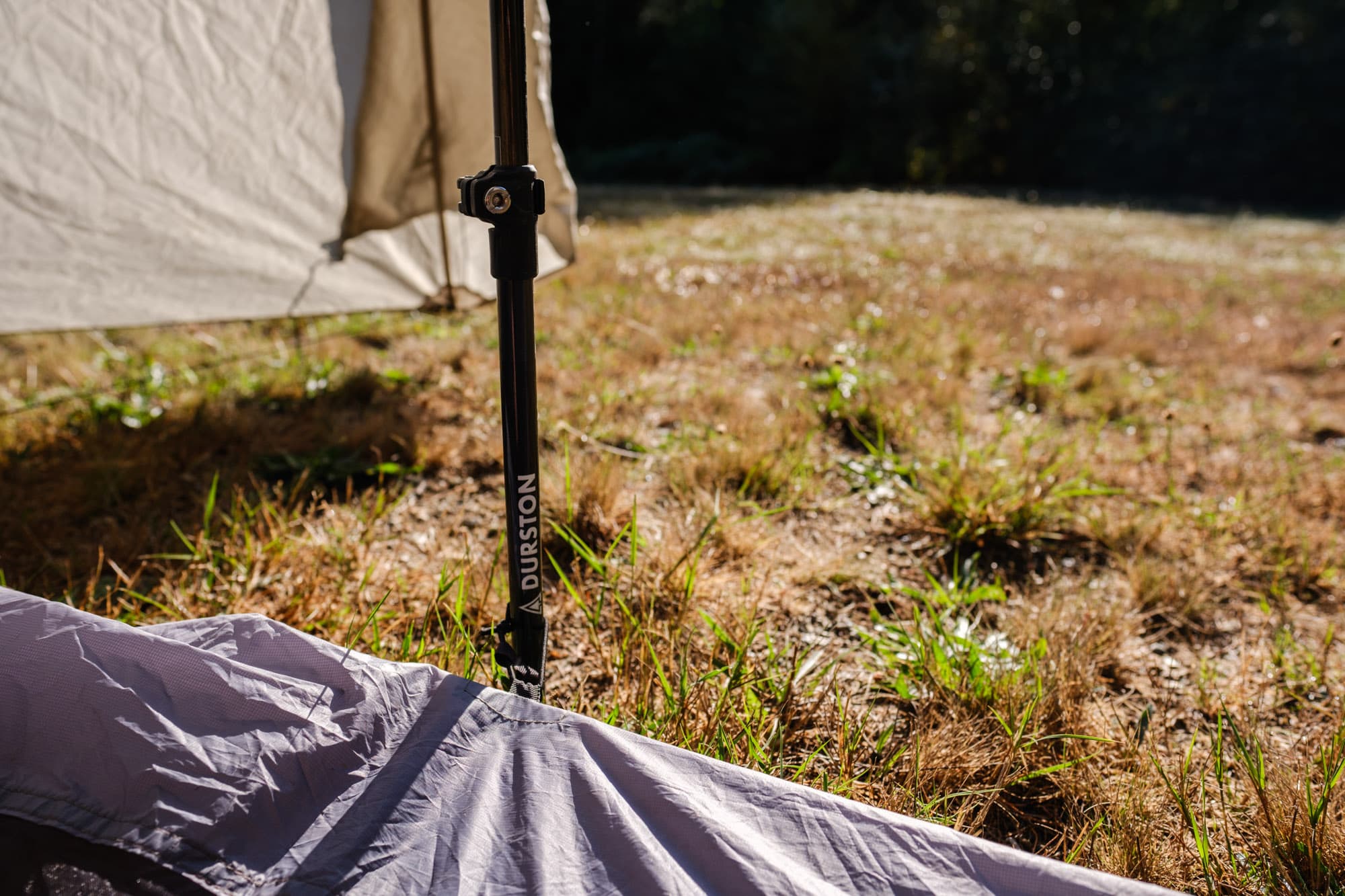
The X Mid 1 does pack very small. The tent itself is roughly the same size as my bivy sack. It's considerably smaller than the Tiger Wall UL2. The Z-Flick Tent Poles also collapse into small segments; they can fit between narrow 38cm drop bars. That's even smaller than some of Big Agnes' bikepacking models and much narrower than the standard width tent poles of our tent model.
Considering it weighs less than 1-kg and packs into a much smaller size than a standard tent, I was excited to get out and test it.
Design & Features
The X Mid 1 is a double-wall tent that's built to last. It uses premium fabrics, full double stitching, double-folded edges, and generous bartacking. The model I tested has a polyester rain fly, which doesn't sag or absorb water like nylon and starts at $375 CND. The X Mid Pro 1 is made from Dyneema to strengthen the tent while dropping its overall weight. Although these features drive up the production cost to just over $800 CND, Durston claims they keep the price competitive with exclusive direct-to-consumer sales that eliminate unnecessary price markups.
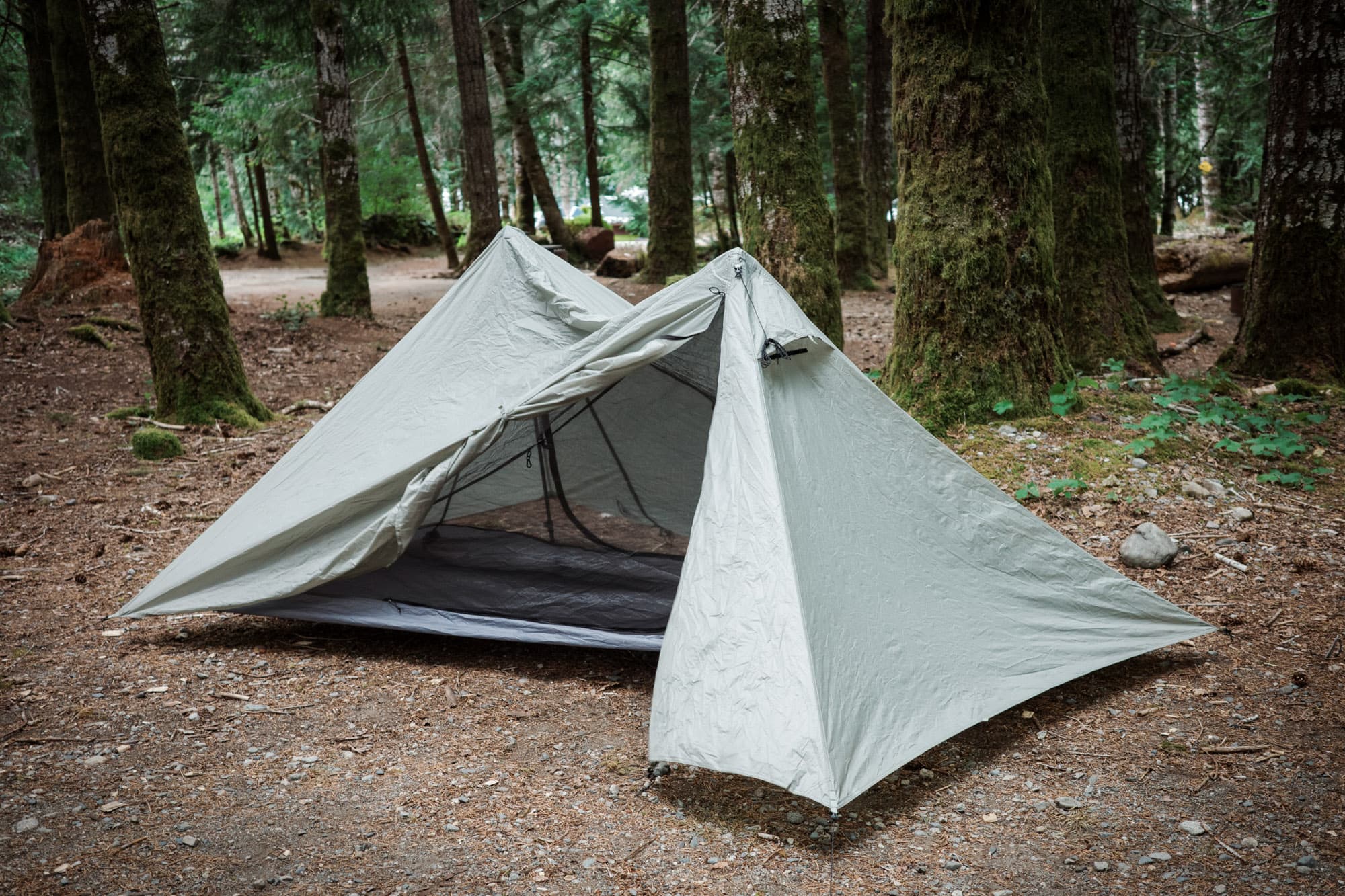
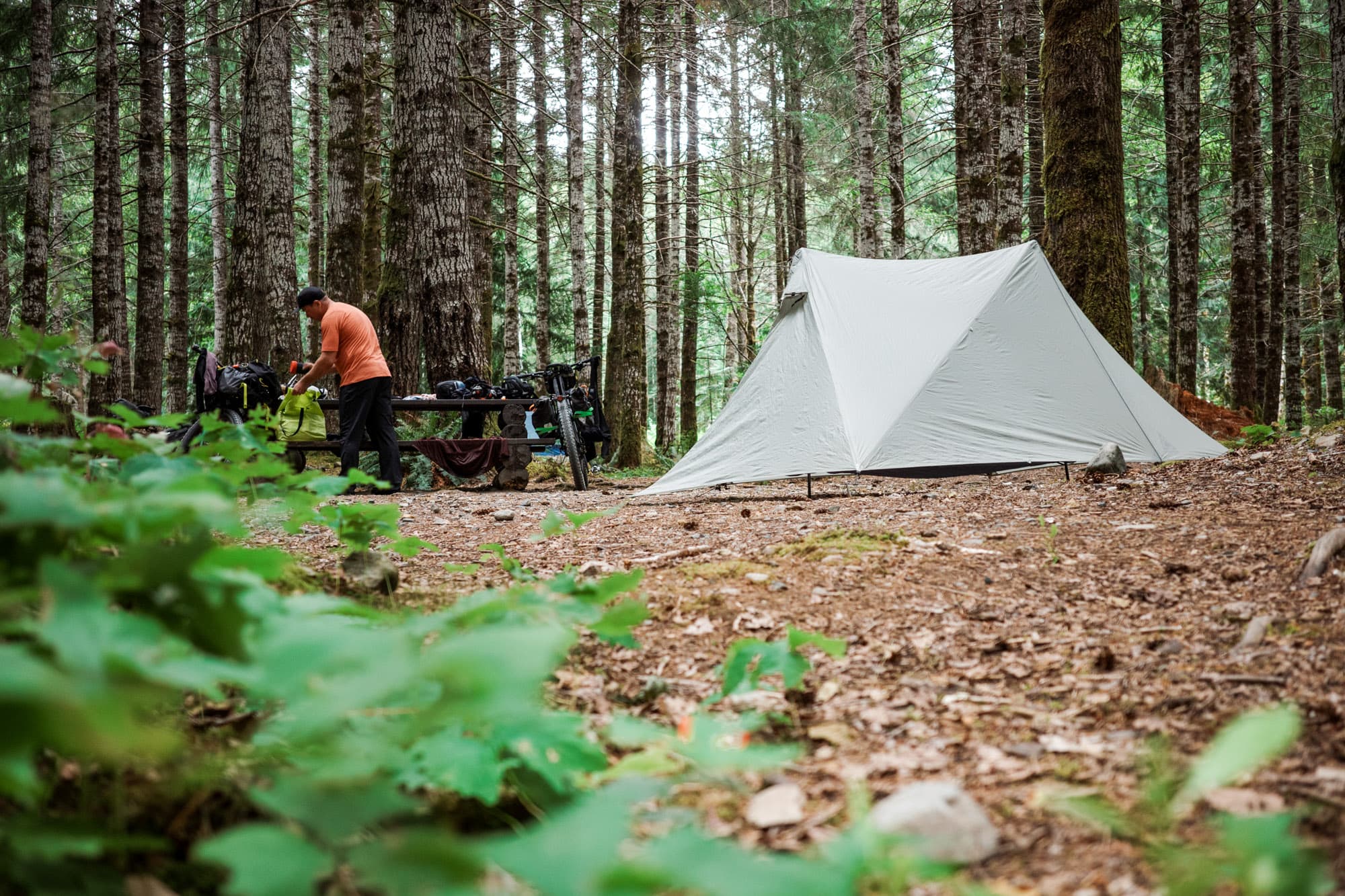
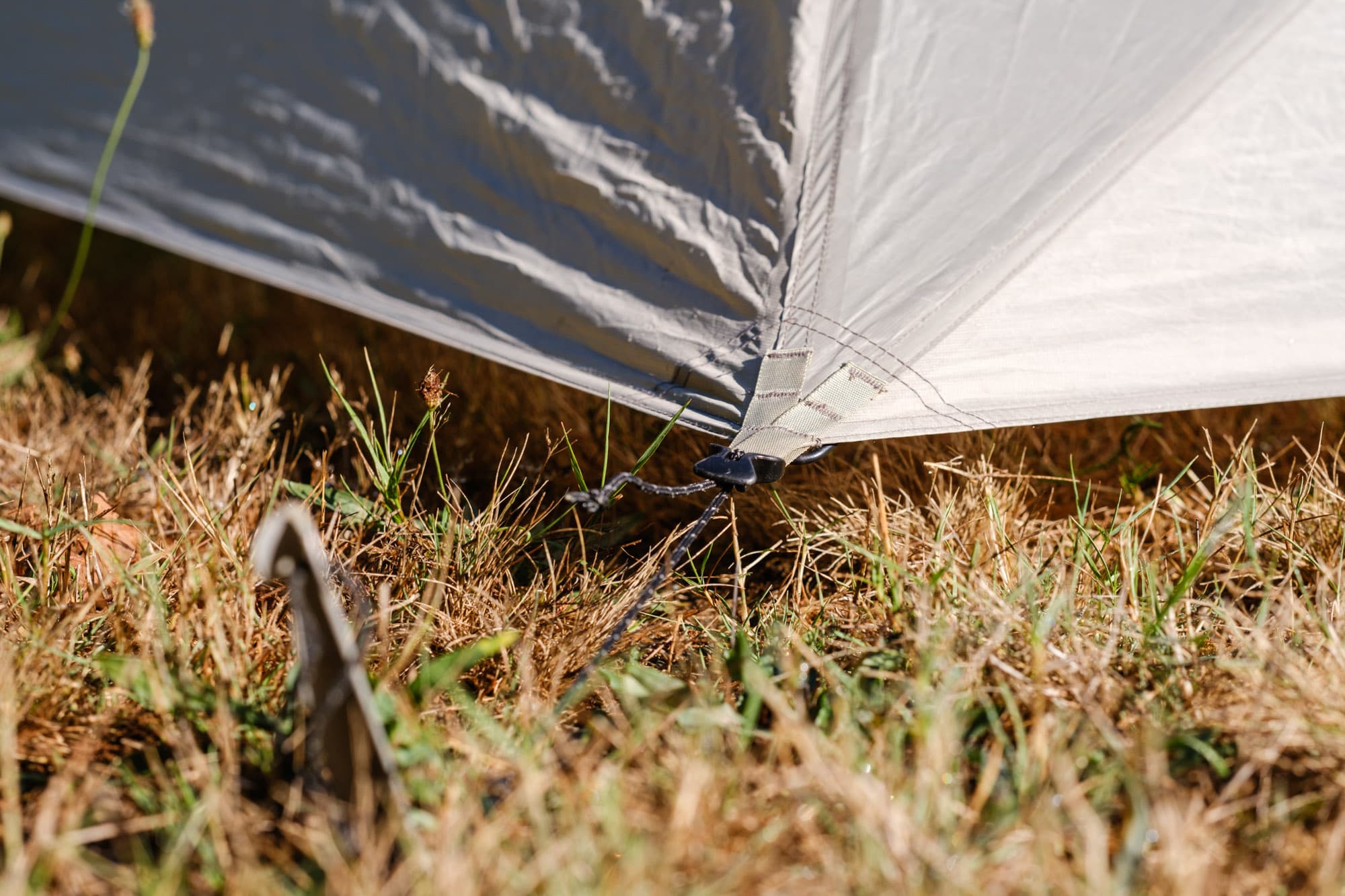
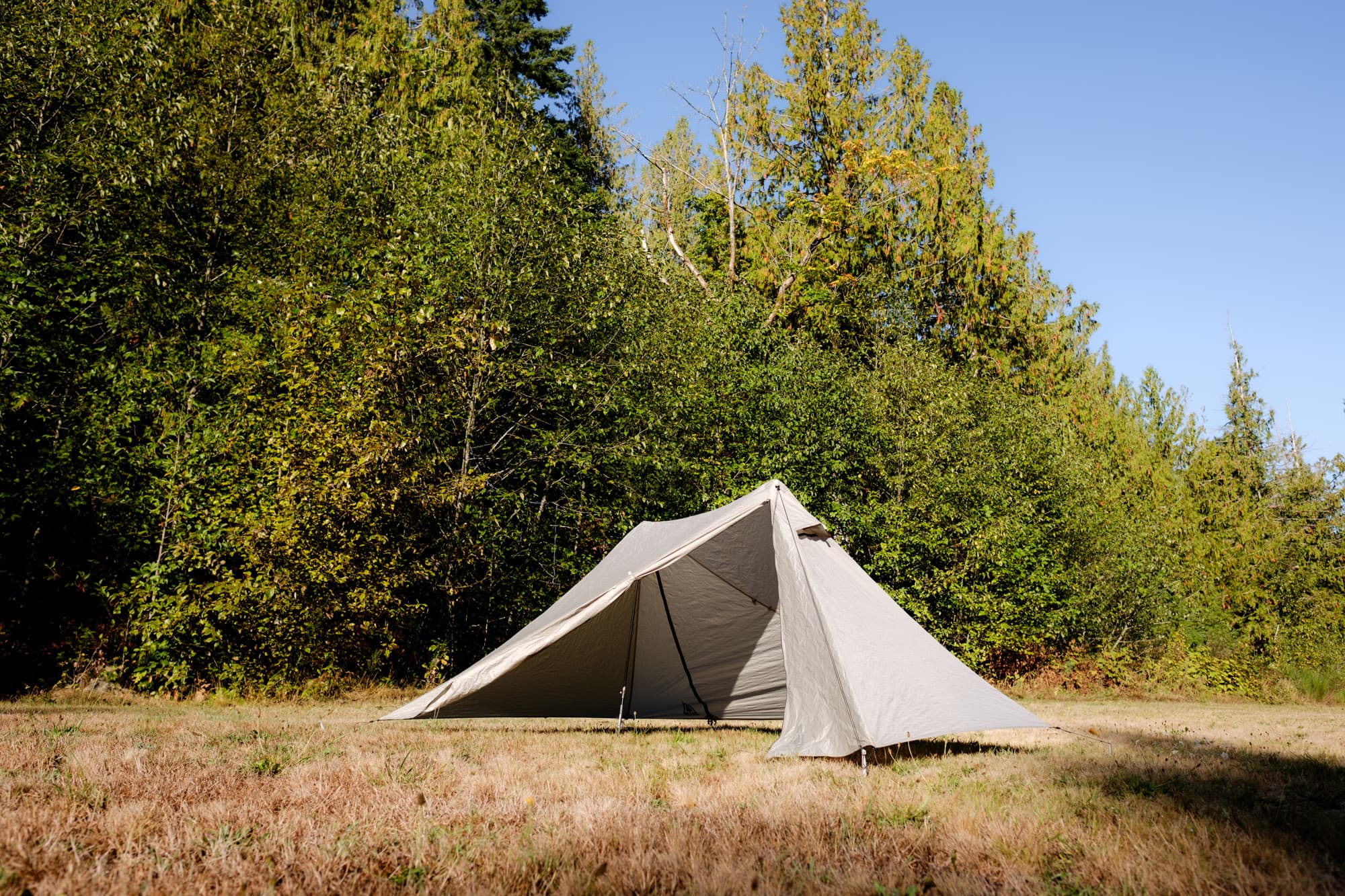
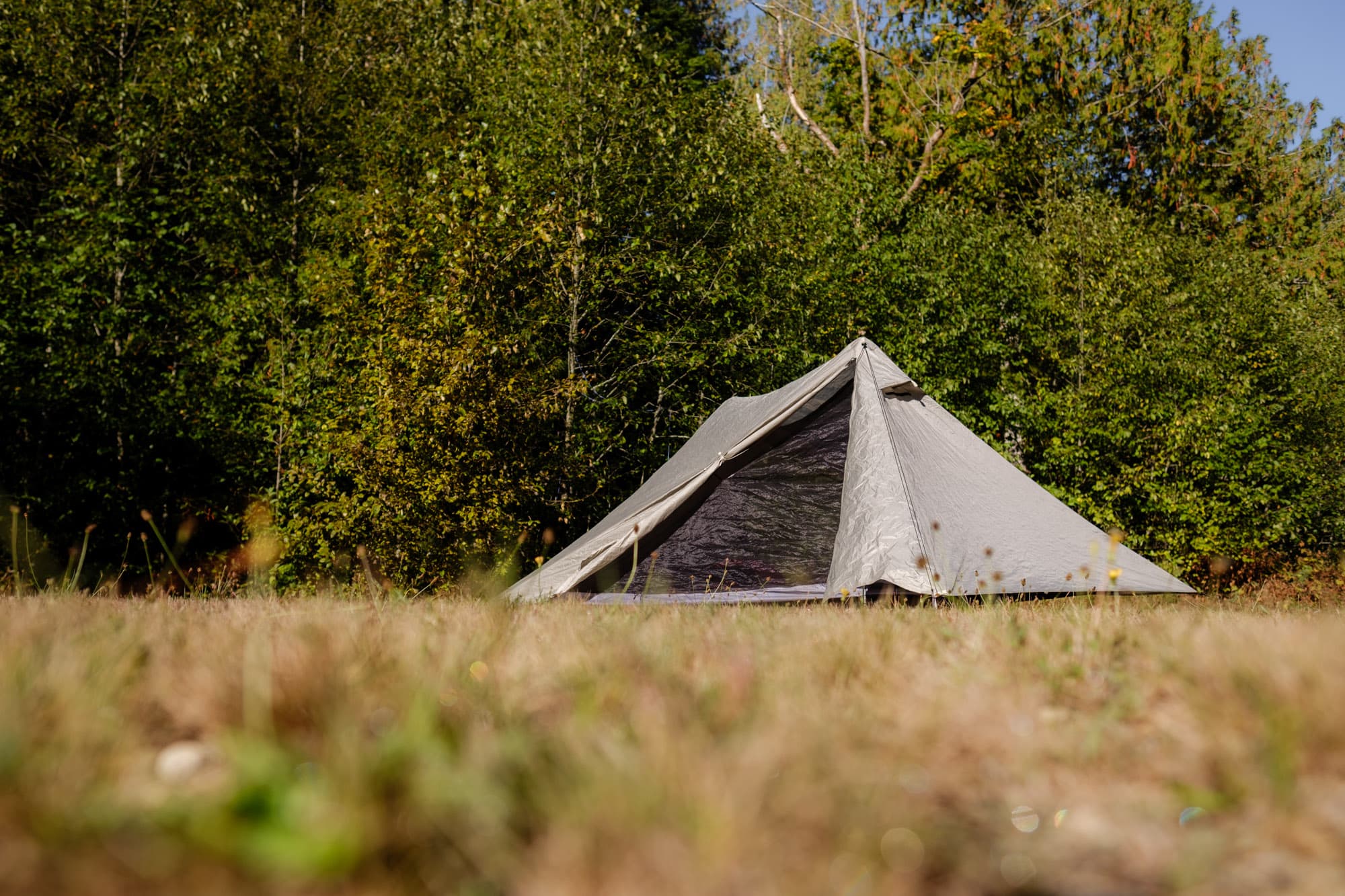
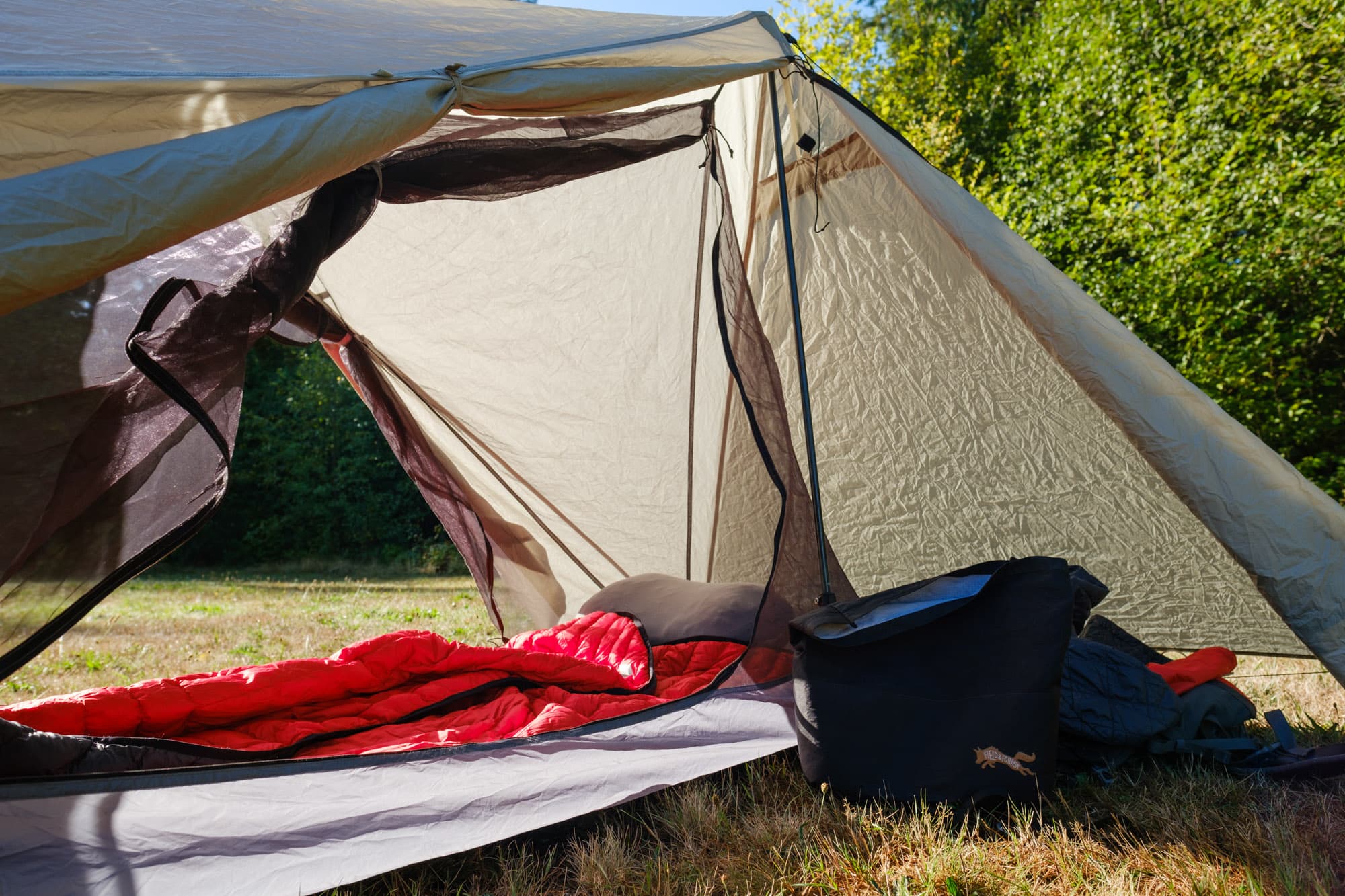
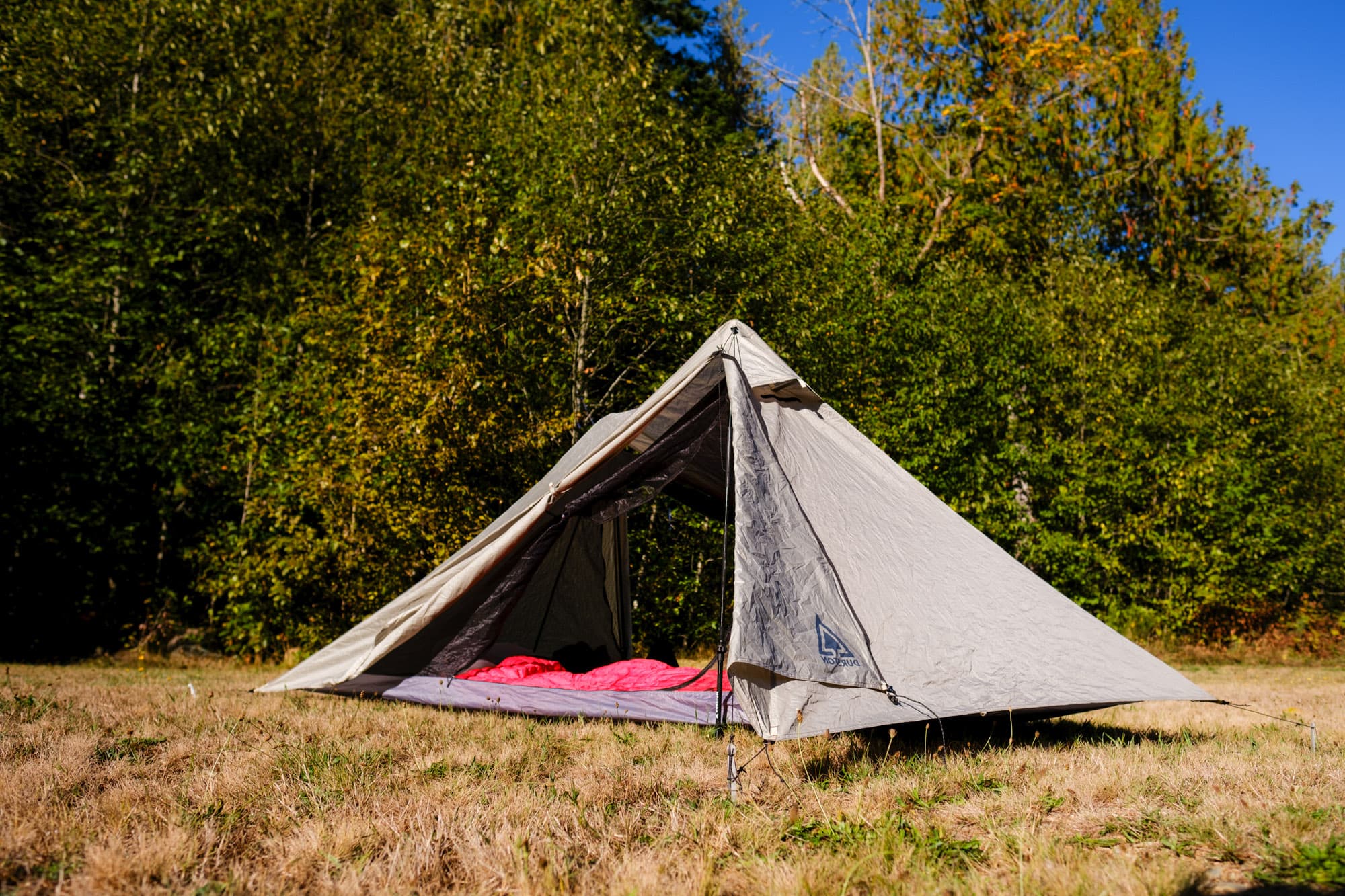
The tent uses a unique shape to create a shockingly spacious camping experience. While it is not freestanding, it only requires two poles and 4 stakes, which is pretty easy to set up. The sleep surface is wider than my rectangular Therm-a-Rest NeoAir XTherm, and it's long enough to step a bag at my feet despite my 6'2” height.
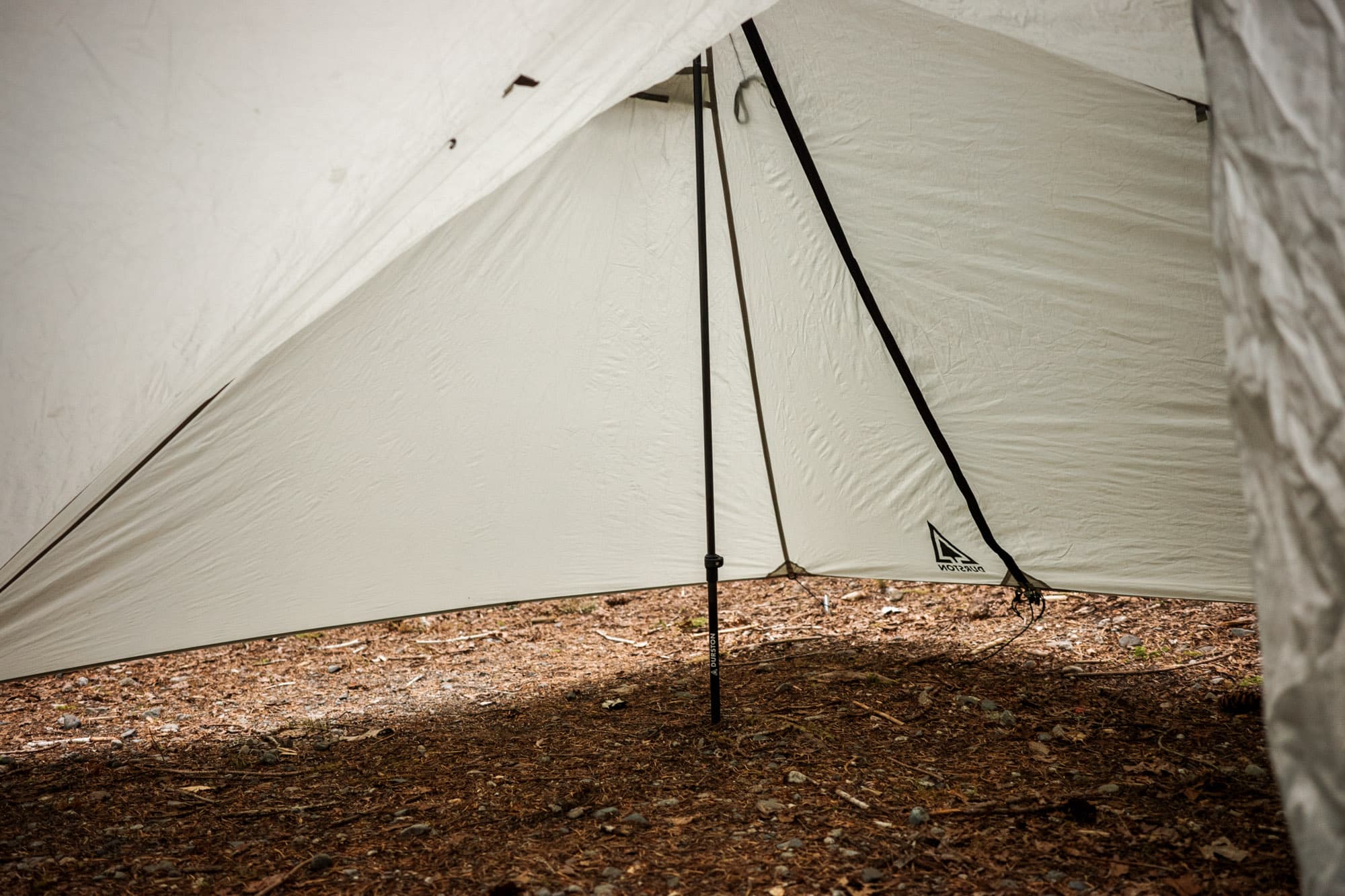
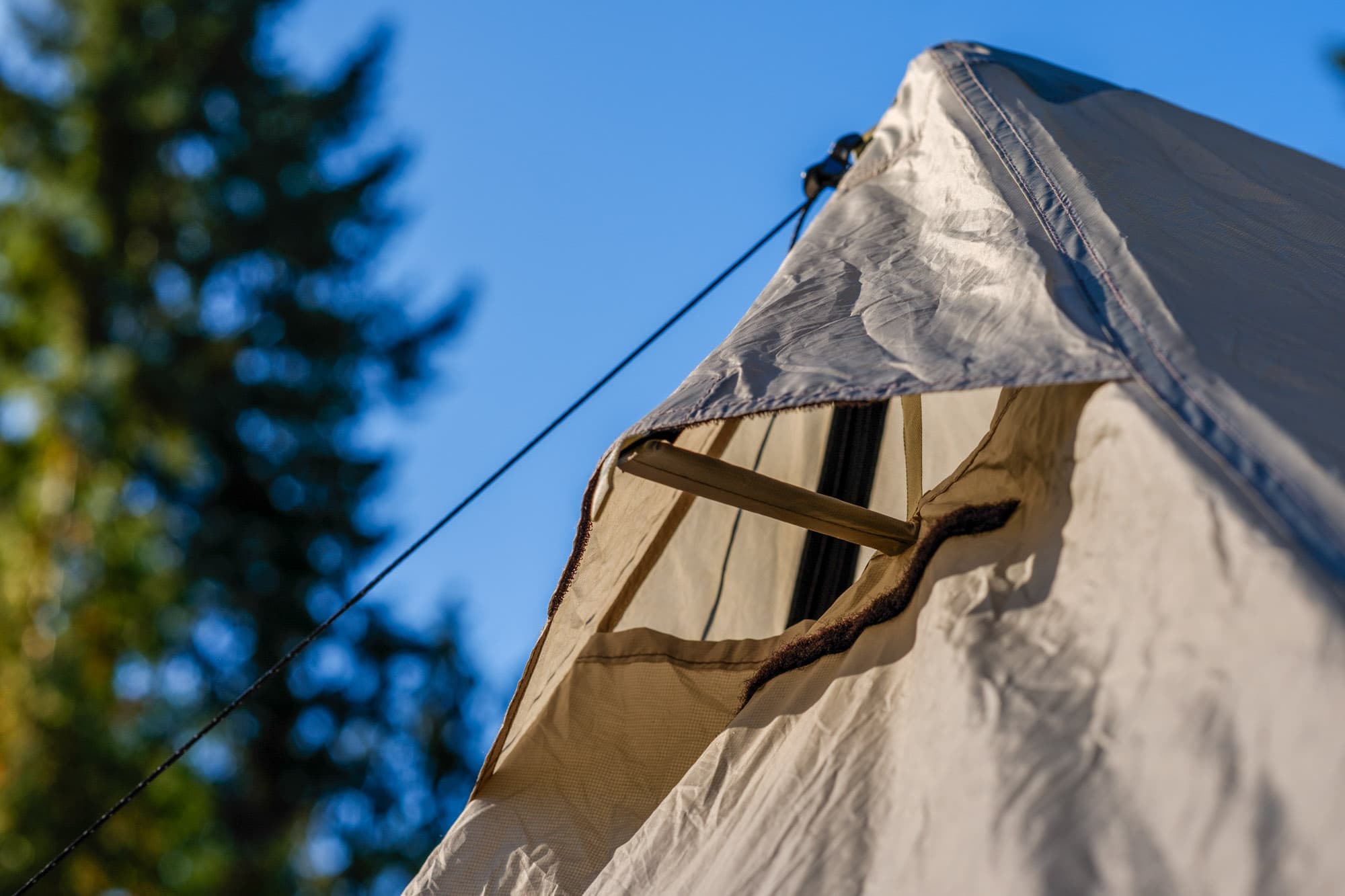
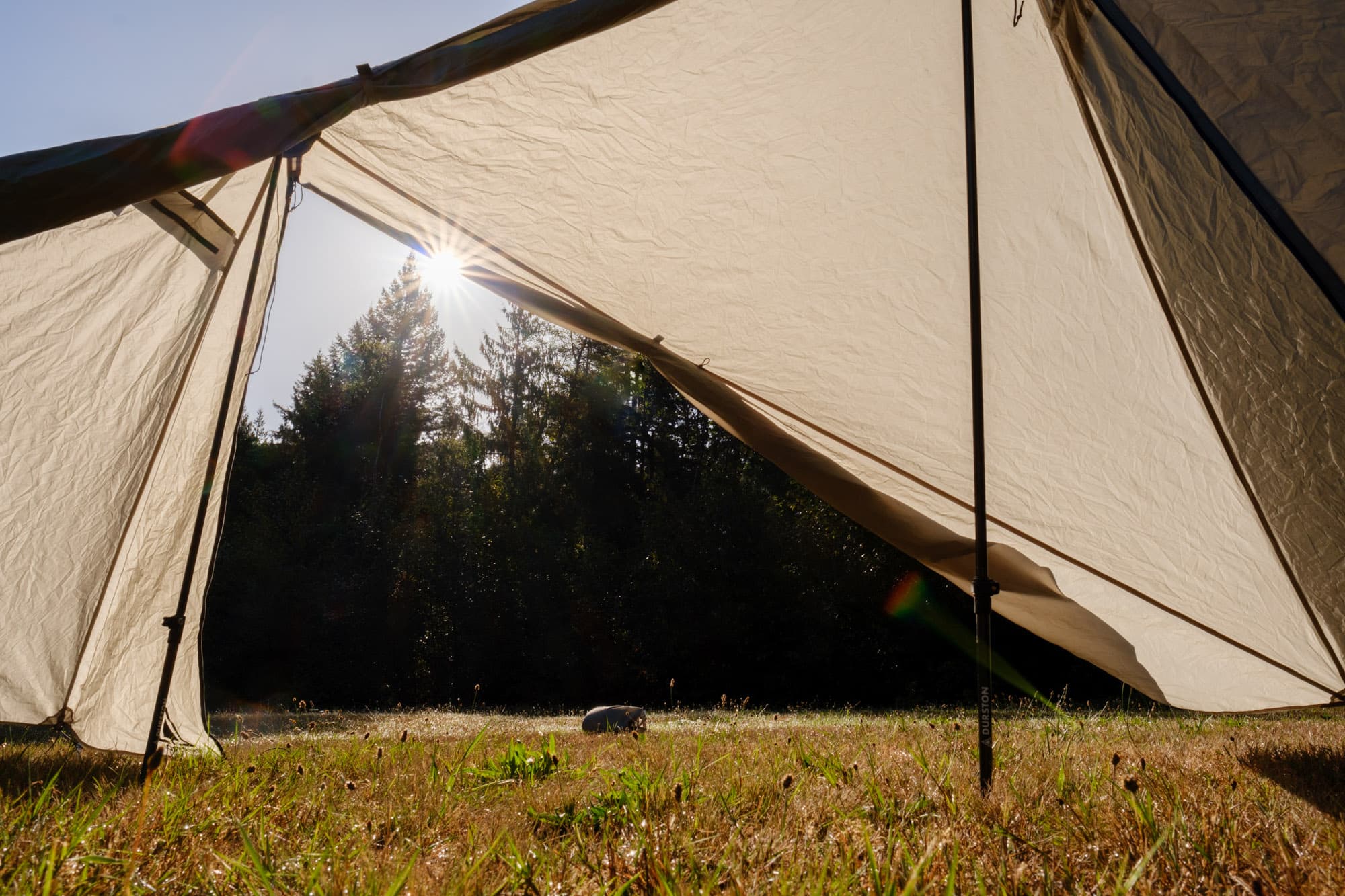
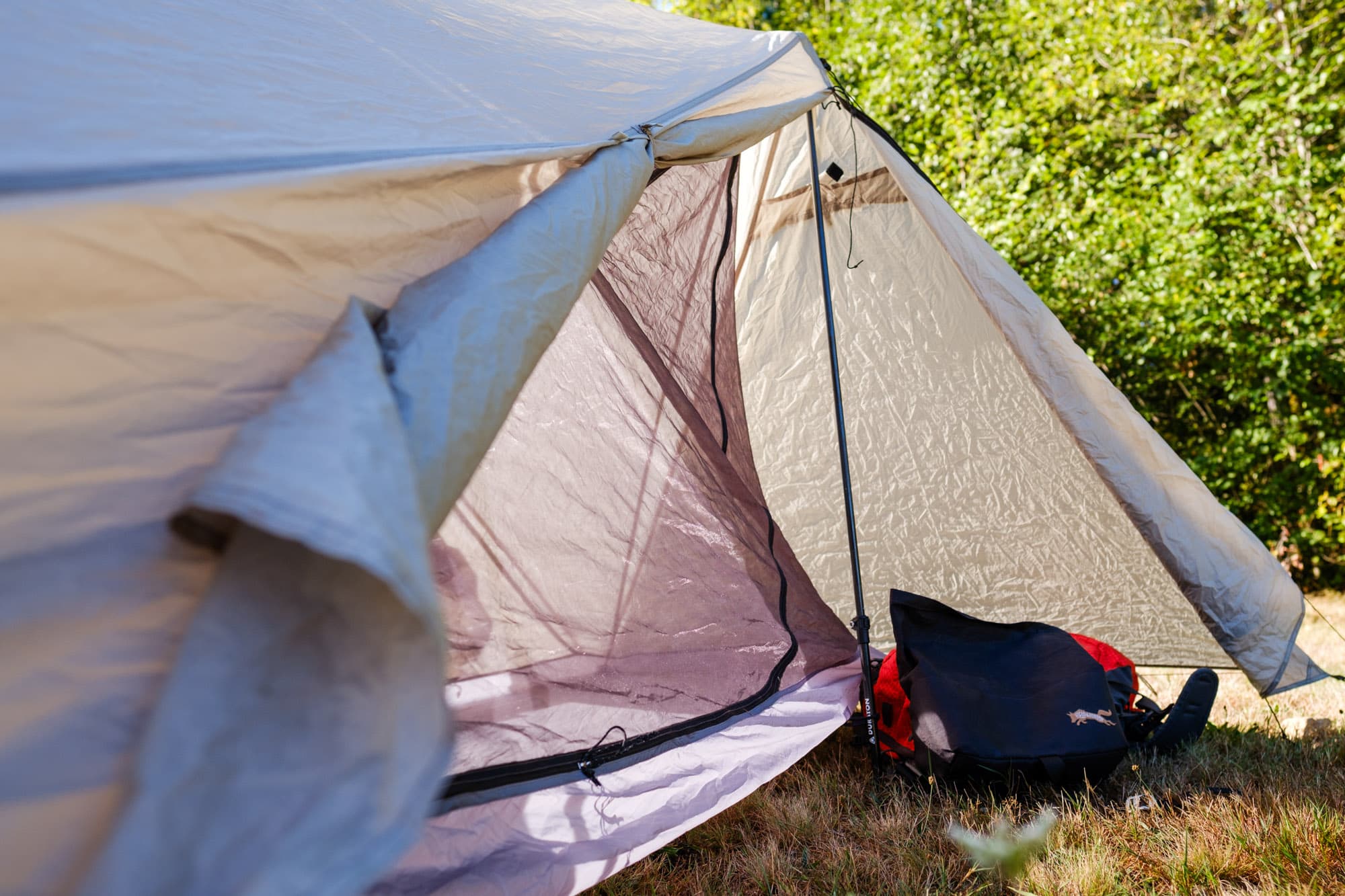
The key design feature is a rectangular fly with a diagonal ridgeline that positions the two poles further apart without sacrificing its ability to withstand wind. The interior sleep area follows that diagonal ridge, creating huge vestibules on both sides. The two-door, two-vestibule design makes access a breeze. Stowed gear sits beside, rather than in front of the doors.
Clever vents, magnetic door toggles, and small details emphasize thoughtful creation and quality. This is clearly a tent designed to improve rather than compete with other tents on the market.
Usage & Performance
My summer hasn't exactly gone as planned, with several injuries and ill-fated long rides shortened because of dehydration and fatigue. Despite my best intentions on solo bikepacking adventures, I've lent the tent out for more nights than I've used it. The result is a wealth of feedback from friends and family, which matched closely with my personal experiences.
When I first received the tent, I set it up in my yard simply to check out how it worked. I was shocked by how big it felt. Set up beside the Tiger Wall UL2, it seemed like the fly was larger on the X Mid 1. When set up without the interior tent vestibule, two people could easily sleep under the rain fly. When set up with the interior sleeping area, the large vestibules make stowing gear easy.
Packing it onto my gravel bike for a quick overnighter, I also discovered what is probably its biggest benefit. The X Mid 1 packs into a small stuff sack that's closer in size to my bivy sack than my 2-person tent. Even with the poles added, it fits easily in my minimal bikepacking setup on my gravel bike.
The tent's first big test came while bikepacking the Tree to Sea Mini Loop. Ainsley and I, along with three friends, attempted the longer Tree to Sea loop in May 2022. We endured heavy rainfalls and cold temperatures on that trip, ultimately deciding to abandon the route in Woss. The Mini Loop would see us finish the missing sections of our original trip.
Once again, we were travelling with a friend. This time, it was Mike Mahoney, visiting from Jasper. Because I was camping with Ainsley, Mike ended up using the X Mid 1. Compared to the two-person hiking tent he planned to carry, it saved about 500g and fit neatly into his micropanniers rather than atop his rear rack.
In camp, he found it spacious and easy to set up. Although we didn't have rain, fluctuating temperatures led to heavy condensation each morning.
“The design was really good,” he said. “It's impossible to touch the rainfly from inside the tent, so everything stayed dry. It was also really easy to raise or lower the fly, so I could really adjust how much airflow I wanted.”
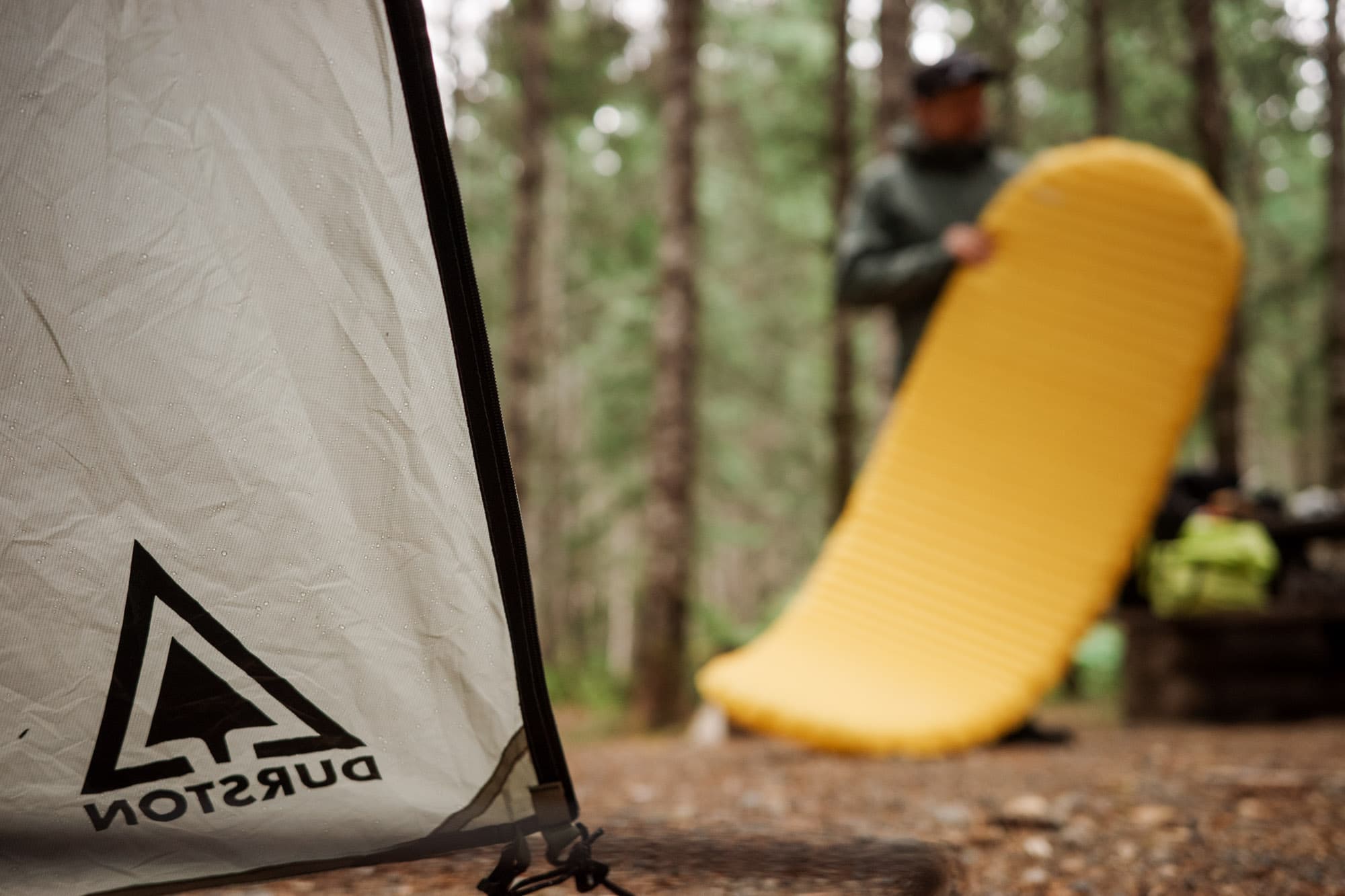
“There is so much space, too, that it felt like a bigger tent,” he added. “I had all my gear under the vestibule, not inside with me. I also liked how my Therm-a-Rest fit snugly in the sleeping area, like it was locked in place.”
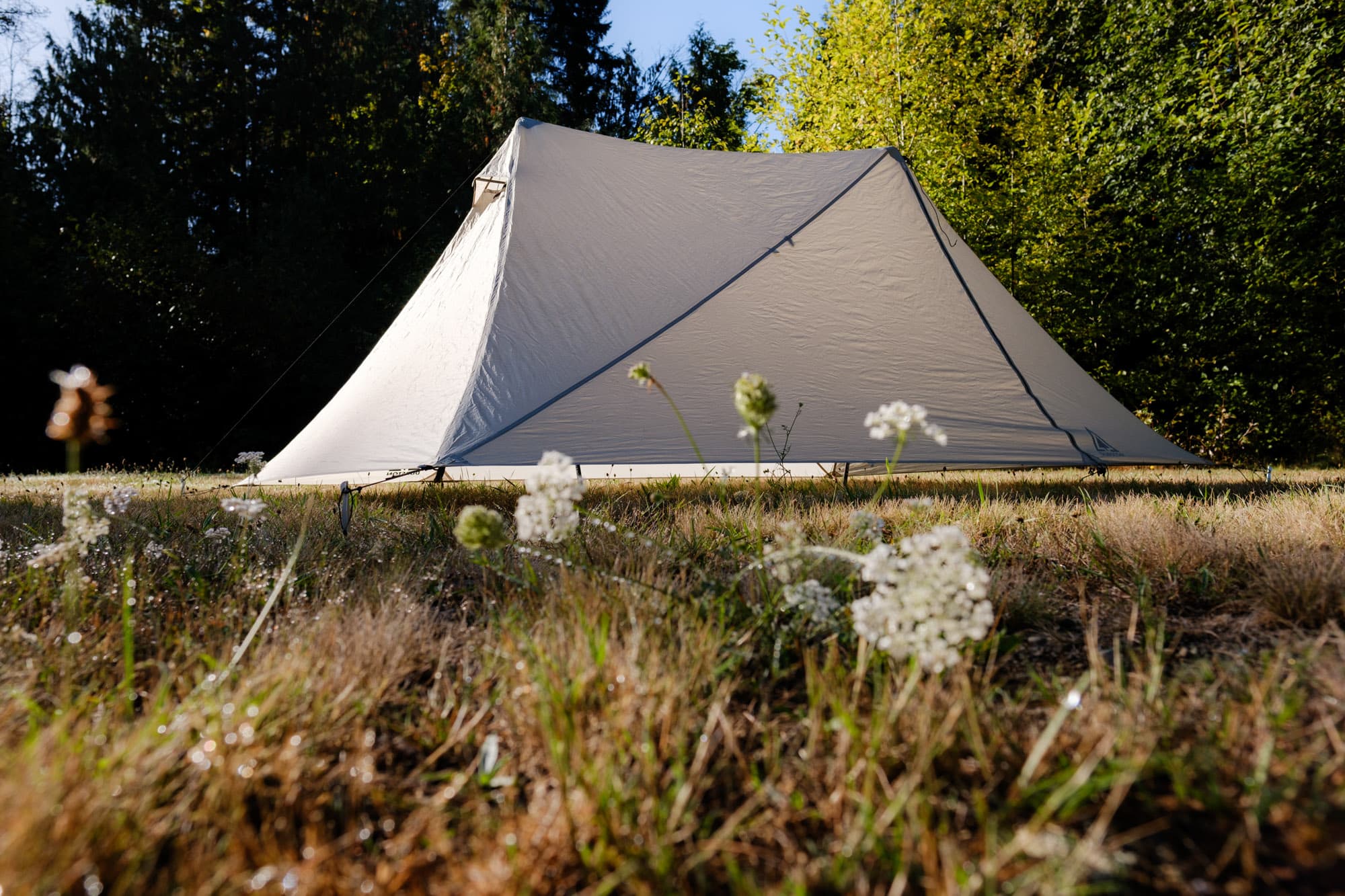
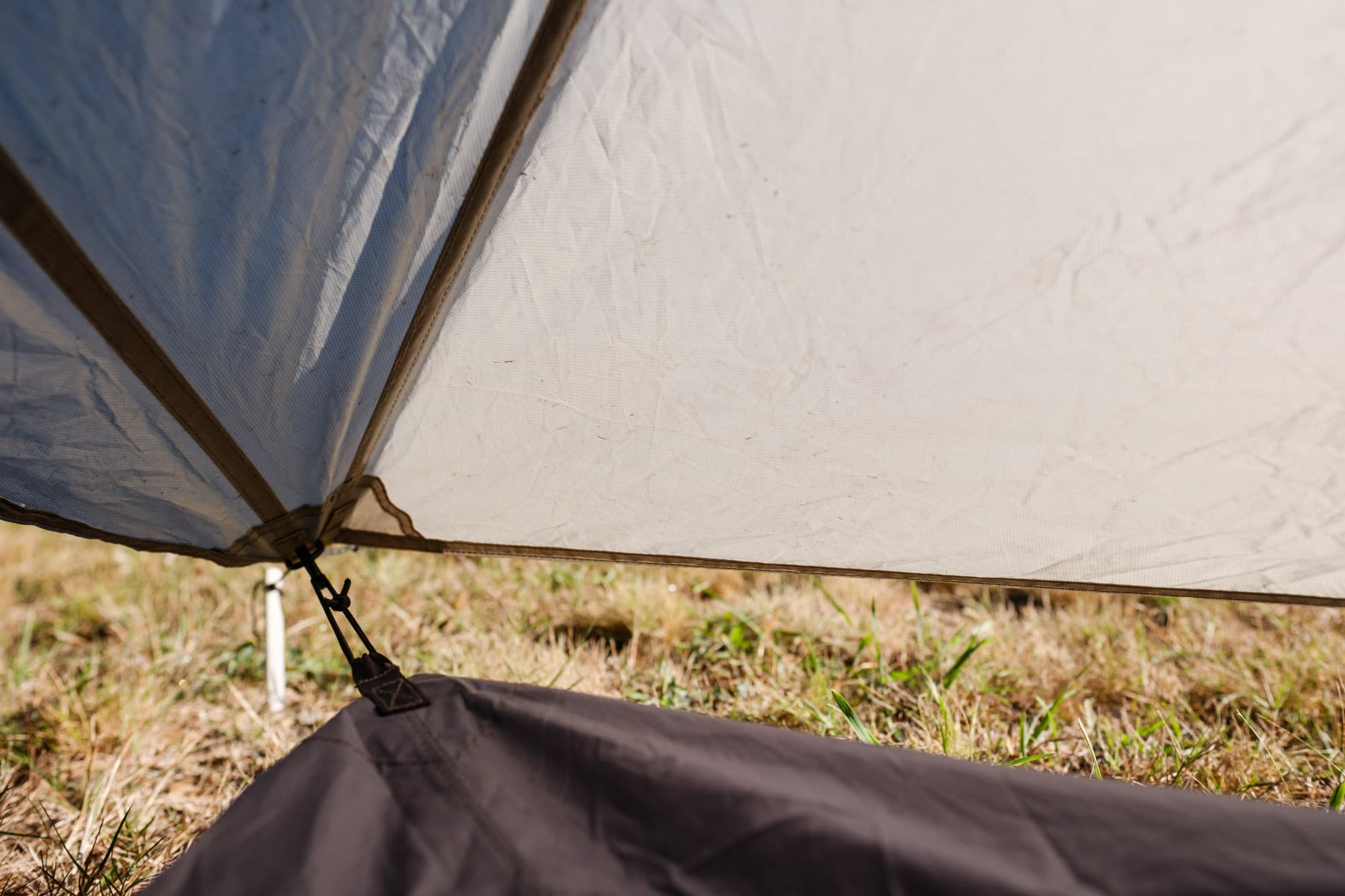
He did point out the confusing branding. The Durston logo was darker on the inside of the tent than on the outside, almost appearing like it was on the wrong side. It made it confusing setting up, as instincts usually made him start with the tent fly reversed before correcting his mistake.
A month after our Tree to Sea mini adventure, both Ainsley and I were registered for Slow Coast. This annual weekend blends community, education, and conservation into an approachable bikepack adventure. Despite having registered two years in a row, I've still never made it. Last year, I was stuck at home with influenza. This year, I broke my hand a week before the event.
Because she was now riding solo, Ainsley decided to use the X Mid 1 to save space and weight. While packing, she discovered just how small the setup was. Using the Tailfin Bar Bag System doesn't usually work well with her narrow 38cm dropbars, but it was the perfect setup to carry the tent.
When I reviewed that bag, I wrote, “I have yet to find an efficient use for the additional stash pocket that sits underneath the clamp on the rear side of the bag.” It turns out it's ideal for carrying the Durston Z-Flick Tent Poles. They fit perfectly in that pocket and do not interfere with the shifting, even on Ainsley's narrow handlebars.
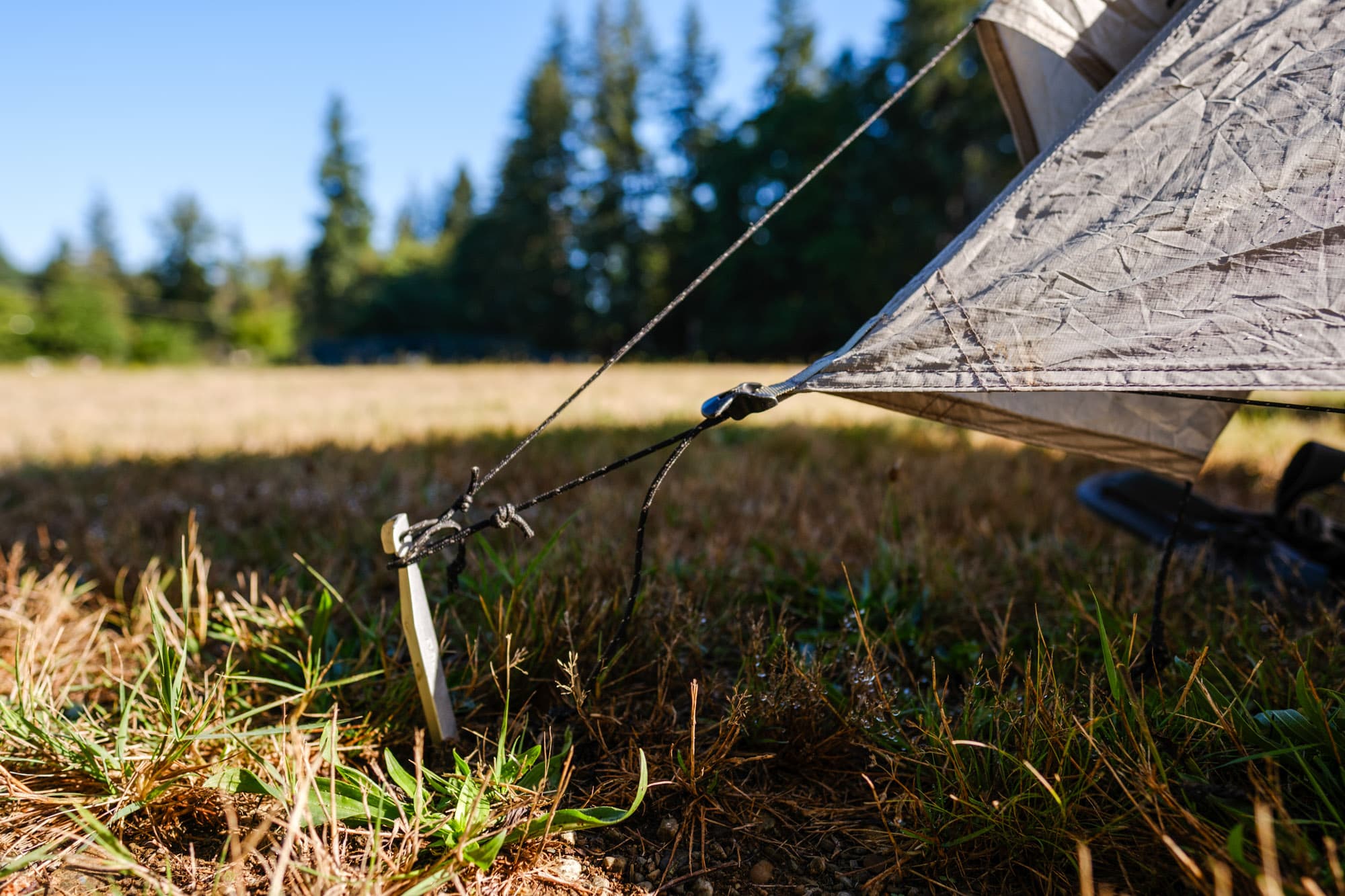
Her camping experience mirrored Mike's, leading her to mention many of the same benefits, with storage space and easy setup. Another participant at the slow coast had the same tent and showed her a few tricks to make the setup even faster. Her only concern is that the tent is completely dependent on its four pegs.
“We were camped on hard ground, which made it hard to drive the stakes in deep,” she said, “and the entire tent collapses if a stake pops out of the ground. I can imagine the same issue if camping on softer surfaces, too.”
On the second night of her trip, it rained heavily. Despite not having the guidelines staked, the simple 4-stake setup was more than enough to keep the tent setup tight and prevent the fly from sagging into the tent's interior. This not only kept things dry inside, but also meant more water beaded off and the fly dried quickly before she packed it back onto the bike to finish the trip.
Conclusion
When I first received the Duston X Mid 1, I was excited to try it. I was also a bit apprehensive. My pre-conceived ideas for the conclusion was going to point out how the tent's hiking pole design made it less suited for bikepacking than trekking. It turns out that isn't the case.
Paired with the lightweight Durston Z-Flick Tent Poles, the X Mid 1 is an incredibly well-designed 1-person tent. It packs super small, weighs less than a kilogram, and affords more space than I could rationally expect from a 1-person tent.
Between the three of us who have used it, we struggled to come up with a list of cons. The tent worked great and exceeded our collective expectations.
Unquestionably, this tent removes any chance I'll use my bivy sack again. I can't imagine a bikepacking scenario when I wouldn't want the space, comfort, and storm protection of the X Mid 1 compared to my bivy sack.
I hope it has the proven durability of my Big Agnes Tiger Wall UL2, but I have no reason to worry. Since the X Mid 1 debuted, it has garnered praise and awards from The Trek, Outdoor Gear Lab, Section Hiker and other publications. According to surveys on The Trek and Halfway Anywhere, it's also the most popular 1-person tent on the USA's triple crown hikes (Appalachian Trail, Continental Divide Trail, and Pacific Crest Trail), so I have no doubt it would also serve bikepackers well on the four Mountain Series races (Silk Road, Atlas, Hellenic, Taurus) or the bikepacking triple crown (Arizona Trail, Colorado Trail, and Tour Divide).
While I am unlikely to appear on any of those start lines, I am guaranteed to be using the X Mid 1 on solo bikepacking adventures for years to come.
Pros
- Lightweight and packs small.
- Large vestibule for gear storage.
- Great price for a premium tent.
- Long enough for tall campers.
- Canadian company based in Golden, BC.
Cons
- Not free-standing, requires 4 pegs.